
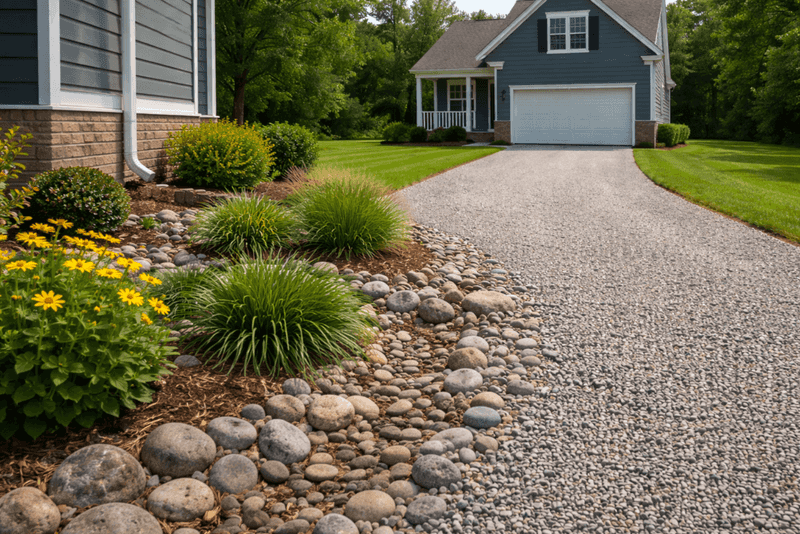
North Carolina summers bring pop-up thunderstorms that can turn a pretty garden path into a soggy mess in minutes. If you have ever walked out after the rain and found mulch scattered across your lawn or gravel washed into the flowerbeds, you know the frustration.
Choosing between gravel and mulch is really about which one holds up, stays tidy, and keeps your yard family-friendly without a lot of extra work. Let’s compare the two head to head so you can pick the path that fits your Piedmont, coastal, or mountain yard.
1. How Heavy Summer Downpours Test Both Materials
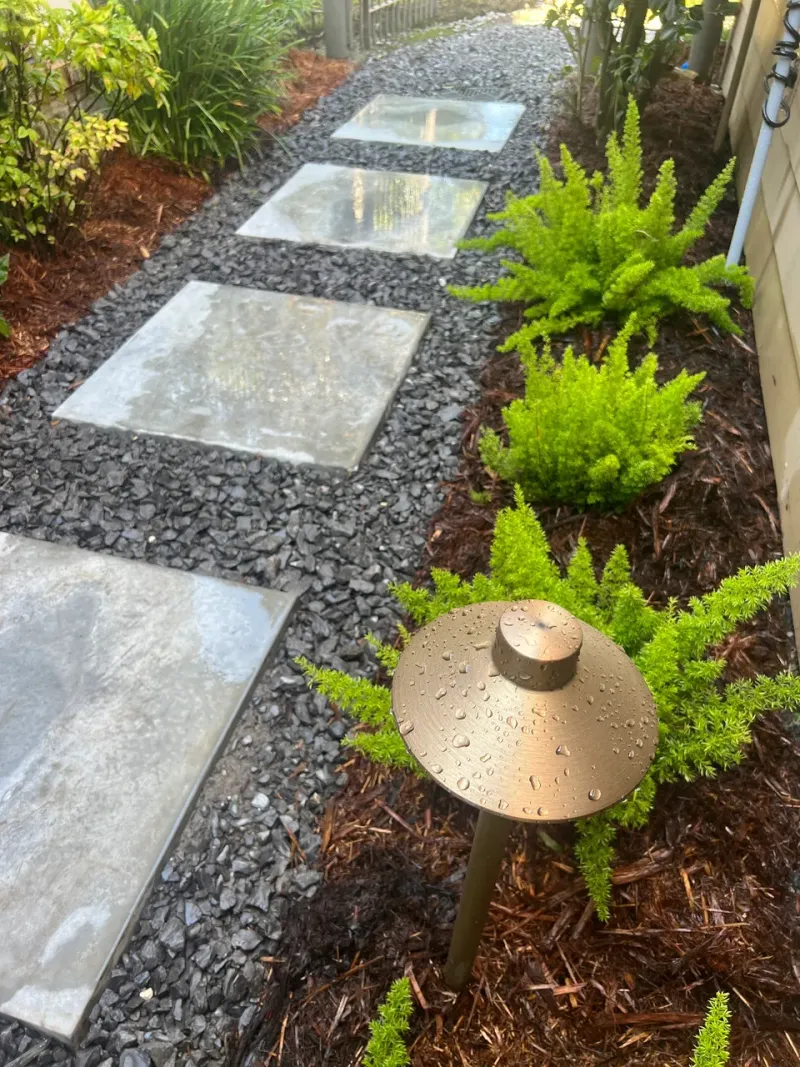
Picture a July afternoon in the Piedmont when the sky opens up and dumps an inch of rain in twenty minutes. That kind of sudden, forceful water is exactly what separates a path that stays put from one that ends up all over your yard.
Gravel and mulch handle that pressure very differently. Water tends to sink down through gravel and keep moving, while mulch can float and drift when the runoff picks up speed.
Understanding how each one reacts to a real NC storm helps you set the right expectations before you spend a weekend building anything.
The good news is that both materials can work well here. The trick is knowing where the water goes on your property and how much slope your path has.
A flat path in the coastal plain behaves nothing like a sloped mountain walkway, and the storm test looks different for each.
2. Gravel Paths: The Drainage Champion
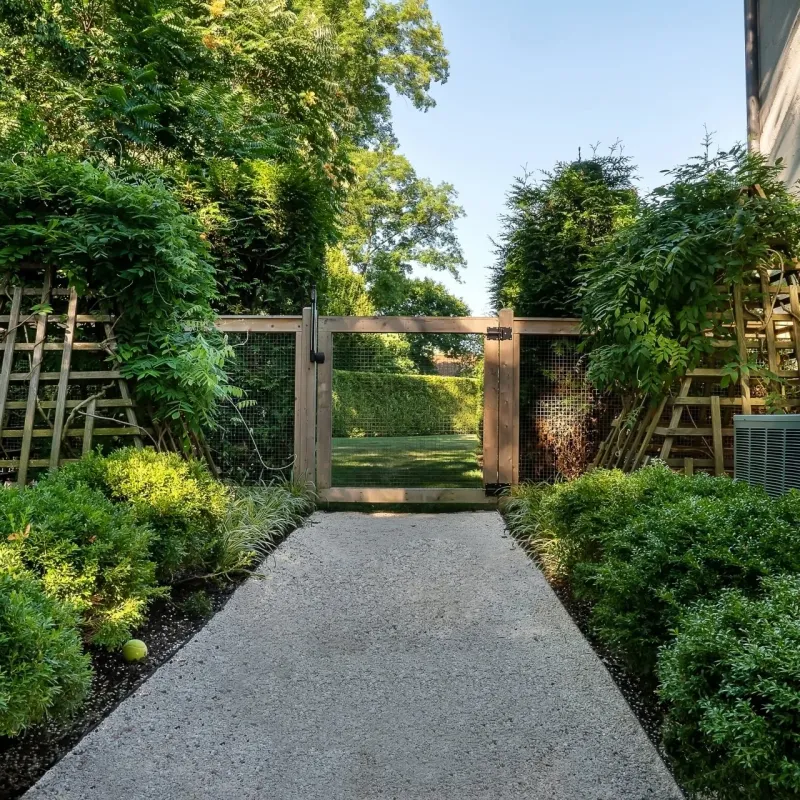
If drainage were a sport, gravel would take home the trophy nearly every time. Rainwater slips through the stones and into the ground instead of pooling on top, which means you can walk your gravel path minutes after a storm without sinking into mud.
Crushed gravel with a range of stone sizes locks together and resists washing away better than smooth pea gravel. On mostly level ground, a well-built gravel path can shrug off a summer thunderstorm and look almost untouched afterward.
There is one honest catch worth mentioning. On a steep slope, fast runoff can still carry loose stones downhill, so gravel shines most on flat to gently sloped sections of the yard.
3. Mulch Paths: The Soft, Natural Look That Can Wander
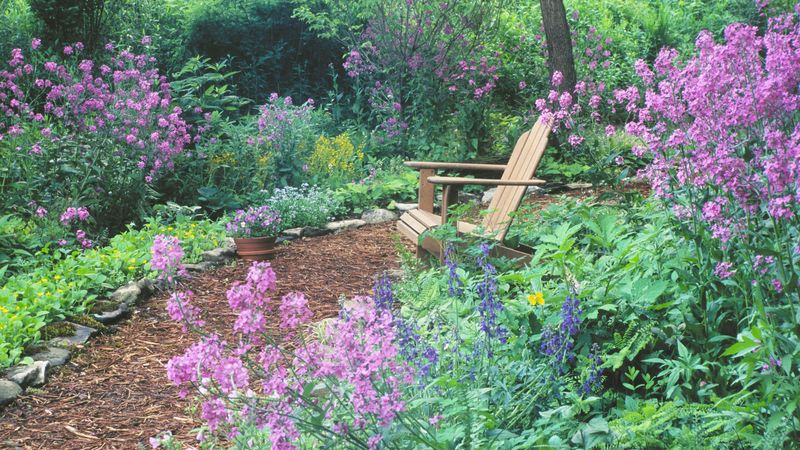
There is something cozy about a mulch path. It cushions your steps, blends into a natural garden, and costs less to lay down than most other options, which is why so many NC gardeners start here.
The trouble shows up when the rain gets serious. Lightweight bark and wood chips can float, and a strong runoff will nudge that mulch right off the path and into your beds or lawn.
After a big storm you may find yourself raking it back into place.
Mulch behaves best in shady, sheltered spots where water moves slowly. Tucked under trees in a low-traffic corner of the garden, a mulch path can stay reasonably tidy and keep that soft, woodland feel many homeowners love.
4. Which One Fights Mud Better
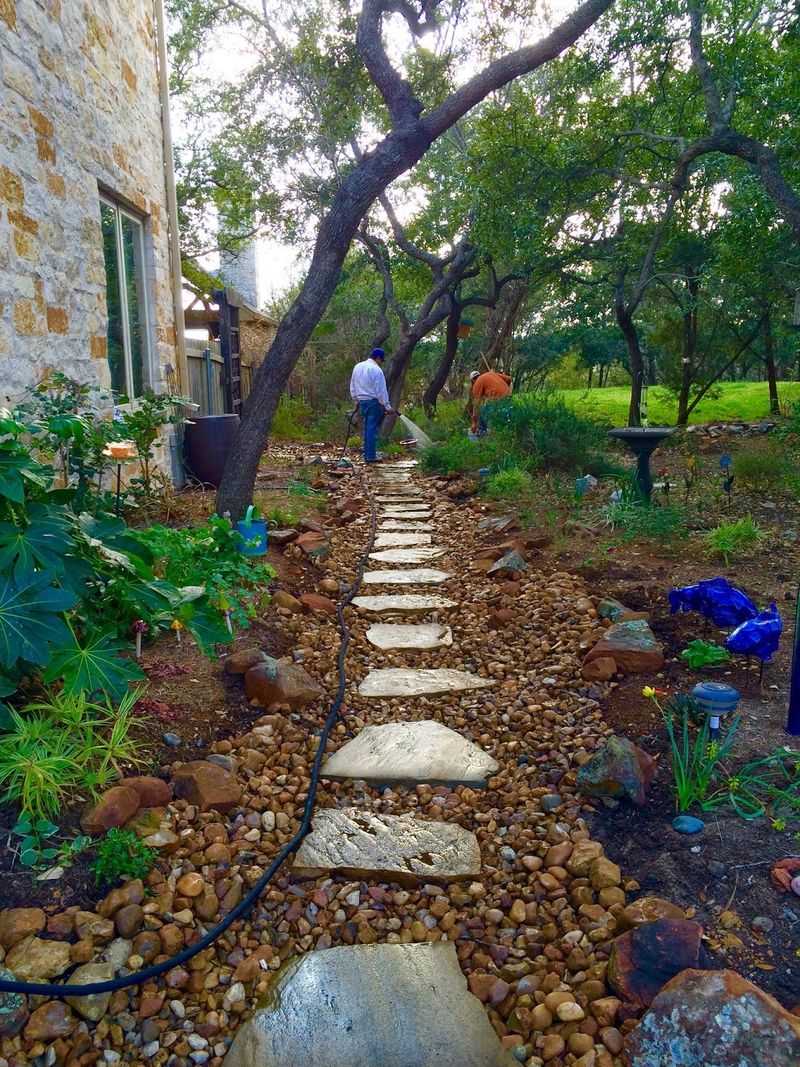
Nobody wants to track mud into the house or watch kids and pets leave brown prints across the porch. Mud control is where gravel really pulls ahead of mulch in our humid climate.
Because gravel drains fast and the stones stay firm underfoot, the surface dries quickly and rarely turns into a sloppy mess. You get a clean, walkable path even during a rainy stretch of summer.
Mulch, on the other hand, soaks up water and holds onto moisture. Fresh mulch handles a light shower fine, but older, broken-down mulch can get mushy and cling to shoes after repeated storms.
If keeping mud off little feet and paws is your priority, gravel earns the edge.
5. Upkeep After the Skies Clear
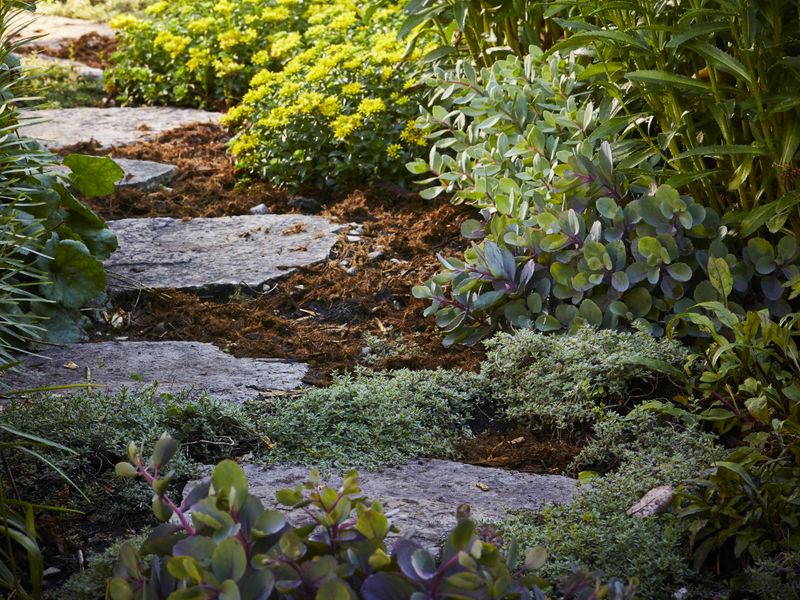
The real question for busy homeowners is what happens the morning after a storm. That cleanup routine can make or break how much you enjoy your path over a long, wet Carolina summer.
Gravel usually asks for a quick rake to smooth out any low spots and maybe an extra bag of stone once a year to top it off. It is close to a set-it-and-forget-it choice, which fits the low-effort yard so many of us want.
Mulch needs more attention. Expect to rake scattered chips back into place after big downpours and add a fresh layer every year or so as the old material breaks down.
If you enjoy a little weekend garden puttering, that upkeep may not bother you at all.
6. Edging: The Secret to Keeping Either Path Tidy
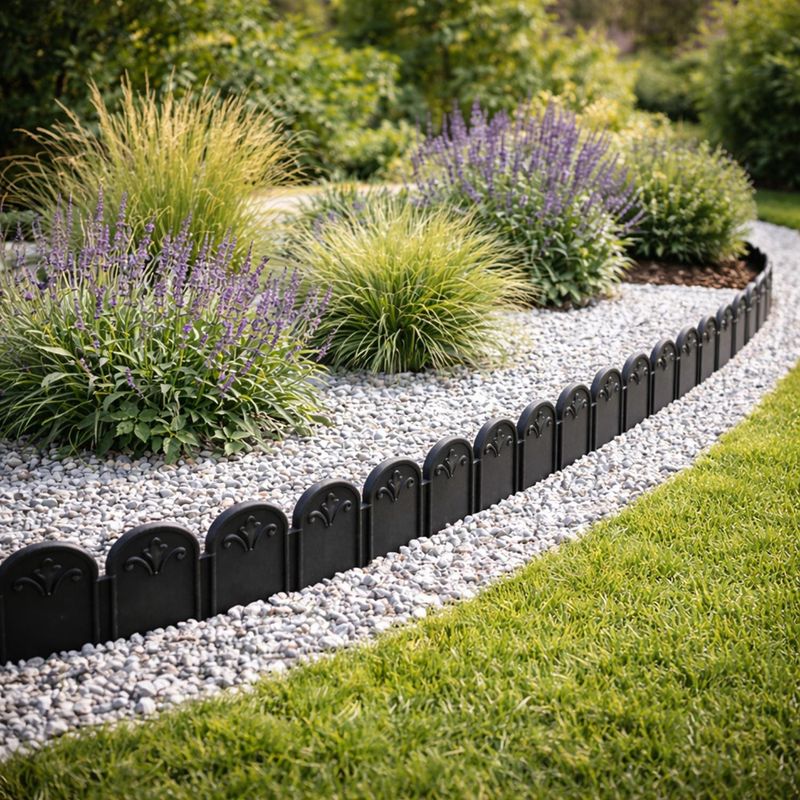
Here is a tip that quietly solves half the mess problem: good edging. A firm border along the sides keeps both gravel and mulch from wandering off when the water starts rushing.
Steel, stone, or thick composite edging creates a wall that holds your material in place during a downpour. It also gives the whole path a crisp, finished look that boosts curb appeal, which is a nice bonus for the front-yard walkway.
Mulch benefits the most from strong edging since it floats so easily. Pair mulch with raised borders and you dramatically cut down on the after-storm cleanup, turning a wandering path into one that mostly stays where you put it.
7. Weeds, Ticks, and Keeping the Path Family-Safe
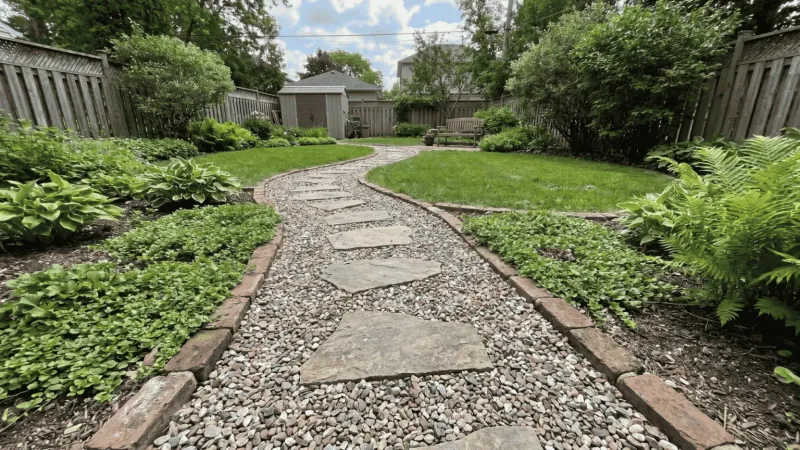
A path is not just about looks. In North Carolina, where ticks lurk in tall damp growth, keeping walkways open and dry is a small step that can help protect your family during the buggy months.
Gravel over a quality landscape fabric blocks most weeds and stays dry on top, giving ticks fewer cool, moist hiding spots along your route through the yard. Fewer weeds also means less brush for pests to cling to as you walk by.
Mulch can suppress weeds too, but as it holds moisture it may create the kind of damp habitat some pests prefer. Keeping mulch layers modest and paths sunny can help reduce that risk.
Either way, a clear, well-drained path is one more layer of everyday defense for kids and pets.
8. Cost and Effort for the Average NC Yard
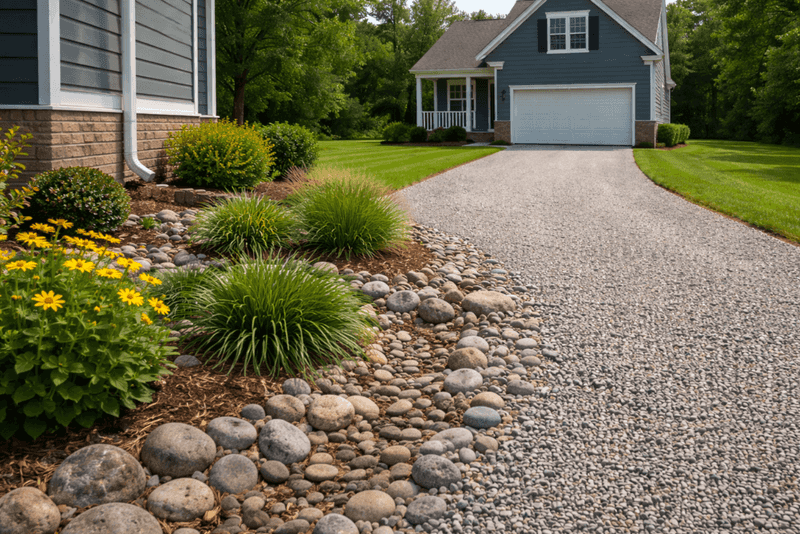
Budget matters, and this is where mulch makes its strongest case. It is inexpensive, often available free from local tree services, and easy to spread yourself in an afternoon with just a wheelbarrow and rake.
Gravel costs more upfront and involves a bit more labor to lay a proper base of compacted stone and fabric. Once it is in, though, that higher cost pays you back with years of low maintenance and fewer post-storm headaches.
Think of it as spend-now-or-spend-later. Mulch saves money at the start but asks for regular refills and cleanup, while gravel costs more day one and then mostly leaves you alone.
For a low-effort yard, gravel often wins the long game.
9. The Verdict: Which Path Actually Stays Clean
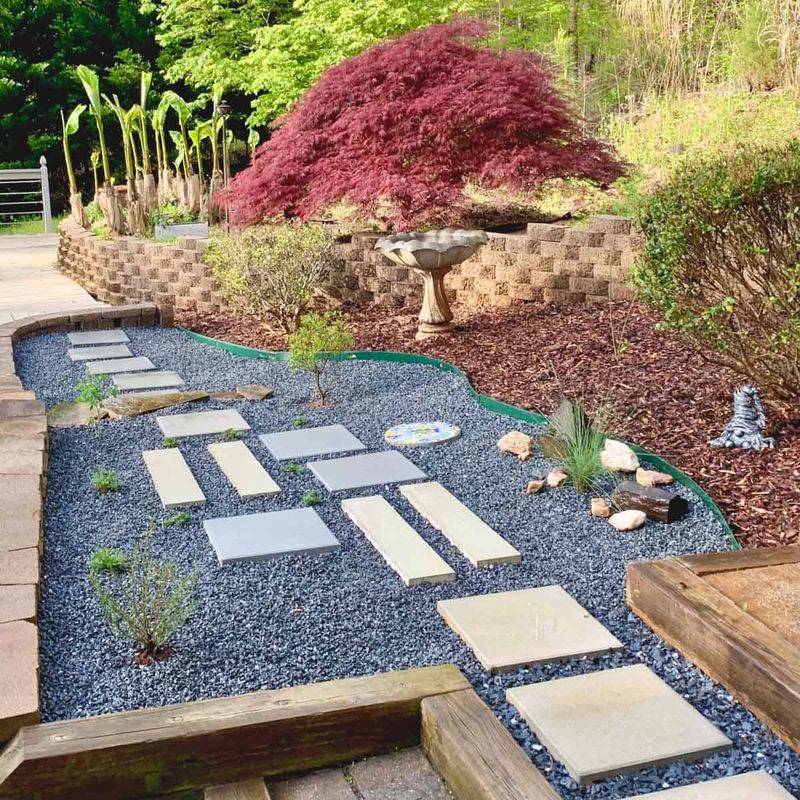
After weighing drainage, mud, upkeep, and cost, gravel is the clear winner for staying clean after a North Carolina summer storm. It drains fast, resists washing away when edged well, and dries quickly so your path stays walkable while the beds are still dripping.
Mulch still has a place, especially in shady, low-traffic corners where you want a soft, natural feel and a smaller budget. Just plan on a little raking after the big storms and a fresh top-up each season.
The smartest move for many yards is a mix: gravel for the main walkways that see foot traffic and rain, and mulch for quiet, sheltered nooks. Pair whichever you choose with sturdy edging and native plants along the border, and you get a tidy, wildlife-friendly path that holds its own through every Carolina downpour.