
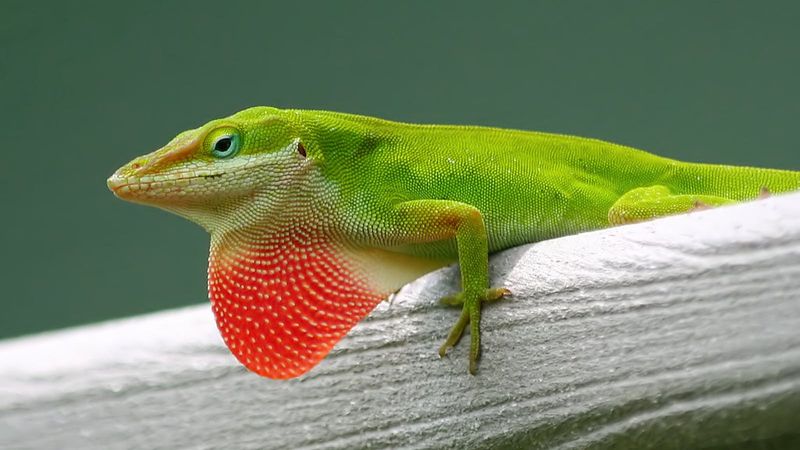
If you spend summer evenings on a Central Texas porch, you have probably spotted a small green lizard frozen on the wall, watching a cricket with intense focus. Green anoles are native to eastern Texas and are genuinely useful members of a yard ecosystem, eating insects and other small arthropods they encounter while foraging. Attracting more of them is a reasonable goal, but the story is more nuanced than a simple “lizards eat bugs, problem solved” promise. This article explains what anoles actually do, how to make your outdoor space more welcoming to them, and why you still need real pest management for anything happening inside your home.
Green anoles may help with insects, but they are not a porch exterminator
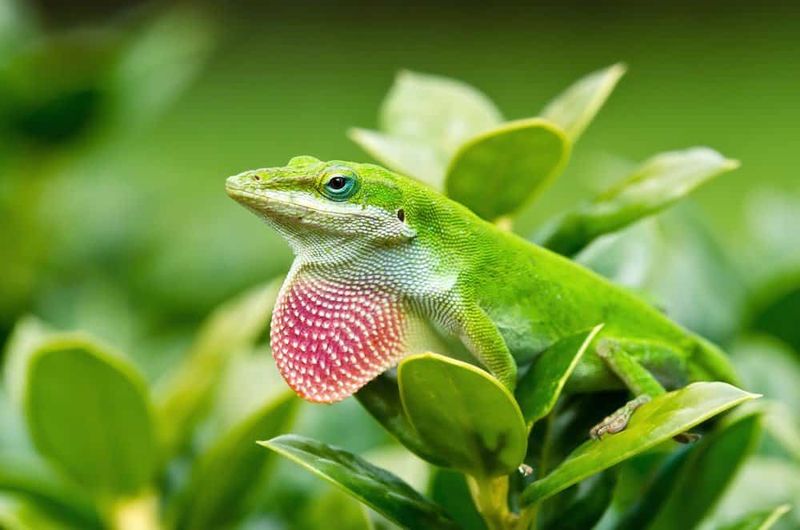
The title of this article makes a bold promise, and honesty requires walking it back before going any further. Green anoles are native, insect-eating lizards found across the eastern third of Texas, and Texas Parks and Wildlife confirms they use trees, shrubs, walls, fences, and other vertical surfaces as hunting and resting perches. They eat insects and other small arthropods, and a porch or patio with suitable vegetation and active insect life may draw them in to forage nearby.
Crickets and cockroaches are biologically plausible prey for a green anole, but calling them a verified or measurable food source around Central Texas homes goes further than the evidence allows. The TPWD wildscape guide describes anole diet broadly as insects and small spiders, without quantifying how many porch pests a free-ranging lizard actually removes. No study reviewed for this article measured whether attracting more anoles to a Texas porch produces a lower cricket or cockroach count.
Peer-reviewed research does show that anoles can affect arthropod communities under certain conditions. A field and laboratory study on Anolis lizards in diversified coffee systems found they could reduce coffee berry borer infestation potential, while a separate study examining arthropod abundance on St. Eustatius found that excluding anoles changed insect communities, though not always in straightforward ways. Both studies involved different species, different landscapes, and different pest targets than a Central Texas backyard.
The accurate promise here is narrower and still worthwhile: you can support a native predator that may contribute to outdoor insect pressure as one piece of a healthy yard ecosystem. Doing so requires habitat, not wishful counting. And for any cricket or cockroach that makes it inside your house, you will need direct pest management that no outdoor lizard can replace.
Identify the lizard before you try to support it
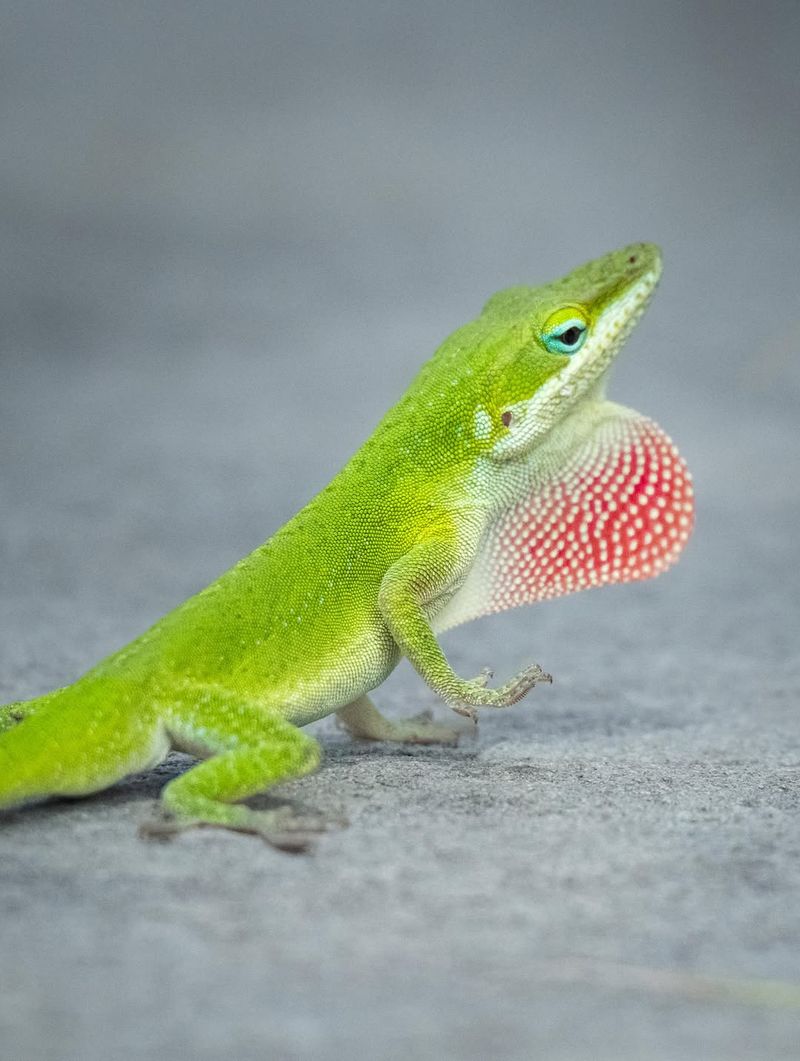
Before setting up habitat for a green anole, take a moment to confirm that the lizard you are watching is actually one. Color is the most tempting clue and also the most unreliable. Green anoles can shift from vivid green to gray-brown or even a fairly dark brown depending on temperature, stress, and activity level, so a brown lizard on your fence is not automatically a different species.
Better identification comes from looking at several features together. Texas Parks and Wildlife and the National Park Service both note that green anoles tend to have a longer, more tapered snout and a relatively solid or lightly patterned body. They are comfortable moving through shrubs, climbing trees, and perching on vertical surfaces well above the ground. A green anole that has turned brown will still hold those structural traits.
The lizard you actually need to distinguish from a brown-phase green anole is the brown anole, Anolis sagrei. According to Texas A&M AgriLife Extension research on brown anoles in Texas, this non-native species has been documented in the state and tends to display more distinct patterning, a stockier build, and a preference for ground-level and low-surface activity rather than climbing into shrubs and trees. Brown anoles are not simply a color variant of the native species; they are a competing, non-native arrival that may displace green anoles from territory and food sources.
Labeling every brown lizard as a brown anole is a common and understandable mistake, but it can lead homeowners to dismiss a native green anole that has simply changed color. Use snout shape, body pattern, preferred height, and habitat behavior together, and when in doubt, give the lizard the benefit of the doubt rather than assuming it is the non-native species.
Build a layered, usable edge around the porch
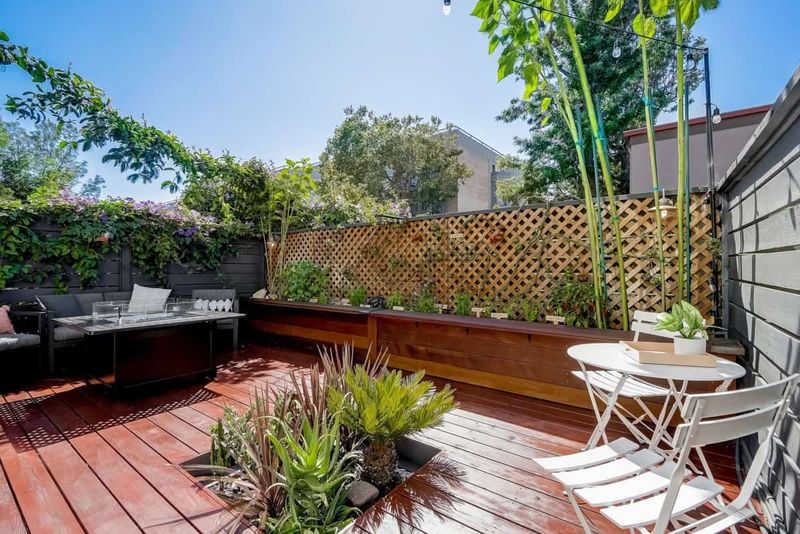
Habitat is the foundation of any realistic strategy for supporting green anoles near a porch or patio. Texas Parks and Wildlife describes greenery, occasional shade, and moist conditions as the core requirements these lizards look for, and that description translates directly into a practical planting approach. Layered vegetation, meaning a mix of heights from ground-level plants up through shrubs to small trees or vines, gives anoles cover from predators, surfaces for hunting, and pathways to move through a yard without crossing open ground.
Shrubs positioned near but not blocking the porch are a good starting point. Container plants on a patio can add greenery without requiring in-ground planting, and vines on a trellis or fence give anoles exactly the kind of vertical surface they use naturally. Branches, fence rails, trellises, and even rough-textured walls all function as usable perches where a lizard can bask, watch for prey, or retreat quickly into cover. The UT Austin Biodiversity Center’s green anole feature reinforces that these lizards thrive in spaces where vegetation and structure overlap rather than in open, manicured yards.
Choosing plants that can survive triple-digit Texas summers and watering restrictions makes the habitat sustainable rather than a short-lived experiment. Regionally appropriate natives and well-adapted species are more likely to stay healthy through heat and drought without requiring the kind of extra irrigation that strains municipal water supplies. Low-impact planting guidance from Utah State University Extension supports using layered, regionally appropriate vegetation to build functional habitat edges that benefit wildlife without demanding heavy maintenance.
No specific plant species has been confirmed as a guaranteed green-anole attractant in Central Texas residential settings, so the goal is a diverse, functional edge rather than a curated checklist. A yard that offers cover, sun, a bit of shade, insect activity, and safe perches is simply more likely to be used by an anole that is already in the neighborhood than a bare patio surrounded by lawn.
Balance shade and moisture with household pest prevention

Green anoles need some moisture in their environment, and that requirement creates a tension that every Central Texas homeowner should think through carefully. Keeping plants watered and providing a bit of humidity around dense foliage supports the conditions anoles look for, but the same dampness can invite a different set of problems if it collects against the foundation, pools in containers, or soaks into debris piled near the house. The goal is a maintained microhabitat, not a neglected corner that happens to stay wet.
Practical adjustments make a real difference. Water plants at the base rather than overhead to reduce surface moisture on walls and fences. Move any standing water sources, such as saucers under pots, away from the structure or empty them regularly, since standing water near a house is a reliable breeding site for mosquitoes and a moisture source for cockroaches. University of Minnesota Extension pest prevention guidance specifically highlights moisture management and debris removal as foundational steps in keeping outdoor pest pressure from escalating.
Dense plantings close to the house need regular attention. Shrubs or vines that press directly against siding or a foundation create sheltered, humid pathways that some insects and rodents use to access the home. Keeping a few inches of clearance between vegetation and the structure, pruning for airflow, and removing leaf litter and wood debris from the base of plants all reduce that risk without eliminating the habitat value. TPWD’s anole profile and low-impact planting resources both support well-maintained, layered vegetation over an overgrown tangle.
Local conditions ultimately determine whether green anoles show up at all. Temperature, regional moisture patterns, nearby habitat, prey availability, and predator pressure all factor in, and no amount of careful watering or shade management can override a location where anoles simply do not currently live. Habitat improvements raise the odds for yards where anoles are already present in the surrounding area; they cannot manufacture a population from scratch.
Protect the food web instead of feeding the lizards
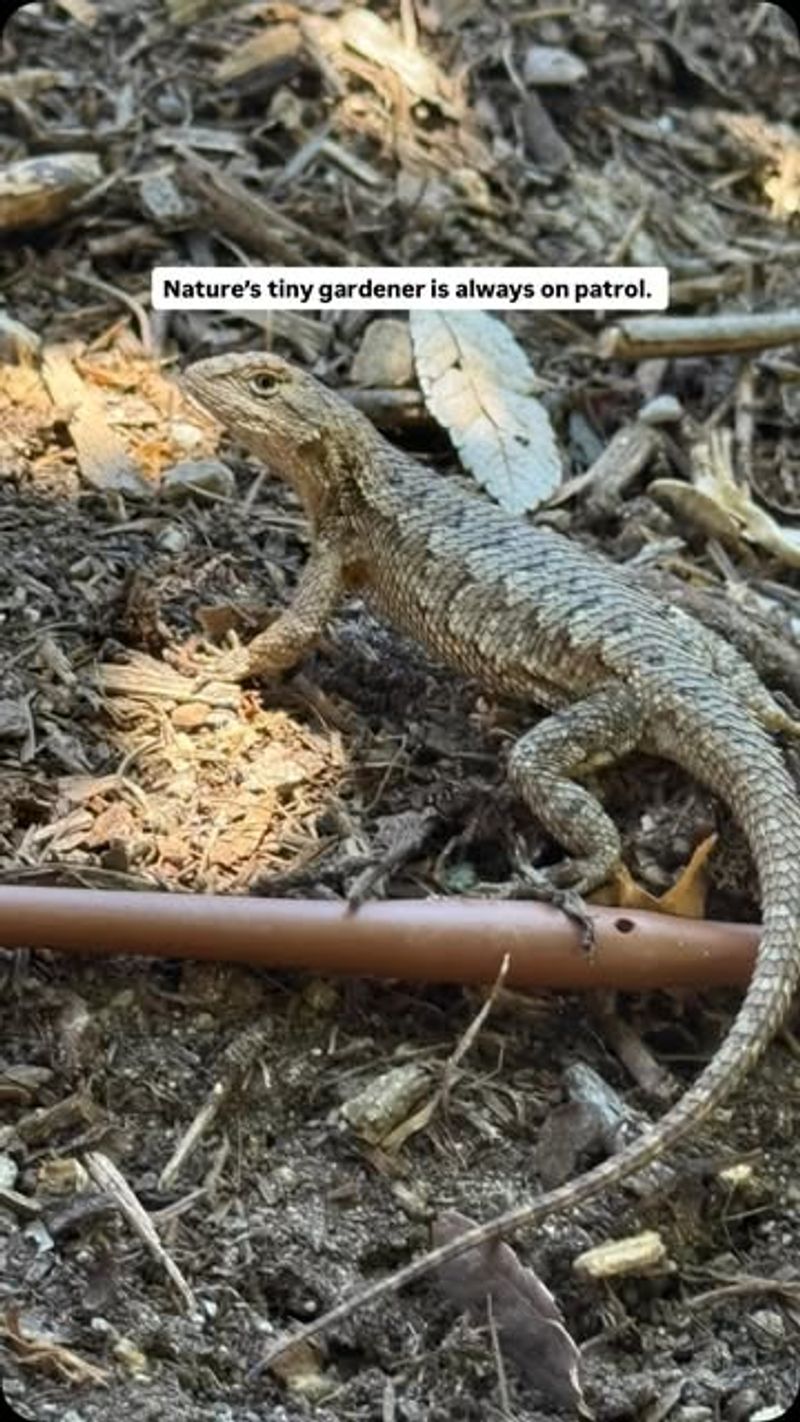
One of the most effective things a Central Texas homeowner can do for yard-dwelling wildlife is to be thoughtful about pesticide use. EPA guidance on reducing pesticide impacts on wildlife recommends using pesticides only when necessary, treating only the affected area rather than broadcasting broadly, and following the product label precisely. That approach protects insect populations that serve as food for anoles and other native predators, while still addressing real pest problems when they arise.
The exposure risk to reptiles goes beyond direct contact with a sprayed surface. The EPA’s T-HERPS risk framework for amphibians and reptiles evaluates dietary exposure as a significant pathway, meaning a lizard can accumulate pesticide residues by eating contaminated insects even if it never touches a treated plant directly. Broad-spectrum applications that wipe out a large portion of local insect life also remove the food base that makes a porch edge worth visiting for an anole in the first place.
Releasing feeder insects to attract lizards is an approach that sounds logical but creates more problems than it solves. Feeder crickets or cockroaches purchased from a pet store can escape, establish locally, introduce pathogens, or carry pesticide residues from their own rearing environment. University of Minnesota Extension supports integrated pest management practices that protect the yard ecosystem rather than introducing new variables. Putting out food of any kind also risks attracting wildlife you did not intend to invite.
The same logic applies to the lizards themselves. Capturing a green anole from another location, purchasing one, or relocating a wild individual to your yard is not a supported habitat strategy. The research behind this article consistently points toward improving conditions for animals already present in the local area, not stocking a yard like a fish pond. Wild anoles that find your porch on their own are doing exactly what they are built to do, and the best response is to observe them without interference and keep the habitat conditions that made your yard worth visiting.
Porch lights attract insects, not a guaranteed anole patrol
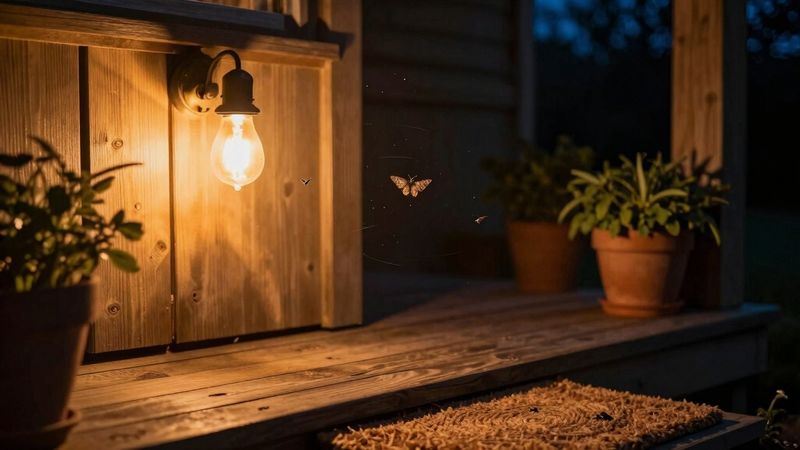
Porch lighting comes up often in discussions about attracting insect-eating wildlife, and the idea has some logic behind it: lights draw night-flying insects, insects draw predators, so a lit porch should produce more hunting activity. The tradeoff is messier in practice. Pest Prevention by Design guidance from Utah State University Extension notes that lighting attracts a wide range of insects, including nuisance species, and that insects drawn to a light source near a door create a direct pathway into the home.
Green anoles are daytime foragers. They are active when temperatures are warm and sunlight is available, and they typically shelter in vegetation at night. The National Park Service’s anole resource confirms their diurnal activity pattern, which means any insect gathering around a porch light after dark is more likely to benefit a spider, toad, or gecko than a green anole. Recommending that homeowners leave a bright light on all night to attract anoles misrepresents how these lizards actually behave.
If outdoor lighting is necessary for safety or convenience, a few adjustments reduce its insect-attraction effect. Utah State University Extension’s beetle and light-attraction resource and DarkSky International lighting guidance both point toward shielded, downward-directed fixtures as a way to reduce light scatter. Motion-activated or timer-controlled lights limit the hours insects have to gather. Warm or amber-toned bulbs are generally less attractive to many flying insects than bright white or blue-rich light, though no bulb eliminates insect attraction entirely.
Treating lighting as a pest-management decision rather than a wildlife-attraction strategy is the more accurate frame. Good lighting design reduces nuisance insects near entry points, which is a genuine benefit regardless of whether any lizard ever shows up to take advantage of it.
Keep outdoor wildlife support separate from indoor pest control
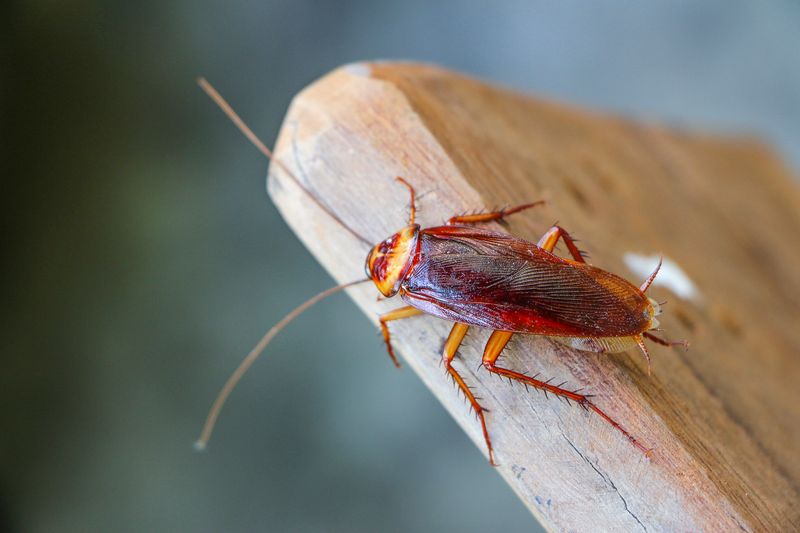
A green anole perched on your porch railing is a genuinely good sign for yard health, but it does not tell you anything reliable about what is happening inside your home. Outdoor predation and indoor pest control are separate problems that require separate responses, and conflating the two leads to underestimating an infestation until it becomes much harder to manage.
Cockroaches and crickets that have established themselves inside a house need direct intervention. University of Minnesota Extension’s yard and garden pest prevention resource outlines the core tools: exclusion (sealing gaps around doors, windows, pipes, and utility entries), sanitation (removing food residue, clutter, and cardboard that provide harborage), moisture management (fixing leaks and reducing humidity in crawl spaces and under sinks), monitoring (sticky traps to locate activity), and species-specific integrated pest management when populations are established. No outdoor lizard population substitutes for any of those steps.
The relationship between anole numbers and pest counts is also not a reliable indicator. Utah State University Extension’s farmland wildlife and pest control research notes that native predators rarely eliminate pest problems completely and work best as one component of a broader management approach. More anoles on a porch could reflect more vegetation, a warmer microclimate, a seasonal uptick in activity, or simply favorable prey availability, none of which necessarily means insect pressure has dropped.
The Anolis biocontrol study in coffee agroecosystems found measurable effects in a specific agricultural setting, but even that controlled research did not suggest that lizard presence eliminated pest populations. For Central Texas homeowners dealing with a cricket or cockroach problem indoors, the practical path runs through a hardware store and a pest management professional, not through counting lizards on the porch.
Welcome a helpful native neighbor without expecting a cure
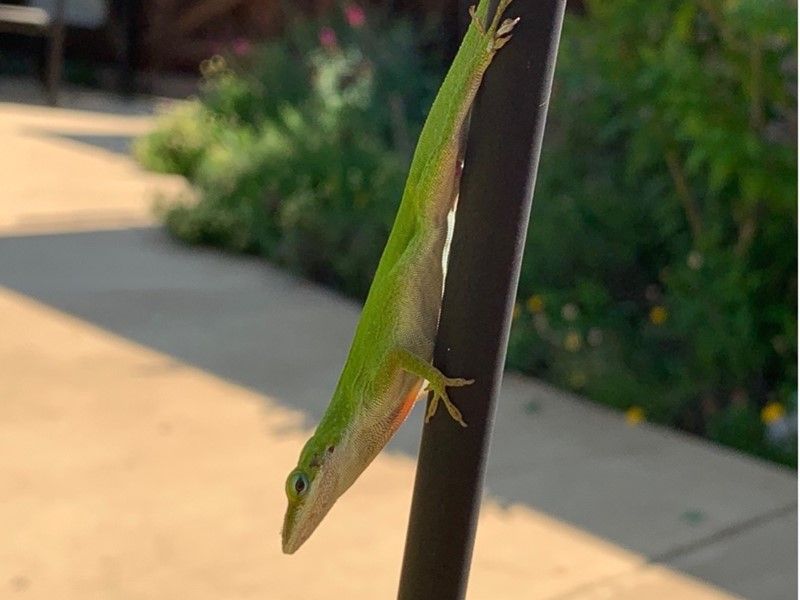
Supporting green anoles on a Central Texas porch comes down to a straightforward set of habits: layered plants that provide cover and hunting surfaces, a mix of sun and shade, modest moisture around vegetation without standing water near the structure, safe perches like fences and trellises, and fewer unnecessary pesticide applications that strip the insect base these lizards depend on. Texas Parks and Wildlife identifies those conditions as the core of suitable anole habitat, and building them is a reasonable goal for any Central Texas homeowner who wants to support native wildlife through the heat and drought of a Texas summer.
The accurate expectation is that anoles may consume some outdoor insects as one functioning piece of a yard ecosystem, alongside native bees, birds, spiders, and other predators. Wildlife and pest research from Utah State University Extension consistently frames native predators as contributors to a broader system rather than standalone solutions. Reducing unnecessary pesticide applications protects that whole system, not just the lizards.
Judge success by the quality of the habitat you maintain and the sensibility of your pest management choices, not by whether anole numbers are climbing. A yard with good structure, appropriate plants, and careful chemical use is doing its job whether or not a lizard is visible on the railing this afternoon. The best thing about a green anole showing up on its own is that it chose your porch freely, which means the conditions were already worth staying for.