
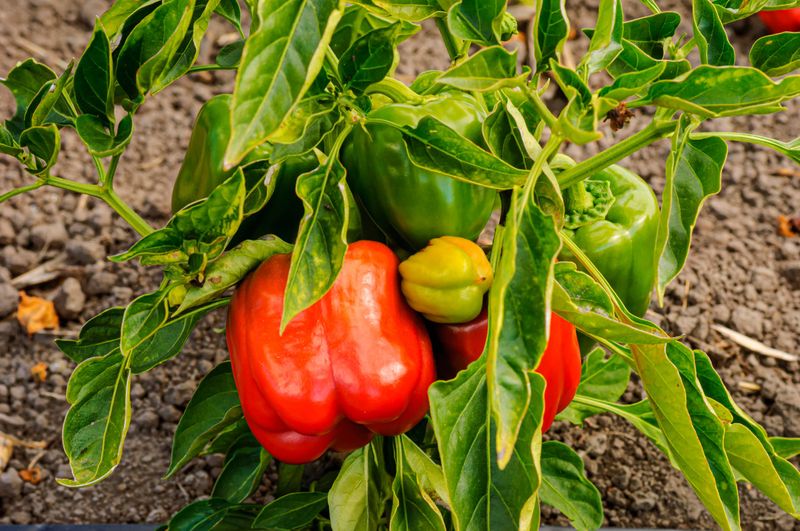
Your pepper plants look great, but half the fruit is still green and the nights are getting cooler. Do you wait, cover the plants, or pick what you have?
The answer depends on the weather, the pepper type, and how much time the fruit has left. Here is a clear way to decide, without any false promises.
Picked green peppers rarely finish ripening
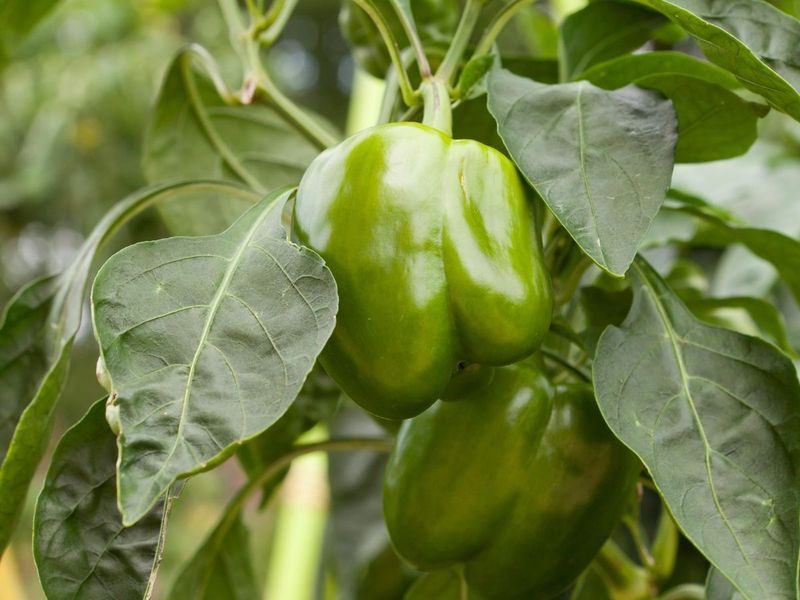
Tomatoes are the famous exception, so it is easy to assume peppers work the same way. They do not, at least not reliably.
Iowa State Extension notes that peppers generally do not ripen after harvest the way green tomatoes can.
Some fruit may still change color after picking. That is more likely with peppers that already have some red, orange, or yellow on them, and it varies by pepper type.
Some hot peppers picked fully mature-green may also shift color, but nothing is guaranteed.
The science backs up the caution. UC Davis postharvest specialists classify bell peppers as nonclimacteric and say they respond very little to ethylene, so bananas and paper bags are not a dependable fix.
Warmth and humidity help partly colored fruit, but that is not the same as ripening ordinary green fruit.
A University of Maryland Extension answer on pepper ripening points the same direction: fruit has its best shot while attached to a healthy plant. Color change after picking is a pleasant surprise, not a plan.
What does “green” mean for your peppers?
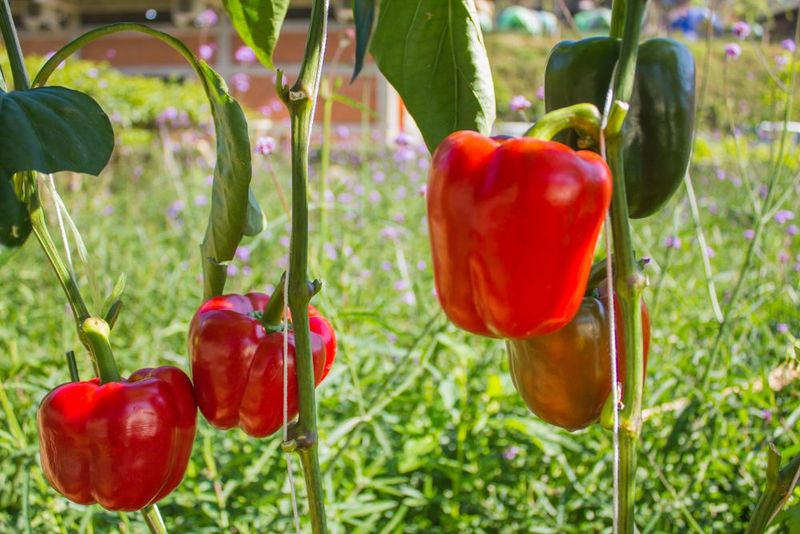
Before worrying that your crop is behind, figure out what kind of green you are looking at. A mature-green pepper is full-sized and ready to eat, and many gardeners harvest bell peppers at this stage on purpose.
A still-developing pepper is on its way toward its cultivar’s final color.
Peppers do not all end up the same. University of Illinois Extension explains that some types are eaten green, while others turn red, yellow, orange, purple, or another color as they mature, often with a sweeter flavor.
Some varieties also show an immature color that is not the ripe color. A purple or pale yellow pepper, for example, may not be finished at all.
Look at your plant tag, seed packet, or the seller’s description. If the variety is meant to go from green to red, patience may pay off.
If it is a type commonly picked green, the fruit may already be ready for the kitchen.
Give promising fruit the warm time it needs
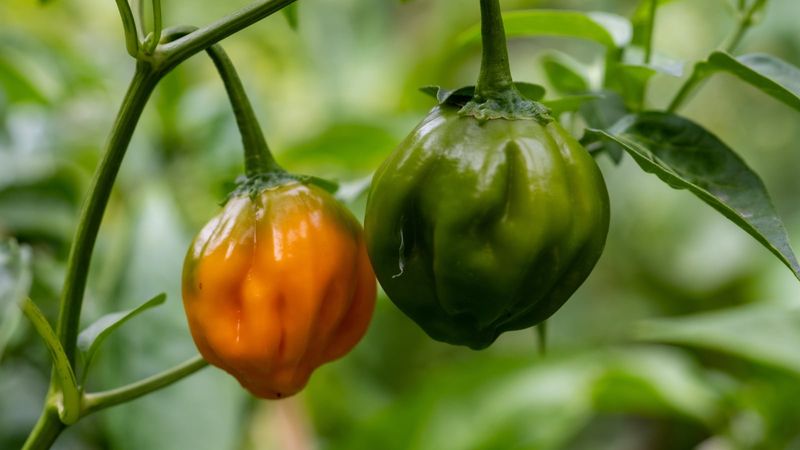
Staying attached to the plant is the main way a pepper gets a chance to reach its mature color. The plant keeps feeding the fruit while warm days continue.
Picking early ends that process.
How long does it take? Utah State Extension gives about 35 to 45 days from flowering to full color.
Treat that as a rough guide, not a deadline that fits every plant in every yard.
Variety and temperature both change the pace. Oregon State Extension notes that cool conditions can stretch out maturation, so a run of chilly nights may slow fruit that looked close.
Instead of counting days on a calendar, look at the plant. Is it healthy, with good leaves?
Are the peppers full-sized and starting to show color? Then check your local forecast.
Fruit that is nearly there and has warm days ahead has a fair chance. Fruit that just set last week probably does not.
A cover can help through a brief cold snap
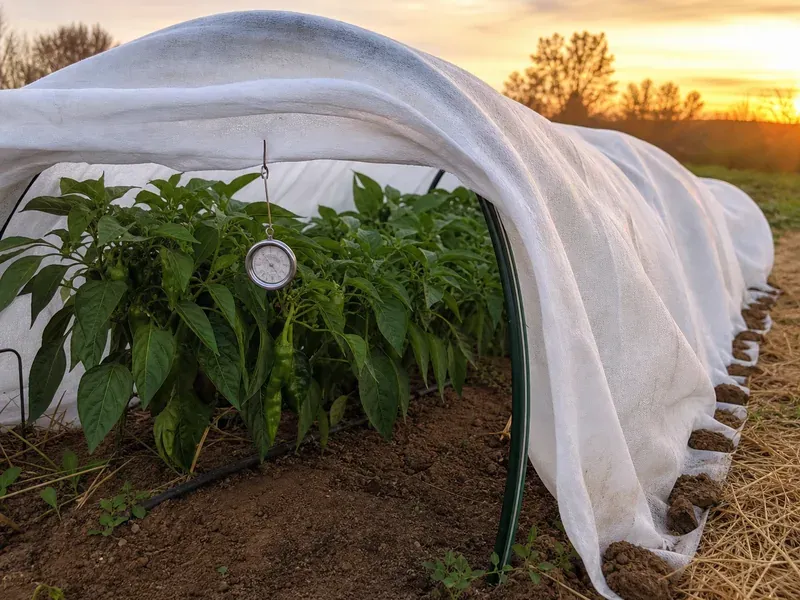
When a short, light cold spell is in the forecast, a cover can buy your plants a little time. Use a sheet, blanket, frost fabric, or row cover, and put it on before temperatures fall.
Late afternoon is a good time, while the soil still holds some warmth.
Support the cover with stakes, hoops, or tomato cages so it does not rest on the foliage. Touching leaves can pass cold right through.
Remove the cover or open the tunnel once temperatures climb above freezing the next day.
Plants in pots have an advantage. If you can, move them to a protected, warm spot overnight, such as a garage or porch near the house.
Now the limits. Iowa State Extension says coverings are typically ineffective below about 28°F and can fail even above that during prolonged cold.
A cover is a short-term help, not a guarantee, and it will not carry plants through a hard freeze.
Reducing the fruit load is an uncertain option
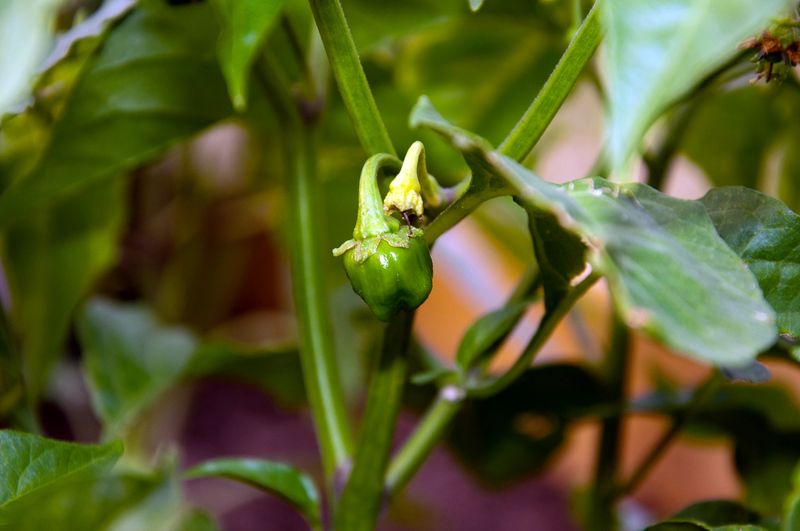
If a plant is crowded with fruit, you might wonder whether it can finish them all. A University of Maryland Extension response suggests that reducing the number of fruits may hasten ripening of the ones left behind.
Treat that as an optional tradeoff. You give up some peppers in the hope that the remaining ones color up sooner.
It does not guarantee a color change, and it will not ensure fruit finishes before frost.
If you try it, start with the smallest, newest fruit and flowers, which have the least chance of maturing in time. Keep the larger, more advanced peppers.
Season length, warmth, sunlight, plant health, and variety still matter more than any trimming.
Leave the leaves alone. Hard pruning or stripping foliage is a bad idea because, as Utah State Extension explains in its pepper guidance, leaves shade the fruit and help prevent sunscald.
Harvest usable peppers before freezing weather
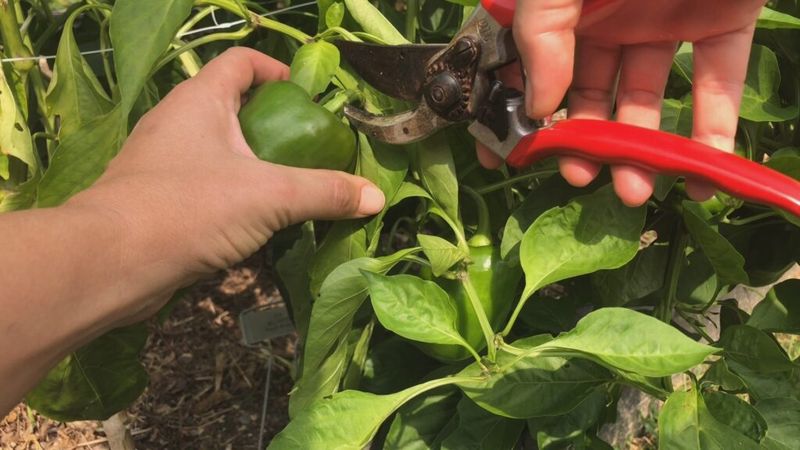
Here is the decision point. When freezing weather is imminent, pick the usable peppers instead of gambling the whole crop on a few more days of color.
A freeze can ruin fruit and plant together, and waiting for red at any cost can leave you with nothing.
Green peppers are not a consolation prize. University of Illinois Extension treats green as a legitimate harvest stage, and mature-green peppers are perfectly edible even if they never reach their final color.
Cut peppers with pruners or scissors rather than pulling. Pulling can snap the brittle branches, which matters if you still have fruit to pick.
Check the plant for firm, full-sized fruit first. Soft, shriveled, or damaged peppers are not worth saving.
As the Iowa State late-season harvest guidance suggests, the goal is saving the harvest. Stuffed peppers, fajitas, and freezer slices all work well with green fruit.
Use local conditions, not a Southern frost date
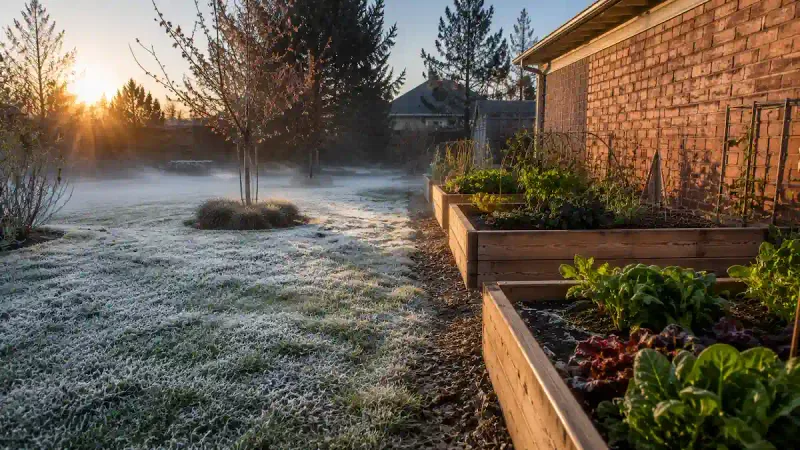
A simple rule covers most situations. Leave promising fruit on the plant while warm weather lasts, cover plants for a brief cold threat, and harvest before freezing conditions arrive.
The timing is where location matters. Texas A&M AgriLife Extension describes a fall harvest window that runs up to first frost, and that date differs widely across a huge state.
Florida works differently again. UF/IFAS Extension documents distinct production seasons shaped by heat and humidity, so a Gainesville garden and a Miami garden should not follow the same calendar.
Check your own forecast for the lowest overnight temperatures, and look at your cultivar to see whether the fruit is a type that colors up or is fine picked green. If a freeze is coming and covers will be marginal, as Iowa State’s frost guidance warns, pick.
Some peppers will finish, and some will go to the kitchen green. Both count as a harvest.