
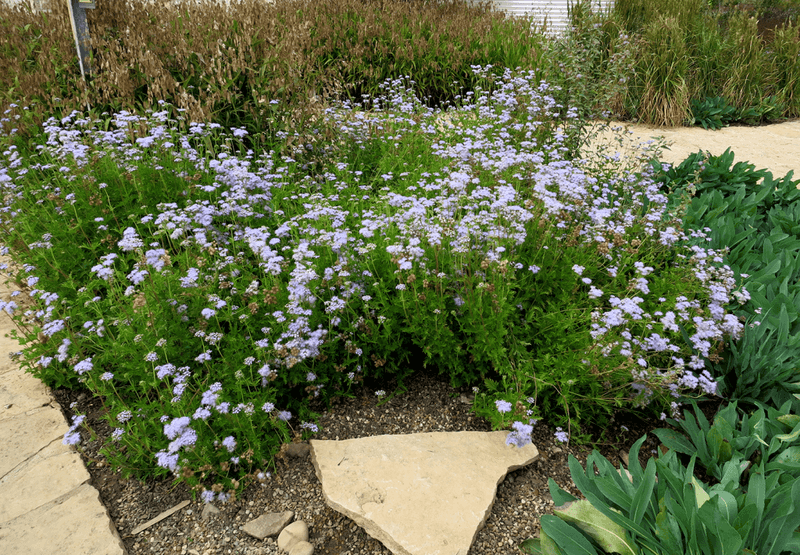
Late in the season, many Texas beds start to look worn out, and a patch of blue-purple flowers can change the whole scene. Gregg’s mistflower is a perennial that blooms over a long stretch and often puts on a showy fall display.
Butterflies like it, and it asks for a bit of planning before it goes in the ground. Here is how to tell if it fits your region, your site, and your plans.
Meet Gregg’s mistflower, a blue-purple Texas perennial
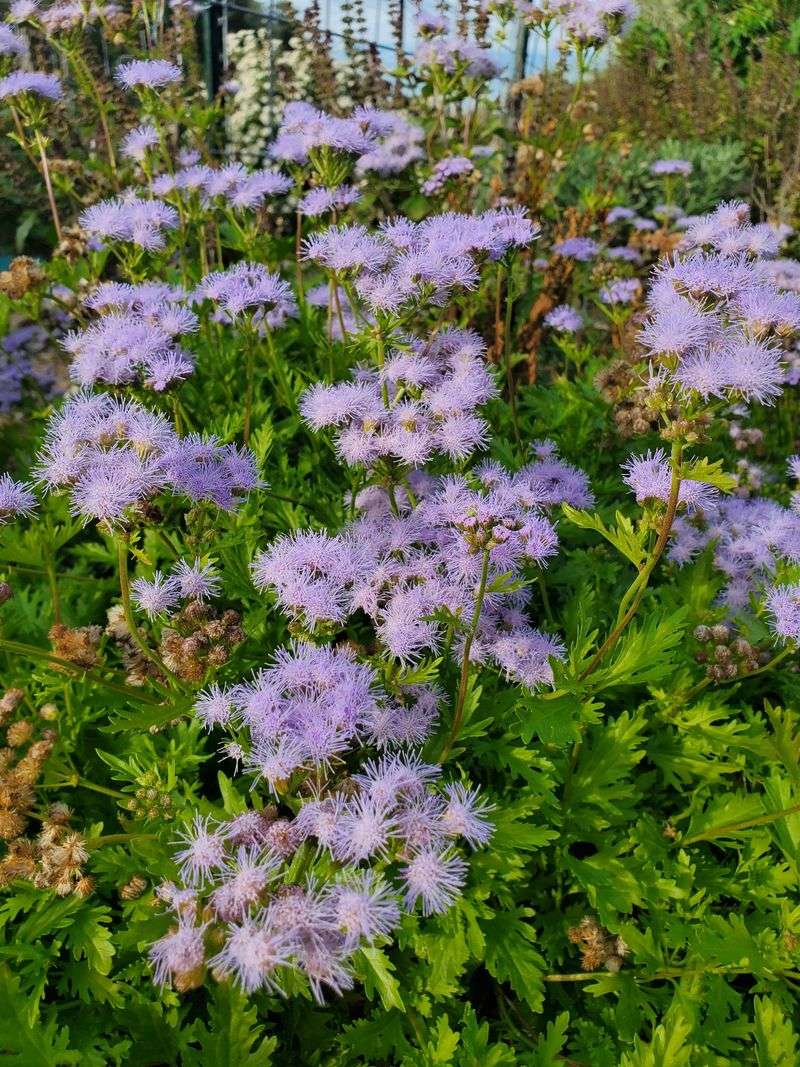
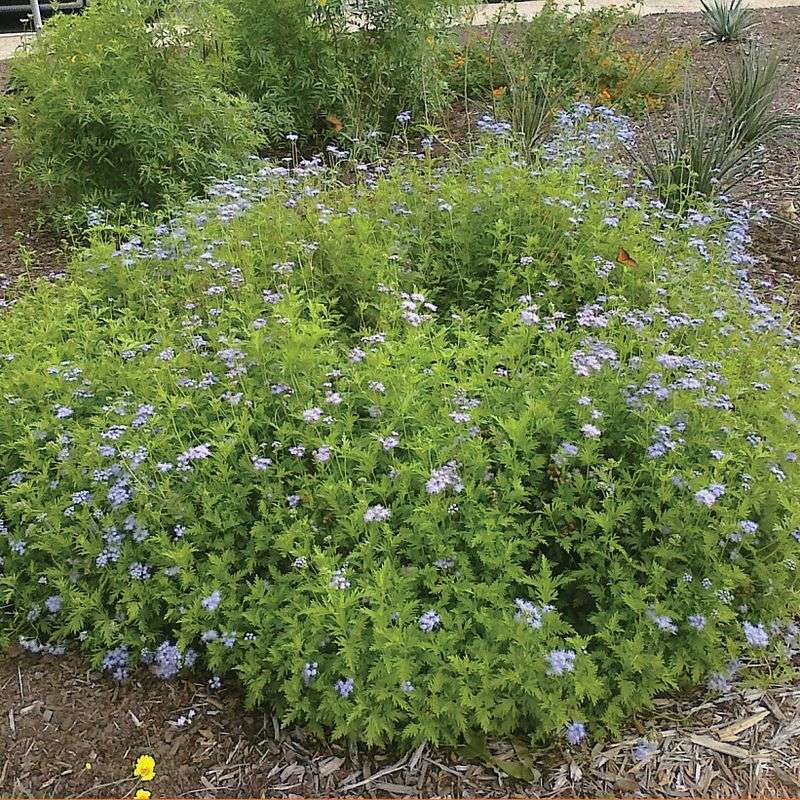
Gregg’s mistflower produces fuzzy clusters of flowers that plant references describe as blue, purple, or purplish-blue. That range matters, because photos can make the color look more saturated than it appears in a real yard.
Expect a soft, hazy blue-purple rather than a uniform electric blue.
It is a perennial, so it is meant to return in the garden instead of being replanted each year. Sources reviewed do not give a specific lifespan, so plan to watch how it performs in your own bed.
Names can be confusing. The Native Plant Society of Texas profile lists the plant as Conoclinium dissectum and gives Conoclinium greggii and Eupatorium greggii as previous scientific names.
A nursery tag might say Gregg’s mistflower, C. greggii, or one of the others.
Do not confuse it with blue mistflower, Conoclinium coelestinum. USDA’s fact sheet describes blue mistflower as a different species suited to moist-to-wet sites.
The City of Austin plant guide is another handy reference for Gregg’s mistflower. Read the botanical name on the label before you buy, because a common name alone does not tell you which plant is in the pot.
Fall can bring a strong display, but October is no guarantee
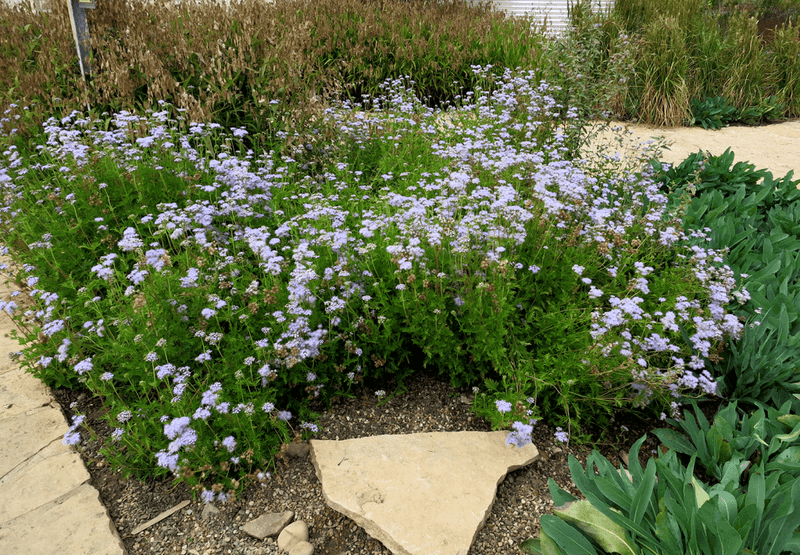
Some gardeners hope for a perfectly timed October show. Plants do not read calendars, so it pays to plan for a range instead.
The Native Plant Society of Texas lists a bloom span of March through November. That is a long window, which means you may see flowers well before fall.
A Central Texas gardening source, Central Texas Gardener, describes fall as the plant’s most impressive show. Neither source promises a reliable October peak across Texas.
Bloom timing and fullness shift with your location, the weather that year, sun exposure, and soil.
Think of mistflower as one good way to bring fresh color to a fall bed. Other plants keep blooming in autumn too, and many Texas gardens carry color from several species at once.
Pairing it with other late bloomers gives you backup if mistflower hits its stride earlier or later than you expected.
A practical tip: take photos of your patch through the season. After a year or two, you will know your own bloom calendar better than any general guide can tell you.
Check your region before calling it your native plant
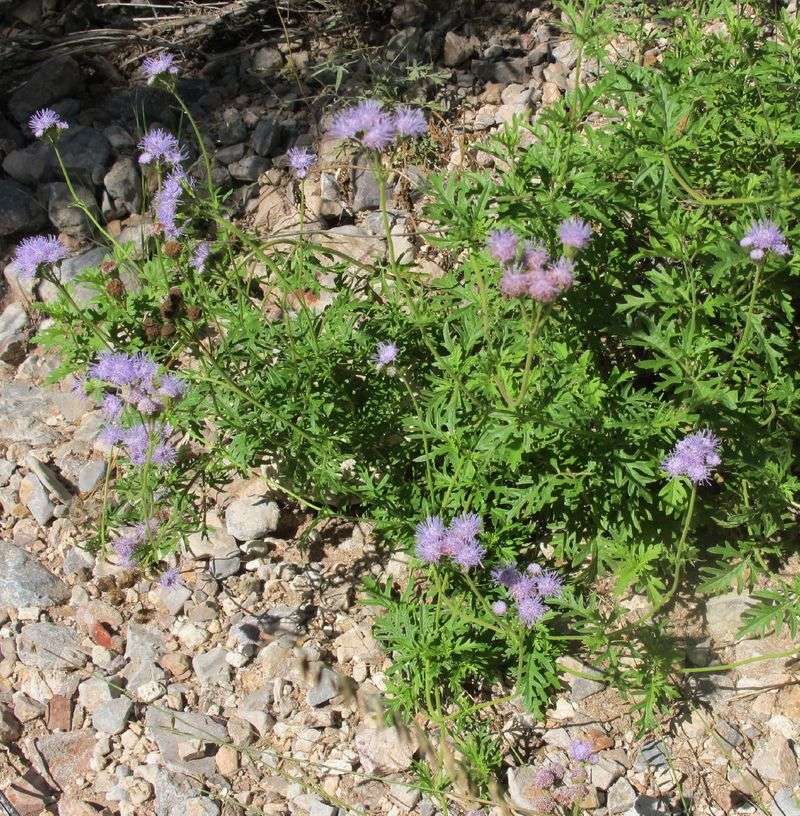
Gregg’s mistflower is associated with western Texas, and the Native Plant Society of Texas advises choosing plants suited to your local ecoregion. Texas is huge, and a plant native to one corner may need extra care in another.
Being native somewhere in the state does not make it the right native for your yard.
The City of Austin plant guide offers a good example. It lists a native range that leaves out some Texas regions, so a gardener in one of those areas should look at local guidance instead of assuming it applies.
Use Austin’s listing as a model for how to check, not as a rule for the whole state.
Good places to look include your county extension office, a local native plant society chapter, and nurseries that specialize in native plants. Ask them whether Gregg’s mistflower does well in your soil and rainfall.
Be careful with similar names, too. USDA describes blue mistflower as a separate species found in moist-to-wet sites across eastern and midwestern states.
Texas sources link it with East Texas, so a tag that says only blue mistflower does not confirm regional fit.
Choose a sunny or partly shaded spot with draining soil
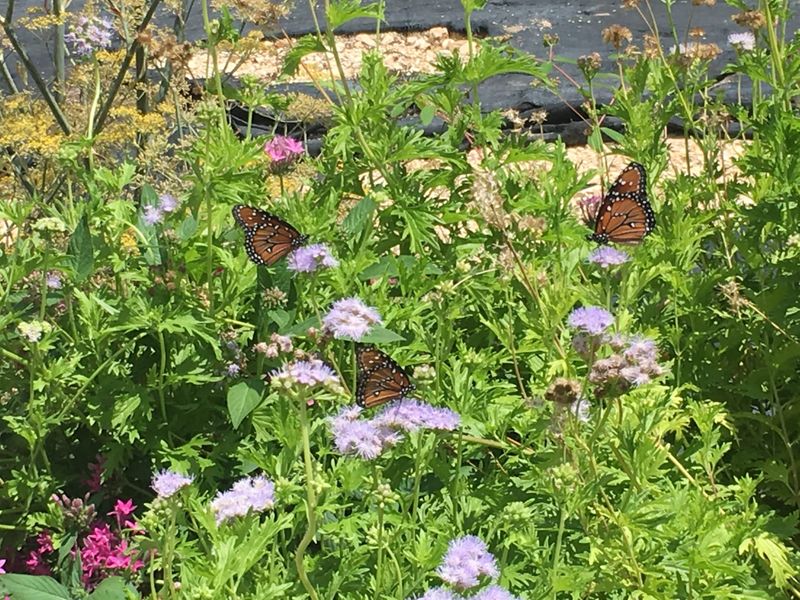
Light and drainage decide a lot about how mistflower looks. The City of Austin guide says it can take full sun but tends to do best with morning sun or part shade.
Afternoon sun in a Texas summer is intense, so a spot that gets relief later in the day is worth considering.
Shade has a trade-off. The Native Plant Society of Texas notes that too much shade can mean fewer blooms.
If your bed sits under a dense tree canopy, you may get leaves but little color.
Drainage matters just as much. The same profile warns that soggy soil can lead to root rot.
Avoid low spots where water pools after a storm, and be cautious near downspouts or heavy clay that stays wet.
A simple test helps. Dig a hole about a foot deep, fill it with water, and let it drain.
Then fill it again and watch. If water is still standing many hours later, consider a raised bed, a slope, or a different location.
Watering during the first year is a separate topic, covered in the care section below.
Leave room for a plant that spreads
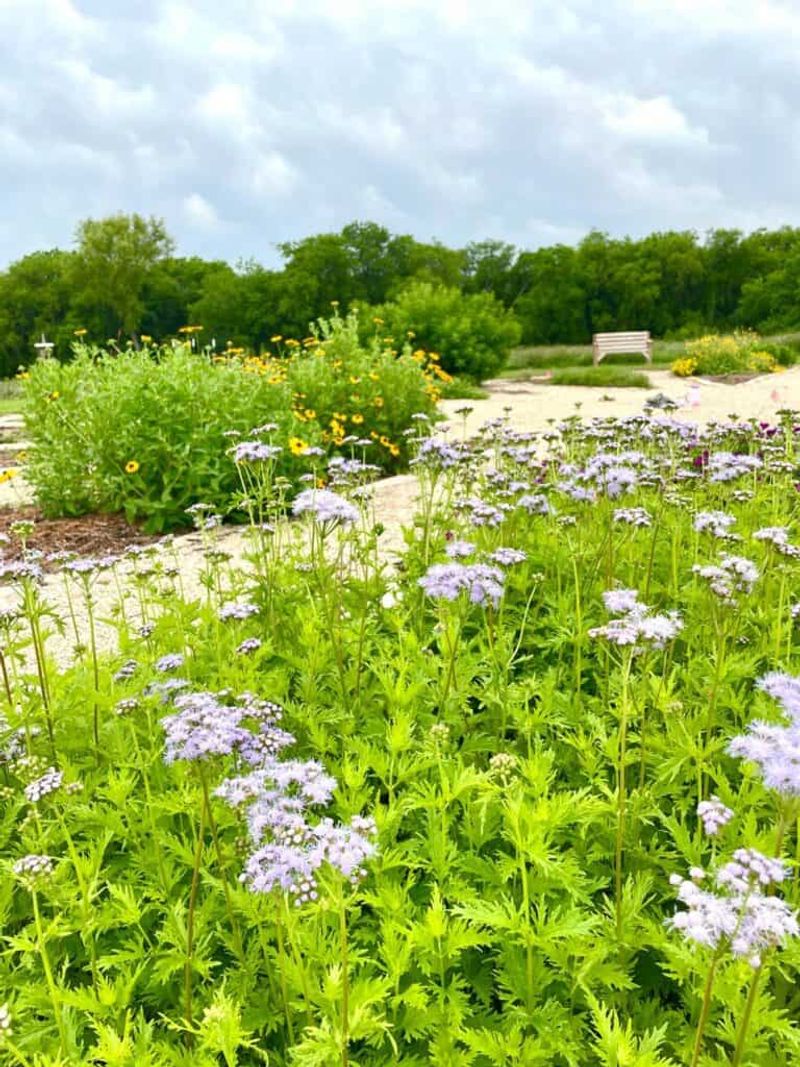
Gregg’s mistflower usually grows about one to two feet tall, but it does not stay put. The City of Austin lists a spread of two to four feet or more, which is a lot of ground for a plant that is under two feet high.
Spread can be a plus or a hassle, depending on your plan. Central Texas Gardener cautions that it spreads readily by roots and can take over a bed.
In a wide border or a casual wildlife patch, a colony can look natural and full.
In a tidy bed with delicate neighbors, you will want a plan. Options include planting it where it has room on all sides, setting it next to a path or patio edge that acts as a boundary, or growing it in a sunken container to slow the roots.
Dividing is another tool. Lift a clump, split it, and move the extras to another sunny spot or share them with a neighbor.
Check the edges of the patch each season and pull up runners that wander where you do not want them.
Water through establishment before expecting lower maintenance
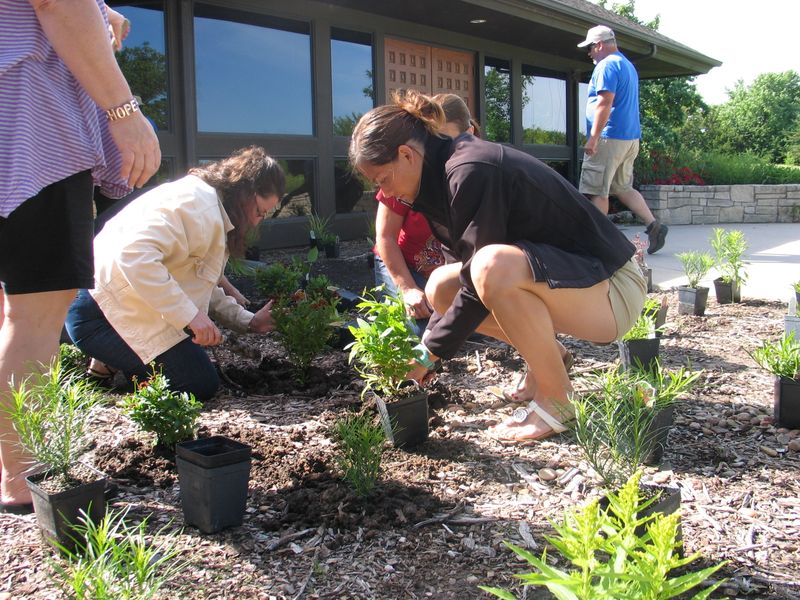
Drought tolerant and low maintenance are fair descriptions once a plant is established, as the Native Plant Society of Texas profile puts it. They do not mean the plant needs no water on planting day.
Think of the first year as an investment.
For new native plants in general, the Society’s native garden guidance recommends deep watering once or twice a week during the first year, especially in dry spells. After that, you can gradually water less often.
This is general advice for new natives, not a schedule written only for mistflower.
Deep watering means soaking the root zone so water reaches below the surface. That encourages roots to grow down instead of staying shallow.
Check the soil with a finger or trowel before you water, especially in cooler weather or after rain.
Fall is often recommended as a good time to plant natives in Texas, but that is general guidance and not a promise of fast results with this species. Texas A&M notes that perennial wildflowers often perform better in their second or third year.
If your first season is modest, give the plant time.
Its flowers can support butterflies
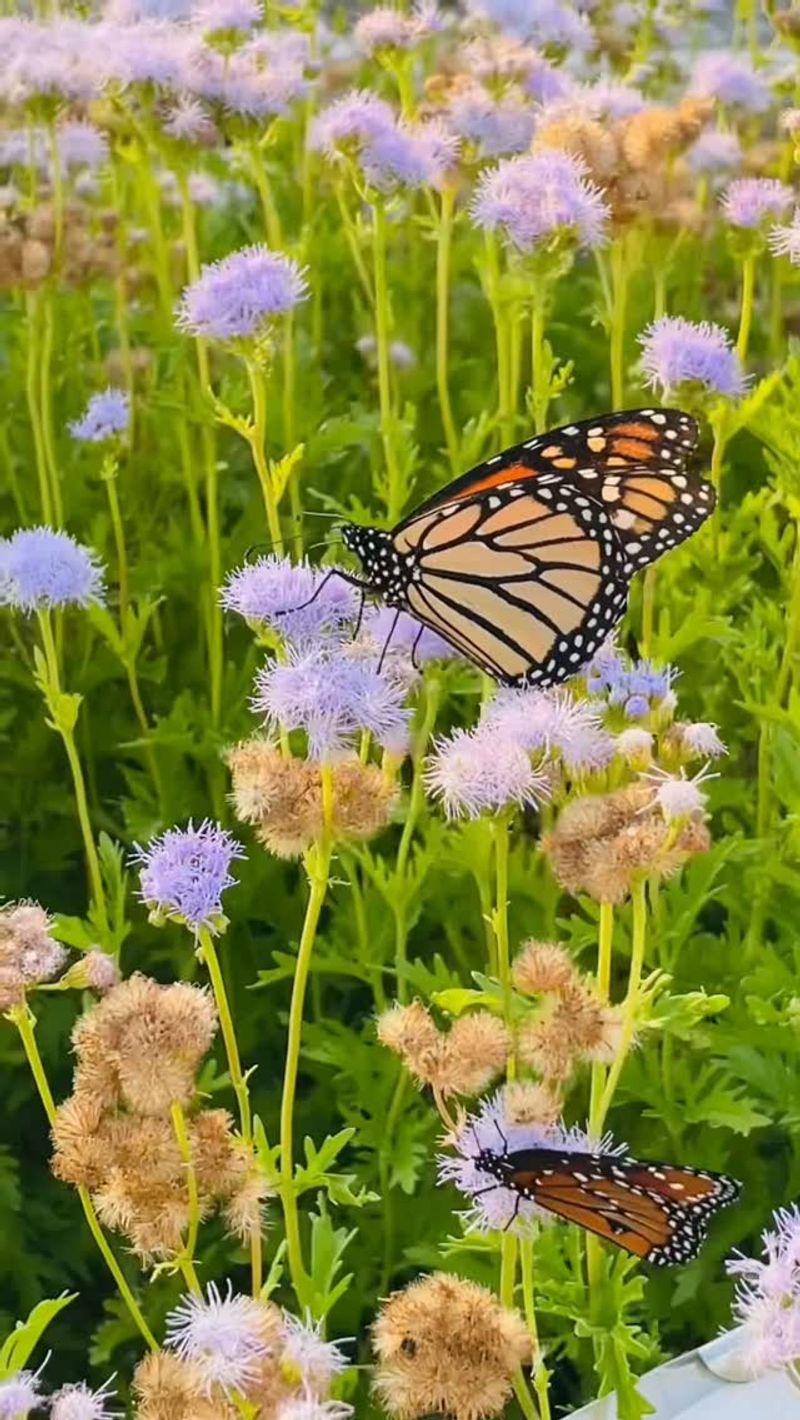
Flowers are only part of the payoff. According to the Native Plant Society of Texas plant profile, Gregg’s mistflower supplies nectar and pollen, and it is especially attractive to Queen and Monarch butterflies.
The same profile lists it as a larval host for Rawson’s metalmark, a small butterfly. A host plant is one that caterpillars can feed on, so it supports a stage of life beyond adult nectar visits.
These are benefits tied to the plant profile, not a guarantee for your yard. Butterfly numbers depend on your neighborhood, the season, nearby habitat, and what else is blooming.
You may see many visitors, a few, or none in a given week.
To improve your odds, plant mistflower in a group instead of a single specimen, and add other nectar plants that bloom at different times. Skip pesticides in that area, and leave a shallow dish of damp sand or a sunny rock nearby for resting.
Then spend a few minutes at the patch on a warm afternoon and see who stops by.
Decide whether it fits your garden
Start with the plant tag and local guidance. Confirm the botanical name and that Gregg’s mistflower suits your region, as outlined in the Native Plant Society profile and the Austin plant guide.
Then pick a bright, well-drained spot with room to roam, and water it through its first year.
If those boxes check out, you could be rewarded with blue-purple blooms and butterfly visits. Some falls it may be the star, and some falls it may share the stage.