
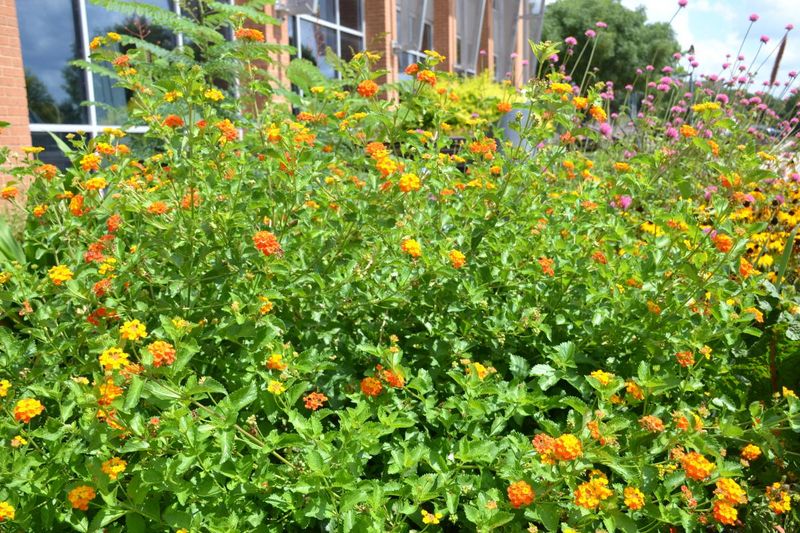
Lantana is one of the toughest flowering plants Central Texas gardeners can grow, but even heat-proof plants perform better when they start on solid footing. The cooler fall months offer a real window to plant, move, or assess lantana before the brutal summer heat returns.
Getting the basics right now, including plant identity, site conditions, and watering habits, can set the stage for stronger growth and more flowers next season, even if no single fall action guarantees a spectacular show.
Identify the lantana before choosing a fall plan
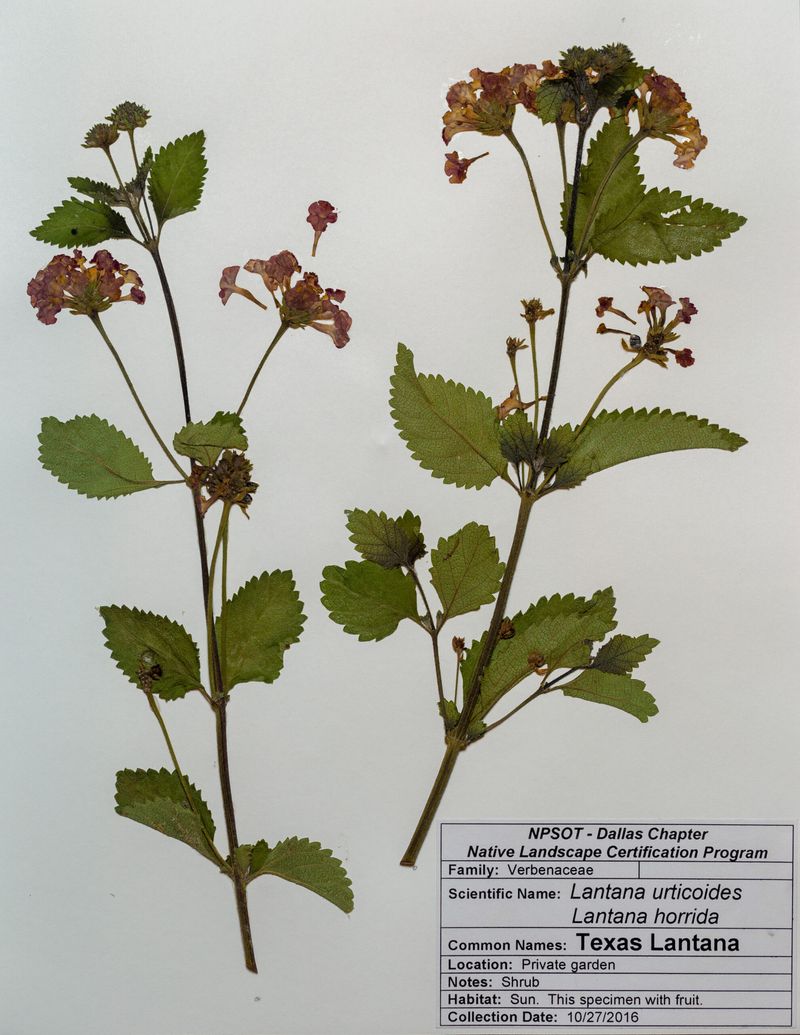
Not every plant sold as lantana behaves the same way, and treating them all identically is one of the most common mistakes Central Texas gardeners make. The botanical name on the nursery tag is the most reliable guide you have, so check it before you decide on a fall plan.
The Native Plant Society of Texas describes Texas lantana, generally identified as Lantana urticoides, as a native species well suited to full sun, excellent drainage, and low-water Central Texas landscapes, with a flowering season that can stretch from roughly April through October.
Common lantana (Lantana camara) and trailing lantana (Lantana montevidensis) are different plants with different mature sizes, cold tolerance levels, and seed-production habits. NC State Extension’s plant profile for Lantana camara notes the wide range of cultivars available, each with distinct growth habits and care needs.
A trailing form that tops out at two feet needs completely different spacing than a native Texas lantana that may reach four to six feet tall and wide at maturity.
Identification also matters from an environmental standpoint. Texas lantana is promoted by native-plant organizations as a beneficial native species, while some Lantana camara types appear on the Texas Invasive Species Institute’s database.
Flower color alone cannot tell you which species you have, because colors overlap across types. Cold hardiness varies too: some plants may return from the roots after a Central Texas freeze, while others may be killed outright or behave as annuals depending on the winter and the specific plant.
Cultivar-specific care instructions on the label should always take priority over general advice, including the guidance in this article.
Use the cooler fall period for establishment when conditions fit
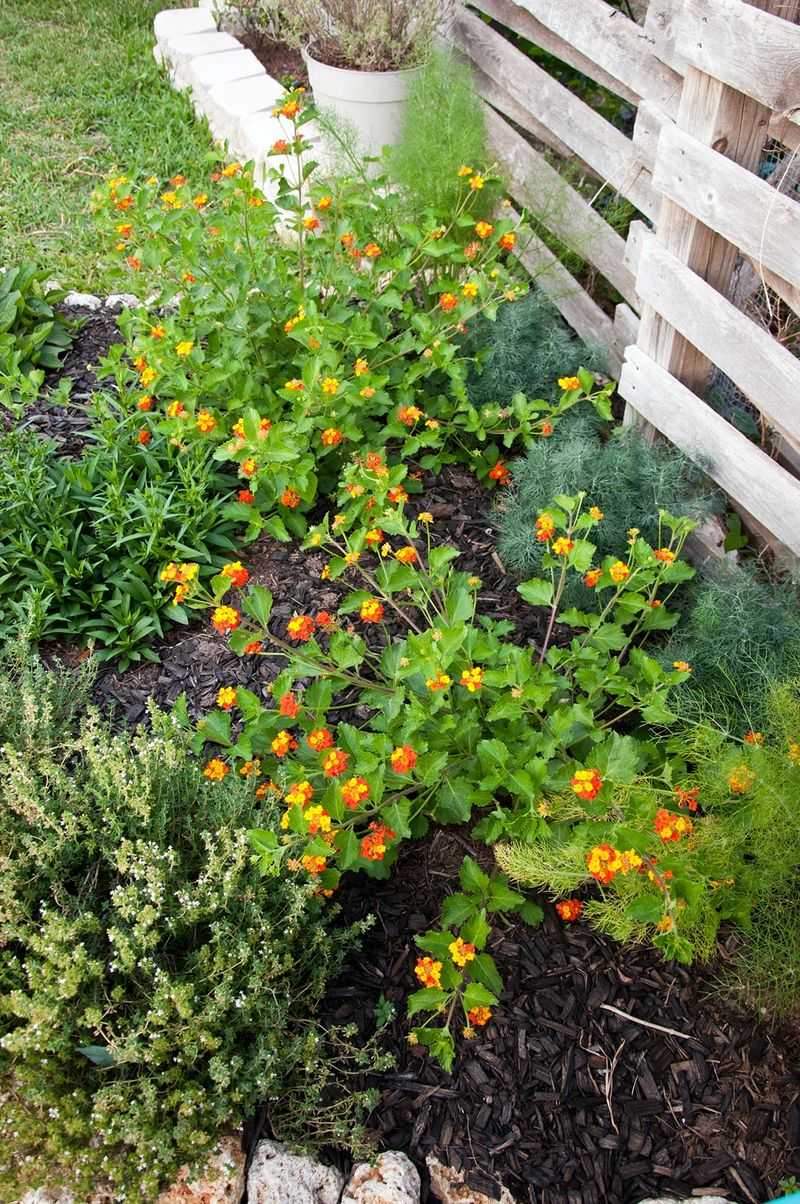
General extension guidance for perennials and woody plants often supports fall planting or transplanting when temperatures are moderating, because roots have time to settle before the next hot season arrives. University of Arizona Cooperative Extension fall gardening guidance supports this approach for suitable plants, and Utah State University Extension similarly notes that fall is a good time to move perennials for the same root-establishment reason.
That logic can apply in Central Texas when local soil temperatures are still warm enough to support root growth and hard freezes are not imminent.
Whether fall timing makes sense for your specific situation depends on several factors: the cultivar you have, your soil’s drainage, how quickly temperatures are dropping in your area, and what the weather looks like in the weeks after planting. A practical planting sequence starts with digging a hole no deeper than the root ball and roughly twice as wide, setting the plant so the crown sits at or slightly above grade, and firming the soil gently around the roots.
University of Arizona Cooperative Extension’s planting guidelines for container trees and shrubs recommend thorough watering immediately after planting and continued monitoring during dry periods until the plant is established.
One distinction deserves emphasis: fall establishment guidance is about giving roots time to develop, not about cutting plants back hard in September to force a bloom response the following summer. Those are two separate ideas, and only the first one has extension support behind it.
A new lantana planted now with good drainage and adequate early watering is simply better positioned to handle next summer’s heat than one planted in May with no root head start. That modest advantage in establishment is a realistic goal; a guaranteed giant bloom flush is not something the available guidance promises.
Build the right site before blaming the plant
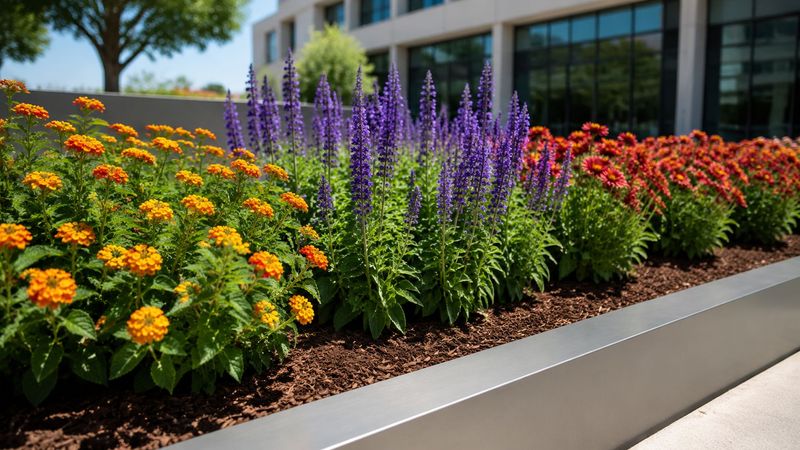
Poor performance in lantana usually traces back to the site, not the plant. Texas lantana needs at least six hours of direct sunlight daily, and plants pushed into partial shade tend to stretch, produce fewer flowers, and become more vulnerable to problems.
Texas A&M AgriLife Extension’s Texas lantana profile specifically identifies excellent drainage as a non-negotiable requirement, warning that excess water can quickly damage or kill the plant. If your intended bed holds water after rain or stays soggy for more than a day, amend the soil or choose a raised or sloped location before planting.
Spacing is easy to underestimate at planting time, especially when a new lantana looks small in its container. Mature Texas lantana can reach roughly four to six feet in both height and spread, so Texas A&M recommends spacing plants at least four feet apart.
Cultivars and trailing forms are often considerably smaller, so the label on the specific plant you buy should guide your spacing decisions for those types. Crowded plants compete for light and airflow, which can affect both vigor and flowering over time.
Mulch is a straightforward addition that pays off through the establishment period and beyond. Williamson County Texas A&M AgriLife Extension recommends approximately three inches of mulch as a general practice for regulating soil temperature and reducing moisture loss.
Apply it in a layer around the plant, but keep it pulled back from the stems to avoid trapping moisture against the crown. These site choices, full sun, sharp drainage, correct spacing, and a modest mulch layer, lay the groundwork for establishment and long-term vigor.
They do not guarantee a specific bloom response, but they remove the most common obstacles that hold lantana back.
Water carefully and skip the bloom-forcing routine
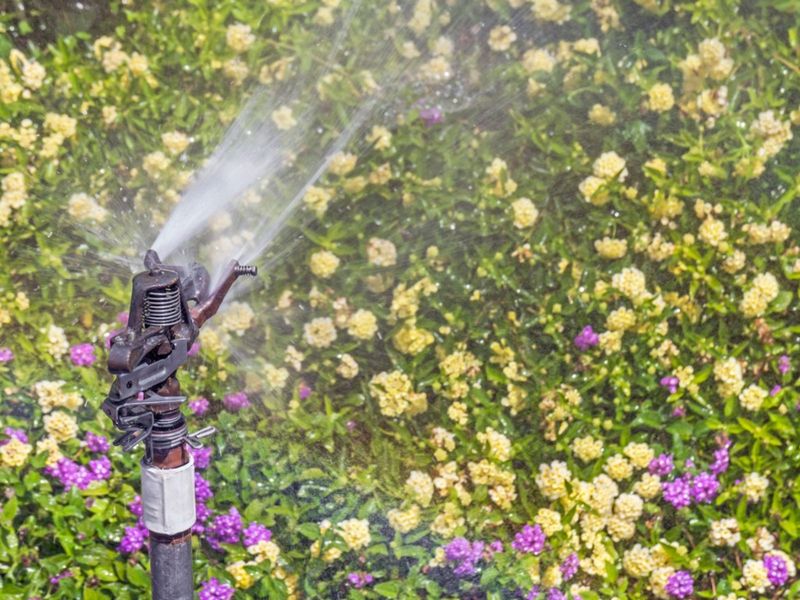
Newly planted lantana needs consistent attention during the establishment period, even though the species has a well-earned reputation for drought tolerance. Water deeply right after planting and check soil moisture regularly during the first several weeks, particularly if the weather turns dry.
Established Texas lantana handles drought well, but Clemson Cooperative Extension notes that prolonged dryness can reduce both growth and bloom production even in drought-tolerant species. A new plant in its first season is not yet established, so it needs more monitoring than one that has been in the ground for years.
Once a plant is established, Texas A&M AgriLife Extension says deep weekly watering can be helpful during extreme summer heat, but routine saturation is counterproductive. Lantana roots that sit in consistently wet soil are at risk of damage, and overwatering is one of the fastest ways to kill a plant that would otherwise thrive in Central Texas conditions.
Water deeply and infrequently rather than shallowly and often.
Fertilizer is another area where restraint pays off. Texas A&M’s guidance states that in-ground Texas lantana generally does not need fertilizer, and UC IPM warns that excess fertilizer or excess water can actually reduce flowering.
Container-grown plants may need some feeding because nutrients leach out with regular irrigation, but in-ground plants in decent soil usually do not. Resist the urge to push growth with heavy feeding, and hold off on any major pruning while winter weather is still uncertain.
Removing only dead or visibly damaged material as needed is a reasonable approach until the cold season has passed.
Leave major pruning until winter damage becomes clear
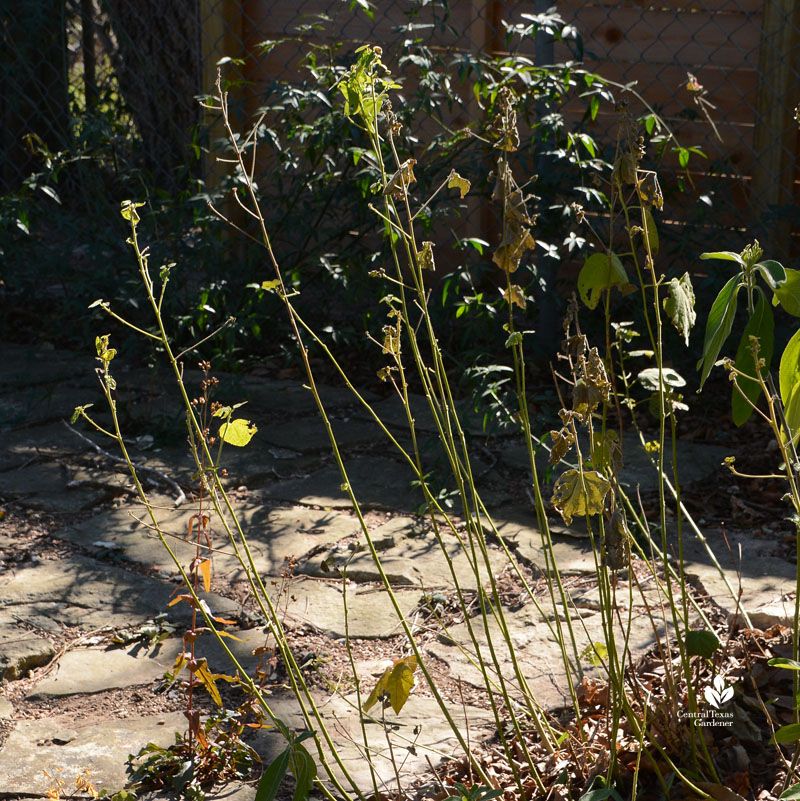
One of the most common pieces of advice that circulates online is to cut lantana back hard in September to set up bigger blooms the following summer. The evidence does not support that claim, and a blanket fall cutback can actually work against the plant in Central Texas.
Cutting stems back hard in early fall can trigger tender new growth just before cold weather arrives, and that soft regrowth is more vulnerable to freeze damage than the woody stems it replaced.
Clemson Cooperative Extension cautions against hard fall pruning specifically because it can reduce cold hardiness. Retaining the existing top growth through winter gives the plant a degree of protection and lets you see clearly where freeze damage actually occurred before you cut anything away.
Williamson County Texas A&M AgriLife Extension identifies January and February as appropriate months for cutting perennial lantana back after winter damage, which aligns with the broader guidance from Texas A&M to time major pruning for early spring.
Central Texas winters vary considerably by year and by location within the region. Some established lantanas will come through a mild winter with minimal dieback.
Others may be frozen to the ground and recover from the roots, while a few may not survive at all depending on the cultivar, the site, and how cold it gets. Texas A&M’s Texas lantana profile reflects this variability.
Waiting until late winter gives you actual information about your specific plant before you decide how far back to cut, which is more useful than following a calendar date regardless of conditions.
Reset established Texas lantana in early spring
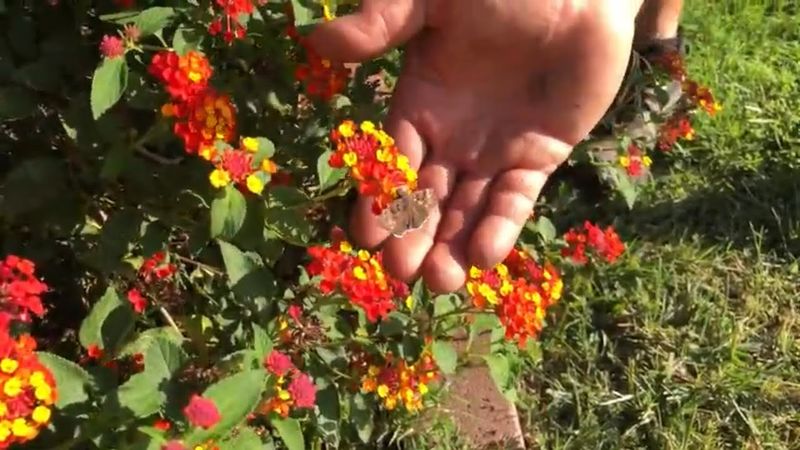
Once winter has passed and freeze damage is visible on your established Texas lantana, early spring is the right time to act. Texas A&M AgriLife Extension recommends cutting Texas lantana back to approximately eight inches in early spring, which removes dead or damaged wood and resets the plant before vigorous growth begins.
This is not a technique that guarantees larger flowers, but it clears out the old material and gives new stems a clean start.
Williamson County AgriLife Extension supports cutting perennial lantana back to the base in January or February after winter damage is apparent. The timing overlap between these two recommendations, late January through early spring before growth surges, gives Central Texas gardeners a practical window to work with.
Use clean, sharp pruners and cut to just above a node or pair of buds if you can see them, or cut to the recommended height if the stems show no signs of life yet.
How aggressively you cut should match what you actually see on the plant. A lantana that came through winter with only light tip damage does not need to be cut to eight inches.
One that was frozen to the ground may need a full reset to let it regrow cleanly from the base. Cultivar identity matters here too: some ornamental Lantana camara types or trailing forms may have different pruning needs than Texas lantana, so check the specific care instructions for whatever plant you have rather than applying a one-size approach to every lantana in the yard.
Use light bloom support only when the cultivar benefits
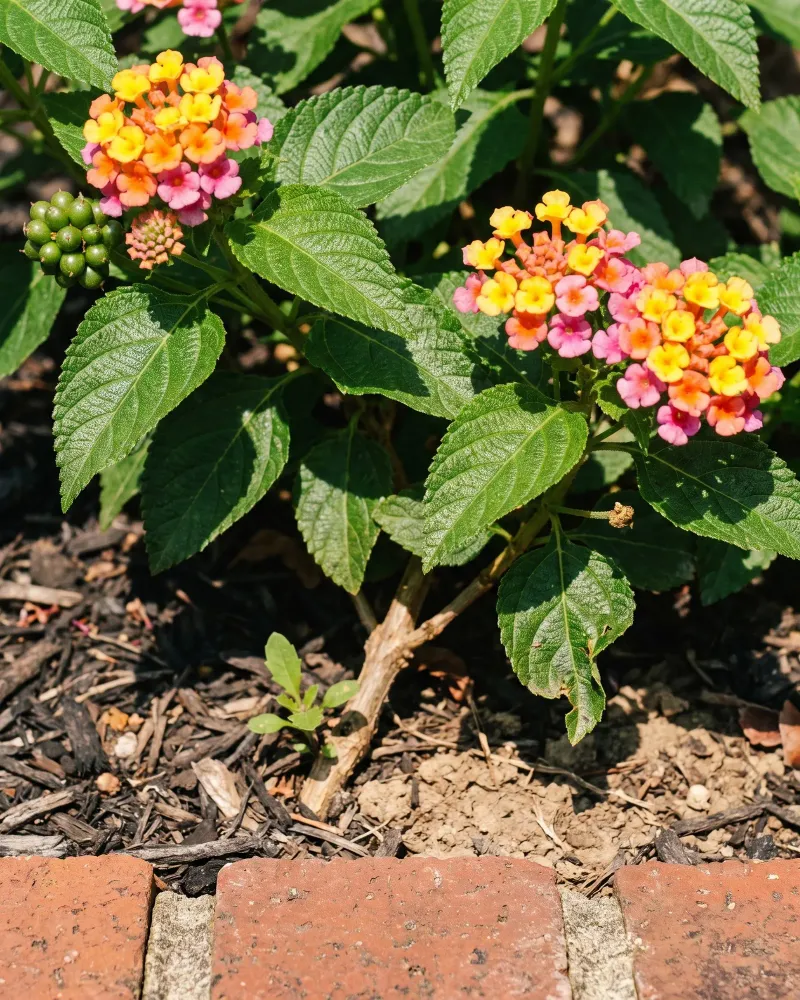
After a lantana is established and growing well, a few optional practices can support repeat flowering through the season, depending on the specific plant you have. Light shearing of tip growth during summer can help keep some lantana types blooming more consistently.
Clemson Cooperative Extension recommends lightly shearing tip growth during summer and notes that an overgrown plant can be reduced by up to one-third without major harm. Going harder than that, or shearing repeatedly throughout the season, can set the plant back more than it helps.
Deadheading, the practice of removing spent flower heads before seeds fully develop, is worth considering for some plants but not others. University of Arkansas Extension notes that weekly deadheading may encourage reblooming in lantana types that produce a significant number of seeds, because seed production can redirect resources away from new flowers.
Many newer cultivars, however, are low-seed or nearly sterile, so deadheading them adds labor without a meaningful return. Check what your specific cultivar tends to do before committing to a weekly routine.
Flowering in lantana depends on the combined effect of several factors working together: sufficient direct sun, well-drained soil, appropriate moisture during establishment, correctly timed pruning, and the natural growth habit of the cultivar itself. UC IPM’s lantana guidance reinforces that excess water or fertilizer can suppress blooming rather than encourage it.
Heavy feeding or frequent overhead irrigation in an attempt to force more flowers is likely to produce the opposite result. Texas A&M’s profile for Texas lantana reflects the same principle: in-ground plants in good soil rarely need fertilizer, and the plant’s natural inclination toward flowering is best supported by getting the fundamentals right rather than pushing it with inputs.
Aim for stronger performance, not a guaranteed giant flush
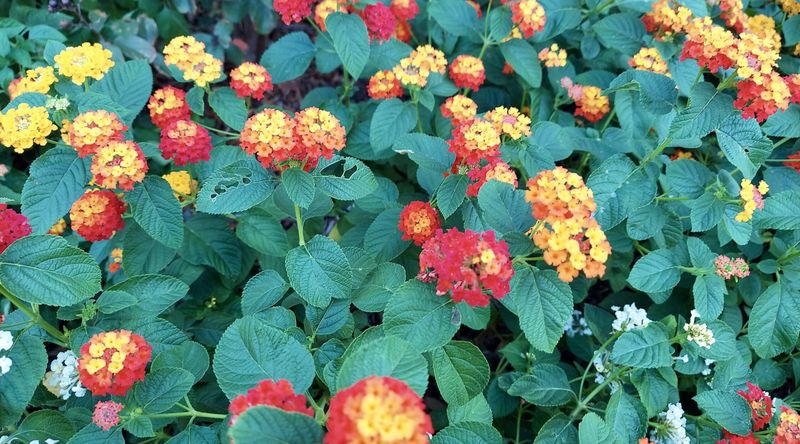
A practical fall checklist for Central Texas lantana looks like this: confirm the botanical name before making any decisions, consider planting or transplanting only when local temperatures are moderating and drainage is reliable, provide a full-sun location, water thoroughly after planting and monitor through dry spells, apply a few inches of mulch without covering the stems, and hold off on any major pruning until late winter or early spring when freeze damage is visible and new growth is about to begin.
University of Arizona Cooperative Extension fall planting guidance and Williamson County AgriLife’s winter pruning advice together support the timing framework in this article, while Texas A&M AgriLife’s Texas lantana profile anchors the site and care requirements. These sources can support better establishment, improved vigor, and stronger flowering potential, but none of them prove that a specific September action directly produces bigger bloom flushes the following summer.
Follow the label for your specific cultivar’s size, hardiness, and care needs, because the differences between Texas lantana, common lantana, trailing forms, and named hybrids are real and consequential. A lantana that is correctly identified, properly sited, and given time to root before summer heat returns is simply a more capable plant, and that is a reasonable goal worth working toward.