
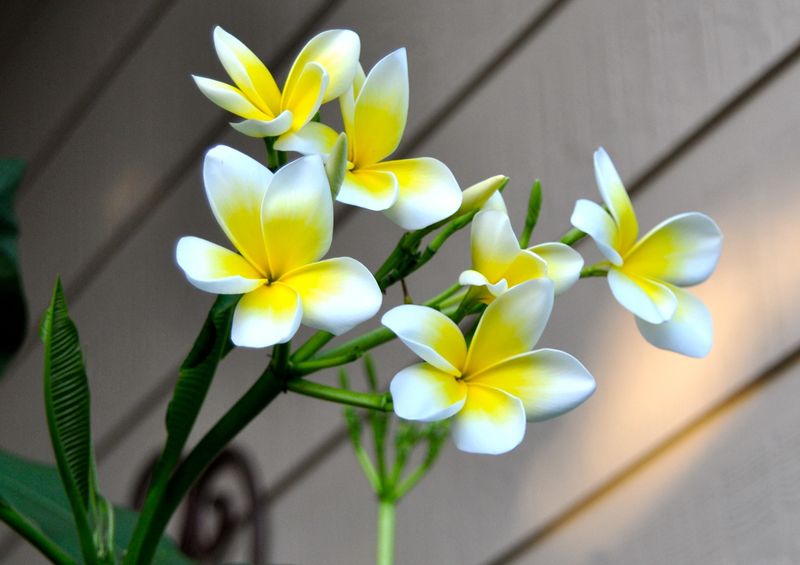
Plumeria brings the scent and color of the tropics right to a Texas patio, and a potted plant can put on a real show when the conditions are right. Growing one successfully here is less about luck and more about understanding what this tropical plant actually needs: abundant sun, sharp drainage, and a clear plan for when the temperature drops. Texas summers are ideal for plumeria growth, but the state’s unpredictable freezes mean container gardeners need a winter strategy just as much as a watering routine.
Start with a Texas winter plan
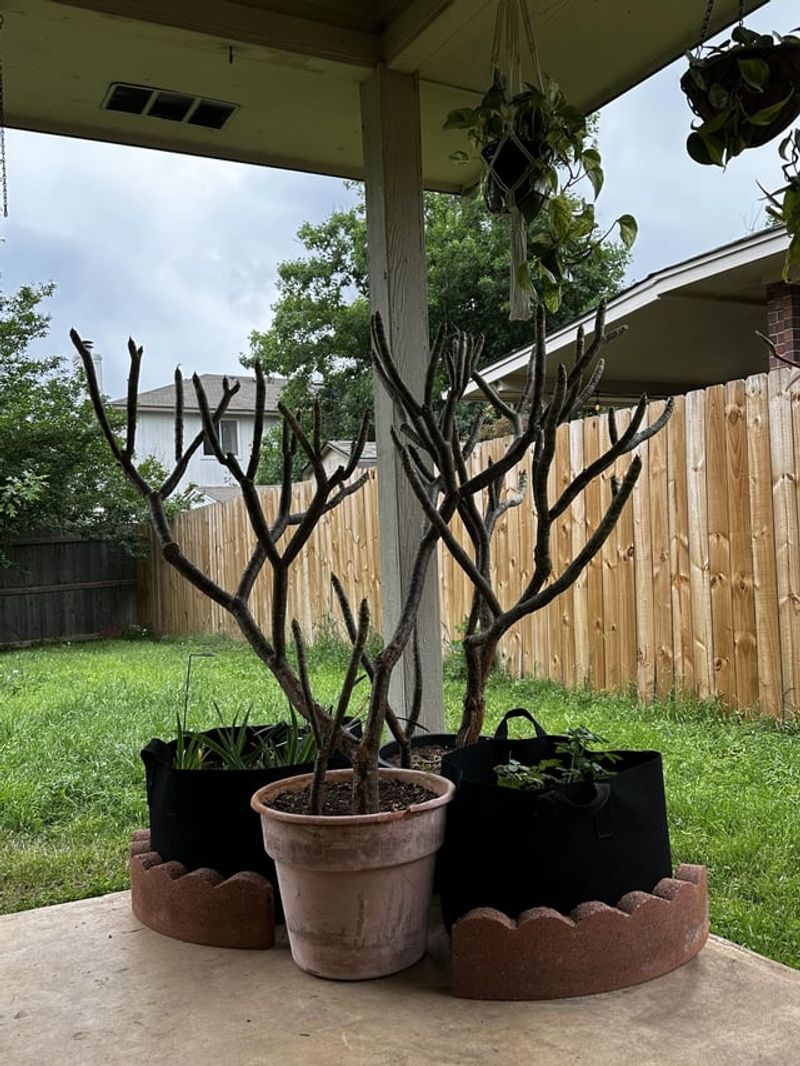
Before the first bag of potting mix gets opened, Texas gardeners need to settle one foundational question: where will this plant go when freezing weather arrives? Plumeria is a tropical plant, and its cold sensitivity shapes every other decision you make about container culture here. UF/IFAS Gardening Solutions places plumeria primarily in USDA Zones 10B through 11 and specifically recommends container culture and indoor protection for gardeners farther north, which covers the vast majority of Texas.
That tropical hardiness range does not mean plumeria cannot grow in Texas. It means the plant can thrive here in containers precisely because a pot gives you the ability to move it. Gardeners in North Texas, the Hill Country, the Panhandle, and much of West Texas should plan from the start to relocate the container to a protected, frost-free space before freezing temperatures arrive. A garage, a covered porch with some thermal mass, or an indoor room with bright indirect light are all reasonable options depending on your setup.
Gulf Coast and far South Texas gardeners may have more favorable outdoor conditions through much of the year, but even those regions can experience damaging freezes. The decision is not purely regional. Microclimate, shelter from structures, the specific cultivar, whether the plant has gone dormant, and the actual forecast all factor in. Texas A&M AgriLife Extension, Travis County explains that container roots can approach surrounding air temperature much faster than roots insulated by ground soil, making a potted plumeria significantly more exposed than an in-ground landscape plant during a cold snap.
Texas does not freeze on a single statewide schedule. National Weather Service data for Dallas-Fort Worth shows an average first freeze around November 22, while Amarillo and the Panhandle can see freezing temperatures considerably earlier in the season. Watch your local forecast and know your regional freeze patterns before the growing season ends, not after. Treating winter protection as a core part of the plan, rather than an afterthought, is what allows plumeria to thrive in Texas containers year after year.
Build the root zone around drainage
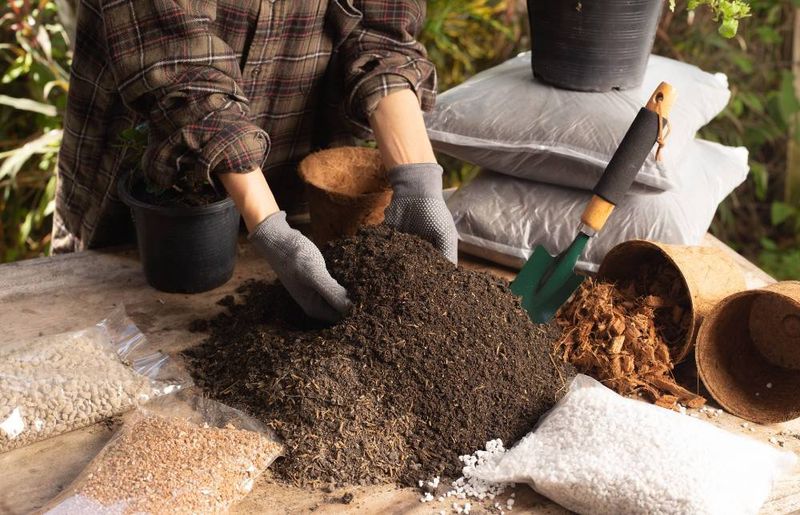
Saturated roots are a serious and common container problem, and plumeria is particularly unforgiving of soggy conditions. Getting drainage right from the beginning is far easier than trying to fix root damage after the fact. The setup involves two things working together: a pot with clear, unobstructed drainage holes and a growing medium that lets water move through efficiently.
Skip ordinary Texas garden soil entirely. Texas A&M AgriLife Extension, Bexar County notes that field soil in containers tends to compact over time, which restricts drainage and limits the air-filled pore space that roots need between waterings. A commercial, lightweight, soilless potting mix is a much better starting point. Look for products that already contain drainage-improving materials like perlite, bark, vermiculite, or coarse sand, or amend a standard potting mix with additional perlite to open it up further.
University of New Hampshire Extension points out that a quality soilless mix supports both drainage and aeration, two conditions that matter equally for root health. Water should be able to move through the entire root ball and exit freely from the bottom of the pot. If it pools on the surface or drains only from one side, the mix may be compacted or the drainage holes may be blocked.
One common shortcut that does not work is placing a layer of gravel at the bottom of the pot before adding mix. University of Connecticut Extension specifically warns that a gravel layer creates a perched water table inside the container, meaning the growing medium directly above the gravel stays saturated longer than it would without the layer. The fix for poor drainage is good mix and clear holes, not a gravel buffer. Virginia Cooperative Extension guidance on container watering reinforces that persistently saturated media reduces the oxygen available to roots, which can lead to root loss and long-term plant decline.
Choose a pot size that fits the current plant without leaving a large volume of unused, perpetually wet mix around the root ball, and check that every drainage hole stays open throughout the growing season.
Give the foliage full sun without cooking the roots
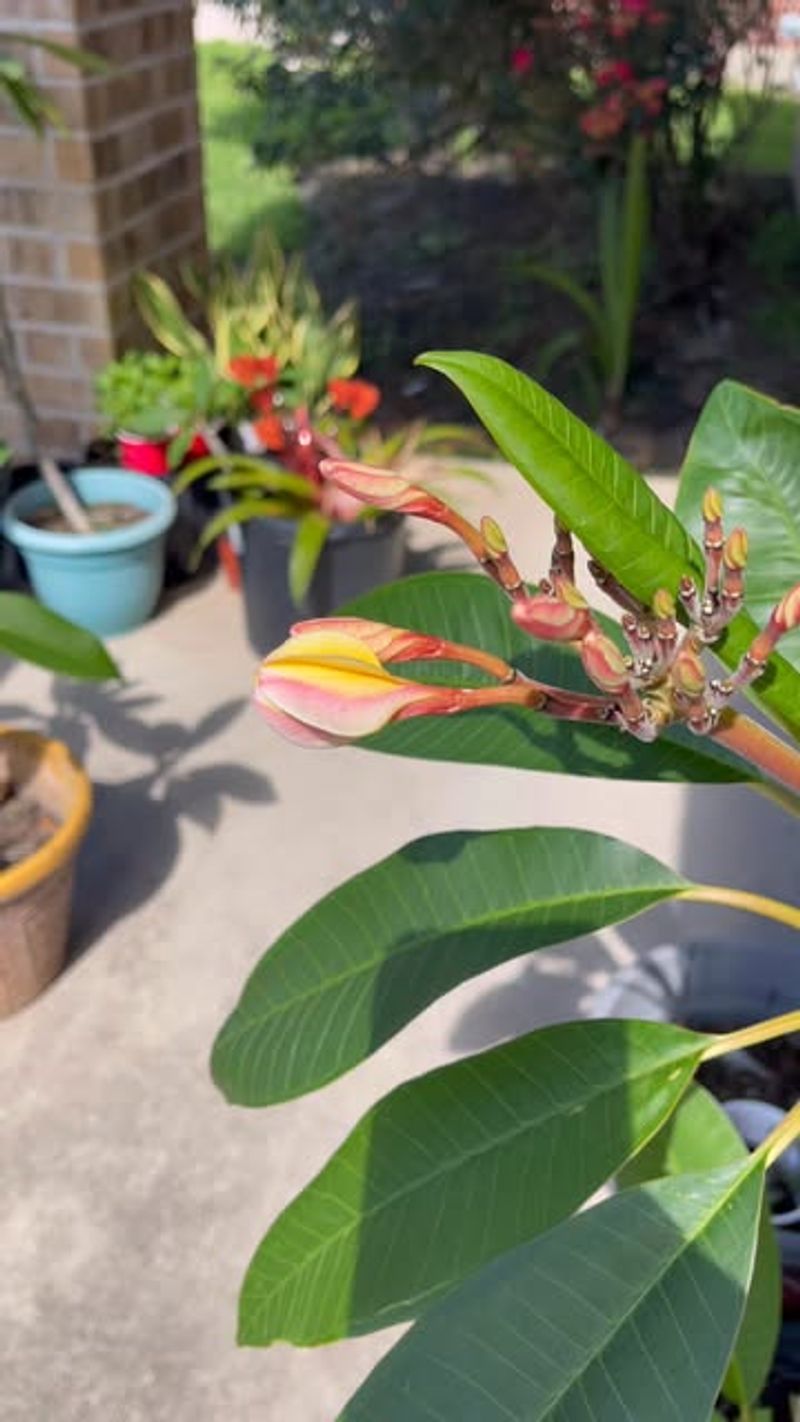
Plumeria is a sun-hungry plant, and Texas summers deliver exactly the kind of intense light it wants. Texas A&M AgriLife Extension, Bexar County recommends roughly six to eight hours of direct sunlight daily, and UF/IFAS similarly describes plumeria as performing best in full sun. Plants kept in partial shade tend to produce fewer buds and stretch toward available light rather than putting energy into compact, flowering growth.
That said, full sun on the foliage is not the same as full sun on the pot. Black plastic containers and dark metal pots can reach root-damaging temperatures when left in direct Texas summer sun, particularly on concrete or paved surfaces that reflect additional heat upward. Kansas State University research on container color and root-zone temperature confirms that container color and material significantly affect how hot the root zone gets during intense solar exposure.
A practical solution is to slip the growing pot inside a larger, light-colored or insulated outer container. This keeps the foliage in the sun it needs while shading the root zone from direct heat. Positioning the pot so that nearby plants, a low wall, or a deck railing shades the pot itself without blocking light to the canopy can accomplish the same thing. UC ANR container gardening guidance also suggests avoiding placement directly on dark paved surfaces that amplify heat from below.
Providing the right light is necessary for strong performance, but remember that even a well-placed, sun-drenched plant may not bloom if it is too young, root-stressed, or recovering from cold damage. Placement sets the stage; the rest of the care routine determines whether the plant actually takes it.
Water by the pot’s condition, not the calendar
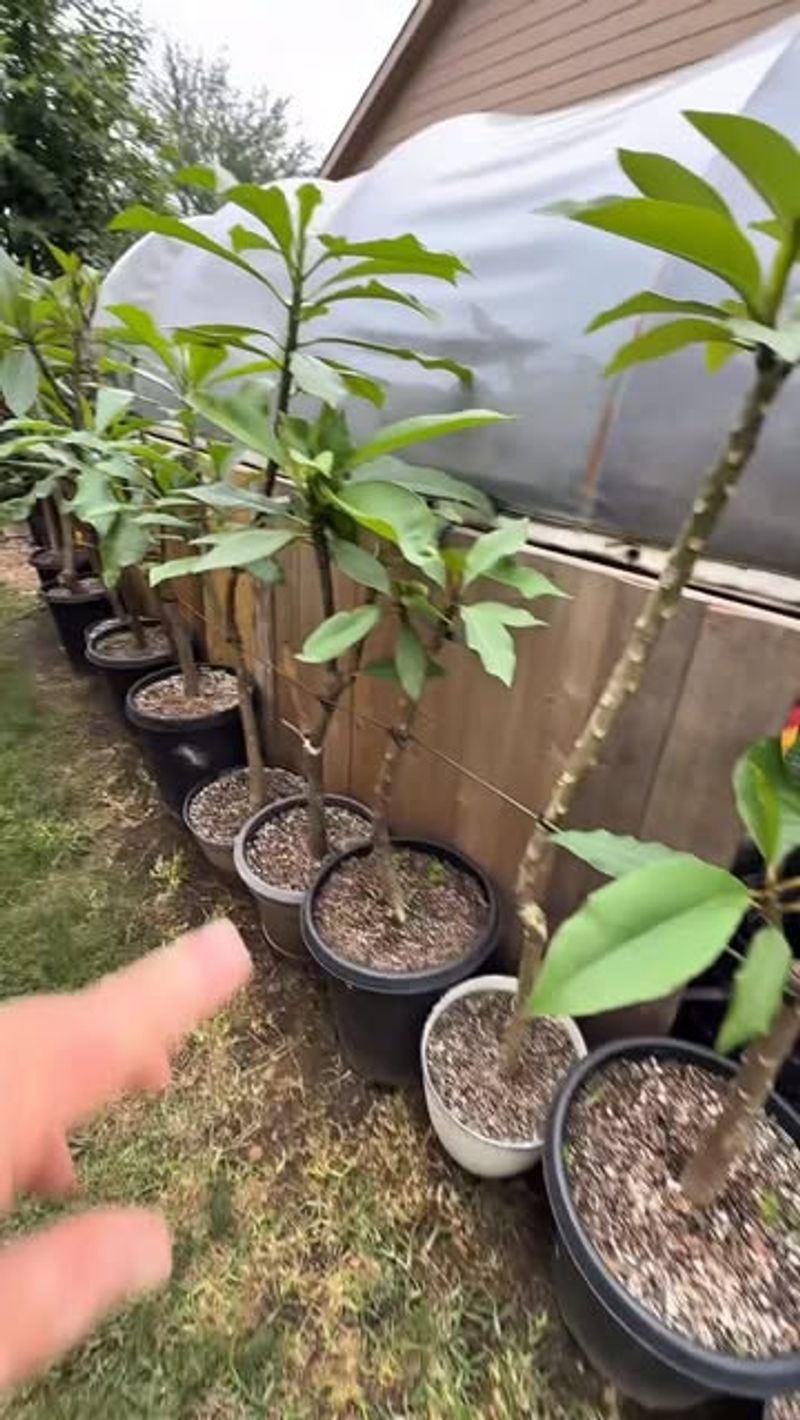
A rigid once-a-week watering schedule is one of the easiest ways to get container plumeria into trouble in Texas. The right interval depends on factors that change constantly: pot size, plant size, mix composition, wind exposure, ambient temperature, humidity, and whether the container is clay, plastic, or glazed ceramic. During a hot, windy July in San Antonio, a small pot in full sun may need water every day or two. The same plant in a large, dense mix during a mild spring week might go several days comfortably.
The reliable method is to check the medium rather than check the date. Push a finger an inch or two into the mix. If it still feels clearly moist, wait. When it has dried somewhat from the last watering, water thoroughly enough that the entire root ball is wetted and excess runs freely from the drainage holes.
Oregon State University Extension describes this thorough-then-dry cycle as the standard for container health, and UC Cooperative Extension guidance on plumeria supports the same approach, recommending watering after the medium has partially dried rather than on a fixed schedule.
Avoid two opposite errors with equal care. Persistently saturated media deprives roots of oxygen and creates conditions for rot, a serious and common container problem. But treating sharp drainage as license to leave the plant bone-dry for extended periods during active summer growth is equally harmful. Plumeria may be described as drought-tolerant in landscape settings, but a container holds far less root-zone volume than open ground and dries faster than most gardeners expect in Texas heat.
Texas A&M AgriLife Extension, Bexar County notes that containers in Texas summer conditions may need checking more frequently than gardeners accustomed to in-ground plants expect. When the plant goes dormant in winter and is kept in a cool, protected space, water needs drop sharply. Stop watering as dormancy sets in and resume only when new spring growth appears, because cool temperatures combined with wet roots increase the chance of root damage during storage.
Feed active growth without promising flowers
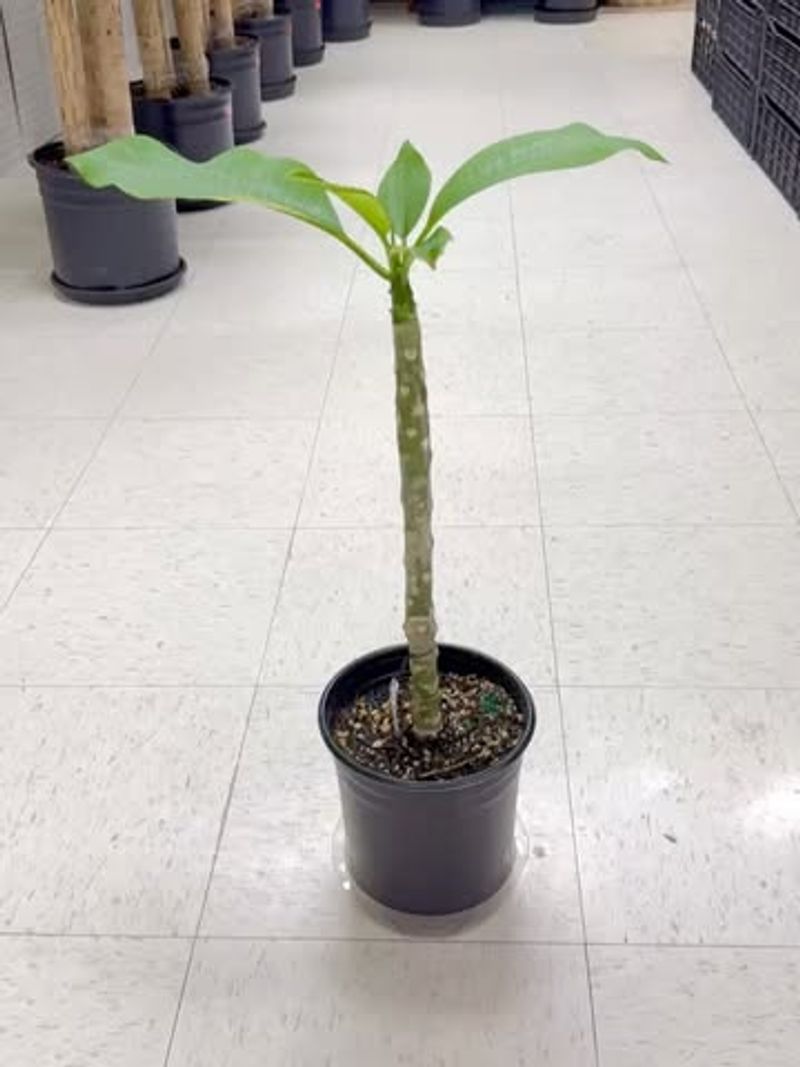
Container plants lose nutrients steadily through repeated watering, so feeding during active growth is a reasonable part of plumeria care. The goal is to support the plant while it is actively pushing new leaves and stems, not to trigger blooms on demand. Fertilizer helps maintain the nutrition a fast-draining mix cannot hold indefinitely; it does not override the other factors that determine whether a plant flowers.
UC Cooperative Extension reports that excess nitrogen can push foliage production at the expense of flowers, while Texas A&M AgriLife Extension, Bexar County warns that too much fertilizer or water can produce leggy, leafy growth with fewer flower clusters. Follow the product label for rates and timing, and avoid the temptation to apply more than directed in hopes of accelerating results.
High-phosphorus fertilizers marketed as bloom boosters come up frequently in plumeria discussions. These products may be worth trying during active growth, but do not treat them as a guaranteed flowering trigger. Texas A&M AgriLife Extension, Galveston County addresses plumeria fertilization without presenting high phosphorus as a proven universal rule. Adding phosphorus beyond what a balanced fertilizer already provides is worth doing only if there is reason to believe the medium is deficient, and repeated heavy applications without evidence of need can create nutrient imbalances rather than solve them.
Feed only when the plant is actively growing, typically from spring through late summer in Texas. Stop feeding as the plant slows down heading into fall, and do not fertilize during dormancy. Even a well-fed, well-lit plant may not bloom its first season or after a setback from cold or root damage. Maturity, freedom from stress, and consistent care over time matter as much as any single product.
Protect the container when freezing weather threatens
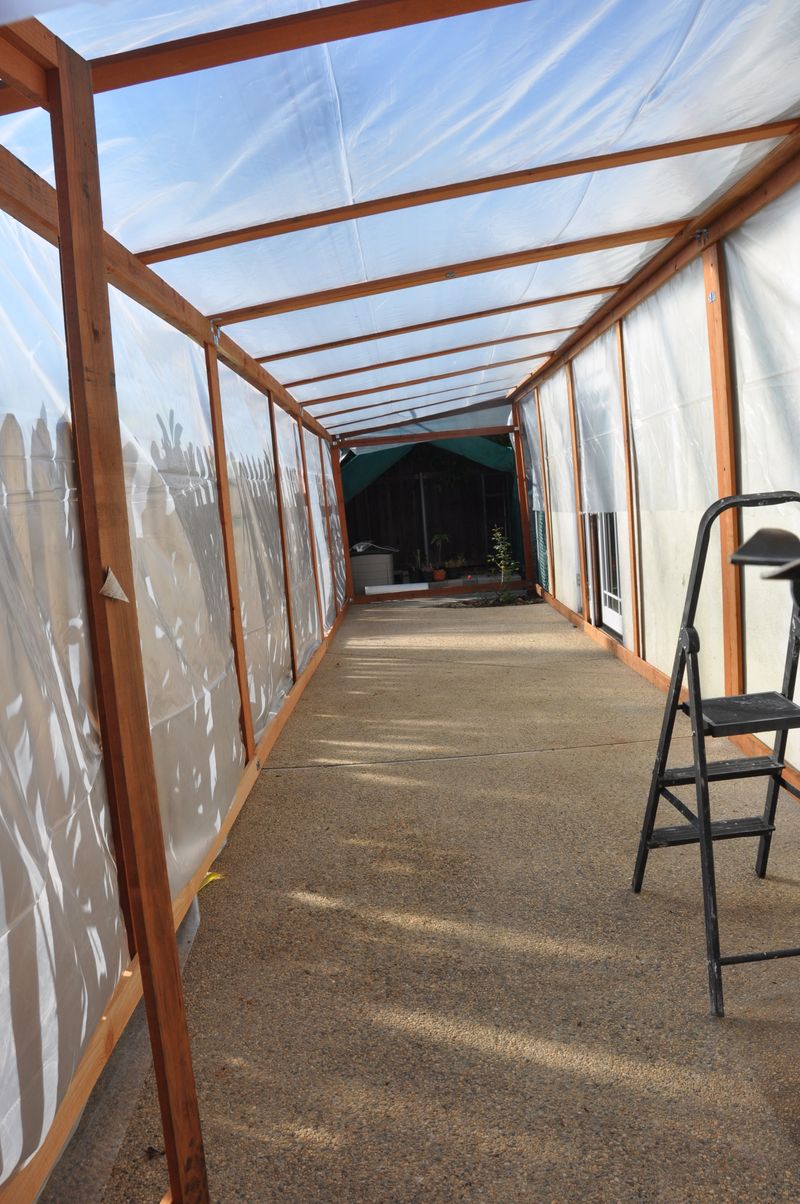
Timing is everything when a cold front moves toward Texas. Container roots have almost no insulating buffer from surrounding air temperature, unlike roots planted in the ground where soil mass slows temperature change. Texas A&M AgriLife Extension, Travis County explains that container roots can approach the surrounding air temperature far more quickly than in-ground roots, which makes a potted tropical significantly more vulnerable during a freeze event.
The most dependable response is to move the plant to a protected, frost-free location before temperatures drop. A garage, an enclosed porch, a greenhouse, or even a spare room can work depending on how long the cold weather lasts. Frost cloth and blankets can provide some temporary help for a plant left outside during a brief, borderline cold snap, but they are not a reliable substitute for actual shelter when temperatures drop well below freezing or stay cold for multiple nights.
Texas does not freeze on a single uniform schedule, so use your local forecast rather than a statewide rule. National Weather Service freeze data for West Central Texas shows earlier and more frequent freezes than the Gulf Coast region, and Panhandle gardeners typically face the earliest first-freeze dates in the state. Set a calendar reminder to check the extended forecast starting in October if you are in the northern half of Texas.
Winter watering requires a different approach than the active season. UC Cooperative Extension advises stopping watering once plumeria enters dormancy and resuming only when new spring growth emerges. Plumeria Society of America winter storage guidance reinforces this, noting that cool temperatures combined with wet roots increase the risk of root damage during storage. A dormant plant kept dry in a cool garage asks very little of you through the winter months, making the spring return to the patio straightforward when warmer weather stabilizes.
UF/IFAS confirms that even Gulf Coast and South Texas locations can experience damaging freezes, so no Texas gardener should assume the plant is safe outdoors without checking the actual forecast.
Use missing blooms and damaged leaves as clues
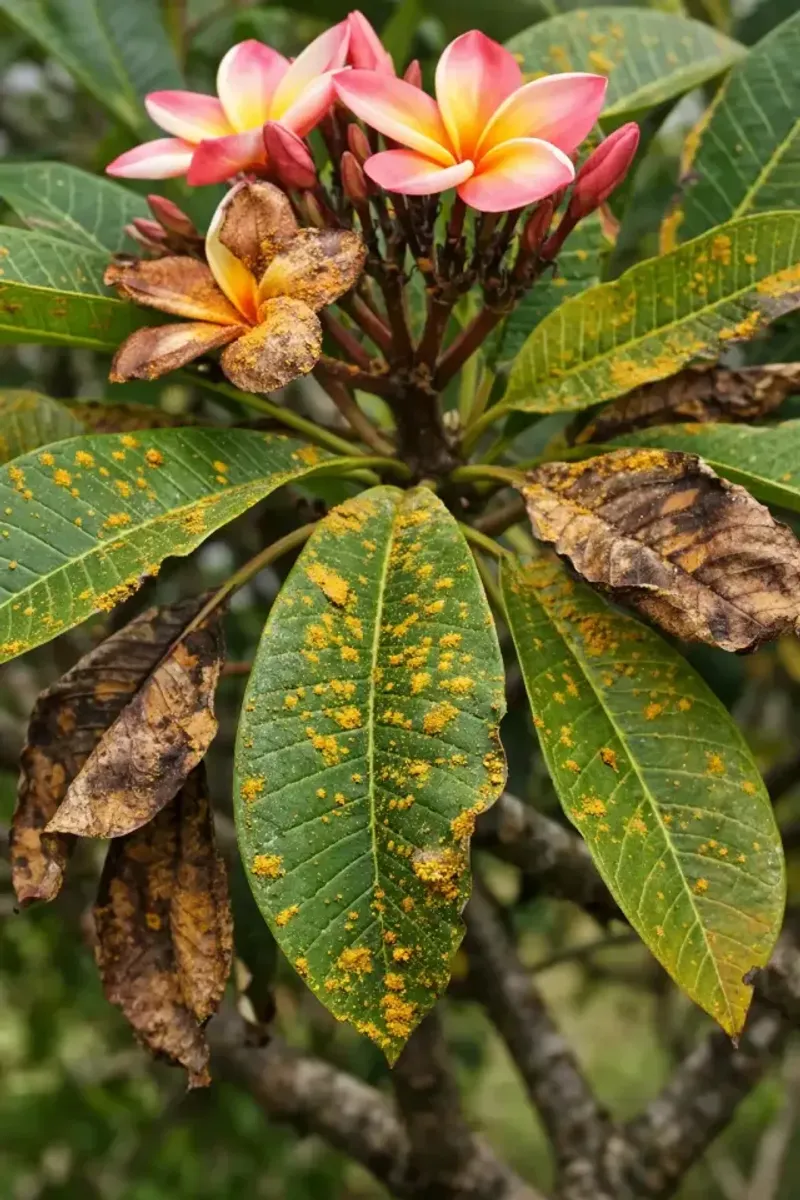
When a plumeria fails to bloom or the leaves start looking wrong, the plant is usually signaling a specific problem rather than a general one. Absent or sparse flowers most often point to inadequate light, plant immaturity, cold injury from a previous winter, root damage from overwatering or freeze exposure, or a nutrient imbalance. Ruling these out one at a time is more productive than reaching for a fertilizer or pesticide without a diagnosis.
Leaf problems fall into two broad categories. Fungal rust is a common one: look for yellow spots on the upper leaf surface with orange or rust-colored powdery growth on the undersides, especially after prolonged wet or humid periods. University of Hawaii Cooperative Extension research on plumeria rust identifies this as a significant fungal issue that spreads through spores and worsens with poor airflow and wet foliage. Remove and dispose of badly affected fallen leaves rather than leaving them on the ground around the pot, and improve air circulation around the plant where possible.
Insect problems show different signs. UF/IFAS notes that scale, whiteflies, mealybugs, aphids, and spider mites can all affect plumeria. Identify the pest accurately before treating, because different insects respond to different approaches. Follow Texas pesticide-label requirements for any product you apply, and avoid using dish soap as a blanket solution.
Soap-based sprays can injure foliage if too concentrated or applied during intense heat, and they are not appropriate for every pest situation. UC Cooperative Extension recommends sanitation and airflow as first-line responses before moving to chemical treatments.
One more thing worth knowing before you prune or handle the plant: plumeria sap can irritate skin and eyes. UC ANR’s plant safety guidance for plumeria advises treating all plant parts cautiously, wearing gloves when cutting or handling stems, and keeping the sap away from eyes, mouth, children, and pets. This is a precaution worth taking consistently, not just when the plant is actively dripping.
Use the Texas formula to encourage summer blooms
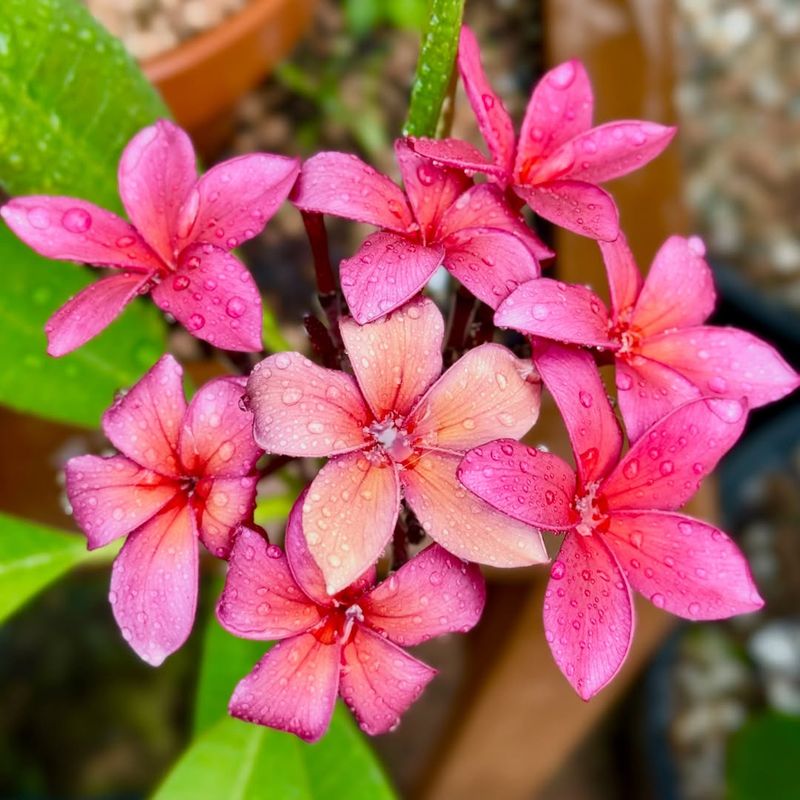
The care sequence for Texas container plumeria is straightforward once each piece is in place. Set the pot where the foliage receives six to eight hours of direct sun, protect the root zone from standing water and reflected heat from concrete or dark surfaces, and water based on what the medium tells you rather than what the calendar says. Feed with a balanced fertilizer during active growth, follow the label, and stop when growth slows in fall. Texas A&M AgriLife Extension, Bexar County supports this combination of sun, drainage, and appropriate nutrition as the foundation for strong plumeria performance in containers.
When your local forecast shows freezing temperatures approaching, move the pot to shelter or use another protective strategy suited to your situation. UF/IFAS and Texas A&M AgriLife Extension, Travis County both make clear that container roots are especially exposed to cold and that tropical plants like plumeria need proactive protection across much of Texas. These steps give the plant its best opportunity for a vivid summer flower display, though no care routine can guarantee blooms every season or throughout an entire summer. A healthy, well-tended plumeria in a Texas pot earns its flowers – and when they come, they are worth every bit of the effort.