
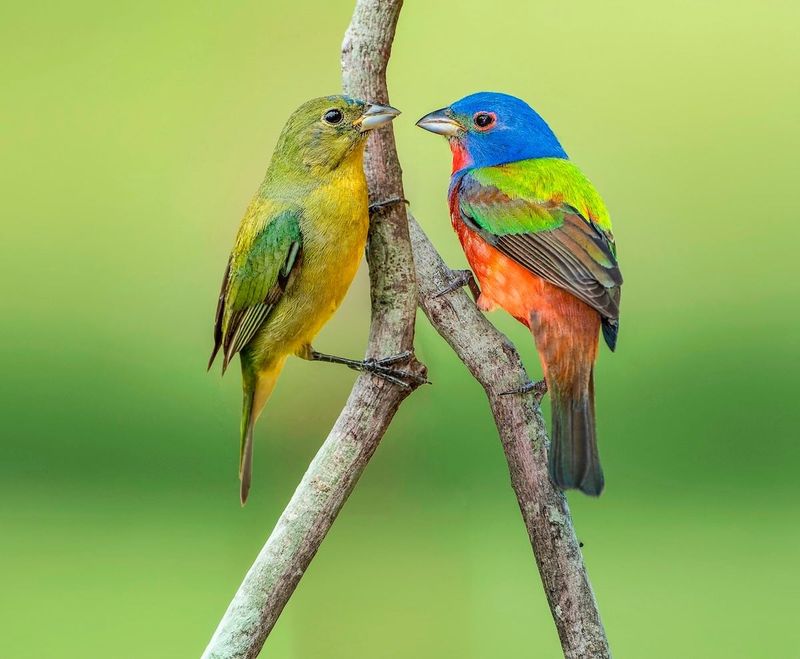
Painted buntings are among the most striking birds in North America, and Central Texas homeowners have real reason to hope for a summer visit from these brilliantly colored songbirds. The honest truth is that no yard trick can guarantee they show up every year, but the right habitat choices can make your yard a much better candidate for a stop.
Learning what these birds actually need, and providing it consistently, is the most practical thing any Texas gardener can do.
Improve the odds of seeing a painted bunting each summer
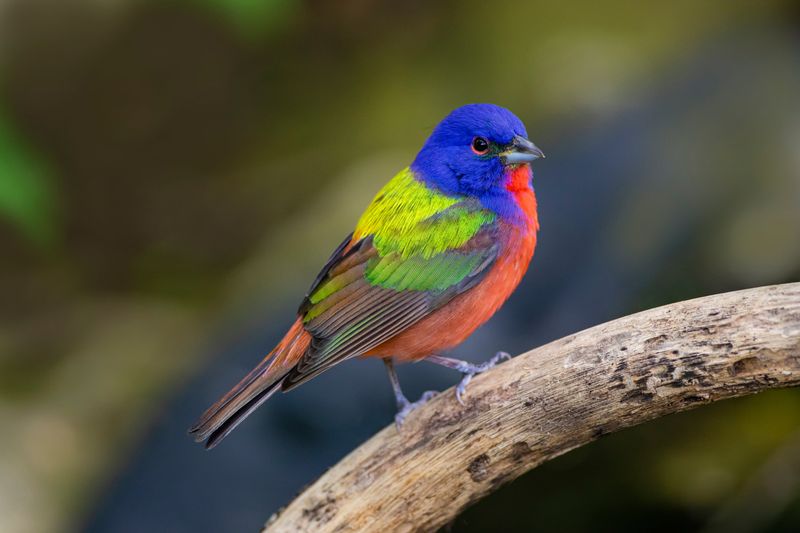
Painted buntings are genuine warm-season birds across much of Texas, and Texas Parks and Wildlife documents them as part of the state’s summer wildlife. Cedar Hill State Park, located in the Dallas-Fort Worth area, reports them as common visitors from May through August and serves as one well-documented Texas example, though that site’s timing and frequency should not be read as a fixed schedule for every Central Texas location.
Migration and local habitat conditions mean that no homeowner can count on a painted bunting appearing in a specific yard every single summer. Cornell Lab’s range data shows that these birds move through and breed across a broad corridor, but exactly where individuals settle depends on the vegetation, cover, food, and water available in a given area.
A yard that looks promising to a human observer may not match what a particular bird needs in a particular year.
The practical goal, then, is creating conditions that raise the probability of a visit rather than promising one. Even when habitat is excellent, Forest Service research on painted bunting habitat requirements notes that the species’ use of any given patch is shaped by the surrounding landscape, not just the yard itself.
One more thing worth knowing: males often stay tucked inside dense brush and sing only briefly around sunrise, so a quiet yard does not necessarily mean an empty one.
Build a habitat patch instead of relying on a food station
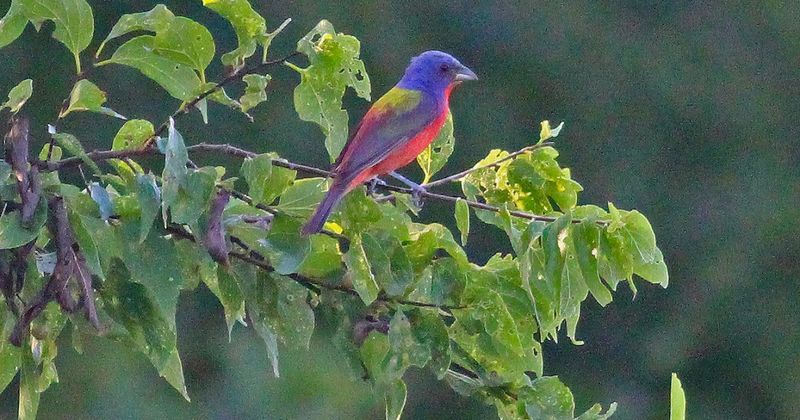
A feeder sitting alone in the middle of a mowed lawn is one of the least effective ways to attract painted buntings. Texas Parks and Wildlife notes that painted buntings rarely visit backyard feeders when those feeders are placed far from cover, and that the species naturally gravitates toward heavier vegetation near streams, forest edges, and dense understory.
The food station matters far less than the structure surrounding it.
Cornell Lab describes the breeding habitat these birds prefer as semi-open areas combining scattered shrubs or trees with grasses, weeds, wildflowers, and edge habitat, all adjacent to open foraging space. That life history profile makes clear that the birds are looking for a specific combination of concealment and foraging opportunity, not just a seed source.
A tightly manicured lawn edge with a hanging feeder provides only one of those things.
A suburban yard can realistically add a useful habitat patch by preserving or building up brushy margins, low shrubs, and native grasses along at least one edge of the property. Forest Service habitat research emphasizes that painted bunting use of any area depends on scattered woody vegetation, heterogeneous cover, and nearby open ground, all of which a thoughtful homeowner can work toward.
What a yard cannot do is recreate the regional habitat network or guarantee occupancy. Think of the yard as one small piece of a larger puzzle, worth improving because every suitable patch helps, but honest about what it can and cannot control.
Create low, layered cover around open feeding areas
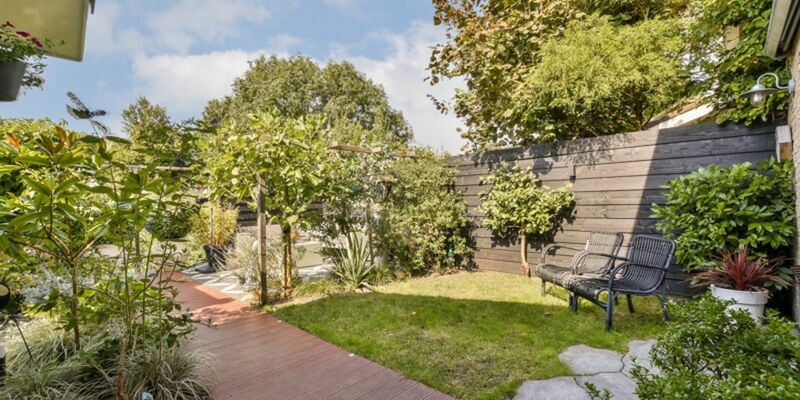
Turning the habitat principle into real yard changes starts with resisting the urge to clear every informal edge. Brushy margins, low dense shrubs, and clumps of native grass along a fence line or property border provide exactly the kind of concealment that painted buntings use for nesting and resting.
Cornell Lab’s life history data confirms that the birds nest in low woody vegetation and rely on nearby open areas for feeding, so the goal is keeping both elements close together rather than separating them across a large property.
Perches matter too. A dead snag, a low fence post, or the exposed branch of a shrub gives males a place to sing and watch for rivals or predators before moving into the open.
Retaining these features instead of removing them as yard debris adds functional value without any extra cost. TPWD’s species profile notes that males use elevated perches during their brief early-morning singing periods, which is often the best window for a homeowner to spot one.
No source establishes a universal measurement for how tall shrubs should be, how many plants are needed, or exactly how far cover should sit from a feeding area. Forest Service habitat research describes the species’ requirements as not fully understood and stresses the importance of heterogeneous cover rather than a single prescribed design.
Work with the space available, add density where the yard already has informal edges, and leave at least some transition zone between the brushiest part of the yard and any open feeding or bathing area.
Grow diverse plants that provide seeds and insects
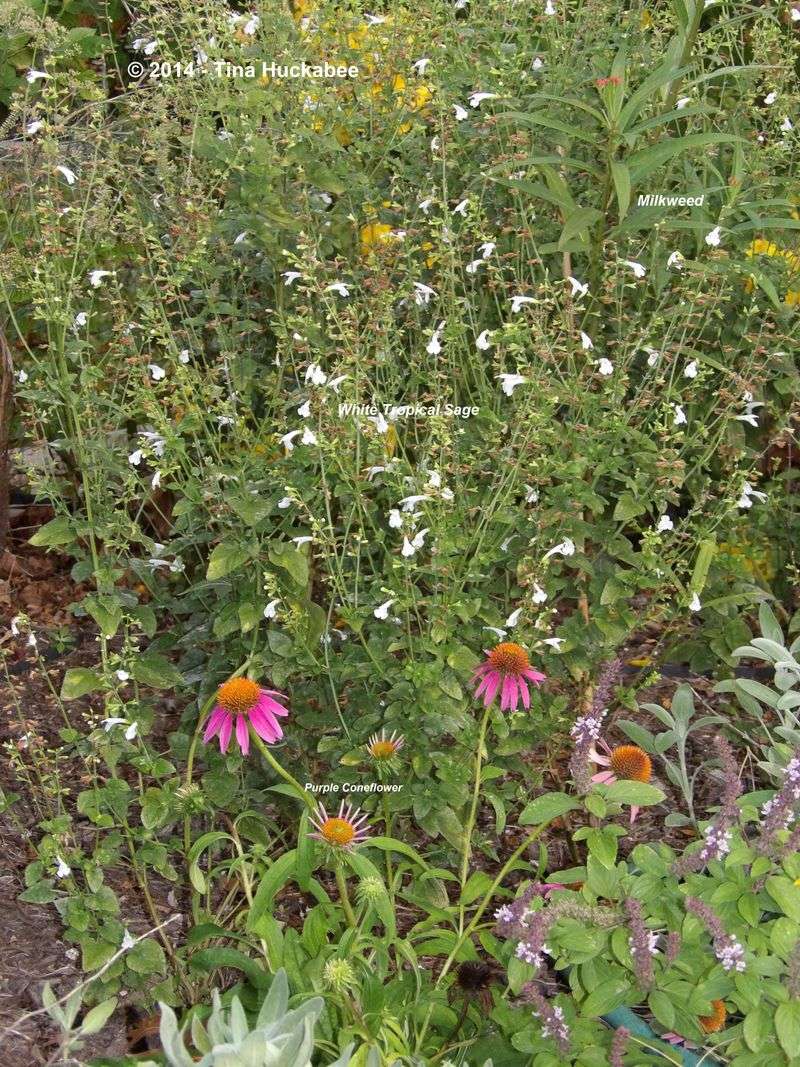
Painted buntings eat seeds for much of the year, but during breeding season they shift heavily toward insects, feeding both themselves and their nestlings on grasshoppers, beetles, caterpillars, and other invertebrates. Cornell Lab’s life history records document a wide range of plant-based foods including panic grass, pigweed, wood sorrel, spurge, sedge, and dock, alongside the insect prey that becomes critical when chicks are in the nest.
A yard that only offers seed misses half the seasonal equation.
Indian blanket is one native Texas wildflower worth including because TPWD’s Wildscapes plant list documentation notes that its ripe seed heads are used by seed-eating passerines, including painted buntings. That said, no single plant species acts as a guaranteed attractant, and Indian blanket is most useful as one component of a diverse planting rather than the centerpiece of a bunting strategy.
Leaving some seed heads to mature rather than deadheading every spent flower preserves a natural food source that a tidy gardener might otherwise remove.
TPWD’s habitat resources guidance recommends native plants specifically because they produce seeds, fruits, shelter, and insect prey while requiring less water and maintenance than many ornamental alternatives. Because Central Texas soils, sun exposure, and drainage vary considerably across the region, the Texas A&M AgriLife Earth-Kind Plant Selector is a practical way to find regionally appropriate natives for a specific ZIP code rather than relying on a single statewide plant list that may not suit every yard’s conditions.
Protect insects and preserve natural food
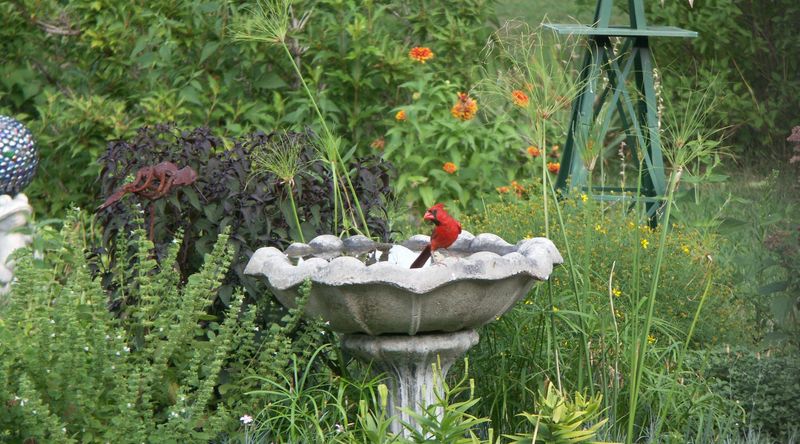
Insects are not a bonus feature of a bird-friendly yard. They are a core requirement, especially during the weeks when painted buntings are raising young.
Broad-spectrum insecticides, routine mosquito fogging, rodenticides, and treated ornamental plants can all reduce or contaminate the insect prey that adults and nestlings depend on, and birds can be exposed directly or by eating affected prey. TPWD’s Partners in Flight habitat guidelines advise reducing pesticide dependence, leaving suitable uncultivated areas unsprayed, and using integrated pest management approaches instead of broad-spectrum treatments.
Cornell Lab documents that breeding painted buntings feed on grasshoppers, beetles, caterpillars, bugs, spiders, snails, wasps, and flies, all of which need undisturbed habitat to thrive. A patch of unmowed native grass, an informal brushy corner, or a border left to grow between seasonal cleanups can support the insect populations that make a yard genuinely useful during nesting time.
Removing every spent flower or seed head eliminates both natural food and the insects that use those plants for shelter and reproduction.
TPWD’s habitat resources page specifically identifies ripe seed heads and undisturbed vegetation as components of a bird-supportive yard, reinforcing that a less-managed corner can contribute more to wildlife than a perfectly maintained bed. The practical guidance here is to think before spraying, choose targeted treatments over blanket applications when a pest problem genuinely requires action, and keep at least part of the yard in a naturalistic state through the summer breeding season.
Add clean water and treat feeders as optional supplements
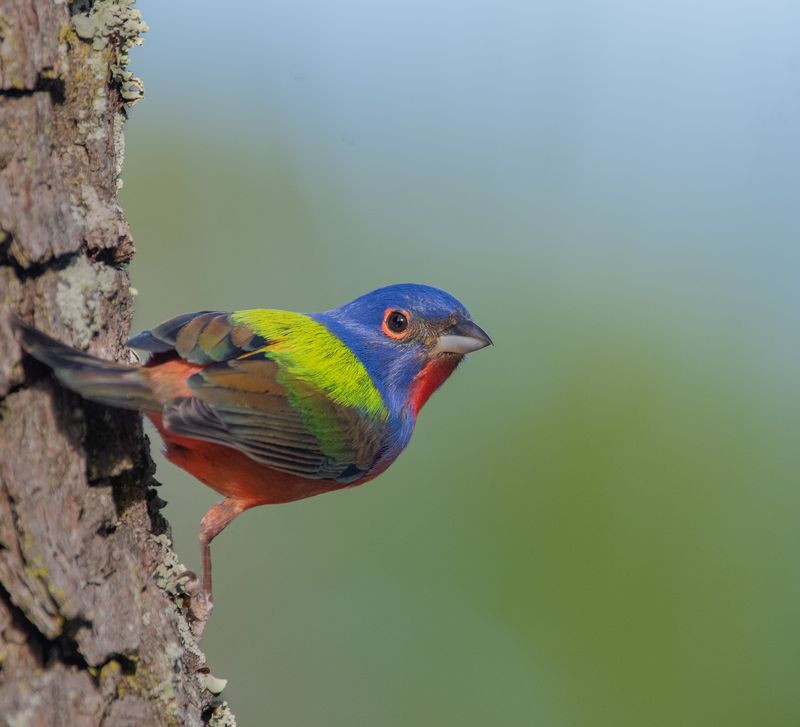
Water ranks above feeders in a painted bunting setup because it serves every bird that passes through, regardless of season or food preference. A shallow basin, a gentle dripper, or a bubbling rock placed near dense cover gives birds a place to drink and bathe while keeping them close to the concealment they need.
Placement matters: position the water source where cats cannot crouch unseen nearby, since ground-level ambush is a real hazard for birds focused on bathing.
Texas heat means a birdbath left to sit is quickly a health risk rather than a resource. The U.S.
Fish and Wildlife Service recommends freshening birdbath water frequently and cleaning the basin regularly to reduce disease transmission, and TPWD’s feeder and wildlife safety guidance reinforces that stagnant water and dirty surfaces can spread illness among birds that share a common source. No single universal cleaning interval applies to every yard and climate, but during peak Texas summer heat, more frequent refreshing is almost always warranted.
Feeders are genuinely optional for painted buntings, and TPWD’s species profile states plainly that the birds rarely visit feeders placed far from cover. A tube or hopper feeder offering white millet, placed within or beside a brushy habitat zone rather than in an open lawn, improves the odds that a visiting bird will use it.
Keep seed fresh, store unused seed dry, remove spilled seed from the ground to avoid attracting rodents and the predators that follow them, and take the feeder down temporarily if sick or lethargic birds appear at the station.
Reduce collisions, cat attacks, disease, and disturbance
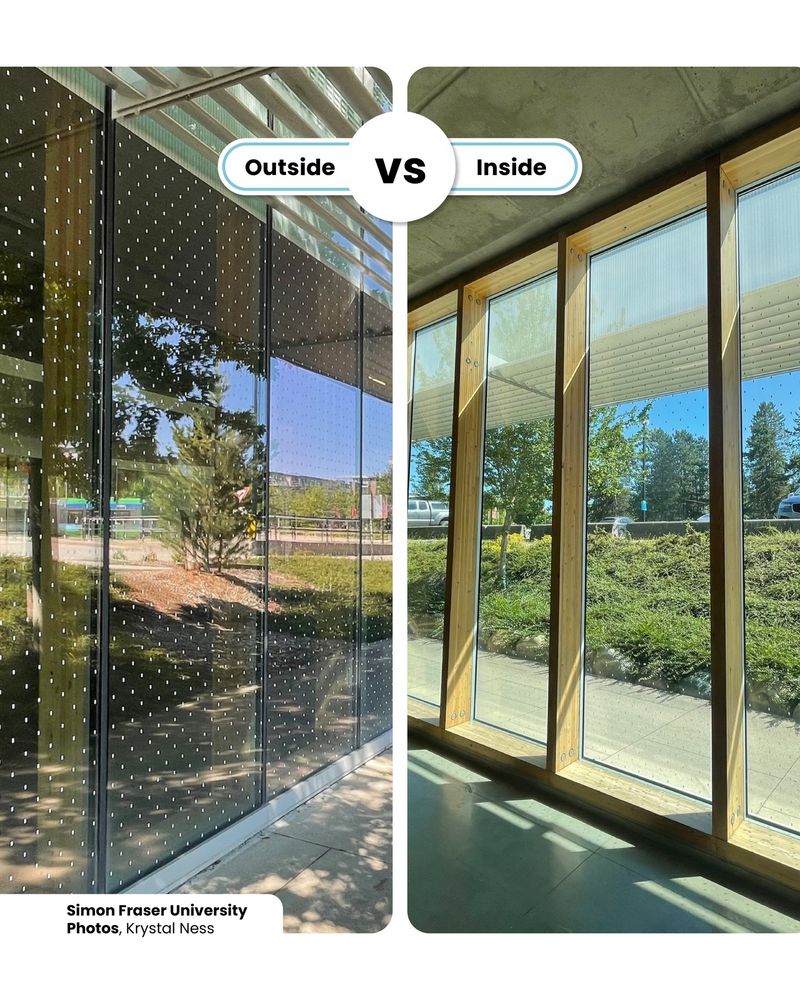
Adding a feeder or birdbath near a window creates an attractive setup for watching birds, but untreated glass is a serious hazard. U.S.
Fish and Wildlife Service collision guidance identifies window strikes as one of the leading causes of bird mortality in the United States. The most reliable fix is applying exterior patterns, screens, tape strips, or other treatments that break up reflections and make the glass visible to an approaching bird.
FWS window-collision guidance notes that placing an attraction within about three feet of a window generally limits the speed a bird can reach before impact, while windows farther away from a feeder or bath should be treated with a reflection-breaking solution.
Outdoor cats are another documented threat. FWS catio guidance and TPWD birding ethics guidance both recommend keeping cats indoors or in a contained outdoor enclosure rather than allowing free roaming near bird activity.
A cat that cannot be seen does not mean a cat that is not hunting.
Seed scattered on bare ground can attract rodents and the predators that follow them, so elevated feeders with routine cleanup underneath are a safer approach than broadcasting seed across open soil. Beyond physical hazards, disturbance from humans is worth managing too.
Observing from a comfortable indoor distance, avoiding repeated playback of bird calls near potential nesting areas, and resisting the urge to approach a nest or flush a hidden bird for a better photograph all fall under basic ethical practice. A painted bunting sitting quietly in dense brush is using the habitat correctly, even if it is not visible from the porch.
A stronger yard improves opportunity, not certainty
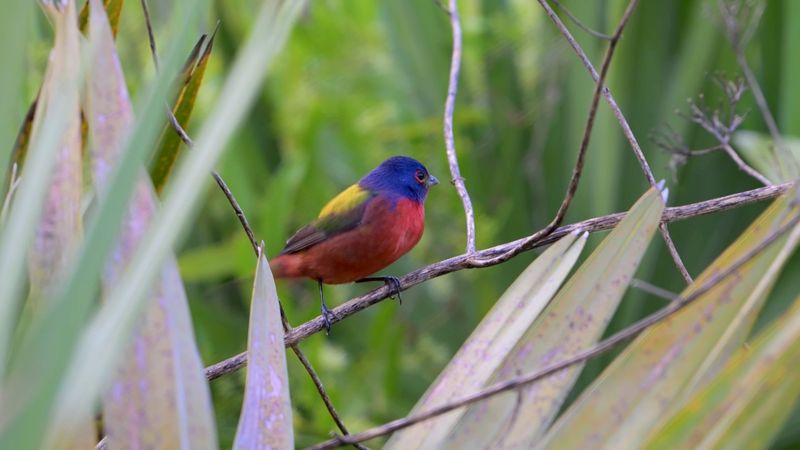
The honest priority order for a painted bunting-friendly yard runs like this: layered cover first, then diverse native food plants with some seed heads left to mature, then protected insects through reduced pesticide use, then clean and regularly maintained water, and finally a carefully managed feeder placed beside habitat rather than in the open. Each step builds on the one before it, and skipping to the feeder without the habitat underneath produces the least reliable result.
A quiet summer does not prove the yard failed. TPWD notes that painted buntings often stay concealed in dense brush and that males sing only briefly near sunrise, so a bird can be present and simply not visible.
Cornell Lab’s life history data also shows that habitat use varies with local conditions from year to year, which means even a well-built yard will not produce a sighting every season.
At the population scale, USGS research on painted bunting demographic rates makes clear that one backyard cannot substitute for the broader habitat conservation these birds need across their range. What a yard can do is serve as one genuinely useful patch in a larger landscape, and offer the homeowner a better chance of a morning in summer when a flash of red and blue appears at the edge of the brush, which turns out to be reason enough.