
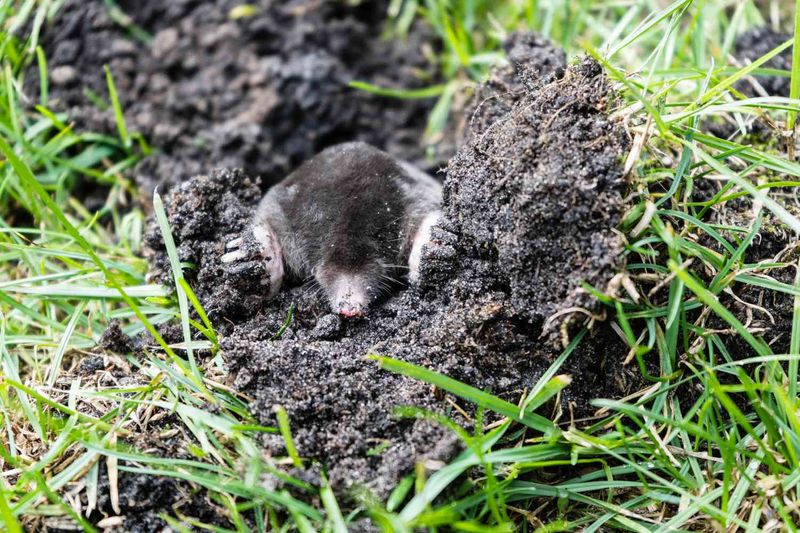
A strip of raised, crumbly soil snaking across your grass can make a tidy yard look like a construction zone. Before you grab a trap or a jug of something from the garden store, it helps to know what is actually under there.
The right response depends on the animal, the amount of damage, and whether the tunnels are still being used. Here is a calm, step-by-step way to protect your North Carolina lawn without risky shortcuts.
Raised ridges point to moles, but not every lawn tunnel does
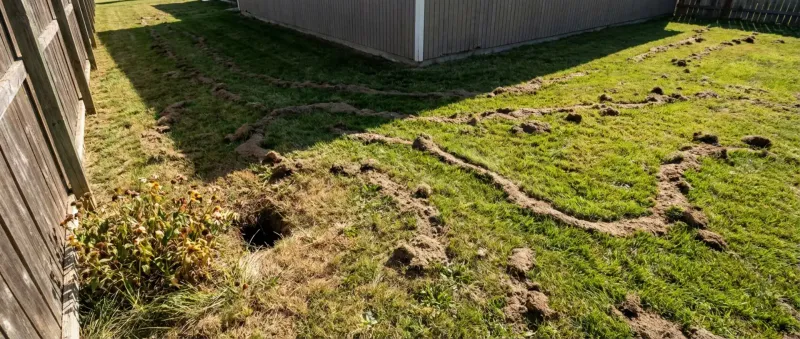
Walk across a damaged lawn and the ground may feel hollow and springy underfoot. Raised ridges that wander across the grass, along with cone-shaped piles of loose soil, are the classic calling cards of moles.
Those ridges mark shallow tunnels where the animal pushes through the top layer of soil while hunting.
Other animals leave different clues. Voles, for example, eat plant material and may leave narrow runways on the surface of the grass, often without the raised ridge.
Gnawed stems, chewed bulbs, or damaged roots point more toward a plant eater than a mole. University of Maryland Extension’s guide to animals digging in lawns helps sort out which animal leaves which kind of mark.
Here is a detail that surprises many homeowners. Moles eat earthworms and insects, not plant roots.
Even so, their tunneling can disturb roots and turf, and shallow-rooted plants may dry out when the soil beneath them is loosened, as described in NC State’s wildlife chapter.
This is why naming the culprit comes first. A treatment aimed at a mole will do nothing about voles, and the reverse is also true.
Take a few minutes to look at the ridges, the mounds, and any chewed plants before choosing a response.
A fresh ridge does not prove that tunnels are spreading fast
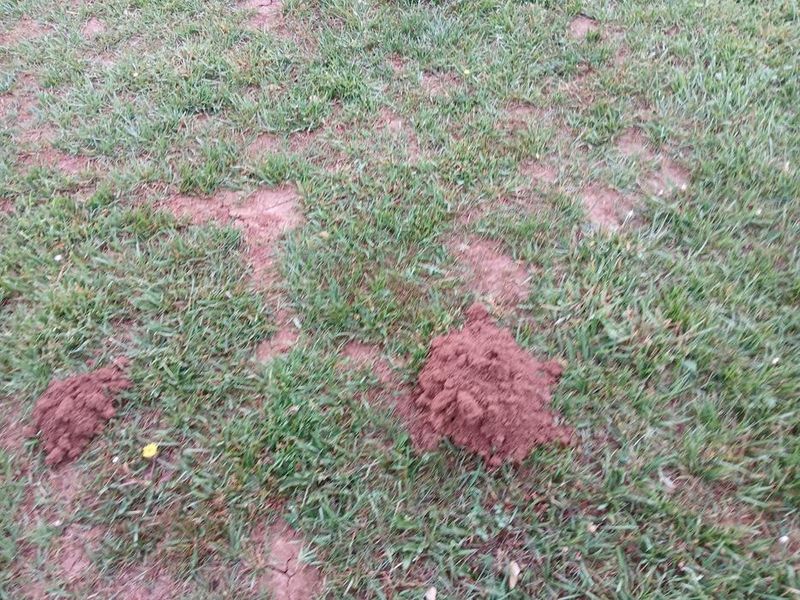
A new ridge showing up overnight can feel alarming, and it is easy to picture an underground network growing by the hour. The truth is less dramatic.
No one can put a speed or a timeline on how fast moles spread through a yard, and the damage you see is not proof of rapid expansion.
According to NC State Extension, shallow feeding runways may or may not be reused. Some tunnels are used once and abandoned.
Activity can also be more noticeable during rainy summer periods, when soft, damp soil makes new ridges easy to push up and easy to spot.
That does not make the damage imaginary. Ridges can look rough, and the turf over them may thin or dry out.
It simply means a single fresh ridge is a reason to look closer, not a reason to panic.
Moles also do some good in a yard. They loosen the soil and feed on grubs and other insects.
For many homeowners, a few ridges on a lawn edge are an acceptable trade. For others, a showpiece lawn justifies action.
Either choice is reasonable, and the extent of the damage is the best guide.
Which tunnels are still active?
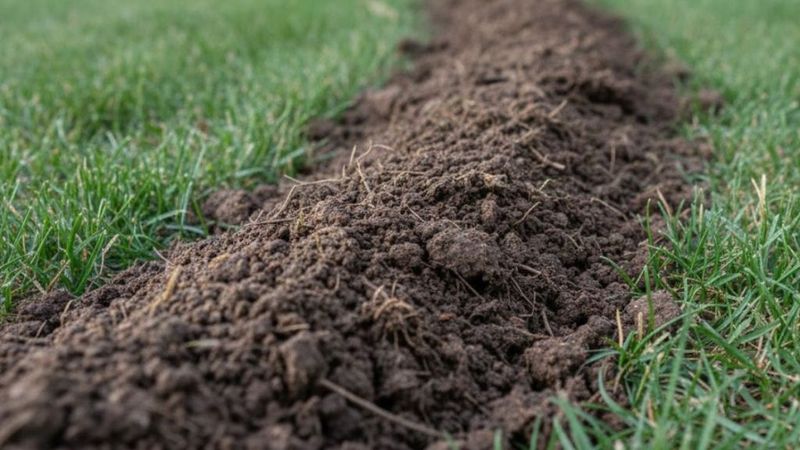
Before you do anything about moles, find out which runways are still in use. A simple test can help.
Press down several sections of a raised tunnel with your foot or hand, then check the next day.
Sections that have been pushed back up are likely active, and those are candidates for later trap placement. Sections that stay flat may be abandoned.
This method comes from University of Maryland Extension guidance on moles.
Keep in mind that it is Maryland advice, not a timing trial done in North Carolina. Treat it as a practical way to sort tunnels, not a precise rule.
Rain, soil type, and season may all change how quickly a mole returns.
The check also has limits. It helps you aim your effort at the right runway, but it does not tell you how many moles are working your yard.
A single active tunnel could belong to one animal or be part of a larger pattern.
Flag the sections you pressed so you can find them again. A few small stakes or bits of ribbon will do, and they make the next-day check much easier.
Tamp and monitor when the damage is limited

If the damage is limited to a few ridges, the gentlest approach is often the best place to start. Walk the lawn and tamp the raised tunnels flat.
Then patch any thin or bare spots with a little topsoil and fresh grass seed suited to your area.
NC State notes that packing soil can destroy burrows, and Maryland Extension advises tamping tunnels and then watching to see whether more action is needed. That watching step matters.
It turns a guess into information.
Plan to look at the lawn over the next several days. If the ridges stay flat, the tunnels may have been abandoned, and repair is all you need.
If new ridges rise in the same places, you have learned something useful about where the activity is.
Tamping is not a permanent cure. It can collapse a burrow, but it does not remove the mole, and a mole may simply dig again.
Think of it as a low-risk first move that costs little, harms no wildlife, and tells you whether stronger steps are worth the effort.
Repairing turf early also helps grass recover before the stress of another hot spell or the first cold snap.
For persistent damage, trap a confirmed active runway
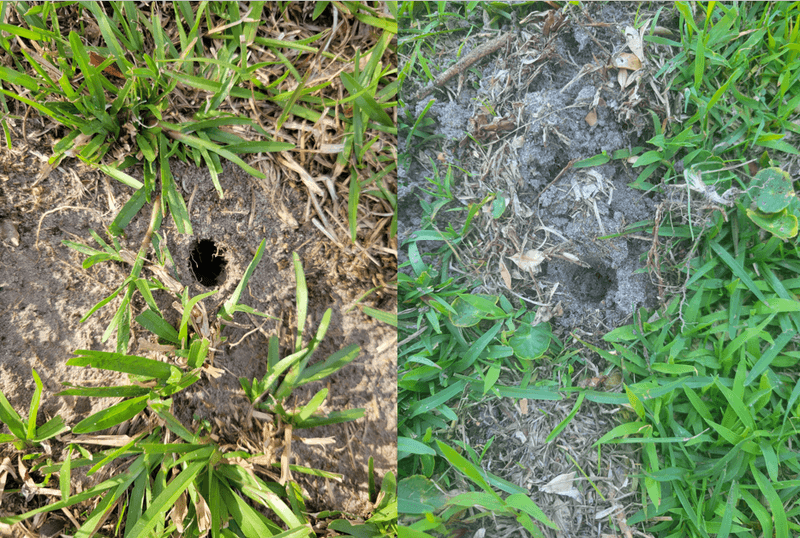
Sometimes tamping and patching do not hold. If new ridges keep returning and the damage is still unacceptable to you, trapping may be the next step.
Use it only on a runway you have confirmed is active.
NC State Extension describes trapping as the most successful and practical method of control. It also stresses that mole management is difficult and labor-intensive, so expect some effort and do not count on a quick win.
Follow the instructions that come with your trap, since designs differ in how they are set. University of Missouri Extension advises moving a trap if it has not caught a mole after two days.
That is that source’s guidance, and it reflects the idea that an unproductive spot is not worth waiting on.
Safety matters here. Traps can injure people and pets, so keep children and animals away from any set trap.
Missouri Extension suggests placing a secured bucket over a set trap to help prevent pet injury.
Wear gloves when handling traps and check local rules if you are unsure about the species in your yard. Moles are part of the local wildlife, so trapping is best kept for lawns where the damage truly justifies it.
Keep barriers small and skip unreliable shortcuts
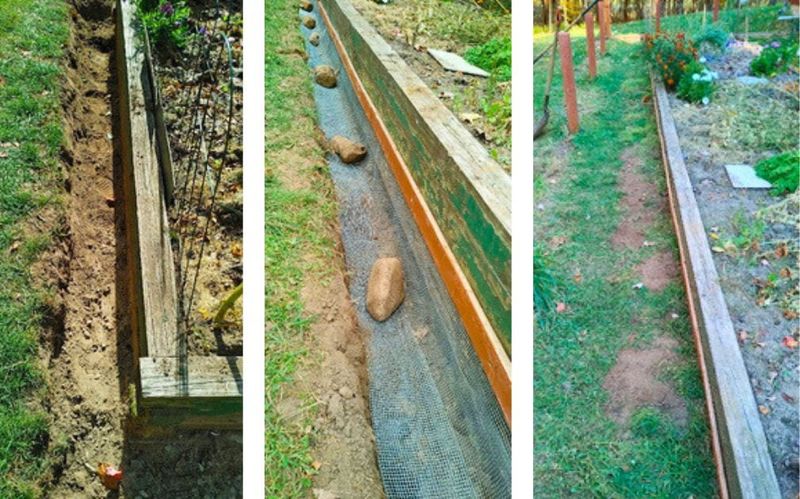
Barriers have a place, but a small one. NC State says buried hardware cloth or sheet-metal barriers are generally practical for small areas such as seedbeds.
Fencing a whole lawn underground is not realistic for most homeowners.
Grub killers are another popular idea, but they are not a dependable fix. Grubs are only part of what a mole eats, because earthworms and other soil animals are on the menu too.
NC State says grub management may help only to a small degree, and Penn State Extension warns that removing prey can lead to more digging before moles leave. Lawn pesticides may also harm birds and other wildlife.
So treat grubs only when you have independently confirmed an infestation and treatment is warranted for the turf itself. Do not use it as a way to chase moles away.
Check NC State’s moles in turf page for the full picture.
Skip the gadgets and home remedies too. Ultrasonic, vibration, and magnetic stakes lack evidence, and so do so-called mole plants.
Putting bleach, broken glass, razor blades, or similar items in tunnels is unsupported and hazardous to people, pets, and wildlife.
Check North Carolina rules before considering bait
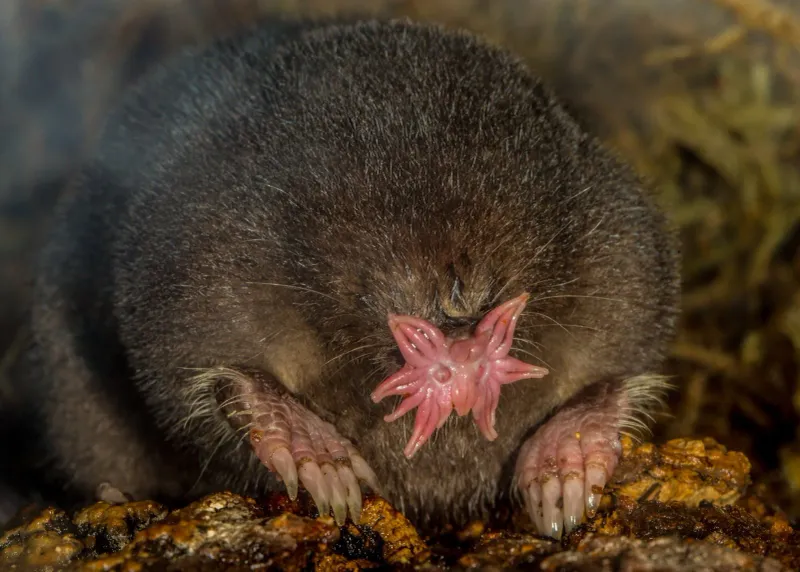
Pesticide bait should be a cautious last consideration, never a casual purchase. North Carolina has more than one mole species, including eastern, hairy-tailed, and star-nosed moles.
Which one is in your yard matters.
NC’s 2025 Agricultural Chemicals Manual says star-nosed moles are protected and a permit is required to kill them. The species list is also described in NC State’s wildlife chapter.
Labels carry real warnings. The EPA Talpirid label retrieved for this article excludes use against star-nosed moles in North Carolina.
It also warns of risks to children and pets and says the product is extremely toxic to mammals and birds. Bait is not harmless.
Labels and registrations can change, so read the current label before you buy or use anything. Make sure it specifically permits the species and the use you have in mind.
If you cannot identify the mole, do not use bait at all. When in doubt, ask your local Cooperative Extension office.
Match the response to the damage
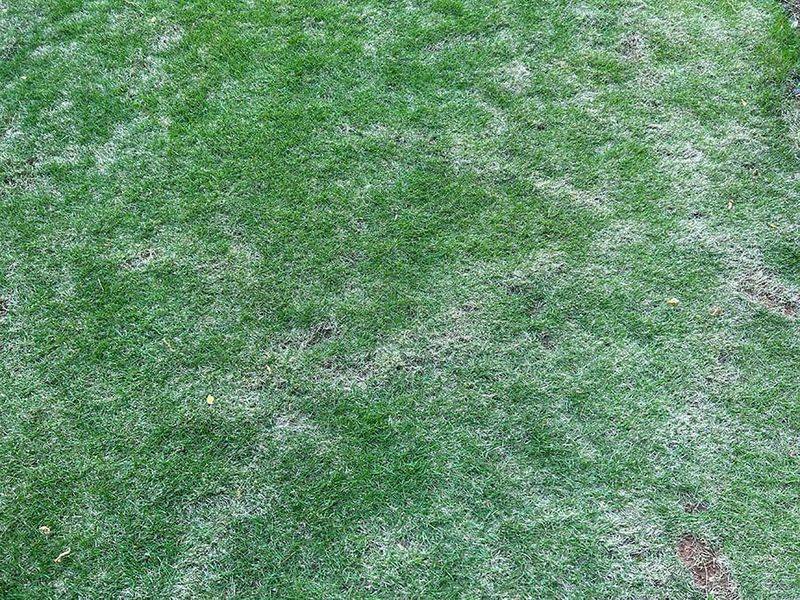
Start by identifying the animal, then check whether a runway is active. Tamp and monitor limited damage, and consider trapping only when persistent damage justifies the effort.
As NC State and its wildlife guidance make clear, this work can be slow.
Occasional mole activity does not automatically call for treatment, and any pesticide choice needs a current label and North Carolina rule check. A lawn can carry a few ridges and still be a healthy one.