
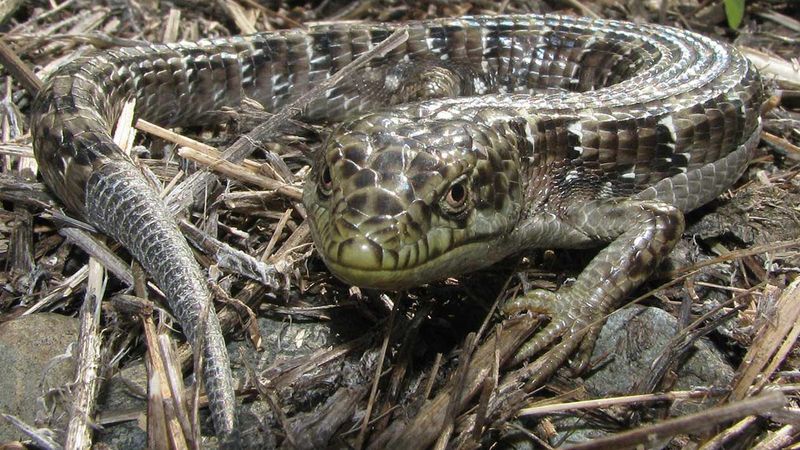
Most California homeowners who spot a long, rough-scaled lizard near their garage or garden bed grab a shovel instead of stepping back to watch. That reflex may be costing them a natural ally.
Southern alligator lizards are documented predators of western black widows, and understanding what they actually do – and what they cannot do – changes how you think about the wildlife already living in your yard.
A California alligator lizard may be a useful neighbor
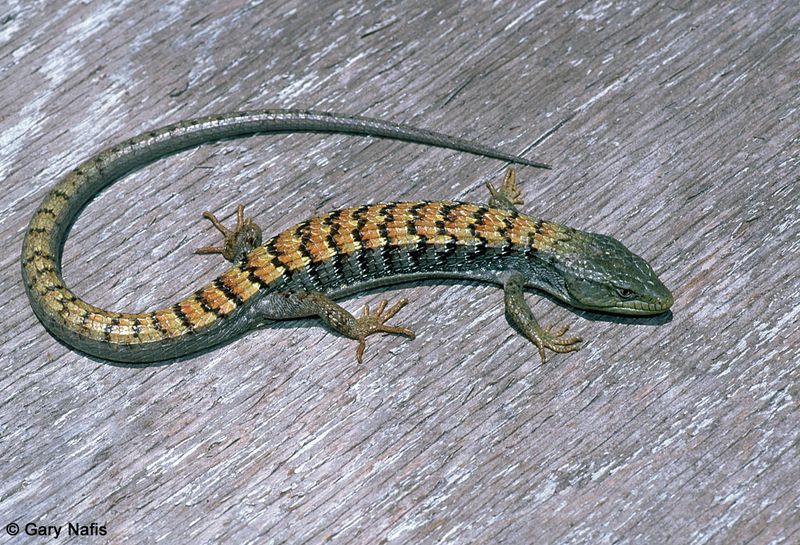
Spotting a stocky, rough-scaled lizard slipping under a garden rock can startle even experienced California gardeners. Before reaching for a tool or a shoe, it helps to know which animal you are actually looking at and what role it may be playing in your yard’s food web.
Two species carry the “alligator lizard” name in California, and they occupy different parts of the state. Southern alligator lizards (Elgaria multicarinata) range across much of Southern California and extend into other parts of the state, living in grassland, chaparral, foothill oak woodland, and open suburban edges.
The National Park Service notes that their habitat includes areas with surface cover such as rocks, logs, and leaf litter, which means a landscaped yard with planting beds or a cluttered garage edge can look perfectly suitable to them. Northern alligator lizards (Elgaria coerulea) occupy northern and central California, and the two species should not be treated as interchangeable when discussing black-widow predation.
The California Department of Fish and Wildlife range data for southern alligator lizards shows how widely this species overlaps with suburban and semi-urban landscapes across the southern half of the state. The California Wildlife Habitat Relationships account for northern alligator lizards confirms a distinct geographic footprint, reinforcing why the evidence discussed in this article applies specifically to southern alligator lizards and western black widows rather than every lizard a California homeowner might encounter.
The practical takeaway is straightforward: if a southern alligator lizard has set up in your yard, the most useful thing you can do is leave it alone. No evidence supports the idea that one lizard will clear a yard of spiders, but a lizard that is not disturbed or killed is a lizard that keeps hunting arthropods, including spiders, on its own schedule.
What researchers actually know about black widows and lizards
The claim that alligator lizards eat black widows is not garden folklore. Southern alligator lizards are documented to consume western black widows (Latrodectus hesperus), including their egg sacs.
That predation record comes from field observations and controlled feeding studies, not from anecdote.
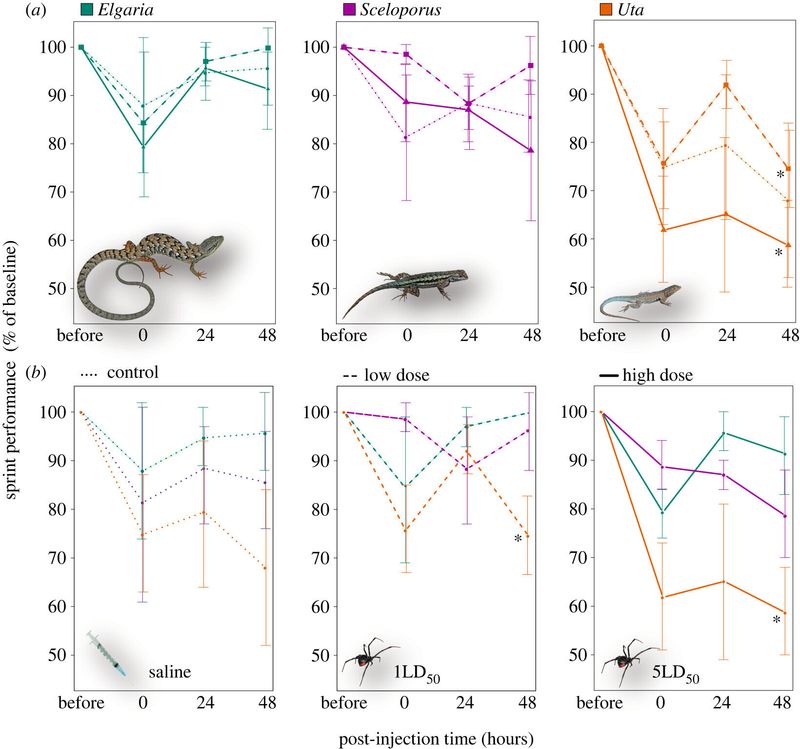
The most rigorous piece of evidence comes from a peer-reviewed study published in Royal Society Open Science. Thill et al. (2022) tested how southern alligator lizards and several other lizard species responded to experimentally administered western black widow venom.
Southern alligator lizards showed substantial resistance: they did not display the performance declines seen in some comparison species when given doses of the venom under controlled laboratory conditions. The researchers also noted that southern alligator lizards may actively seek out the toxic egg sacs of black widows, suggesting a behavioral component to the predation rather than only accidental encounters.
Two things about that study are worth keeping clearly in mind. First, the resistance was demonstrated under specific experimental conditions using injected venom – it does not mean every individual alligator lizard is immune to a black-widow bite under all circumstances, nor does it mean the lizards cannot be harmed by other hazards.
Second, and more important for homeowners, the study did not measure what happens to black-widow populations in residential yards when alligator lizards are present. Predation in a controlled setting is not the same as reliable pest suppression in a garden.
Southern alligator lizards are generalist predators. Their recorded diet includes insects, larvae, beetles, grasshoppers, crickets, centipedes, scorpions, sow bugs, snails, and various spiders.
Western black widows appear on that list, but they are one item among many. A lizard living in your yard is hunting whatever arthropods it encounters, not running a targeted extermination service aimed at one species.
Start with noninterference, not lizard management
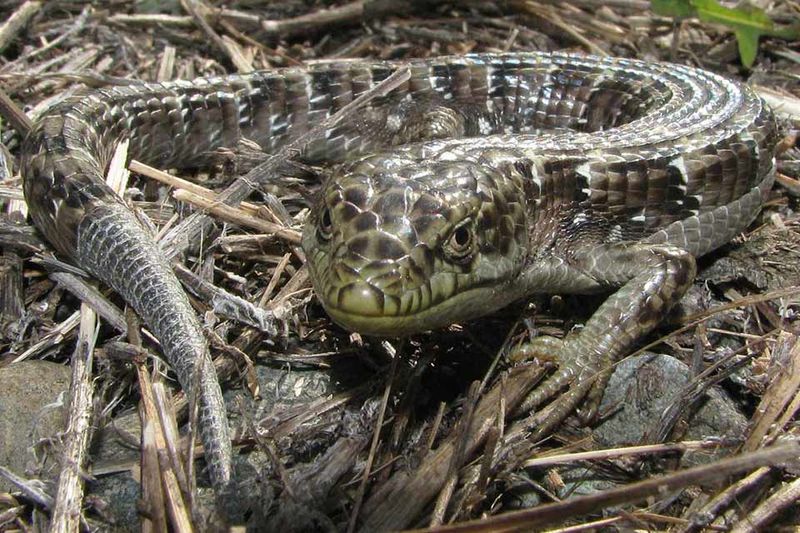
Long before thinking about habitat improvements or pesticide schedules, the single most effective thing a California homeowner can do for local alligator lizards is stop killing them. Many are dispatched on sight because they look unfamiliar or vaguely threatening, which removes a native predator from the yard for no practical benefit.
UC IPM notes that California lizards generally cause no measurable damage to garden plants and may actively benefit gardens by consuming pest insects and other arthropods. Alligator lizards eat a wide range of invertebrates, including the kinds of insects that chew leaves and damage beds.
Leaving one undisturbed costs nothing and preserves a predator that is already doing useful work.
Observation is the right posture when an alligator lizard appears near a patio, planting bed, or garage edge. Watching from a short distance lets the lizard go about its business without stress.
Picking one up is a different matter: alligator lizards are known for their defensive temperament, and UC IPM is direct about the risk – roughly handled individuals may bite, and their teeth can puncture skin. Gloves are advisable if direct contact is ever unavoidable, but the safer and simpler rule is to keep hands away entirely.
Feeding wild alligator lizards or trying to tame one as a semi-pet is also counterproductive. Wild reptiles forage according to their own instincts and environmental cues, and hand-feeding can disrupt that behavior without providing any real benefit to the animal.
The goal is to support a lizard that is already living in the yard, not to train or domesticate it. Noninterference is both the easiest and most evidence-consistent starting point.
Keep useful cover modest and away from the house

Alligator lizards need warmth and shelter in roughly equal measure. They favor sunny locations with nearby cover where they can regulate body temperature and retreat from predators.
Rocks, existing logs, and leaf litter in planting beds already serve that function in many California yards without any additional effort from the homeowner.
The key word in any habitat advice is placement. Southern alligator lizards use surface cover across a variety of open and semi-open habitats, which means a modest rock border around a planting bed or a patch of undisturbed leaf litter in a less-traveled corner of the yard can provide real shelter value without turning the yard into a debris field.
Retaining cover that already exists in suitable areas is a reasonable approach. Manufacturing new piles of material is not.
The reason that distinction matters is that the same features that attract alligator lizards can also attract western black widows. UC IPM describes western black widows as favoring dark, dry, sheltered, undisturbed spaces – exactly the conditions created by boards, lumber stacks, dense clutter, or piles of material left against a wall or foundation.
Recommending that homeowners add those features to draw in lizards would simultaneously improve conditions for the spider they are hoping the lizard will eat. That trade-off is not worth it.
A practical placement boundary: keep any low-impact cover such as existing rocks or a small log in planting beds or less-used yard areas, away from building foundations, doorways, play spaces, and frequently handled storage. Do not stack materials against the house or garage.
Any habitat arrangement also needs to fit within applicable local fire-safety and defensible-space requirements, which vary by community and jurisdiction. Check your local rules before retaining or adding any combustible material near structures, and prioritize compliance with those requirements over wildlife habitat considerations.
Use pesticides selectively so natural enemies can persist
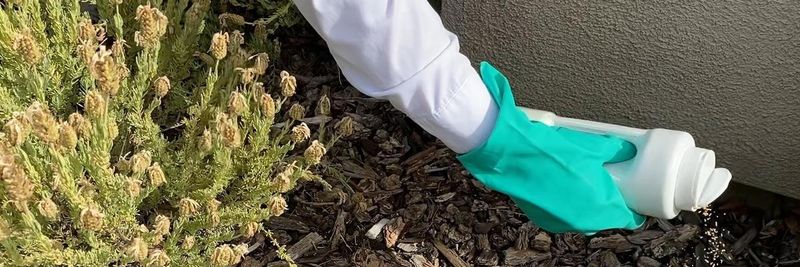
Routine chemical treatment of a yard does more than kill the target pest. Broad-spectrum insecticides move through the food web, reducing the arthropod populations that predators depend on and directly harming nontarget animals, including lizards and the insects they eat.
A yard that gets sprayed on a regular schedule regardless of what pest is actually present is a harder place for any natural predator to survive.
UC IPM’s guidance on protecting natural enemies recommends identifying a pest before deciding to treat, using nonchemical controls wherever they are practical, and choosing the least-toxic and most target-specific option when a chemical treatment is genuinely necessary. Spot treatments directed at a confirmed problem cause less collateral damage than blanket applications across a yard or garden bed.
Persistent, broad-spectrum products carry the highest risk to beneficial predators and other nontarget organisms, and they can linger in the environment long after the original pest pressure has passed.
For homeowners interested in supporting alligator lizards, the pesticide question is really about preserving the arthropod food base those lizards depend on. A yard with a reasonable diversity of insects, spiders, and other invertebrates supports a predator.
A yard that has been repeatedly treated with broad-spectrum chemicals offers far less.
Reducing unnecessary pesticide use will not guarantee that alligator lizard numbers increase in a yard, and it will not eliminate black widows on its own. What it does is remove a documented threat to the natural enemy community and give predators already present a better chance of persisting.
That outcome is worth pursuing on its own terms, separate from any spider-control expectation.
Keep black-widow safety measures in high-contact areas
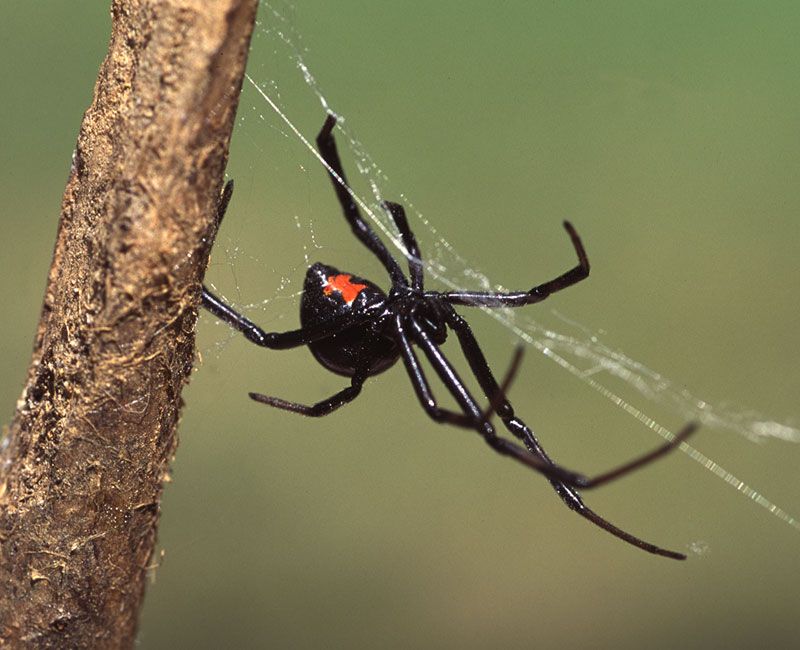
Nothing about supporting alligator lizards changes the basic facts about western black widows in California yards. These spiders are common, they live close to people, and their bites can cause serious symptoms that require medical attention.
A conservation mindset toward lizards and a safety-conscious approach to black widows are not in conflict – both belong in the same yard management plan.
Western black widows favor dark, dry, sheltered, and undisturbed spaces. UC IPM identifies garages, woodpiles, storage areas, cracks in walls, outdoor furniture, equipment, and clutter as typical black-widow habitat, and notes that most bites happen when a person unknowingly disturbs a spider in one of those locations.
The practical response is to treat those areas as spider territory until proven otherwise, especially when moving materials that have been sitting undisturbed for any length of time.
Standard precautions are simple and effective: wear thick gloves when moving stored items, firewood, or garden equipment. Shake out shoes left outdoors before putting them on.
Inspect play equipment, outdoor furniture, and doorway corners regularly. Avoid reaching into spaces you cannot see clearly.
These habits do not require chemical treatment and do not conflict with leaving alligator lizards alone in the yard.
When an alligator lizard enters a house or garage, exclusion is the right first response. UC IPM recommends sealing openings of approximately one-quarter inch or larger to prevent lizards and other wildlife from entering structures.
If a lizard needs to be moved out of an indoor space, gentle guidance toward an exit is appropriate – but transporting it off the property is a separate matter. California Code of Regulations Title 14, Section 40 restricts the capture, possession, transport, and release of native reptiles, and any removal beyond moving an animal back outside your own property should follow legally compliant local guidance rather than a casual catch-and-relocate approach.
Do not stock a yard with alligator lizards
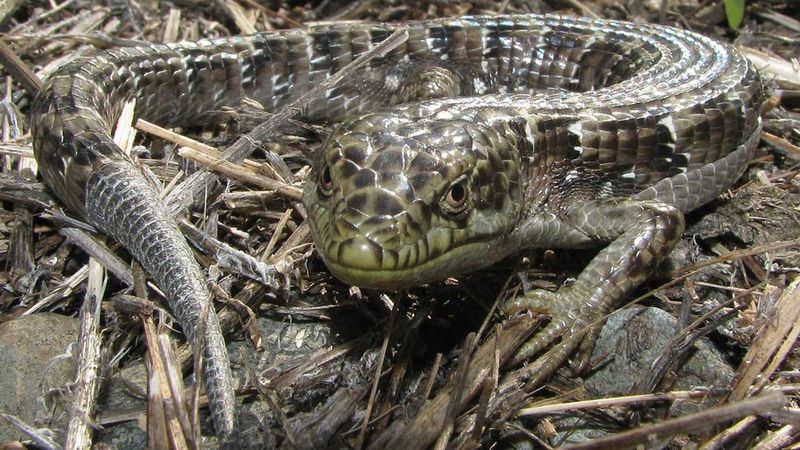
Once a homeowner learns that southern alligator lizards eat western black widows, a logical next thought is to wonder whether bringing more lizards onto the property would speed things along. That approach is both legally problematic and ecologically unsound, and no evidence supports it as a practical pest-control strategy.
Collecting alligator lizards from roads, parks, construction sites, or neighboring properties and releasing them in your yard is not a lawful shortcut. California Code of Regulations Title 14, Section 40 restricts the take, possession, transport, and release of native reptiles and amphibians, with specific provisions covering when and how captive animals may be returned to the wild.
Reptiles that have been kept in captivity generally require written departmental approval before they can legally be released, and unauthorized release or transport of native wildlife can carry penalties.
California Department of Fish and Wildlife rehabilitation regulations further clarify the conditions under which native animals may be handled and moved, reinforcing that casual collection and relocation by homeowners falls outside the legal framework. The state’s “Don’t Let it Loose” program, while focused primarily on non-native species, reflects the broader principle that releasing animals into environments without proper assessment creates unpredictable ecological consequences.
Beyond the legal picture, wild alligator lizards have specific habitat requirements, territorial behaviors, and foraging ranges that cannot be replicated by dropping an animal into a new location. A relocated lizard may simply leave, fail to establish, or face stress that shortens its life.
The evidence-based alternative is more durable: protect animals that already occur naturally on the property by leaving them undisturbed, retaining appropriate cover in safe locations, and reducing pesticide exposure. That approach works with the ecology rather than against it.
Support the predator without treating it as pest control
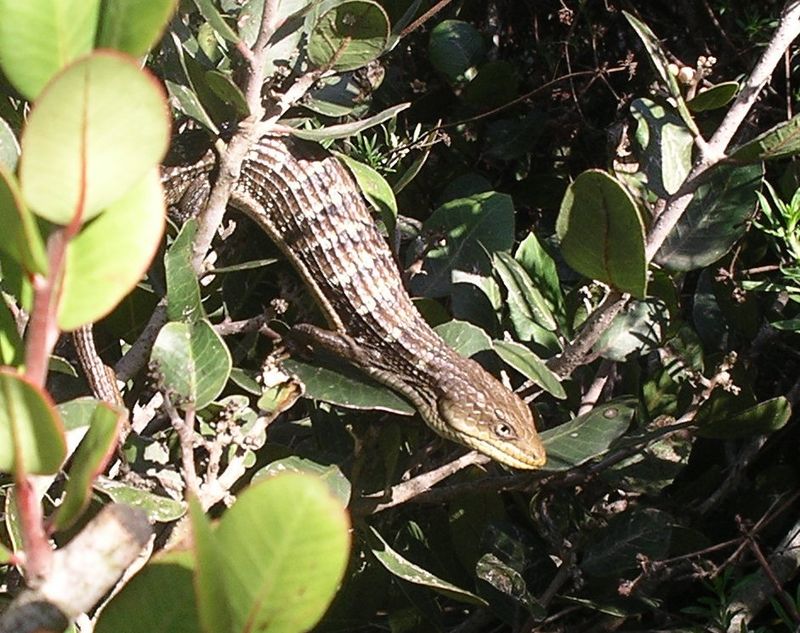
Pulling the guidance together into a workable yard routine does not require much. Leave local alligator lizards alone when you encounter them.
Preserve modest, well-placed cover such as existing rocks or a small log in planting beds or low-traffic yard areas, positioned away from foundations, doorways, play spaces, and frequently handled storage. Reduce unnecessary broad-spectrum pesticide use so the arthropod food web that supports lizards and other natural enemies stays intact.
And keep targeted black-widow precautions in place for garages, woodpiles, storage areas, and anywhere people regularly reach into or move materials.
The research confirming that southern alligator lizards can eat western black widows and tolerate their venom is real and worth knowing about, but it describes a predator with a varied diet operating under specific conditions – not a guaranteed yard-level pest suppression system. UC IPM’s position on California lizards supports leaving them undisturbed precisely because they contribute to a yard’s overall arthropod balance, even if no single lizard clears a property of any one species.
Black-widow precautions remain necessary regardless of how many lizards share the yard.
A southern alligator lizard hunting through your garden bed is doing something genuinely useful. Recognizing that without overstating it is the most honest – and most practical – position a California homeowner can take.