
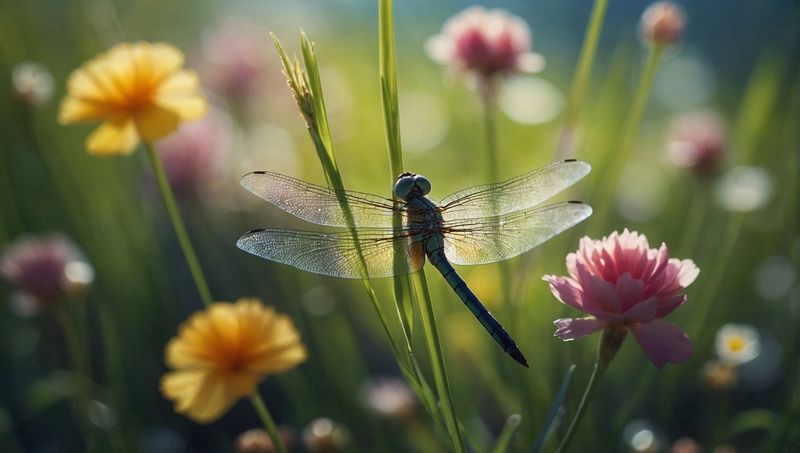
Most California homeowners never think of dragonflies as a tool for managing mosquitoes, but these insects have been doing exactly that for millions of years. The key is their underwater juvenile stage, when they actively hunt mosquito larvae in ponds and other water features.
Creating the right kind of managed water habitat can bring these predators into your yard, though it works best as one layer of a broader mosquito-control plan rather than a standalone fix.
Dragonfly nymphs hunt mosquito larvae underwater
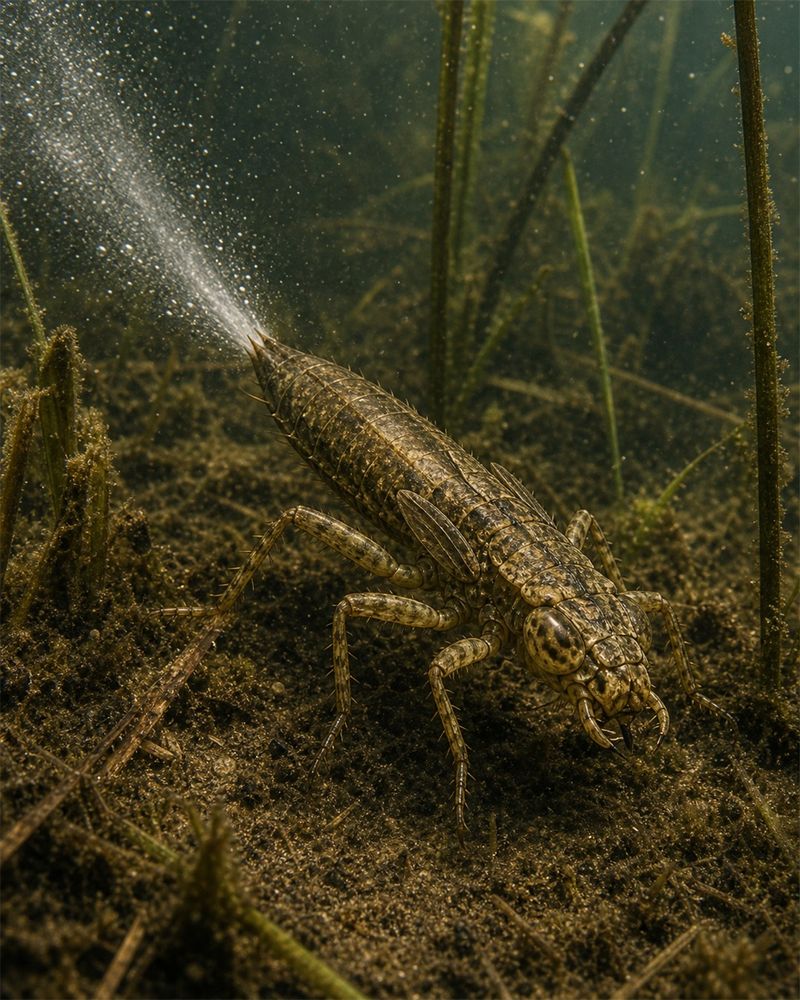
Before a dragonfly ever takes to the air, it spends weeks to years living underwater as an aquatic nymph, also called a naiad. During that stage, it is an active predator that feeds on whatever small aquatic invertebrates it can catch, and mosquito larvae are squarely on the menu.
A 2023 meta-analysis of 31 studies published in the Journal of Animal Ecology found that a single dragonfly or damselfly naiad consumed an average of roughly 40 mosquito larvae per day in experimental containers, reducing larval populations by about 45 percent per day under those controlled conditions.
That number comes from laboratory and semi-controlled settings, so it does not predict a guaranteed reduction across your California yard. Real ponds have competing prey, varied water conditions, and dragonfly species that differ in their hunting habits.
The result does tell us, though, that naiads are capable predators worth supporting.
Adult dragonflies are also generalist aerial hunters. They eat flies, midges, moths, and mayflies in addition to mosquitoes, and they are not specialists that will reliably clear a patio of biting adults.
Research on adult damselflies in urban settings concluded that more study is needed before adult odonate predation can be counted on as a reliable population check in residential areas. The strongest, most practical evidence concerns naiads eating larvae, not adults eating the mosquitoes that land on you.
That distinction points directly to the homeowner’s best move: create a managed wildlife pond where naiads can establish and hunt. A decorative container left to stagnate or a birdbath forgotten in the corner will not do the job.
The meta-analysis frames dragonfly habitat as a form of supplemental biological control, not a replacement for removing mosquito breeding sources around the rest of the property.
A wildlife pond is not unmanaged standing water
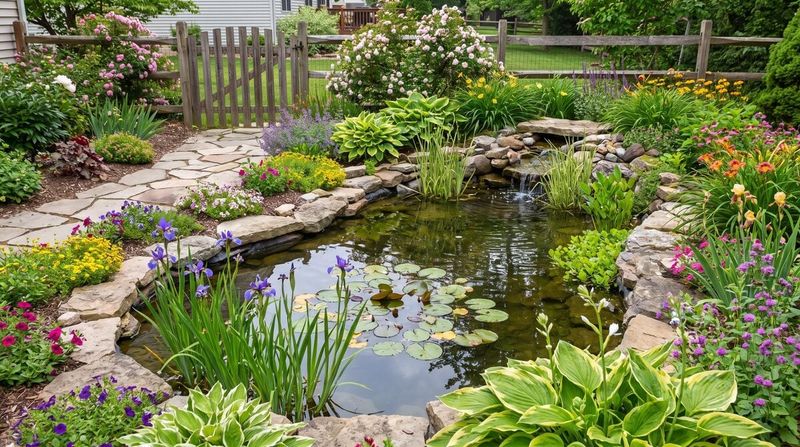
One of the most important lines to draw before adding any water feature is the difference between a managed wildlife pond and a forgotten container of standing water. They are not the same thing, and treating them as equivalent can make your mosquito problem worse rather than better.
A functioning wildlife pond is an intentional habitat with suitable depth variation, aquatic vegetation, clean water, and regular inspection. An unmanaged container, bucket, plant saucer, clogged gutter, or rain-filled pot is just a mosquito nursery.
CDC guidance on household mosquito control is clear: any standing water that is not actively managed should be emptied, covered, or eliminated, not left in place on the theory that dragonflies will find it.
California adds a specific complication. Invasive Aedes mosquitoes, including Aedes aegypti and Aedes albopictus, have become established in parts of the state and can complete their development in remarkably tiny amounts of water.
The California Department of Public Health notes that these species breed in containers near homes and may bite aggressively during the day, unlike the native mosquitoes many Californians are used to. Their distribution is not uniform statewide, so your local vector-control district is the right source for guidance on whether they have reached your community.
A managed pond can coexist with responsible mosquito control, but it requires structure and attention. UC Cooperative Extension’s wildlife pond guidance describes a proper wildlife pond as a feature with varied depth, climbing surfaces, aquatic plants, and regular monitoring, not something you fill and walk away from.
Committing to that level of care is what separates a dragonfly habitat from an accidental breeding site.
Build shallow edges, varied habitat, and safe exits
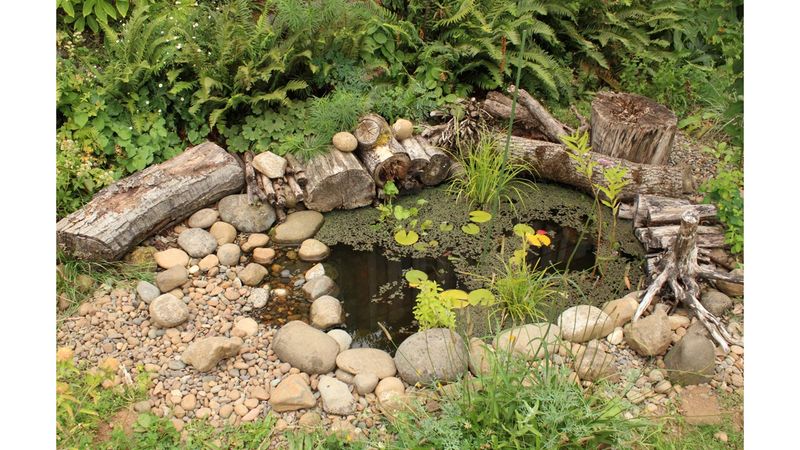
Getting the physical design right matters more than the size of the pond. Dragonfly and damselfly naiads need specific conditions to survive, and adults need perches and suitable surfaces for egg-laying.
A pond that skips these elements may fill with water but never attract the insects you want.
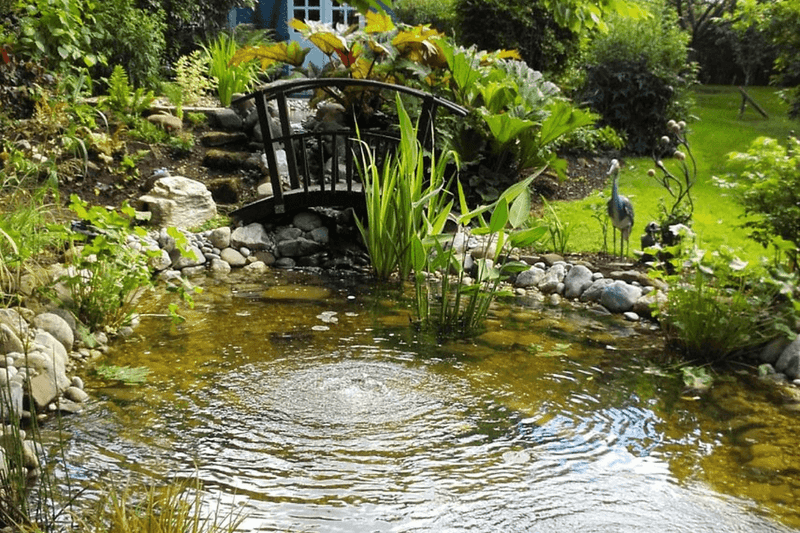
UC Cooperative Extension’s wildlife pond resource lists several workable pond formats for California homeowners: an in-ground lined pond, a half wine barrel, a recycled sink, a large ceramic pot, or a preformed plastic tub. What matters is not the container but the habitat inside it.
Shallow shelves or graduated edges along at least one side allow naiads and other small wildlife to move through different water depths, find cover, and eventually climb out when they are ready to emerge as adults.
Exit surfaces are easy to overlook and genuinely important. A steep-walled container with no ramp, rock, or rough surface at the waterline can trap naiads and other small animals.
Flat rocks, smooth stones sloped into the water, or a piece of untreated wood angled from the bottom to the rim all serve as escape routes. Plan for these before you fill the pond.
Aquatic and emergent plants give naiads shelter, hunting grounds, and surfaces to cling to during their final molt into adults. A California Master Gardener dragonfly resource links dragonfly abundance to varied microhabitats, clean water, adequate prey, and aquatic or waterside vegetation.
Choose plants suited to your specific California climate zone, local water availability, and any applicable fire-safety or water-use rules. Avoid invasive aquatic species, which can choke a small pond quickly.
UC ANR’s dragonfly guidance recommends placing the pond where it receives midday sun and is sheltered from strong wind. Warmth accelerates naiad development, and calmer water makes it easier for adults to hunt and perch.
Vertical stems, reeds, or waterside shrubs just beyond the pond edge give adults places to rest and watch for prey.
Manage pond mosquitoes without losing the predators
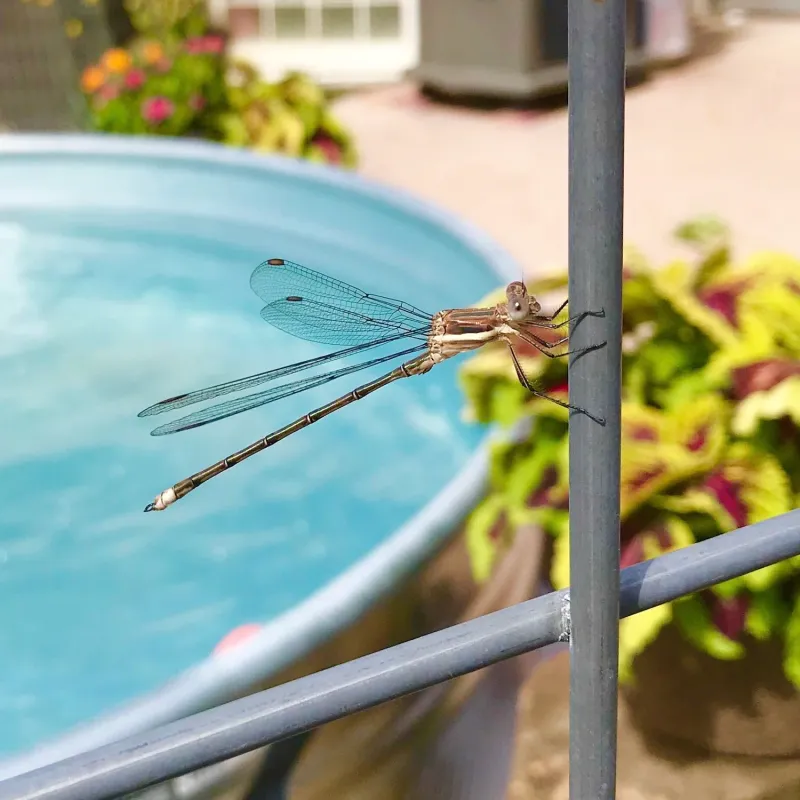
A well-designed pond can still produce mosquitoes, especially during warm months when water temperatures rise and organic matter accumulates. Accepting that possibility and having a plan for it is part of responsible pond ownership, not a sign that the project has failed.
Start with physical measures before reaching for any product. Remove excess leaf litter and organic debris from the pond bottom, since decaying matter reduces water quality and gives mosquito larvae cover.
Where a small recirculating pump or fountain head fits the pond’s design, gentle surface movement can disrupt the still-water conditions that mosquito larvae prefer. UC IPM’s mosquito management guidance lists drainage, circulation, and physical removal as first-line tools before any chemical intervention.
Fish are a common suggestion for mosquito control in ponds, but they come with a real tradeoff in a dragonfly-focused habitat. Research on larval dragonfly behavior shows that naiads shift their microhabitat use and reduce foraging activity in the presence of fish predation risk, which limits their effectiveness as mosquito hunters.
A fish-free design is usually the better starting point for a pond built around dragonfly habitat. That said, mosquito fish or other fish may make sense in a larger, more isolated pond under the right local conditions.
Any fish decision should follow your pond’s purpose, your local vector-control district’s guidance, and an honest look at how fish will affect the broader wildlife community in and around the water.
UC Cooperative Extension also lists mosquito dunks containing Bti as a management option for ponds producing larvae. Bti, or Bacillus thuringiensis israelensis, is a registered biological control that targets mosquito larvae.
EPA guidance on Bti describes it as narrowly targeted at mosquito, black fly, and fungus gnat larvae, with low human toxicity risk when used according to the product label. Use any registered Bti product exactly as its label directs, and only when larvae are actually present.
If your pond consistently produces mosquitoes despite these measures, contact your local mosquito and vector-control district for site-specific advice before escalating.
Remove every unintended breeding site around the home
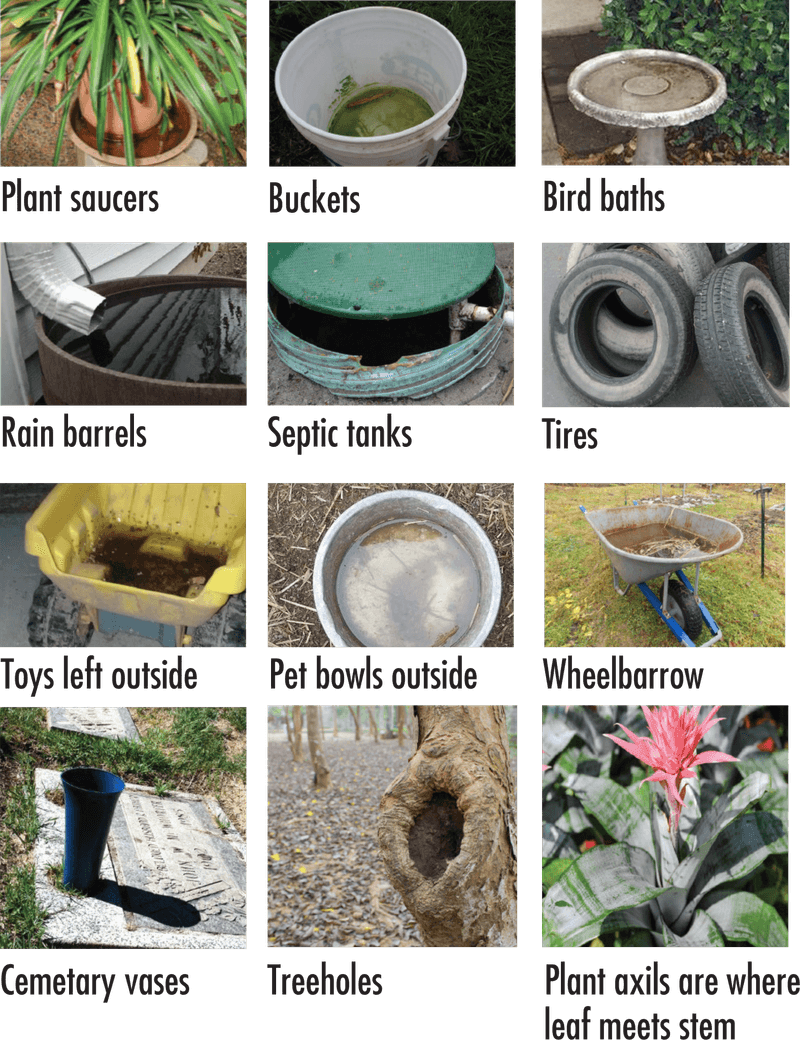
A pond full of dragonfly naiads does not protect the rest of your yard from mosquitoes that breed in a forgotten pot, a sagging gutter, or a dog bowl that gets refilled but never scrubbed. Source reduction, the practice of eliminating every unintended water-holding container, remains the single most reliable household mosquito-control step.
CDC guidance recommends a weekly walk-through of your property to empty and scrub any container that holds water, turn containers upside down when not in use, cover water-storage barrels or tanks with tight-fitting lids, clean out gutters so water drains freely, repair irrigation leaks that leave puddles, and drain plant saucers after watering. Each of these steps removes a potential breeding site before a mosquito egg can complete its cycle.
The stakes in parts of California are higher than many homeowners realize. Invasive Aedes mosquitoes have established in some California communities and can develop in water volumes as small as a bottle cap.
California Department of Public Health information on Aedes aegypti and Aedes albopictus notes that these species bite during the day and are more aggressive than the mosquitoes most Californians grew up with. Their range varies by community, so a blanket statewide risk statement would be misleading.
Your local mosquito and vector-control district is the most accurate source for knowing which species are active in your area and what control measures they recommend. UC IPM’s mosquito management page links directly to California’s district finder for exactly this reason.
Dragonfly habitat and source reduction work together; neither replaces the other.
Protect water quality and choose plants for the site
Water quality shapes everything about whether a pond actually supports dragonflies. A pond with elevated chemical contamination, pesticide runoff, or excessive nutrient loading may hold water but fail to support healthy naiad populations.
Research comparing urban and natural ponds found lower dragonfly and damselfly nymph abundance in ponds with elevated chloride and metal concentrations, connecting everyday yard inputs directly to wildlife outcomes.
Broad-spectrum insecticides applied near the pond are a particular risk. Pesticide drift and runoff can harm dragonfly naiads and the other aquatic invertebrates they depend on for food.
UC ANR’s dragonfly resource identifies pesticide contamination of water habitats as a recognized threat to dragonfly populations. If you spray for other pests elsewhere in the yard, keep applications away from the pond edge and check that any product you use is not labeled as harmful to aquatic life.
Plant selection is another place where homeowners sometimes look for a shortcut that does not exist. No single ornamental plant reliably attracts dragonflies or repels mosquitoes in a meaningful way.
The Dragonfly Society of the Americas notes that dragonflies generally lack the tight plant associations seen in many pollinators; what draws them is habitat structure, clean water, adequate prey, and suitable perches, not a particular flower or herb.
Aquatic and waterside vegetation still matters, but the right choices depend on where in California you garden. A coastal homeowner in a mild, foggy climate has different options than someone gardening in the Central Valley or a fire-prone foothill community.
California Department of Water Resources guidance on water-efficient landscaping points homeowners to WUCOLS and regional native-plant resources for matching plant selections to local climate, water budgets, and applicable water-use rules. Avoid invasive aquatic plants, which can quickly crowd out the varied vegetation structure that makes a pond useful to dragonflies in the first place.
Use dragonfly habitat as one layer of mosquito control
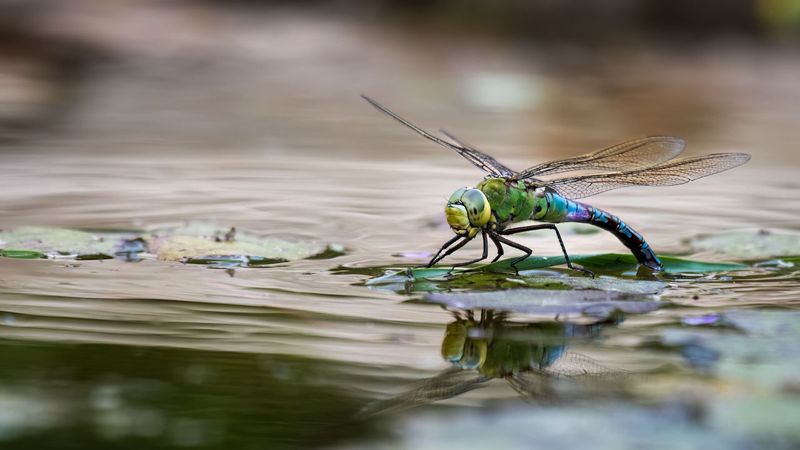
Putting this all together comes down to a clear sequence. Eliminate unintended water sources first.
Walk the property weekly, empty every container, fix every drip, and clear every clogged gutter. That step alone removes the breeding sites that create the mosquitoes most likely to land on you and your family.
Once source reduction is in place, a deliberately designed and maintained wildlife pond can add a genuinely useful layer. The meta-analysis supporting dragonfly and damselfly predation frames aquatic naiads as a form of supplemental biological control, one that works best when the pond is managed, monitored, and paired with conventional mosquito-reduction practices.
Build the pond if your yard, water budget, and local regulations support it, and check it regularly for larvae so you can respond before a problem develops.
CDC household mosquito guidance and UC IPM’s California-specific mosquito management advice both emphasize that no single method replaces an integrated approach: remove breeding water, use repellents when outdoors, maintain window and door screens, and follow local vector-control recommendations. A dragonfly pond does not prevent West Nile virus, dengue, or any other mosquito-borne illness, and claiming otherwise would give homeowners false confidence.
What a well-managed pond does deliver is a functioning habitat feature that supports native dragonflies, damselflies, and the broader web of aquatic life they belong to. That is a meaningful outcome on its own, and the potential for naiads to hunt mosquito larvae in your water makes it a smarter choice than leaving a forgotten bucket to breed the problem you were trying to solve.