
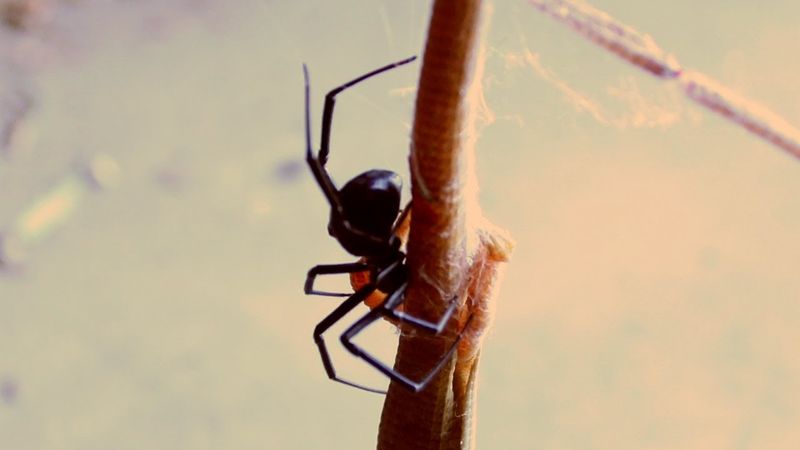
Most California homeowners know the western fence lizard, that bold little reptile doing push-ups on every sun-baked wall and post. Far fewer notice the southern alligator lizard slipping through the leaf litter nearby, and that is exactly the problem.
Research confirms that this secretive native hunter eats western black widows, yet most yard cleanups strip away the very cover it needs to survive. Understanding what this lizard actually needs, and what it realistically offers, can help you make smarter choices about your outdoor space.
The quiet hunter is not the fence lizard on your wall
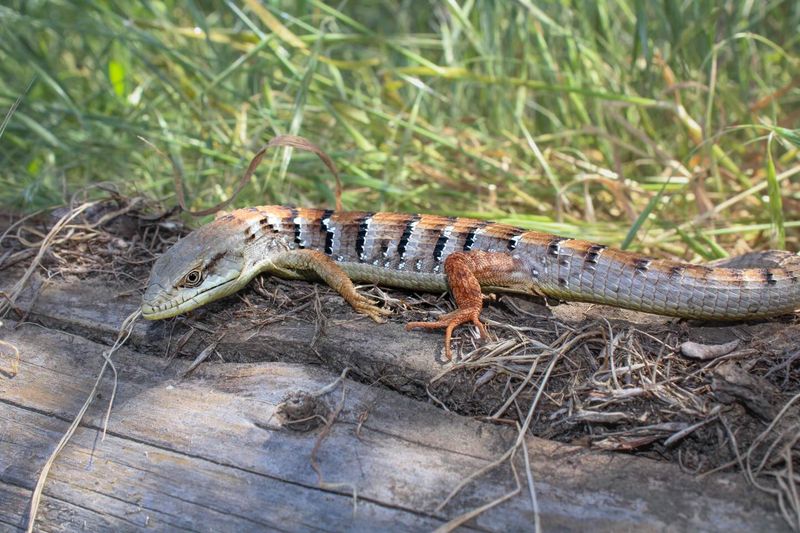
Most people who spot a lizard in a California yard assume it is a western fence lizard, and most of the time they are right. Western fence lizards are conspicuous.
They bask on exposed fences, rock faces, and open soil, and their push-up displays make them hard to miss. The southern alligator lizard, Elgaria multicarinata, operates on an entirely different schedule and in an entirely different layer of the yard.
UC IPM’s lizard guidance identifies alligator lizards as members of the genus ElgariaSceloporus, while western fence lizards belong to . These are not interchangeable animals.
Alligator lizards are generally larger, and their bodies are long and low-slung in a way that suits moving through dense ground cover rather than climbing exposed surfaces. They are notably secretive compared to the fence lizard, spending much of their time beneath rocks, inside woodpiles, under logs, and within leaf litter rather than out in the open.
National Park Service reporting on Channel Islands wildlife notes that alligator lizards prefer sunny spots with cover nearby, which is a meaningful behavioral distinction. They want warmth, but they also want an immediate escape route into shelter.
That preference is exactly why they can disappear from a yard the moment routine cleanup removes the rocks, logs, and dense plantings they depend on.
California Department of Fish and Wildlife habitat documentation confirms that the species occurs around human settlements, including Southern California yards and garages, wherever suitable cover and prey remain available. That is the key phrase: wherever suitable cover remains.
Preserving a deliberate patch of that cover may give a southern alligator lizard a reason to stay. What it cannot do is guarantee one will arrive, or that any lizard present will reliably reduce the spider population around your home.
The honest goal is creating conditions where this native predator can live, not engineering a spider-control program.
Yes, southern alligator lizards eat western black widows—but that is not pest control on demand
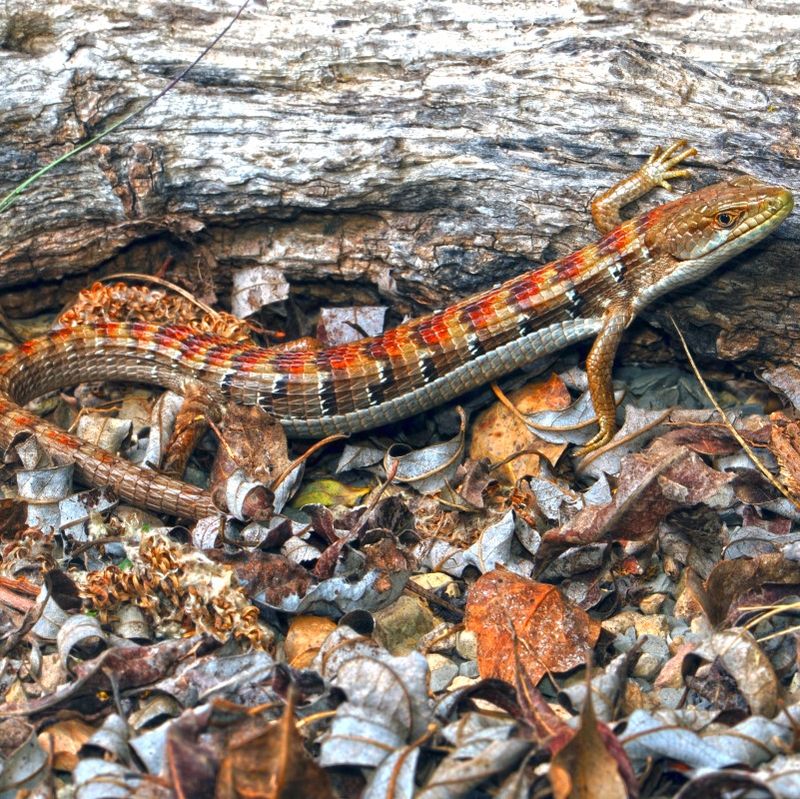
The connection between southern alligator lizards and western black widows is real and peer-reviewed. A 2022 study published in Royal Society Open Science documented southern alligator lizards consuming western black widows (Latrodectus hesperus) in the wild, including their egg sacs, and found that tested individuals showed strong resistance to black-widow venom in laboratory conditions.
That venom resistance is a physiological finding from injected doses under controlled conditions. It does not mean every alligator lizard is invulnerable in every encounter, and it is definitely not a reason to assume these animals are safe to handle or to place near venomous spiders.
Historical feeding research, referenced in U.S. Fish and Wildlife Service review documents, also places spiders broadly within the southern alligator lizard’s diet.
But the diet is wide. Documented prey includes insects, insect larvae, beetles, grasshoppers, crickets, centipedes, scorpions, sow bugs, snails, and small vertebrates in addition to spiders.
A lizard foraging through your yard is hunting whatever it encounters, not systematically patrolling for black widows.
California Department of Fish and Wildlife species documentation reinforces this generalist picture. There is no published evidence that southern alligator lizards produce a measurable, reliable reduction in western black-widow abundance in residential yards.
The 2022 study itself notes that the species was once proposed as a possible biological-control candidate, but that proposal is not the same as a demonstrated outcome in home landscapes.
What the science does support is this: a southern alligator lizard living in a California yard may consume some western black widows and their egg sacs over time. That is genuinely useful, and it is a good reason to support this animal’s presence.
But it is not a substitute for sensible spider management, and it does not mean you can skip the gloves when moving rocks or wood. Predation is documented; dependable control is not.
What does an alligator lizard habitat patch look like?
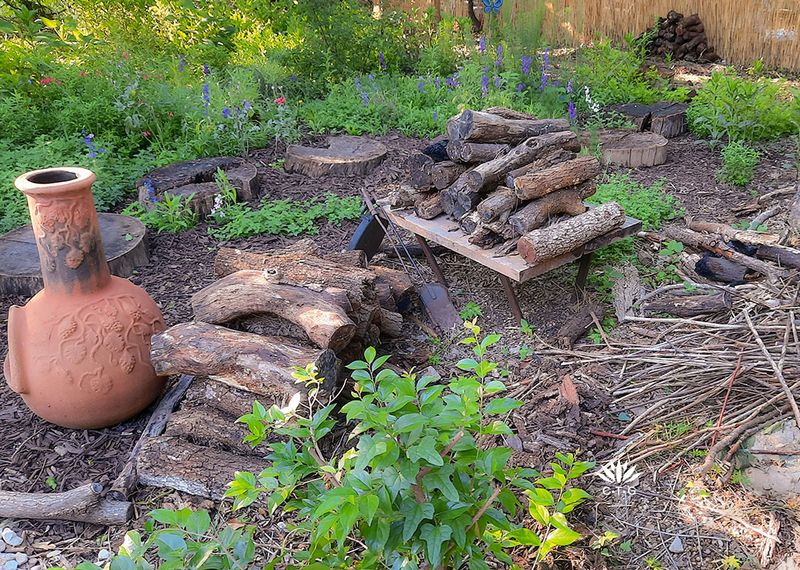
Translating habitat science into an actual yard feature requires some specificity, because the goal is a contained, deliberate patch rather than a general invitation to let the yard go wild. California Department of Fish and Wildlife habitat guidance identifies rocks, logs, dense vegetation, rock fissures, and loose soil under flat rocks as the cover and refuge features southern alligator lizards use.
A functional patch pulls several of these elements together in one low-traffic corner of the yard.
Start with a few stable, flat rocks placed directly on the soil. Stability matters because rocks that shift when stepped on are a safety hazard and do not provide the consistent shelter a lizard needs.
Add a short section of untreated log or a similar surface object nearby. Beneath shrubs or ornamental grasses, leave some accumulated leaf litter rather than raking it clean every season.
Loose soil in that area gives the lizard another refuge option, particularly during cooler months when it may need to retreat below the surface.
Vegetation is the other half of the equation. Dense native or well-adapted shrubs near the patch provide both foraging territory and a quick escape route from predators.
Native California plants such as toyon, coffeeberry, or low-growing sages can serve this role while also supporting the insects and other invertebrates that make up most of the lizard’s diet. The patch does not need to be large; a few square feet of combined cover and planting can be enough.
National Park Service observations note that alligator lizards prefer sunny spots with cover nearby rather than uniformly shaded or densely cluttered environments. That behavioral preference points toward a specific design: an open, sun-exposed edge adjacent to the sheltered area so the lizard can bask and then retreat quickly.
A patch that is entirely shaded or packed with overlapping debris does not serve this need as well as one with a clear sunny margin. The habitat features described here come from species documentation; they do not represent a tested, step-by-step alligator-lizard garden formula with guaranteed results.
Keep the cover intentional, not scattered around the places you use
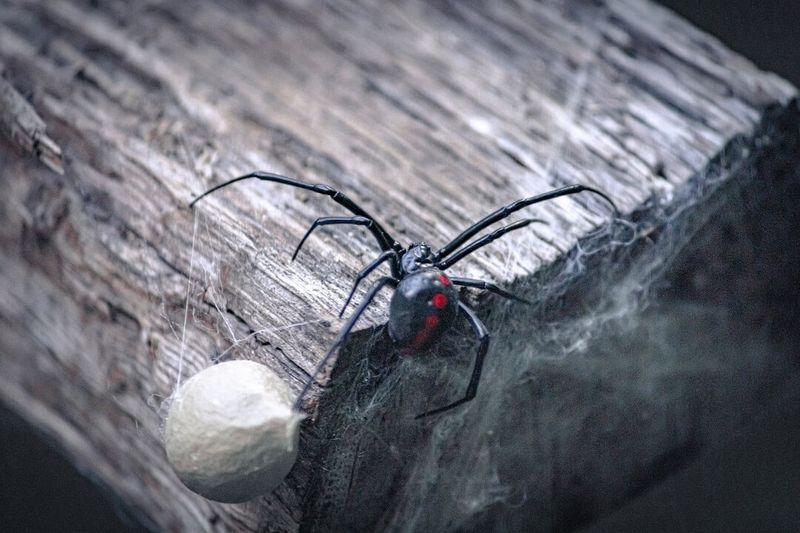
One of the most important things to understand about the habitat advice above is what it does not say. Leaving rocks, logs, leaf litter, and dense cover scattered throughout your yard, near doors, beside the garage, under the porch, or around play equipment, creates conditions that serve black widows at least as well as they serve alligator lizards.
Western black widows favor dry, sheltered, undisturbed spaces, and those conditions describe almost every spot where people routinely reach beneath or between objects.
UC IPM’s widow spider guidance specifically identifies woodpiles, garages, holes, crevices, and accumulated clutter as common black-widow habitat. UC IPM’s broader spider resource notes that people are most likely to be bitten when they disturb a black widow while cleaning up or picking up items in sheltered locations.
That risk does not disappear just because a lizard also uses the area.
The practical rule is straightforward: concentrate the habitat patch in a visible, low-contact portion of the yard, well away from doors, garages, children’s play areas, outdoor seating, garden paths, and any spot where a person routinely reaches beneath an object without looking first. A back corner of a planting bed, a seldom-visited side yard with established shrubs, or a border along a fence line away from high-traffic areas are all reasonable locations.
California Department of Fish and Wildlife documentation supports the underlying habitat features, not a blanket endorsement of debris accumulation. The ecological tradeoff is real: the same sheltered, undisturbed conditions that benefit lizards can also harbor the spiders you are hoping they will eat.
Keeping that tradeoff visible and manageable means choosing where the cover goes, rather than letting it spread wherever yard cleanup gets skipped.
A less chemical yard preserves more of the lizard’s food web

Broad-spectrum pesticides do not have a single, predictable effect on every yard organism. When applied to control one target pest, they can also reduce the population of insects, spiders, and other invertebrates that make up the food base for generalist predators like the southern alligator lizard.
That is not a reason to abandon pest management when it is genuinely needed, but it is a reason to be deliberate about when and how pesticides are used.
UC Integrated Pest Management guidance on pesticide use is clear on the approach: identify the pest first, consider nonchemical options, and follow the label precisely when a chemical treatment is necessary, because pesticides can affect human health, plants, soil, and water in ways that extend beyond the original target. Routine, preventive spraying across a yard, applied without a confirmed pest problem, is the pattern most likely to undermine the invertebrate community that lizards depend on for food.
Southern alligator lizards eat a wide range of prey, as UC IPM’s lizard overview confirms: beetles, crickets, grasshoppers, centipedes, sow bugs, snails, and various spiders all appear in their diet. Depleting that prey base through broad-spectrum treatment leaves less for a resident lizard to hunt, regardless of whether the pesticide directly affects the lizard itself.
Reducing unnecessary pesticide use is a cautious, food-web-aware practice, not a guarantee that lizards will move in or stay.
National Park Service documentation on alligator lizard habitat underscores that these animals occupy areas where suitable prey and cover both remain available. A yard where broad-spectrum applications have reduced insect and spider populations offers less to a foraging lizard even if the physical cover is intact.
The practical takeaway is to treat pest problems specifically and selectively, preserve the food web where possible, and recognize that a yard supporting a healthy mix of native invertebrates is also a yard that can support the predators that eat them.
Treat both lizards and black widows as wildlife you should not handle
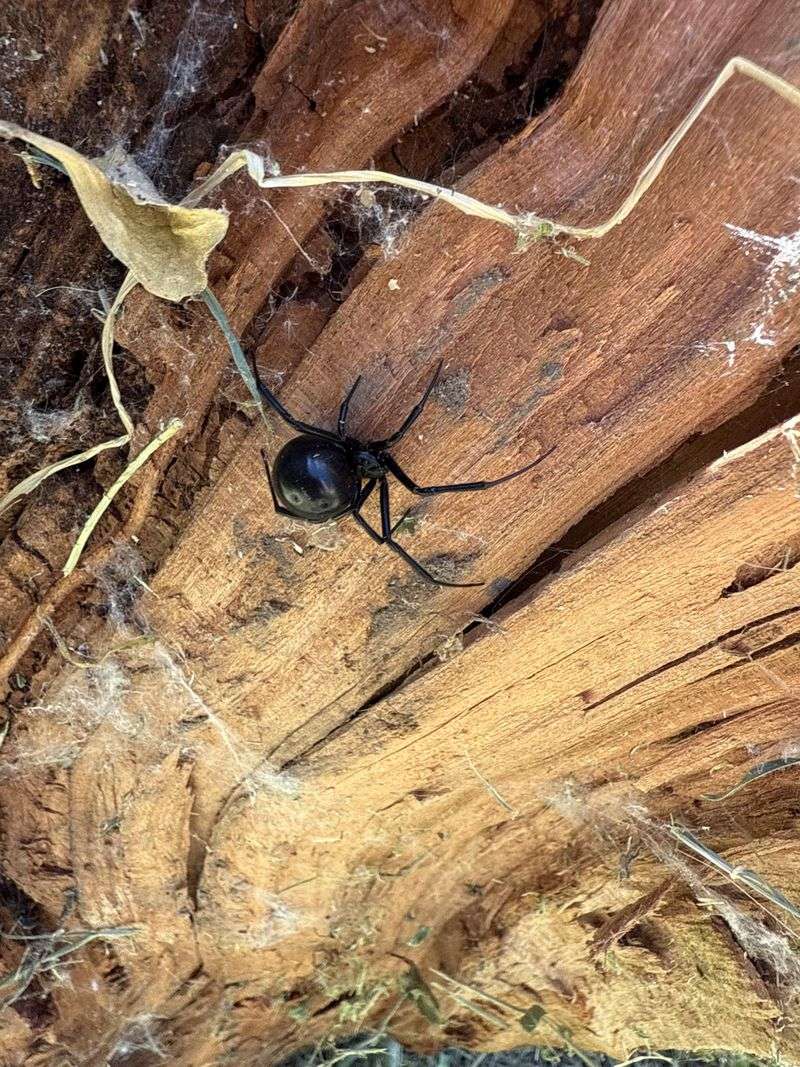
Sharing your yard with a southern alligator lizard does not require any interaction with the animal, and that is fortunate, because interaction is exactly what both the lizard and you are better off without. UC IPM’s lizard guidance notes plainly that lizards can bite when handled and that keeping them in captivity is difficult.
The National Park Service describes the alligator lizard’s bite as painful. Do not feed them, trap them, relocate them, or attempt to release them somewhere else in the yard.
Wild lizards that move through an area on their own terms are doing exactly what they should be doing.
The same hands-off principle applies to spiders, with an added layer of caution. Not every dark or brownish spider in a California yard is a western black widow.
UC IPM’s widow spider identification resource explains that brown widows also occur in California, and that immature western black widows can look quite different from adult females. Relying on color alone to rule out a widow species is not reliable identification.
When you are unsure what you are looking at, treat the spider as potentially venomous until you can confirm otherwise.
Practical safety when working around rocks, logs, pots, boxes, firewood, or any accumulated yard debris comes down to a simple habit: wear gloves and use a tool to lift or shift objects rather than reaching in with bare hands. UC IPM’s spider safety guidance confirms that most black-widow bites happen when a person disturbs one while cleaning or picking up items in sheltered locations.
Gloves and a long-handled tool break that contact before it becomes a bite.
When confirmed black widows appear in a high-contact area, such as near a garage door, under outdoor furniture, inside a children’s play structure, or along a frequently used path, the right response is targeted management rather than tolerance. Remove accessible webs using a stick or vacuum, seal crevices and gaps that provide harborage, reduce clutter, and call a licensed pest control professional if the infestation is significant or the location creates a genuine safety risk.
Moving black widows into the yard so lizards can eat them is not a strategy supported by any responsible guidance, and it adds unnecessary risk with no proven benefit.
Support the hunter without turning your yard into a spider refuge
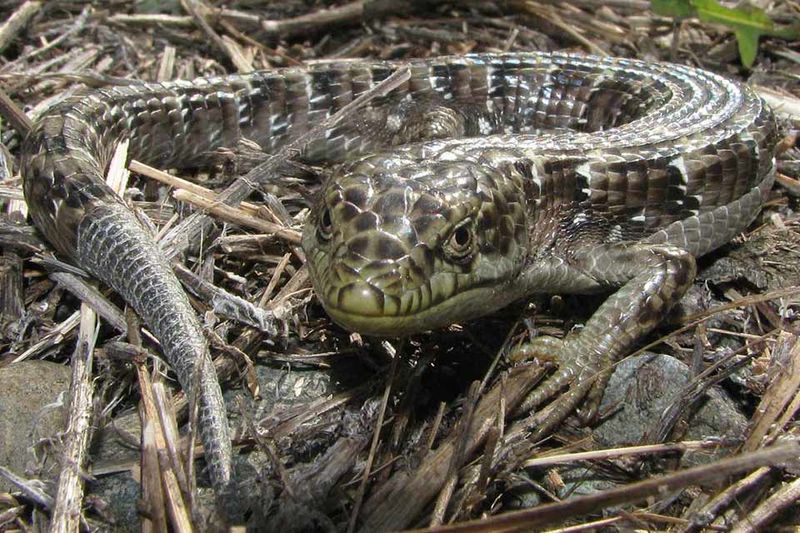
Putting this all together looks less like a landscaping overhaul and more like a single, deliberate decision about one corner of the yard. Pick a low-traffic spot, add a few stable rocks, a short log, some leaf litter beneath established shrubs, and a sunny open margin where a lizard can warm itself before retreating to cover.
Keep that patch away from doors, garages, play areas, and anywhere people reach beneath objects without looking first.
Peer-reviewed research documents that southern alligator lizards eat western black widows and their egg sacs, and California Department of Fish and Wildlife records confirm the species occurs in and around suburban yards where suitable conditions remain. What no source promises is a measurable reduction in black-widow numbers around your home.
The lizard is a generalist, not a spider-control service, and the habitat you provide supports its full life, not just the moments when it happens to eat a widow.
Reduce broad-spectrum pesticide use where it is not specifically needed, leave the lizard alone when you see it, wear gloves when moving anything that could shelter a spider, and use targeted removal or professional help when confirmed black widows appear in a high-contact area. UC IPM and widow spider guidance both support this measured approach.
A yard that makes room for a southern alligator lizard is a yard that is already doing something right for California’s native wildlife, and that is a worthwhile outcome even on the days you never catch a glimpse of it.