
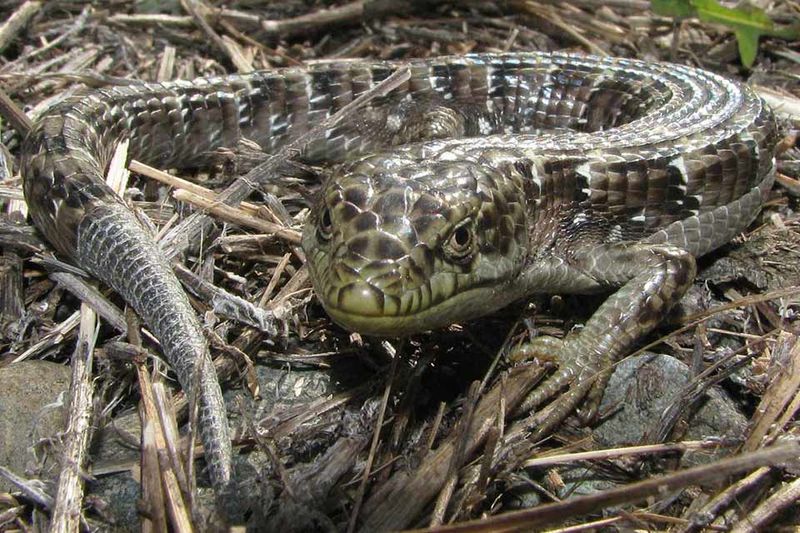
Somewhere in a California backyard right now, a southern alligator lizard is working its way through the leaf litter, hunting beetles, crickets, and possibly a spider or two. Many homeowners never realize these scaly, low-profile natives are living in their yards, and some accidentally chase them off or harm them without knowing it.
Supporting these lizards is genuinely worthwhile, though the full story is more nuanced than the headline suggests. What the research actually shows, and what you can do about it, is worth understanding before you rearrange your woodpile.
The California lizard may eat black widows, but it is not a specialist
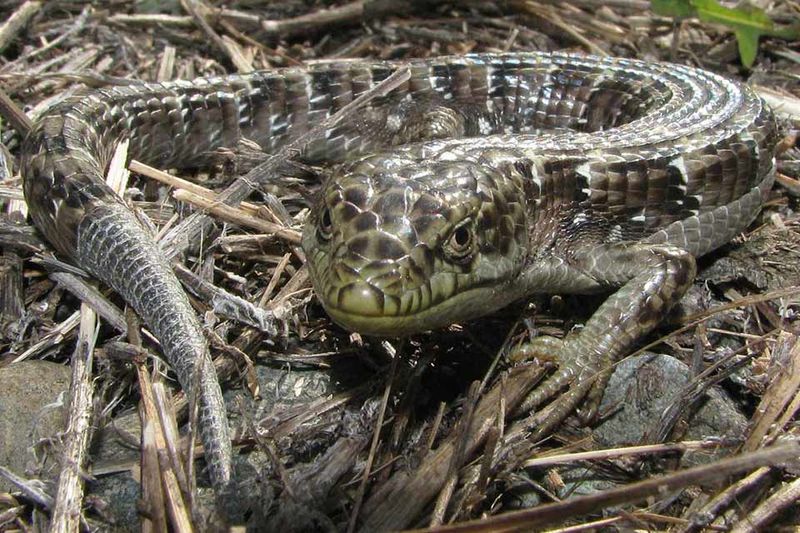
Spend enough time in a California yard and you may spot a lizard that looks almost prehistoric: long body, short legs, stiff keeled scales, and a tail that seems to go on forever. That is likely a southern alligator lizard (Elgaria multicarinata), and it is the species most relevant to any conversation about backyard spider predation in California.
A quick glimpse through the garden, though, is not enough to confirm the species with certainty. California is also home to northern and Panamint alligator lizards, and telling them apart takes a closer look than most of us get.
Southern alligator lizards are widespread across much of California, turning up in valley-foothill habitats, chaparral, open woodland, and grassland. According to the California Department of Fish and Wildlife life-history account for southern alligator lizards, the species also shows up readily in suburban yards, gardens, garages, and other human-modified settings, which is exactly why California homeowners encounter them.
Their diet is broad and opportunistic. Documented prey includes beetles, grasshoppers, crickets, wasps, snails, centipedes, scorpions, sow bugs, and spiders.
The National Park Service profile for southern alligator lizards specifically lists black widow spiders among their prey, and they are also known to take other lizards and small vertebrates on occasion.
That varied menu is the key point. Southern alligator lizards are generalist predators, not black-widow specialists.
Homeowners can realistically support a native predator that may consume black widows along with many other arthropods. What they should not expect is a guaranteed pest-control service or a yard cleared of spiders because a lizard is present.
What the black-widow evidence actually shows
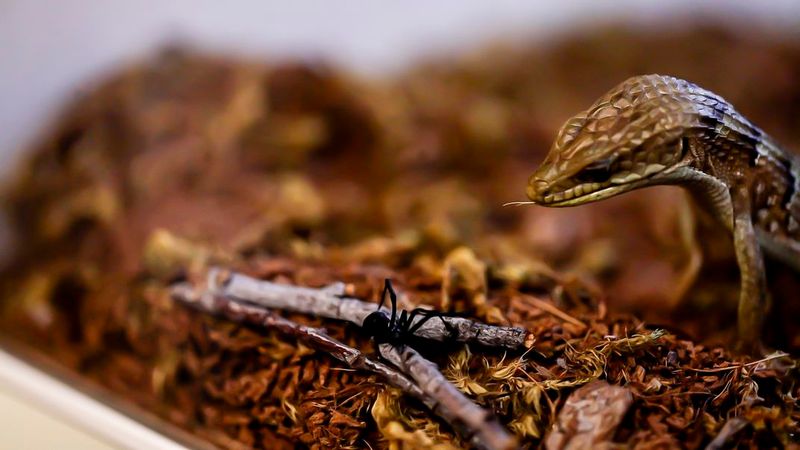
Two separate lines of research connect southern alligator lizards to black widows, and they tell different parts of the story. Understanding what each one actually measured keeps the promise realistic.
The older evidence comes from a 1956 food-habits study of San Diego alligator lizards. According to that stomach-content research, spiders appeared in the diet, and earlier field observers had reported what appeared to be alligator lizards preying on black widow egg sacs.
The stomach data itself, however, turned up only one black widow among all the stomachs examined.
That is useful evidence that alligator lizards eat spiders and may interact with black widows, but it is not a backyard population-control experiment, and it does not support a numerical claim like “one lizard eats dozens of black widows” or “lizards keep a garage free of widows.”
The more recent evidence is a 2022 peer-reviewed study that specifically tested venom tolerance. That study, published in a peer-reviewed journal and indexed on PubMed, exposed southern alligator lizards to western black widow venom and measured sprint performance and tissue response.
The lizards showed no significant reduction in sprinting ability and exhibited minimal tissue damage. That is a genuinely striking result, and it supports the idea that southern alligator lizards can tolerate western black widow venom under the tested laboratory conditions.
What the study did not measure: how many black widows lizards consume in residential yards, whether lizard presence reduces spider numbers over a season, or whether encouraging lizards changes anyone’s bite risk. Those would be reasonable inferences to explore, but they are not direct findings of this research.
The honest summary is that southern alligator lizards eat spiders, have been observed near black widow egg sacs, and showed strong venom tolerance in a controlled experiment. That combination is meaningful, and it is also more limited than the headline implies.
Create a low-risk outdoor refuge
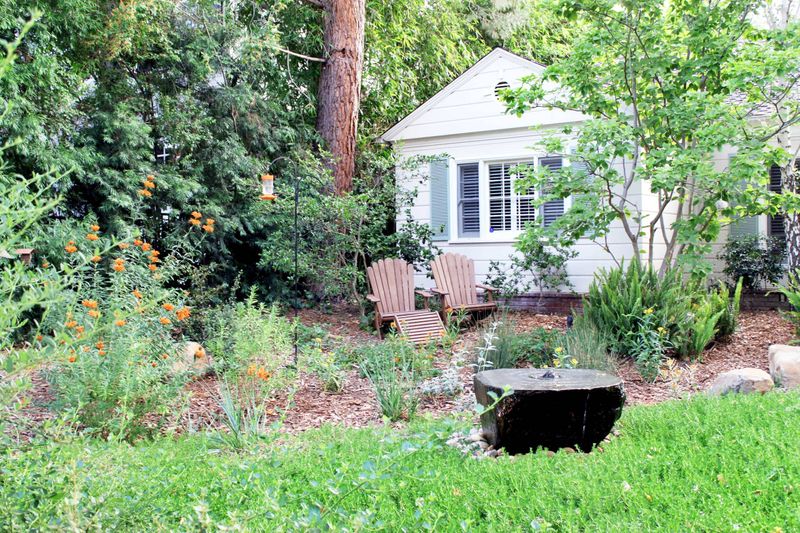
One of the most practical things a California homeowner can do for southern alligator lizards costs almost nothing: stop clearing out every corner of the yard. The CDFW life-history account identifies surface cover, including rocks, logs, dense vegetation, and crevices, as important refuges for this species.
A modest, undisturbed area in a low-traffic part of the yard can serve that purpose without turning the whole property into a tangle.
Flat rocks that absorb morning sun, a short section of weathered log, or a patch of dense shrubs near a fence line all give lizards places to thermoregulate, hide from predators, and hunt for insects. The goal is structure, not a manicured habitat installation.
UC IPM’s guidance on lizards recommends leaving them alone and not disrupting the spaces they use, which is a low-effort ask for most homeowners.
A few things the evidence does not support: there is no source-backed minimum square footage of cover, no required plant list, no pond or water dish requirement, and no extra irrigation regime. Southern alligator lizards occur in low-rainfall environments and can live well away from standing water, so adding irrigation specifically for lizards is unnecessary and potentially counterproductive in a drought-conscious California yard.
The most important placement rule is to keep lizard-friendly cover away from high-contact areas. UC IPM’s spider guidance is clear that black widows also favor sheltered, dry, undisturbed spaces, which means a cluttered woodpile beside the back door serves neither goal safely.
A tidy, raised woodpile reduces black-widow habitat; a separate rock-and-plant refuge farther from doors and play areas can provide lizard cover. These two goals are compatible when you keep them physically separate.
Reduce unnecessary spraying without promising spider control
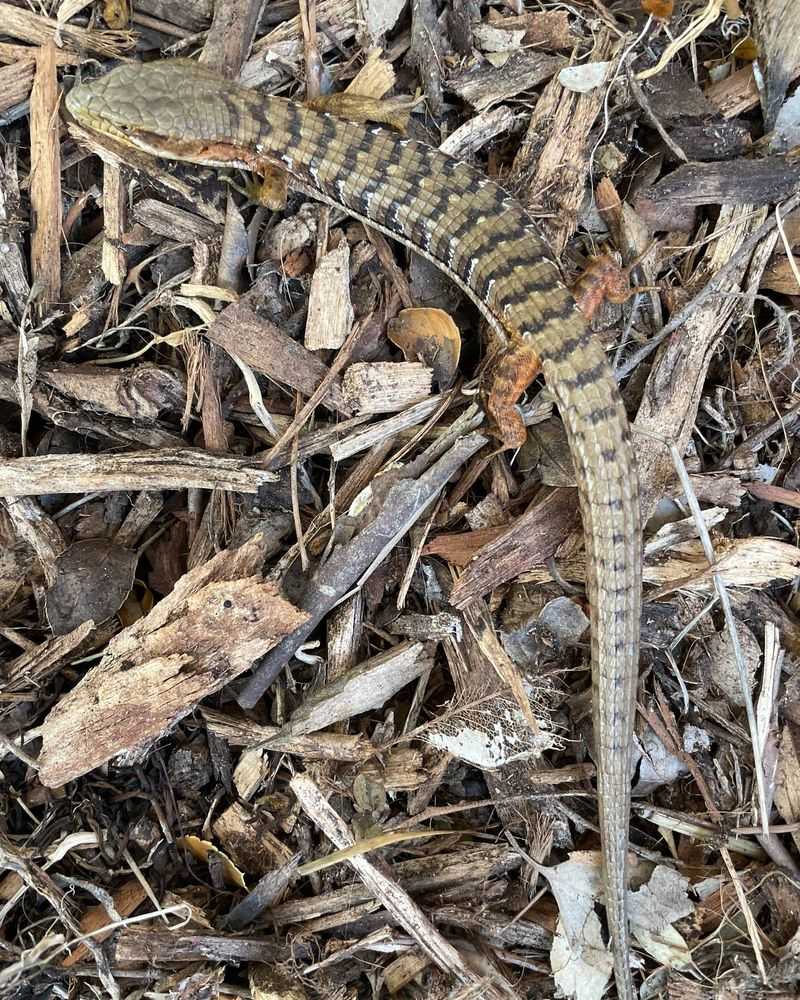
Pesticide choices have a real effect on the wildlife living in a California yard, and alligator lizards are part of that picture. UC IPM identifies lizards as natural enemies that can help suppress spiders and other pests, and notes that garden lizards generally cause no measurable plant damage.
That puts them squarely in the category of yard residents worth protecting.
Broad-spectrum insecticides applied across an entire lawn or garden bed can remove the beetles, crickets, and other arthropods that lizards depend on for food. When prey disappears, lizards have less reason to stay in an area.
Unnecessary insecticide use can also expose nontarget wildlife directly, depending on the product, application rate, and location. The claim here is not that every pesticide application kills alligator lizards, but that unnecessary broad-spectrum spraying works against the conditions that support them.
UC IPM’s spider management guidance favors targeting webs, hiding places, and high-risk locations rather than defaulting to whole-yard chemical treatment. That approach aligns with California’s Department of Pesticide Regulation, which promotes safer, more sustainable pest management practices statewide.
For black widows specifically, removing webs, reducing clutter, and sealing entry points address the problem more precisely than blanket spraying.
What pesticide reduction will not do is guarantee a specific lizard population in your yard or eliminate black widows on its own. The payoff is more modest and more honest: a yard managed with targeted treatments rather than routine broad spraying is a yard that keeps more of its insect prey base intact, which in turn gives native predators like alligator lizards a better environment to work in.
Keep black-widow safety separate from wildlife support
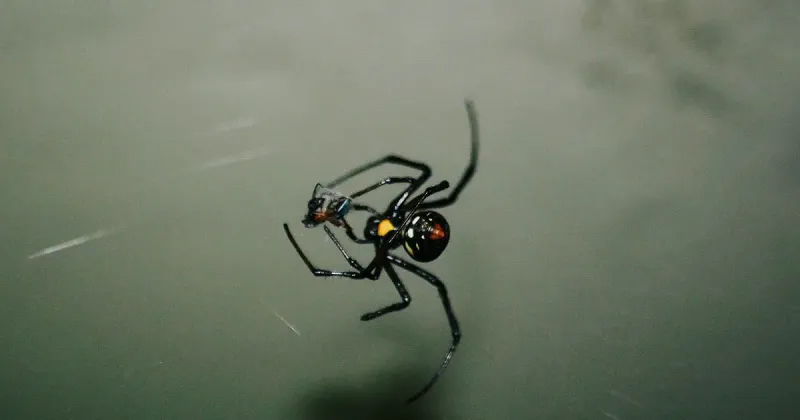
A resident alligator lizard in the yard is not a reason to leave black widows undisturbed in the garage, the woodpile beside the steps, or the gap under the outdoor furniture cushions. These two topics, supporting lizards and managing black widow risk, require separate strategies, and they should stay that way.
Black widows favor exactly the kinds of sheltered, dry, undisturbed spaces that accumulate in a typical California yard and garage: stacked firewood, cluttered shelves, cardboard boxes on the floor, gaps in fences and retaining walls, and the undersides of outdoor furniture. UC IPM recommends keeping firewood raised off the ground and organized so it can be inspected, reducing unnecessary clutter in garages and sheds, and removing webs when you find them.
Targeted removal or professional pest control is appropriate when black widows are present in high-contact areas, and no amount of lizard activity nearby changes that calculus.
For stored gear, the precaution is simple and worth repeating. CDC guidance on venomous spiders recommends shaking out or inspecting gloves, shoes, clothing, towels, and equipment before use, especially after they have been sitting in a garage, shed, or storage area.
Most black widow bites happen when a person unknowingly traps or contacts a spider, not because a spider actively pursues them.
The line to hold is this: lizard-friendly cover belongs in a designated, low-contact area of the yard, away from doors, play equipment, workbenches, and storage spaces where people regularly reach into corners without looking first. Supporting native wildlife and protecting your family from a venomous spider are both reasonable goals, and they are fully compatible when each gets its own physical space and its own set of practices.
Keep lizard habitat outdoors and avoid relocating wildlife
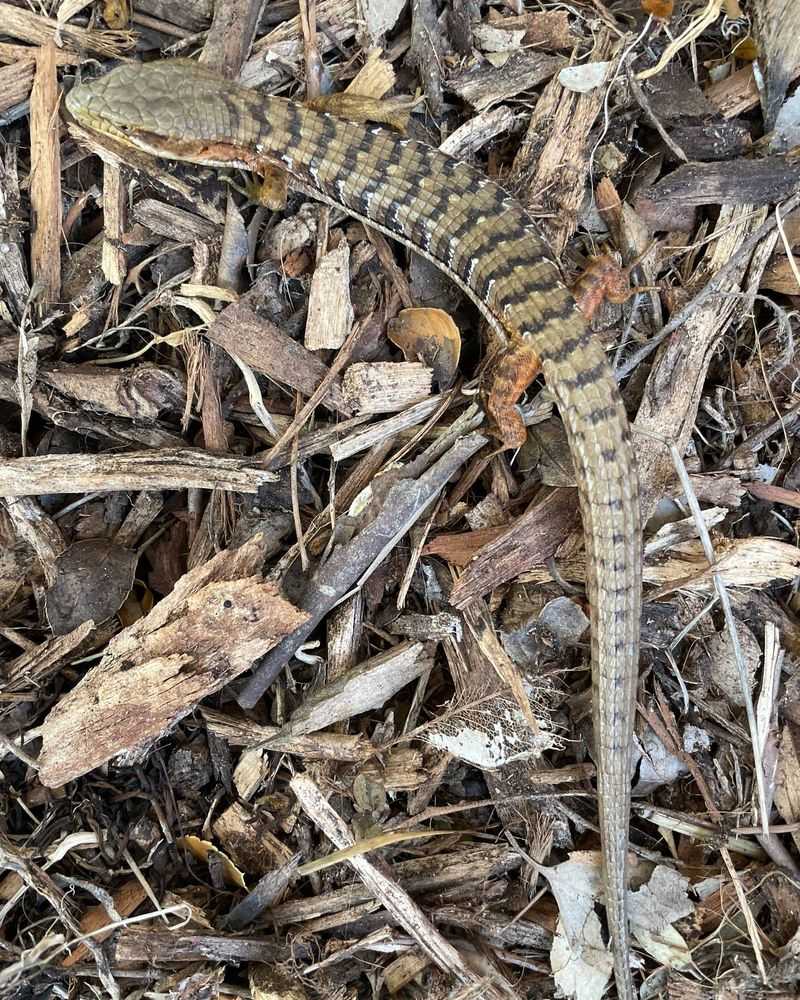
Southern alligator lizards occasionally wander into garages, laundry rooms, or living spaces, especially when a gap or crack gives them an entry point. When that happens, the right move is a simple one.
UC IPM recommends placing a box or container over the lizard, sliding a piece of cardboard underneath, and carrying it back outside. Alligator lizards may bite if they are roughly handled, so using a container rather than bare hands is both safer for the person and less stressful for the lizard.
That container-and-cardboard method is a way to remove an indoor visitor from a building in accordance with local wildlife guidance. It is not permission to transport the lizard across town or introduce it into a different yard.
Moving a wild lizard from one property to another raises real concerns: disease transmission, competition with resident animals, and disruption of local ecological relationships. California Department of Fish and Wildlife guidance on living with wildlife warns that releasing animals into new areas can cause ecological problems even when the intention is good.
If you find a lizard indoors and are uncertain where it should go, contacting local wildlife authorities is the right step.
Purchasing lizards online or capturing them from a wild area to release in your yard is not a recommended strategy under any circumstances. California’s reptile and amphibian release requirements tie authorized rehabilitation releases to a lizard’s place of origin and to licensed care.
Backyard introductions by homeowners fall well outside that framework.
The longer-term fix for indoor visitors is exclusion. Sealing gaps of roughly a quarter inch or larger around doors, windows, pipes, vents, and other openings keeps lizards outside where they belong and reduces the chance of another indoor encounter.
That keeps the outdoor habitat you have created doing its job without the complications of repeated removals.
Use lizards as one part of a safer yard strategy
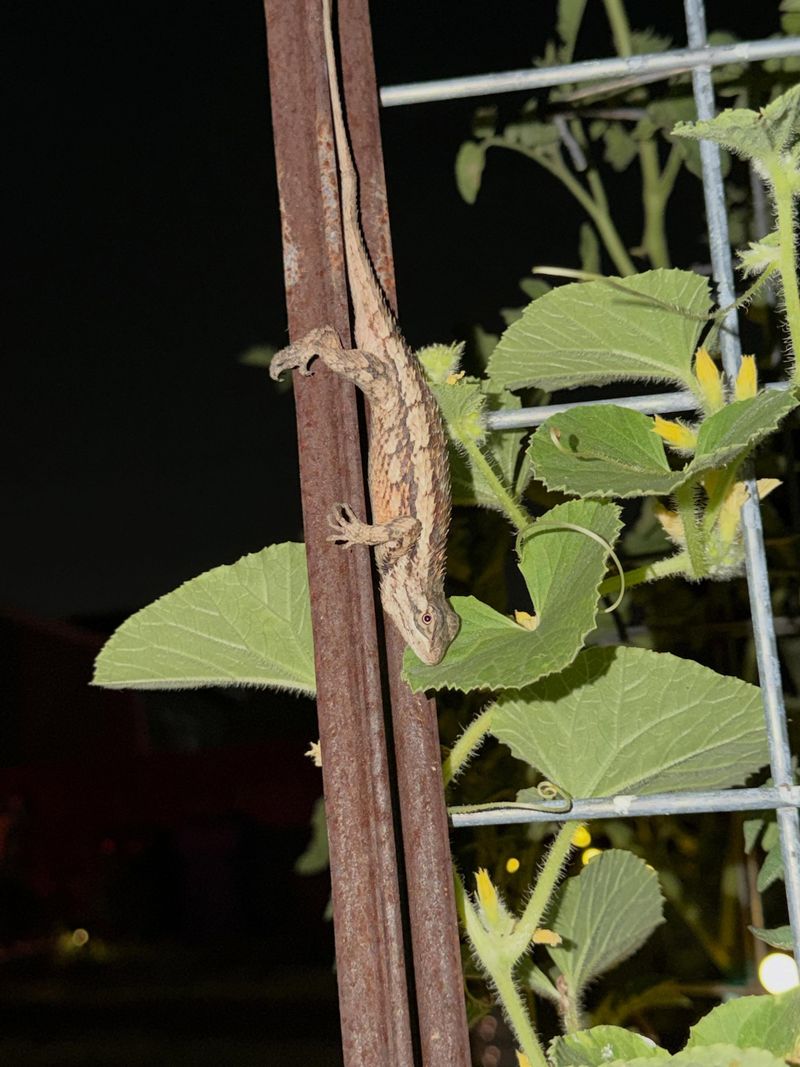
Pulling this together into a yard-level plan is straightforward. Preserve a modest, low-contact outdoor refuge with rocks, logs, or dense vegetation in a part of the yard away from doors, play areas, and stored gear.
Leave lizards alone when you see them; they are non-dangerous when left alone but capable of biting if handled. Limit unnecessary broad-spectrum pesticide use so the insect prey base stays intact, and rely on targeted approaches for specific pest problems.
Separately, keep black-widow hiding places organized and inspectable. Store firewood raised and away from the house, reduce clutter in garages and sheds, and always shake out or check gloves, shoes, and stored clothing before putting them on.
UC IPM’s spider guidance and its lizard page both point in the same direction: targeted management, reduced clutter, and leaving beneficial wildlife undisturbed.
Southern alligator lizards, as the CDFW life-history account makes clear, are native California predators with a broad appetite for arthropods. They may consume black widows along with many other prey items, and that contribution is worth supporting.
What they cannot do is replace careful habits, targeted control, or professional help when a high-risk black-widow situation warrants it. A yard that makes room for alligator lizards while staying organized and safety-conscious is simply a better-managed yard, and the lizards are a welcome addition to that picture rather than its foundation.