
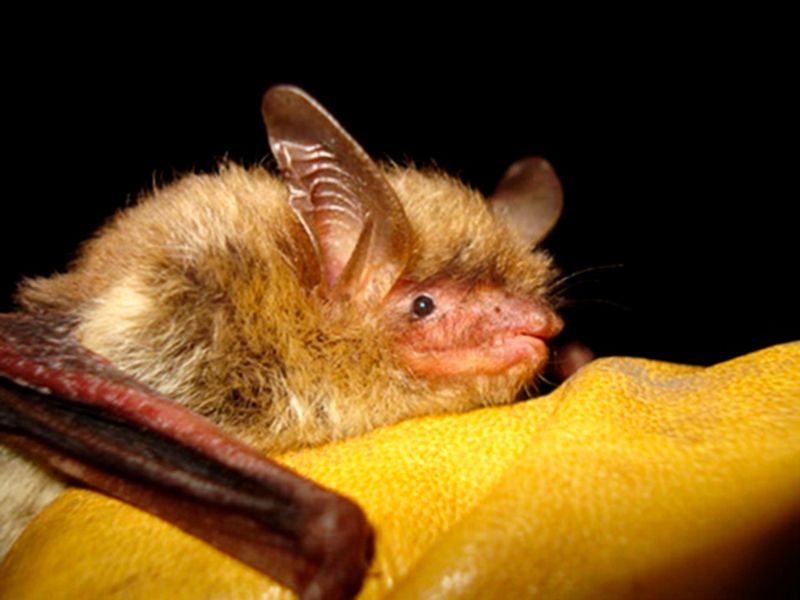
Most California homeowners have spotted a bat zigzagging through the evening sky and assumed it was vacuuming up every mosquito in sight. That picture is part true and part wishful thinking, and the difference matters if you want fewer bites this summer.
California’s native bats are worth supporting as wildlife, but the real mosquito work happens when you pull the plug on standing water. This article shows you how to do both.
Bats help the yard—but they do not empty it of mosquitoes
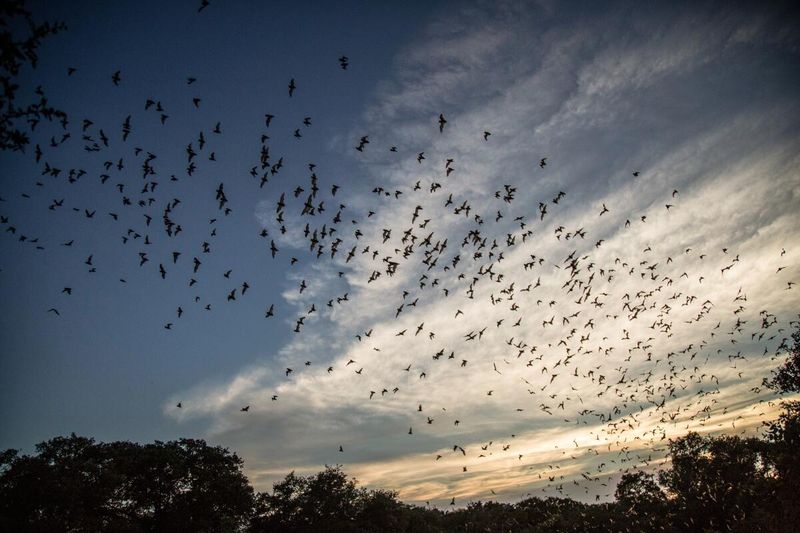
Every summer evening, bats appear over California yards and do something genuinely useful: they hunt flying insects. California Department of Fish and Wildlife confirms that most of the state’s 26 bat species eat insects and contribute to pest-control ecosystem services.
That is real ecological value, and it is worth recognizing before anything else.
Where the story gets more complicated is the leap from “bats eat insects” to “bats clear mosquitoes from your yard.” Some California bats do eat mosquitoes, but eating a few mosquitoes on a given night is a different thing from reducing the mosquito population or cutting down the number of times you get bitten. University of Florida Extension guidance states plainly that most bats consume mosquitoes in quantities too small to control large mosquito populations.
A 2022 dietary study of southeastern bat species did detect mosquitoes in bat diets, but the researchers concluded that the findings were too complex to offer specific guidance for reducing the mosquitoes that carry disease. California bat diets vary further by species, season, prey availability, and local mosquito community, so a result from the Southeast does not translate directly to a backyard in Sacramento or San Diego.
UC IPM adds that there is no clear evidence that installing a bat house significantly reduces garden insect problems. None of that makes bats unhelpful, but it does mean that counting on them to handle your mosquito problem is likely to leave you disappointed and still itchy.
The plan that actually works pairs outdoor bat support with the more dependable step of eliminating the standing water where mosquitoes breed.
California bats are native insect predators worth supporting
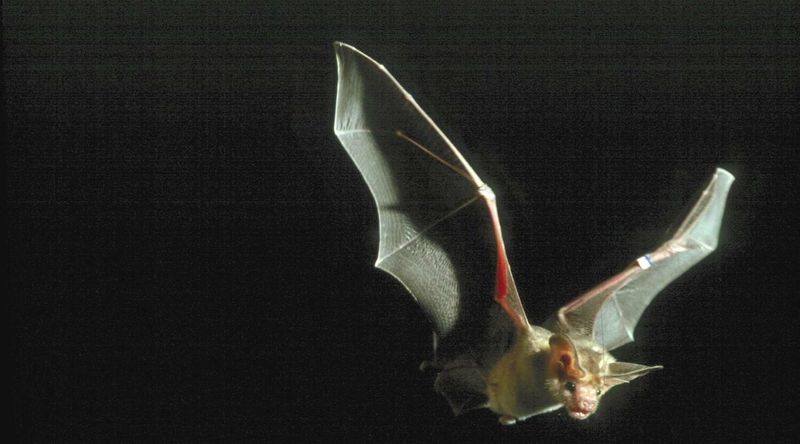
California is home to 26 known bat species, a number that surprises most homeowners who assume bats are all basically the same small, brown, fast-flying creature. They are not.
The pallid bat, California’s official state bat, hunts from the ground and eats scorpions, grasshoppers, and beetles alongside flying insects. Other species specialize in different prey, fly at different heights, and use different roost types across the state’s remarkably varied landscapes.
CDFW notes that California bats occupy urban neighborhoods, suburban yards, rural farmland, desert washes, and forested mountain slopes. Most species eat insects, but some consume nectar or fruit, which means they contribute to pollination and seed dispersal in addition to insect predation.
That ecological breadth is part of why supporting bats matters beyond any single pest-control promise.
Because species differ so much in diet and behavior, “bats eat mosquitoes” cannot be applied equally to every bat you see over your yard. UC Cooperative Extension acknowledges that California’s insect-eating bats consume large numbers of flying insects, but that broad statement covers beetles, moths, gnats, and midges alongside mosquitoes.
The mix depends on what species is flying, what prey is available that night, and where in California you live.
Bat populations across North America face pressure from habitat loss, roost disturbance, and the spread of white-nose syndrome in some regions. Supporting them in your yard is a reasonable conservation step on its own terms, separate from any mosquito math.
A yard that makes space for bats contributes to a healthier local ecosystem whether or not a single mosquito is ever caught.
Make the yard safer and more usable for bats
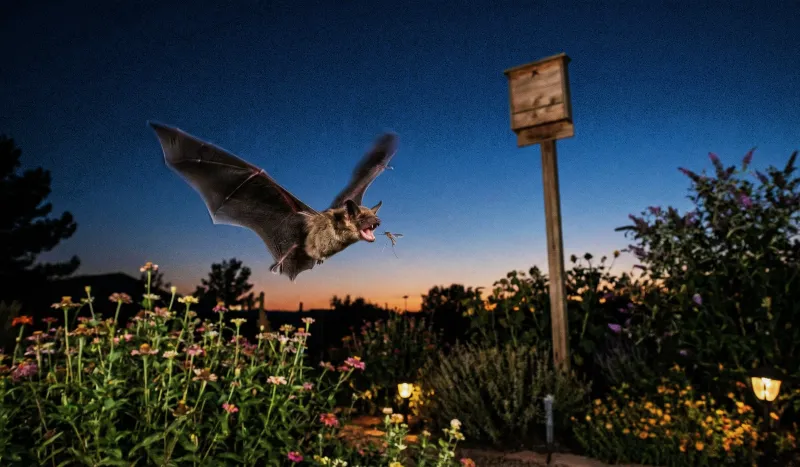
Yards that work well for bats tend to share a few qualities: varied vegetation at different heights, some open airspace for flight, and access to water nearby. Native trees, shrubs, and flowering plants support the insect communities that bats depend on, so a yard that already favors native plantings is already doing some of the work.
CDFW encourages habitat variety as part of supporting bats and other native wildlife, though no single yard feature guarantees bat activity.
Water access is a meaningful siting factor. Bat Conservation International reports that bat house locations near major water sources tend to be more successful, and UC IPM notes that bats prefer roost sites within roughly a quarter mile of water.
A garden pond, an irrigation channel, or even a neighborhood creek within that range is a genuine asset. These are siting considerations, not promises: a yard near water can still go years without bats taking up residence.
Lighting deserves attention, though not because bright lights will attract bats to your yard. Unnecessary bright lighting near likely roost entrances or bat houses can disrupt bat activity and deter use.
Bat Conservation International’s guidelines recommend keeping lights away from bat house entrances, and the practical takeaway for California homeowners is simple: use outdoor lighting only where you actually need it, and point fixtures downward and away from roost areas.
Reducing unnecessary chemical use in the yard also helps indirectly. Broad-spectrum insecticide applications kill the insect prey bats rely on, which can make a yard less attractive as a foraging area.
Spot-treating specific pest problems rather than blanket-spraying gives the local insect community a better chance to recover and keeps the food supply intact for bats flying through at night.
Treat a bat house as habitat support, not a pest-control machine
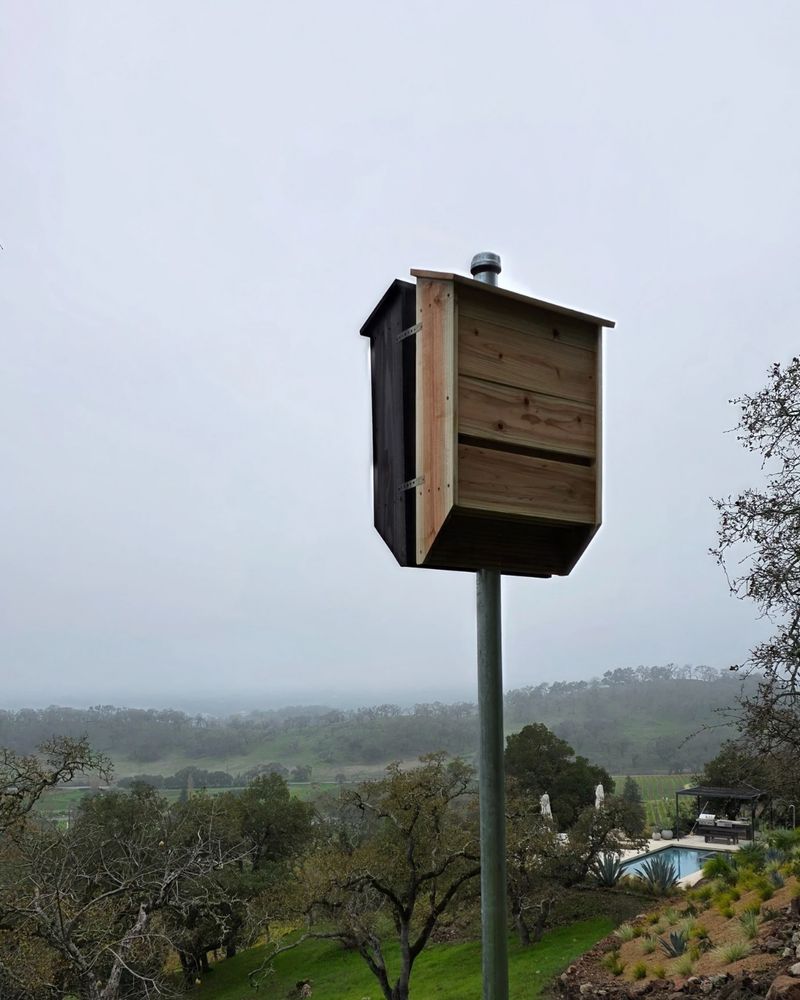
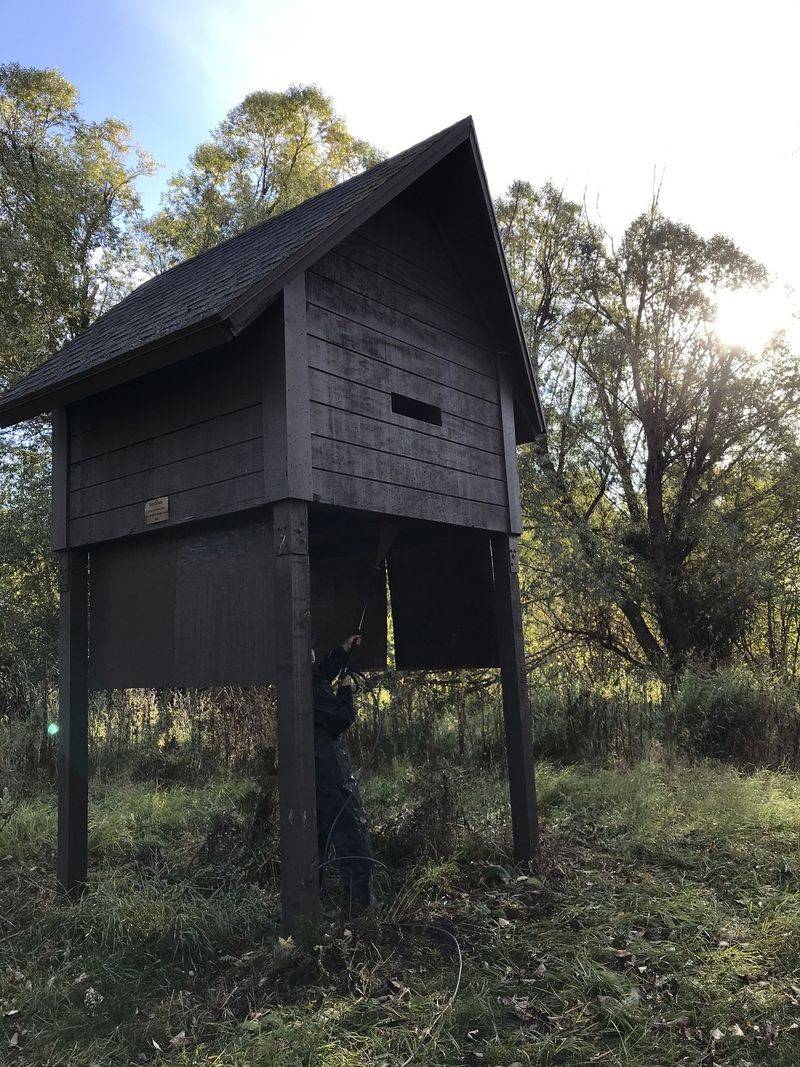
A bat house is a legitimate wildlife habitat addition for a California yard, but it is worth being clear about what it can and cannot do. UC IPM states directly that there is no clear evidence bat houses significantly reduce garden insect problems, and a newly installed house may sit empty for a year or more before any bat investigates it.
If the goal is mosquito control, a bat house is not a reliable tool. If the goal is providing habitat for native wildlife, it is a reasonable project.
Placement matters more than most homeowners expect. Bat Conservation International recommends mounting a bat house at least 12 feet above the ground with at least 12 feet of open space below the exits so bats can drop into flight without hitting obstacles.
A building wall or a freestanding pole is generally better than a tree, because tree branches obstruct entry, give predators a route to the house, and make it harder to achieve the required height and clearance. Avoid positioning the house directly above doors, windows, patios, or seating areas where guano accumulation would create a hygiene or access problem.
In Southern California and other warm parts of the state, overheating is a real design risk. A bat house that bakes in full afternoon sun can reach temperatures that drive bats out or prevent occupancy altogether.
Bat Conservation International’s siting tips recommend choosing a color appropriate for the local climate, ensuring adequate ventilation, and positioning the house to catch morning sun while receiving shade during the hottest afternoon hours. An east-facing wall can be a good choice in warm climates for exactly this reason.
Proximity to water improves the odds of occupancy, as noted earlier, but it is a factor to weigh when choosing a location rather than a requirement you must engineer. If your yard is near a creek, a pond, or a reliable irrigation source, that is a genuine advantage.
If it is not, a well-sited bat house can still attract residents over time, especially in neighborhoods where bats are already active.
Remove standing water for dependable mosquito reduction
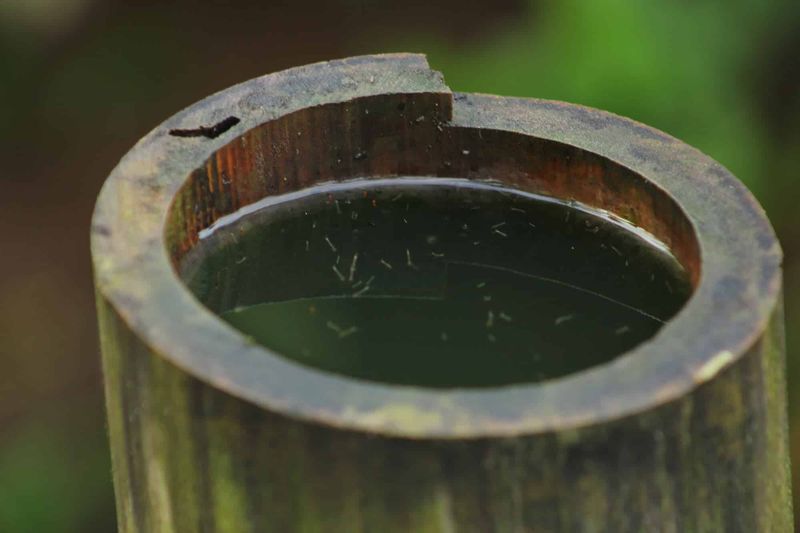
Whatever bats contribute to your yard’s insect ecology, the single most dependable mosquito-reduction step available to a California homeowner has nothing to do with wildlife. Mosquitoes breed in standing water, and cutting off that breeding opportunity cuts off the next generation of biters before they ever take flight.
CDC guidance on home mosquito control recommends a weekly yard inspection to empty and scrub, turn over, cover, or discard anything that holds water. The list of culprits is longer than most people expect: plant saucers, buckets, children’s toys, old tires, tarps with low spots, pool covers, birdbaths, clogged gutters, trash containers, and any container left out during California’s occasional summer rain events.
Mosquitoes can complete a breeding cycle in less than a week in warm weather, which is why the weekly schedule matters.
Rain barrels and other stored water deserve particular attention. Cover them tightly with a lid or use fine mosquito-proof mesh over any opening.
A barrel with even a small gap can become a significant breeding site in a matter of days during warm months. Check the overflow port as well, since that opening is often overlooked.
Birdbaths are worth keeping because they support other wildlife, but they require a specific routine: dump and refill the water at least once a week, and scrub the basin to remove any egg rafts or larvae before refilling. A birdbath that sits undisturbed for ten days in July is effectively a mosquito nursery.
The same logic applies to pet water dishes left outdoors.
Source reduction remains necessary even on nights when bats are actively foraging overhead. Bats may eat some of the adult mosquitoes flying around your yard, but they are not eliminating the next wave emerging from a neglected saucer behind the garden shed.
Weekly water checks address the problem at its origin, which is where the reliable gains are made.
Use targeted larval control only when water must remain
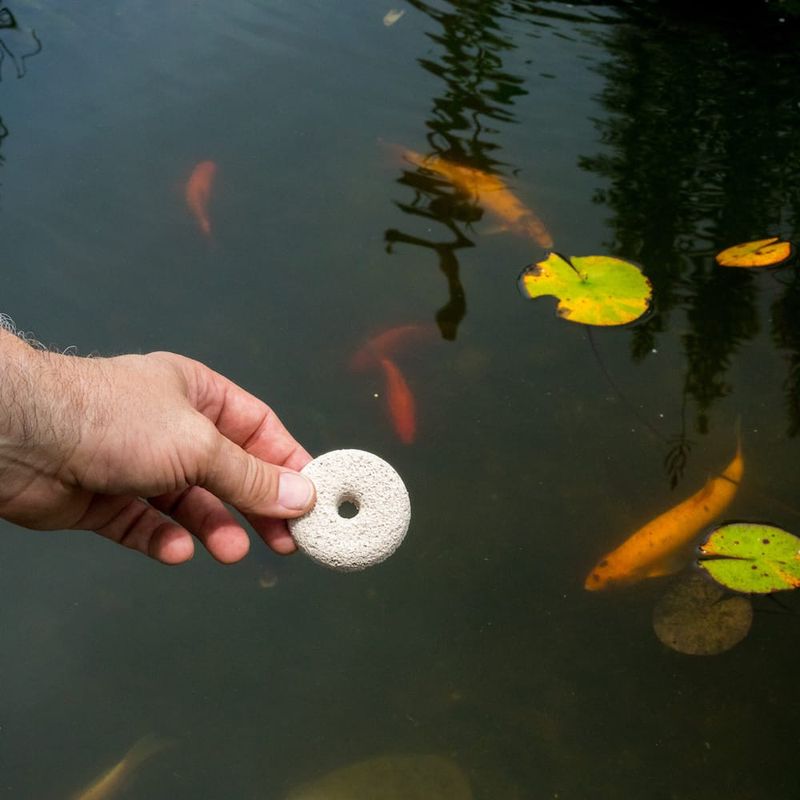
Some water features simply cannot be emptied. A large ornamental pond, a fountain basin, a rain garden designed to hold water, or a drainage area that fills seasonally may all be genuine mosquito breeding sites that cannot be covered or removed.
For these situations, EPA-registered Bti products offer a targeted option.
Bti, short for Bacillus thuringiensis israelensis, is a naturally occurring soil bacterium whose toxins are lethal to mosquito larvae, blackfly larvae, and fungus-gnat larvae but have no registered harmful effects on fish, birds, mammals, or most other insects when used as directed. EPA guidance on Bti for mosquito control confirms that it is approved for homeowner use and is available in dunk or granule form at most garden and hardware stores.
The critical point is that Bti kills larvae in the water; it does not affect adult mosquitoes already flying and biting, and it does not substitute for removing breeding habitat.
Follow the product label for dosage and reapplication intervals, since Bti degrades over time and needs to be refreshed, especially after heavy rain dilutes a treated water body. Apply it only to water that genuinely cannot be managed by dumping, covering, or redesigning drainage.
Routine outdoor mosquito-misting systems are a separate category and should not be treated as a straightforward upgrade from source reduction. CDC notes that timed insecticide misting systems can have undesired effects on non-target insects, including beneficial pollinators, and recommends integrated control measures that combine surveillance, source reduction, larval treatment, and properly used registered adulticides when necessary.
Misting should not be the default approach when simpler source-reduction steps have not yet been fully implemented.
Keep bat support outdoors and respond safely to indoor colonies
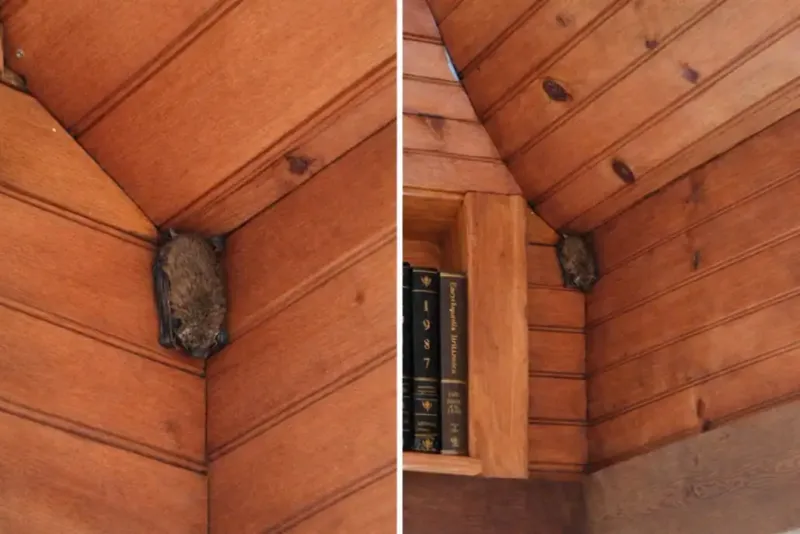
Welcoming bats into your yard is a different matter from allowing them to occupy your attic, walls, or living spaces. CDFW and UC IPM both draw a clear line between bats roosting in suitable outdoor structures and colonies establishing themselves inside occupied buildings.
An indoor colony is a wildlife-management situation that requires a deliberate response, not benign neglect on the grounds that bats are beneficial.
If bats have entered an attic or wall space, the recommended approach is one-way exclusion: watch the exit points at dusk to confirm where bats are leaving, install a one-way device that lets them out but prevents re-entry, and then seal all openings permanently only after you have confirmed that every bat has left. Timing matters significantly in California.
UC IPM advises against excluding colonies between roughly May and September, when flightless young may be present. Sealing exits during that window traps pups inside, where they will die.
Winter is generally the safer exclusion period in most California climate zones.
Never handle a bat with bare hands. CDC rabies guidance explains that bat bites can be tiny or go unnoticed entirely, which is why contact situations require more caution than they might appear to.
If a bat is found in a room where someone was sleeping, in a space occupied by a young child, or with anyone who cannot reliably report whether contact occurred, treat the situation as a possible exposure. CDC MMWR reporting documents cases where rabies transmission was linked to unrecognized bat contact.
Do not release the bat before contacting your local public health department or animal control office; officials need to evaluate whether the bat should be tested and whether post-exposure care is needed.
Accumulated bat guano presents a separate health concern. Dry-sweeping or vacuuming droppings without precautions can aerosolize Histoplasma capsulatum spores, a fungus associated with bat and bird droppings that causes histoplasmosis, a lung infection.
CDC histoplasmosis prevention guidance and NIOSH engineering controls guidance both recommend wetting material before removal to suppress dust, using appropriate respiratory protection, and calling in qualified professionals for large accumulations in enclosed spaces. Guano in small quantities outdoors under a bat house is a different situation from a season’s worth of droppings in an attic, but the precaution scales with the amount and the degree of enclosure.
One more boundary worth stating clearly: do not use chemical repellents or ultrasonic devices marketed to drive bats away. UC IPM reports that no pesticides or chemical repellents are registered in California for controlling or repelling bats, and tested ultrasonic devices have proved ineffective.
These products waste money and do not solve the problem.
Support bats for their real value—and control mosquitoes directly
A bat-friendly California yard does two things at once: it supports native wildlife that contributes to natural insect predation, and it gives the homeowner a more connected, ecologically active outdoor space. California’s 26 native bat species are worth that support on their own ecological merits, not because they will reliably clear mosquitoes from your summer evenings.
The priority order for action is straightforward. Protect outdoor bat habitat first by maintaining varied vegetation, minimizing unnecessary lighting near roost areas, and reducing broad-spectrum pesticide use.
Add a properly sited bat house if you want to offer roosting space, but go in with realistic expectations: UC IPM’s guidance is clear that occupancy is uncertain and insect-reduction benefits are unproven. Then do the mosquito work that actually delivers results: weekly standing-water removal throughout the warm season, with Bti applied only to water that genuinely cannot be managed any other way.
For any situation involving an indoor colony, a possible rabies exposure, or a large guano accumulation, reach out to your county vector control district, local animal control, or a licensed wildlife professional before acting on your own.
Bats and mosquito control are related topics, but they are not the same project. The bats are worth having around; the mosquitoes are worth managing.
Keeping those two goals clear makes both of them easier to achieve.