
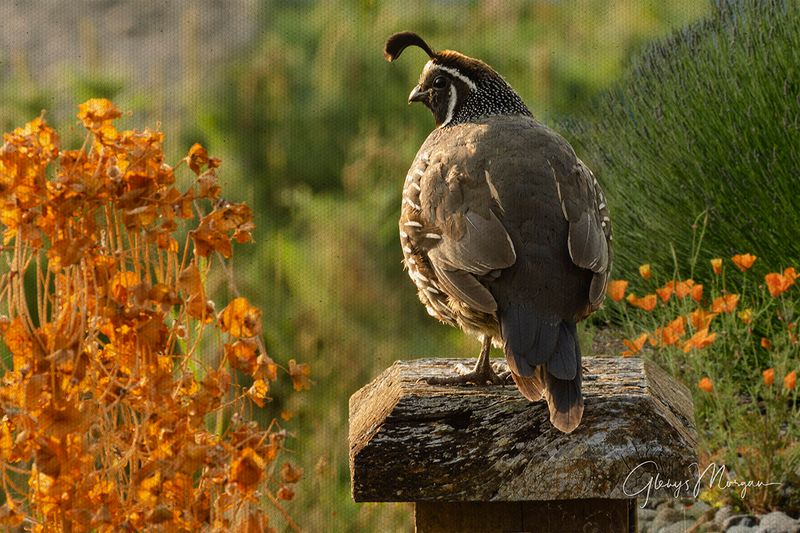
California quail are one of the most recognizable birds in a suburban yard, with their bobbing topknot and chatty calls echoing through neighborhoods from the Bay Area to San Diego. Many homeowners shoo them off without realizing they are picking through leaf litter and eating some of the same snails, beetles, and weed seeds that cause garden headaches. The catch is that quail are not a pest-control service, and one common yard habit may be sending them running before they even get started. Understanding what these birds actually do, and what they need, is the first step toward a more wildlife-friendly yard.
California quail may eat snails and weed seeds—but they are not garden cleaners
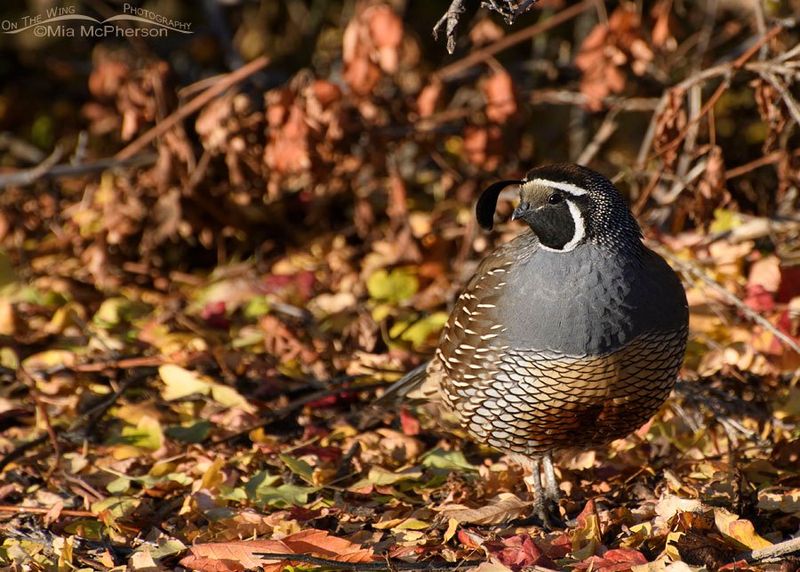
Walk quietly past a hedgerow on a cool California morning and you might catch a covey of quail scratching through the leaf litter, picking up seeds and the occasional beetle or snail. That foraging behavior is real, and it is worth understanding clearly before deciding how to treat these birds in your yard. Cornell Lab’s California Quail life-history account describes the diet as roughly 70 percent plant material, including seeds, leaves, flowers, berries, acorns, and grains, with invertebrates such as beetles, caterpillars, mites, millipedes, and snails making up a smaller share.
The California Department of Fish and Wildlife reinforces this picture. CDFW’s California Wildlife Habitat Relationships account describes quail as feeding primarily on legume and other seeds, green vegetation, arthropods, grains, and fruits. Chicks are the exception: young birds depend heavily on arthropods in their first weeks of life, so a yard with a healthy insect population actually supports the next generation of quail more than a yard that has been chemically scrubbed clean.
Audubon’s California Quail field guide adds that quail do eat the seeds, leaves, and fresh shoots of annual weeds, which sounds promising for gardeners. The important qualifier is that quail cannot distinguish a weed seed from a desirable native plant seed or a vegetable-garden seed, so their foraging may reduce some weed seed availability while also consuming plants you want to keep.
None of the sources reviewed establish that wild quail reduce snail populations, protect vegetable crops, or clear weed seeds at any measurable level in a residential garden. They may consume some of each while passing through, but counting on them to solve a real pest or weed problem would leave a gardener disappointed. Think of any consumption as a pleasant side effect of their natural behavior, not a service you can schedule or predict.
They forage on open ground near protective cover
California quail are ground birds through and through. Rather than perching and scanning for food like a mockingbird, they walk and scratch steadily through soil, leaf litter, and low vegetation, moving as a group and staying alert. What draws them to one yard over another is less about what is in a feeder and more about how the overall space is arranged.
Both Cornell Lab and CDFW note that quail prefer open foraging areas positioned close to shrubs, brushy edges, or other cover they can reach quickly when startled. A wide-open lawn with no nearby shelter is a harder sell than a yard with a mix of open patches and low native shrubs along the fence line. The cover does not need to be elaborate, but it does need to be accessible.
Urban-park research adds useful context here. A study published in the Journal of Applied Ecology found that quail occupancy in urban parks was associated with larger, less isolated areas, lower impervious surface cover, and the presence of suitable shrub cover. That does not mean a small suburban lot cannot attract visiting quail, but it does suggest that a single isolated patch surrounded by pavement and walls is less likely to provide everything a covey needs on a sustained basis.
The practical takeaway is straightforward. If your yard already has a mix of open ground and low native shrubs, you may already be offering something useful. Cornell’s life-history notes describe quail as highly adaptable within their range, so even modest habitat features can make a yard more welcoming to birds passing through the neighborhood.
Repeated startling can make a feeding patch less usable
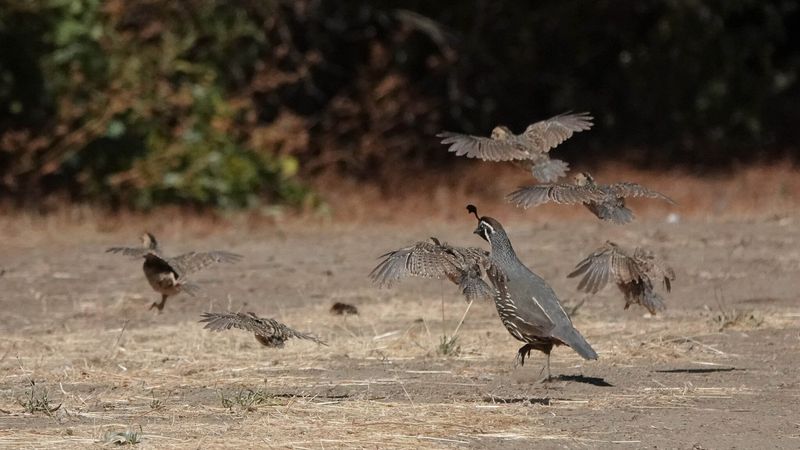
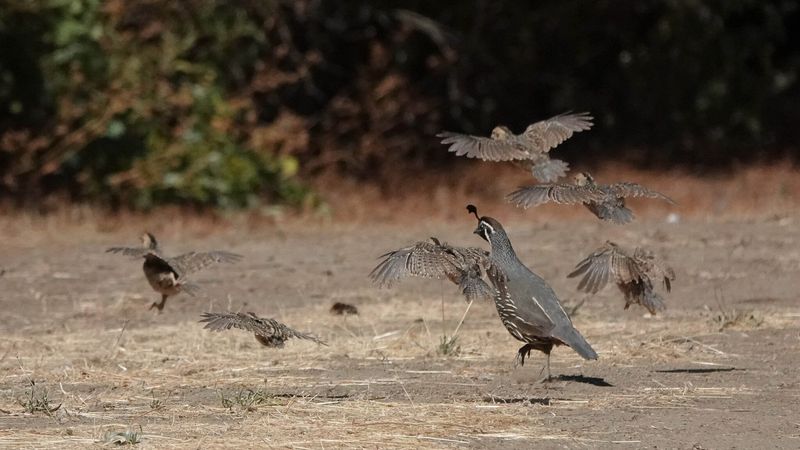
Quail are wary birds by nature, and their first response to a sudden noise or fast-moving figure is to run or fly to the nearest cover. That reflex keeps them alive, but it also means that a yard with frequent loud or close-range disturbances may simply stop feeling safe enough to use regularly. The birds do not hold a grudge, but they do learn which patches feel risky.
Cornell Lab’s California Quail overview notes that the species flushes to cover when startled, and Audubon’s field guide describes them as ground-dwelling birds that rely on dense cover for safety. Repeated flushing, whether caused by a running dog, a revving leaf blower, or an enthusiastic sprint across the yard, may make a particular patch temporarily less attractive or cause birds to shift their foraging route elsewhere.
The evidence supports that repeated close-range disturbance can reduce how much a location gets used. It does not prove that any single tool or activity permanently drives quail away from a yard. A covey flushed once may return within the hour; a covey flushed multiple times a day during peak foraging time may simply find a quieter neighbor’s yard more appealing.
Practical adjustments are not complicated. Approach areas where quail are foraging slowly and without sudden movements. Avoid chasing or cornering birds, and keep dogs and cats away from coveys when possible. If nonessential mowing, trimming, or loud equipment use can wait until the birds have moved on for the morning, that small courtesy may keep the patch usable.
California Department of Fish and Wildlife guidance also notes that intentionally disrupting a wild bird’s normal feeding, breeding, or sheltering behavior constitutes harassment under California law, a line worth staying well clear of even unintentionally.
Plant for quail only where wildfire rules allow
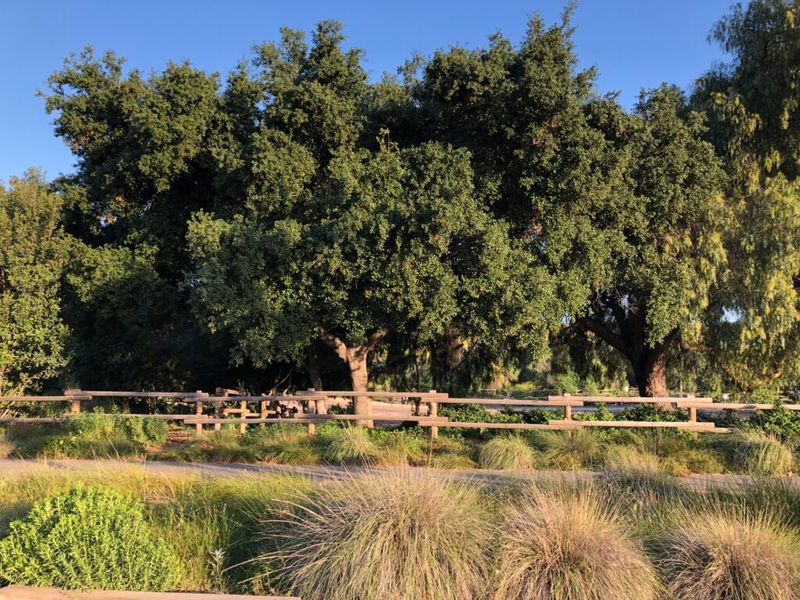
Habitat planting is the most lasting thing a homeowner can do for quail, and California gives you a good plant palette to work with. CDFW’s quail habitat planting guidance recommends combining food plants with cover species, and lists examples including brittlebush, deerweed, redberry, Pacific blackberry, lotus, lupine, clover, filaree, and chickweed. These plants provide seeds, shelter, and perching spots that fit naturally into a California-style yard.
Before you plant anything, match your choices to your local climate zone and check whether a species has invasive potential in your area. A plant that works beautifully in coastal Marin may be a problem in the Inland Empire, and some fast-spreading ground covers can escape into wildland areas. Your local UC Cooperative Extension office or a California Native Plant Society chapter can help you sort out which options are right for your specific location.
The bigger constraint for many California homeowners is fire safety. CAL FIRE’s defensible-space requirements call for removing dead and dry vegetation, maintaining separation between shrubs and trees, and keeping annual grasses no higher than four inches in applicable zones. Local jurisdictions may impose stricter rules, so check with your city or county fire department before adding any new shrubs or brushy plantings near your home.
CDFW’s quail hunting and habitat guide acknowledges the same tension: cover that benefits quail can conflict with fire-safety requirements if it is placed or maintained incorrectly. The solution is not to skip habitat planting but to site it thoughtfully. Low, well-spaced native shrubs in zone two of your defensible space, away from structures and with regular dead-material removal, can provide quail cover without creating a fire hazard. Dense continuous brush or tall dry grass piled against a fence or building is not appropriate regardless of how much quail might enjoy it.
Water and seed stations require ongoing care
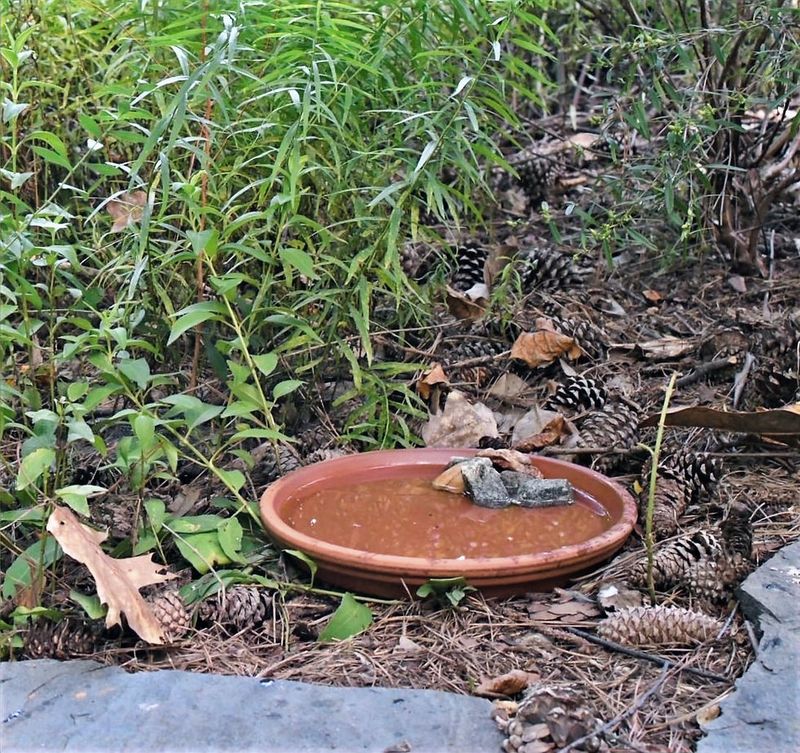
Supplemental feeding is not required to support California quail. Their natural diet comes from the landscape, and a yard with good food plants and cover will do more for them than a feeder filled with millet. That said, some homeowners enjoy offering seed or water as an extra welcome, and doing so responsibly makes a real difference.
If you put out birdseed, keep the quantity modest and the station clean. Piles of uneaten seed on the ground can attract rats and other rodents, which is a problem most California homeowners are already managing carefully. Place seed where pets cannot ambush foraging birds, and never hand-feed quail or try to tame individual birds. Wild birds that lose their wariness around people and pets are at greater risk, not less.
CDC guidance on wildlife and safe bird feeding recommends cleaning feeders at least monthly, washing birdbaths weekly or whenever they look dirty, washing your hands after handling any feeder or bath equipment, and removing feeders and baths temporarily if sick or dead birds appear nearby. These steps protect both the birds and your household.
Water can be a genuine draw in California’s long dry summers, but a standing birdbath that never gets emptied becomes a mosquito nursery within a week. USGS guidance on birdbaths and West Nile virus recommends emptying and cleaning birdbaths at least weekly and regularly disinfecting both feeders and baths. A shallow dish that you refill with fresh water every two or three days is safer and more useful than a decorative basin that sits full for weeks. No feeder or birdbath, however well maintained, guarantees that a covey will take up residence in your yard.
Reduce unnecessary pesticides, not every insect
One of the quietest ways to support quail, and the broader food web they are part of, is to reconsider how often you reach for a broad-spectrum pesticide. Quail chicks depend heavily on arthropods in their first weeks, and adult birds also pick up beetles, caterpillars, and other invertebrates while foraging. A yard that has been treated repeatedly with products that kill insects indiscriminately offers less food, not more.
UC IPM’s guidance on understanding pesticides recommends treating only when a pest problem genuinely warrants it, selecting products carefully based on the target pest and the risks to non-target species, and following label directions precisely. That approach protects pollinators, beneficial predatory insects, and the invertebrate community that birds like quail depend on as food.
Pesticide runoff is a related concern. UC IPM’s pesticides and water-resources guidance explains how products applied in yards can move into storm drains and local waterways, affecting ecosystems well beyond your property line. Minimizing applications, using targeted products, and following label rates all reduce that risk.
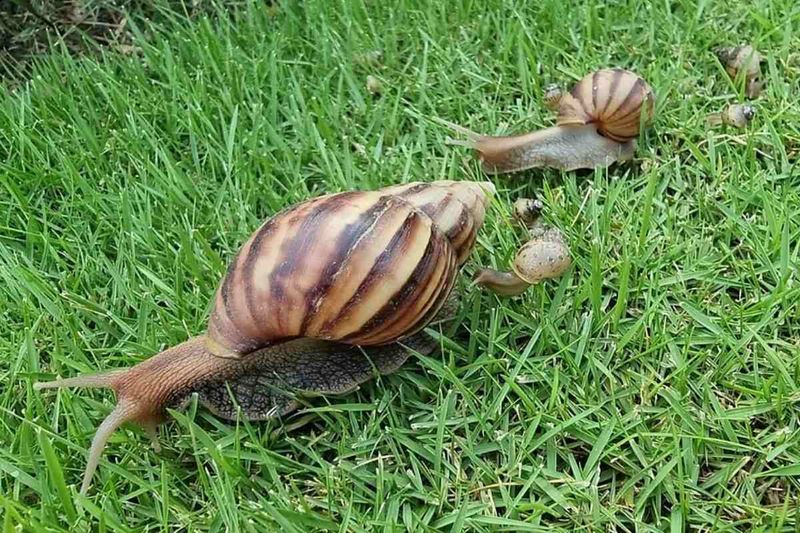
For snail and slug problems specifically, UC IPM’s snails and slugs guide outlines a range of non-chemical controls, including hand-picking, copper barriers, and habitat modification, that can reduce populations without eliminating the invertebrate community your yard supports. Quail may eat some snails they encounter while foraging, which is a nice bonus, but that incidental consumption is not a substitute for managing a real infestation with proven methods.
Protect ground nests when yard work brings you close
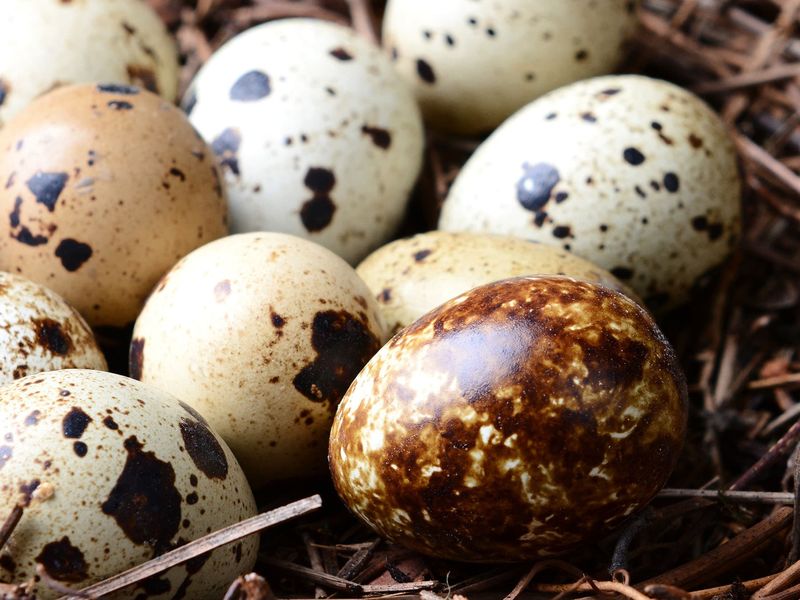
Nesting season brings one of the most sensitive coexistence situations a California homeowner can face. Quail nest directly on the ground, typically tucking their clutch of 12 to 16 speckled eggs into a shallow scrape concealed by grass, leaf litter, or the base of a shrub. Because the nest blends in so well, it is easy to stumble across one while mowing, trimming, or moving debris, often without any warning from the parents.
Cornell Lab’s California Quail overview notes that females incubate eggs for about 22 to 23 days, and both parents tend the chicks after hatching. During that window, the nest site is especially vulnerable to foot traffic, equipment, and pets. Audubon’s account describes the nest as a shallow depression lined with grass and leaves, usually placed near the base of a shrub or clump of vegetation, which makes it nearly invisible until you are right on top of it.
If you find a nest or eggs while working in your yard, stop what you are doing in that immediate area and back away calmly. Do not handle, move, or disturb the nest or eggs, and keep pets out of the zone until the chicks have hatched and the family has moved on. California Department of Fish and Wildlife guidance notes that California Fish and Game Code section 3503 makes it unlawful to take, possess, or needlessly destroy a bird’s nest or eggs. That protection applies to quail nests in your own backyard, not just in wild areas.
Postponing nonessential mowing or trimming in areas where quail have been active is a simple precaution during nesting season, which typically runs from April through July in most California lowlands. A few weeks of patience in one corner of the yard can mean the difference between a successful clutch and a failed one.
Let quail complement—not replace—your pest plan
Putting this all together into daily yard decisions is simpler than it sounds. Preserve suitable food plants and cover where your local fire rules allow, give birds room to forage without repeated close disturbances, maintain any water source with regular cleaning, and avoid unnecessary broad-spectrum pesticide applications that strip the invertebrate food web. These steps support quail and a wide range of other beneficial wildlife at the same time.
Keep expectations grounded. Quail may eat some snails, beetles, and weed seeds while moving through your yard, and that is genuinely useful. However, a real vegetable-bed pest problem or a serious weed-seed bank still requires integrated pest management and consistent garden practices. Quail are not a substitute for those tools, and treating them as one sets both the birds and the gardener up for disappointment.
Cornell Lab’s life-history notes describe California quail as highly adaptable birds that live in a wide range of habitats, from brushy foothills to suburban neighborhoods. That adaptability means your yard does not need to be a wildlife sanctuary to be useful to them. It just needs to feel safe enough to visit. Remember, too, that any habitat improvements must stay within CAL FIRE’s defensible-space requirements, especially for homes in fire-prone areas.
A covey of quail moving through your yard on a quiet morning is a sign that the space supports something beyond a tidy lawn. That is worth more than any pest-control promise.