
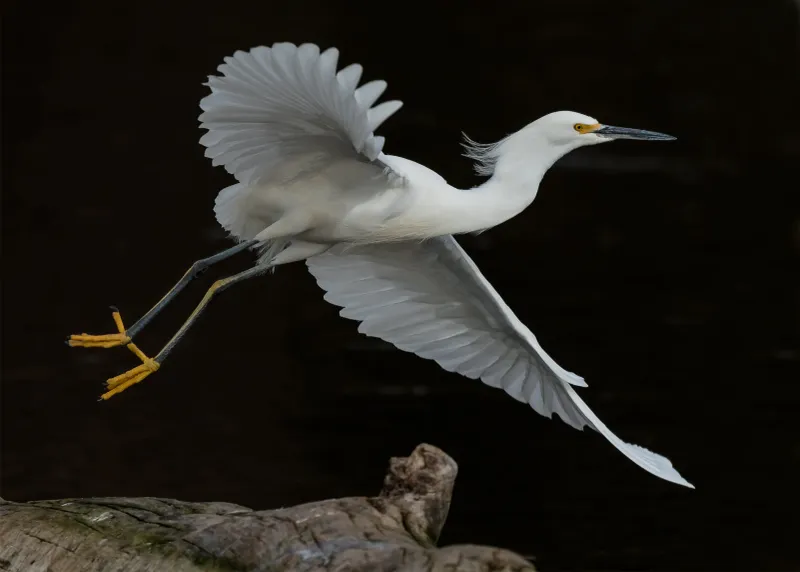
Spotting a white wading bird stalking through a wet corner of your California yard feels like a small miracle, and it’s easy to assume the bird is doing you a favor by hunting down every slug and snail in sight. The reality is more interesting and more nuanced than that.
Understanding what Snowy Egrets actually eat, where they really forage, and how you can genuinely help them will make you a better steward of the wild edge your yard may already sit beside.
First, make sure the white wader is a Snowy Egret
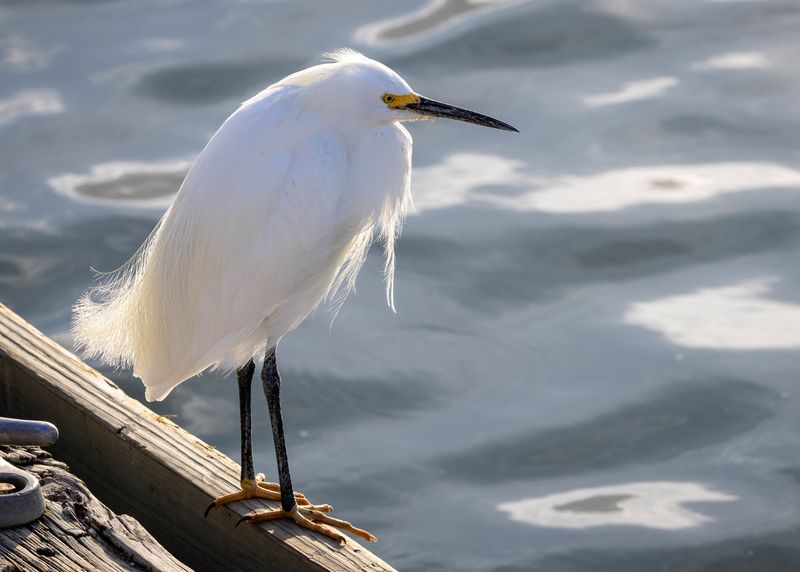
Before crediting any bird with slug-hunting duties, the first job is confirming which species you are actually looking at. A surprising number of white wading birds share California’s wetland edges, and assuming the visitor is a Snowy Egret can lead to misplaced expectations about its diet and behavior.
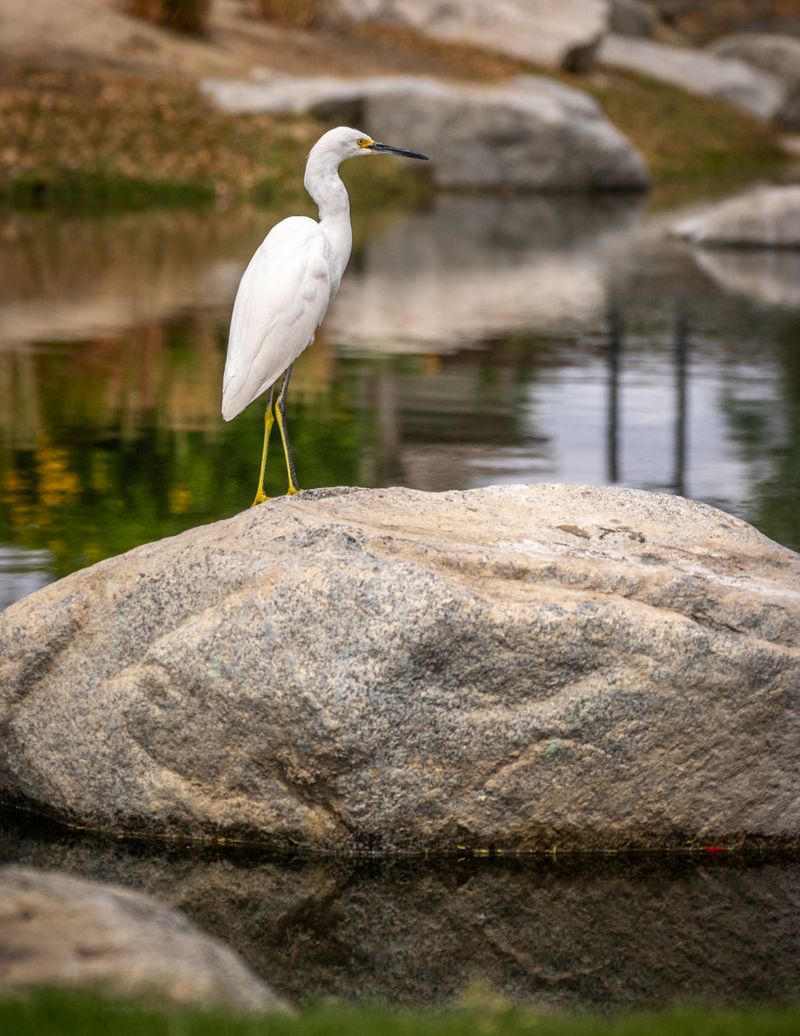
Adult Snowy Egrets are medium-sized, all-white birds with a slim build, a sharply pointed black bill, black legs, and distinctively bright yellow feet. Those golden feet are the feature most people remember, and Cornell Lab’s Snowy Egret identification account confirms they are a reliable field mark on adults.
Younger birds complicate things: immature Snowy Egrets can have duller, greenish or yellowish-green legs, so foot color alone should not settle an identification on a bird that looks young or worn.
The most frequent source of confusion is the Great Egret, a noticeably larger bird with a long yellow-orange bill and black feet. If the bird in your yard has a yellow bill and stands roughly the height of a Great Blue Heron, the Great Egret identification guide will confirm you are looking at a different species entirely.
Cattle Egrets, which are stockier and shorter-necked, and juvenile Little Blue Herons, which can appear mostly white before their first adult plumage, are also possibilities worth ruling out. The Western Cattle-Egret comparison page can help with that distinction.
Getting the identification right matters because each species has its own foraging habits, preferred prey, and habitat associations. Attributing a Great Egret’s behavior to a Snowy Egret, or vice versa, produces a muddy picture of what is actually happening in your yard and what, if anything, you can do to support it.
What the egret actually hunts
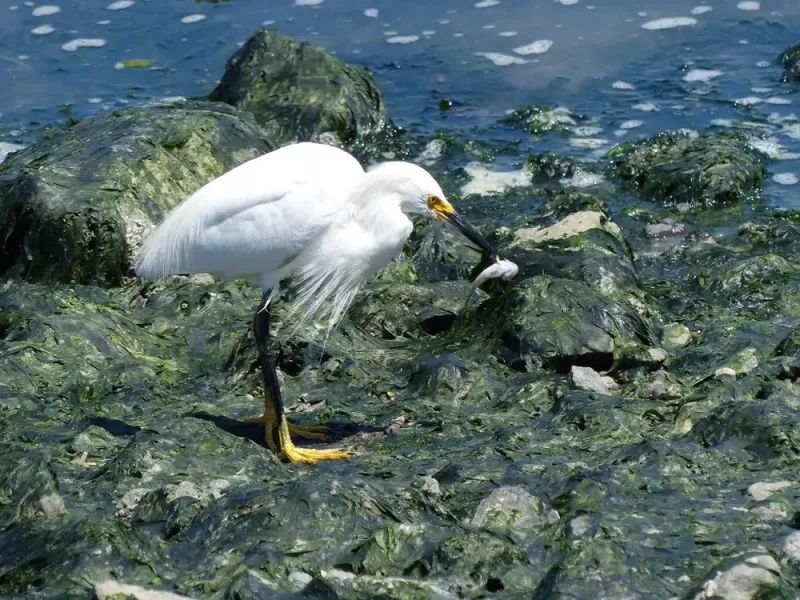
A Snowy Egret is not a picky eater, but it is a wetland specialist at heart. The Audubon Society’s Snowy Egret field guide lists a diet that spans fish, crustaceans, frogs, worms, insects, lizards, snakes, small rodents, and snails.
That breadth reflects the bird’s opportunistic nature: it takes what the habitat offers, and in California’s estuaries, ponds, and shallow marshes, aquatic prey tends to dominate the menu.
The word “snails” appearing in a species account is worth examining carefully. Wetland and estuarine environments contain aquatic snails and small mollusks that a wading bird encounters naturally while probing shallow water.
Those are not the same animals as the brown garden snails and gray field slugs damaging your ornamental plants. Treating “snails” in a diet list as proof that Snowy Egrets routinely clear residential gardens of land mollusks overstretches what the evidence actually shows.
NatureServe’s species account for Egretta thula reinforces the picture of a generalist predator whose foraging centers on aquatic and wetland environments. No reliable source reviewed for this article establishes that Snowy Egrets commonly hunt garden slugs or land snails in California yards or that they provide any measurable backyard mollusk control.
The hunting methods themselves are impressive and varied. Cornell Lab’s life history account describes Snowy Egrets standing motionless, walking slowly, running after prey, hovering briefly above water, and using their bright yellow feet to stir bottom sediment and flush hidden animals into the open.
A USGS study on foraging decisions and patch use in egrets documents how these birds shift tactics and locations with season and prey availability, always tracking the best return for their energy investment. An occasional foray onto damp lawn or field edge fits that opportunistic pattern, but it does not make a yard into a reliable hunting ground or the bird into a dependable pest-control service.
Your yard may sit beside a larger wetland edge
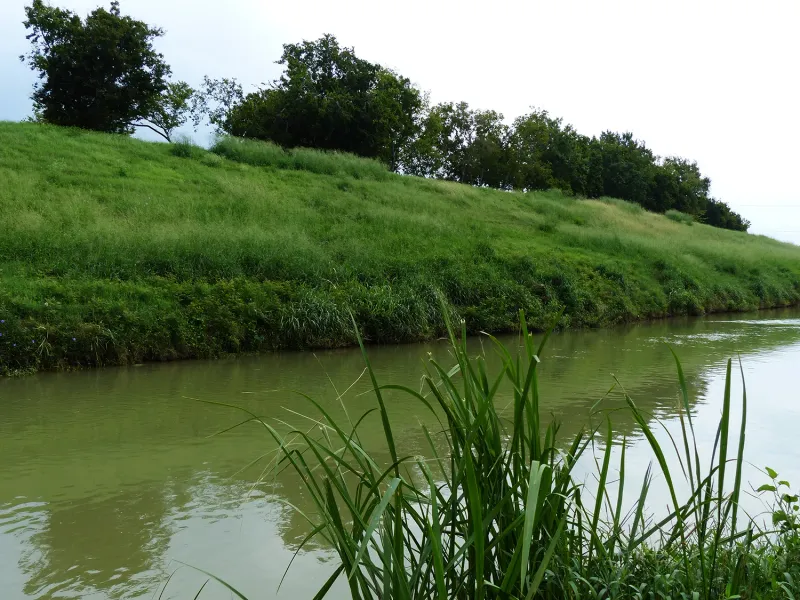
When a Snowy Egret appears near a California home, the yard itself is rarely the destination. The bird is almost certainly using a nearby water body, drainage corridor, or wet field as its primary foraging ground, and the yard happens to sit at the edge of that territory.
California Department of Fish and Wildlife’s wildlife habitat relationships account for Snowy Egrets describes the species using coastal estuaries, freshwater and saline wetlands, ponds, slow-moving rivers, irrigation ditches, and wet agricultural fields throughout the state. A residential property near any of those features can occasionally serve as a foraging stop, particularly if a wet corner, vegetated swale, or low-lying patch of lawn holds standing water after rain or irrigation.
That occasional use is worth appreciating without overstating it. A bird that wades through a yard for ten minutes before returning to the pond behind the neighborhood is responding to its own foraging logic, not establishing a patrol route through your garden beds.
Ordinary yard activities, routine mowing, leaf blowing, or adjusting sprinkler schedules, are not established causes of egret absence or presence.
One other clarification deserves mention: a Snowy Egret foraging alone in a yard is not evidence that a nesting colony is nearby. Cornell Lab’s life history notes that Snowy Egrets nest colonially, typically in dense vegetation, marshes, islands, or trees and shrubs near foraging habitat.
A single bird hunting opportunistically near a residential yard is simply foraging, not scouting a colony site. Understanding that distinction matters for how you respond to a sighting and whether any special precautions are warranted.
Protect existing wet places instead of creating a soggy yard
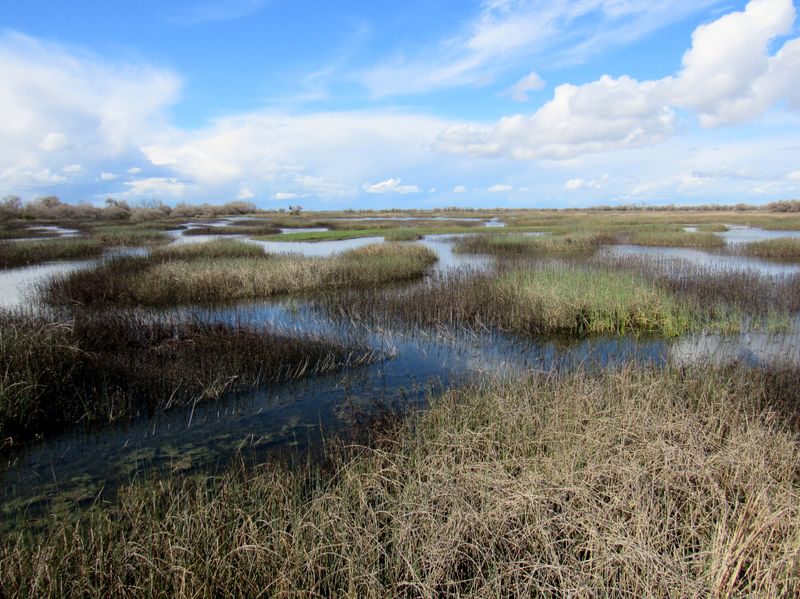
The most effective thing most California homeowners can do for Snowy Egrets costs nothing and requires no construction: leave existing wet habitat alone. Wetland edges, ponds, drainage swales, riparian corridors, and seasonal wet fields near residential areas are the places these birds actually depend on, and those features are far more valuable intact than any backyard water feature could replicate.
CDFW’s habitat relationships account makes clear that Snowy Egrets in California are tied to shallow-water environments with reliable prey, not to residential landscaping. Protecting those environments means avoiding unnecessary disturbance to vegetated margins, not filling or draining seasonal wet areas without checking applicable local, state, and federal requirements, and maintaining the buffer of native plants that stabilizes banks and provides cover.
Before altering any feature that holds or moves water on your property, it is worth consulting with your local planning department or the California Department of Fish and Wildlife to understand what permits or restrictions may apply.
Keeping a yard artificially and constantly wet is not a substitute for real wetland habitat and creates its own problems. Chronic overwatering conflicts with California’s water conservation goals, can damage soil structure, and creates standing-water conditions that favor mosquito breeding.
No validated design, minimum pond size, water-depth specification, or plant list was found in the reviewed sources that would reliably attract Snowy Egrets to an ordinary residential yard.
A naturally occurring pond, vegetated swale, or low-lying area that already holds water seasonally is worth preserving in its existing condition. Cornell Lab’s life history account reinforces that these birds track habitat quality and prey availability, not landscaping aesthetics.
Protecting what is already there, and resisting the urge to tidy it into something more manicured, is a more grounded form of support than engineering a new water feature and hoping the egret shows up.
Treat metaldehyde avoidance as an important wildlife-safety measure
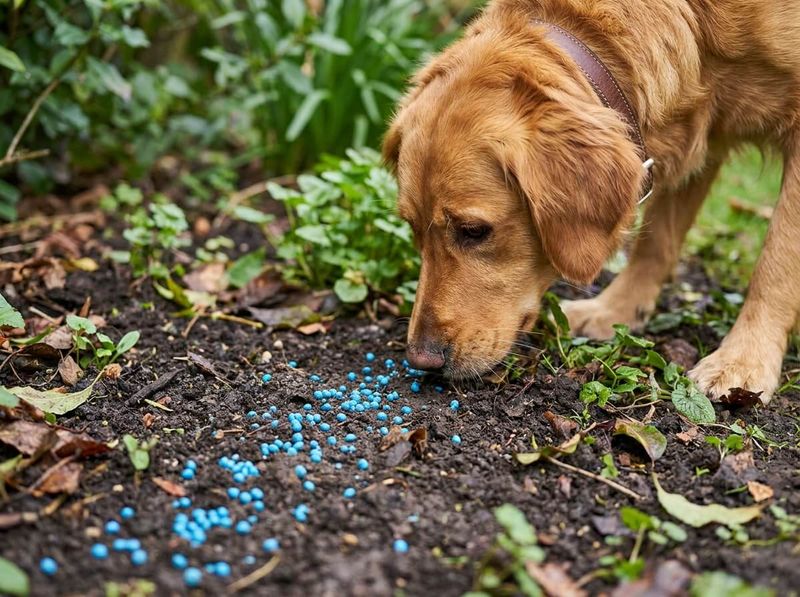
Metaldehyde slug and snail baits are widely sold in California and remain one of the most common tools homeowners reach for when mollusks become a problem. They are also one of the more consequential choices a yard-owner near wetland habitat can make, because metaldehyde is toxic to birds and mammals, not just to slugs and snails.
UC IPM’s guidance on snails and slugs explicitly states that metaldehyde baits can be poisonous to dogs and birds. The EPA-registered metaldehyde product label identifies the compound as toxic to birds and mammals and includes specific restrictions on application near water.
Those label restrictions are not optional suggestions; they are legally binding conditions of the product’s registration.
The concern here is not that Snowy Egrets commonly eat poisoned garden slugs or that this represents the primary hazard the species faces. The concern is that placing metaldehyde where birds, pets, or other wildlife can access it creates an unnecessary and avoidable risk.
Avoiding metaldehyde in yards near ponds, drainage channels, or any wet feature that could carry runoff into natural waterways is an important wildlife-safety measure, regardless of whether an egret is present.
Broader pesticide discipline matters just as much. EPA guidance on reducing pesticide impacts on wildlife advises treating only the specific areas where a pest problem actually exists, following every label instruction precisely, and preventing any product from reaching ponds, storm drains, or drainage channels.
Broadcast applications of any pesticide across an entire lawn or garden when the problem is confined to one bed wastes product and increases the chance of unintended exposure. Read the label before opening the container, and apply only what the label permits, only where it is needed.
Manage slugs and snails without waiting for a bird
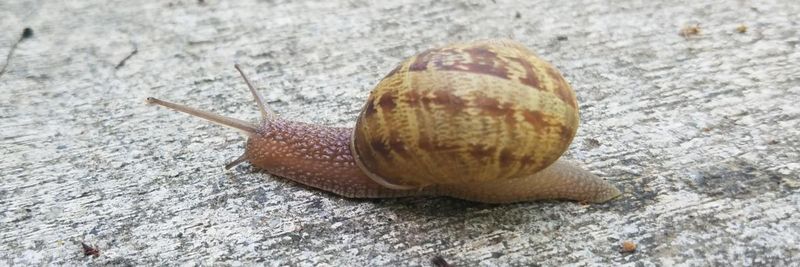
Counting on a Snowy Egret to solve a slug problem is a little like counting on a passing hawk to handle a gopher infestation. The bird may take the occasional opportunistic meal, but it will not show up on schedule, work every corner of the garden, or scale its effort to your pest pressure.
Effective mollusk management starts with what you can control directly.
UC IPM’s integrated pest management guidance for snails and slugs leads with nonchemical measures for good reason: they reduce populations without introducing chemical risk to the yard or the animals that use it. Hand-picking slugs and snails after dark, when they are most active, is labor-intensive but highly effective when done consistently.
A flashlight, a bucket of soapy water, and 15 minutes on a damp evening can remove surprising numbers of animals from a small garden.
Reducing moisture is equally important. Slugs and snails need damp conditions to move and feed, so switching irrigation to morning hours, fixing leaky drip lines, and improving drainage in chronically wet spots removes the conditions they depend on.
Eliminating daytime hiding places, boards, thick mulch layers pressed against stems, stacked pots, and garden debris, cuts the population’s ability to shelter and reproduce. Copper tape barriers around raised beds and containers can deter crossing, though they work best when the perimeter is complete and the bed is cleared of pests first.
When nonchemical measures are not enough and a bait is needed, UC IPM identifies iron-phosphate products as lower risk around birds and wildlife than metaldehyde. Lower risk does not mean risk-free: iron-phosphate baits are still pesticides, and every label instruction applies.
Place bait only where slugs and snails are actively present, keep it away from water features and drainage paths, and do not scatter it broadcast across areas where birds are likely to forage. The goal is targeted control, not blanket treatment, and no bait product replaces the habitat and moisture management that makes the garden less hospitable to mollusks in the first place.
Watch from a distance when nesting or disturbance becomes a concern
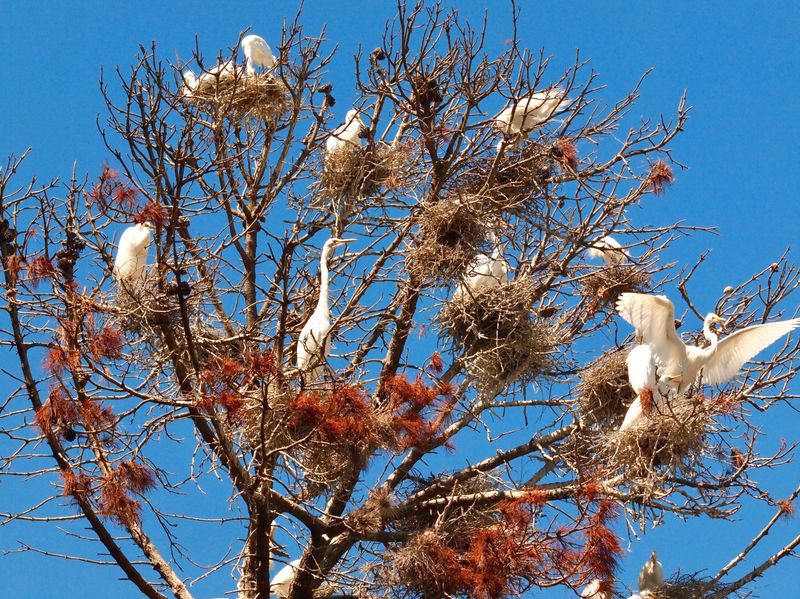
Snowy Egrets are federally protected birds, and understanding what that protection means in practice helps homeowners respond appropriately to a sighting without either ignoring the law or overcorrecting into anxiety about every ordinary yard task.
The Migratory Bird Treaty Act covers Snowy Egrets, as confirmed by 50 CFR §10.13, the federal list of protected migratory bird species. The U.S.
Fish and Wildlife Service’s overview of the Migratory Bird Treaty Act makes clear that killing, capturing, harassing, or possessing protected birds or their eggs and feathers without authorization is prohibited. That prohibition is meaningful and should not be dismissed.
Practical application for most homeowners is straightforward: observe from a comfortable distance, do not approach a bird to photograph it more closely, do not attempt to handle or feed it, and do not try to scare it away from a yard or garden. A bird that chooses to leave on its own is not being harmed; a bird that is flushed repeatedly, chased, or prevented from foraging is a different matter.
Nesting situations require extra care. USFWS guidance on bird nests explains that active nests and eggs are protected, and that conducting tree trimming, construction, or other disruptive work around an active nest colony can constitute illegal disturbance.
If you discover what appears to be a nesting colony near your property and need to conduct work in that area, check with the U.S. Fish and Wildlife Service, the California Department of Fish and Wildlife, or your relevant local authority before proceeding.
Cornell Lab notes that Snowy Egrets nest colonially and that these colonies are especially sensitive to disturbance during the breeding season. A single bird foraging in a yard, however, is not evidence of a nearby colony, and ordinary yard maintenance does not automatically trigger legal concerns.
Support the habitat, not a promise of free slug control
A Snowy Egret passing through a California yard is a genuine treat, and the impulse to protect it and welcome its return is a healthy one. The bird may well pick up a snail or worm during its visit.
What the available evidence does not support is counting on that visit to clear a garden of slugs or land snails, or adjusting a yard’s entire management plan around a bird that may never return on any predictable schedule.
The practical priorities are straightforward. Confirm the bird’s identity before drawing conclusions about its diet.
Protect any existing wetland, pond, drainage feature, or riparian corridor near your property by leaving it intact and undisturbed. Avoid metaldehyde baits where birds, pets, or other wildlife can encounter them, and keep all pesticides away from water.
Address slugs and snails with UC IPM’s nonchemical and lower-risk integrated methods rather than waiting for avian intervention. Observe the egret from a respectful distance and resist the urge to feed or approach it.
California’s wildlife habitat relationships data shows that Snowy Egrets thrive when their actual habitat is protected, not when homeowners engineer conditions designed to lure them. A yard that sits beside healthy wetland and keeps its chemical footprint modest is already doing its part.
The egret, when it visits, will take care of the rest on its own terms.