
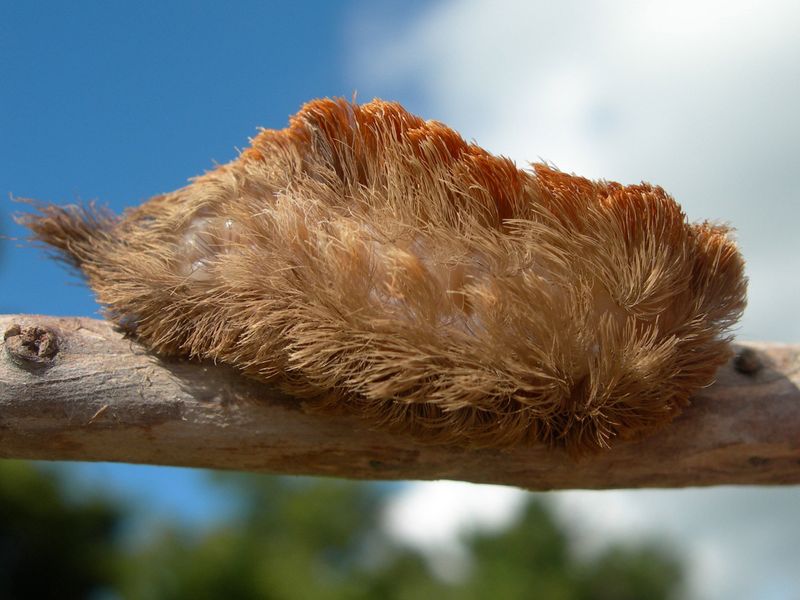
Something small, fuzzy, and surprisingly dangerous may already be resting on the oak or magnolia in your North Carolina yard right now. The puss caterpillar looks soft enough to pet, but hidden beneath its furry coat are hollow, venom-bearing spines that can cause immediate, intense burning pain.
Knowing what to look for and what not to do could save you or your child a very painful afternoon. Here is what every North Carolina homeowner should understand before heading outside this summer.
The Soft-Looking Caterpillar May Be a Puss Caterpillar
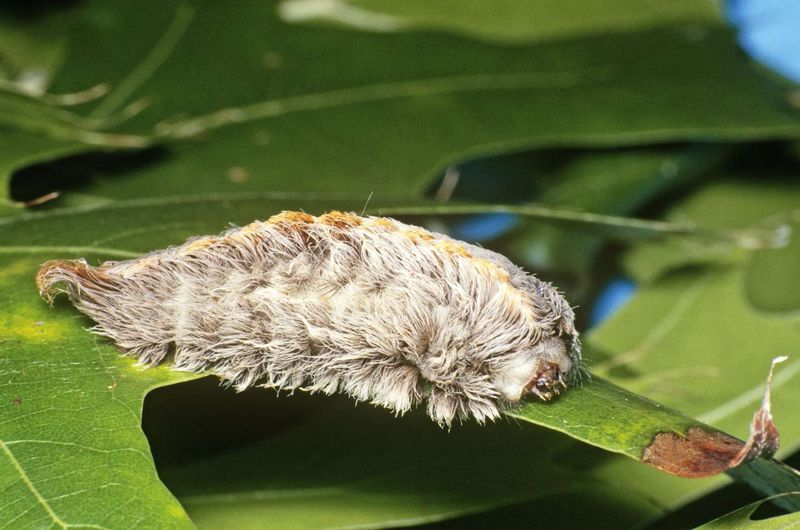
Spotting a small, furry creature clinging to a leaf in your yard can feel like a harmless discovery, but one particular caterpillar in North Carolina deserves a wide berth. The puss caterpillar, the larval stage of the southern flannel moth (Megalopyge opercularis), is stout and roughly one inch long.
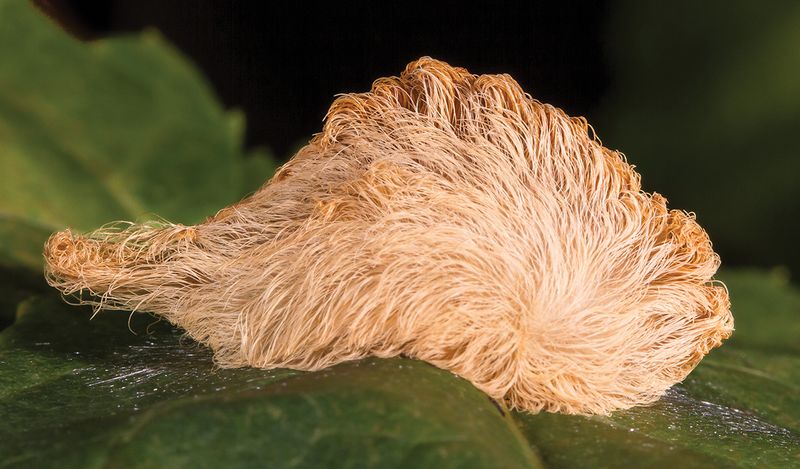
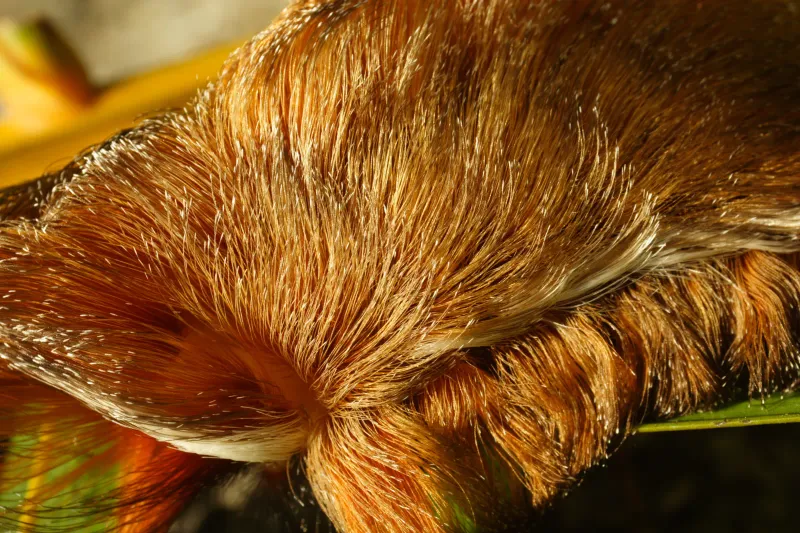
Its body is covered in a dense, fur-like coat that can range from gray and pale brown to yellowish or reddish-brown, making it look almost touchably soft.
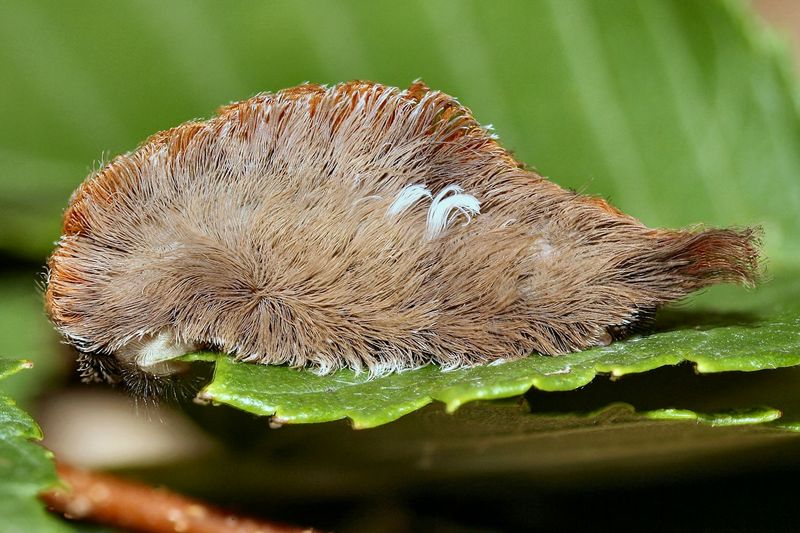
That softness is the danger. Concealed beneath those hairs are hollow, venom-bearing spines that can break off and release venom directly into skin on contact.
NC State Extension’s puss caterpillar profile confirms that the furry appearance masks a genuine medical hazard, which is why the rule is simple: do not touch it.
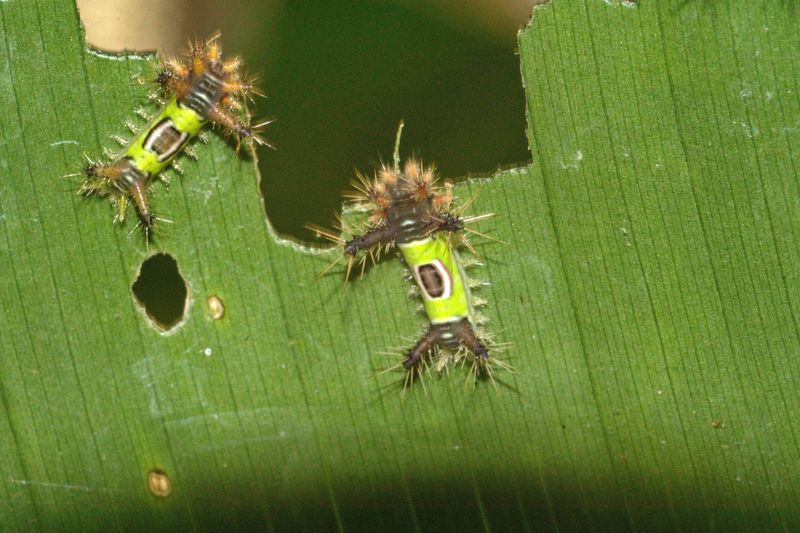
Fuzziness alone, however, cannot confirm you are looking at a puss caterpillar. Several other stinging caterpillars live in the Southeast, including saddleback and io moth caterpillars, and UGA Extension’s guide to stinging and biting pests notes that misidentification is easy without an expert or a close photograph.
If you are unsure what you have found, treat it as potentially hazardous regardless.
One detail that surprises many people: the adult southern flannel moth that eventually emerges from this caterpillar is described as harmless to humans. The NC Cooperative Extension office in Caldwell County explains that the hazard belongs to the caterpillar stage and to any retained hairs or spines, not to the moth itself.
Avoid handling any unidentified fuzzy, spiny, or brightly marked caterpillar, and contact your local Extension office or a pest professional if you need a reliable identification.
North Carolina Yards Can Provide Its Food Plants
Encounter risk with this caterpillar is not spread evenly across North Carolina. NC Parks moth records for Megalopyge opercularis show the species is widespread and common in the Coastal Plain and Piedmont, while records from the Blue Ridge mountains are considerably more limited.
If you garden in Raleigh, Charlotte, Fayetteville, or anywhere across the eastern half of the state, your yard sits squarely in prime territory.
Timing adds another layer of uncertainty. State records document sightings from early May through late September, with apparent peaks in June and July, though NC State Extension also references an October abundance window.
Because the active season shifts by region and year, the safest assumption is that summer and early fall sightings are both possible, rather than expecting one precise peak that applies everywhere in North Carolina.
The caterpillar’s diet makes almost any leafy yard a potential habitat. NC Parks host-plant records for the species list a wide range of broadleaf trees and shrubs as documented or reported food sources, including oak, maple, magnolia, holly, sweetgum, willow, persimmon, elm, hackberry, and sycamore.
That breadth means no single tree species signals danger, and no yard is automatically safe just because it lacks one particular plant.
Pay particular attention when pruning, weeding beneath, or raking leaves around any broadleaf tree or large shrub during the warm season. Caterpillars rest on leaves and bark at various heights, and accidental contact while working close to foliage is exactly how most stings happen.
Its Fur Conceals Hollow Venomous Spines
The mechanics behind a puss caterpillar sting are different from what most people expect. This is not a bite, and it is not a bee-style stinger.
When skin presses against or brushes the caterpillar, hollow spines hidden among its hairs break, and venom flows directly into the contact site. The injury is a spine-mediated envenomation, which explains why even the lightest accidental touch can trigger a rapid and intense reaction.
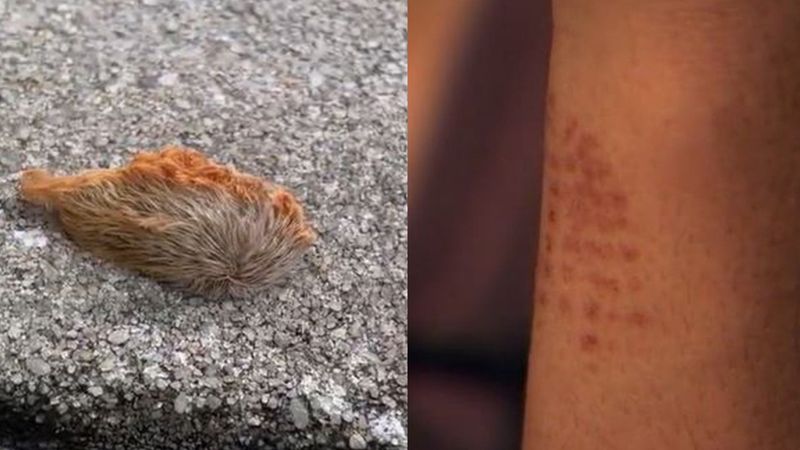
Pain typically begins within moments of contact. NC State Extension’s detailed profile of the species describes the immediate effects as burning or throbbing pain, redness, itching, swelling, and a rash at the contact site.
Severe pain can persist for several hours, while swelling may last days. The grid-like or linear pattern left by the spines sometimes makes the contact area look distinctive, though this alone should not be used to confirm species identity.
Beyond the skin, a range of other symptoms has been reported. Nausea, headache, abdominal discomfort, numbness, and vision changes have all appeared in case reports, along with chest symptoms and difficulty breathing in more serious situations.
A published case report in Wilderness and Environmental Medicine documents how a seemingly minor caterpillar contact can produce a severely painful and medically significant rash, reinforcing that reactions vary considerably depending on the number of spines involved, where on the body contact occurred, and individual sensitivity.
Recent laboratory research published in a 2023 study on the genetics of asp caterpillar venom found that the toxins in flannel moth caterpillars involve gene transfers that make the venom chemistry genuinely unusual. The practical takeaway for homeowners is straightforward: the caterpillar’s soft appearance is not a reliable indicator of how little it can hurt you.
Leave the Caterpillar and Any Remains Alone
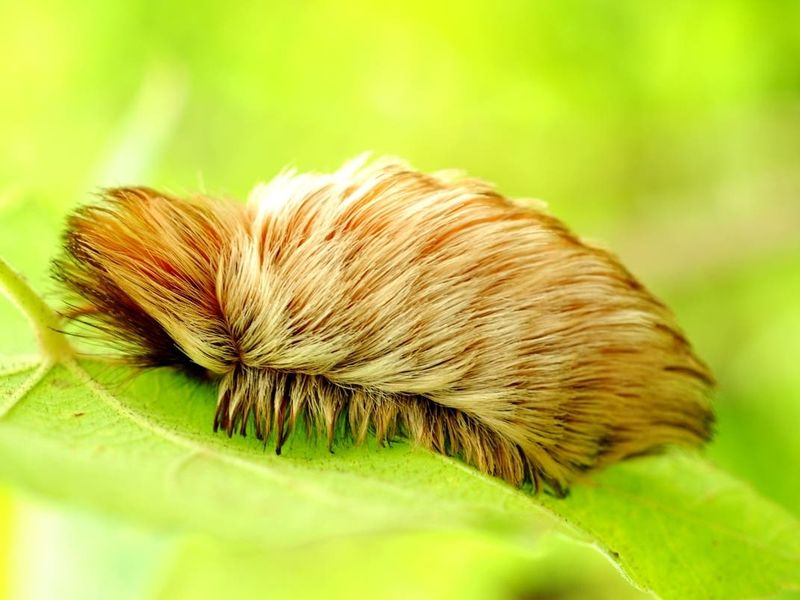
When you spot a fuzzy or spiny caterpillar in your yard, the most protective move is also the simplest: back away and do not touch it. The puss caterpillar does not pursue people or sting intentionally.
Contact causes the injury, which means distance is genuinely protective. Resist the urge to brush it off a branch, flip it over to investigate, or move it with your hands.
Children are at particular risk because the caterpillar’s furry appearance can look inviting. Before kids play near trees and shrubs during the warm season, tell them clearly not to pick up or touch any caterpillar that looks fuzzy, spiny, or brightly colored.
NC State Extension recommends keeping children away from areas where caterpillars are present and seeking professional identification rather than handling an unknown specimen yourself.
If the caterpillar genuinely needs to be moved because it is in a high-traffic area, use a stick, tongs, or another tool to relocate it without skin contact. Your local NC Cooperative Extension office can help with identification and advice, and a licensed pest management professional can assist with removal if the situation warrants it.
Dead caterpillars and shed material deserve the same caution as living ones. UGA Extension’s guide to stinging and biting pests warns that venomous hairs and spines can remain capable of irritating skin after the animal has died.
A caterpillar that looks dried out or long dead on the ground beneath a tree is not automatically harmless. Treat shed skins, detached hairs, and any unidentified fuzzy debris on leaves or bark with the same care you would give a living specimen.
First Aid Starts With Removing Embedded Hairs
Accidental contact with a stinging caterpillar calls for a calm, step-by-step response rather than panic. The first priority is getting the caterpillar away from the person without anyone else touching it directly.
Use a stick, a piece of cardboard, or any available tool to move it, and resist the instinct to grab it with a hand.
Next, address the spines that may be embedded in the skin. Poison Control’s guidance on caterpillar stings recommends pressing a piece of adhesive tape firmly over the affected area and then peeling it away in one motion.
This helps lift out broken spines and hairs that remain in the skin. Use a fresh piece of tape and repeat the process if needed, covering the entire contact area.
After taping, gently wash the skin with soap and water. Follow that with a cold pack or a cloth-wrapped ice pack applied to the area to help ease discomfort.
Poison Control also lists baking-soda paste and over-the-counter hydrocortisone cream as possible options for symptom relief. These measures may help reduce itching and irritation, but they are not cures, and they do not guarantee that all venomous material has been fully removed.
Avoid rubbing the area, which can drive spines deeper into the skin. Scratching can also worsen the rash and increase the risk of secondary irritation.
If you wore gloves or clothing that contacted the caterpillar, handle those items carefully and wash them separately, since spines can transfer from fabric to skin. Keeping the area clean and avoiding further friction gives the skin the best chance to recover from an uncomplicated contact.
Severe Symptoms Require Medical Attention
Most puss caterpillar contacts produce localized pain and skin irritation that is genuinely unpleasant but manageable at home. A more serious set of symptoms, however, signals that professional care is needed right away.
Knowing which category your situation falls into can make a real difference.
Seek urgent medical attention if you or someone with you experiences difficulty breathing or swallowing, chest tightness or pain, severe swelling that spreads beyond the contact site, eye exposure to hairs or venom, extreme or worsening pain, widespread rash or hives, or any sign of a serious allergic reaction. These symptoms can develop quickly and require evaluation beyond what home first aid can provide.
Poison Control’s caterpillar sting resource recommends calling 1-800-222-1222 for guidance on any caterpillar contact, and that number connects to trained specialists available around the clock across the United States.
Even without the most alarming symptoms, contact a healthcare provider if the affected area develops significant blistering, if pain or swelling persists beyond a day or two without improvement, or if the person stung is very young, elderly, or has a known history of severe allergic reactions. NC State Extension notes that reactions can include nausea, headache, and abdominal symptoms in addition to skin effects, and those systemic signs deserve prompt attention.
A published emergency medicine case review found that while most reported effects from caterpillar envenomation are dermal or minor, serious systemic reactions do occur. Hospitalization is not the typical outcome of every contact, but the possibility of a severe reaction is real enough that erring toward professional evaluation is always the safer call when symptoms go beyond mild local irritation.
Protect People Without Blanket Spraying
Reducing contact risk with stinging caterpillars does not require reaching for a sprayer. Gear choices and awareness go a long way.
Wear gloves, long sleeves, and a hat whenever you are working around trees, shrubs, or dense foliage during the warm season. Poison Control advises these same precautions specifically to lower the chance of accidental caterpillar contact while gardening.
Teaching children is equally practical. Adults should explain clearly that fuzzy, spiny, or brightly marked caterpillars are off-limits to touch, no matter how interesting they look.
A simple rule repeated before outdoor play, especially near trees, can prevent a painful afternoon.
On the question of pesticides, restraint is the right starting point. NC State Extension explains that most puss caterpillar populations are not large enough to require treatment, although outbreaks can occur and in rare cases cause serious defoliation of host trees.
If you observe a genuine outbreak that threatens plant health or creates a safety concern in a heavily used area, treatment may be warranted, but blanket spraying is not a recommended first response.
When treatment is genuinely necessary, product selection and label compliance matter more than speed. The EPA’s introduction to pesticide labels makes clear that the label is a legally enforceable document, and using any pesticide in a way that contradicts its label is illegal.
Choose only a product registered and labeled for use on the specific plant species and pest involved, follow every direction including protective equipment and reentry intervals, and consider the EPA’s citizen’s guide to pest control and pesticide safety for guidance on protecting children, pets, pollinators, wildlife, and nearby water. A targeted, label-compliant application is both more effective and less harmful to the broader yard ecosystem than an indiscriminate one.
Distance Is the Right First Move
A quick action checklist covers the essentials. Observe any unidentified fuzzy or spiny caterpillar from a distance and resist the urge to handle it.
Keep hands and children away, and use a tool rather than bare skin if the caterpillar must be moved. Never assume a dead specimen is harmless, since detached hairs and spines retain the ability to irritate skin after the animal has died.
After any skin contact, use adhesive tape to lift embedded spines, wash the area with soap and water, and apply a cold pack for comfort. For symptoms beyond mild local irritation, call Poison Control at 1-800-222-1222 or seek urgent care.
Poison Control specialists can help you decide whether symptoms need professional evaluation.
A fuzzy appearance does not confirm the species, and not every hairy caterpillar is a puss caterpillar. Avoiding contact with any unknown hairy or spiny caterpillar protects people while leaving the surrounding yard and its wildlife undisturbed.
NC State Extension’s puss caterpillar guidance puts it plainly: the safest response is always to look without touching. In a yard full of living things, that kind of careful attention is good practice long after caterpillar season ends.