
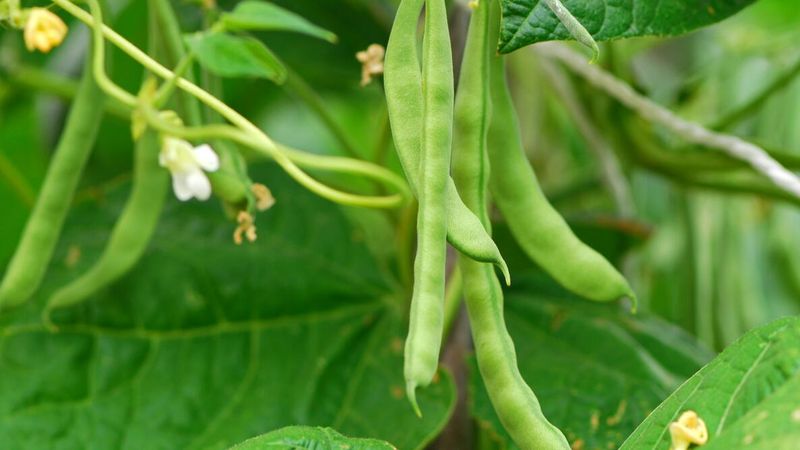
Your bean plants are covered in flowers, but the pods coming in look thin, flat, or nearly empty – and you are not alone. Late-summer heat is one of the most common reasons snap bean plants bloom generously yet deliver little at harvest time.
Understanding what is happening inside those flowers can help you decide what to do next and whether a new planting makes more sense than pushing a heat-stressed crop.
The pattern points first to heat during reproduction
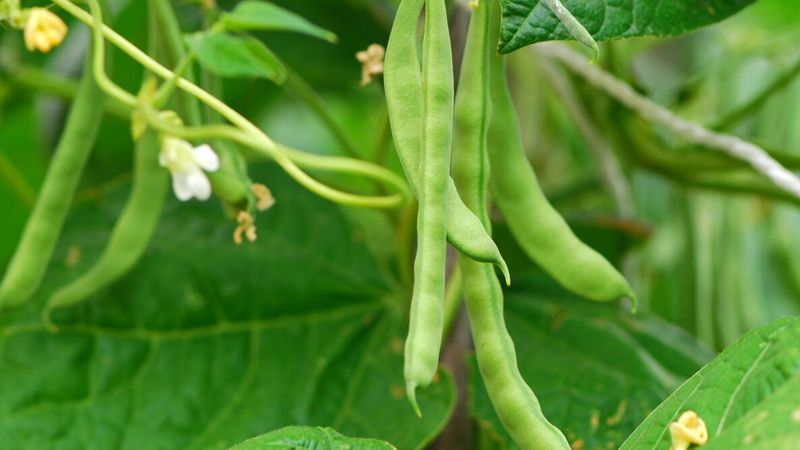
Picture a bean plant that looks, by almost every measure, like it should be producing well. The leaves are green and full, the vines or stems are loaded with flowers, and new buds keep appearing.
Then you look at the pods: they are narrow, flat, and light in the hand, or the flowers are simply falling off before pods form at all. This frustrating pattern tends to show up during stretches of hot days and warm nights in late summer, especially across the Southern U.S.
Heat stress during flowering and early pod formation is the leading explanation for this symptom in common snap beans (Phaseolus vulgaris). UMN Extension guidance on heat and vegetable gardens notes that hot weather can cause flower abortion and result in fewer, smaller pods with fewer, smaller beans – consistent with what Southern gardeners are seeing right now.
Around 95 degrees F is often cited as a practical warning point, but that number is not a universal cutoff. Variety, night temperature, humidity, and how long the heat lasts all influence how a specific plant responds.
Uneven soil moisture can make things worse. A plant stressed by dry soil and high air temperatures at the same time tends to drop more flowers than one with a steady water supply.
Utah State University Extension research on beans links drought stress around flowering with increased flower drop and reduced pod size. Heat is the most likely culprit here, but it rarely acts alone.
Why flowers can open while the pods fail to fill
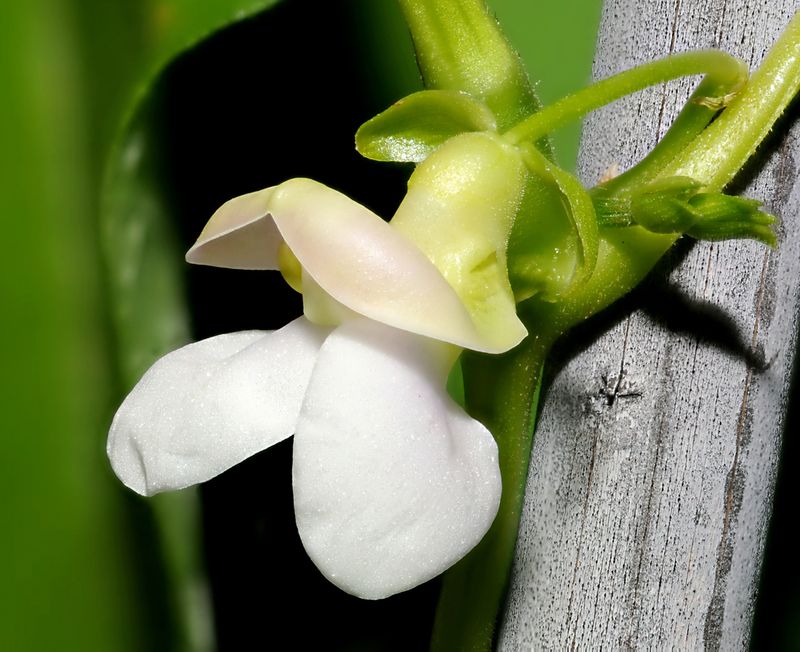
Common beans are self-pollinating, meaning the flower can fertilize itself without a bee visiting. That fact surprises many gardeners who assume empty pods must mean the pollinators stayed home.
UF/IFAS pollination guidance confirms that beans typically self-pollinate, so adding more flowers or hand-pollinating is not the fix for this particular problem. The real issue is what heat does to the reproductive machinery inside the flower itself.
Sustained high temperatures can reduce pollen viability, interfere with the release of pollen from the anther, and slow or block pollen-tube growth after the pollen lands on the stigma. Published research on heat effects in common bean reproduction documents reduced pollen germination and pollen-tube failure under high-temperature conditions, outcomes that prevent a fertilized seed from forming even when the flower opens normally.
Without fertilization, the pod either drops or develops as a thin shell with no seeds inside.
The timing of damage adds another layer of difficulty. Japanese research on bean reproductive sensitivity and plant physiology studies on pollen and temperature stress both identify sensitive stages that occur before a flower visibly opens, including pollen formation and flower-bud development.
A plant can therefore show poor pod set several days after the damaging heat has already passed, which is one reason the connection between a hot week and empty pods is easy to miss.
A flat snap pod is not always an empty pod
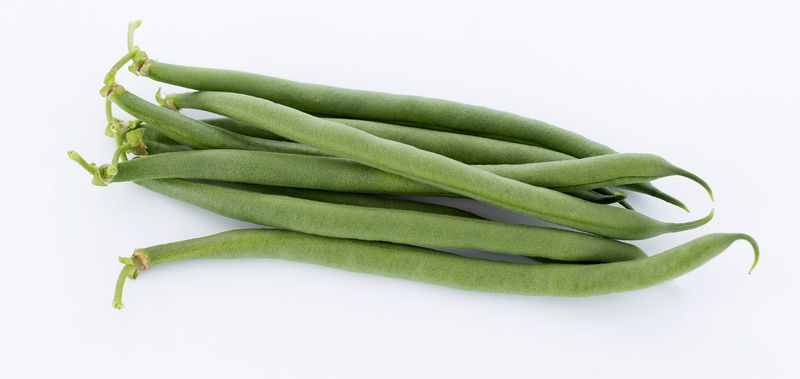
Before assuming the worst, grab a few pods and cut them open. Snap beans are harvested while the seeds are still young and underdeveloped, so a pod that looks slim or slightly flat can be perfectly normal and edible.
UMN Extension’s bean-growing guide explains that snap beans are picked at the immature stage, well before seeds reach full size, so some flatness is expected in a healthy crop.
The sign of actual heat-related poor seed set is something different: you cut open pod after pod from different parts of the plant and find seeds that are absent, shriveled, or barely formed – tiny, pale bumps where plump seeds should be. Research on snap bean seed development helps clarify what normal seed progression looks like at various stages, making it easier to spot the difference between a young-but-healthy pod and one that genuinely failed to set.
Sample several pods from different parts of the plant rather than judging by one or two. A heat diagnosis becomes more convincing when multiple pods across the plant show the same rudimentary or absent seeds, especially when recent days were unusually hot or soil moisture was inconsistent.
One flat pod picked at the right immature stage is not a crop failure.
Check the root zone before you reach for fertilizer
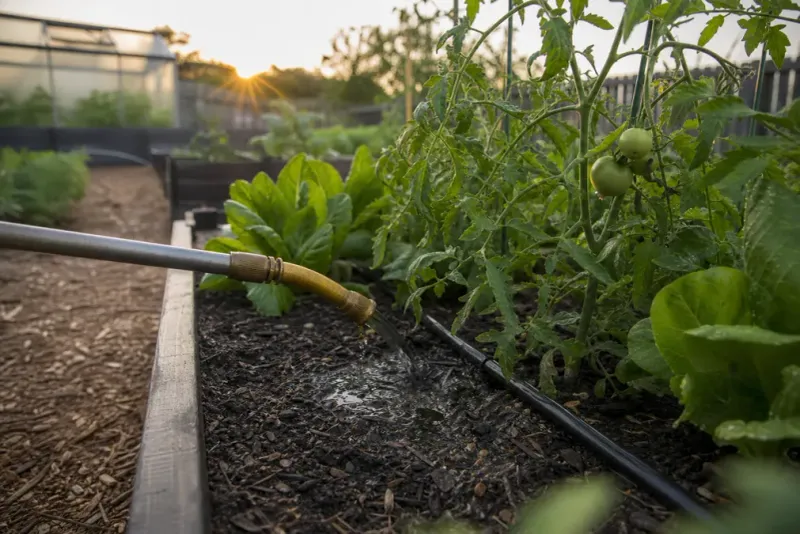
Leaf appearance alone can mislead you. A bean plant can look reasonably green and upright even when the soil a few inches below the surface has dried out between waterings.
Before doing anything else, push a finger or a narrow trowel into the soil beside the root zone and feel whether it is moist, dry, or saturated. USU’s vegetable irrigation guidance for legumes emphasizes keeping soil evenly moist through flowering and pod sizing, because water stress at those stages directly reduces pod set and seed fill.
Repeated shallow waterings that wet only the top inch or two, followed by dry spells, are a common problem. That cycle of drying and rewetting around flowering can increase flower abortion, reduce pod size, and leave seeds underdeveloped.
USU bean research also links inconsistent moisture with misshapen pods and poor seed fill. A drip line or soaker hose laid along the base of the plants delivers water directly to the root zone and keeps moisture steadier than overhead sprinklers.
Mulch over the root zone – straw, shredded leaves, or wood chips – slows evaporation and can help moderate soil temperature during heat spikes. UMN Extension’s heat-garden advice recommends mulching as a practical step to protect root zones during hot weather.
Resist the urge to add fertilizer, especially a high-nitrogen product, as a first response. Oklahoma State Extension vegetable FAQs and UGA’s commercial snap bean production bulletin both note that excessive fertility can push lush vegetative growth and abundant flowering while actually reducing the number of pods that set.
Beans have relatively low nitrogen needs. If you suspect a nutrient problem, a soil test gives you a real answer rather than a guess.
Protect the next flowers while the heat lasts
Damaged flowers and pods from last week’s heat are not going to recover. The practical focus now is protecting the flowers and buds that come after them.
Maintaining steady root-zone moisture is the first priority, because a plant under both heat and drought stress drops flowers at a higher rate than one with an adequate water supply. Even if temperatures stay high, consistent moisture at the roots gives later flowers a better chance.
Mulching the root zone works alongside irrigation. A two-to-three-inch layer of organic mulch reduces how fast the soil surface heats up and dries out, which matters most during the hottest part of the afternoon.
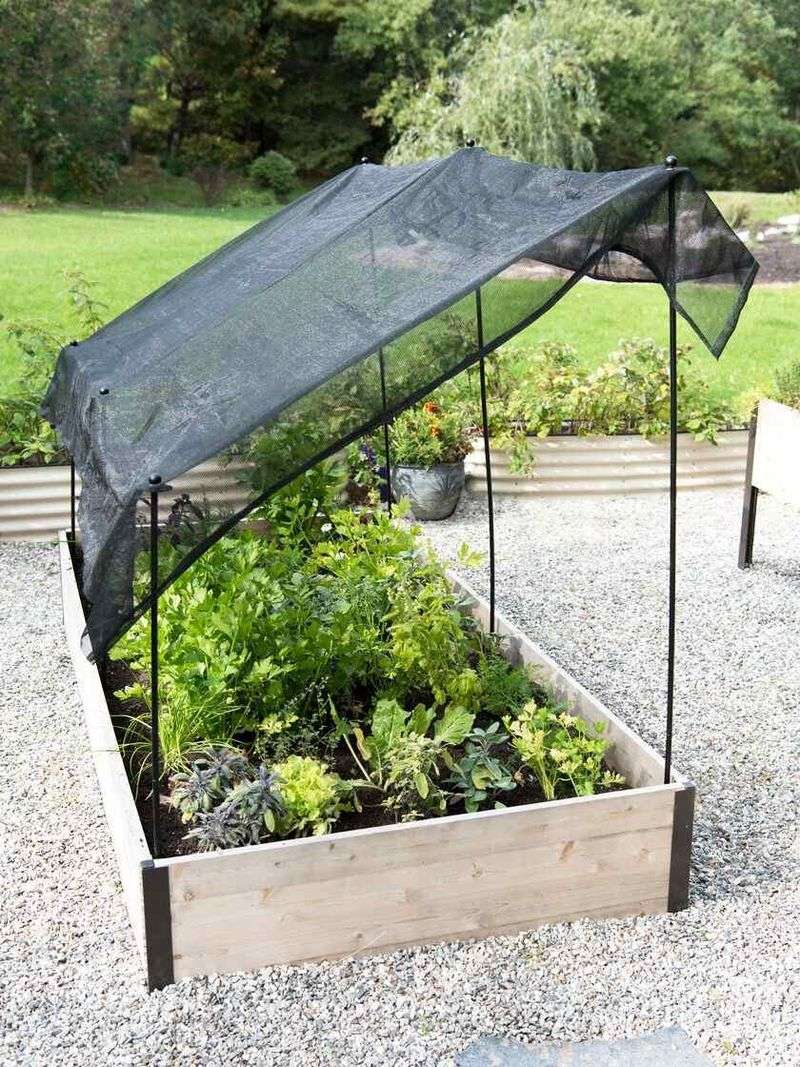
For gardeners who can set up a temporary structure, UMN Extension recommends 30 to 40 percent shade cloth as a short-term option to reduce canopy temperatures during peak heat hours. Lightweight row cover or shade cloth draped over simple hoops or stakes can make a measurable difference in the microclimate around the flowers.
These steps may reduce stress on new reproductive growth, but they are not guaranteed cures. Research on bean reproductive heat injury makes clear that pollen and floral tissue already damaged by heat cannot be restored by later irrigation or shade.
Shade cloth is also a temporary tool, not a substitute for planting at the right time of year or choosing a bean type suited to your season. Once temperatures moderate naturally, later flowers often set better on their own without any shade structure in place.
Harvest regularly once usable pods appear
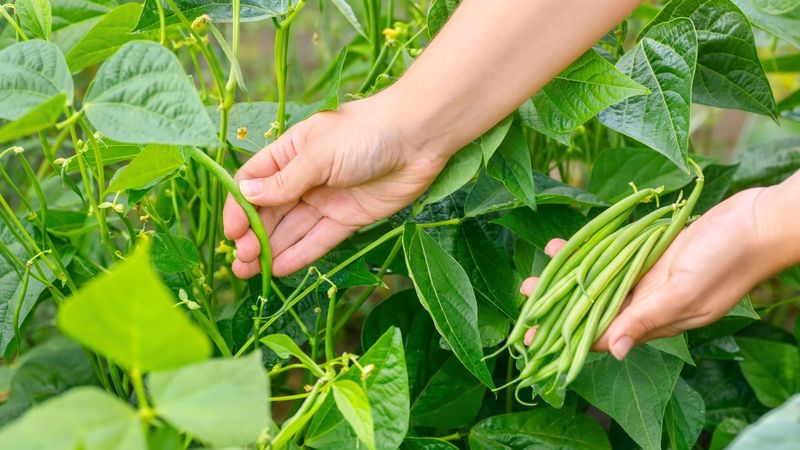
Once you start finding pods with decent seed development, pick them consistently. Regular harvesting helps pole beans keep producing over a longer season.
Leaving mature or overripe pods on the plant signals that the reproductive job is done, which can slow or stop further flowering and pod set. UMN Extension’s bean guide specifically notes that pole beans benefit from regular picking to sustain continued production.
UGA Extension care guidance for vegetables reinforces that leaving pods on the plant past their prime can reduce further yield. For pole beans, the window to benefit from consistent picking is longer because they flower and pod over an extended period.
Bush beans work differently: they concentrate most of their flowering and pod set into a shorter window, so one severe heat event during that window can affect a larger share of the total crop, and harvesting the remaining pods promptly still matters but does not extend the season the same way.
Harvesting is a way to support production that is already happening under better conditions, not a method for recovering from heat injury. The real basis for improved pod set going forward is cooler temperatures, steadier moisture, and protected new reproductive growth – not the act of picking itself.
Pick what is ready, keep the plant clear of overripe pods, and let conditions do the rest of the work.
Look for signs that heat is not the whole diagnosis
Heat is the most likely explanation for the described pattern, but it is not the only one. Before settling on a single cause, spend a few minutes inspecting the plants more closely.
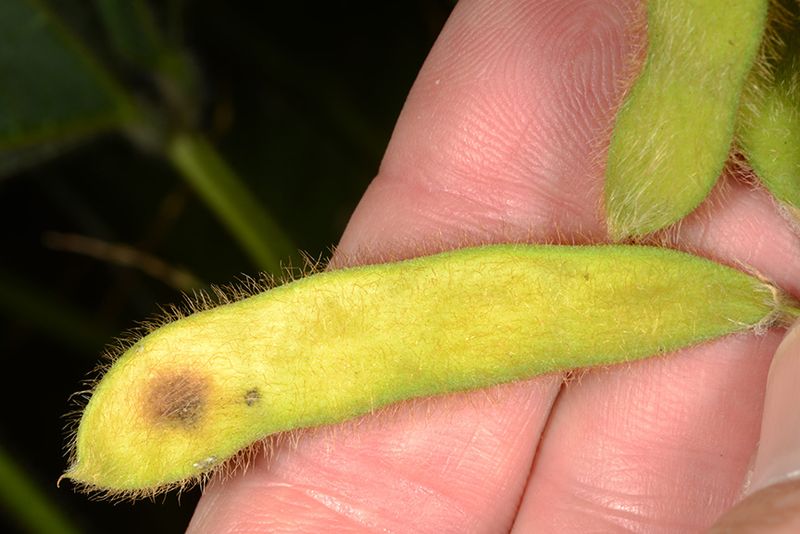
Look at the pods themselves: punctures, small scars, entry holes, or brown discoloration on the pod surface are not heat symptoms. Those marks suggest a feeding insect got there first.
Stink bugs are a common culprit in Southern gardens. They insert their mouthparts directly into developing seeds, causing the seed to shrivel or fail to develop even though the pod looks intact from the outside.
Corn earworms and bean leaf beetles can also damage pods in ways that mimic poor seed set. UGA’s snap bean production bulletin covers these pod-feeding pests in detail, and the UMN snap bean pod damage diagnostic tool can help match what you are seeing to a specific pest.
Also look at the whole plant for lesions, unusual leaf discoloration, mold, or a general decline that spreads from one part of the planting to another – those signs can point to a disease problem rather than heat, and local extension services are the best resource for an accurate diagnosis when disease is suspected.
Excess nitrogen and inconsistent irrigation can also produce or worsen poor pod set, compounding whatever heat damage has already occurred. USU bean research and Oklahoma State vegetable FAQ guidance both list these as contributing factors.
If an insect pest is confirmed and a pesticide becomes necessary, identify the pest first, read the full product label, and follow EPA label-reading guidance. Avoid spraying flowering plants while pollinators are actively foraging, and follow any bloom-time or timing restrictions listed on the label, consistent with EPA pollinator protection recommendations.
When restarting the bean crop makes more sense
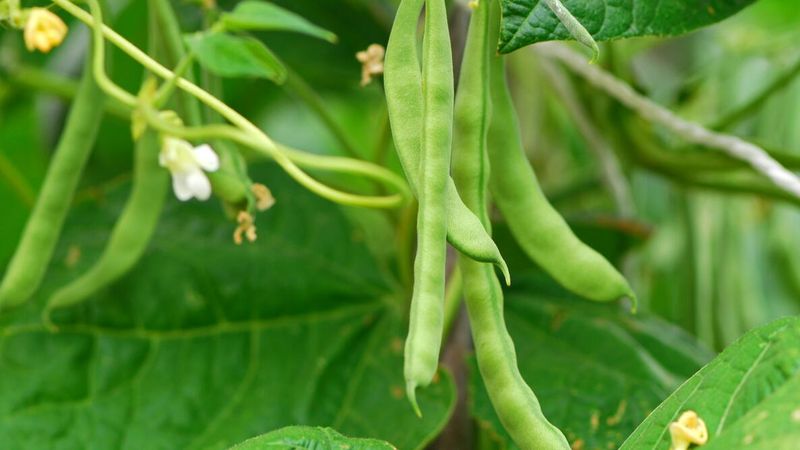
At some point, coaxing a heat-damaged crop through the rest of summer stops being worth the effort. If temperatures are not expected to moderate soon, if the plants have lost most of their flower set, and if pod quality remains poor after a week or two of improved irrigation and mulching, a fresh start may recover more yield than continuing to tend a struggling planting.
Southern gardeners often have a workable fall window for snap beans. Texas A&M AgriLife Extension’s fall vegetable gardening guide lists snap bean planting dates that vary roughly from mid-July through early October depending on the region of Texas – those dates are region-specific examples, not a single statewide schedule.
UF/IFAS Florida vegetable planting guide outlines late-summer and fall windows for bush and pole beans in north, central, and south Florida, with south Florida’s window extending through spring. Bush beans and pole beans can respond differently to a heat event: UMN Extension notes that pole beans may resume setting pods when conditions improve, while bush beans risk losing more of their shorter productive window to a single bad stretch.
The practical checklist before replanting or moving on: verify pod quality by cutting several open, stabilize soil moisture, protect any new reproductive growth from peak heat, and check for pests or disease. A fresh planting timed to cooler fall weather often outperforms a crop that spent its best weeks fighting the heat.