
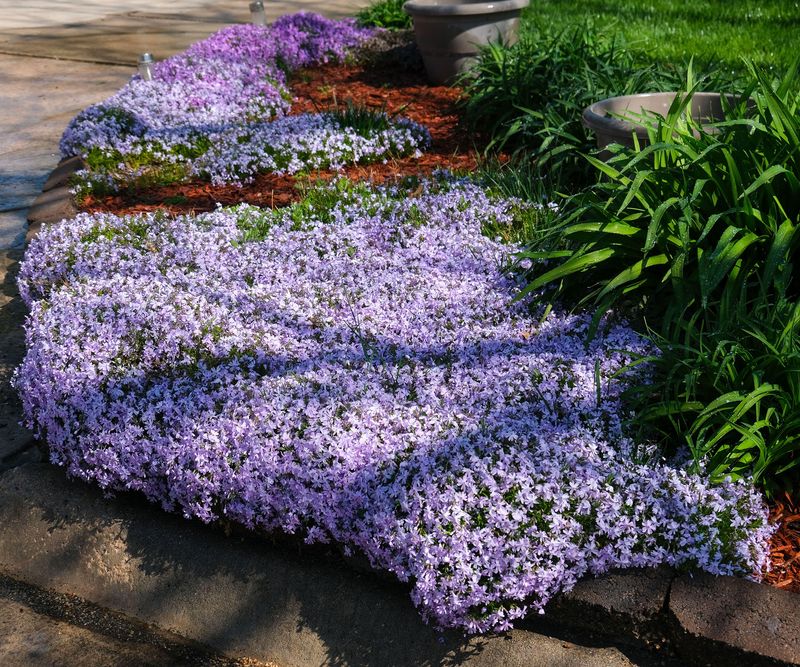
Spring beds often look full, then early summer arrives and suddenly there are empty, sad-looking gaps between your plants. Bare soil not only looks messy, it also invites weeds and lets the ground dry out fast. The good news is that some perennials grow quickly enough to fill those holes in a single season, giving you color and coverage without waiting years. Here are eight dependable growers that can rescue a thin, patchy garden bed before the heat of summer really sets in.
1. Coreopsis (Tickseed)
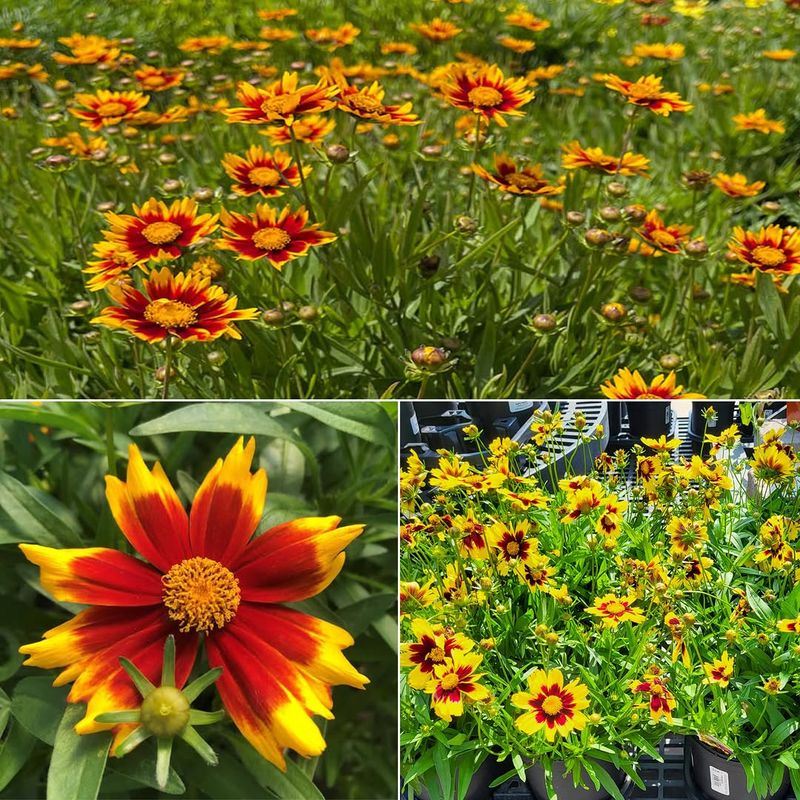
Few plants shrug off neglect quite like coreopsis. If your bed has a sunny hole staring back at you, this cheerful bloomer can carpet it with dozens of daisy-like flowers by midsummer.
Growth is the real selling point here. A small nursery plant tucked in during spring often doubles or triples in width within a few months, spilling gold and yellow across the gap. It tolerates poor, dry soil that would sulk other perennials, so a struggling patch of ground usually turns around fast once coreopsis settles in.
Deadheading, which just means snipping off spent blooms, can keep the color coming right up until frost. Bees and small butterflies tend to find it quickly, adding movement to what was once empty dirt.
One caution worth mentioning: it loves sun, so a shady spot may leave it leggy and thin. Give it at least six hours of direct light and average watering, and it rarely disappoints.
Did you know the name tickseed comes from the seeds, which look a little like tiny insects? Harmless, and a fun bit of trivia for the curious gardener.
2. Catmint (Nepeta)
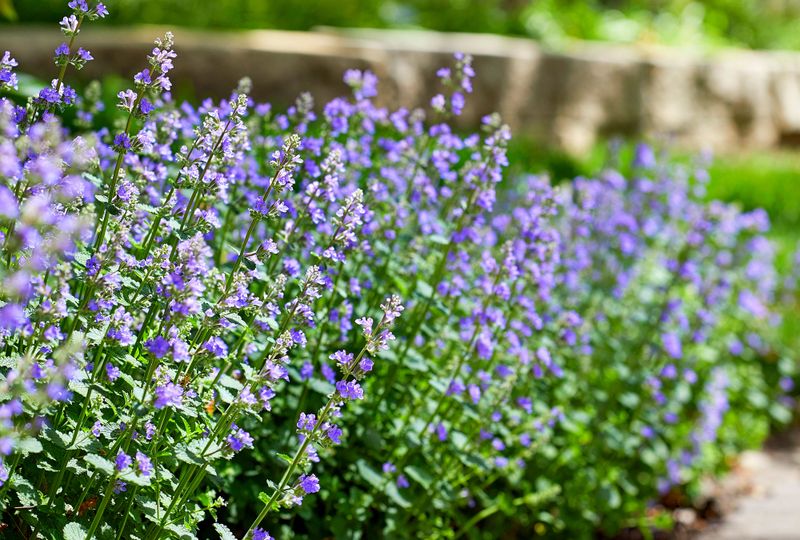
Picture a soft, blue-purple cloud rolling across your bed, and you have catmint. When early summer leaves you with awkward bare patches, this workhorse can smother them in a haze of tiny flowers and gray-green leaves.
Speed and spread make it a favorite for filling space. A single spring plant often mounds out to two feet wide by summer, knitting itself into neighboring plants and hiding the soil beneath. It shrugs off heat and dry spells with barely a complaint.
Here is a helpful trick: after the first flush of bloom fades, shear the whole plant back by about a third. That may encourage a second wave of flowers and keep it looking tidy instead of floppy.
Deer and rabbits usually walk right past catmint because of its scent, which can be a real relief in yards where wildlife pressure runs high. Pollinators, on the other hand, swarm it happily.
Not to be confused with catnip, though they are cousins. Your cat may show mild interest, but most ornamental catmints keep the drama to a minimum.
3. Black-Eyed Susan (Rudbeckia)
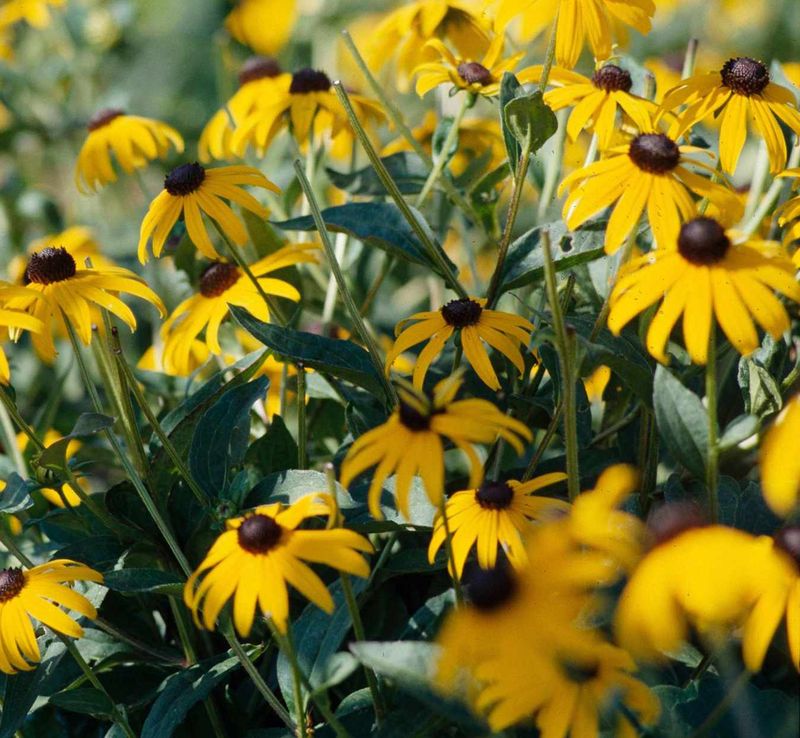
Golden petals circling a dark chocolate center, standing tall against a summer sky. Black-eyed Susan brings that classic look, and it fills gaps with impressive speed for a plant so tough.
Plant a few in spring and they often bulk up quickly, sending out clumps of upright stems that shade the ground and crowd out weeds. They handle clay, heat, and the occasional missed watering better than most, which makes them a smart pick for a bed that has been struggling.
Blooms usually start in mid to late summer and can carry on for weeks, so a bare patch turns into a long-running show. Cutting a few for a vase only encourages more flowers back in the garden.
Butterflies and bees love the wide, flat blooms, and birds may visit the seed heads later in the season if you leave them standing.
Worth knowing: many varieties reseed themselves gently, so next year you might find happy volunteers filling even more empty spots. Thin them out if they get too enthusiastic and share extras with a neighbor.
4. Daylily (Hemerocallis)
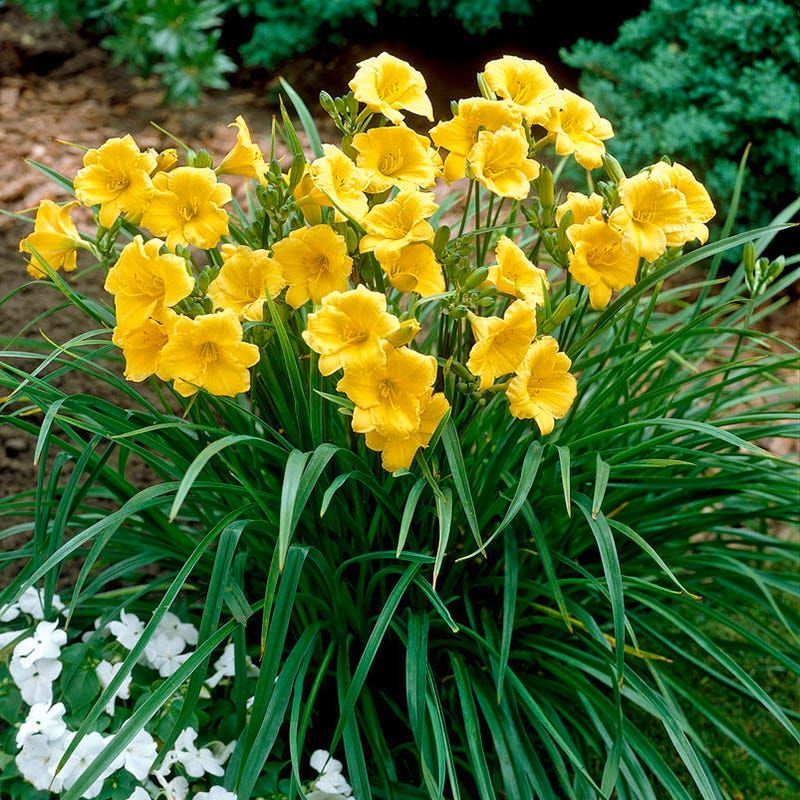
Nicknamed the perfect plant for busy people, the daylily earns its reputation by growing thick and full without asking much in return. When a bed looks patchy by June, a few daylilies can plug the holes with lush, arching foliage almost overnight.
The leaves alone do a lot of work, forming dense fountains that cover soil and block weeds even between bloom cycles. Then the flowers arrive, each one lasting a single day but replaced by another the next morning, which is where the name comes from.
Adaptability is what makes them so useful for a gap. They handle sun or part shade, sandy or heavy soil, and dry weeks without collapsing. Established clumps can be dug and split, giving you free plants to fill even more bare ground.
Reblooming types like Stella de Oro keep flowering for months, stretching the color well past a single flush.
Snip off finished flower stalks to keep things looking neat. Beyond that, daylilies mostly want to be left alone, which suits a gardener who just wants the bare spots gone.
5. Salvia (Perennial Sage)
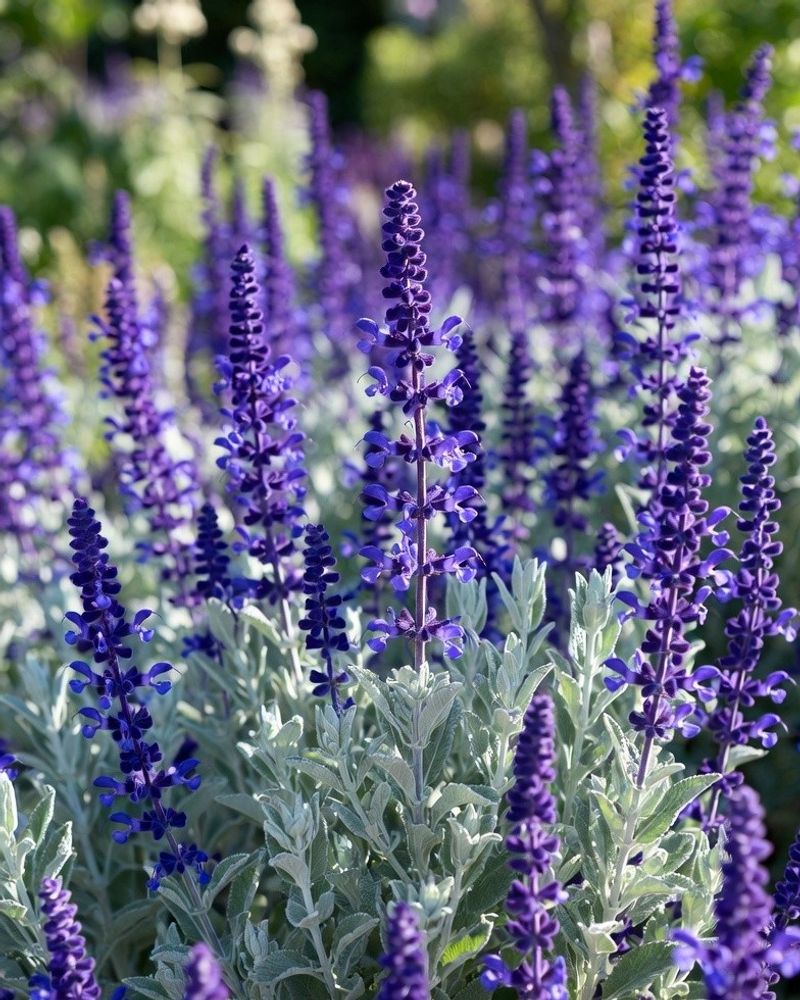
Spikes of deep violet-blue rising like little candles, that is the signature of perennial salvia, and it can transform a thin bed into something structured in a matter of weeks.
What sets salvia apart is its upright habit paired with quick fill-in growth. A spring plant sends up numerous flower spikes that add height and vertical interest, covering gaps that low, spreading perennials might leave looking flat. The bloom season is generous too.
After the first bloom fades, cutting the spent spikes back can trigger repeat flushes into fall. That means a rescued gap stays colorful rather than fizzling out in July.
Drought tolerance is another bonus. Once roots are established, salvia handles hot, dry stretches without wilting dramatically, so it fits well in beds that bake in afternoon sun.
Bees and hummingbirds are drawn to the tubular flowers, turning your patched-up spot into a busy little feeding station. Deer, meanwhile, tend to leave the aromatic leaves alone, which may spare you some frustration.
Pair it with mounding plants like catmint or coreopsis for a mix of shapes that hides bare soil from every angle.
6. Hardy Geranium (Cranesbill)
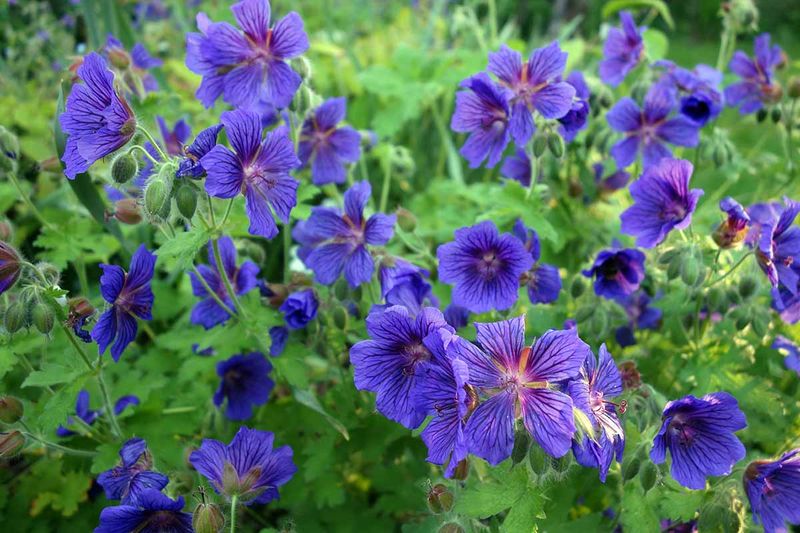
Do not confuse this with the potted geraniums at the garden center; hardy geranium, or cranesbill, is a low, spreading perennial that acts almost like a living mulch over empty ground.
Its magic is the way it weaves. Stems sprawl outward and mingle with whatever is nearby, filling the awkward space between larger plants where soil usually shows through. Small saucer-shaped flowers in pink, purple, or blue scatter across the mounds for weeks.
Because it forms such a dense mat of foliage, weeds struggle to find a foothold underneath, which saves you time on your knees pulling them. Many varieties thrive in part shade, making them one of the better choices for gaps under trees or on the shady side of a bed.
A midsummer haircut can refresh tired growth and often brings a second round of blooms. Beyond that, cranesbill is famously low-maintenance.
The odd name comes from the seed pods, which are shaped a bit like a crane’s long beak. A charming detail for a plant that quietly does one of the toughest jobs in the garden: covering ground fast.
7. Yarrow (Achillea)
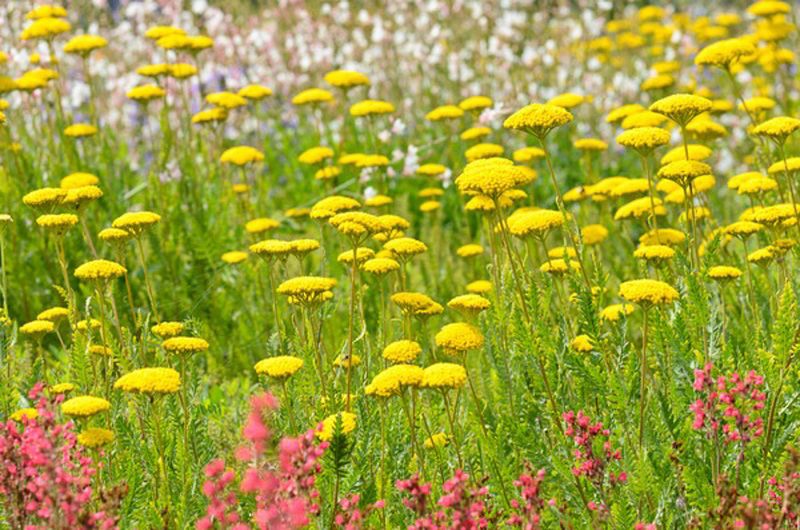
Flat-topped flower clusters hovering above feathery, ferny leaves give yarrow a soft, meadow-like charm, and it happens to be one of the fastest gap-fillers for hot, dry spots.
Toughness defines this plant. Yarrow thrives in poor, sandy soil where fussier perennials sulk, and it spreads readily through the season to blanket bare patches. Colors range from creamy white to gold, coral, and deep red, so you can match nearly any color scheme.
Because it drinks so little, yarrow suits the kind of neglected corner that always seems to dry out first. Overwatering actually causes more problems than drought, which makes it refreshingly forgiving for a rescue project.
Cut flowers dry beautifully and hold their color, so a filled gap can double as a source for indoor arrangements. Pollinators of all sizes crowd the broad blooms.
A quick note on manners: some types spread enthusiastically by underground runners, so give it room or plan to divide clumps every couple of years. Deer usually pass it by thanks to the strong scent of the foliage.
Legend says ancient soldiers used yarrow to treat wounds, which is how it earned the nickname soldier’s woundwort.
8. Coneflower (Echinacea)
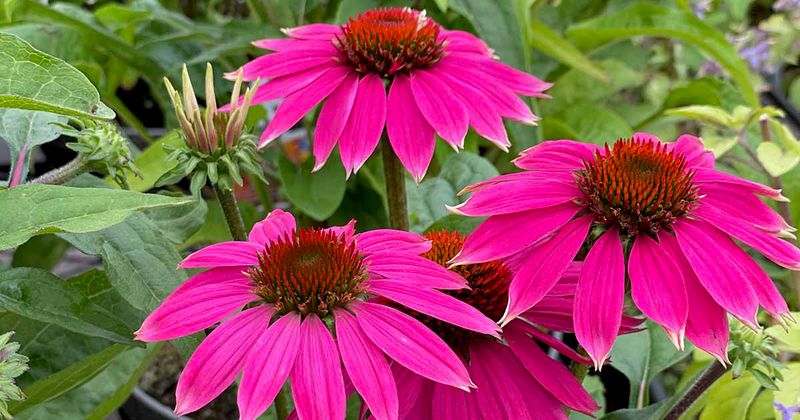
Sturdy, drought-proof, and buzzing with life, the coneflower is the kind of plant that makes a bare bed look intentional rather than neglected within a single growing season.
Plants bulk up quickly from a spring start, forming solid clumps of leafy stems topped with those unmistakable daisy blooms and raised, spiky centers. Purple is the classic shade, but breeders have added orange, red, white, and yellow to the lineup.
Heat and dry soil barely faze an established coneflower, which is exactly what you want in a gap that tends to struggle by midsummer. The strong stems stand up well to wind and rain, so the coverage stays upright instead of flopping onto the ground.
Leave the seed heads standing into fall and winter, and finches may visit to snack on the seeds, adding a little wildlife interest after the flowers fade.
Pollinators adore the blooms all summer, turning a formerly empty spot into a hub of activity. Space several together for the fastest, fullest coverage.
Echinacea has long been popular in herbal teas, though for the garden its real gift is dependable, no-drama filling power.