
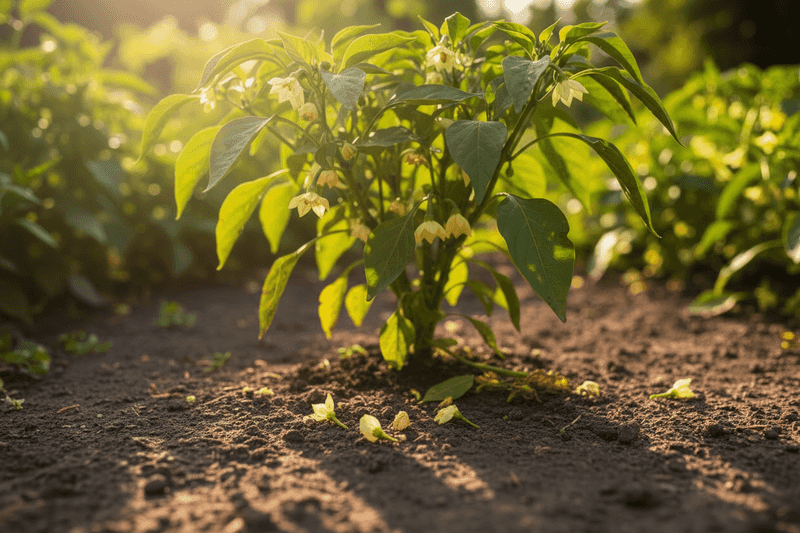
Watching your bell pepper flowers fall off during an August heat wave is one of the more discouraging sights in a Central Texas garden. You water, you wait, and still the blooms drop before they ever have a chance to set fruit. The good news is that there is a clear pattern to look for, and once you understand what is happening to your plants, you can make practical decisions about protecting them now and planning for a better fall crop.
Persistent hot nights provide a useful warning sign
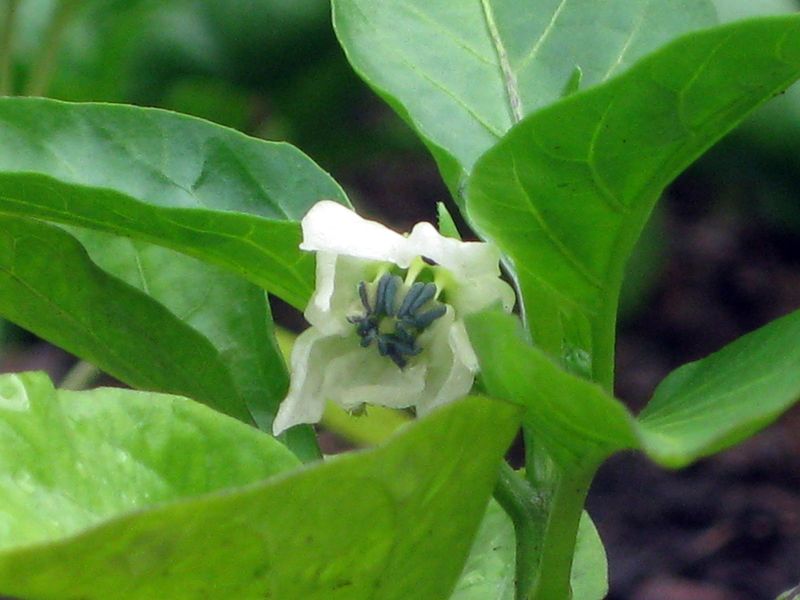
Gardeners who track their overnight lows through August often notice something telling: the nights when temperatures stay stubbornly warm tend to match up closely with the mornings when flowers start appearing on the ground. Texas A&M AgriLife Extension guidance for Texas gardeners identifies nighttime temperatures above 75 degrees F as a warning sign for pepper blossom drop, particularly when daytime highs are also climbing well above 90 degrees F. That pairing of hot days and warm nights is a useful diagnostic clue, not a guaranteed explanation for every plant in every yard.
The 75 degree figure is a practical rule of thumb drawn from extension research, not a universal biological switch. University of Maryland Extension similarly points to nights above 75 degrees F combined with days above 95 degrees F as conditions that commonly cause pepper flowers and small fruits to drop. Oklahoma State University pepper production guidance and the UC IPM program each cite somewhat different temperature ranges depending on cultivar, duration, and whether the concern is pollen viability, flower retention, or overall fruit set. Different bell pepper varieties tolerate heat differently, and exposure time matters as much as the number itself.
The practical step is to measure overnight temperatures as close to plant height as you can, using a min-max thermometer placed near the garden rather than relying on a weather app reading from across town. If your lows are consistently staying above 75 degrees F and your days are in triple digits, heat is a reasonable leading suspect. That is not the same as a confirmed diagnosis, though. Compare the temperature pattern with what you are seeing on the plant itself, and keep an open mind about other contributing factors before settling on one explanation.
Heat can damage pollen and interrupt fruit set
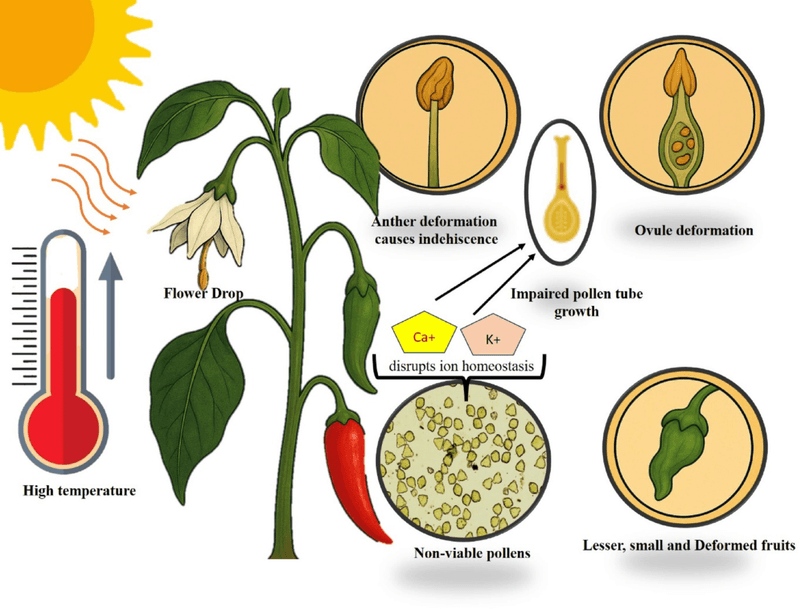
A pepper flower that opens and drops without setting fruit is not simply a flower that went unvisited by a bee. Bell peppers are largely self-pollinating, so the more common August problem is not a lack of pollinators but rather what happens to the pollen itself under sustained heat. Research on pollen function in bell pepper found that elevated temperature can reduce pollen germination and impair the fertilization process even when flowers are opening on schedule. A study on pollen enzyme activity in bell pepper showed that heat stress affects the biochemical function of pollen grains, which matters because germination requires that chemistry to work correctly.
Research by Erickson and Markhart on bell pepper under elevated temperature and vapor-pressure deficit found that flower production, fruit set, and overall plant physiology were all affected by high day and night temperature combinations. The interaction between daytime heat and nighttime heat compounds the problem: a plant that gets no relief from warmth overnight has less capacity to recover from afternoon stress before the next flower-opening cycle begins. Earlier controlled experiments on sweet pepper found that the highest tested nighttime temperature produced considerable blossom drop, reinforcing the pattern that warm nights are a real risk factor rather than an incidental detail.
One implication of this is worth stating plainly: moving pollen around by hand cannot restore pollen that has already been damaged or rendered non-viable by heat. Hand-pollination can be useful in controlled breeding situations, but it is not a meaningful fix for August blossom drop in a backyard Central Texas garden. The underlying problem is pollen function, and that depends on temperature conditions the gardener cannot reverse after the fact. Keeping plants cool enough to produce healthy pollen in the first place is the more productive goal.
Compare heat timing with the plant’s other symptoms
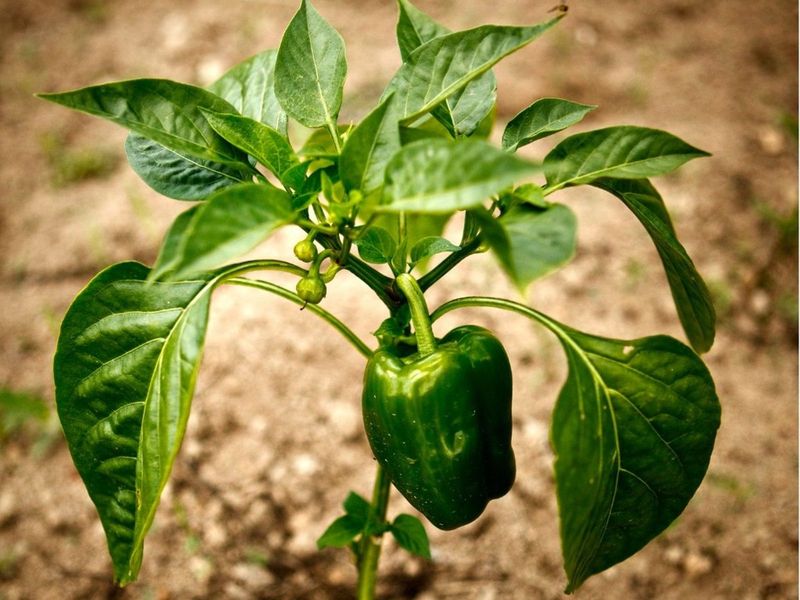
Before blaming heat for every dropped flower, it pays to slow down and look at what the plant is actually telling you. Heat is a reasonable first suspect when overnight lows have been persistently above 75 degrees F, daytime temperatures are in the triple digits, and flower drop is widespread across the plant without other obvious signs of damage. University of Maryland Extension’s guide to poor blossom and fruit set lists several competing causes worth ruling out, including drought stress, waterlogged soil, excessive nitrogen, too much shade, disease, insects, and heavy fruit load already on the plant.
Soil moisture deserves particular attention. A plant that swings between dry and saturated from inconsistent watering is under a different kind of stress than one getting steady deep irrigation, and the symptoms can look similar at first glance. University of Minnesota Extension’s pepper growing guide notes that drought stress and other environmental problems can contribute to poor fruit set alongside temperature concerns. Hot, dry wind also desiccates flowers and speeds moisture loss from the soil, adding another layer of stress that is distinct from nighttime temperature alone.
Cool nights cause a different problem than hot nights, and knowing the difference matters. The UC IPM pollination guide explains that nights below roughly 58 to 60 degrees F can also impair normal pollination, but the result tends to be malformed, flattened, short, or seedless fruit rather than the outright flower drop seen during August heat. Research on night temperature and cell development in bell pepper ovaries and studies on flower morphology and fruit shape both document how cool-temperature effects differ from heat stress in their visible outcomes. If you are seeing oddly shaped fruit rather than dropped flowers, cool nights earlier in the season may be the more relevant history.
Two other conditions are worth separating from blossom drop entirely. Blossom-end rot shows up as a tan, sunken, leathery spot at the bottom of a developing fruit, not as a dropped flower. The University of Minnesota pepper fruit diagnostic guide distinguishes blossom-end rot from other fruit problems clearly. Sunscald affects exposed fruit tissue on peppers that have lost leaf cover, leaving pale or white patches on the side facing the sun.
Neither condition means the flower failed to set; they are fruit-stage problems, not flower-stage failures.
Stabilize moisture and reduce the afternoon heat load
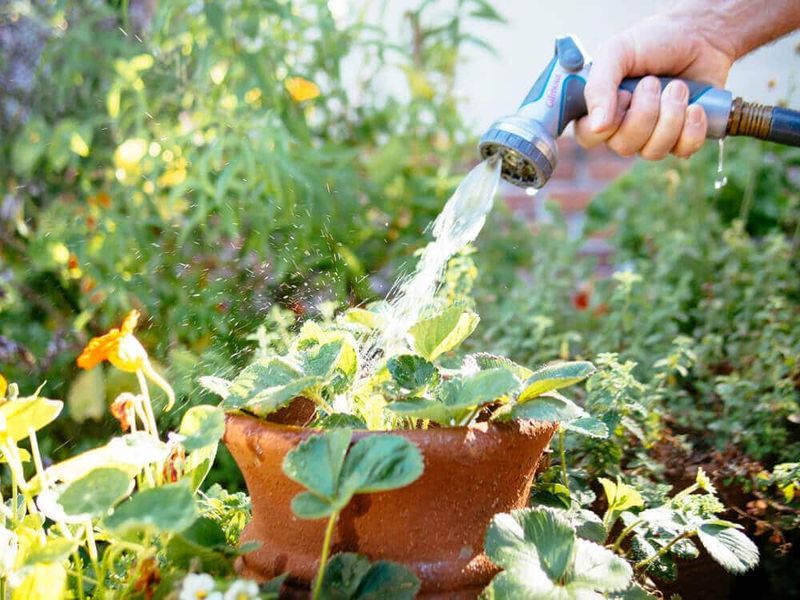
Keeping roots consistently moist is one of the most concrete things you can do for a pepper plant that is struggling through August. Shallow, frequent watering that wets only the top inch or two of soil tends to encourage shallow roots and leaves plants more vulnerable to heat and dry spells between cycles. University of Minnesota Extension’s vegetable irrigation guidance recommends deep, consistent root-zone watering rather than frequent light cycles, allowing moisture to reach the deeper root zone where it is more buffered from surface heat. Watering in the early morning gives the soil time to absorb moisture before peak afternoon temperatures arrive.
Mulch does two jobs at once in a hot Central Texas bed: it slows evaporation from the soil surface and moderates the temperature swings that roots experience through the day. A layer of three to four inches of organic mulch around the base of each plant, kept back slightly from the stem, can make a measurable difference in how steady the root environment feels. University of Minnesota Extension’s pepper growing guide also supports mulching as a way to reduce moisture stress during heat events.
Temporary afternoon shade is a defensible intervention during the worst of August. Texas A&M AgriLife’s fall vegetable gardening guide recommends providing shade after 3 p.m. when establishing fall transplants, and University of Minnesota Extension’s heat-management guidance suggests temporary 30 to 40 percent shade cloth during peak heat periods. Shade reduces the heat load on leaves, stems, and developing flowers, which can lower the temperature stress the plant is managing during the hottest hours. That said, shade cloth alone cannot override persistent hot nights or guarantee that flowers will hold and set fruit.
Think of it as reducing one source of stress, not eliminating the problem entirely.
One cover to avoid entirely: sealed plastic sheeting or row covers left closed during triple-digit weather. Texas A&M’s vegetable growers handbook guidance on cultural practices warns that heat can build to dangerous levels under covers, and recommends ventilation or removal when temperatures climb. A plastic tent that traps heat around already-stressed plants can do more harm in an afternoon than a week of steady irrigation can undo.
Plan a fall crop around moderation and frost
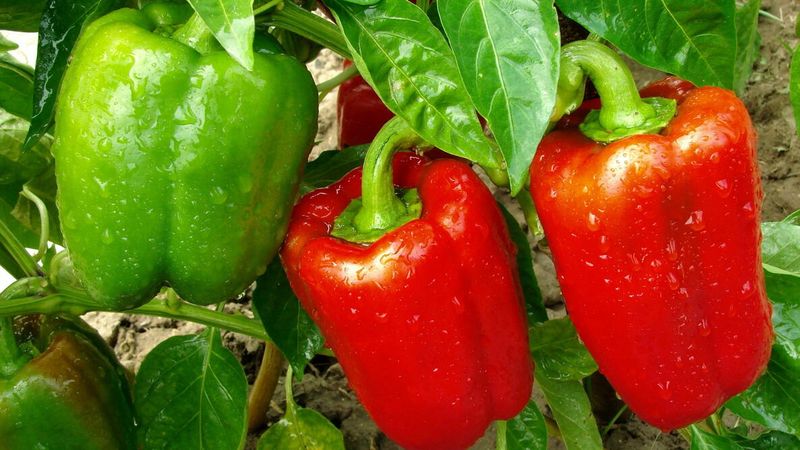
Central Texas peppers can absolutely produce a fall crop, but the timing requires honest accounting. Flowers that open while nights are still running above 75 degrees F and days are above 95 degrees F may continue to drop regardless of other care, because the underlying temperature conditions are still working against pollen function and fruit retention. Fruit set typically improves after a sustained period of moderated temperatures, not after a single cooler night. One night dipping below 75 degrees F does not reset the plant’s reproductive capacity; improvement generally follows a stretch of consistently more favorable conditions.
Texas A&M AgriLife’s fall vegetable gardening guide lists peppers as a fall crop and emphasizes using large transplants rather than starting from seed in late summer. Transplants that are already well-established have a head start on root development and are more likely to begin setting fruit quickly once temperatures moderate. Starting from seed during August adds weeks of vulnerability at a time when conditions are already working against the plants. Texas A&M’s Easy Gardening guide on peppers reinforces the transplant recommendation and provides variety and care guidance relevant to Texas conditions.
Frost susceptibility makes timing the critical constraint for a fall harvest. Peppers cannot tolerate frost, and Central Texas first-freeze dates vary enough by location that a statewide planting date is not reliable guidance. The Texas A&M AgriLife Extension September gardening checklist for Austin and Central Texas provides region-specific timing that accounts for local frost windows. The practical method is to count backward from your expected first freeze date, add the days to maturity listed on the transplant tag, and confirm that the planting window still gives the fruit enough time to develop.
Steady water during establishment and afternoon shade in the first week or two after transplanting help new plants root in quickly, which matters when the fall growing window is measured in weeks rather than months.
Skip remedies that can worsen the problem
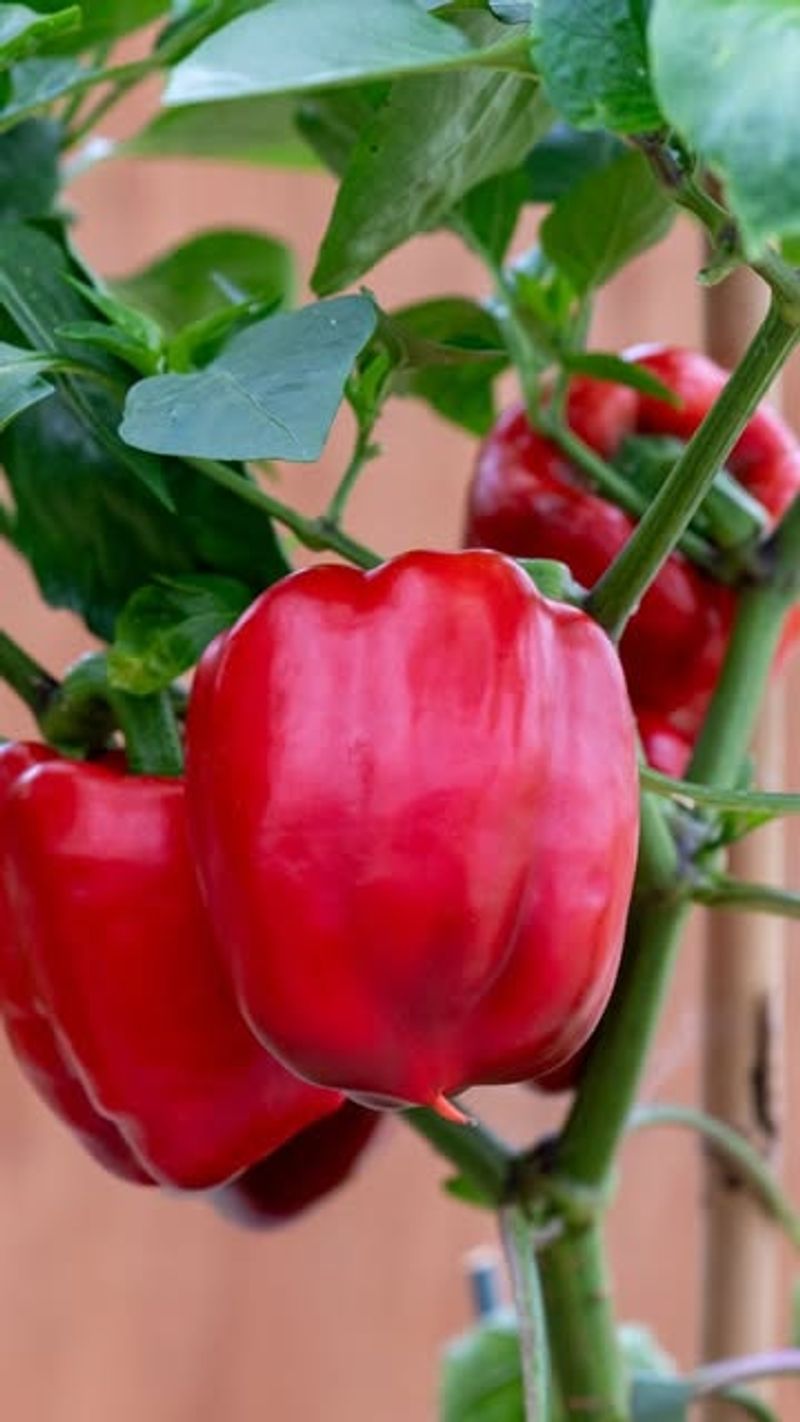
Peppers handle their own pollination most of the time. Texas A&M AgriLife Extension notes that peppers are approximately 85 percent self-pollinated and do not require bees or other pollinators to set fruit under normal conditions. That means hand-pollinating flowers during an August heat wave is not a meaningful response to widespread blossom drop. If heat has already compromised pollen viability, physically moving that pollen from one flower to another does not restore its function.
The effort is not harmful, but it addresses the wrong problem and can give a false sense of action while the real issue, sustained heat, continues unchecked.
Heavy fertilizer applications, especially high-nitrogen products, are another common impulse that tends to backfire on stressed plants. University of Maryland Extension identifies excessive nitrogen as one possible contributor to poor blossom and fruit set, because it pushes the plant toward lush vegetative growth at the expense of flowering. University of Minnesota Extension warns that overfertilizing stressed plants can cause salt injury and compound existing problems rather than solving them. If your plants are dropping flowers in August heat, the answer is not more fertilizer.
Wetting leaves from overhead during the hottest part of the day is sometimes suggested as a way to cool plants, but the benefit is short-lived and the risk is real. University of Minnesota Extension’s pepper guidance notes that keeping foliage wet can increase disease pressure, which adds a different kind of stress to plants already working hard to survive. Deep root-zone irrigation, mulch, and temporary afternoon shade address the heat load more safely and with longer-lasting effect. And as noted earlier, Texas A&M’s cultural practices guidance is clear that sealed plastic covers during hot weather can raise temperatures to plant-damaging levels.
Ventilate or remove any covers before triple-digit afternoons arrive.
Use the next stretch of weather as your test
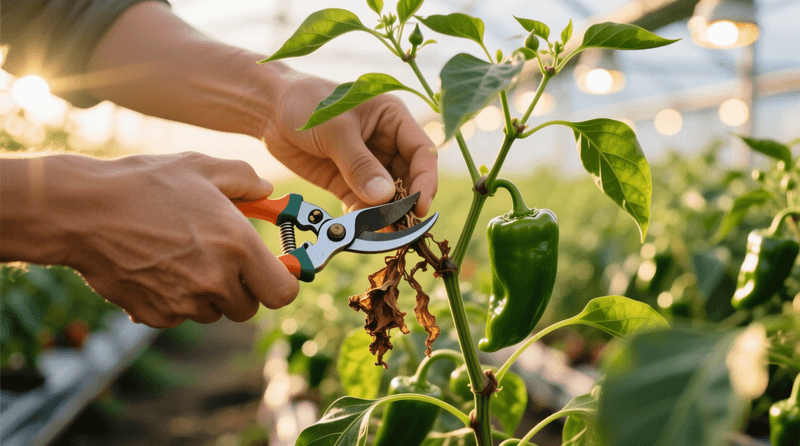
Repeated nights near or above 75 degrees F paired with extreme daytime heat make heat a plausible explanation for your blossom drop, but plausible is not the same as certain. The most useful thing you can do right now is place a min-max thermometer at plant height and start logging overnight lows alongside what you observe on the plant each morning. Texas A&M AgriLife Extension guidance supports using that temperature pattern as a diagnostic tool rather than assuming one reading tells the whole story.
While you monitor, keep root-zone moisture even, maintain any temporary afternoon shade you have in place, and hold off on aggressive fixes like heavy fertilizer or plastic covers. Follow your county-specific fall planting calendar and have transplants ready to go in as conditions begin to moderate. Texas A&M AgriLife’s fall gardening guide gives you the regional framework for timing that next planting correctly.
Judge the plant’s response after temperatures have moderated for a sustained stretch, not after a single cooler night. A pepper that has endured weeks of heat stress needs time to recover and produce viable pollen again before new flowers can hold. The gardeners who come out of August with a fall set are usually the ones who stayed patient, kept the roots steady, and planted on time rather than chasing a quick fix during the worst of the heat.