
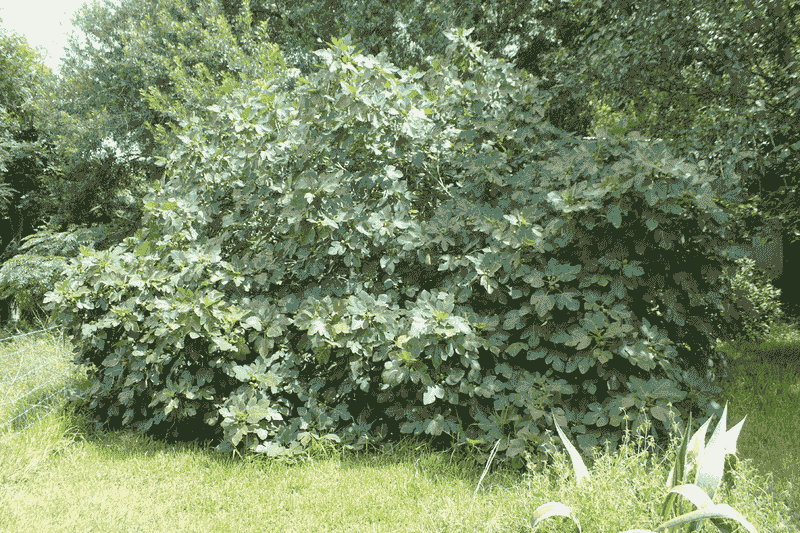
Walking out to your fig tree on a scorching August morning and finding a ring of small, hard, green figs on the ground is one of the more discouraging sights in a Texas backyard garden. Fig trees are a beloved Central Texas crop, and losing fruit before it ripens feels like the whole season slipping away. Dry or inconsistent soil moisture is a common reason this happens during hot, dry spells, but it is not the only one, and the fix is not always as simple as turning on the hose. Knowing what to look for before you water, and recognizing when watering is not the answer, can protect the fruit still on the tree and help you understand what went wrong.
August heat can expose a moisture problem—but it does not prove one
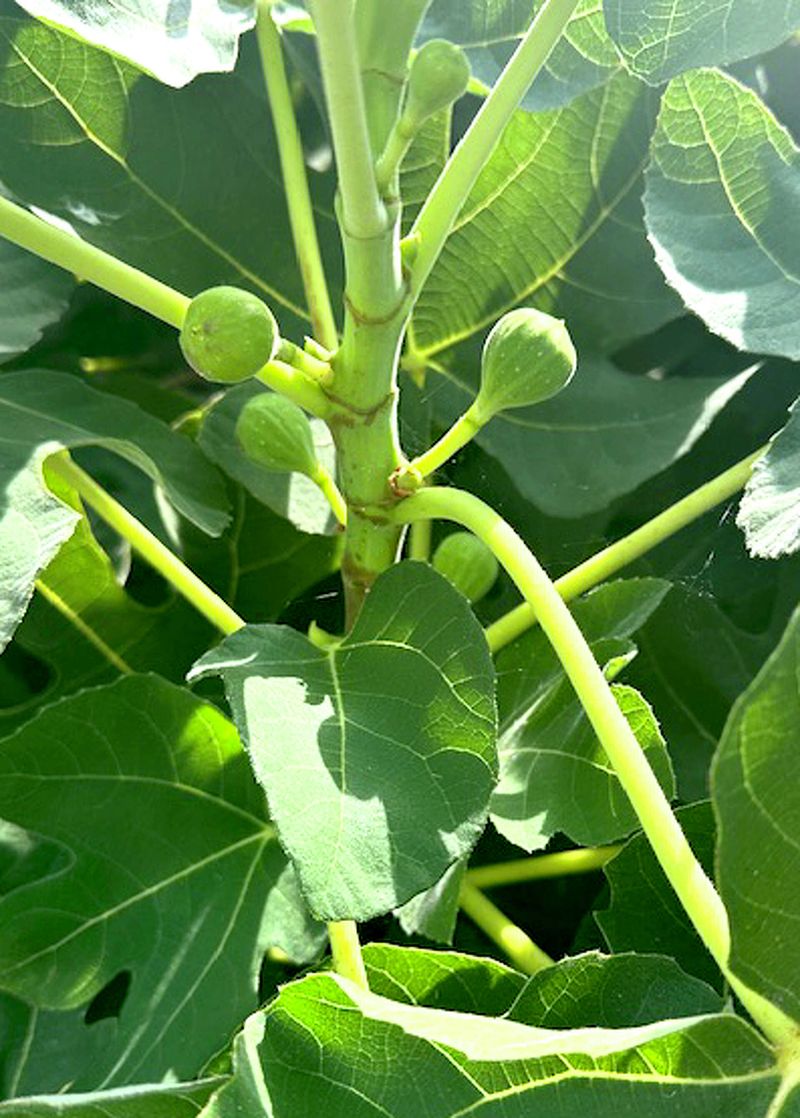
Small, rock-hard figs scattered on the ground beneath a heavily loaded tree are alarming, especially when the temperature has been pushing triple digits for days. Hot, dry weather increases a fig tree’s water demand, and when the root zone cannot keep up, the tree may shed developing fruit to protect itself. The Texas A&M Plant Disease Handbook identifies premature fruit drop as a recognized physiological problem in Texas figs, noting that seedless common figs are particularly prone to drop under adverse growing conditions.
Inadequate soil moisture is one of those adverse conditions. Mississippi State Extension specifically lists inadequate soil moisture as a documented contributor to immature fruit drop in figs during the growing season. That said, August heat by itself does not confirm that moisture is the culprit. Heat can raise water demand and expose an existing irrigation gap, but it can also act in combination with wind, root damage, cultivar behavior, poor drainage, or disease to produce the same symptom.
North Carolina State Extension’s diagnostic tables list drought, heat, and cold as separate environmental causes of fig fruit drop, a reminder that the symptom alone does not point to a single fix. Overwatering and poor drainage can mimic drought stress in ways that are easy to confuse without checking the soil directly.
One more thing worth accepting before reaching for the hose: figs that have already dropped will not reattach or resume ripening. UC IPM’s fig drop resource confirms that once fruit aborts and falls, it is gone for the season. The realistic goal at this point is to stabilize conditions and protect the fruit that is still on the tree, not to recover what has already been lost.
Check the soil before you reach for the hose
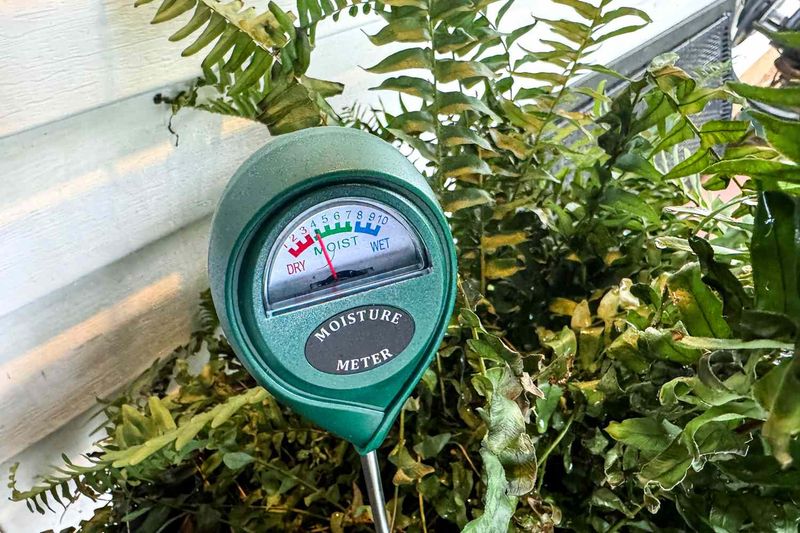
Before adding a single drop of water, spend two minutes checking what is actually happening several inches below the soil surface. The symptoms of dry roots and waterlogged roots can look remarkably similar from above, and watering a tree whose root zone is already saturated can make things significantly worse. Making soil moisture the decision point, rather than the calendar or the temperature reading, is the single most practical shift a Central Texas fig grower can make in August.
The method is straightforward. Use a wooden dowel, a long screwdriver, a soil probe, or your finger to push several inches into the soil beneath the canopy, away from the trunk. If the tool meets resistance and comes back dry, the root zone is short on moisture. Texas A&M AgriLife Extension recommends checking soil and wetting it to at least 6 inches, with sandy soils typically needing more frequent attention than heavier clay soils.
If the probe slides in easily and comes back cool and dark, the soil has adequate moisture or may already be too wet.
University of Minnesota Extension guidance on established trees suggests watering when the upper 6 to 9 inches of root-zone soil are dry, a benchmark that translates well to fig care in most Central Texas soils. The key word is “dry” – not just warm or slightly firm on top.
Not all fig trees have the same monitoring needs. Young trees planted within the last one to two seasons, container-grown figs, trees in sandy or rocky soils, and root-restricted specimens all dry out faster than a well-established in-ground tree in average loam. UC IPM notes that young fig trees may need more frequent irrigation in hot weather, while sandy soils lose moisture much faster than heavier soils. Check these higher-risk trees more often during an August dry stretch, but still check rather than assume.
If the soil is already wet or soggy several inches down, stop, step back, and look at drainage instead. Adding water to a saturated root zone will not help the tree and may accelerate root problems that are already underway.
A dry root zone needs slow, thorough watering—not a flood
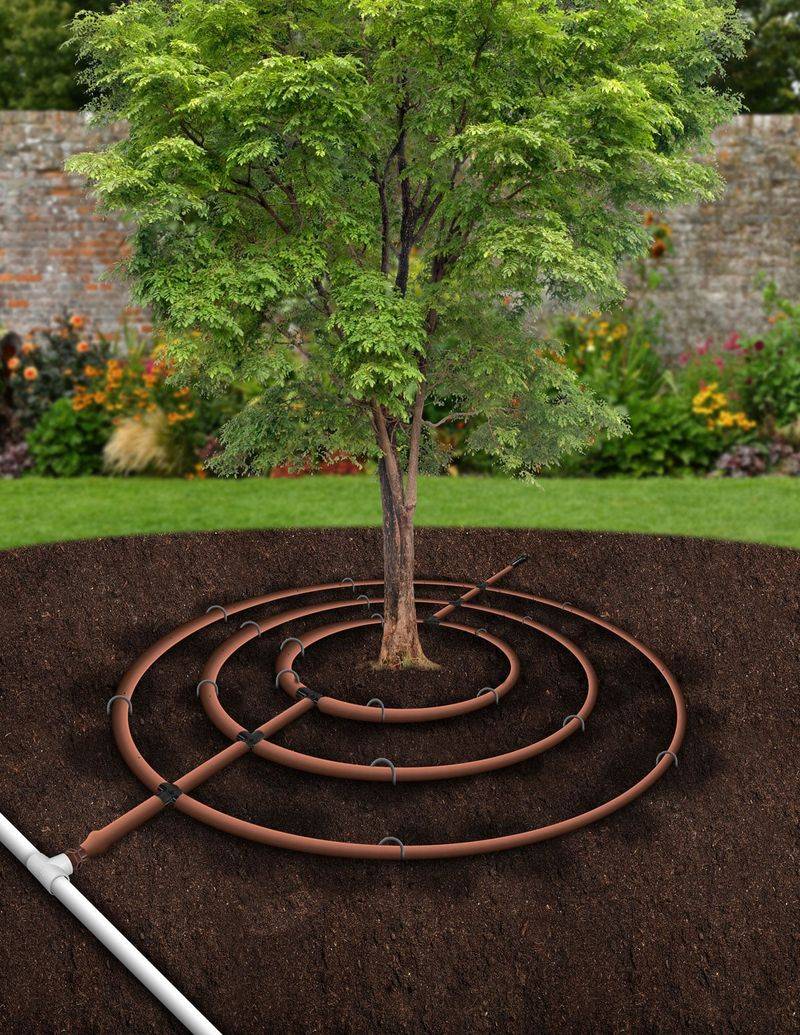
Confirmed dry soil several inches down means the tree needs water, but the way that water is delivered matters as much as the amount. Slow, deep, and wide is the right approach. The goal is to wet the entire root zone and drip line thoroughly, giving water time to move downward into the soil rather than running off the surface or pooling at the trunk.
Drip irrigation, a soaker hose laid in a ring or spiral beneath the canopy, or a garden hose set to a slow trickle and moved around the root zone are all reasonable methods. UC IPM specifically recommends drip or soaker-hose irrigation for figs and cautions that watering near the trunk can promote root and crown disease. Keep the water away from the base of the trunk and lower branches, and spread it across the area beneath the canopy where the feeder roots actually live.
Frequent, shallow watering is a poor substitute for a thorough soak. Light sprinkles wet only the top inch or two of soil and can encourage roots to stay near the surface, making the tree more vulnerable to heat and drought over time. Texas A&M AgriLife Extension’s vegetable gardening guidance emphasizes deep, infrequent watering as preferable to frequent light applications for most garden plants, and the same principle applies to established fig trees in Central Texas.
After watering, resist the urge to repeat the process the next day just to feel like something is being done. University of Minnesota Extension advises allowing the soil to partially dry between waterings rather than keeping it constantly saturated. Check the root zone again after two to three days and let that reading drive the next decision. Fruit drop may slow if drought stress was a contributing factor, but do not expect an instant turnaround, and understand that the figs already on the ground will not be recovered.
Use mulch to steady moisture around shallow roots
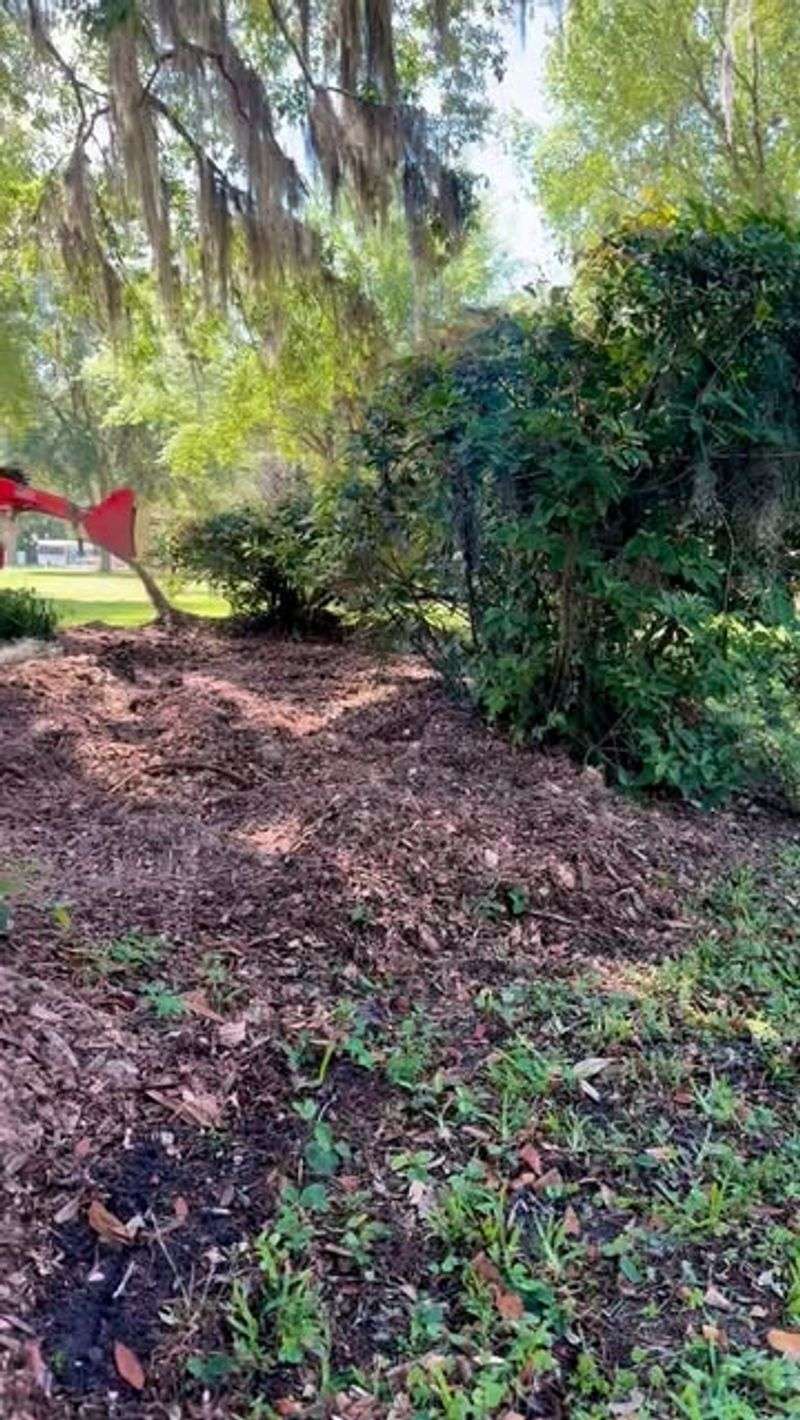
Fig trees have surprisingly shallow root systems, and those roots sit close enough to the surface that soil temperature and moisture can swing sharply during a Central Texas August. Organic mulch acts as a buffer, slowing evaporation from the soil surface and helping moderate the extreme temperature fluctuations that make dry spells harder on the tree. Texas A&M AgriLife Extension’s fig production guide notes that figs have shallow roots and benefit from organic mulch to conserve moisture and protect those roots from heat.
A practical approach is to spread three to four inches of wood chips, shredded bark, or similar organic material over the soil beneath the canopy, extending out to or slightly beyond the drip line. UC IPM’s cultural tips for fig care reinforce keeping mulch pulled back several inches from direct contact with the trunk. Mulch piled against the trunk traps moisture and heat against the bark, creating conditions that invite rot and pests.
Mulch supports the watering work done in the previous step, but it does not replace the need to monitor soil moisture directly. A thick mulch layer can actually hide how dry the soil beneath it has become, so continue probing into the root zone when assessing whether irrigation is needed. Think of mulch as a tool that stretches the benefit of each watering session and reduces how often the tree reaches a stress point, not as a reason to water on a rigid schedule regardless of actual conditions.
When more water makes the problem worse
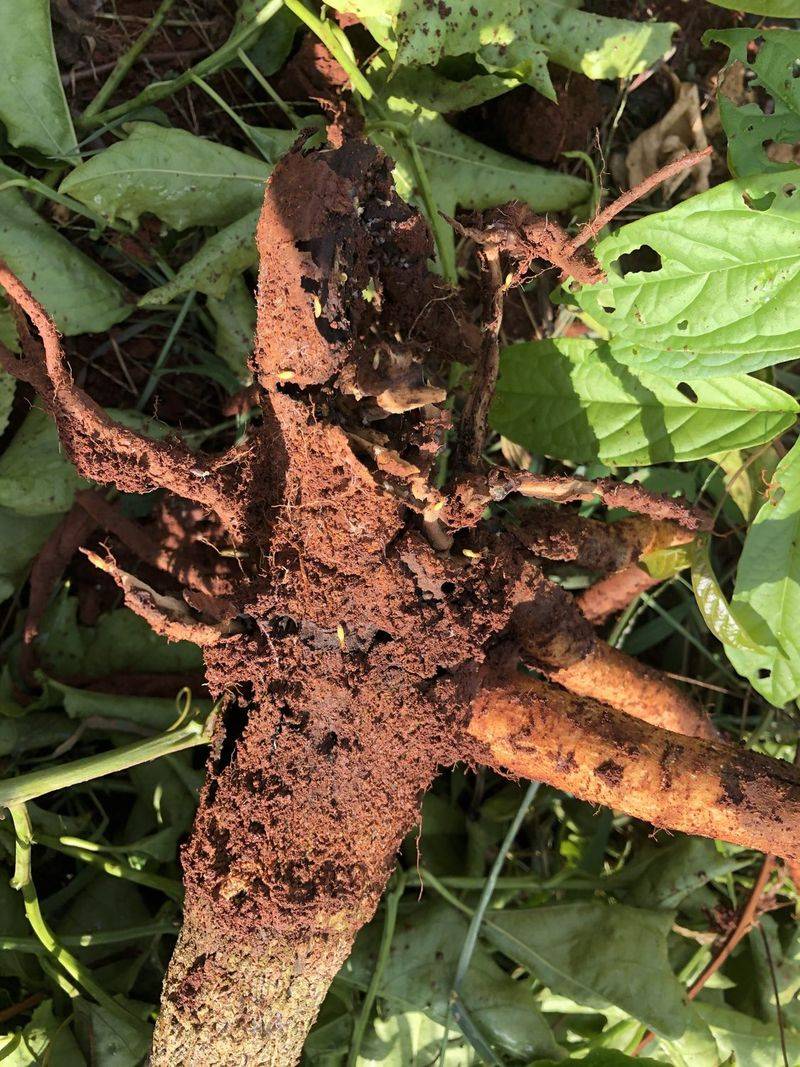
Seeing green figs on the ground creates a strong impulse to water more, and that impulse can cause real harm when the root zone is already wet. Roots that sit in saturated or poorly drained soil are deprived of oxygen, and they begin to lose function in ways that can look almost identical to drought stress from above. The tree may drop fruit, wilt, or show leaf discoloration even though the soil is soaking wet.
UC IPM’s fig drop resource lists excess irrigation and poor drainage as documented causes of fruit drop and production loss, separate from and in addition to drought. Adding water to a tree already sitting in wet soil accelerates the problem rather than correcting it.
The Texas A&M Plant Disease Handbook’s fig section emphasizes well-drained soil as a basic requirement for healthy fig production in Texas. Heavy clay soils, low-lying spots, compacted areas near driveways or foundations, and sites where water naturally collects after rain are all higher-risk locations for drainage problems. A fig planted in one of these spots may struggle every August regardless of how carefully it is watered.
The practical stop rule is simple: if the soil is moist or wet several inches down, withhold additional irrigation and investigate drainage or root-zone conditions before doing anything else. Texas A&M AgriLife Extension’s home gardening guidance cautions against attempting to compensate for plant stress with an extreme catch-up flood irrigation, particularly in heavy clay or poorly drained soil. A single large dump of water into an already wet site will not rescue stressed fruit and may damage the root system further during the hottest weeks of the year.
Persistent fruit drop points to causes watering cannot fix
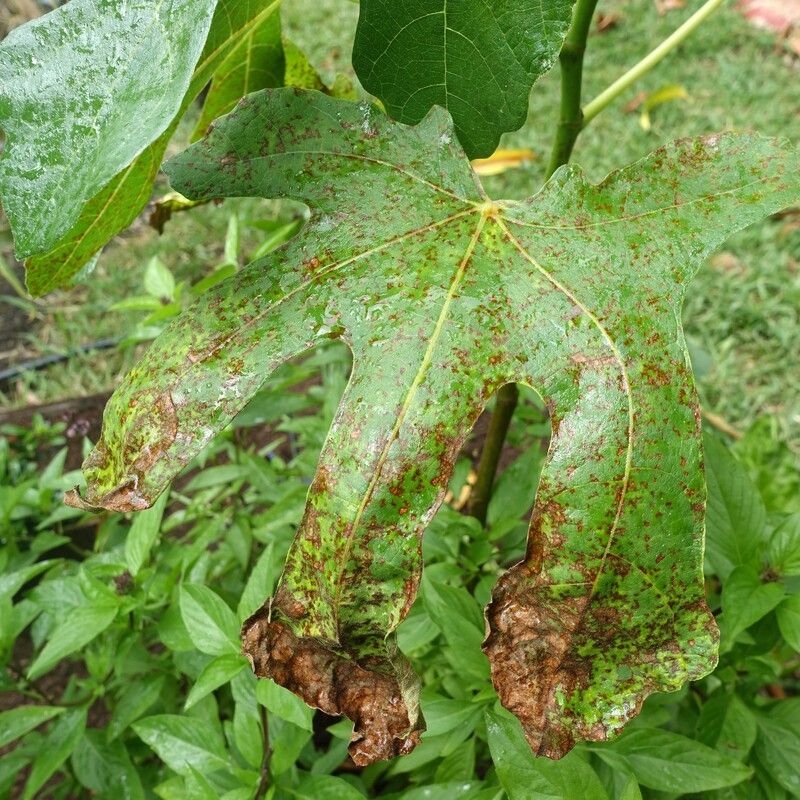
When dropped figs keep appearing after soil moisture has been checked and corrected, or when the soil was never dry to begin with, the cause almost certainly lies somewhere other than irrigation. Running through a short checklist at this point is more useful than adjusting the watering schedule again.
Cultivar behavior is worth considering first. Clemson Extension reports that the Celeste variety can drop fruit prematurely in hot weather even when care is adequate, a tendency that Alabama Extension also describes as a varietal characteristic during hot, dry conditions. If the tree is a Celeste or a similar heat-sensitive type, some summer drop may be normal for that variety in Central Texas summers regardless of watering practices.
Pollination is another possibility. Texas A&M notes that Capri figs cannot be grown successfully in Texas because the fig wasp required for pollination is absent. Common figs, which are self-fruiting and do not require pollination, are the appropriate type for Texas backyards. If there is any uncertainty about the tree’s variety, confirming it is a self-fruiting common fig rules out pollination failure as the cause.
Excess nitrogen is a less obvious contributor. UC IPM identifies overfertilization with nitrogen as a cause of excessive vegetative growth that suppresses or delays fruit production. If the tree received heavy nitrogen fertilization earlier in the season, that input may be favoring leafy growth over fruit set and retention.
Disease and pest problems deserve attention when fruit drop comes with other visible symptoms. Leaf spotting, sudden defoliation, soft or sunken lesions on fruit, a sour or fermented odor around fallen figs, or unusual bark discoloration are all signals to look more carefully. Texas A&M’s disease handbook associates anthracnose, fig mosaic, and fig rust with fruit drop and loss of vigor. Root damage from nematodes or mechanical injury can also impair a tree’s ability to support a fruit load, though neither can be diagnosed from fruit drop alone without closer examination of the root zone or professional soil testing.
Treat fallen figs as diagnostic clues, not guaranteed harvest
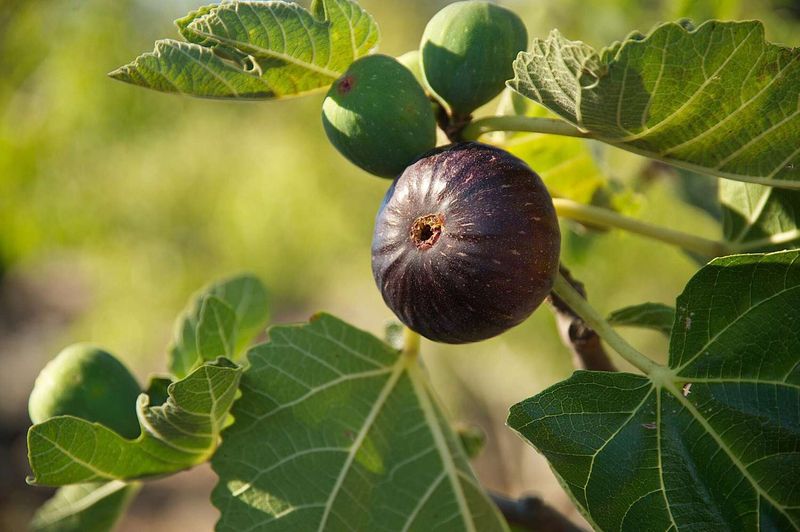
A practical end-of-inspection routine starts at the base of the tree, not the canopy. Fallen figs that are soft, oozing, or smell fermented should be removed promptly. UC Davis postharvest research advises against using figs collected from the ground for fresh consumption, and leaving rotten fruit on the soil invites pests and disease pressure that can compound the original problem.
Before picking up or pruning anything, put on gloves and cover your arms. North Carolina State Extension recommends gloves and long sleeves when harvesting figs because the sap from stems, leaves, and damaged fruit can irritate skin. The same precaution applies when pruning or handling broken branches.
After cleanup, the action plan for the remainder of the season is straightforward: confirm soil moisture before each irrigation, water slowly across the root zone and drip line when the soil is dry, maintain mulch coverage beneath the canopy, and reassess the tree’s condition over several days rather than expecting a single watering to change the picture. UC IPM’s fig drop guidance and Texas A&M AgriLife Extension’s home gardening resources both support this measured approach over reactive flooding or repeated schedule changes. If drop continues after moisture is stabilized, the cultivar, drainage, disease, or another underlying factor is likely driving the loss and deserves a closer look. Consistent moisture management gives the fruit still on the tree its best shot, but the tree itself will tell you when the problem runs deeper than a dry root zone.