
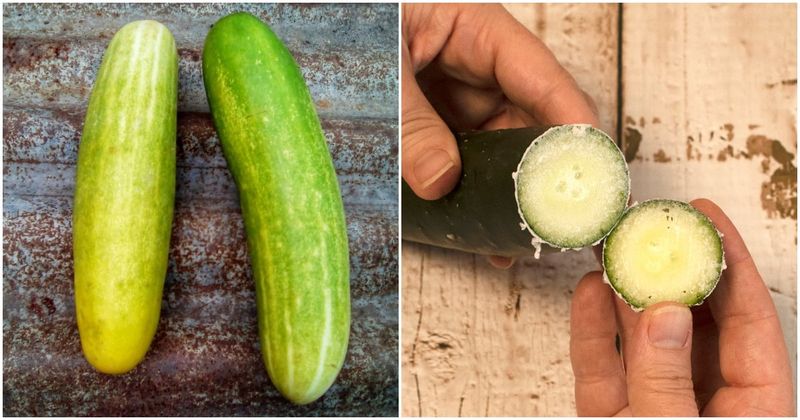
Biting into a cucumber you grew yourself only to get a mouthful of bitterness is one of late summer’s most frustrating garden moments. When the fruit also looks pinched or puckered near the stem, it can feel like the whole plant is giving up.
The good news is that these two symptoms often have different causes, and sorting them out gives you a real plan for saving the rest of your harvest.
Heat may contribute to bitterness, but it is not the whole diagnosis
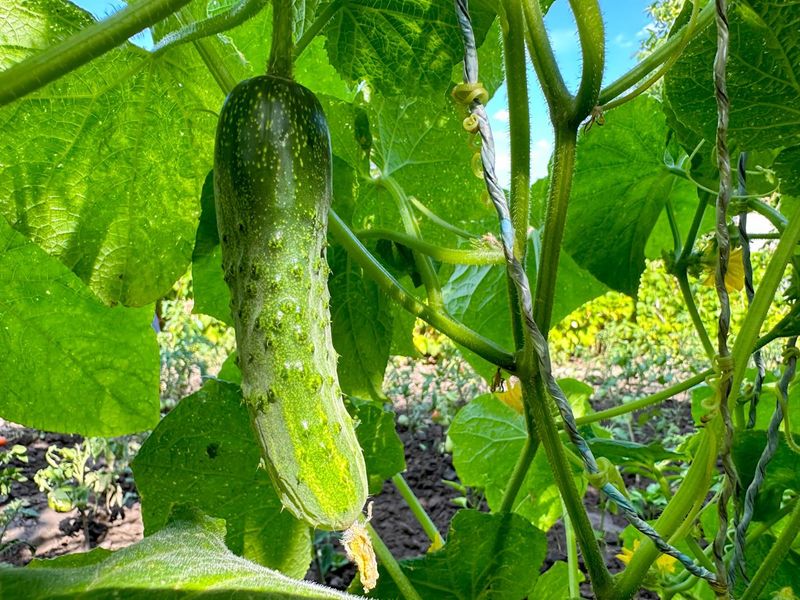
Blaming the August heat is tempting when your cucumbers suddenly taste like soap, and heat along with inconsistent moisture can genuinely play a role. But that explanation covers only part of the picture.
University of Florida IFAS Extension guidance on cucumbers notes that plant stress, including heat and water deficits, may increase bitterness during fruit development, while also making clear that variety selection and other environmental stresses contribute as well. Treating heat as the single proven cause will leave you chasing a fix that may not address your specific situation.
The compound behind that unpleasant flavor is cucurbitacin. Its concentration varies considerably from one cultivar to another, and research on cucurbitacin in cucumber plants documents that genetic factors influence how much of the compound accumulates, regardless of growing conditions.
Some varieties are simply more prone to producing bitter fruit than others, even when watered and cared for well.
Cucurbitacin also tends to concentrate differently across fruit tissues. University of Minnesota Extension points out that the skin and the blossom end often carry more bitterness than the interior or the stem end.
That detail matters because a bitter taste near the stem does not automatically mean the stem-end shape caused the problem.
A puckered stem end and a bitter flavor may show up during the same stressful stretch of summer without sharing a single root cause. Working through both symptoms as separate questions, rather than one combined diagnosis, gives you a much better shot at figuring out what is actually going wrong.
A puckered stem end calls for a separate set of checks
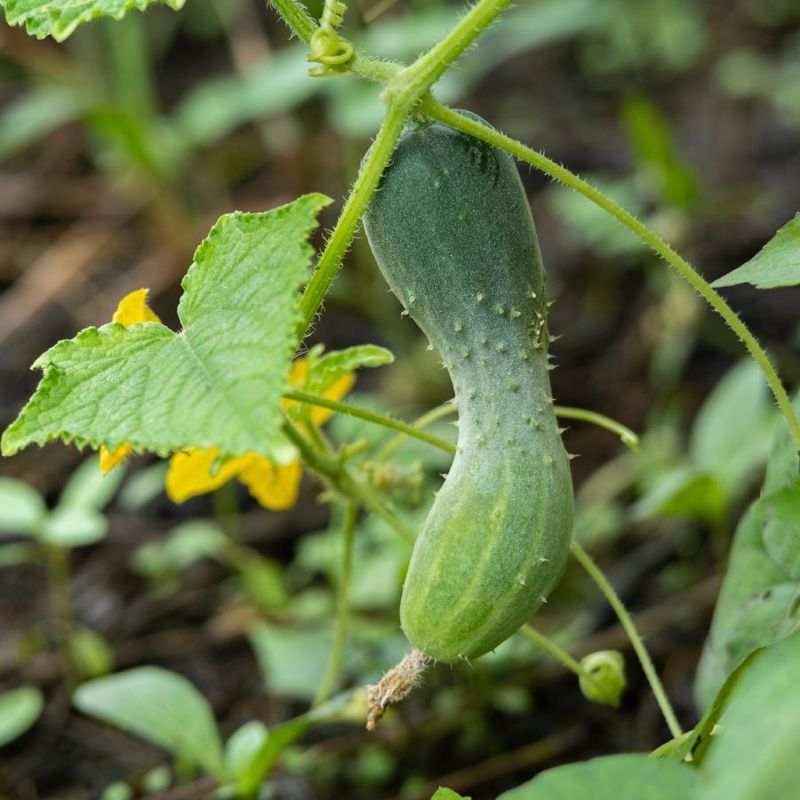
A cucumber that narrows, pinches, or looks underdeveloped near the stem end is telling you something, but a single misshapen fruit cannot name the cause on its own. Several different problems can produce that same appearance, and the right response depends on which one is actually happening in your garden.
Incomplete pollination is a common explanation for uneven or constricted fruit. University of Hawaii field cucumber production guidelines identify poor pollination as a contributor to misshapen cucumbers, noting that uneven seed development across the fruit leads to uneven flesh development.
When only part of the ovary receives pollen, the fruit grows unevenly, often leaving one end smaller or pinched.
Potassium deficiency is another documented possibility. Texas A&M AgriLife Extension’s cucurbit problem-solver associates potassium deficiency with fruit constriction as well as crinkled or puckered young leaves.
However, that leaf symptom needs to be present and confirmed before assuming potassium is the issue with your fruit.
Heat can also play an indirect role. High temperatures in the upper 80s and 90s, especially when nights stay warm, can reduce bee activity, damage flowers, or affect pollen viability, all of which can result in poorly shaped fruit.
That makes heat a plausible contributor, not a definitive verdict. Minnesota Extension also notes that late-season plant decline from disease, beetles, or general stress can reduce fruit quality across the board.
Before drawing any conclusion, walk the whole plant. Look at the leaves, the vines, the flowers, and the roots.
One puckered cucumber is a clue, not a diagnosis.
Steady soil moisture supports better fruit development
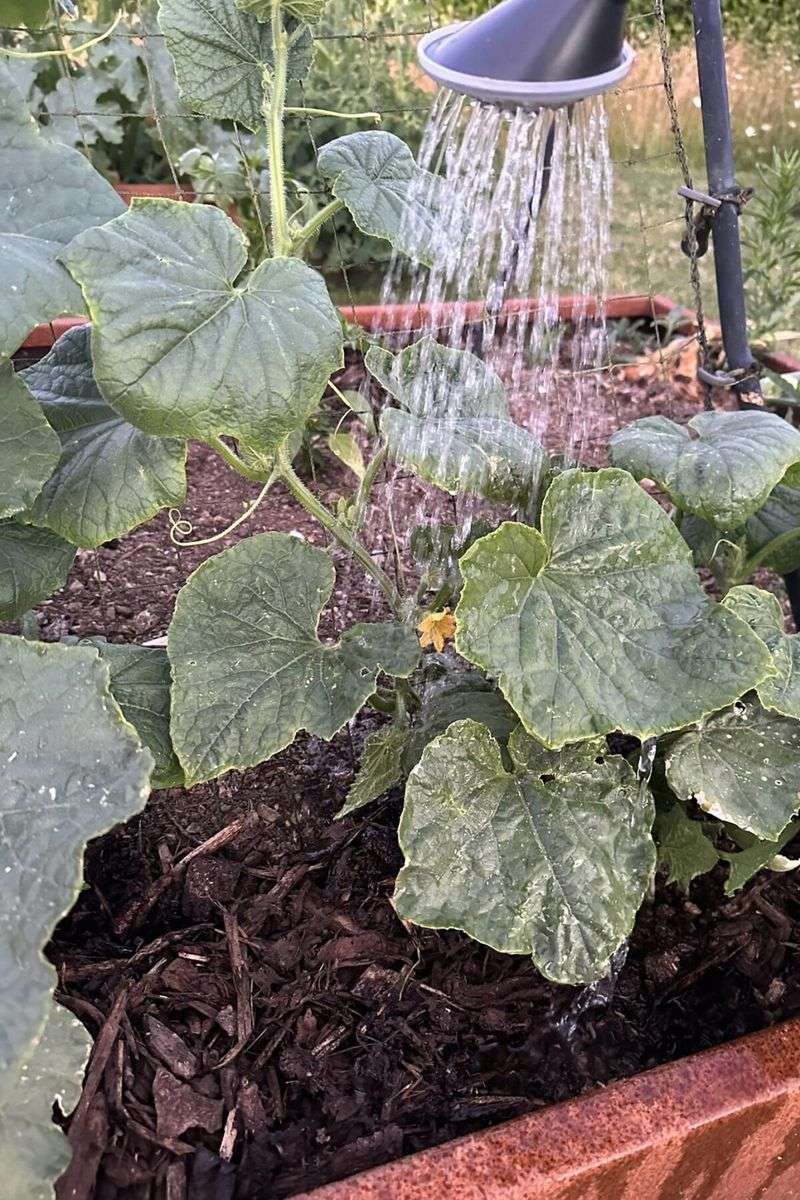
Cucumbers are particularly sensitive to uneven watering during flowering, fruit set, and the weeks when fruit is actively sizing up. Letting the soil swing from bone-dry to waterlogged and back again puts the plant under stress at exactly the moments when it needs stability most.
University of Minnesota Extension guidance on vegetable irrigation recommends maintaining consistent soil moisture throughout flowering and fruit development, emphasizing that water deficits during these stages can reduce both yield and quality.
Rather than relying on how the leaves look, check the soil itself. Push a finger or a small trowel a few inches below the surface near the root zone.
Minnesota Extension’s vegetable garden watering guidance suggests treating dry soil at roughly two inches deep as a practical signal to irrigate. About one inch of water per week is a reasonable starting point, but that figure needs adjustment for your soil type, recent rainfall, container versus in-ground conditions, and the intensity of late-summer heat in your area.
Apply water at the soil line rather than overhead to keep foliage dry and reduce disease pressure. A two- to three-inch layer of mulch, whether straw, shredded leaves, or wood chips, slows evaporation and helps buffer the soil against rapid temperature swings between waterings.
Overwatering is not a cure for bitter or misshapen fruit. Saturated soil can leach nutrients, promote root rot, and create the same kind of plant stress you are trying to avoid.
The goal is consistent moisture in well-drained soil, checked regularly rather than assumed.
Poor pollination can produce small or uneven cucumbers
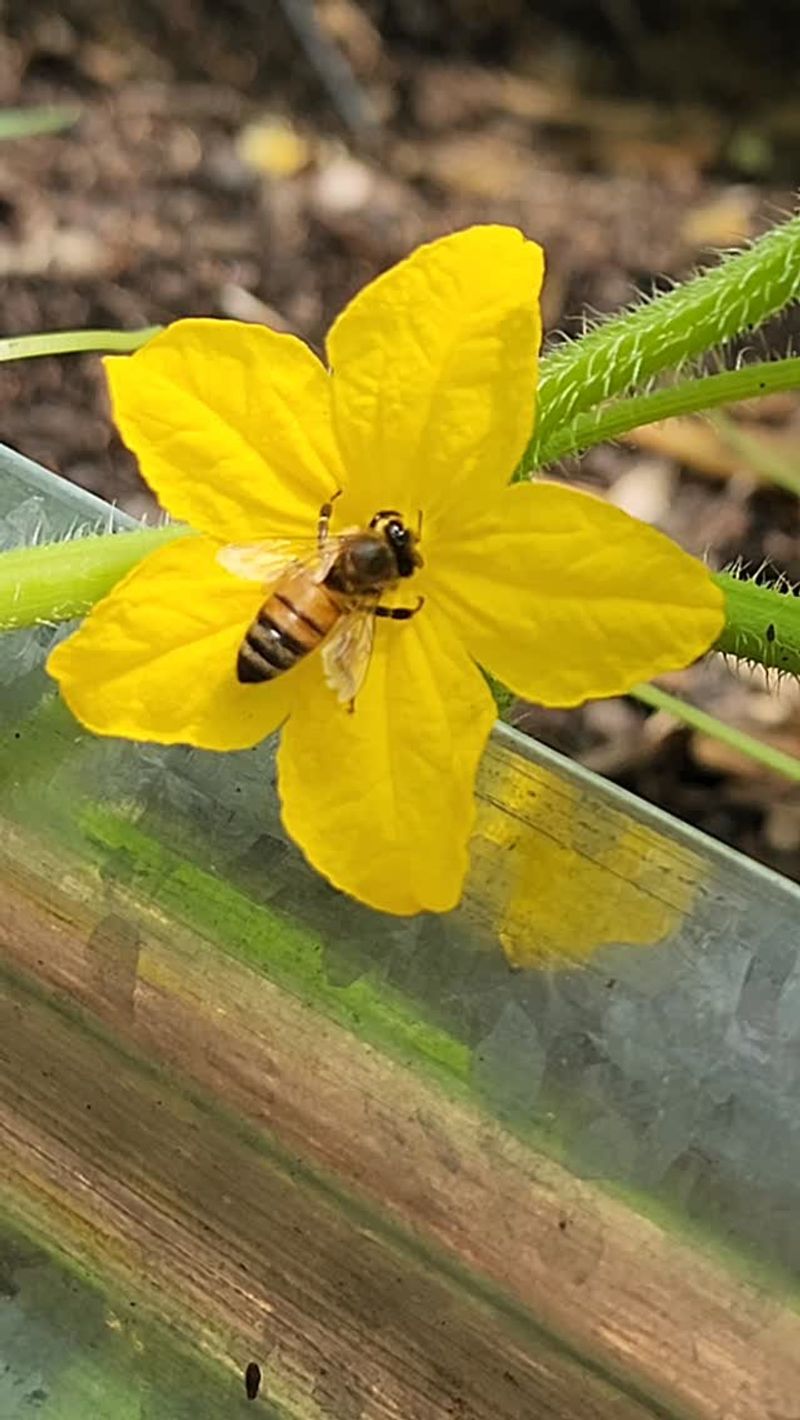
Cucumbers generally depend on insect pollination to set full, evenly shaped fruit. Each flower opens for only a brief window, typically in the morning hours, and if pollinators do not visit during that time, the fruit that develops may end up small, curved, or pinched at one end.
University of Minnesota Extension’s pollinator requirements guide confirms that cucumbers need bee visits to transfer pollen from male to female flowers for good fruit set.
Late-summer heat can make that pollination window even harder to hit. When temperatures climb into the 90s, bee activity often drops during the hottest parts of the day, and Minnesota Extension’s vining vegetable guide notes that high temperatures, particularly warm nights, can cause flower abortion or reduce pollen performance in cucurbits.
Heat does not prove incomplete pollination, but it does create conditions where pollination is more likely to fall short.
Spend a few mornings watching the flowers and the insects. Count how many male flowers (slim stems, no swollen base) and female flowers (small cucumber-shaped base behind the petals) are open at the same time.
A garden with mostly one flower type, or one with very few bees visiting, is showing you where the gap may be.
If you are using row covers to protect plants from pests, remove them once flowering begins. Covered plants cannot receive bee visits, and that alone can explain a flush of misshapen fruit.
Also avoid applying insecticides while bees are actively working the flowers; if pest pressure requires treatment, follow the label timing and favor targeted, nonchemical controls where practical.
Use hand-pollination only when missing pollen fits the evidence
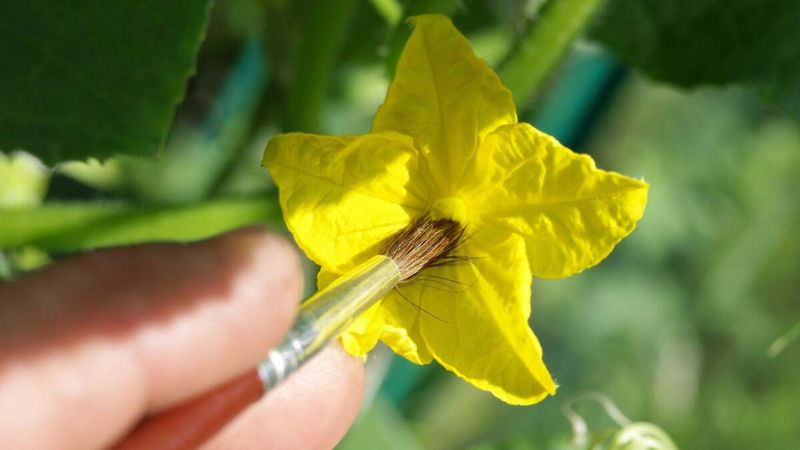
Hand-pollination can be a useful tool in the home garden, but only when your observations point to incomplete pollination as a genuine problem. If you have watched the flowers and noticed few or no bees visiting during morning hours, or if male and female flowers rarely seem to be open at the same time, then hand-pollinating makes sense as a targeted response.
The procedure is straightforward. Early in the morning, find a freshly opened male flower with visible pollen on its center structure.
Gently pull back or remove the petals to expose the anther, then brush it directly against the sticky stigma at the center of an open female flower. University of Minnesota Extension’s guide to growing cucurbits describes this pollen-transfer technique as an established method for home gardeners working with cucurbit crops.
What hand-pollination cannot do is equally important to understand. It will not correct drought stress, potassium deficiency, heat injury to the plant, disease pressure, or genetic bitterness in a susceptible variety.
Minnesota Extension makes clear that pollination is only one piece of fruit development, and addressing it alone will not improve fruit quality if other stresses are driving the problem.
Reserve this technique for situations where the pollination evidence actually supports it. Using it as a catch-all response to every misshapen cucumber will not hurt anything, but it will not help either if the real cause lies elsewhere.
Check potassium and overall plant health before adding fertilizer
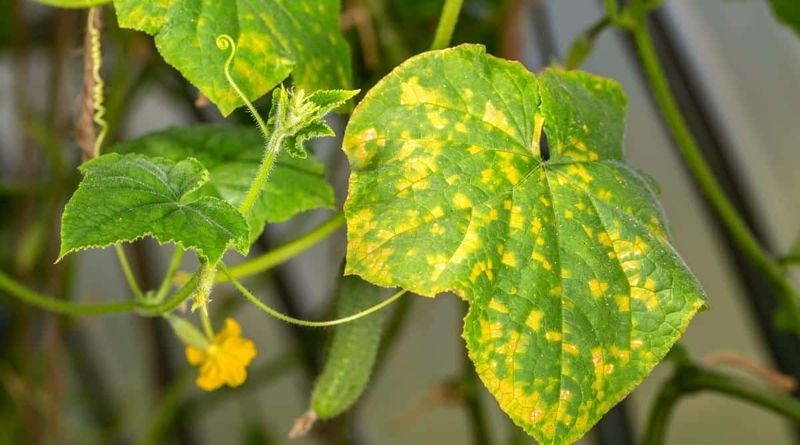
Potassium deficiency has a documented connection to fruit constriction in cucumbers, but one puckered cucumber is not enough evidence to reach for a fertilizer bag. Texas A&M AgriLife Extension’s cucurbit problem-solver describes potassium deficiency as producing crinkled or puckered young leaves alongside fruit constriction at the stem end.
If those leaf symptoms are present on your plant alongside the misshapen fruit, potassium deficiency becomes a more credible candidate worth investigating further.
Even then, Texas A&M recommends confirming a suspected nutrient deficiency with soil or tissue testing before applying potassium. Adding fertilizer without a confirmed deficiency can throw off the balance of other nutrients or contribute to additional problems, particularly in late-season plants that may already be stressed.
While you are checking the leaves for crinkle or scorch, look at the whole plant with fresh eyes. Late-season cucumber decline can come from several directions at once.
Minnesota Extension’s cucumber growing guide lists foliar diseases, cucumber beetles, bacterial wilt, and viral infections as conditions that reduce plant vigor and fruit quality in home gardens. Cucumber beetles in particular can spread bacterial wilt quickly, and a wilting or collapsing vine produces poor fruit regardless of watering or fertilizing efforts.
Check the roots if the plant looks especially weak. Yellowing older leaves, stunted new growth, and poor fruit set together tell a more complete story than any single symptom.
University of Hawaii cucumber production guidelines reinforce that a whole-plant assessment, rather than a single fruit observation, leads to the most accurate diagnosis and the most effective response.
Harvest young fruit and discard strongly bitter cucumbers
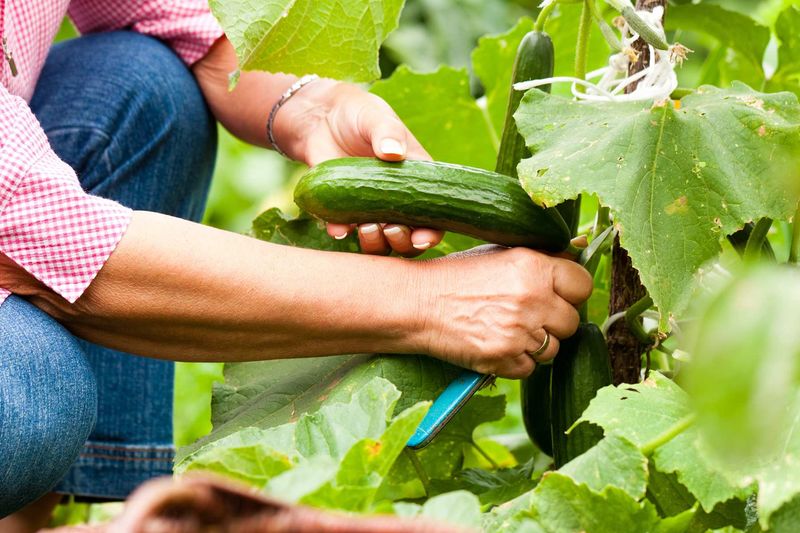
One of the most reliable ways to avoid quality problems at the end of the season is to pick cucumbers before they get ahead of you. University of Georgia Cooperative Extension’s home cucumber guide recommends harvesting cucumbers while they are still immature and before seeds harden, noting that prompt picking is especially important for pickling types where mature seeds signal overripe fruit.
Leaving cucumbers on the vine too long can accelerate seed development, reduce skin quality, and increase the chance of an off-flavor harvest.
Bitterness in a cucumber does not always signal danger, but it does signal a problem worth taking seriously. Minnesota Extension notes that cucurbitacin can concentrate more heavily in the skin and blossom end of the fruit than in the interior or stem end.
That means the location of bitterness you taste does not necessarily point to the stem-end shape as the cause; the two symptoms can overlap without being linked.
For strongly bitter fruit, the right move is to spit it out and discard the whole cucumber. Poison Control’s guidance on toxic squash syndrome states that heat does not inactivate cucurbitacin, so cooking, boiling, pickling, or baking a strongly bitter cucumber will not make it safe.
Peeling may reduce some surface bitterness, but it cannot reliably remove the compound from flesh that is already affected. When a cucumber tastes strongly bitter from the first bite, discard it rather than trying to salvage it.
Prevent repeat problems with steadier care and better variety choices
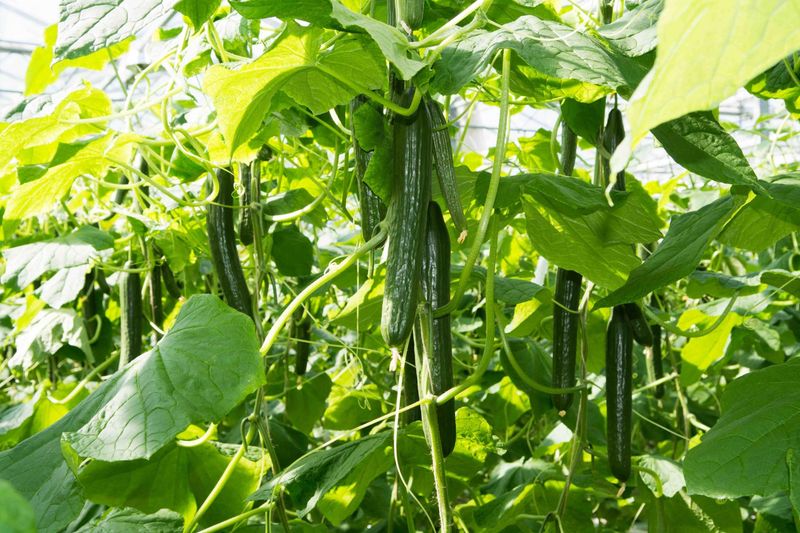
The clearest path to a better cucumber harvest next season runs through the same checklist you used to diagnose this one. Maintain even soil moisture from flowering through harvest, check the soil rather than guessing from leaf color, mulch to buffer temperature swings, and pick fruit young before seeds harden.
Minnesota Extension’s vegetable irrigation guidance frames consistent moisture during fruit development as one of the most reliable levers a home gardener controls.
Monitor flowers and pollinators during morning hours throughout the season, not just when fruit problems appear. If bee activity looks low or flower timing seems off, you will catch it early enough to adjust.
Minnesota Extension’s pollination guide reinforces that adequate pollinator access during the short daily window when cucumber flowers are open is a foundational requirement for well-shaped fruit.
For future plantings, variety selection deserves more attention than it usually gets. Minnesota Extension and cucurbitacin research both point to cultivar genetics as a meaningful factor in bitterness, separate from growing conditions.
Some varieties are bred specifically for lower cucurbitacin levels, and parthenocarpic types can set fruit without pollination, which removes one variable entirely. If you choose an all-female or gynoecious variety that is not parthenocarpic, check whether it needs a pollen-producing companion plant to set fruit reliably.
Treat fruit shape and flavor as two separate diagnostic questions, stabilize what you can control, and let the evidence in your specific garden guide each decision.