
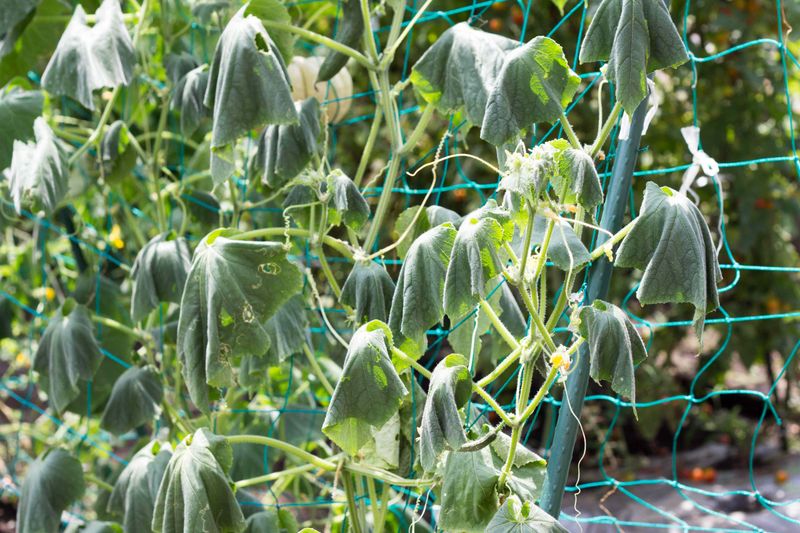
Walking out to your garden on a hot August afternoon and finding your cucumber plants drooping can feel alarming, especially when the soil already feels damp. The good news is that moist soil and wilting leaves do not automatically mean something serious is wrong. Afternoon droop in cucumbers can come from several different causes, and figuring out which one is affecting your plant makes all the difference between a simple fix and a harder decision. This guide walks you through the main possibilities so you can check your plant today and decide what to do next.
Overnight recovery offers a clue, not a diagnosis
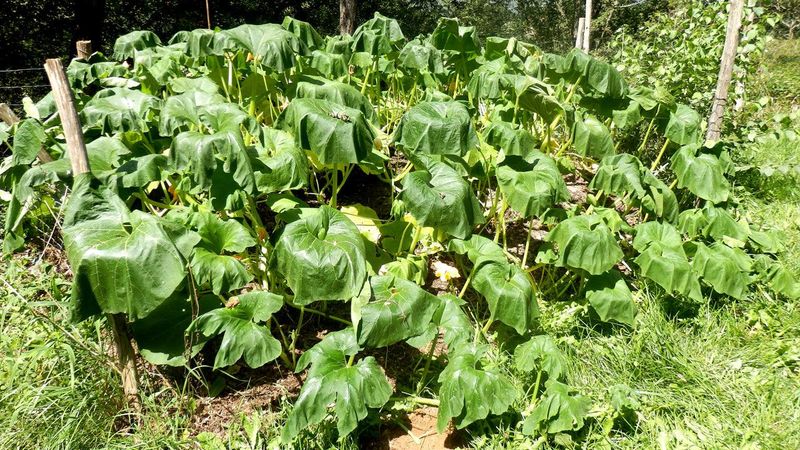
Before drawing any conclusions, go back to your cucumber after sunset and again the next morning. Leaves that firm up by evening or feel noticeably more upright at dawn suggest heat, strong wind, or high transpiration demand during peak afternoon hours. Plants can lose water through their leaves faster than roots can supply it during a hot stretch, and that gap closes once temperatures drop.
Recovery by morning is a useful clue, but it is not a clean answer. Colorado State University Extension cucumber guidance notes that early bacterial wilt infections can also produce daytime wilting followed by overnight recovery, so a plant that bounces back once should still be watched closely. What matters more is whether recovery becomes progressively weaker over several days, whether wilting spreads along the vine toward the crown, or whether the whole plant begins to look worse overall.
While you are watching overnight patterns, also check soil moisture below the surface. Push a finger or a screwdriver several inches into the ground rather than judging from the top layer. CSU Extension guidance on water and plant growth points out that saturated or compacted soil can leave roots oxygen-starved, creating drought-like symptoms even when the surface feels wet. Assess drainage before adding more water.
Bacterial wilt blocks water inside the vine
A cucumber plant can wilt in the afternoon even when the surrounding soil holds plenty of moisture because the problem is not always about water supply from outside. Bacterial wilt, caused by the pathogen Erwinia tracheiphila, colonizes and physically obstructs the plant’s vascular tissue, the internal channels that carry water from roots to leaves. When those channels are blocked, leaves droop regardless of how damp the soil is.
The premise that a hidden root problem usually starts this kind of wilting needs a correction. University of Minnesota Extension’s bacterial wilt resource explains that the bacterium is commonly introduced through the feeding wounds of striped or spotted cucumber beetles, not through a root infection. The hidden blockage is vascular, and it typically enters the plant above ground.
Bacterial wilt often begins quietly, affecting one or two leaves or a single runner rather than collapsing the whole plant at once. Watching for progression is more informative than reacting to a single afternoon of droop. If wilting spreads from one runner toward the crown over several days, or if the plant never fully recovers and overall growth stalls, a vascular disease like bacterial wilt becomes a more plausible explanation than temporary heat stress.
Inspect the stem and follow the wilt pattern
A focused inspection sequence gives you far more information than a quick glance from a distance. Start by comparing the affected leaves with healthy ones elsewhere on the same plant or on a neighboring cucumber. Then trace the wilting pattern along the runners toward the crown, noting whether symptoms are concentrated on one branch, scattered across several, or moving in a clear direction toward the center of the plant.
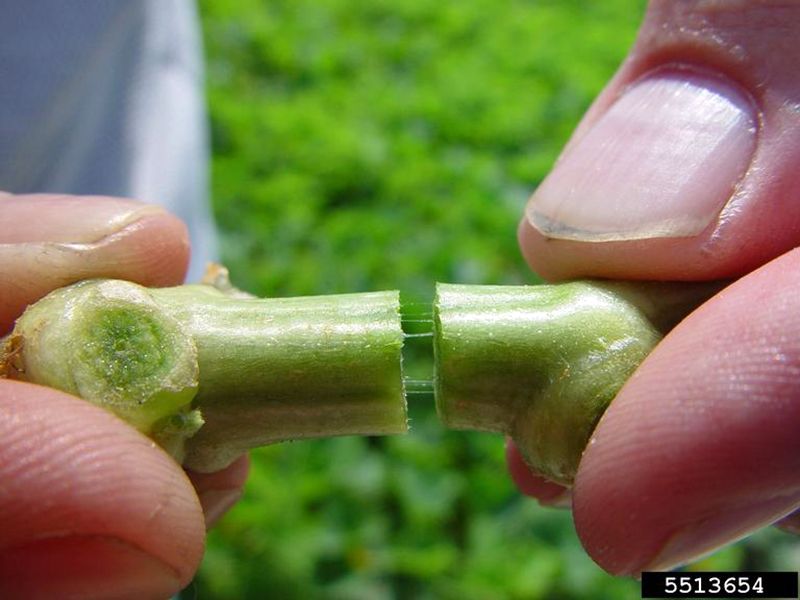
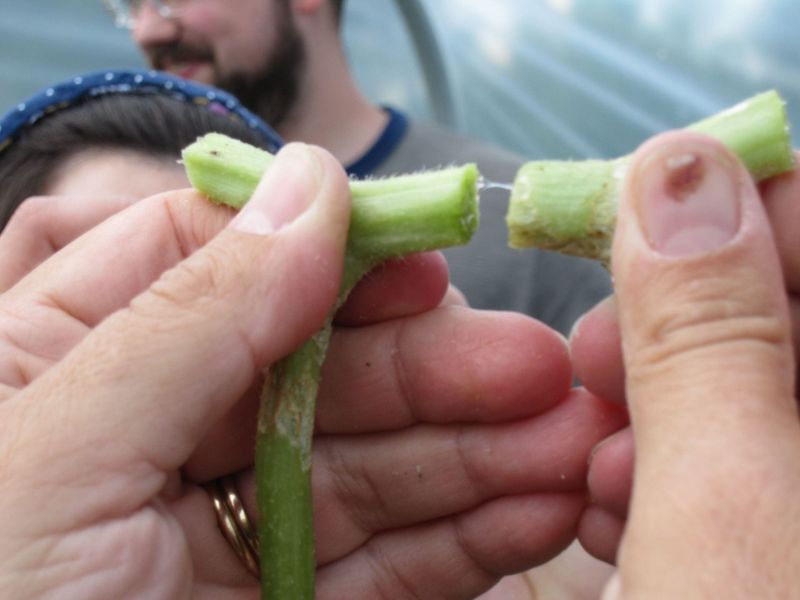
Next, try the stem-string test. Cut a wilted stem close to the crown using a clean knife, gently press the two cut surfaces back together for a few seconds, then slowly pull them apart. Thin, sticky strands stretching between the surfaces are a field clue that supports bacterial wilt. The test is worth doing because a positive result meaningfully raises suspicion, but absence of visible strands does not end the investigation.
Strands can be difficult to see, especially if the infection is early or if lighting conditions are poor.
Look also for any stem injury, crown damage, or signs of boring insects near the base of the plant. Squash vine borers, though more common on squash and zucchini, can occasionally affect cucumbers and disrupt water flow in a similar way. Combining what you see in the wilt pattern, the stem test result, and any other physical damage gives you a more complete picture than any single observation alone.
Beetle evidence may outlast the beetles
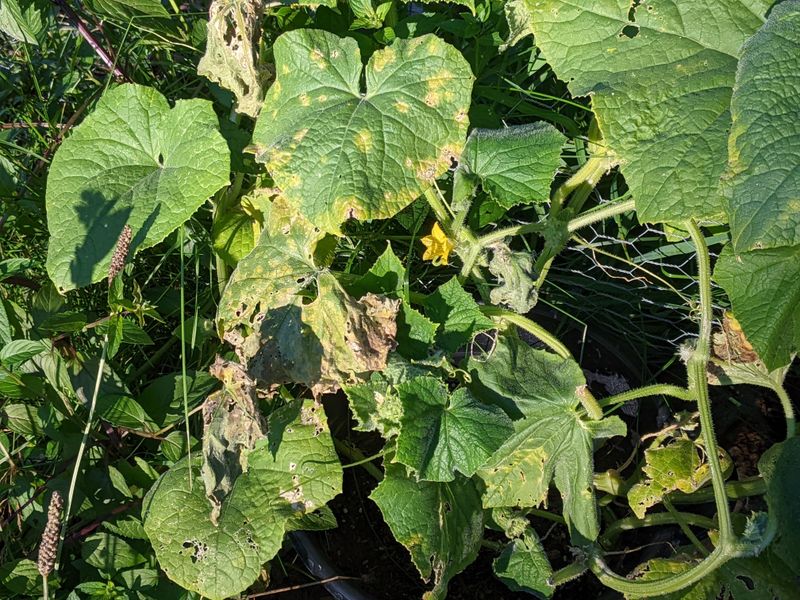
Cucumber beetles are the primary way bacterial wilt enters a garden, but you do not need to find a beetle on your plant right now to take the connection seriously. Striped cucumber beetles are yellow with three bold black stripes running the length of their backs. Spotted cucumber beetles are yellow-green with a scattering of black spots. Both species feed on cucumber foliage and stems, and their feeding wounds give Erwinia tracheiphila a path into the plant’s vascular system.
By the time wilting symptoms appear, the beetles that caused the infection may have moved on. Penn State Extension’s guidance on cucumber beetle management notes that beetle populations shift through the season and that feeding damage can precede visible plant symptoms by days or longer. Checking leaves and stems for the small, ragged feeding scars beetles leave behind can confirm earlier activity even when no beetles are present now.
August is a plausible time for beetle-related wilt in many U.S. gardens because later seasonal generations can emerge in midsummer, but exact timing depends on your region and local weather patterns. Scouting regularly through the growing season, rather than only when symptoms appear, gives you a better sense of whether beetles have been active around your cucumbers.
Saturated soil can damage roots and mimic drought
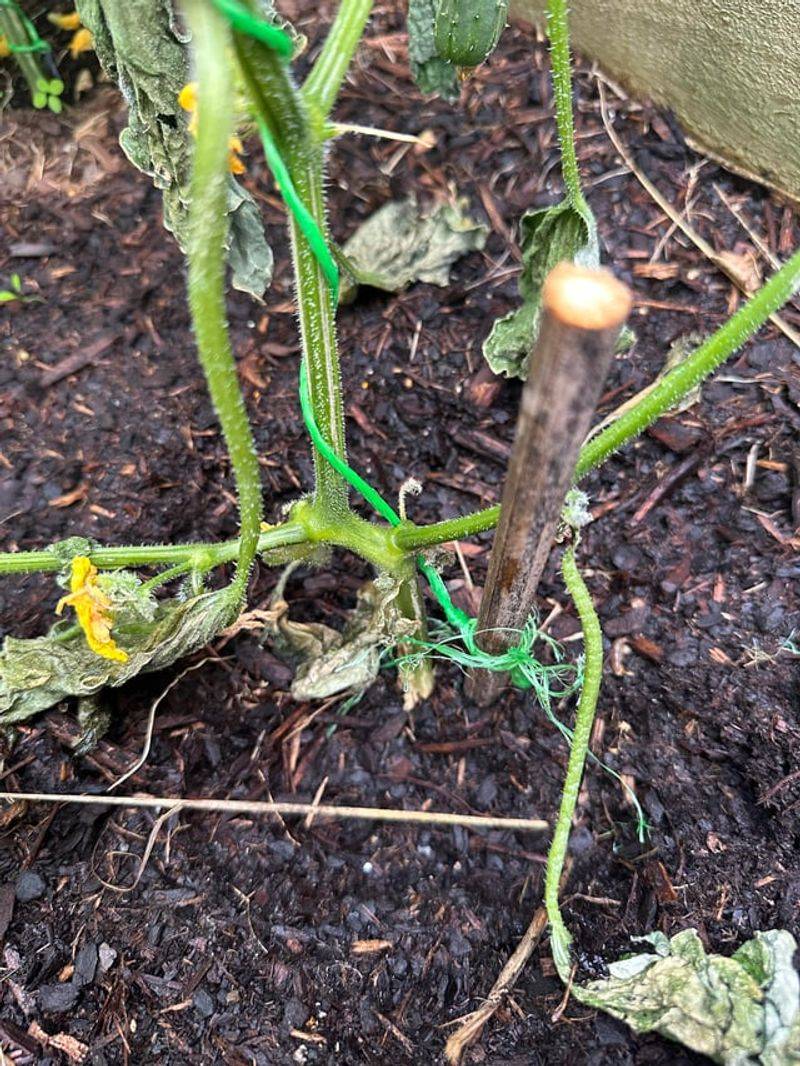
Waterlogged roots deserve serious consideration as an alternative explanation, particularly if your garden bed drains poorly or if you have been watering heavily during a stretch of hot weather. When soil stays saturated for extended periods, the air pockets that roots depend on for oxygen get pushed out. Oxygen-starved roots begin to break down, losing their ability to absorb water even though the soil is full of it.
CSU Extension’s plant water guidance explains that compacted or waterlogged conditions can produce drought-like wilting symptoms for exactly this reason. Heat, wind, and excessive leaf area can also make water demand outpace what damaged roots can deliver, compounding the problem. When you see wilting alongside constantly wet soil and slow or stunted overall growth, examining the roots directly is the next logical step.
Pull back the soil carefully near the crown and look at the root system. Dark, soft, poorly developed roots with few healthy white tips are consistent with root rot. Penn State Extension’s root rot resource cautions that wet soil alone does not confirm root rot, and foliage symptoms cannot identify the pathogen. Similar wilting can come from bacterial wilt, heat stress, or other causes.
Root findings support the possibility, but a firm diagnosis may require laboratory confirmation.
Choose removal or drainage action from the evidence
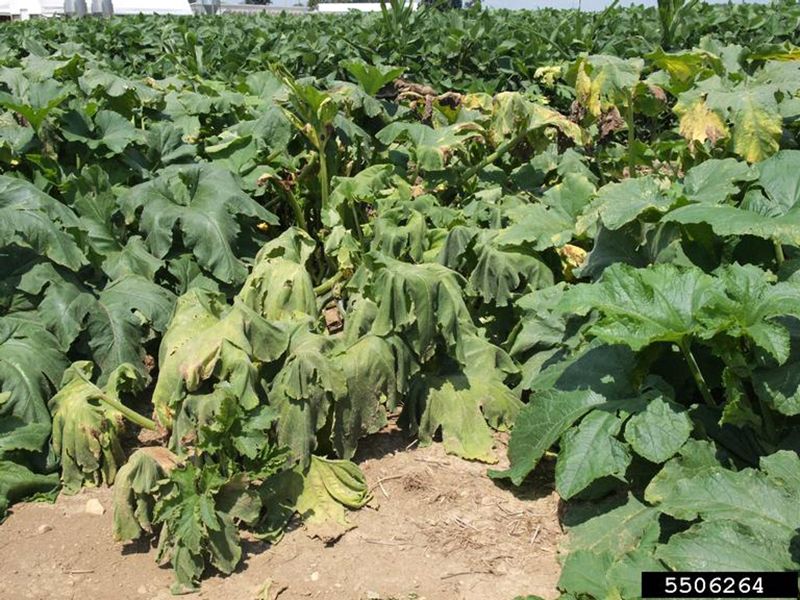
Once you have gathered clues from overnight recovery patterns, the stem test, the wilt progression, beetle history, and root condition, you can move toward an action that matches what the evidence actually supports. Each path is different, and matching the response to the most likely cause avoids making things worse.
When the wilt persists or worsens over several days, the stem test shows bacterial strands, wilting follows the vine toward the crown, or you know beetles have been active, removal of the affected plant is a reasonable step. University of Minnesota Extension confirms that pesticides cannot cure a plant already infected with bacterial wilt, and keeping a diseased plant in place gives beetles more opportunity to acquire the bacterium and carry it to healthy cucurbits nearby. Remove and dispose of the plant away from the garden rather than composting it.
For healthy plants still in the ground, scout regularly for beetles and consider protective measures suited to your crop’s current stage. Floating row covers can block beetles before flowers open, but they need to come off once flowering begins so pollinators can reach the blooms. Any pesticide application must follow the product label, crop restrictions, the pre-harvest interval, and your state’s requirements. Penn State Extension’s beetle management guidance covers timing and organic options worth reviewing.
When damaged roots and consistently saturated soil point toward a drainage problem, fix the drainage and stop adding water while the soil remains wet. Penn State Extension advises against applying a fungicide or soil treatment without a confirmed diagnosis, since different root pathogens require different approaches and some plants cannot recover once infection is advanced.
Use the whole pattern to decide what happens next
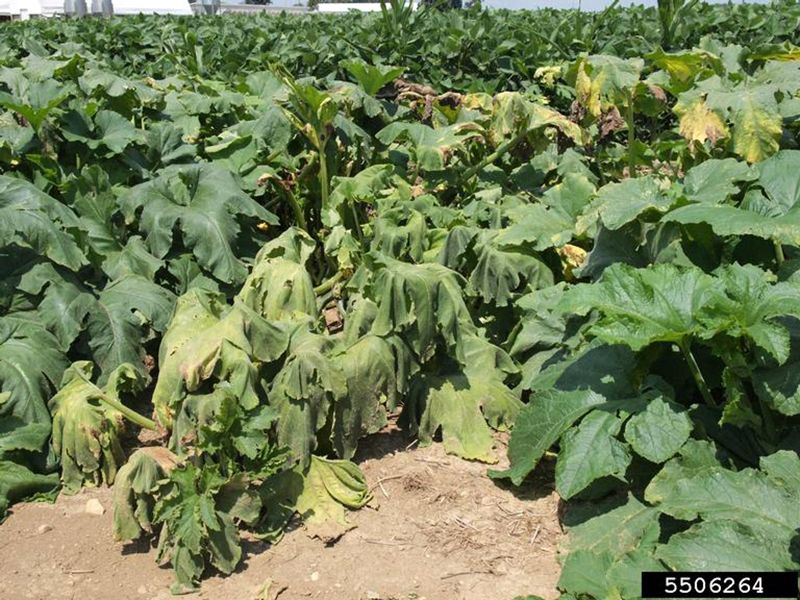
Afternoon wilting in a cucumber with moist soil is a signal worth taking seriously, but no single observation settles the question on its own. CSU Extension’s cucurbit guidance and UMN Extension’s bacterial wilt resource both support reading the whole pattern rather than reacting to one afternoon of droop. Recovery by morning can favor temporary heat or uptake stress, but early bacterial wilt can also produce that same temporary bounce-back. Persistent or progressively worsening wilt, spread along the vine, and positive stem-test or beetle evidence all raise the likelihood of a vascular disease.
Saturated soil with soft, dark roots shifts attention toward root disease. In that case, improving drainage and holding off on additional water makes more sense than any undiagnosed treatment. Penn State Extension recommends against applying fungicides without a confirmed diagnosis, since the right management depends on identifying the actual pathogen.
When clues conflict or the situation stays unclear after a few days of monitoring, your local cooperative extension service can often identify the problem from a plant sample or photo submission. Moist soil changes where you look for answers, but it does not point to any single cause by itself.