
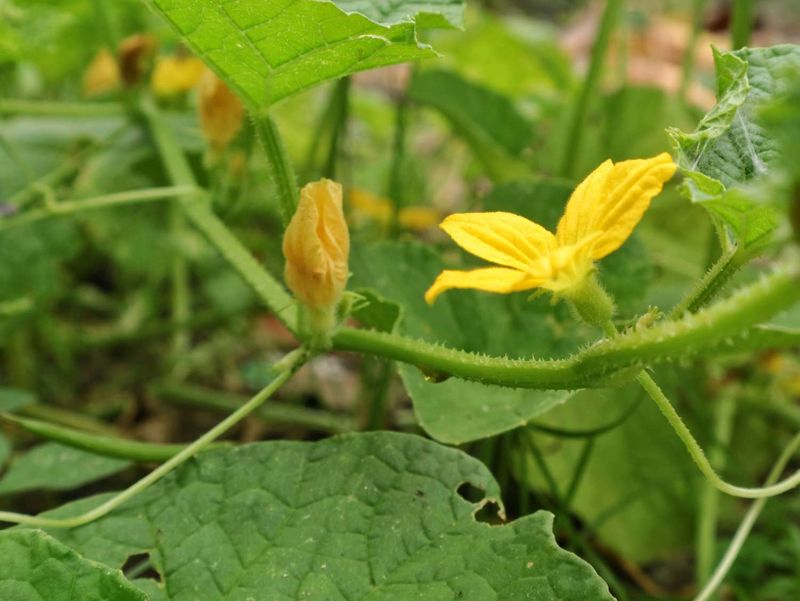
Your cucumber vines are practically bursting with blooms, yet the harvest bucket stays empty, and August is slipping away fast. Before you blame the bees or rip out the plants, a closer look at those flowers can tell you more than any guesswork. The real culprit might be pollination, but it could just as easily be heat, thirsty soil, or even the variety you planted. Getting the diagnosis right is what separates a rescued harvest from a wasted season.
Start with the flower, not the missing cucumber
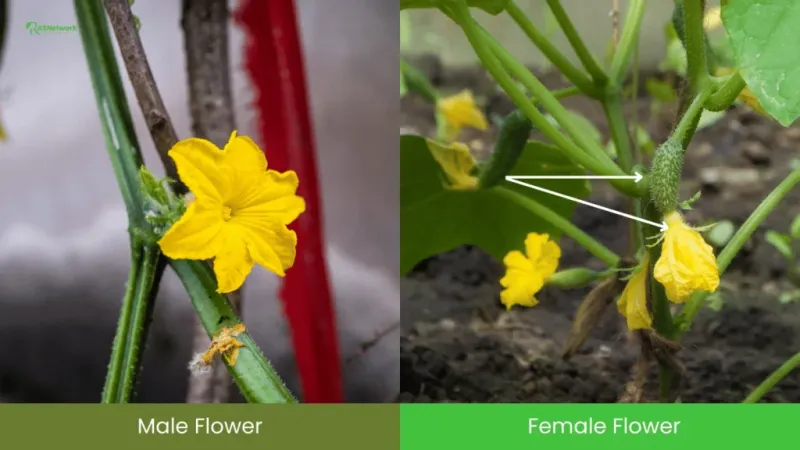
Grab a magnifying glass if you need one, and crouch down next to the vine before you do anything else. Every cucumber plant produces two distinct flower types, and telling them apart is the first step toward a real diagnosis. University of Minnesota Extension explains that a female flower carries a small, cucumber-shaped swelling between the bloom and the vine, while a male flower grows on a slender stem with no swelling at all.
That little bump is the key. Without it, no amount of pollination can turn a flower into a cucumber, because male flowers simply are not built to produce fruit. If every bloom on your vine right now sits on a plain stem with nothing underneath it, you are looking at a male-flower phase, not a pollination failure.
Early in the season, Illinois Extension notes that cucumber plants commonly open male flowers first, sometimes for a week or two, before female flowers appear. Those early males drop cleanly after a few days, which can look alarming but is completely normal. Check a few different stems along the vine before drawing any conclusions, and look for that swelling on each flower you inspect.
Female flowers can reveal a pollen problem
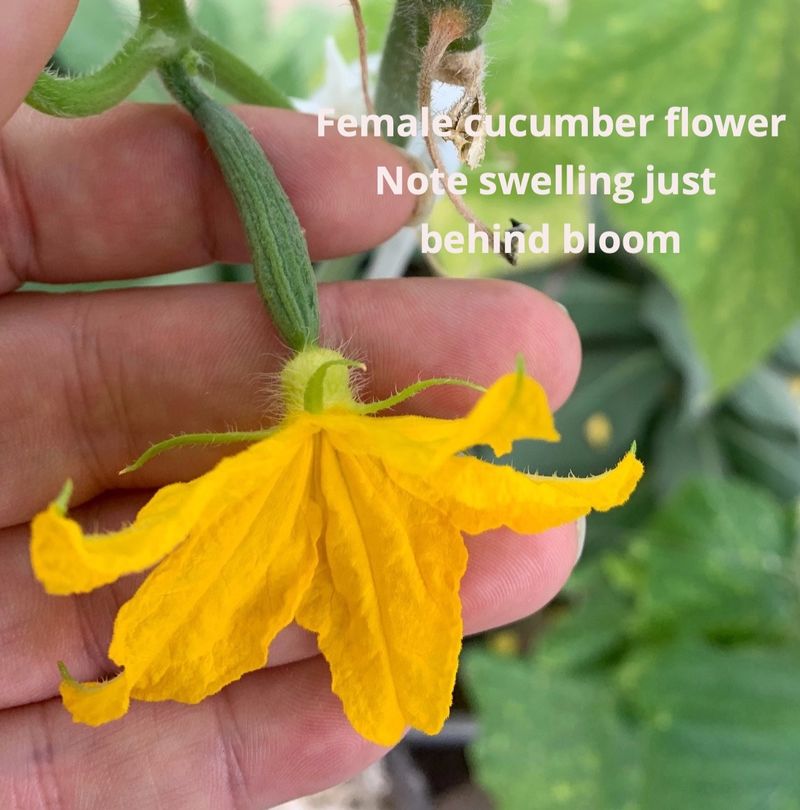
Once you confirm that female flowers are actually opening, the diagnostic picture shifts. Standard cucumber varieties depend on insects to carry pollen from a male flower to a female flower, and when that transfer falls short, the plant has a way of signaling it. Penn State Extension describes the typical signs: a female flower or the tiny cucumber beneath it yellows, shrivels, or drops off within a day or two of blooming.
Fruit that does manage to develop but comes out curved, undersized, or noticeably lighter than expected can also point toward incomplete pollination. Low seed counts inside the cucumber are another clue, since adequate pollen transfer is what triggers the hormonal signals that drive full fruit development. These are reasonable indicators that pollen transfer may be limited, but they are not proof on their own.
Heat and moisture stress can cause nearly identical symptoms, so the same pattern of aborting female flowers does not automatically confirm a pollination gap. Utah State University Extension notes that moisture stress can reduce fruit set and contribute to misshapen cucumbers, making it worth ruling out before focusing entirely on bees. Keep the full list of possibilities open while you gather more observations.
August heat and water stress can mimic poor pollination
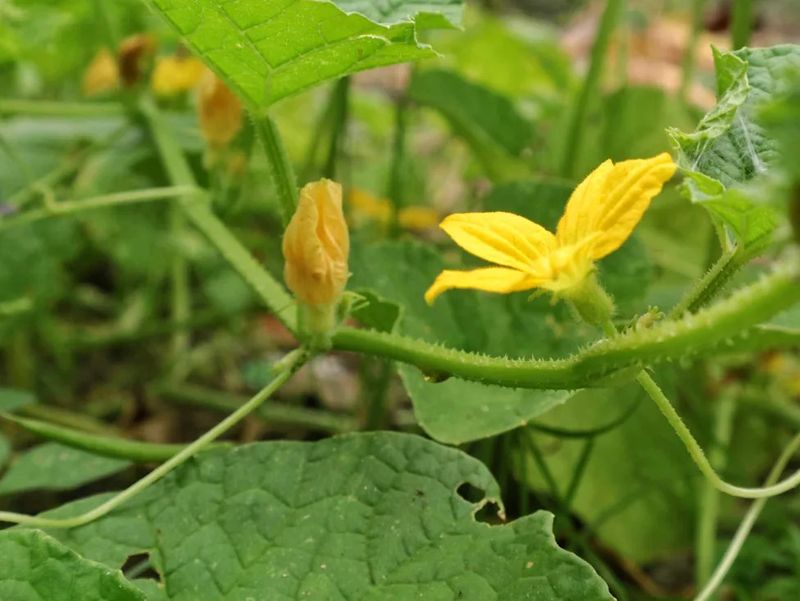
August in most US temperate gardens is punishing, and cucumber plants feel every degree. University of Minnesota’s fruit and vegetable IPM blog points out that daytime temperatures in the 90s and nighttime temperatures near 70 degrees Fahrenheit are associated with flower and small-fruit abortion in cucurbits. Those are practical risk conditions, not a hard cutoff where every plant fails, but they are worth taking seriously when your thermometer climbs.
High heat may also push some cucumber plants toward producing more male flowers than female ones during a hot stretch, which means fewer fruit-bearing blooms are opening in the first place. Soil moisture compounds the problem quickly. Penn State’s high-tunnel cucumber guide reinforces that inconsistent moisture can reduce fruit set and affect fruit shape, so severe drying between waterings or persistently soggy soil both deserve attention before blaming pollinators.
Plant vigor, pest pressure, and disease should each get their own look as well. Cucumber beetles, powdery mildew, and bacterial wilt can all sap a plant’s ability to set fruit. On the fertilizer side, University of Missouri Extension cautions that excess nitrogen can push lush vine growth at the expense of flowering and fruiting, so adding more fertilizer is not an automatic rescue for poor fruit set. Check each factor separately rather than lumping them together.
Use the short morning window for better evidence
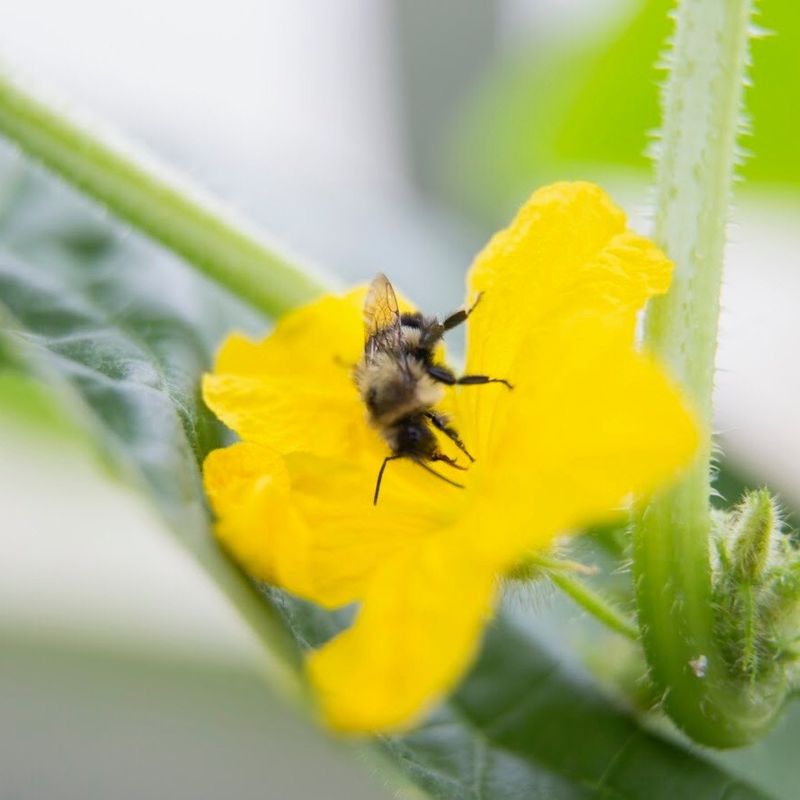
Cucumber flowers do not stay open all day waiting for a visitor. They tend to be open and receptive during the morning hours, and that window closes earlier than most gardeners expect. Utah State University’s pollination guide confirms that flower receptivity in cucurbits is concentrated in the morning, which means an afternoon walk through the garden tells you very little about what happened earlier.
Weather shapes pollinator activity during that window. Heavy rain, strong wind, cold mornings, or extreme heat can all reduce the number of insects working the flowers on any given day. University of Minnesota’s vining vegetable guide notes that these conditions can reduce pollinator visits and affect fruit set, so checking conditions during your morning observation adds useful context.
Watching for bees or other insects during that morning window can give you supporting information, but it cannot settle the diagnosis by itself. Honey bees, bumble bees, squash bees, and other wild bees may all visit cucumber flowers, and some visits happen quickly. Penn State Extension makes the key point: the relevant question is whether female flowers are receiving enough pollen, not whether pollinators remain visible throughout the morning. A quiet garden during your walk does not prove that pollination failed, and a busy garden does not guarantee it succeeded.
Try hand-pollination when female flowers are aborting
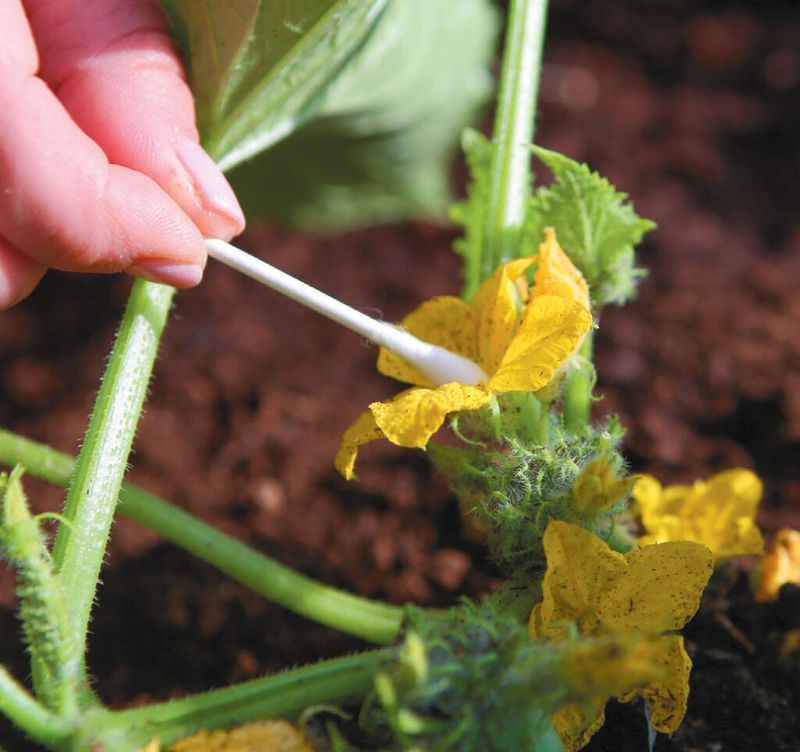
When female flowers keep aborting and you have reason to suspect limited pollen transfer, hand pollination is a practical, low-risk technique worth trying. Colorado State University Extension recommends this approach for vine crops when bee activity appears limited, and the steps are straightforward enough for any home gardener.
Go out in the morning while both male and female flowers are freshly open. Pick a male flower or work directly with one still on the vine, and remove its petals gently so the pollen-bearing center is fully exposed. Then touch or lightly brush that center against the center of a freshly opened female flower, making sure you are contacting the sticky stigma at the female flower’s core. One male flower can be used on several female flowers if multiple are open at the same time.
Keep realistic expectations about the results. Penn State Extension notes that hand pollination may improve fruit set when pollen transfer is the limiting factor, but it cannot overcome heat stress, drought, waterlogging, disease, or other causes of flower and fruit abortion. If you try it consistently for several mornings and female flowers continue to drop, the problem likely runs deeper than pollination alone, and the other variables covered earlier deserve a closer look.
Remove barriers that block pollinators
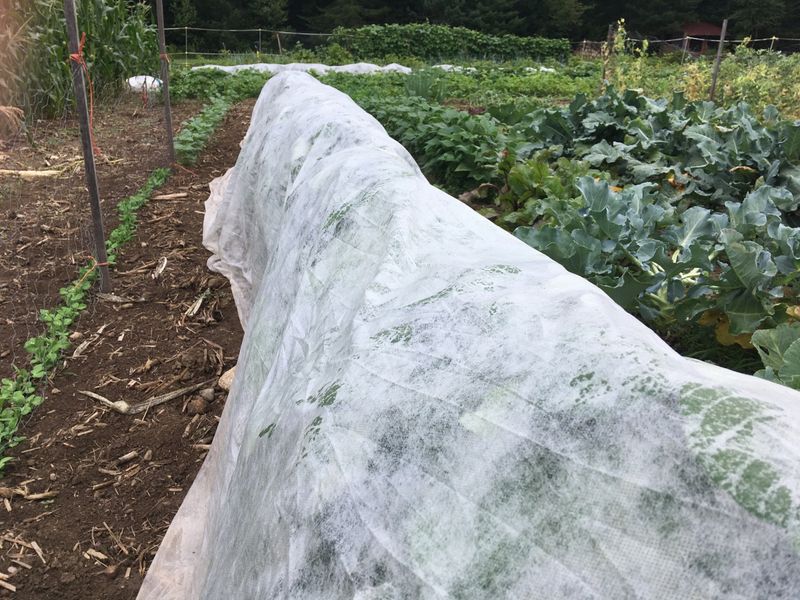
Floating row covers are one of the most effective tools for protecting young cucumber plants from cucumber beetles, but they become a liability the moment flowers open. Utah State University Extension explains that row covers create a physical barrier that can exclude both pests and the pollinating insects cucumbers need for fruit set. Leaving a cover on through the flowering period is a common reason for a vine full of blooms and an empty harvest.
The fix is straightforward for most standard varieties: remove the cover as soon as you see the first flowers opening. University of Wisconsin Extension and University of Missouri Extension both support this timing for garden cucumbers. If beetle pressure is severe enough that you want to keep the cover on longer, you will need to hand-pollinate daily or switch to a parthenocarpic variety that can set fruit without insect help.
Insecticide applications present a similar hidden risk. Spraying blooming cucumber plants can harm the bees visiting those flowers, even if the timing feels careful. University of Minnesota Extension and EPA pollinator protection guidance both advise against applying products to flowers in bloom. If a pest problem genuinely requires treatment, identify the pest specifically, read the product label carefully, and follow every pollinator restriction it lists rather than relying on a general spraying schedule.
Let the seed packet change your diagnosis
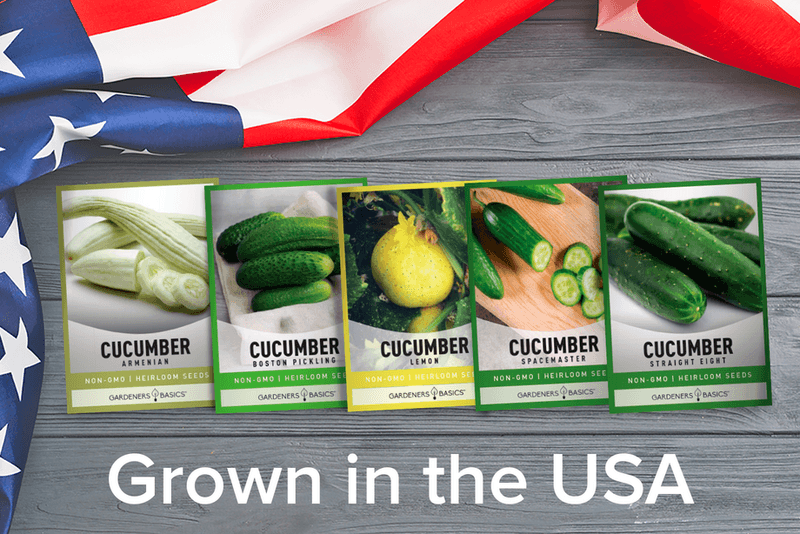
Before spending another morning hand-pollinating, pull out the seed packet or look up the variety name online. The type of cucumber you planted can completely change what the plant needs to set fruit, and skipping this check means you might be solving the wrong problem. University of Minnesota Extension notes that parthenocarpic cucumbers can set fruit without pollination at all, a trait common in greenhouse and seedless types.
Gynoecious varieties add another layer of confusion. A gynoecious cucumber produces mostly or entirely female flowers, which sounds ideal for fruit production, but Penn State Extension clarifies that unless the packet specifically identifies the variety as parthenocarpic, those female flowers still need pollen from a male-flowering cucumber to develop fruit. Some seed companies include a small number of pollinizer seeds in the packet for exactly this reason, so check whether any came with yours.
The parthenocarpic exception also runs in reverse. University of Minnesota’s pollination requirements resource points out that pollinating some parthenocarpic greenhouse varieties can actually produce seeded or misshapen fruit rather than the smooth seedless cucumbers the variety was bred for. University of Illinois Extension reinforces that knowing your cultivar type is a required step, not an optional one, before drawing conclusions about pollinator access or hand-pollination needs.
Follow a measured fruit-set checklist
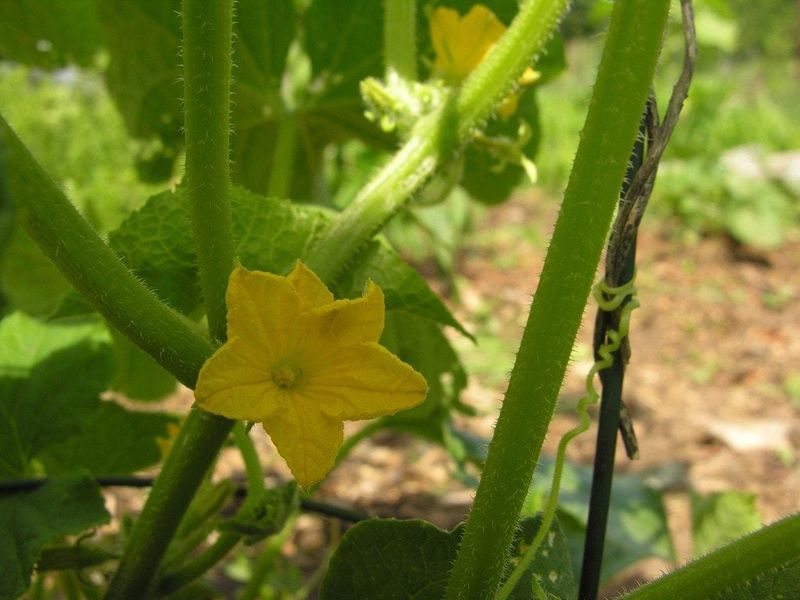
Working through a short, ordered checklist is far more reliable than guessing at a single cause. Start by confirming that female flowers are actually opening, using the small cucumber-shaped swelling beneath the bloom as your identifier. Then get outside during the morning hours when flowers are freshly open and receptive, and note whether any insects are visiting, what the temperature feels like, and whether the soil is adequately moist.
Check heat and water conditions honestly. Utah State University Extension recommends deep, consistent watering as a baseline for healthy cucumber production, with roughly 1 to 2 inches of water per week as general guidance adjusted for your soil type, plant size, recent rainfall, and current heat levels. Avoid letting the soil dry out severely between waterings, but also avoid keeping it waterlogged. Confirm your variety type from the seed packet, and remove any row covers that might be limiting pollinator access.
If the evidence points toward limited pollen transfer, try hand pollination consistently for several mornings as described earlier. Penn State Extension’s cucumber production guide and University of Minnesota Extension both support addressing multiple factors together rather than relying on any single fix. If female flowers keep aborting despite better pollinator access and hand pollination, revisit pests, disease, and plant nutrition as separate possibilities. A cucumber vine that blooms freely is already doing most of the work right – the harvest often follows once you clear the specific obstacle standing in its way.