
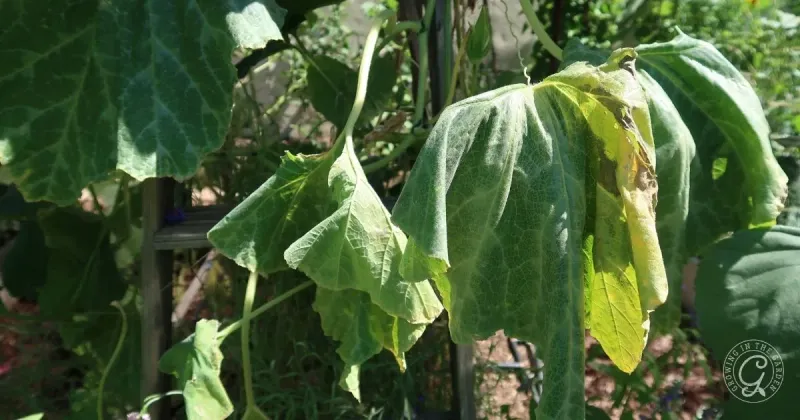
Walking out to your garden at 2 p.m. and finding your cucumber vines collapsed on the trellis is enough to make any grower reach for the hose. The catch is that watering may not be the answer, and adding more water to already moist soil can actually make things worse.
Understanding what is really happening inside that drooping vine gives you a smarter way to decide whether to water, wait, or start looking for a bigger problem.
Afternoon wilt often reflects peak heat demand
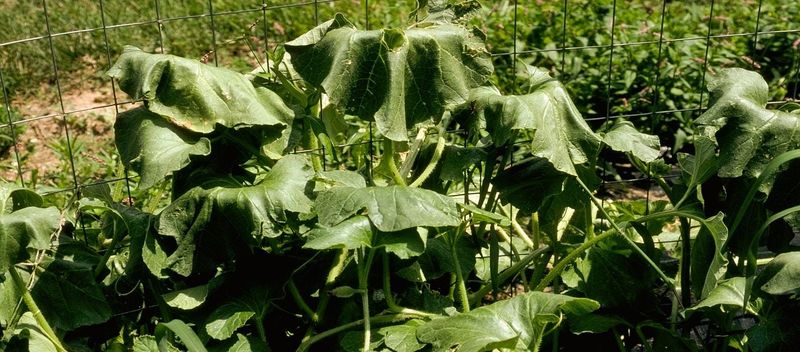
Hot afternoon air does something predictable to cucumber leaves: it pulls moisture out of them faster than the roots can push water back up from the soil. This process, called transpiration, ramps up sharply when temperatures climb, sunlight is intense, humidity drops, or a breeze moves across the garden.
The result is a vine that looks completely defeated by 2 p.m. even though you watered it that morning.
University of Wisconsin-Madison Extension guidance on plant wilting explains that leaves wilt when water loss outpaces the rate of root uptake, a situation that can occur even when the surrounding soil still contains usable moisture. The key pattern to watch for is timing: a vine that droops during the hottest hours and then firms back up as evening temperatures fall is showing a response consistent with temporary heat stress rather than an urgent irrigation crisis.
That pattern is a useful clue, but it is not a guarantee that your root zone has enough water. Heat can expose gaps in an irrigation system, or it can intensify the symptoms of a root that is already struggling with disease or dry deeper soil.
So the real questions to ask are not simply “did I water today?” but rather “how moist is the soil several inches down, and does this vine recover once the heat breaks?” North Carolina Cooperative Extension’s explanation of heat stress versus water needs reinforces this distinction, noting that afternoon-only wilt that reverses with cooler temperatures points toward heat demand, while wilt that persists requires a closer look.
Check root-zone moisture instead of reading the leaves alone
Wilted leaves are unreliable soil-moisture gauges on a hot afternoon. A vine can droop even when the top inch of soil feels damp, because that shallow layer dries first and can dry out again within hours of irrigation.
The only way to know what is happening where the roots actually live is to check deeper.
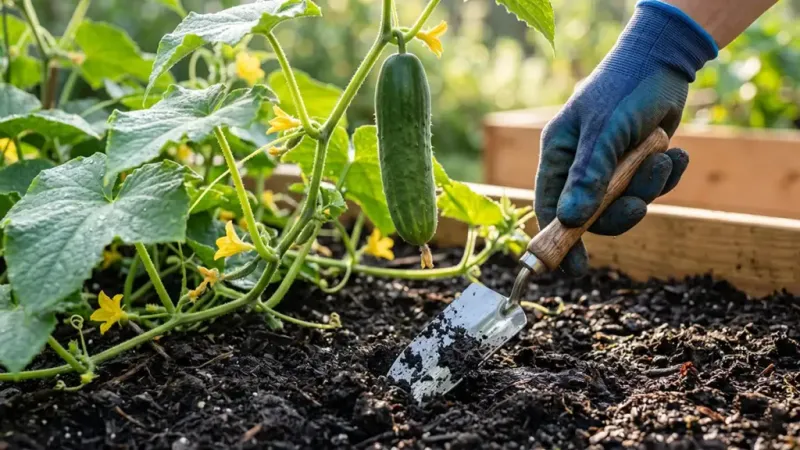
Push a finger or a small trowel about 2 inches below the surface. If the soil feels dry at that depth, the plant likely needs water.
For a more complete picture, check 4 to 6 inches down, which is where a well-established cucumber root system does most of its work. University of Minnesota Extension guidance on vegetable garden watering recommends this kind of root-zone check rather than relying on surface appearance, because a moist surface can conceal dry or even waterlogged conditions below.
Sandy soils common across much of Florida and coastal Texas complicate this further. Water moves through sandy soil quickly, so the surface can feel dry within an hour of irrigation while deeper layers are still adequate, or the reverse: a brief rain can wet the top few inches while leaving the root zone bone dry.
Shallow daily sprinkling makes this problem worse by training roots to stay near the surface, where they are most vulnerable to heat and drying. Water slowly and thoroughly so moisture reaches the full depth of the root zone, then let the soil guide your next irrigation decision rather than the clock or the leaves.
Track recovery to separate temporary stress from persistent decline
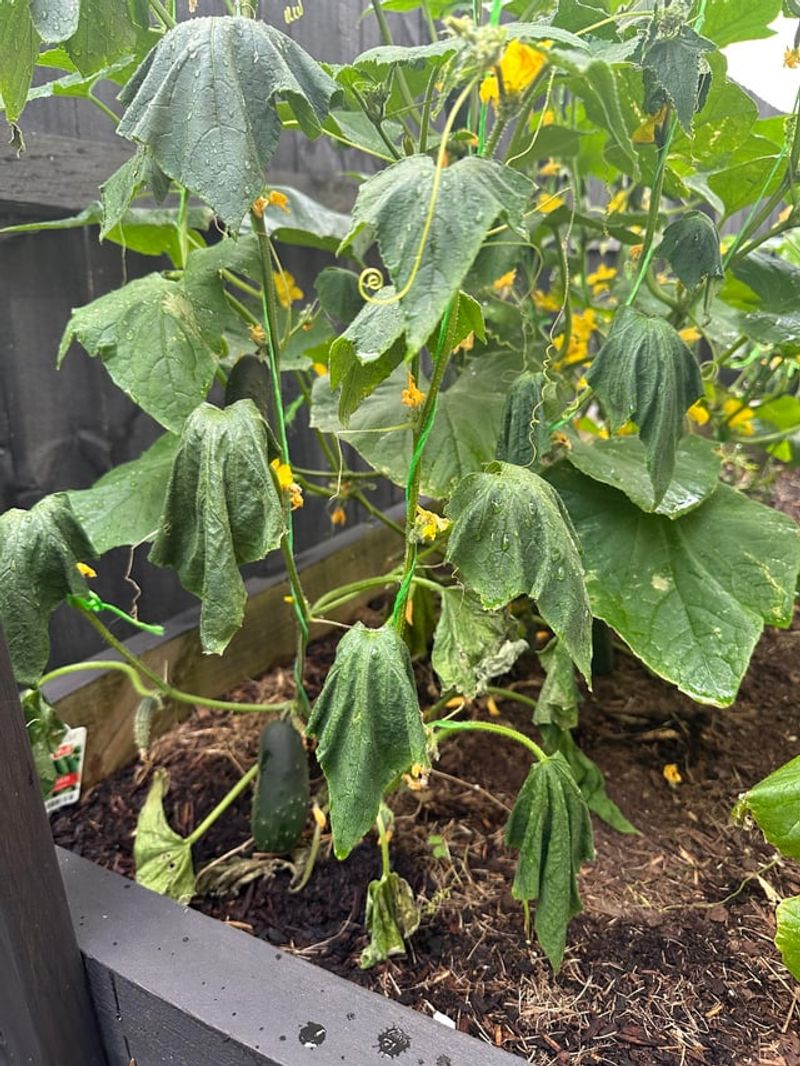
One afternoon of wilting tells you very little on its own. Following the vine through the rest of the day and into the next morning tells you a great deal more.
Watch whether the leaves firm up noticeably as evening temperatures drop and whether the vine looks strong again at sunrise.
A cucumber that droops between noon and 4 p.m. and then stands firm by dusk or the next morning is showing a pattern that Colorado State University Extension’s resource on crop water use and growth stages describes as consistent with peak evaporative demand rather than sustained water shortage. That pattern warrants a soil-moisture check before you add irrigation, not an automatic second watering.
The picture changes when a vine is still wilted at sunrise, starts collapsing earlier each successive afternoon, develops tissue that feels crisp or shows browning at the edges, or simply fails to bounce back overnight. University of Arizona Extension’s July garden newsletter notes that these signs point toward sustained water stress, root injury, or disease rather than ordinary heat response, and they require more than an extra round of watering to resolve.
One important qualification: recovery does not guarantee a healthy plant. University of Minnesota Extension’s overview of bacterial wilt of cucurbits notes that bacterial wilt can begin with daytime wilting and nighttime recovery before progressing down the vine.
If the vine recovers but then worsens over several days, or if only one vine in the row is affected, treat recovery as hopeful but not conclusive and keep watching closely.
Adjust cucumber irrigation to weather, soil, and fruiting
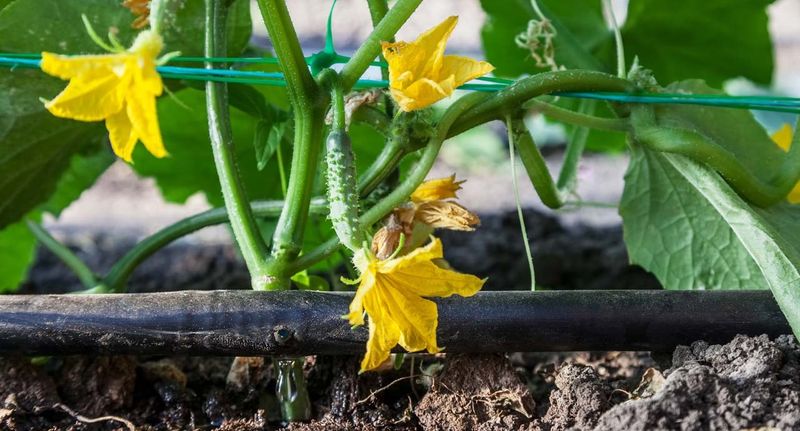
Roughly 1 inch of water per week from rainfall or irrigation is a reasonable starting point for cucumbers, but no calendar schedule fits every garden. Cucumbers growing in containers, trained up a trellis, fruiting heavily, or sitting in sandy soil may need water more frequently than that figure implies.
Heat, wind, and low humidity can push demand even higher during late-summer spikes.
University of Minnesota Extension’s guide to growing cucumbers in home gardens notes that water needs increase during flowering and fruit development, the exact stages when many Southern gardeners are still harvesting in August and September. A fruiting vine in 95-degree heat with a breeze moving through the garden is under far more demand than a young transplant in mild spring weather, so the same weekly inch that worked in June may fall short by August.
University of Georgia Cooperative Extension’s home gardening guidance specifically flags sandy soils as needing multiple smaller applications per week rather than one large weekly soak, because water drains through quickly and the root zone can dry out between applications. Checking soil moisture at depth, as described in the previous section, is the most reliable way to know when to water and when to hold off.
Apply water slowly and at soil level. Drip irrigation, a soaker hose, or a gentle hose flow directed at the base of the plant delivers moisture where roots can reach it and keeps foliage drier than overhead spraying.
University of Minnesota Extension’s vegetable watering guide explains that shallow daily sprinkling encourages roots to stay near the surface, leaving them more exposed to heat and drying between waterings. If the root zone is genuinely dry and the plant is stressed, water it even if the clock says afternoon.
Timely irrigation matters more than an arbitrary rule about what hour is acceptable.
Use mulch and temporary protection to reduce heat load

A 2- to 4-inch layer of organic mulch spread around cucumber plants can do several things at once: it slows soil moisture loss through evaporation, moderates soil temperature during peak afternoon heat, and suppresses weeds that compete for water. University of Georgia Cooperative Extension’s guide to growing cucumbers in the home garden recommends keeping mulch pulled back slightly from direct contact with the stem to reduce the risk of crown rot.
Straw, wood chips, and shredded leaves all work reasonably well. The goal is to create a buffer between the soil surface and the intense afternoon sun so the root zone stays cooler and holds moisture longer between waterings.
In Florida’s sandy soils especially, where water drains quickly and the surface bakes fast, mulch can meaningfully extend the time between necessary irrigations.
Container cucumbers deserve extra attention during heat waves. A pot sitting in full sun can heat the potting mix to temperatures that damage roots even when the mix appears moist, and the limited root volume means the plant has less buffer against rapid swings.
Oregon State University Extension’s guide on heat stress in garden plants suggests temporary shade or moving containers during the most intense afternoon sun as a practical option during extreme heat events. These steps reduce heat load and water demand, but they do not substitute for checking soil moisture or investigating a vine that is declining despite good care.
Investigate a vine that wilts persistently or alone
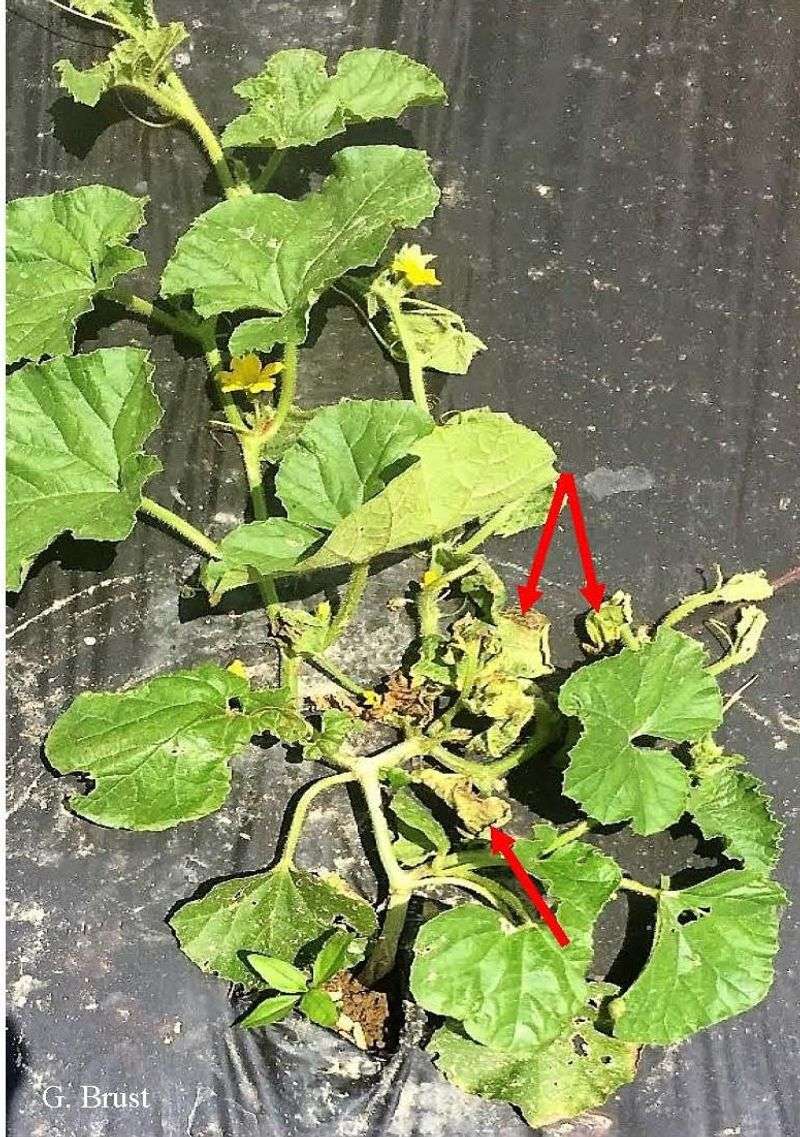
When one vine in a healthy row collapses while its neighbors stand firm, irrigation is rarely the explanation. A uniform watering problem would affect the whole bed.
A single failing vine points toward something specific to that plant: a damaged root, a pest, or a disease.
Start by looking at the whole vine from the ground up. Check the base of the stem and the soil around it for signs of crown rot or root damage.
Examine the undersides of leaves for insect activity, and look at the leaves themselves for holes, yellowing, or streaking. Then check the vascular tissue: cut a small section of stem near the base and look for browning inside.
These are the kinds of clues that separate a watering problem from a plant disease or pest problem.
University of Minnesota Extension’s bacterial wilt of cucurbits resource identifies cucumber beetles as the primary spreaders of bacterial wilt, a disease that can begin with daytime wilting and apparent nighttime recovery before progressing down the vine and killing the plant. Adding water will not stop bacterial wilt.
Infected plants are generally removed to reduce the chance of beetles spreading the pathogen to neighboring vines. Any decision to use a pesticide to manage cucumber beetles must follow the product label, confirm that the product is registered for use on cucumbers, and account for pollinator safety.
Cucumber flowers depend on bees, so avoid applying insecticides when flowers are open and bees are active.
Overwatering creates a separate but equally serious problem. University of Georgia Extension’s guide to avoiding vegetable problems notes that constantly wet or poorly drained soil reduces oxygen around roots and can lead to root and crown rots that leave a plant unable to take up water even when the soil is saturated.
A vine that wilts in wet soil needs drainage and disease investigation, not more water. University of Minnesota Extension’s cucumber growing guide reinforces that good drainage is a basic requirement for healthy cucumber roots throughout the season.
Use a soil-and-recovery decision before watering again
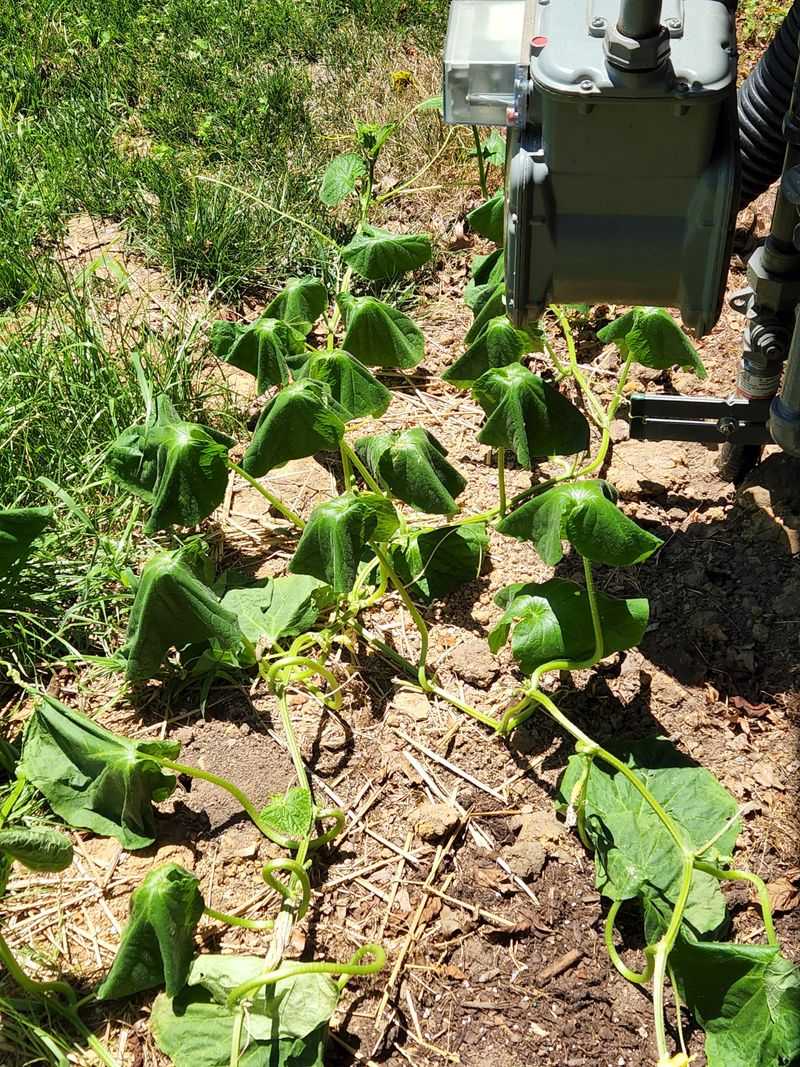
Before reaching for the hose the next time your cucumber vines droop at midday, run through a short sequence. Check soil moisture several inches below the surface.
Watch whether the vine firms up as afternoon temperatures fall. If the root zone is dry and the plant is not recovering, water deeply and slowly at soil level.
If the soil is already moist and the vine recovers by evening, hold off and monitor.
Wilt that persists into the morning, worsens day over day, or affects only one vine in the row needs investigation before more water is added. Wisconsin Horticulture Extension’s overview of why plants wilt makes clear that wilting reflects a water imbalance that can come from multiple sources, not just dry soil.
Root damage, disease, and overwatering can all produce the same drooping leaves. University of Minnesota Extension’s watering guidance and their bacterial wilt resource together reinforce that a soil check and a recovery observation give you far more useful information than the leaves alone ever can.
Afternoon wilt in the Southern summer is common, expected, and often temporary. The gardeners who protect their cucumbers best are the ones who pause before watering, check what the soil is actually doing, and recognize when a struggling vine needs diagnosis rather than another drink.