
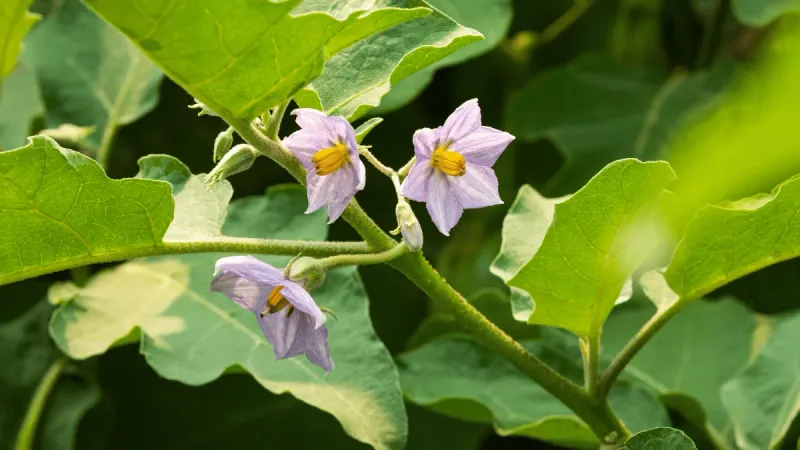
Watching your eggplant push out flower after flower all summer, only to see them fall off before a single fruit forms, is one of the more frustrating moments in a Southern garden. The plant looks healthy, the blooms keep coming, and yet your harvest tray stays empty.
Late-season heat is often the reason, but pinning it down correctly means checking a few things before you start changing your routine. Understanding what is actually happening inside those flowers will help you make the right call.
The timing pattern points to heat-related flower drop
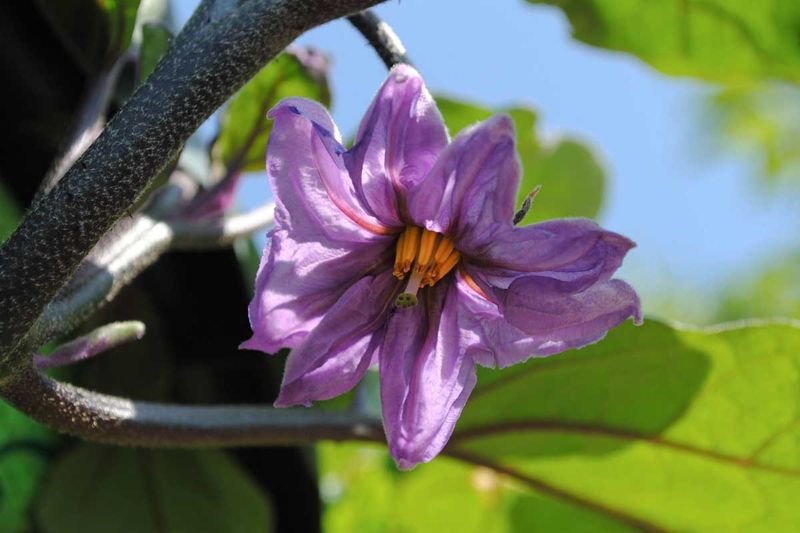
A key clue often hiding in plain sight is when the problem started. If your eggplant was producing small fruit earlier in the season and then stopped as the heat built up, that shift in timing is meaningful.
A plant that drops flowers during a sustained stretch of unusually hot days or nights, while still looking vigorous and putting out new growth, fits the pattern of heat-related flower or fruit abortion better than one that has never set fruit at all.
Two different symptoms sometimes get lumped together, and separating them matters for diagnosis. A flower that falls cleanly before any tiny fruit ever forms suggests the fertilization process failed outright.
A small fruit that starts to develop, then yellows and drops a few days later, points to a slightly different problem where fertilization began but the developing fruit was later abandoned under stress. Both can happen during a heat event, but they are not identical, and tracking which one you are seeing helps narrow down the cause.
Heat rarely acts alone. UC IPM’s blossom drop guidance identifies insufficient or inconsistent soil moisture, poor pollination, wind, and general plant stress as additional causes of flower drop alongside temperature.
Before settling on heat as the explanation, ask yourself a practical starting question: did the change in fruit set coincide with a stretch of extreme heat and a root zone that had been drying out between waterings? If both conditions arrived together, the case for heat-related drop becomes much stronger.
Extreme heat interrupts the flower-to-fruit process
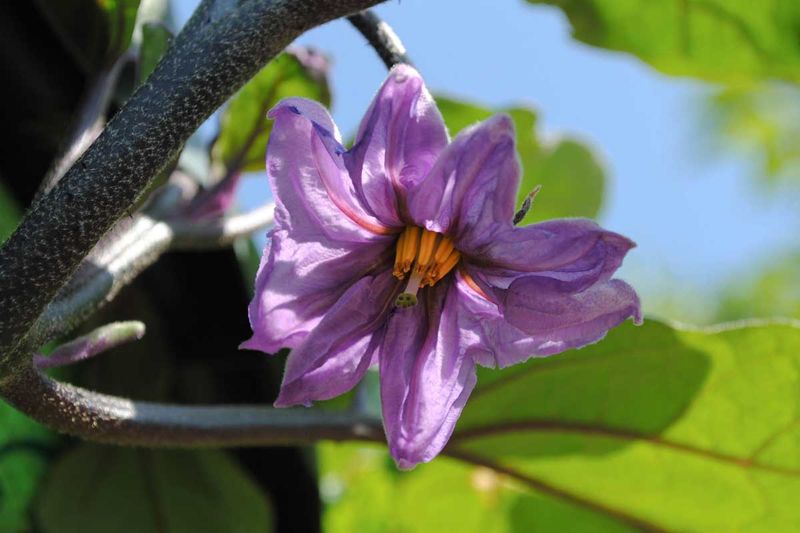
Eggplant is genuinely comfortable in warm weather, which can make it confusing when a plant that thrives in summer heat suddenly stops producing fruit. The key distinction is between the vegetative part of the plant, which handles high temperatures reasonably well, and the reproductive process, which is considerably more sensitive.
Pollen viability, pollen release, and the fertilization that has to happen inside each flower can all be disrupted when temperatures push into extreme territory.
UC ANR eggplant production guidance reports that fruit abortion can occur when daytime temperatures exceed about 95 degrees Fahrenheit. That figure is a practical warning point, not a hard cutoff where every flower on every plant fails at the same moment.
Cultivar, humidity, how long the heat lasts, the water status of the plant, and nighttime temperatures all influence the outcome. Hot nights are a separate concern because the plant cannot cool down and recover between heat cycles, which compounds the stress on developing flowers.
Eggplant being described as heat-tolerant refers to its ability to survive and keep growing in conditions that would shut down a cool-season crop entirely. That tolerance does not extend equally to pollen.
University of Delaware Cooperative Extension guidance on heat stress notes that even crops suited to warm conditions can experience reproductive failure when extreme heat strikes at the wrong moment. A plant pushing out new leaves and stems while dropping every flower is showing exactly that split: vegetative resilience alongside reproductive sensitivity.
Check the root zone before changing the watering schedule
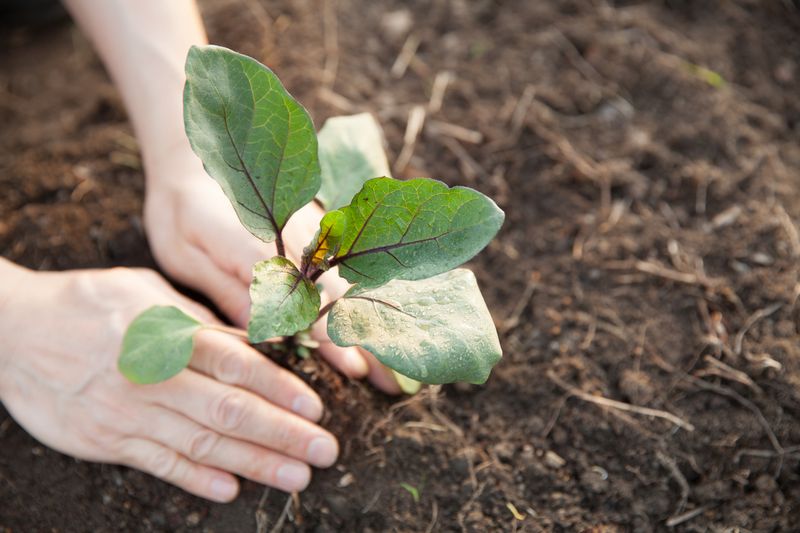
Leaf appearance is an unreliable guide to what is happening underground during a heat event. Leaves may look fine while the root zone several inches below the surface has already dried to the point where it is limiting water uptake during flowering.
Before adjusting anything else, push a finger or a thin probe four to six inches into the soil near the plant’s root zone and check whether moisture is actually present at that depth.
UMass Extension’s eggplant fact sheet identifies water as a critical requirement during flowering, fruit set, and fruit development. Deep, thorough watering that wets the full root zone is preferable to frequent shallow sprinkling that only moistens the top inch or two.
How often you need to water depends on your container size, soil type, raised bed depth, recent rainfall, mulch coverage, wind exposure, and how extreme the heat has been. There is no single schedule that works for every situation.
Mulch placed around the plant can reduce evaporation and help moderate soil-temperature swings, which is genuinely useful during a heat event. However, NC State Extension’s guidance on plastic mulch and drip irrigation points out that plastic mulch can prevent rainfall from penetrating to the root zone, so you should verify that water is actually getting through rather than running off.
In Florida and Texas, where sandy soils, containers, raised beds, and variable rainfall all change how quickly the root zone dries, the goal is consistent deep moisture without keeping the soil saturated. Waterlogged roots create their own stress and can reduce crop quality or leach nutrients that the plant needs during reproductive growth.
Temporary afternoon shade can lower the stress load
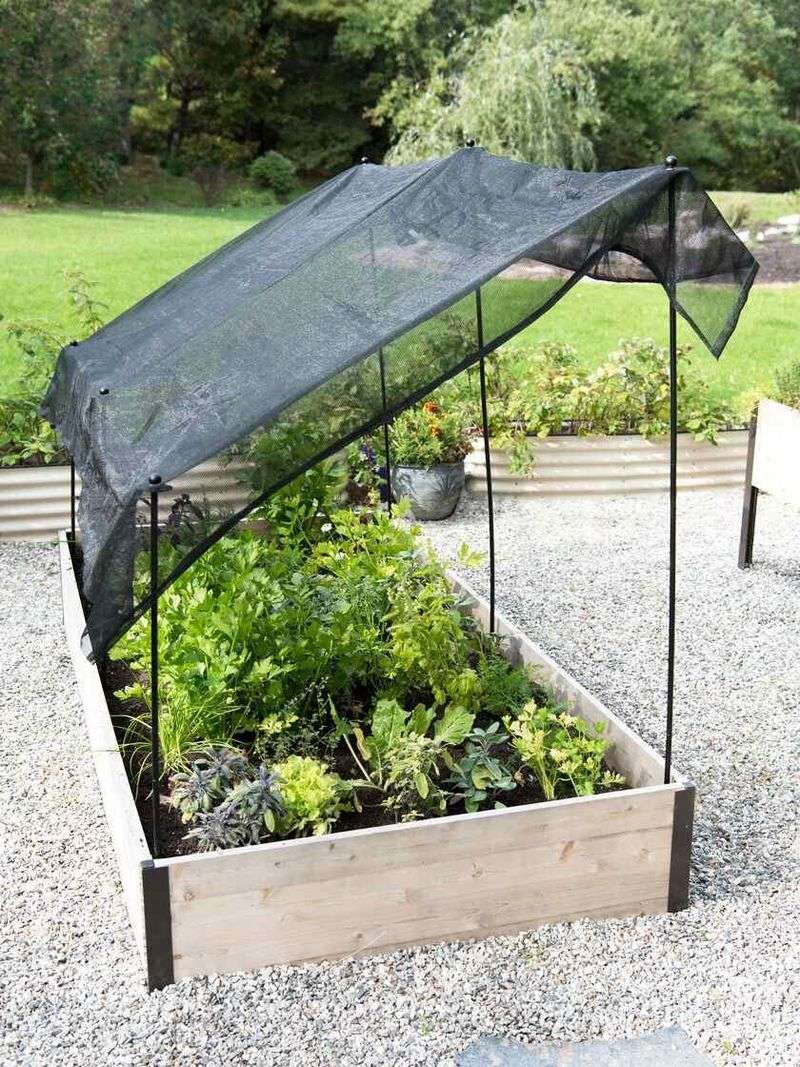
When the plant is otherwise vigorous and the problem tracks clearly with the hottest part of the day, reducing afternoon heat exposure is a proportionate response. The goal is not to put the eggplant in deep shade all day but to take the edge off the most intense radiation during the hours when temperatures peak.
A removable structure positioned on the west or southwest side of the plant, where afternoon sun hits hardest, gives the flowers and developing fruit a better chance without depriving the plant of the morning light it needs for photosynthesis.
Utah State University Extension guidance on season extension and related extension sources commonly discuss approximately 20 to 30 percent shade for heat management in vegetable crops, though the right amount depends on your specific setup and how severe the heat is. Prioritize airflow when building or placing any shade structure.
A tightly enclosed covering traps heat and humidity around the plant, which can make conditions worse rather than better, and it restricts the movement of pollinators and air that helps pollen transfer.
Oregon State University Extension’s heat wave garden guide cautions that prolonged heavy shade causes plants to stretch toward available light, reducing overall vigor. Shade cloth or a suitable patio umbrella used for the hottest afternoon hours is a temporary heat-management tool, not a permanent growing condition.
Distinguish this clearly from insulating row cover or plastic tunnels: University of Maryland Extension’s row cover guidance warns that leaving ordinary row cover over tomato, pepper, and eggplant after late June or early July can raise temperatures by 10 to 15 degrees Fahrenheit, which is precisely the opposite of what a heat-stressed plant needs.
Hand-pollination can test pollen transfer, not repair heat damage
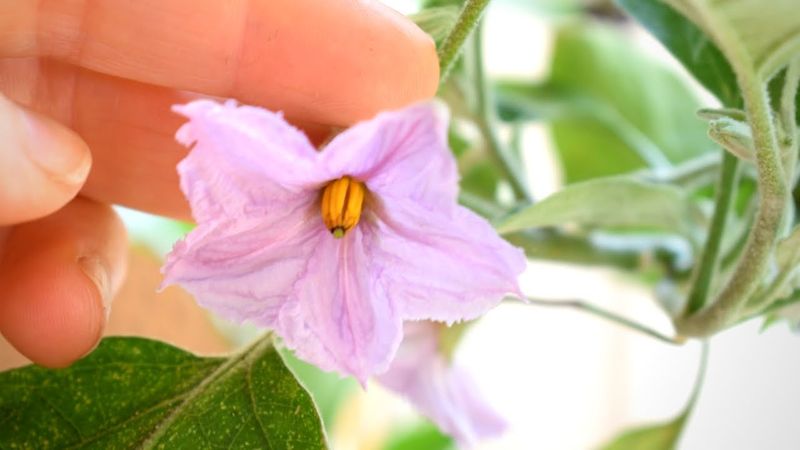
Eggplant flowers carry both male and female reproductive parts within the same bloom, which means each flower is capable of pollinating itself without a second plant nearby. UC ANR production guidance notes that eggplants are largely self-pollinated, so the absence of bees or a companion plant is not automatically why fruit fails to set.
Even so, pollen still has to move from the anthers to the stigma inside the flower, and vibration from wind or visiting pollinators can improve that transfer. In still air with low pollinator activity, a flower may not receive enough internal agitation to release pollen reliably.
Gentle hand-pollination is a low-risk diagnostic step worth trying when open flowers are present but no tiny fruit develops. Extension pollination guidance suggests gently shaking or flicking open flowers, or using a small clean brush to transfer pollen within the bloom.
If still air or reduced pollinator visits are the limiting factor, this may help fruit set. The limit of the technique is firm, though: hand-pollination cannot restore pollen that has been rendered nonviable by extreme heat.
If the pollen itself is damaged, moving it more efficiently does not change the outcome.
Wind deserves a nuanced read here. Extension guidance on eggplant flowers and related sources note that strong wind can physically damage flowers, dry out containers and exposed soil, and scar developing fruit.
A gentle breeze helps; a sustained strong wind can add stress rather than relieve it. If your garden is in an exposed location, a partial windbreak may be useful, but it should still allow enough airflow to prevent heat and humidity from building up around the plant during the hottest hours.
Rule out stress signals before blaming every dropped bloom on weather
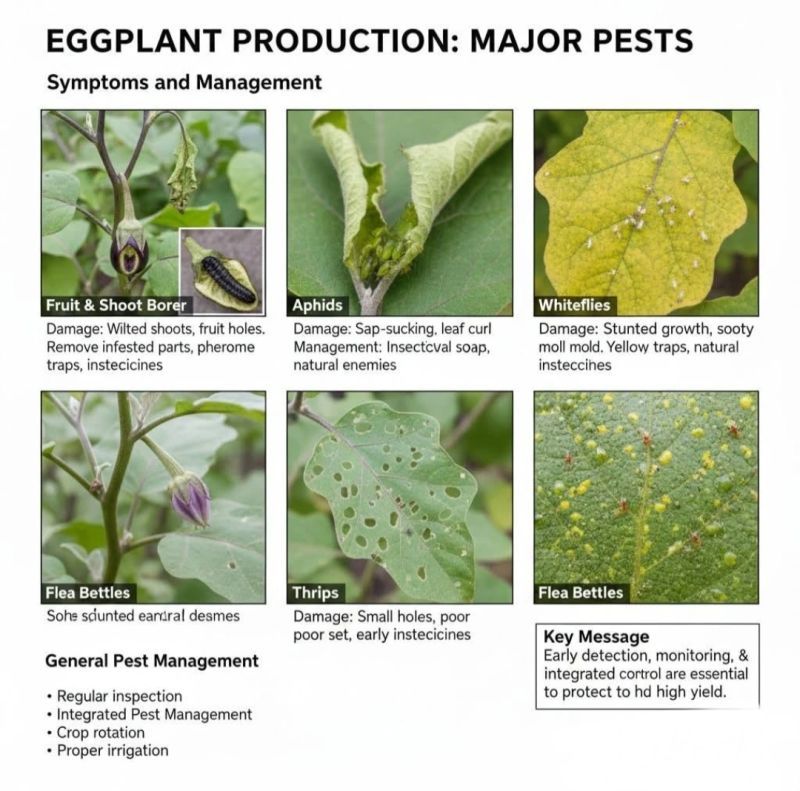
Heat is a plausible explanation when the timing fits, but turning a timing coincidence into a confirmed diagnosis requires ruling out other causes first. Start with a close inspection of the whole plant, not just the flowers.
Flea beetles leave tiny shothole damage on leaves and are a common eggplant pest in the South. Aphids and thrips can cluster on tender new growth and flower buds.
Spider mites create a stippled, bronzed look on leaves and thrive in hot, dry conditions. Any of these can weaken plant vigor enough to reduce fruit set, independent of temperature.
UF/IFAS guidance on eggplant production in Florida identifies several pest and disease pressures that affect flowering and fruit development in Southern gardens. Check stems and the base of the plant for wilt symptoms or discoloration that might indicate a soilborne disease.
Look at the roots if the plant is in a container or a raised bed where you can inspect them, and watch for signs that inconsistent moisture has been stressing the plant over time rather than just during the current heat event.
Cold nights are worth considering too, particularly in early or late summer when temperatures swing. UC IPM’s blossom drop resource lists both high and low temperature extremes as causes of flower drop, so a night that dips unexpectedly can disrupt fruit set just as a scorching afternoon can.
Reaching for extra fertilizer or a bloom booster is a common instinct when fruit set stalls, but Oregon State University’s eggplant guidance supports fertility based on crop needs and soil-test results, not as a reliable treatment for heat-induced abortion. Excess nitrogen in particular tends to push leafy growth rather than solve a pollination or temperature problem.
Compare the full symptom timeline against the plant’s overall condition before settling on any single remedy.
Cooler weather may reopen the fruit-setting window
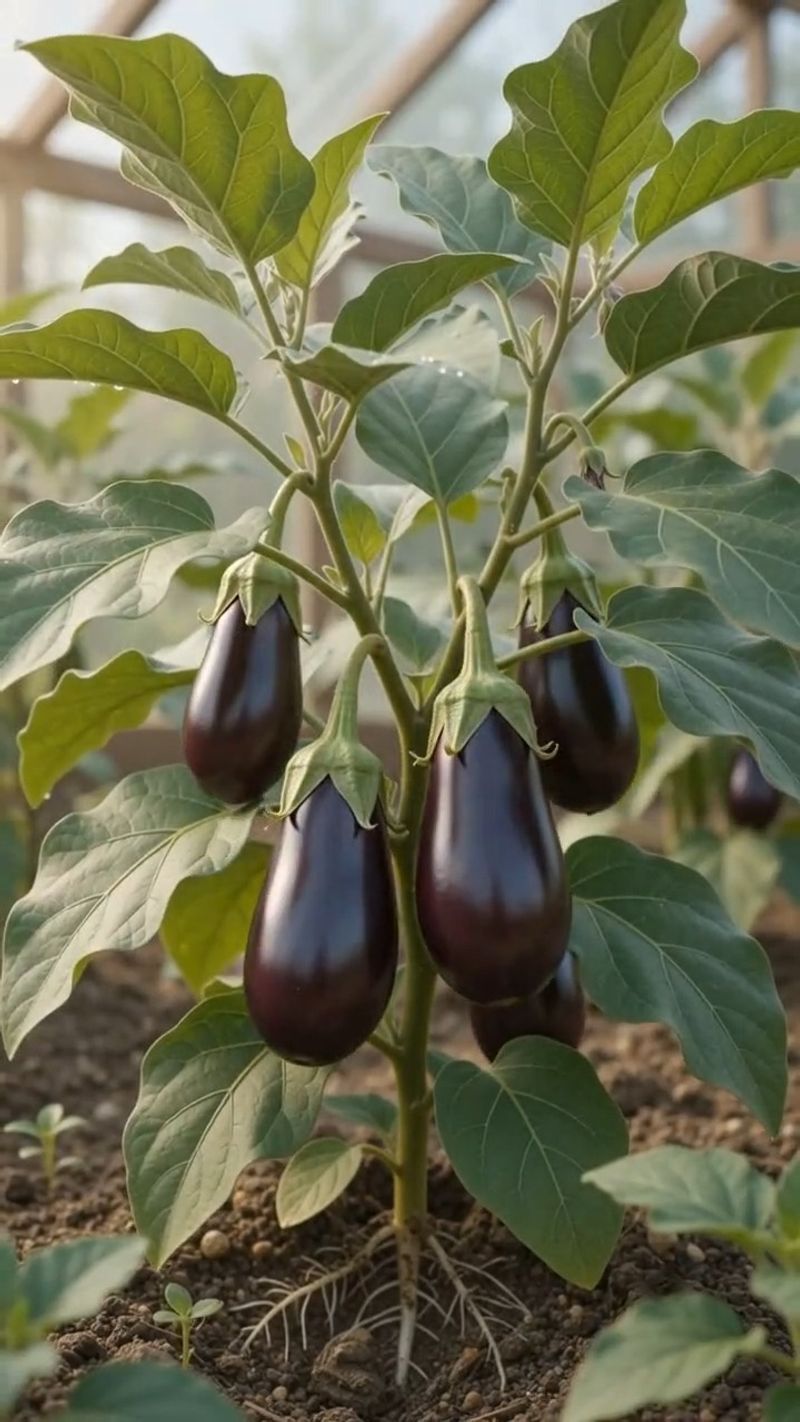
As extreme heat eases, a healthy plant with consistent moisture and no major pest or disease problems may begin setting fruit again. Recovery is realistic but not guaranteed.
Flowers that opened during the hottest stretch may still abort even after temperatures moderate, because the damage to pollen or the developing ovary happened before conditions improved. New flowers that open in cooler conditions have a better chance, so watch for fresh buds rather than expecting the current open blooms to suddenly hold on.
For gardeners in Texas and parts of the Southeast, a fall production window can be worth planning around. Texas A&M AgriLife Extension’s fall vegetable gardening guide lists eggplant among crops suitable for fall planting when timing allows, though the crop is frost-sensitive and success depends on how much growing season remains before cold arrives.
This is a regional possibility worth considering, not a fallback that works in every situation or location.
The practical takeaway from the whole diagnostic process comes down to a short checklist: match the timing of flower drop to a heat event, check moisture several inches below the surface, reduce the hottest afternoon exposure with removable ventilated shade, test pollen transfer gently with hand-pollination, and keep scanning the plant for pest, disease, or other stress signals. A plant that gets consistent root-zone care through the heat often surprises gardeners with a flush of new fruit when the first cooler nights of late summer arrive.