
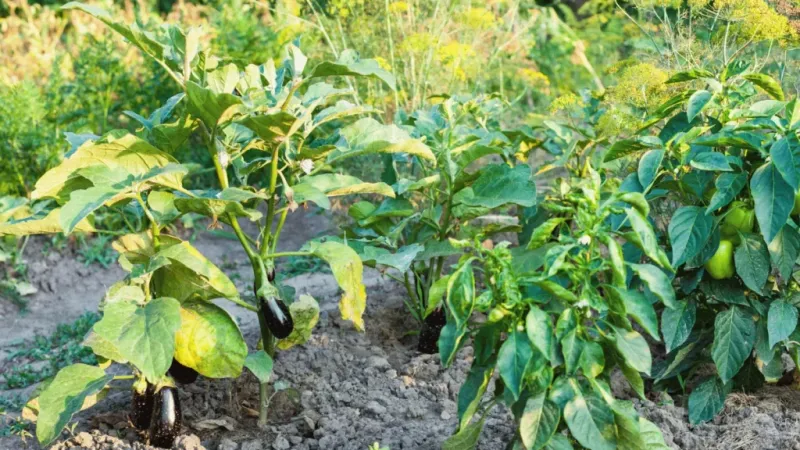
Watching eggplant flowers fall to the ground day after day, with no fruit forming behind them, is genuinely frustrating when you have been tending those plants all season. Many gardeners reach for a fertilizer bag first, assuming the plant is hungry, but that instinct can actually make things worse. August flower drop usually comes down to heat, water, pollination, or pests, and sorting out which one is happening in your garden is the fastest way to turn things around.
Identify What Actually Fell
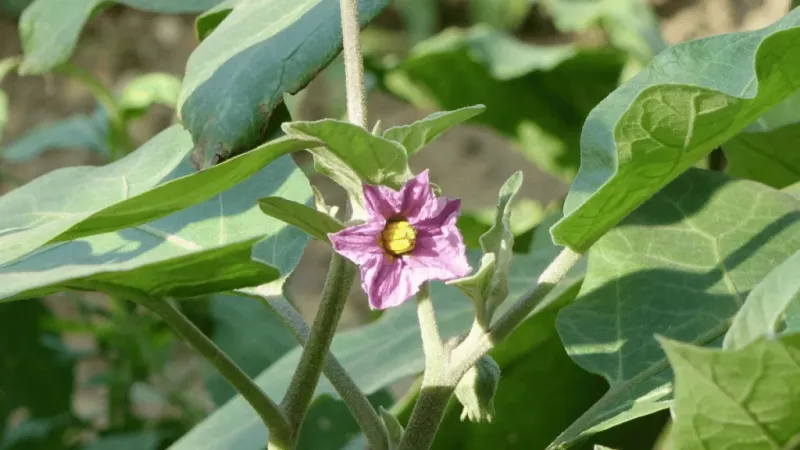
Before reaching any conclusion about why your eggplant stopped setting fruit, pick up one of those fallen pieces and look at it closely. What you find tells you a lot about where to focus your attention next.
A blossom that shrivels and drops without any visible swelling at its base suggests the flower never got far enough along to start forming fruit. That pattern points toward failed pollination, heat stress, water stress, or some kind of injury to the flower itself. UC IPM guidance on poor pollination in eggplants and peppers notes that flowers can fail to develop without leaving any obvious external damage, which makes this distinction especially worth making early.
A tiny fruit that actually forms, swells slightly, then drops later is a different situation entirely. That path involves the plant abandoning a fruit it already started, which can relate to stress, disease, pest activity, or a resource imbalance inside the plant. Treating both symptoms as the same problem leads to the wrong fix.
UC Master Gardeners of Santa Clara County and University of Minnesota Extension both emphasize that consistent observation of the dropped material is the starting point for any reliable diagnosis. Sorting this out first keeps you from chasing the wrong cause and wasting time on a fix that was never going to help.
Check August Heat Before Blaming Nutrition
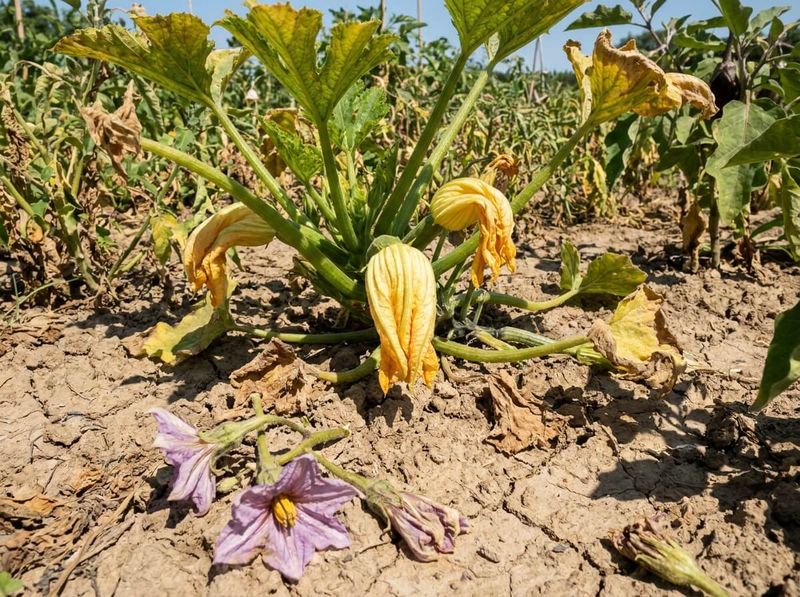
August heat is the first suspect worth investigating when eggplant flowers keep dropping. Eggplant is a warm-season crop, but there is a real difference between the warmth it thrives in and the extreme heat that shuts down fruit set.
University of Minnesota Extension reports that poor flowering can occur when drought conditions push daytime temperatures above 90 degrees Fahrenheit, and that nighttime temperatures below 60 degrees or rising above 70 degrees can also disrupt the process. These are not hard universal cutoffs that apply equally to every eggplant variety in every climate, but they give you a useful reference range to compare against your own recent weather records.
Research published in Scientia Horticulturae on seasonal fruit-setting in eggplant found that a plant’s ability to set fruit is closely tied to maximum temperature and precipitation during the first several days after flowers open. That window is short and sensitive, which means a heat spike at exactly the wrong moment can cause a flush of flower drop even when everything else looks fine.
Cultivar, crop stage, local weather patterns, and regional climate all affect how a specific plant responds to heat. Checking your recent daytime highs and nighttime lows against your garden records is a faster and more reliable first step than assuming the plant needs a feeding.
Stabilize Soil Moisture Through the Heat
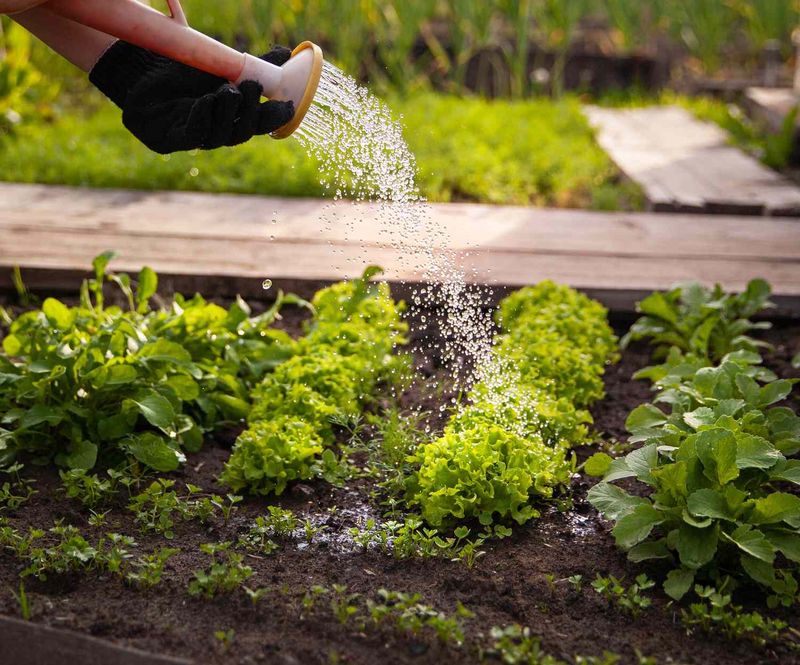
Irregular watering compounds heat stress in ways that can push a struggling plant over the edge. Eggplant roots need consistent access to moisture, and swinging between dry soil and sudden saturation stresses the plant just as much as outright drought.
University of Minnesota Extension recommends soaking eggplant thoroughly when weekly rainfall falls short of about one inch. Utah State University Extension suggests roughly one to two inches of water per week, applied deeply enough to reach the root zone rather than just wetting the surface. Both sources connect irregular watering to reduced yield and lower fruit quality.
Those numbers are starting points, not fixed rules. Sandy soils drain faster and may need more frequent watering. Container-grown plants dry out quicker than in-ground beds. Mulching the soil surface with two to three inches of straw or shredded leaves slows evaporation and helps keep moisture more consistent between waterings, which is especially valuable during a stretch of August heat.
Correcting your watering routine before reaching for a fertilizer bag matters because the plant cannot use nutrients it cannot move through its system. Stressed, drought-affected roots take up water and minerals poorly regardless of what you add to the soil. Getting moisture right first gives any other corrective steps a better chance of actually working.
Test Whether Pollination Limits Fruit Set
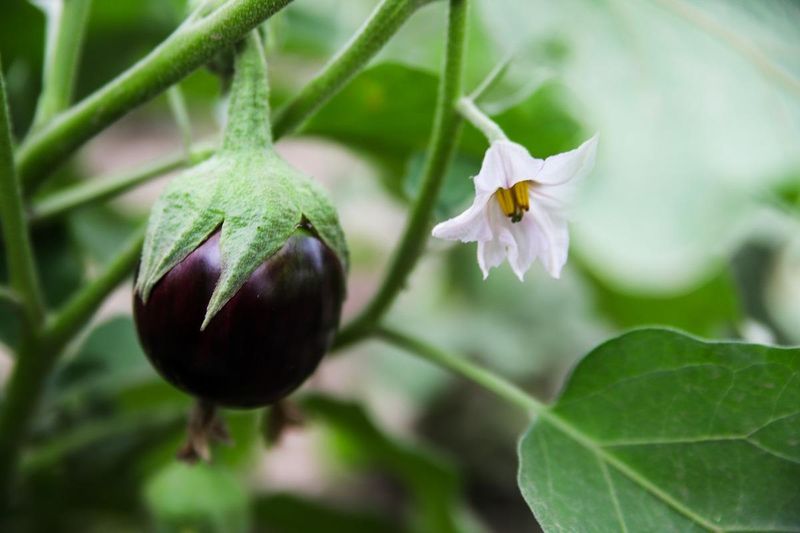
Many gardeners assume that because eggplant flowers contain both male and female structures, pollination takes care of itself. That is mostly true, but pollinator activity can still make a meaningful difference in how reliably pollen moves from the anther to the stigma inside each flower.
University of Illinois Extension lists eggplant among vegetable crops that benefit from bee visitation, particularly through the vibration that bumblebees produce when foraging, a behavior sometimes called buzz pollination. When pollinator traffic in your garden is low, fewer flowers may complete pollination successfully, especially during the short window after they open.
A simple trial worth trying is gently shaking healthy-looking flower clusters by hand, or tapping the stem behind a cluster, around midday when the flowers are most receptive. UC Master Gardeners of Santa Clara County recommend this approach to encourage fruit set. Watch over the following week for small swellings to form behind the flowers you treated.
Hand-shaking is a low-risk step when blossoms look otherwise healthy, but it will not fix flowers that have been damaged by heat, drought, or pests. University of Florida IFAS notes that eggplant can self-pollinate but benefits from insect activity. If you are considering any spray treatment for pests, protect foraging bees by following label directions carefully. Utah State University Extension cautions that insecticides applied during bloom can harm bees, and recommends choosing the least hazardous effective option and timing applications when bees are less active.
Avoid Rescue Fertilizing Without Evidence
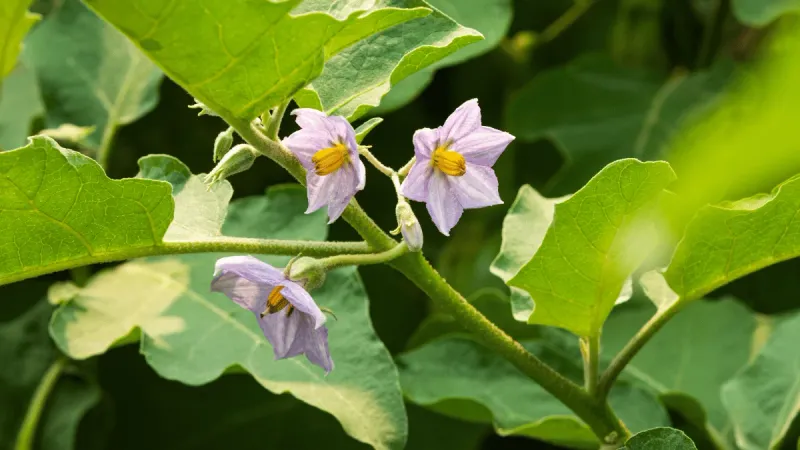
When flowers keep dropping, the temptation to pour on fertilizer is understandable, but adding nutrients without knowing what the soil already contains can push the plant in the wrong direction. The more common fertilizer-related problem with eggplant is too much nitrogen, not too little.
Utah State University Extension cautions that overfertilizing encourages excessive leaf growth and delays both flowering and fruit maturity. University of Minnesota Extension adds that phosphorus should be applied based on soil-test results because many soils already hold enough of it. Applying more phosphorus to a soil that is already well-supplied does not trigger fruit set and can create other nutrient imbalances over time.
A plant with large, dark green, lush leaves and few fruits may actually be getting too much nitrogen, not too little. That visual clue alone is not a firm diagnosis, but it is a reason to pause before adding more. Lack of fruit by itself does not confirm a nutrient deficiency any more than leaf color alone confirms an excess.
Oregon State University Extension notes that a soil test is the most accurate guide for fertilizer decisions. If you have not tested your soil this season and have no clear deficiency symptoms such as yellowing in a recognizable pattern, holding off on a late-season feeding is the safer call. If a test or visible symptoms do support feeding, follow the product label for rates and timing rather than applying a heavy dose hoping to force fruit.
Look for Specific Pest Evidence
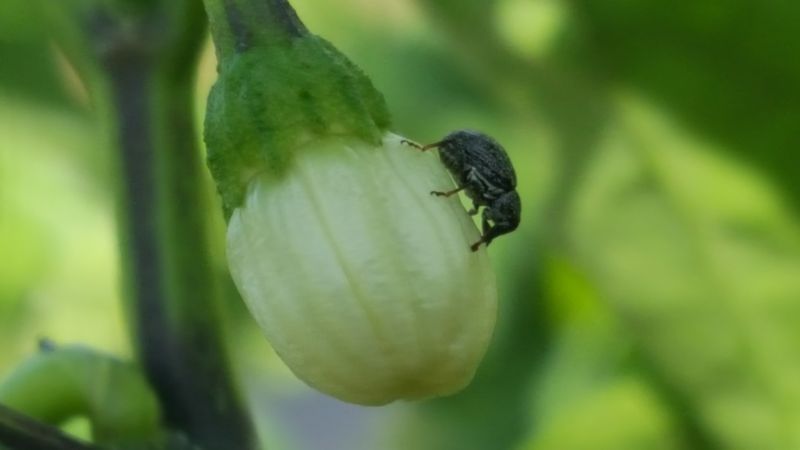
Pest damage belongs on your checklist, but it works best as a check you make after ruling out heat, moisture, and pollination problems rather than the first assumption. Some pests cause symptoms that look exactly like environmental stress, so matching the physical evidence matters before you act.
Collect a few of the fallen buds or flowers and examine them carefully. Look for small puncture marks on the outside, premature yellowing, distorted or deformed tissue, or any sign of larvae when you split a bud open. According to University of Florida IFAS on the pepper weevil and UF Entomology and Nematology Department pepper weevil resources, this pest can attack eggplant buds and young fruit, causing bud drop and early fruit abortion. Signs include feeding punctures, yellowing, and larvae found inside damaged tissue.
Pepper weevil is regionally significant rather than a universal home-garden problem. If you garden in an area where it is known to occur and your fallen buds show matching signs, that evidence supports investigating further and possibly contacting your local cooperative extension office for regional guidance.
Any pest treatment during bloom requires extra care. Utah State University Extension recommends selecting the least hazardous effective product, following label directions completely, and timing any spray for periods when bees are less active to reduce pollinator exposure. Identify the pest accurately before treating, because applying the wrong product wastes time and can harm beneficial insects.
Follow a No-Regrets Recovery Sequence
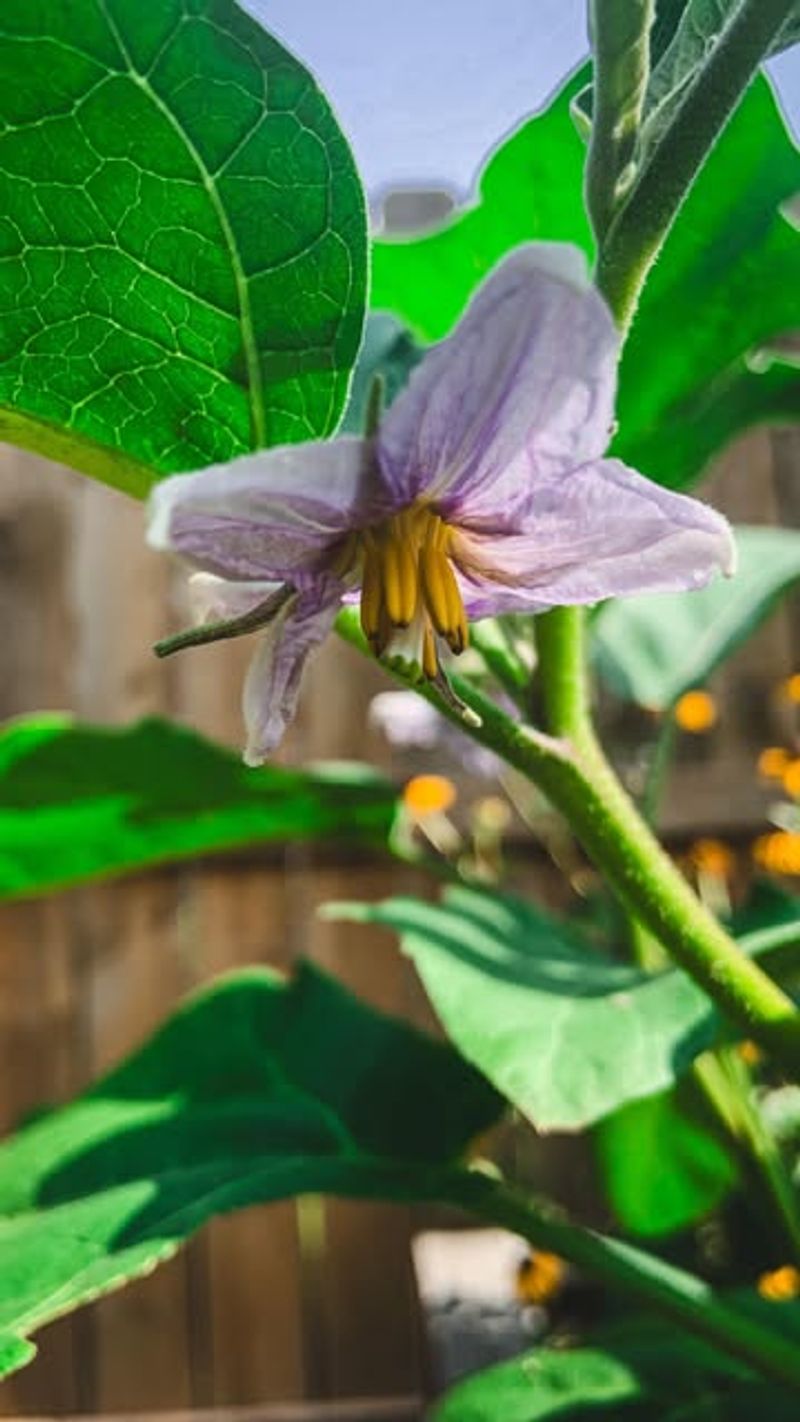
Having a clear order of checks makes the recovery process less stressful and more likely to address the actual problem. Working through these steps in sequence means you are not guessing and not wasting effort on fixes that bypass the real cause.
Start by pulling up your recent weather data. Review daytime highs and nighttime lows for the past two to three weeks and compare them to the guidance from University of Minnesota Extension, which associates poor flowering with drought conditions above 90 degrees Fahrenheit and with nighttime temperatures outside a comfortable range. If heat has been an issue, the most useful action is providing afternoon shade with a light row cover or shade cloth rather than feeding.
Next, restore a steady deep-watering routine if you have not already. Utah State University Extension recommends roughly one to two inches per week, applied deeply. Check your soil a few inches down before watering to avoid overwatering during a cooler stretch.
Inspect your flowers and buds for pest signs as described in the previous section. If the flowers look healthy and undamaged, try gently shaking the flower clusters around midday for several days in a row and watch for small fruit to form behind them.
Harvest any mature, glossy eggplant already on the plant promptly. UC Master Gardeners of Santa Clara County note that leaving ripe fruit on the plant can suppress new production. Use a knife or pruners rather than pulling, which can damage stems. Reassess whether fertilizer is warranted only after completing these steps, and only when soil-test results or clear deficiency symptoms support it.
Let Evidence, Not the Calendar, Guide Feeding
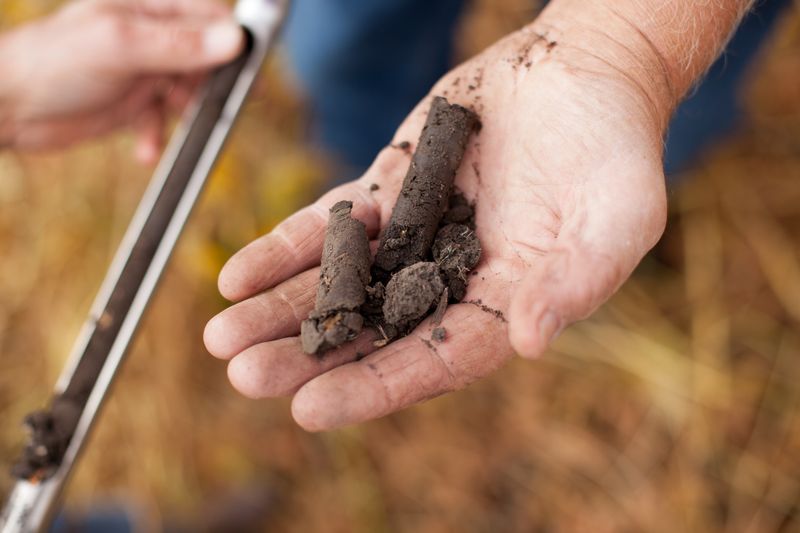
August flower drop does not point a finger at a missing feeding on its own. The month matters less than what your thermometer, soil moisture, and fallen buds are actually telling you. Heat, inconsistent watering, low pollinator activity, and pest damage each produce similar symptoms, and sorting through them in order is more reliable than guessing at a fertilizer fix.
University of Minnesota Extension and Oregon State University Extension both treat soil testing as the foundation for any nutrient decision. Utah State University Extension cautions that overfertilizing can push a plant toward foliage at the expense of fruit. A heavy late-season application made without that foundation can increase soil salt levels, stimulate leafy growth, and leave the actual stressor unaddressed.
Local conditions, your specific cultivar, your planting date, and your regional weather pattern ultimately determine which stressor is driving the symptom in your garden. No single calendar month and no single feeding decision explains every case. The gardener who works through the environmental checks first, then reaches for a soil test before opening the fertilizer bag, is the one most likely to still be harvesting eggplant into September.