
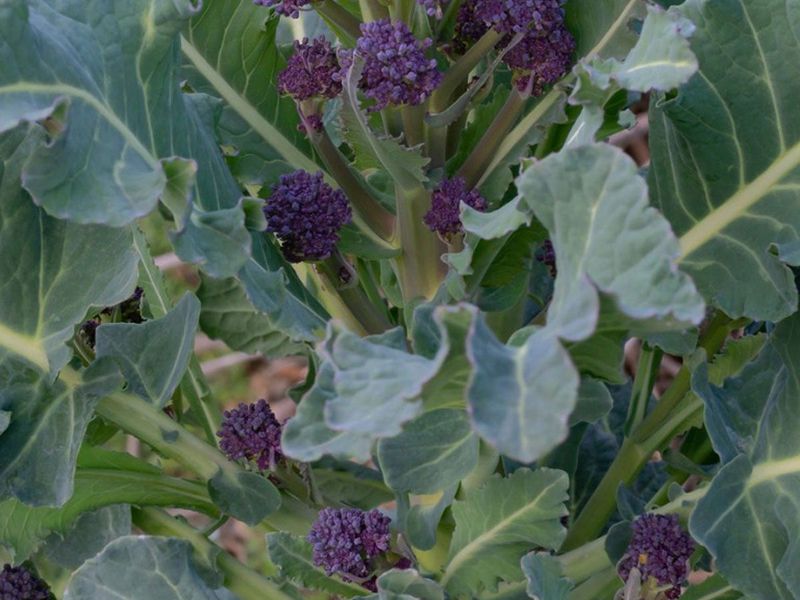
Stepping outside to check on your newly planted fall broccoli and finding the leaves flushed purple and the whole plant frozen in place is a genuinely unsettling sight. Before assuming the worst or reaching for a fertilizer bag, it helps to know that purple coloring in young broccoli can come from several different causes.
Getting the diagnosis right matters because the fix for heat and transplant stress looks very different from the fix for a nutrient shortage or a root problem.
Purple Leaves Need Investigation, Not an Automatic Diagnosis
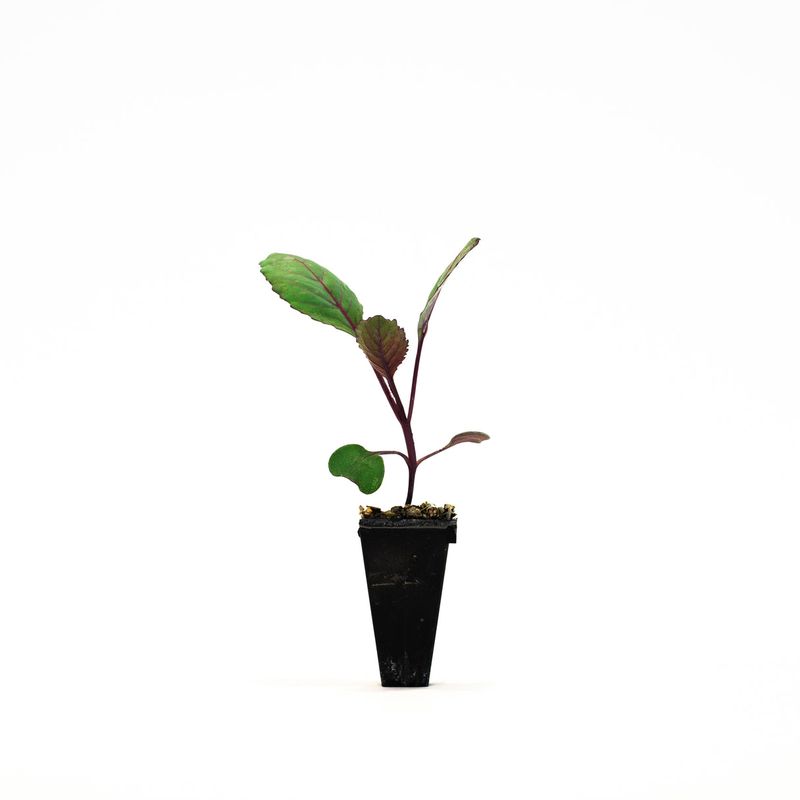
Seeing purple leaves on a freshly transplanted broccoli seedling can feel like a clear warning sign, but the color alone does not point to one specific problem. Iowa State Extension’s plant-color guide notes that purpling in vegetable crops can stem from restricted root growth, environmental stress, compacted or waterlogged soil, drought, and disruptions to nutrient uptake, not just a shortage of phosphorus in the ground.
Phosphorus deficiency is a real possibility, but so are transplant shock, poor acclimation, heat exposure, and even the plant’s own genetics.
The California Department of Food and Agriculture’s broccoli fertilization guidelines confirm that phosphorus deficiency in broccoli does produce stunting and reddish-purple foliage, particularly on older leaves. However, those same symptoms can appear when roots are too damaged, dry, or waterlogged to absorb nutrients that are already present in the soil.
Leaf color, in other words, is a symptom, not a verdict.
A more reliable approach starts with examining several plants rather than one. Check whether the root ball is dry, compacted, broken, or sitting in saturated soil, and consider recent weather, watering habits, and how the seedlings were prepared before going in the ground.
From there, observe whether the purple pattern fits a deficiency or points elsewhere, and hold off on adding phosphorus until a soil test gives you something concrete to act on.
Late-Summer Conditions Can Delay Broccoli Establishment
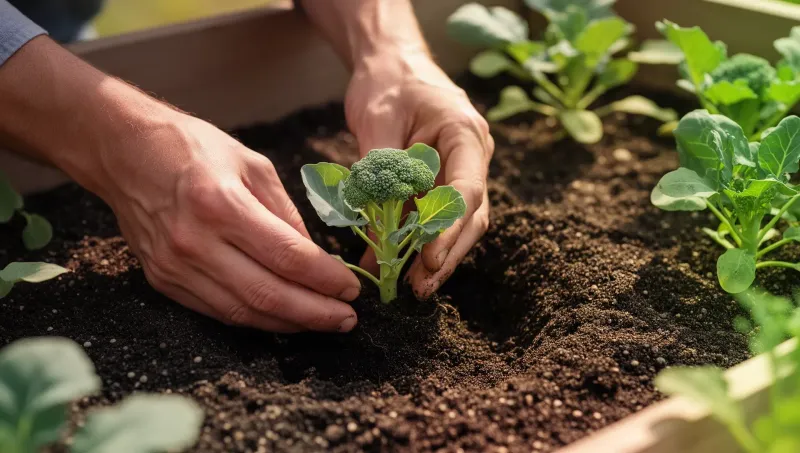
Broccoli is a cool-season crop, and that preference shapes everything about how it behaves in the garden. Iowa State Extension’s broccoli guide notes that the crop grows best in temperatures roughly between 60 and 70 degrees Fahrenheit.
Prolonged heat above about 80 to 85 degrees can reduce quality, interfere with normal development, and cause particular trouble during head formation.
Oklahoma State’s cole-crop fact sheet and UC ANR’s broccoli cultural tips reinforce that hot spells can push a fall planting toward loose heads, premature heading, or bolting rather than killing the plant outright. The practical concern for a newly transplanted seedling is usually delayed establishment and reduced vigor, not immediate death.
Soil temperature also matters for direct-seeded crops. Georgia Extension’s fresh-market broccoli guide reports that emergence drops significantly when soil temperatures climb above 86 degrees Fahrenheit, with particularly poor emergence when daytime soil temperatures exceed 90 degrees and nighttime temperatures exceed 68 degrees.
These thresholds apply to germination and direct seeding, not to transplants already in the ground, but they illustrate just how sensitive broccoli is to late-summer heat. Intense sun, drying wind, and rapid moisture loss during the same period can compound the stress on a seedling that has not yet rooted into its new surroundings.
Check the Root Zone Before Blaming Fertility
A seedling can look nutrient-starved even when the soil around it holds plenty of phosphorus, if the roots simply cannot reach or absorb what is there. Maryland Extension’s transplant guide explains that root injury and poor acclimation are common reasons young plants stall, and that the problem can occur even when temperatures are moderate.
Heat makes things worse, but it is not the only culprit.
Gently lifting one or two struggling seedlings and looking at the root ball can answer a lot of questions quickly. A dry, shrunken ball that has pulled away from the surrounding soil cannot take up water or nutrients efficiently.
Tightly circling or broken roots have the same effect. Saturated or compacted soil cuts off the oxygen roots need to function, which can produce wilting and discoloration that looks similar to a deficiency.
UF/IFAS guidance on starting transplants points out that new roots need time to grow into surrounding soil before a plant can support normal growth.
Oklahoma State’s cole-crop guidance and the Iowa State plant-color resource both note that restricted roots can limit nutrient uptake and create deficiency-like symptoms without any actual shortage in the soil. Check several plants before drawing a conclusion, because one stressed seedling may reflect a localized problem while others nearby are doing fine.
Root condition, soil moisture, and contact between the root ball and the surrounding ground are all worth examining before fertility becomes the working diagnosis.
The Purple Pattern Can Strengthen One Diagnosis
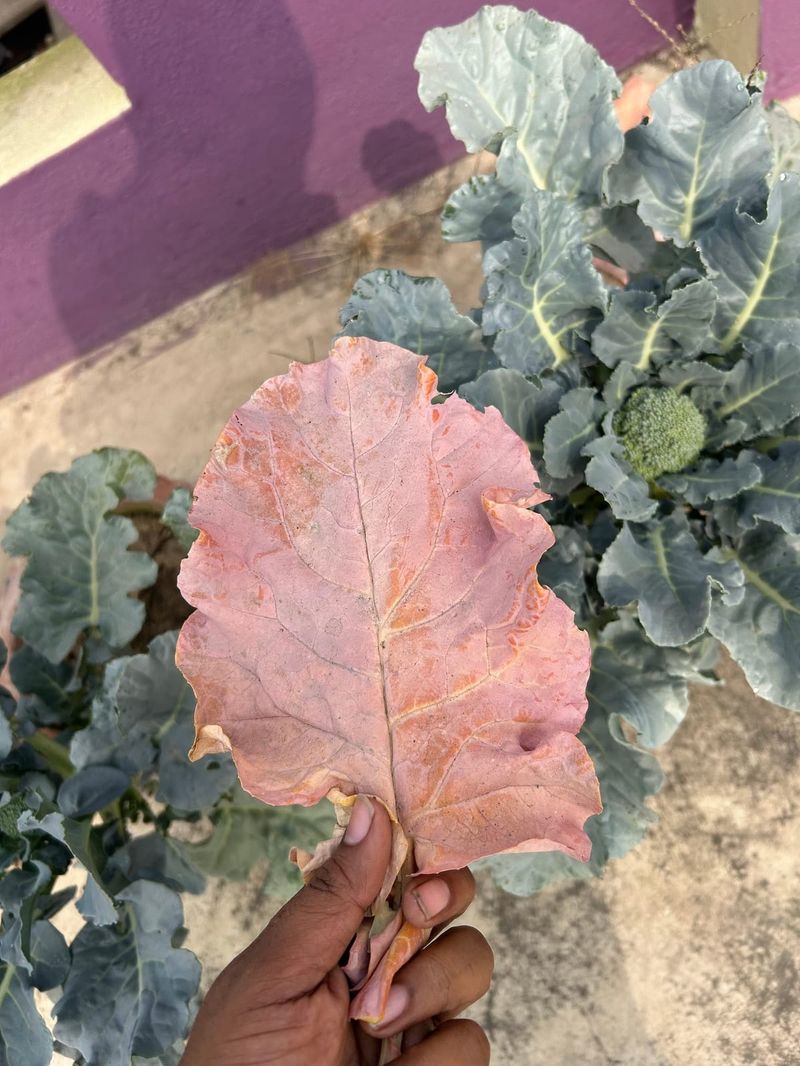
Not all purple on a broccoli plant carries the same diagnostic weight. According to the California Department of Food and Agriculture’s broccoli fertilization guidelines, phosphorus deficiency in broccoli typically shows up as persistent stunting paired with reddish-purple discoloration that appears first on the older, lower leaves.
The reason older leaves are affected first is that phosphorus moves within the plant: when supply is short, the plant pulls phosphorus away from older tissue and redirects it toward newer growth.
That pattern is meaningfully different from purple coloring limited to stems, leaf undersides, or a few scattered leaves on an otherwise growing plant. Texas A&M’s EarthKind seedling guide acknowledges that cultivar genetics can influence how much anthocyanin pigment a plant produces, meaning some varieties simply run a little purple without any nutritional problem at all.
Environmental stress, cold nights, and sudden temperature swings can also trigger temporary coloration in otherwise healthy seedlings.
The Iowa State plant-color guide reinforces that timing, persistence, and a whole-plant view matter more than any single leaf. Purpling that appears on older leaves, stays put, and comes with genuine stunting across several plants is a more compelling argument for investigating phosphorus than a light flush of color on stems or young leaves that otherwise look healthy.
The distinction helps you decide whether the next step is a soil test or simply waiting a few more days for roots to settle in.
Reduce Heat and Moisture Stress Without Flooding the Roots
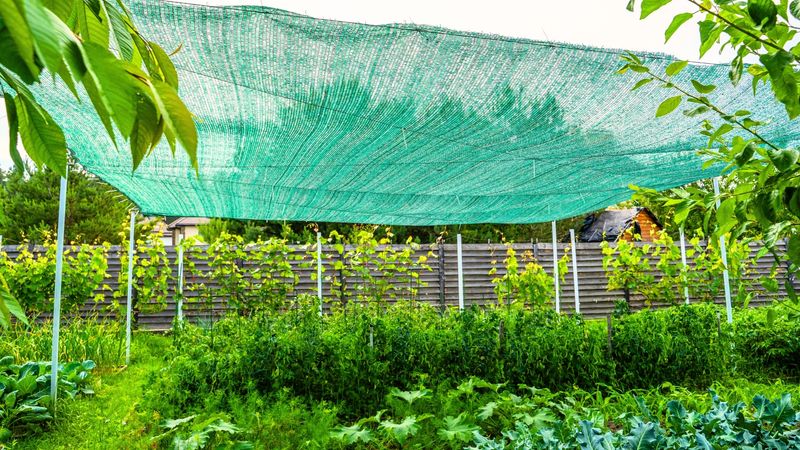
While you are still working out what caused the purple color, there are low-risk steps you can take right away to reduce the stress on your seedlings. UC ANR’s shading guidance supports using temporary shade during the hottest part of the day, and Texas A&M’s cole-crop material recommends afternoon protection for fall transplants going into early-season heat.
A row-cover frame, a piece of shade cloth, or even a propped board on the west side of the bed can take the edge off for a few critical days.
Mulch spread around the base of the plants helps hold soil moisture and keeps the root zone cooler between waterings. UF/IFAS’s broccoli page recommends approximately 1 to 2 inches of water per week for established broccoli, and notes that newly transplanted seedlings need more frequent monitoring during the establishment period.
The goal is evenly moist soil, not saturated ground. Waterlogged roots suffer as much as dry ones, so check the soil before watering rather than watering on a fixed schedule.
UF/IFAS transplant guidance also suggests holding off on fertilizer for the first 10 to 14 days after transplanting while new roots develop. These measures can help a stressed seedling resume growth, but they will not correct confirmed phosphorus deficiency, root disease, pest damage, or a drainage problem.
Think of shade and careful watering as a way to stop making things worse while you gather more information, not as a guaranteed fix for every purple-leaved plant.
Test the Soil Before Adding Phosphorus
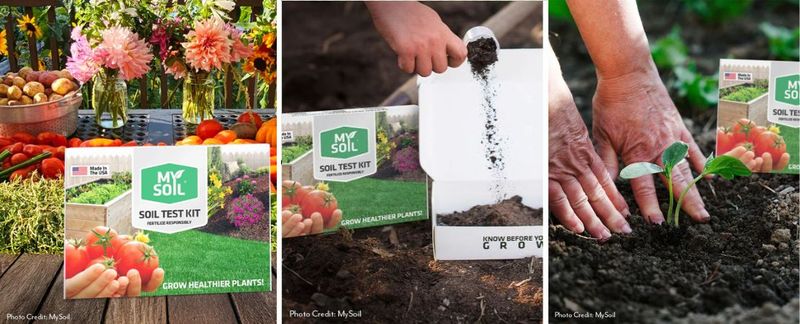
Reaching for bone meal or superphosphate because a few leaves turned purple is a common reaction, but it skips a step that matters. UF/IFAS recommends soil testing before planting broccoli, and that recommendation applies just as much when you are trying to diagnose a problem mid-season.
A soil test tells you whether phosphorus is actually low, which is the only reliable reason to add more of it.
University of Minnesota Extension’s soil-testing guide warns that repeated phosphorus applications can build excess phosphorus in the soil over time. High phosphorus levels do not help plants grow faster, and the surplus can wash into nearby waterways and contribute to water-quality problems.
Adding phosphorus to soil that already has enough of it will not fix heat stress, restricted roots, drought, waterlogging, or poor establishment.
Once you have a soil test result, read it alongside everything else you have observed: the symptom pattern on older versus newer leaves, the condition of the roots, the drainage and moisture history of the bed, and the recent weather. Iowa State Extension’s phosphorus FAQ notes that correcting excess phosphorus is slow and difficult, which is one more reason to confirm a deficiency before applying a fertilizer that could tip the balance the wrong way.
Plan the Next Planting Around Local Fall Conditions
One of the most useful things to come out of a difficult transplant is a clearer sense of timing for next season. “Late summer” means something very different depending on where you garden in the South. UF/IFAS’s Florida vegetable planting guide lists fall broccoli transplant windows of September through February for North and Central Florida and October through January for South Florida.
Planting earlier than those windows puts seedlings into heat they are not equipped to handle.
Texas gardeners face their own regional variation. Texas A&M’s cole-crop guide gives fall transplant windows that range from July and August in some northern regions to October and November in others, and it specifically advises acclimating transplants to early-fall heat before setting them out.
Your local county Extension office can give you the most precise window for your area.
Hardening off is the process of gradually preparing greenhouse- or indoor-grown seedlings for outdoor conditions, and it makes a meaningful difference. Maryland Extension’s transplant guide recommends several days to two weeks of acclimation, starting in a shaded or protected spot and slowly increasing sun exposure.
UF/IFAS transplant guidance adds that transplanting on a cloudy afternoon, watering daily through the first week, and holding fertilizer for 10 to 14 days while roots develop all reduce the risk of a rough start. Getting timing and acclimation right together is usually more effective than trying to rescue seedlings that went in under the wrong conditions.
Recheck New Growth Before Deciding the Seedlings Are Lost
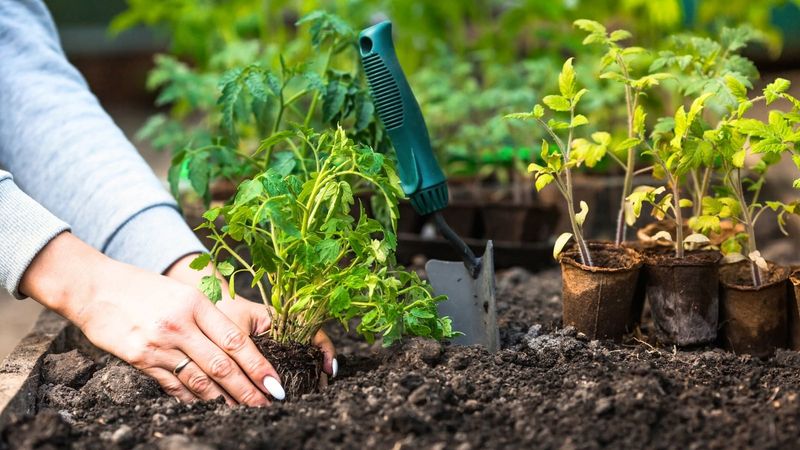
Give your seedlings a few days after stabilizing exposure and moisture before drawing any conclusions. New leaf growth emerging from the center of the plant is a good sign that roots are re-establishing and the plant is moving forward.
UF/IFAS notes that transplant shock is not automatically permanent, and properly managed seedlings may resume normal growth once roots connect with surrounding soil.
If stunting and reddish-purple older-leaf coloring persist beyond a week or two despite stable moisture and reduced heat exposure, broaden your investigation. Get a soil test, check drainage, look closely for insect feeding or disease symptoms on stems and roots, and revisit whether the planting window matched your local Extension calendar.
Iowa State’s plant-color resource reinforces that persistent symptoms across multiple plants warrant a closer look at fertility, root health, and growing conditions together.
Purple leaves should prompt observation, not an immediate trip to the fertilizer shelf. The color is a signal worth taking seriously, and the most useful thing it tells you is to look closer at the roots and the root zone before deciding what to do next.