
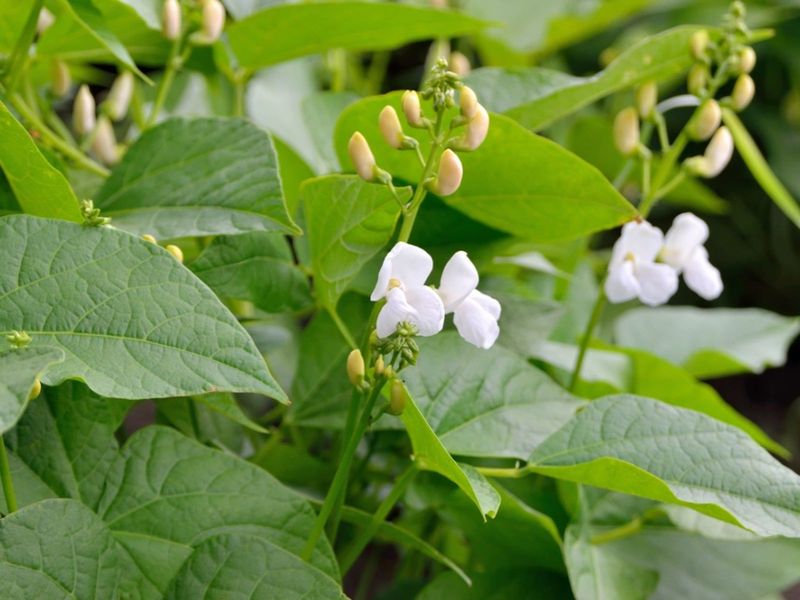
Walking out to your bean patch and finding shriveled flowers on the ground instead of tiny pods forming is one of the more frustrating sights in a summer garden. The good news is that dropped blossoms are not always a sign of disease or disaster.
For Southern gardeners planting fall bush beans, late-summer heat is very often the real culprit. Understanding why it happens puts you in a much better position to protect the next round of flowers and decide whether your plants can still deliver a harvest.
Heat can interrupt pod set without killing the beans
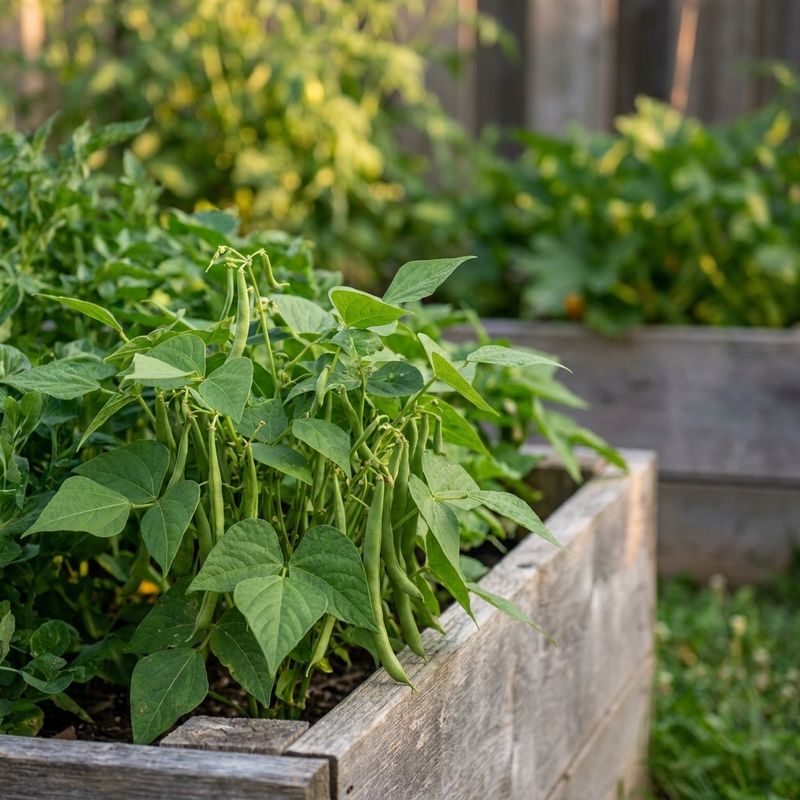
Reproductive heat stress is the most common reason fall bush beans lose their flowers before a single pod develops. When daytime temperatures climb into the upper 80s and stay there, pollen quality can decline enough to prevent fertilization.
University of Georgia Cooperative Extension guidance on commercial snap bean production identifies temperatures above 90 degrees Fahrenheit, especially when nights also remain warm, as a documented cause of poor pollen germination and flower abortion in beans.
University of Minnesota Extension places the risk of flower abortion more squarely above roughly 95 degrees Fahrenheit, while also noting that dry soil makes the problem worse. Neither figure is a hard universal threshold.
Cultivar, humidity, soil moisture, and how long extreme heat persists all shape the outcome, so the 90 to 95 degree range is a practical danger zone rather than a precise on-off switch.
Warm nights are part of the problem too. When temperatures stay elevated overnight, the plant gets no real recovery period, and the stress on developing flowers compounds.
If your foliage looks reasonably healthy, the timing of blossom drop lines up with a heat wave, and no other obvious symptoms are present, reproductive heat stress is a strong and reassuring explanation. It typically reflects a temporary environmental failure, not a disease taking hold or a permanent decline in the plant.
Check the root zone before blaming the weather alone
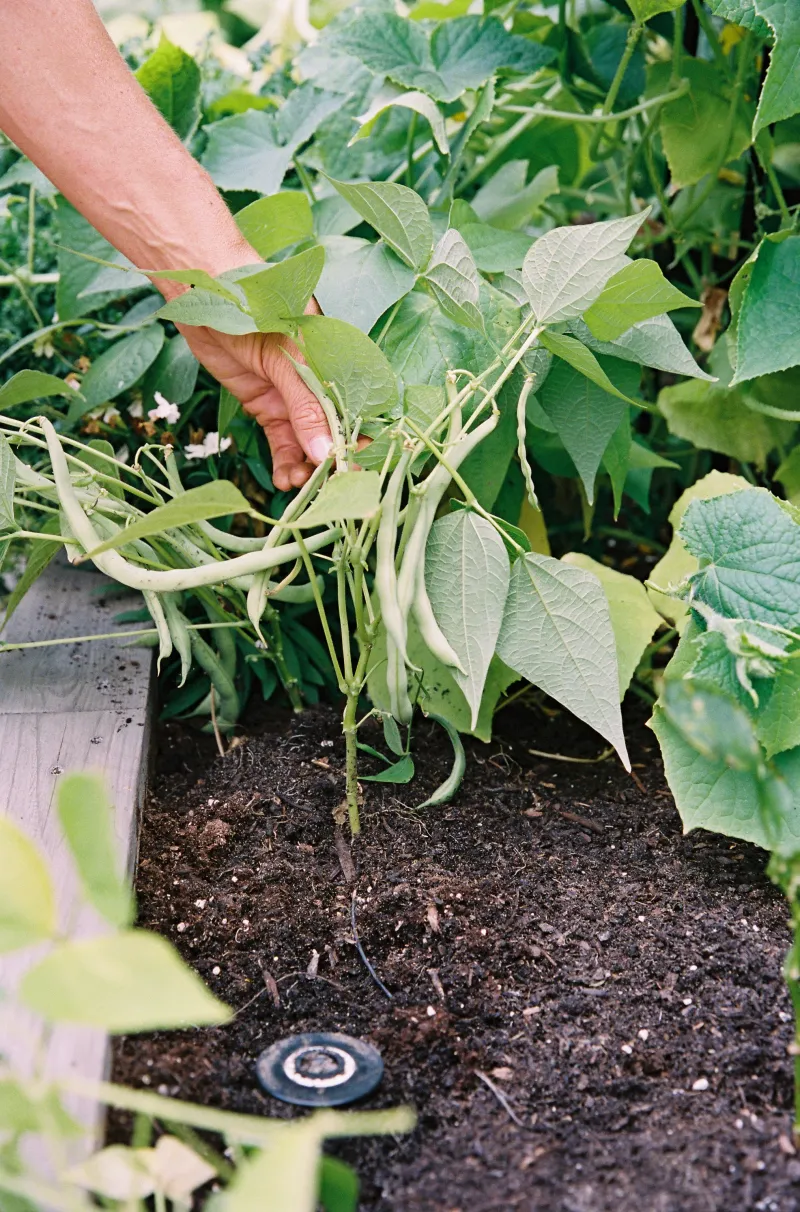
Before settling on heat as the sole explanation, get your hand into the soil. Snap beans may not visibly wilt even when the root zone is running short on moisture, so surface appearances can mislead you.
University of Minnesota Extension guidance on irrigation strategies for vegetables advises checking soil moisture several inches below the surface during the critical periods of flowering, pod set, and pod development rather than waiting for plants to show obvious stress.
Dry soil does not just add to heat stress as a secondary concern. It can directly intensify flower abortion on its own and push an already heat-stressed plant past the point where flowers can complete development.
The flip side is equally important. Soil that swings repeatedly from bone dry to saturated creates its own form of stress, stressing roots and reducing the plant’s ability to move water and nutrients to developing flowers.
Texas A&M AgriLife Extension’s commercial bean production guide identifies flowering and pod formation as critical irrigation periods for beans specifically. The goal is steady, even moisture in soil that drains well, not a permanently wet root zone and not a daily watering schedule applied regardless of what the soil actually needs.
Push your finger down several inches. If the soil feels dry at that depth during a heat wave, moisture stress is almost certainly contributing to what you are seeing above ground.
Water deeply and consistently for the next flowers
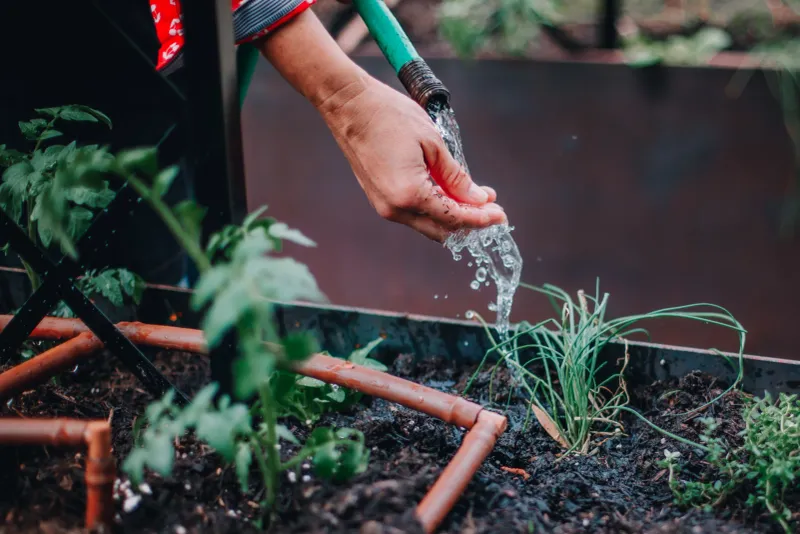
Once you have confirmed that the soil is drying out between waterings, the correction is straightforward: water more thoroughly and check more often. Thorough watering at the soil line, preferably in the morning, gives moisture time to reach the root zone before the day’s heat peaks.
Texas A&M AgriLife Extension’s guide on efficient water use in the garden and landscape supports drip irrigation and soaker hoses as practical methods that reduce evaporation and keep foliage drier than frequent overhead sprinkling does.
How often you water depends on your soil type, recent rainfall, wind, and how intense the heat has been. Sandy soils drain quickly and may need attention every day or two during a heat wave.
Clay-heavy soils hold moisture longer but can become hard and slow to absorb water if they dry out completely. A commercial Georgia snap-bean guide describes roughly two or three irrigations per week during warm, dry conditions, but that figure is a commercial benchmark, not a fixed rule for every home garden.
Recheck the soil several inches down after each watering cycle and let that reading guide your next one.
One thing watering cannot do is bring back flowers that have already dropped. Consistent moisture protects developing buds and supports the new flowers your plant will push out once conditions improve.
Treating irrigation as a forward-looking tool rather than a rescue for lost blossoms will keep your expectations realistic and your focus on the right goal.
Use mulch and limited shade as temporary heat relief
Organic mulch is one of the simplest tools available for managing soil temperature and moisture at the same time. Spread several inches of straw, shredded leaves, or wood chips around your bean plants, keeping the mulch a few inches away from the main stems to avoid trapping excess moisture against them.
University of Minnesota Extension’s guidance on mulching for soil and garden health recommends organic mulch several inches deep for weed suppression and moisture management. University of Georgia Extension guidance for home garden green beans similarly identifies mulch as a way to moderate soil temperature and slow evaporation during hot weather.
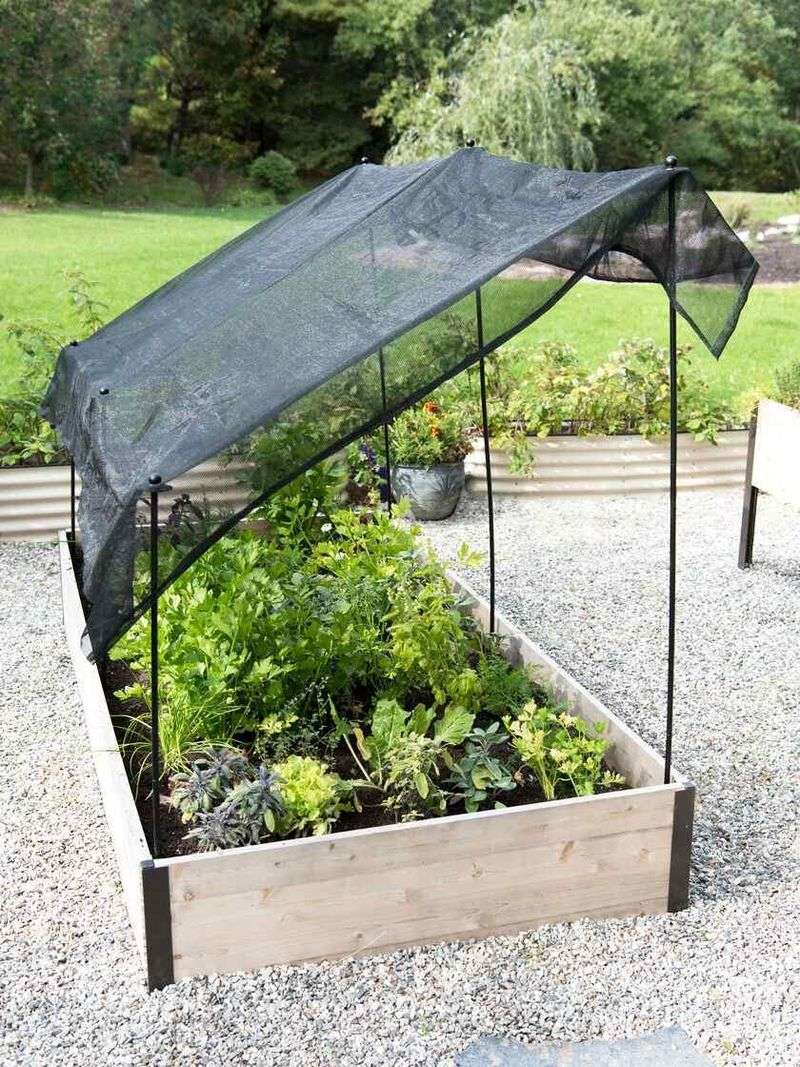
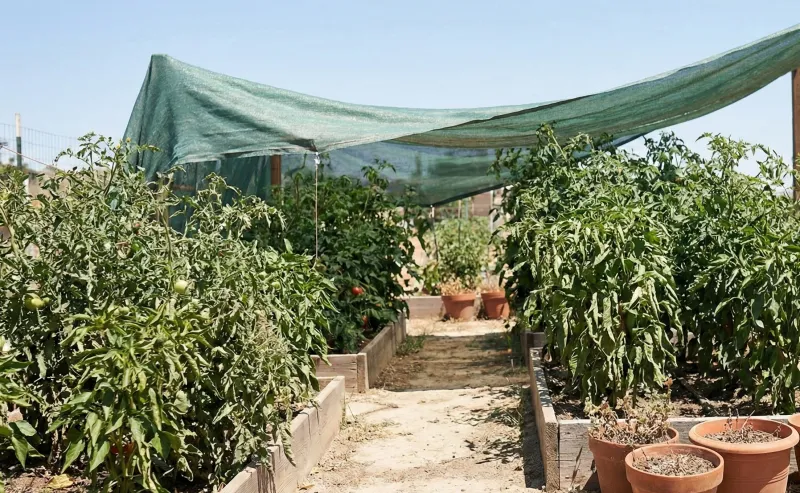
Temporary shade is a second option worth considering during an extreme heat spell. A light shade cloth structure placed over the bed during the hottest part of the afternoon can reduce the heat load on flowers and developing buds.
University of Minnesota Extension advice on keeping gardens thriving through heat mentions shade as a general heat-management tactic for vegetables. That framing matters: shade is a general mitigation measure, and its specific effect on bush-bean pod set under Southern summer conditions has not been precisely established in the cited research.
Continuous or heavy shading creates its own problems by reducing the light beans need for healthy growth and productivity. Use shade cloth as a short-term buffer during the worst afternoon heat, not as a permanent fix.
Neither mulch nor shade can compensate for a planting schedule that puts flowering squarely in the middle of a persistently brutal heat window. They work best as support measures when conditions are borderline, not as substitutes for correct timing.
Skip hand-pollination and unproven emergency treatments
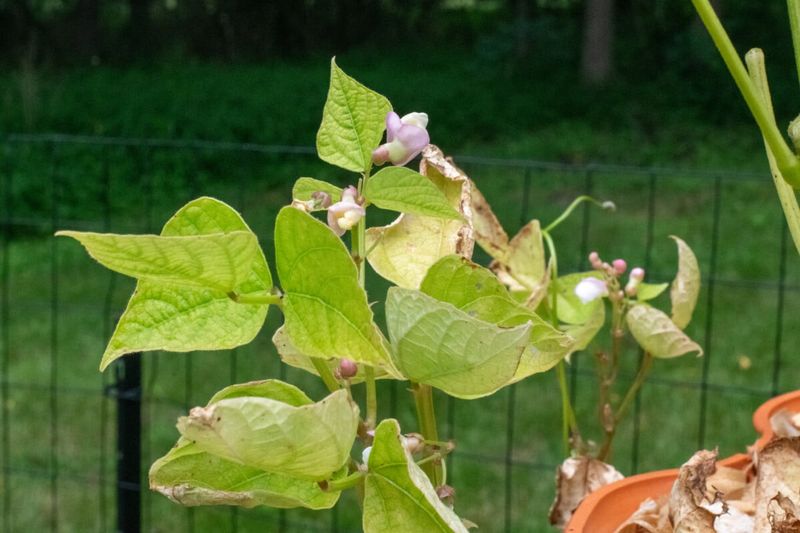
A common instinct when flowers fail to set pods is to assume bees are not doing their job and to start hand-pollinating by brush or fingertip. That approach will not help with snap beans.
University of Georgia Extension guidance on pollination in the vegetable garden confirms that common snap beans are self-fertile, meaning each flower carries both male and female parts and can pollinate itself without bee involvement. The problem during a heat wave is not that pollen is failing to transfer; it is that extreme temperatures can impair pollen function or trigger flower abortion before fertilization can happen at all.
Moving pollen around manually does not address either of those root causes.
Adding fertilizer or a commercial blossom booster is another common impulse that carries real risk. Beans are light feeders, and adding extra nitrogen when the plant is already under heat stress tends to push lush leafy growth rather than improve flowering or pod set.
Any fertilizer change should follow evidence of an actual nutrient deficiency or a recommendation from a soil test or your local Extension service, not a reaction to blossom drop alone.
Insecticides deserve the same caution. Spraying open flowers while pollinators are active can harm beneficial insects that visit your garden.
EPA guidance on pollinator protection recommends avoiding pesticide applications when pollinators are foraging and following label-specific timing and bloom restrictions. Before reaching for any spray, identify what pest you are actually dealing with, then read the product label carefully to confirm it is registered for use on beans, check the pre-harvest interval, and follow all application restrictions.
Inspect the plant for signs that point beyond heat
Heat and moisture stress are the most likely culprits when blossom drop coincides with a heat wave and the plant otherwise looks healthy. The picture changes when you find other symptoms alongside the dropped flowers.
A careful look at the whole plant before settling on any explanation is always worth the few minutes it takes.
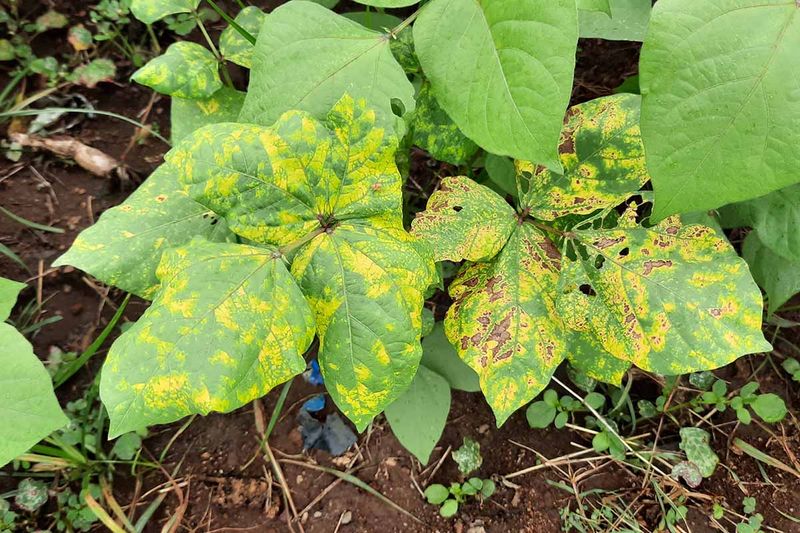
Start with the leaves. Distorted or puckered growth, mottled yellow-and-green patterns, and mosaic-like discoloration can indicate a viral infection.
Brown spots with distinct yellow halos point toward bacterial blight. Sticky, shiny residue on leaves or stems often means aphids are feeding, and those insects can also transmit viruses as they move between plants.
University of Minnesota Extension’s guide to growing beans in home gardens lists viruses, bacterial blight, aphids, spider mites, and thrips among the pests and diseases that can affect bean plants and their productivity.
Bronzing or a fine stippled texture on leaf surfaces suggests spider mites, which thrive in hot, dry conditions and can build up quickly during the same heat waves that stress flowers. Chewed or deformed flowers and tiny, fast-moving insects inside the blossoms point toward thrips, which can damage flowers directly.
University of Georgia’s commercial snap bean production bulletin also identifies pod-feeding insects as a concern that reduces bean productivity in the field.
No single symptom closes the case on its own. Use the overall pattern: what the leaves look like, whether stem tissue appears healthy, how widespread the damage is, and whether the plant continues to struggle after temperatures moderate.
If heat-and-moisture recovery steps do not produce renewed flowering within a reasonable window, a deeper look at pest or disease causes is the logical next move.
Decide whether to wait or replant for a cooler flowering window
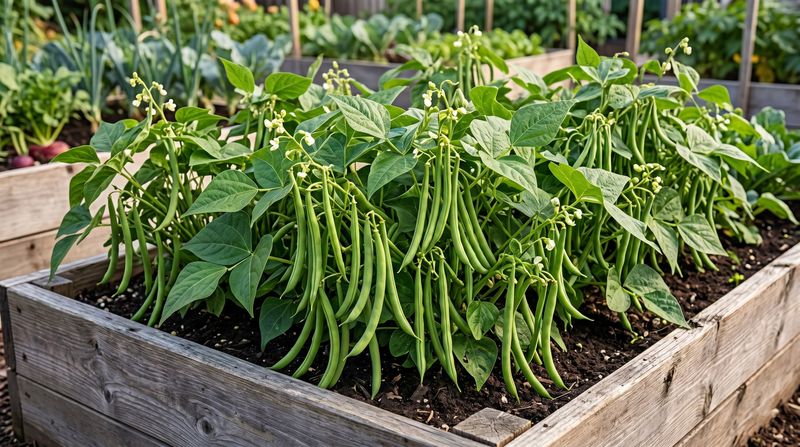
After putting heat-management steps in place, the next question is whether to wait for the original plants to recover or start fresh. The answer depends heavily on how much of the productive window has already been consumed.
University of Minnesota Extension’s home garden bean guide notes that bush beans tend to have a shorter flowering and harvest period than pole beans, which can continue producing over a much longer stretch of the season. A severe heat wave that catches bush beans at the peak of their flowering period can effectively erase most of what that planting had to offer.
Watch for renewed flowering and developing pods once daytime temperatures drop back into a more comfortable range. If new buds appear and begin setting pods, harvest promptly.
Pods left on the plant to mature toward the dry-bean stage will signal the plant to slow or stop producing new green beans, which is a real concern with bush types that already have a compressed production window.
If the original plants flowered through the worst of the heat and new buds are not appearing after conditions improve, a succession planting is likely the more productive path. Fall planting dates differ significantly across the South.
The UF/IFAS Florida Vegetable Gardening Guide lists bush beans for August through September in north and central Florida and September through April in south Florida. Texas A&M AgriLife Extension’s fall vegetable gardening guide places beans in August and September for central Texas, with regional calendars ranging from mid-July in the north to October in the southernmost parts of the state.
University of Georgia Extension’s home gardening bulletin provides comparable guidance for Georgia gardens.
Count back from your cultivar’s days to maturity and your region’s expected first limiting cold event to find the latest realistic sowing date. A well-timed succession planting that puts flowering in a cooler window will almost always outperform waiting indefinitely for heat-stressed plants that have already missed their best opportunity.
Protect the next crop by timing flowering beyond the worst heat
Pulling together everything this situation calls for comes down to a short checklist you can run through before sowing again. First, confirm the heat-and-moisture pattern: did blossom drop coincide with a heat wave, and was the root zone drying out between waterings?
If both answers are yes and the foliage otherwise looked healthy, reproductive heat stress was almost certainly the primary driver.
From there, the practical steps are consistent and modest. Maintain even moisture in well-drained soil by checking several inches below the surface rather than guessing from leaf appearance.
Apply organic mulch around the plants to slow evaporation and buffer soil-temperature swings. Use shade cloth only as a limited, temporary afternoon measure during the worst heat spells, and remove or reduce it once conditions ease.
Inspect the plants for competing symptoms such as mottled leaves, stippling, or chewed flowers before assuming heat alone is responsible.
Most importantly, use regional planting calendars and your cultivar’s days-to-maturity figure to schedule the next sowing so that peak flowering falls in a cooler window. Fall planting dates are not interchangeable across the South.
Florida’s statewide vegetable gardening guide, Texas A&M AgriLife’s fall gardening calendar, and University of Georgia Extension’s fall garden guidance all give region-specific windows that account for local heat patterns and the first limiting cold event. A bush bean crop that flowers in genuinely moderate temperatures, with steady soil moisture underfoot, is in a far better position to deliver the harvest you were counting on all along.