
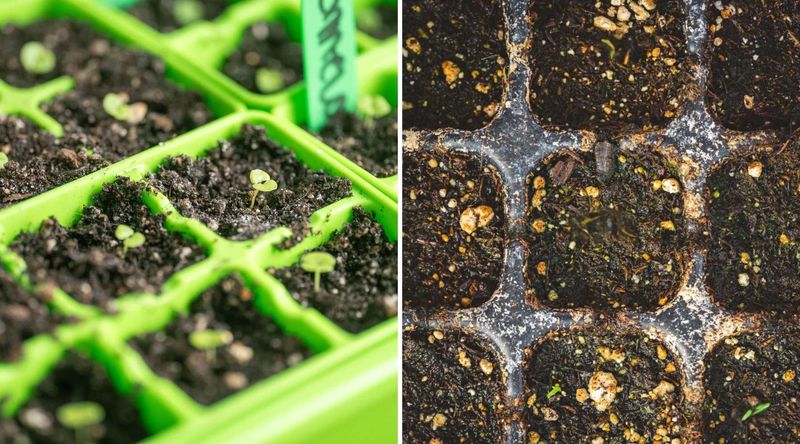
Planting spinach for a fall harvest sounds straightforward until the seeds simply sit in the ground and nothing comes up. For Southern gardeners in Florida and Texas, late-summer soil can stay surprisingly warm well into what the calendar calls fall planting season.
Warm soil is often the culprit, but it is not always the whole story. Knowing how to check the real conditions in your seedbed, and what else to look for, can save your fall crop before the season slips away.
The seedbed may still be too hot for fall spinach
Spinach seeds sitting in late-summer ground that refuses to cool have a simple problem: true spinach, Spinacia oleracea, is a cool-season crop, and its seeds need relatively cool soil to complete germination. Iowa State University Extension research on spinach production places the best germination range roughly between 45 degrees F and 68 degrees F, with performance often dropping sharply as soil climbs toward the low-to-mid 80s.
Alabama Cooperative Extension lists the optimum soil range as 45 to 75 degrees F and a maximum germination temperature near 85 degrees F.
Neither of those figures is a hard on-off switch. Germination may still occur outside the ideal window, but the rate and speed fall off noticeably as temperatures rise.
Alabama Extension’s soil temperature germination table confirms that spinach sits among the more cold-tolerant, heat-sensitive vegetables when it comes to seed sprouting. Different cultivars and seed lots behave somewhat differently, so results can vary even from one packet to the next.
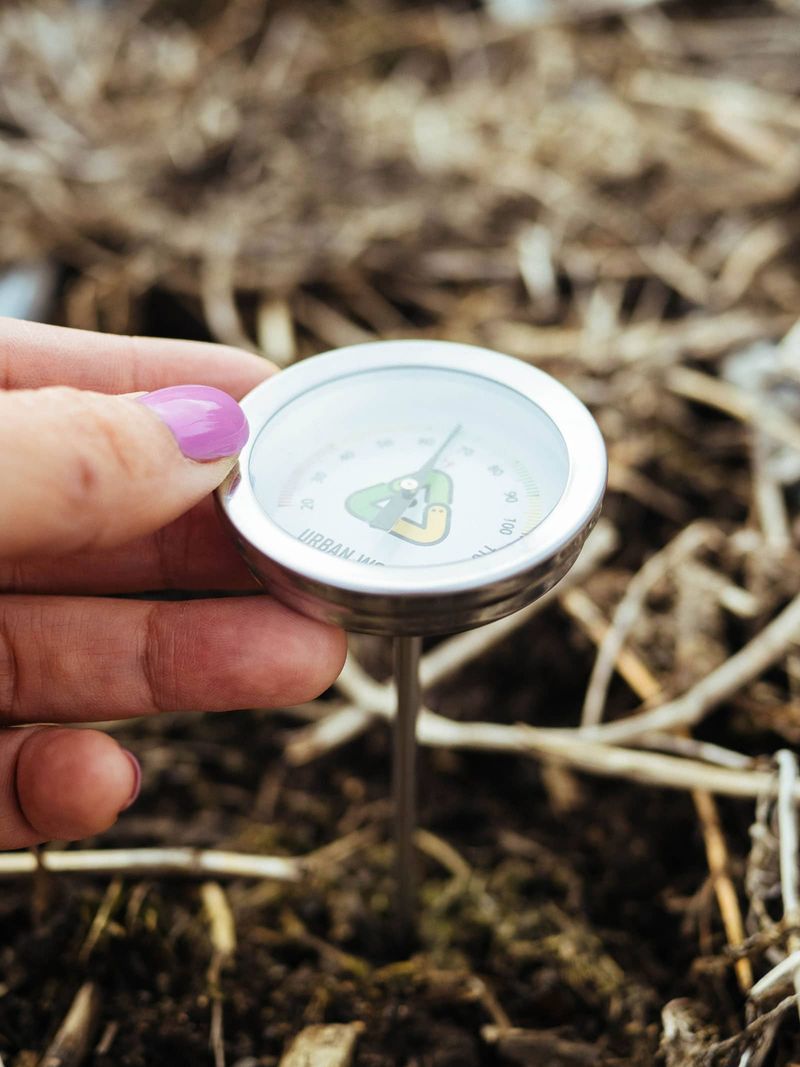
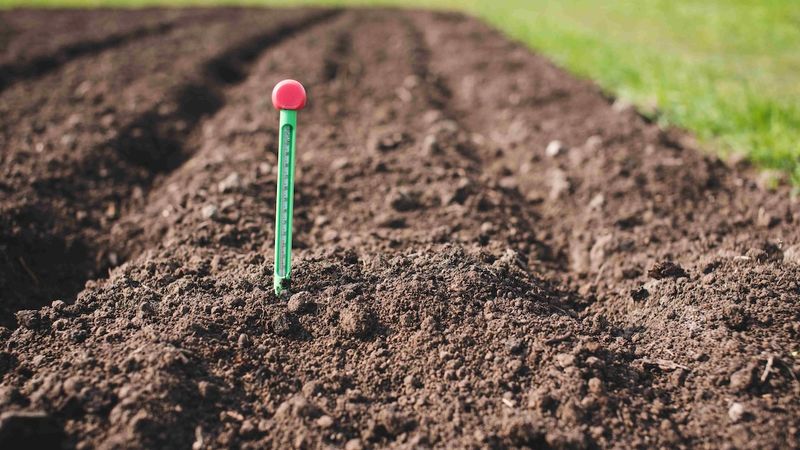
The practical fix starts with measurement, not guessing. Push a soil thermometer about half an inch down, which is roughly where the seed will sit, and take a reading in the early afternoon when the bed is warmest.
Texas A&M AgriLife guidance on spinach identifies around 50 degrees F as a useful soil-temperature target for planting. Reaching that exact number is less important than knowing whether your bed is still running 10 or 20 degrees above it, which tells you the seeds never had a real chance.
What heat does inside a spinach seed
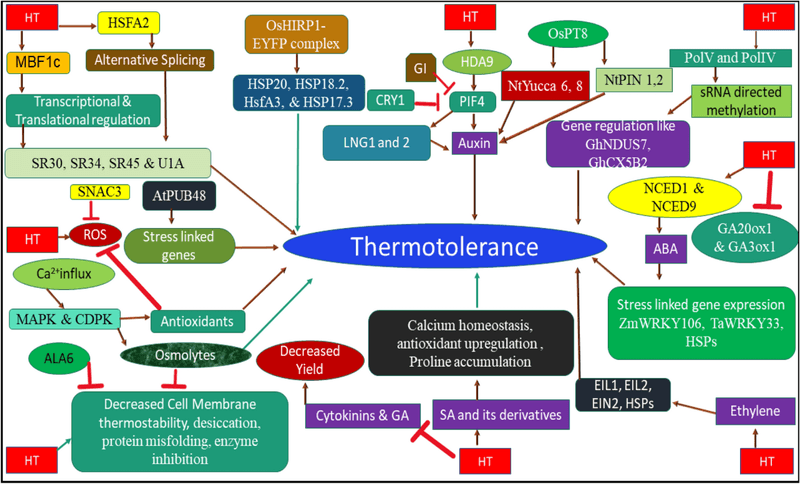
When a spinach seed lands in warm soil and refuses to sprout, the problem is not always that the seed is dead. Researchers call the response thermoinhibition: a documented biological reaction in which high temperatures prevent the seed from completing the germination process even when moisture is present.
A published study on high temperature and germination in spinach found that compounds associated with the seed covering play a direct role in this inhibition at elevated temperatures, making it a seed-level response rather than simply a watering problem or gardener error.
In practical terms, a seed in thermoinhibition is paused, not necessarily destroyed. Once soil cools into a more favorable range, some seeds may resume the germination process.
However, that recovery is not guaranteed for every seed left in a hot bed. A bed that stays hot, dries out repeatedly, or becomes waterlogged can reduce viability over time, so leaving seeds in place and hoping for cooler weather is not a reliable strategy on its own.
Iowa State Extension notes that germination in spinach is sensitive to both high temperatures and day-length cues, which compounds the challenge for late-summer sowing. Understanding that thermoinhibition is a real seed-level mechanism helps explain why even fresh, high-quality seed from a reputable source can sit unmoved in a warm Southern garden bed while the gardener wonders what went wrong.
Before blaming heat, check why seedlings disappeared
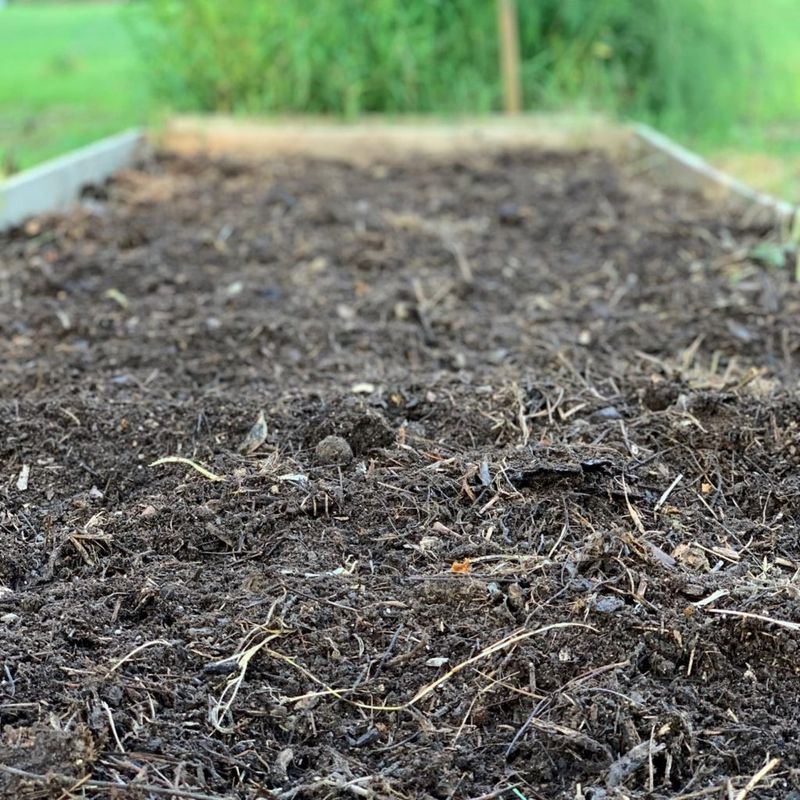
Warm soil gets blamed first, but it is worth spending five minutes looking at the actual bed before drawing that conclusion. Several other conditions produce the same result: no seedlings, or seedlings that appear briefly and then collapse.
Start by pressing a finger into the surface. A hard, baked crust can form after rain or irrigation, and even a healthy seedling pushing upward may not have the strength to break through compacted or clodded soil.
University of New Hampshire Extension guidance on growing spinach recommends preparing a fine, firm seedbed precisely because a rough or crusted surface blocks even well-germinated seeds from emerging.
Moisture extremes are another common cause. Texas A&M Bexar County Extension notes on spinach flag both insufficient water and waterlogged conditions as problems, since roots need consistent moisture but not saturation.
If the bed dried out between waterings and developed a gap between the soil and the seed, germination stalls. If it stayed soggy, root damage and disease become likely.
Damping-off and root rot are worth checking if seedlings appeared briefly and then fell over at the soil line or simply vanished. UC Statewide IPM guidance on damping-off and root rot in spinach describes how fungal pathogens can kill seedlings at or just below the soil surface, often leaving a pinched stem at the base.
Pillbugs and snails can also consume newly emerged seedlings overnight, leaving no visible trace. Finally, old or improperly stored seed may simply have low germination rates regardless of temperature, so checking the seed packet date and storage conditions is a quick, worthwhile step before resowing.
Cool the seed zone before sowing again
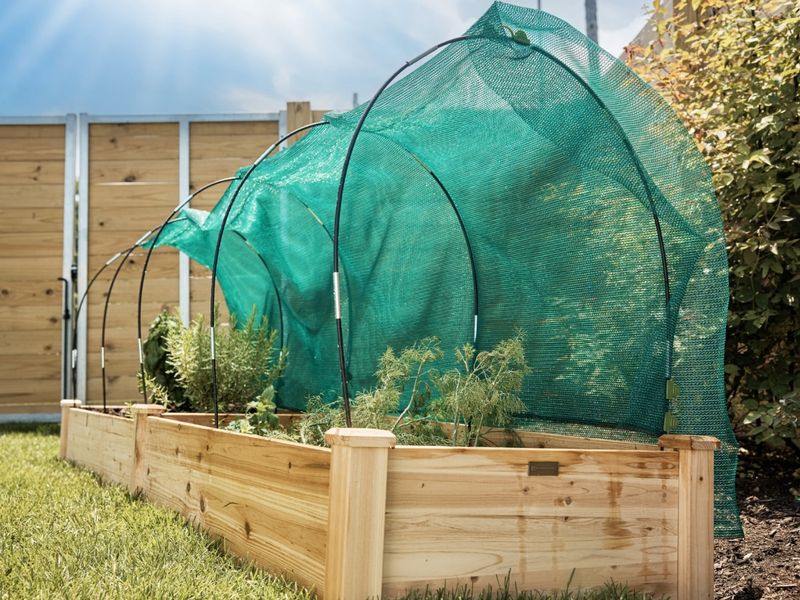
Postponing the next sowing until the hottest stretch of summer has passed is the simplest and most reliable cooling strategy. NC State Extension’s plant profile for Spinacia oleracea specifically recommends waiting for the hottest part of summer to pass before direct-sowing fall spinach, and Texas A&M similarly advises holding off until late-summer soils have moderated.
If your soil thermometer reading is still running well above the low 70s, waiting even one or two weeks can make a meaningful difference.
Gardeners who need to sow sooner have another option: temporary shade. A shade structure supported on hoops or a simple frame above the bed can lower the microclimate temperature in the seed zone during germination and early establishment.
NC State Extension’s season-extension guidance identifies approximately 47 percent shade cloth as suitable for spinach and other cool-season leafy crops grown in hot conditions. That density reduces light and heat without cutting off the airflow the seedbed needs.
Two details matter when using shade cloth. First, support it above the bed on hoops or a frame so it does not press down on emerging seedlings.
Second, treat it as a short-term tool rather than a permanent fixture. Texas A&M’s spinach and greens guide frames fall spinach as a crop that performs best once conditions naturally cool, which means shade cloth buys time during the transition but should come off once temperatures settle and seedlings are established.
Excessive shade over the long term can slow growth and reduce leaf quality.
Give the seed a fine, moist, well-drained bed
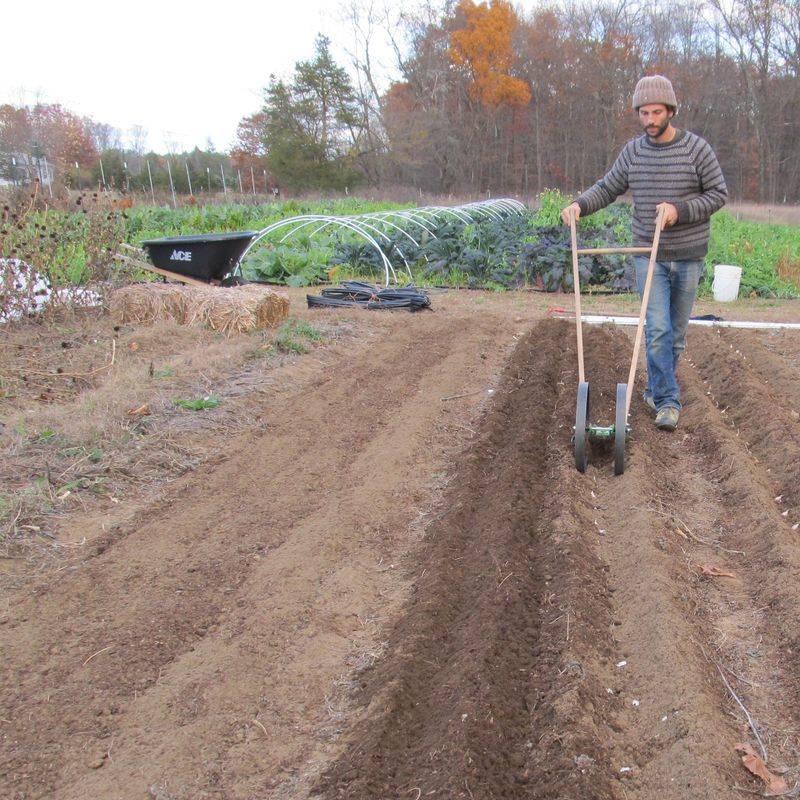
Once the seedbed temperature is in a workable range, the physical condition of the soil matters as much as the numbers on the thermometer. University of New Hampshire Extension’s spinach-growing guide recommends covering seeds with about half an inch of fine soil and pressing it down lightly so the seed makes consistent contact with the surrounding particles.
Coarse clods, air pockets, or a loose, fluffy surface can leave the seed without the moisture contact it needs to absorb water and begin germinating.
Watering consistently but lightly is the goal. The top half-inch of soil should stay evenly moist through the germination period, which typically takes 7 to 14 days under good conditions.
Letting the surface dry out and crack between waterings breaks the moisture contact the germinating seed depends on. On the other hand, flooding the bed or keeping it saturated is equally damaging.
UC IPM’s guidance on spinach damping-off and root rot links consistently soggy conditions to the fungal pathogens that kill seedlings at or below the soil surface, so good drainage is not optional.
An overnight presoak is sometimes mentioned as a way to speed germination. Mississippi State University Extension recommends soaking spinach seed overnight before planting as a potentially helpful practice.
That is a reasonable optional step when all other conditions are suitable, but soaking cannot overcome soil that is still too warm, a poorly prepared bed, or seed that has low viability to begin with. Think of it as a small assist when the fundamentals are already in place, not as a fix for the underlying problem.
Use regional timing and backup plans for the fall crop
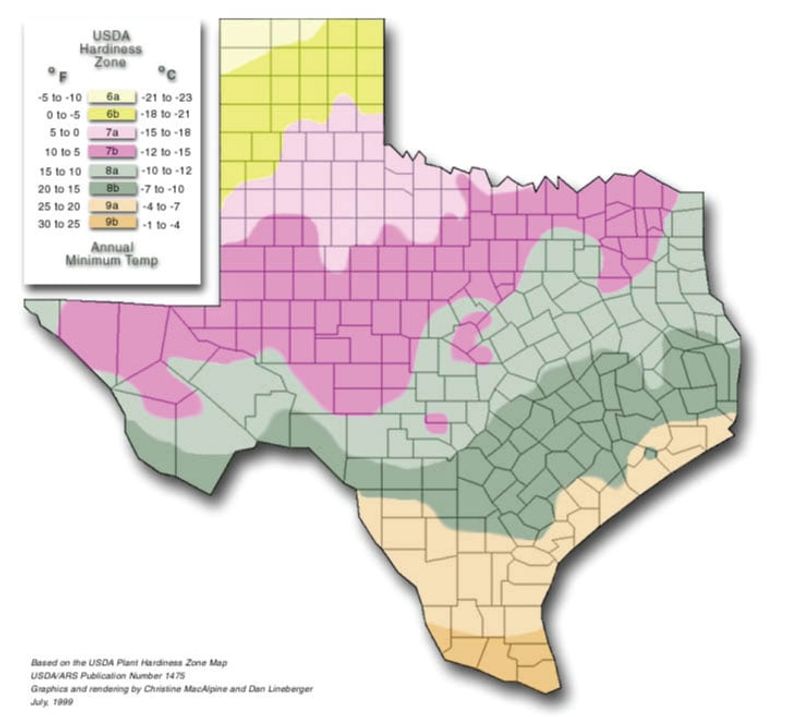
Southern gardeners cannot use a single target date for fall spinach because Florida and Texas do not cool down on the same schedule, or even uniformly within each state. UF/IFAS Florida Fresh plant details for spinach list planting windows that shift by region: roughly September through March in north and central Florida, and October through February in south Florida, where heat lingers longest.
Applying a single late-summer sowing date across the whole state would put south Florida gardeners in the field weeks too early. Pairing a local extension planting calendar with a soil thermometer reading gives a much more reliable starting point than either tool alone.
Texas presents the same regional variation. North Texas cools earlier than the Hill Country, and south Texas may not see reliably cool soil until well into October or later.
Texas A&M’s guide to spinach and other greens recommends planting short rows 10 to 14 days apart rather than committing everything to a single sowing. Staggered plantings spread the risk so that if one batch hits a warm spell or poor conditions, the next round has a better shot.
Cultivar choice can also help, though with realistic expectations. University of Delaware Cooperative Extension lists fall-suited and slow-bolting varieties such as Tyee, Bloomsdale Long Standing, Space, Melody, and Chesapeake as options that may perform well after emergence.
Slow-bolting traits can extend the harvest window once plants are up, but they do not guarantee germination in still-warm soil. For gardeners whose outdoor beds remain too hot, UF/IFAS notes that spinach has moderate transplantability, meaning seedlings started in a cooler, controlled indoor space and moved out carefully once temperatures drop can bypass the hottest part of the germination window entirely.
Let the soil—not the calendar—decide when to resow
A straightforward decision sequence can guide the next attempt. First, confirm you are working with true spinach, Spinacia oleracea, since Malabar spinach and New Zealand spinach have very different temperature preferences and the advice here does not apply to them.
Then measure the soil at seed depth, inspect the surface for crusting or drainage problems, and check for pest activity or signs of damping-off before assuming heat is the only cause of failure.
If the reading is still well above the low-to-mid 70s, wait or add temporary supported shade rather than resowing into conditions that are likely to produce the same result. When the bed is ready, sow shallowly at about half an inch, firm the soil, and keep it evenly moist without flooding.
Iowa State Extension and Texas A&M AgriLife both frame spinach as a crop that rewards patience and proper timing over repeated early attempts. Staggered sowings or carefully raised transplants are worth considering when local conditions stay warm.
The thermometer in the seed zone tells the real story; the calendar only guesses at it.