
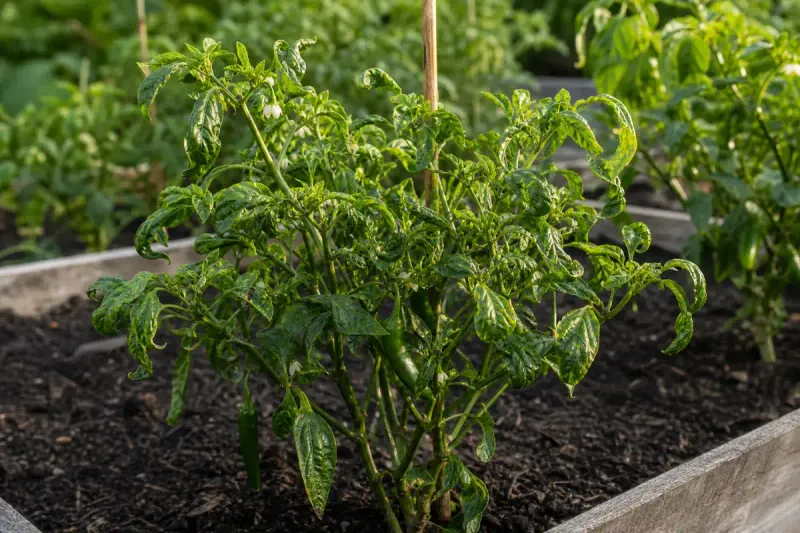
August in a Southern garden can feel brutal, and pepper plants often show it first with leaves that curl tightly inward and fruit that seems frozen in place. Many gardeners assume the worst, but the answer is usually simpler and more fixable than it looks.
Knowing what is actually happening to your plant, and what to check first, can save you from treating the wrong problem at exactly the wrong time.
Heat can explain the timing, but curling is not a diagnosis
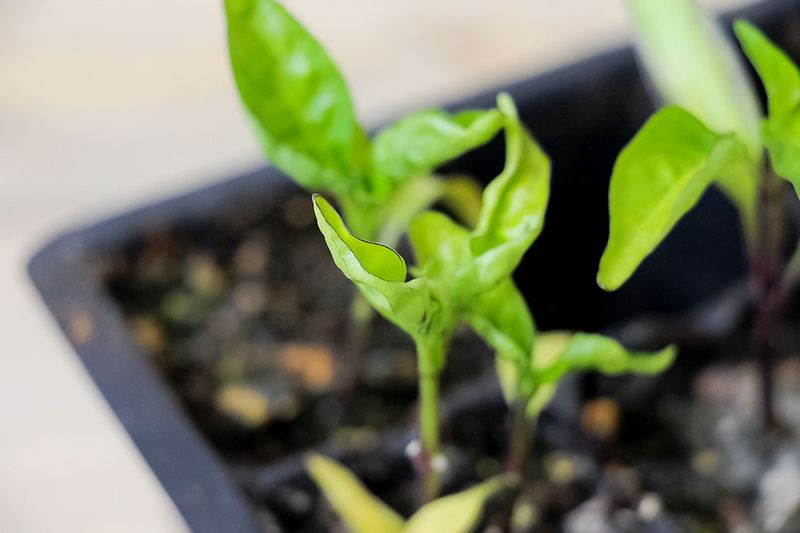
Pepper leaves that cup inward during a late-summer heat wave are easy to misread. Hot days, warm nights, and dry air often line up with this symptom, and heat or water stress is a reasonable first explanation when the plant is still mostly green, reasonably vigorous, and the curling started right as temperatures climbed.
One possible interpretation is that the plant reduces its exposed leaf area during extreme heat, though this has not been confirmed as a pepper-specific mechanism, so treat it as a working theory rather than a fact.
Flower drop and reduced new fruit set are also common during heat events. Texas A&M Extension guidance notes that most peppers may drop blooms when daytime temperatures rise much above 90 degrees F and nighttime temperatures exceed 75 degrees F.
Those figures apply to most common cultivars but are not a universal cutoff for every variety or every garden.
The critical point is that inward-cupped leaves are a symptom, not a self-contained diagnosis. Aphids, thrips, whitefly-transmitted viruses, herbicide drift, inconsistent irrigation, and root problems can all produce similar curling.
A heat-compatible pattern, where symptoms appear during hot weather on a plant that is otherwise holding together, supports a possibility rather than confirming a cause. Inspect the plant before deciding what to do next.
Separate flower drop from fruit that stops enlarging
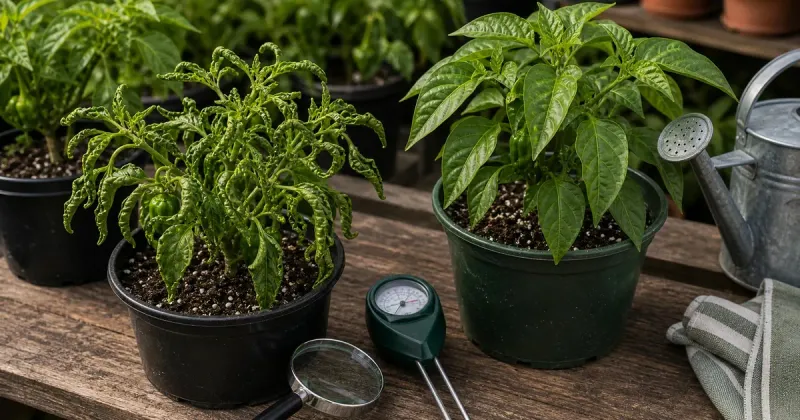
“Stalled fruit” can mean two completely different things, and the distinction matters before you reach for any remedy. Flowers that abort and fall off the plant before they ever produce a pepper are a separate problem from peppers that have already set but are growing very slowly or appear stuck at one size.
Heat most directly explains the first situation: University of Minnesota Extension guidance on growing peppers confirms that high temperatures can interrupt flowering and reduce new fruit set, making a temporary production pause normal during a heat wave.
Already-set fruit that stops enlarging is a different story. Slow enlargement of existing peppers points more toward water stress, root damage, nutrient imbalance, excessive heat, or disease rather than flower drop alone.
If you notice that the small green peppers already on the plant are not sizing up, check soil moisture and root health closely before assuming the heat is the only factor.
A useful field check: look at the base of the plant for fallen flower petals or tiny aborted fruit on the soil. If you mostly see dropped blossoms but the existing fruit looks healthy and firm, heat-related flower abortion is the more likely story.
UGA Extension advisors describe this as a temporary condition that can resolve once temperatures moderate, provided the plant stays healthy in the meantime.
Check the soil before adding water
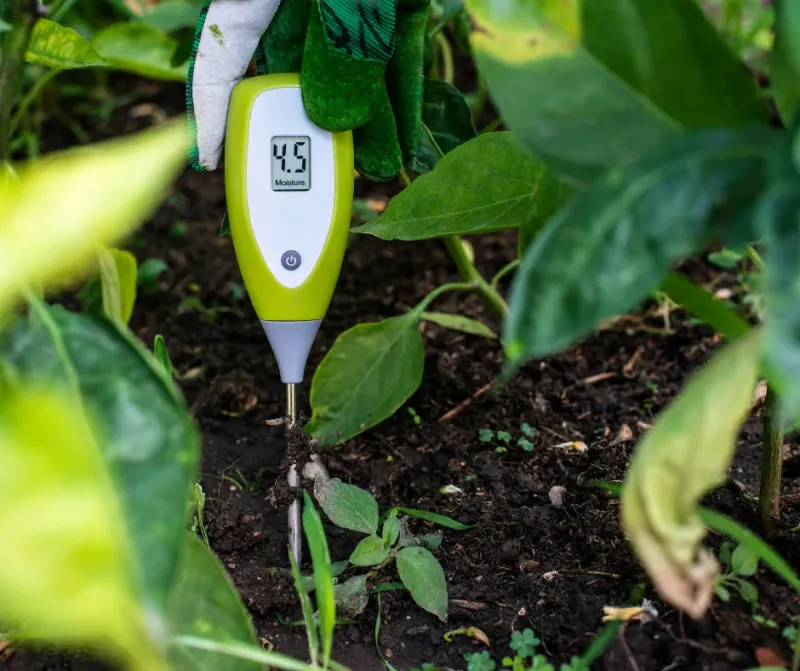
Before turning on the hose, push a finger or a thin probe several inches into the soil near the plant’s root zone and actually feel what is there. Hot weather can produce visible leaf curl even when the root zone holds plenty of moisture, so the leaves alone cannot tell you whether the plant is thirsty.
Adding water to already-wet soil can reduce the oxygen available to roots, leach nutrients out of the root zone, and create conditions where root disease takes hold.
UMN Extension heat-management guidance emphasizes soaking vegetable beds to a depth of roughly 6 to 8 inches rather than applying light daily sprays, because shallow surface moisture does not reach where pepper roots actually feed. Dry soil can intensify heat stress, but the solution is thorough, targeted wetting, not frequent surface sprinking.
The right watering frequency varies by situation. In-ground beds with good clay or loam content hold moisture longer than sandy soils or containers, which can dry out within a day or two during extreme heat.
UGA Cooperative Extension guidance on conserving water in the vegetable garden recommends adjusting irrigation based on actual soil conditions rather than a fixed daily schedule. Check the root zone first, water when it is genuinely dry at depth, and then check again before the next watering cycle.
Stabilize the root zone and reduce afternoon heat
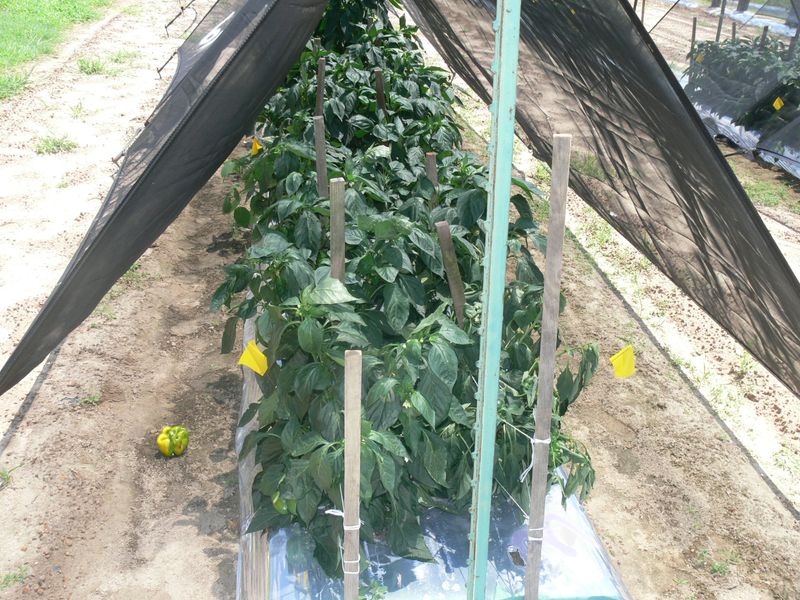
Once you confirm the soil is dry and the overall pattern fits heat or water stress, a simple care sequence can reduce the pressure on the plant without creating new problems. Soak the root zone thoroughly so water penetrates to where the roots are actually feeding, and water at the soil line rather than overhead.
Drip irrigation or a soaker hose keeps foliage drier than sprinkler watering, which matters because wet leaves during warm nights can invite bacterial and fungal disease.
Morning is the best time to water peppers. Any moisture that splashes onto foliage has time to dry before temperatures peak, and the root zone gets a full supply heading into the hottest part of the day.
UMN Extension irrigation guidance for vegetables highlights consistent moisture delivery during flowering and fruit development as especially important for pepper quality and yield.
Mulch is one of the most effective low-effort tools available. Roughly 3 to 4 inches of herbicide-free grass clippings, weed-free straw, or another suitable organic mulch can reduce evaporation from the soil surface, moderate soil temperature, and reduce weed competition.
Keep mulch pulled back an inch or two from the main stem to avoid trapping moisture against it. For extreme afternoon heat, a temporary 30 to 40 percent shade cloth set up with good airflow underneath can reduce peak heat load on the plant.
UMN Extension cautions that excessive shade reduces growth and fruit production, so keep any shade structure temporary and well-ventilated, not a permanent fix. Do not expect leaves to uncurl immediately after any of these steps.
Inspect new growth and leaf undersides for pests
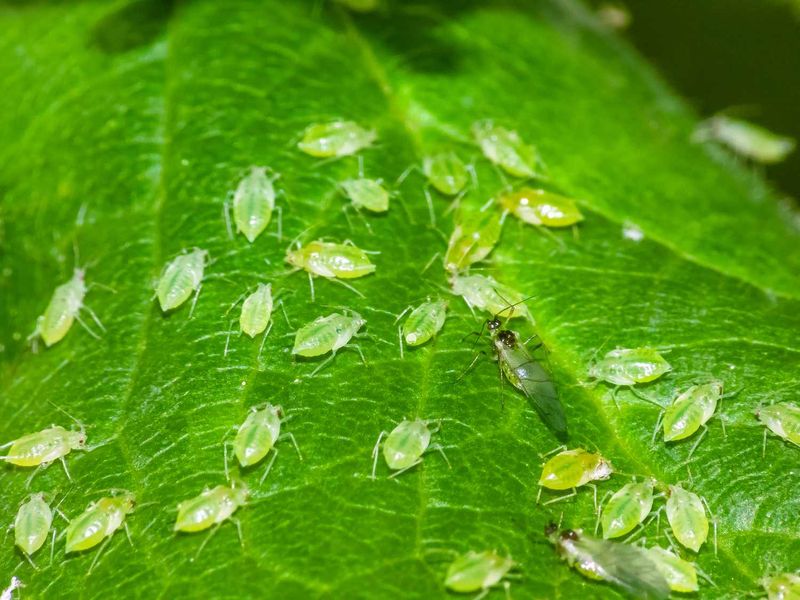
Before concluding that heat is the only explanation, take five minutes to look at the plant closely. Young leaves, shoot tips, buds, developing fruit, and the undersides of older leaves all deserve attention.
Shake a suspect branch gently over a sheet of white paper and look at what falls off. A hand lens or even a phone camera with macro mode can reveal insects too small to see clearly with the naked eye.
Aphids are a common culprit for leaf curling and can also leave behind sticky honeydew on leaves and stems. Thrips are smaller and harder to spot, but their damage is distinctive: UF/IFAS Extension describes chilli thrips as capable of causing bronzing, silvering, leaf curl, distorted new growth, shoot dieback, and damage to buds and young fruit.
Chilli thrips are a particularly relevant consideration in Florida and Texas, where long, hot, dry periods favor their activity, and gardeners in those states should keep this pest on their radar.
The pattern of damage helps separate pest injury from heat-related curl. Symptoms that began broadly across older leaves during a heat wave look different from curling and distortion concentrated at the tips of new shoots or accompanied by bronzing, sticky residue, or visible insects.
Neither pattern alone confirms a diagnosis, but they point the investigation in different directions. If you find insects, identify them before deciding on any response.
Treating for the wrong pest, or treating without a confirmed pest problem, wastes time and can harm the beneficial insects that naturally keep pest populations in check.
New-growth distortion or extra symptoms call for a different diagnosis
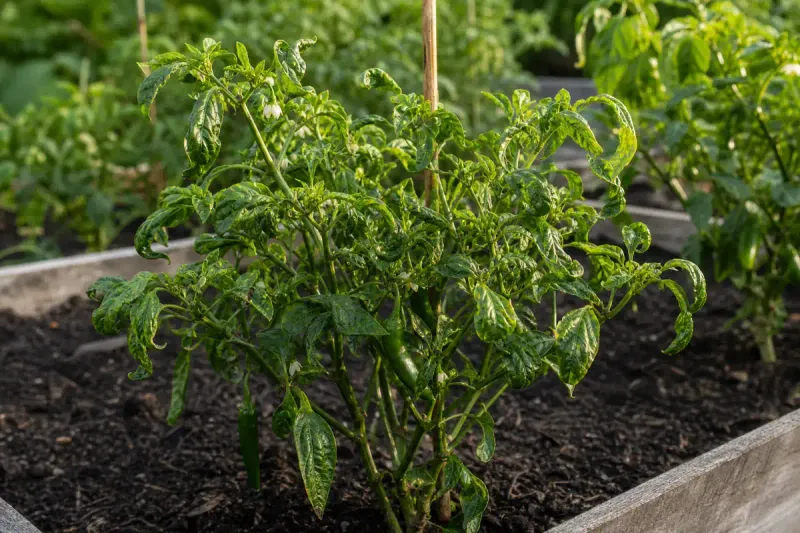
Heat management alone will not address every case of curling and stalled fruit. Persistent distortion concentrated in the newest growth, or distortion paired with mottling, severe stunting, bronzing, dieback, abnormal fruit, or similar signs, points toward a cause that needs a different response.
Recognizing these patterns early saves time and prevents the spread of problems that watering and mulching cannot fix.
Virus-infected peppers may show mottled or mosaic-patterned leaves, severely distorted growth, bumps or discoloration on fruit, and poor production that does not improve when conditions moderate. Viruses cannot be cured once a plant is infected.
UMN Extension advises removing suspected virus-infected plants and, where possible, submitting them to a local Extension office for diagnosis before replanting in the same spot.
Herbicide drift is worth considering if the distortion appears suddenly in the newest growth and affects several broadleaf plants in the same area. Texas A&M Extension guidance on leaf twist and curl describes herbicide drift symptoms as twisted petioles, distorted newest leaves, abnormal yellowing, and parallel-looking leaf veins.
Affected plants may partially recover, but yield can still suffer.
Blossom-end rot on developing fruit deserves a separate note. UGA Cooperative Extension explains that blossom-end rot involves inadequate calcium delivery to developing fruit, which is often tied to fluctuating soil moisture, root damage, salinity, or other stresses rather than a simple shortage of calcium in the soil.
Adding calcium without correcting the underlying moisture or root problem may not resolve it, and unnecessary fertilizer applications can worsen salinity or throw off nutrient balance. Stabilizing irrigation and protecting root health addresses the cause more directly than a calcium spray does.
Match the treatment to the evidence you find
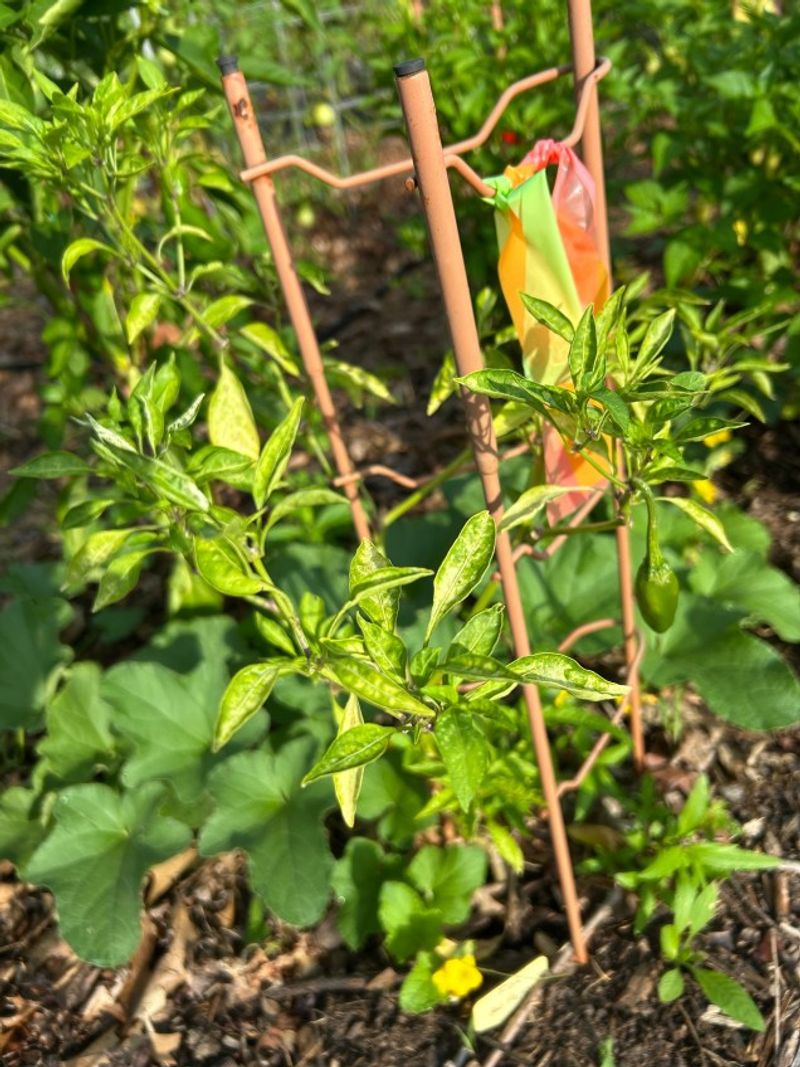
What you find during your inspection should drive every next step. If the soil is dry at root depth and the overall pattern fits heat or water stress, correct the irrigation, apply mulch to the root zone, and consider temporary afternoon shade as described earlier.
If the soil is already moist and the roots look healthy, do not add more water simply because the leaves are curled. Overwatering a plant that is not thirsty creates root problems that make heat stress worse, not better.
When scouting confirms insects, the response should be targeted rather than automatic. UF/IFAS Extension specifically cautions that broad pesticide use can harm natural enemies along with the target pest, reducing the biological control that beneficial insects provide.
Identify the pest, consider removing nearby weed hosts that may be harboring it, preserve beneficial insects wherever possible, and follow current local Extension or product-label directions if a treatment is warranted.
A few actions are worth avoiding regardless of what you find. Overhead watering to cool the plant increases leaf wetness and raises disease risk; water the root zone instead.
Unnecessary calcium applications for blossom-end rot may not address the real cause and can create new imbalances. Removing all curled leaves is also counterproductive: UMN Extension advises against removing more than one-third of a plant’s foliage when dealing with diseased leaves, because large-scale removal exposes developing fruit to sunscald.
Match every action to what the evidence actually shows.
Watch for renewed flowering after temperatures moderate
Heat-related flower drop and poor new fruit set can be temporary, and that is genuinely good news for gardeners who caught the problem early and kept the plant healthy through the worst of summer. Maintain appropriate root-zone moisture as temperatures begin to ease, and watch the shoot tips for new flower buds.
Recovery depends on the plant’s roots and vascular system remaining intact, so the care you put in during the heat wave directly affects what happens next.
UGA Extension advisors note that fruit set may resume after temperatures moderate in peppers that have stayed reasonably healthy. Harvesting peppers at mature size, including the mature-green stage when appropriate, can encourage the plant to direct energy toward new flowers and fruit rather than finishing a single crop.
Many peppers are fully edible and high quality before they reach their final color.
A practical end-of-summer checklist: check soil moisture at root depth before every watering, apply mulch if you have not already, use temporary shade only during the hottest afternoons, scout new growth for pests at least once a week, and reassess fruit set after a stretch of cooler nights. The plant that looks defeated in August often surprises gardeners by September.