
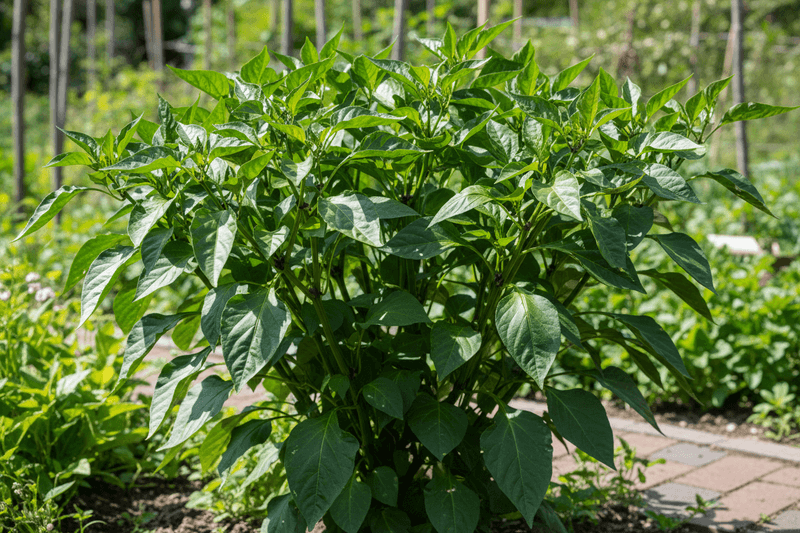
Walking out to your garden in August and finding pepper plants bursting with thick green leaves but not a single flower in sight is one of the most frustrating moments in summer gardening. Your plant looks perfectly healthy, so why is nothing happening?
The answer usually comes down to heat, and understanding exactly how heat shuts down reproduction while leaving foliage untouched can save your season before you reach for the wrong fix.
Heat can halt reproduction while the pepper keeps growing
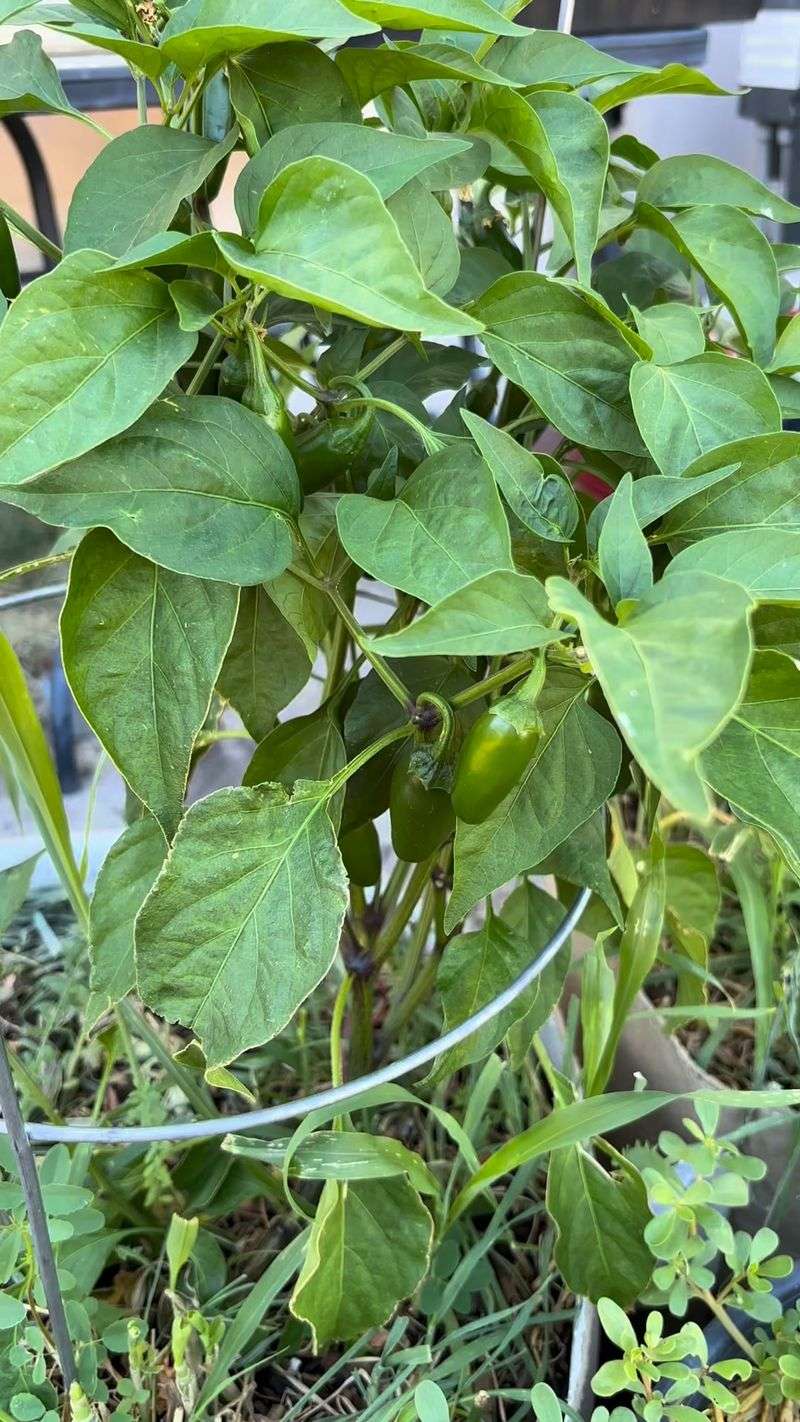
Pepper plants are built to do two jobs at once: keep the vegetative machinery running and reproduce. When summer temperatures climb into the upper 80s and 90s, those two jobs stop being equally easy.
Vegetative growth, meaning stems, leaves, and roots, can continue at temperatures that completely shut down the reproductive side of the plant.
University of Maryland Extension guidance on poor blossom and fruit set identifies high temperatures as a primary reason peppers fail to flower or set fruit, noting that daytime temperatures above roughly 90 to 95 degrees Fahrenheit and nighttime temperatures above about 75 degrees Fahrenheit can impair pollen development, pollen release, pollination, fertilization, and the retention of flowers or young fruit. Texas AgriLife Extension pepper production guidance similarly points to daytime heat much above 90 degrees and nights above 75 degrees as thresholds that interfere with fruit set.
Treat those numbers as approximate warning ranges rather than universal failure points, because cultivar, heat duration, humidity, wind, irrigation, and plant age all shift where any individual plant breaks down.
What makes the problem easy to misread is that lush foliage does not signal reproductive health. A plant that cannot form or hold flowers simply redirects energy into leaves and stems.
Making things harder to diagnose, heat may have damaged developing flower buds weeks before you notice the bare plant in August. Research on heat sensitivity in developing pollen and a broader review of thermal stress in pepper reproduction both support the idea that the visible absence of blooms in late summer may reflect stress that started much earlier in the season.
First, determine whether the plant never made flowers or dropped them
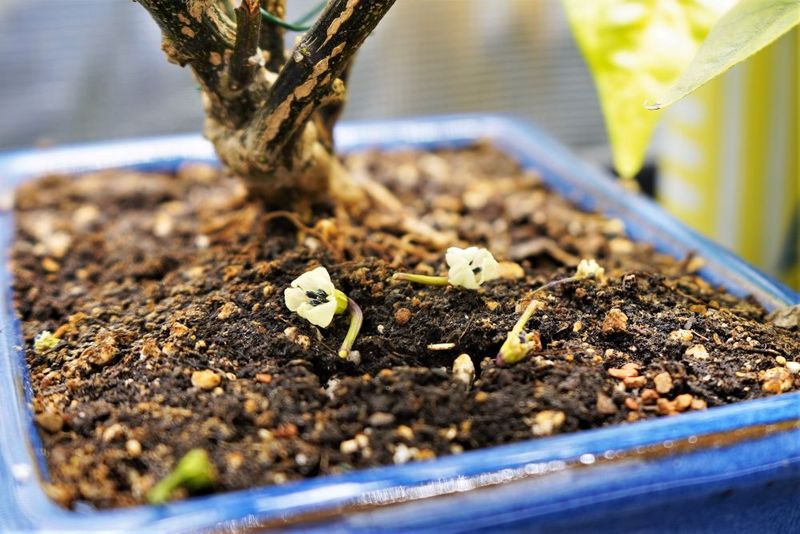
Before you do anything else, look closely at the plant and the soil beneath it. What you find changes everything about your next move.
A plant with no flowers, no buds, and no fallen petals on the ground is showing you that flower-bud development likely stalled or never started. That pattern points strongly toward heat stress affecting the plant during the developmental window, though drought, excessive shade, or poor drainage can also suppress budding.
A plant that is producing small buds or open flowers that then shrivel and fall is a different problem entirely. New Mexico State University Extension’s pepper guide and Iowa State University Extension guidance on weather-related vegetable problems both identify flower drop as a response to heat, rapid soil-moisture swings, hot dry wind, high humidity at pollination time, or pest injury to buds and flowers.
Checking for tiny dropped buds or dried flower remnants on the soil surface takes only a minute and tells you whether the plant reached the flowering stage at all. If buds are forming and dropping, inspect soil moisture consistency over the past week, look for signs of thrips or aphid feeding on buds, and consider whether recent wind events or humidity spikes coincided with the drop.
If the plant shows no sign of ever budding, the emphasis shifts to heat and developmental timing, and hand pollination or fertilizer changes will not help until the underlying stressor is addressed.
Stabilize the root zone before reaching for fertilizer
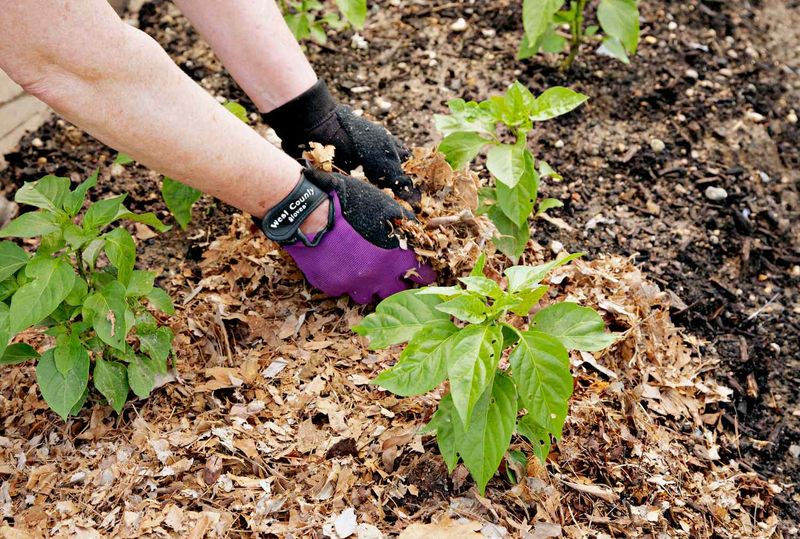
Once you have a clearer picture of what the plant is or is not doing, the most useful first action is steadying the root environment rather than adding anything to it. Uneven moisture is one of the fastest ways to push a stressed plant further into bud or flower drop.
Oregon State University Extension’s pepper growing guide emphasizes consistent, deep watering at the root zone rather than frequent shallow passes, and UF/IFAS guidance for Florida pepper production highlights the importance of mulch to slow soil-surface evaporation and buffer soil temperature swings. A two- to three-inch layer of organic mulch around the base of each plant, kept back slightly from the stem, makes a meaningful difference on a hot August afternoon.
Avoid leaving the soil waterlogged; saturated conditions invite root disease just as readily as drought invites stress.
Now address the fertilizer question honestly. A leafy pepper plant with no fruit is not proof of excess nitrogen.
University of Illinois Extension’s pepper page and a related Garden Scoop post on pepper production problems both caution that overfertilization is frequently blamed without evidence in this situation. When flowering fails or fruit does not set, the plant has nowhere to send its energy except back into foliage and stems, which can look identical to nitrogen excess.
Excess nitrogen can indeed promote overly vegetative growth, but diagnosing it requires knowing your fertilizer history and, ideally, running a soil test through your local extension service.
Adding phosphorus, calcium, or a bloom-booster product without evidence of a deficiency is unlikely to restart flowering and may contribute to nutrient imbalance or salt buildup over time. Iowa State University Extension’s fertilizer rate guidance and UF/IFAS fertilization recommendations for Florida vegetables both support a test-before-you-treat approach.
Stabilize water first, then assess nutrition with real data.
Temporary shade can lower severe heat without stealing the plant’s light
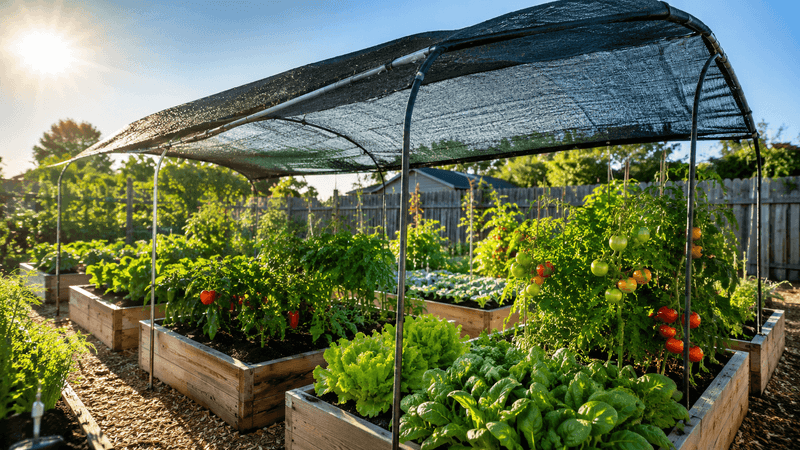
Shade cloth is not a permanent solution, but during a stretch of days when afternoon temperatures are pushing well past 90 degrees, even a modest reduction in radiant heat load at the plant canopy can ease stress on developing buds. University of Delaware Cooperative Extension guidance on protecting vegetables from heat stress supports the use of shade cloth for peppers during intense summer conditions, and a related Delaware weekly crop update points to roughly 30 percent shade as a reasonable starting point for vegetables without cutting light so deeply that photosynthesis suffers.
University of New Hampshire Extension’s row-cover guidance reinforces that good airflow under any cover matters as much as the shade itself.
Set the cloth on hoops or a simple frame so it sits above the plant canopy rather than resting on leaves, and leave the sides open or loosely draped to allow air movement. Trapped heat under a sealed cover can make conditions worse, not better.
Remove or roll back the shade during cooler periods and on overcast days so the plants continue receiving adequate light for photosynthesis.
Shade can reduce heat stress and may improve outcomes in some conditions, but it is not a guaranteed path to more flowers or fruit on every plant. Heavy or permanent shade reduces the light available for photosynthesis, can delay ripening, and in some trials does not increase fruit count even when it improves fruit quality.
Use it as a targeted tool during the worst heat, then step back and let the plant work in full sun when temperatures allow.
Inspect roots, stems, leaves, and flowers for a second problem
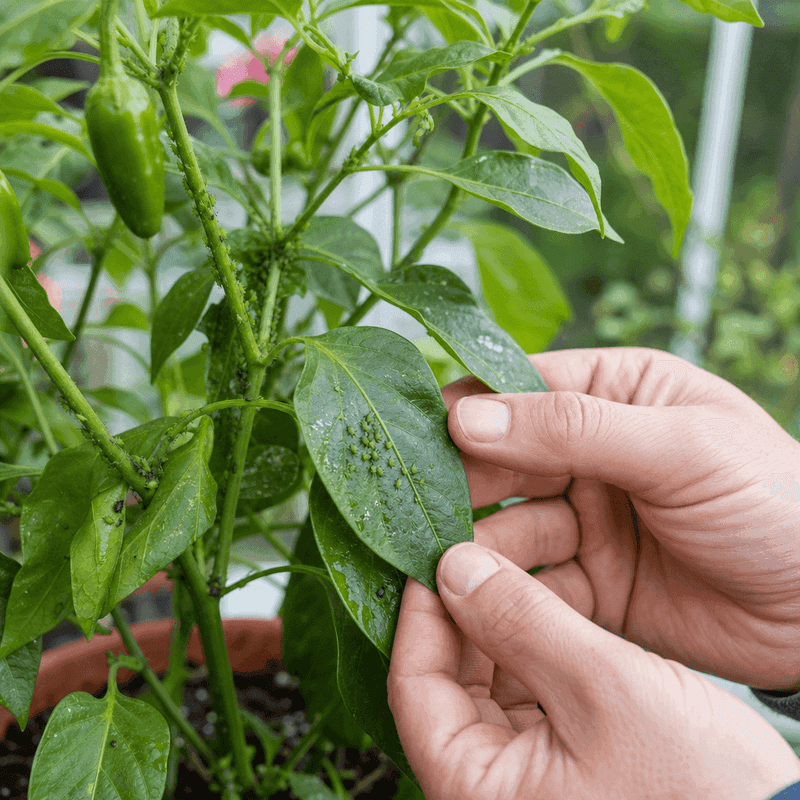
Heat is the most common explanation for the late-summer flowering gap, but it is rarely the only thing worth checking. A quick walk-through of the plant from soil to stem tip can surface a second problem that heat management alone will not fix.
Start at the soil surface. Press a finger two inches into the soil and note whether it feels dry, moist, or soggy.
Consistently wet soil, especially in a low spot or a bed with poor drainage, points toward possible root or crown disease. UC IPM’s guidance on pepper root and crown rots describes how Phytophthora and related pathogens cause wilting, stem discoloration at the soil line, and root browning that can mimic drought stress from above.
In Florida, where heavy summer rain and poor drainage are common, UF/IFAS Phytophthora disease guidance identifies this pathogen as an important edge case for pepper growers. Not every Southern garden carries this risk, but wet soil combined with a wilting or declining plant warrants a closer look at the roots.
Move up to the stems and leaves. Yellowing between leaf veins, pale new growth, or scorched leaf margins can suggest nutrient imbalance or salt injury from accumulated fertilizer.
Then check the buds and any open flowers for small insects. Thrips are tiny and easy to miss but are known to damage pepper buds and flowers, and aphid colonies on tender growth can weaken the plant during an already stressful period.
UF/IFAS integrated pest management guidance for Florida vegetables outlines how to identify and manage these pests without reaching for a broad-spectrum spray that could create new problems. Write down what you find before deciding on a response.
Hand pollination helps only after healthy flowers appear
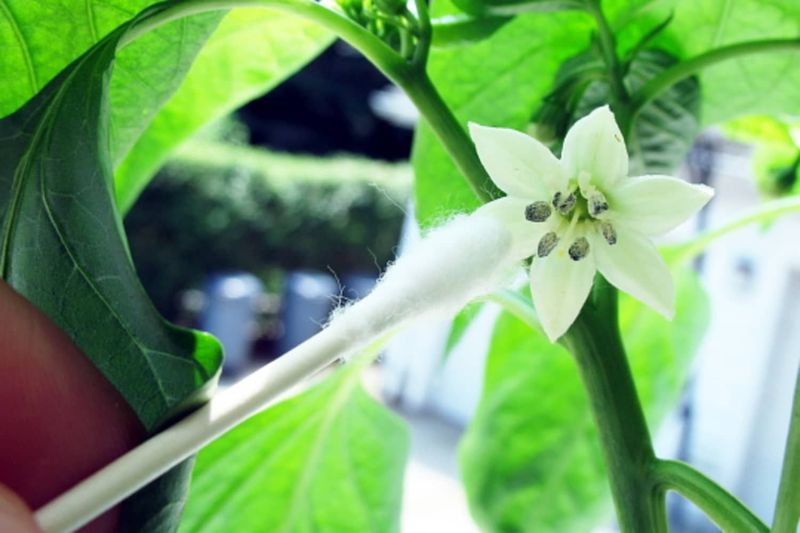
Pollination advice shows up early in many troubleshooting conversations, but it belongs later in the process, after heat, water, and plant health have been addressed. Peppers are largely self-pollinating, meaning pollen from the same flower can fertilize the ovary without help from bees or a paintbrush.
That said, Iowa State University Extension’s pollination guide notes that pollinator visits can improve fruit size, seed number, or overall production in some conditions, so the relationship between bees and peppers is not entirely irrelevant. What is clear is that a completely flowerless plant is not a pollination problem.
No amount of hand work or bee activity can pollinate a flower that has not formed.
When open flowers are actually present, a simple technique worth trying is gently shaking the plant or a flowering branch once or twice during the warmest part of the morning, when pollen is most likely to be released. Colorado State University Extension’s hand-pollination resource and UC Marin Master Gardeners’ pepper notes both describe light shaking or careful brushing as an optional trial when flowers are open.
Hand pollination cannot reverse heat-damaged pollen, compensate for drought-induced flower abortion, or produce flowers where none have formed.
On the pesticide side, Illinois Extension’s pepper production post cautions against spraying plants in bloom unnecessarily. EPA pollinator-protection labeling guidance for neonicotinoids and broader EPA pesticide and pollinator risk documentation both reinforce the rule: apply insecticides only for an identified pest, follow the label precisely, and avoid treating blooming plants or spraying while bees are actively foraging.
Protecting the pollinators that visit your garden costs nothing and preserves a resource that helps beyond your pepper bed.
A late-summer pause may still leave time for another crop
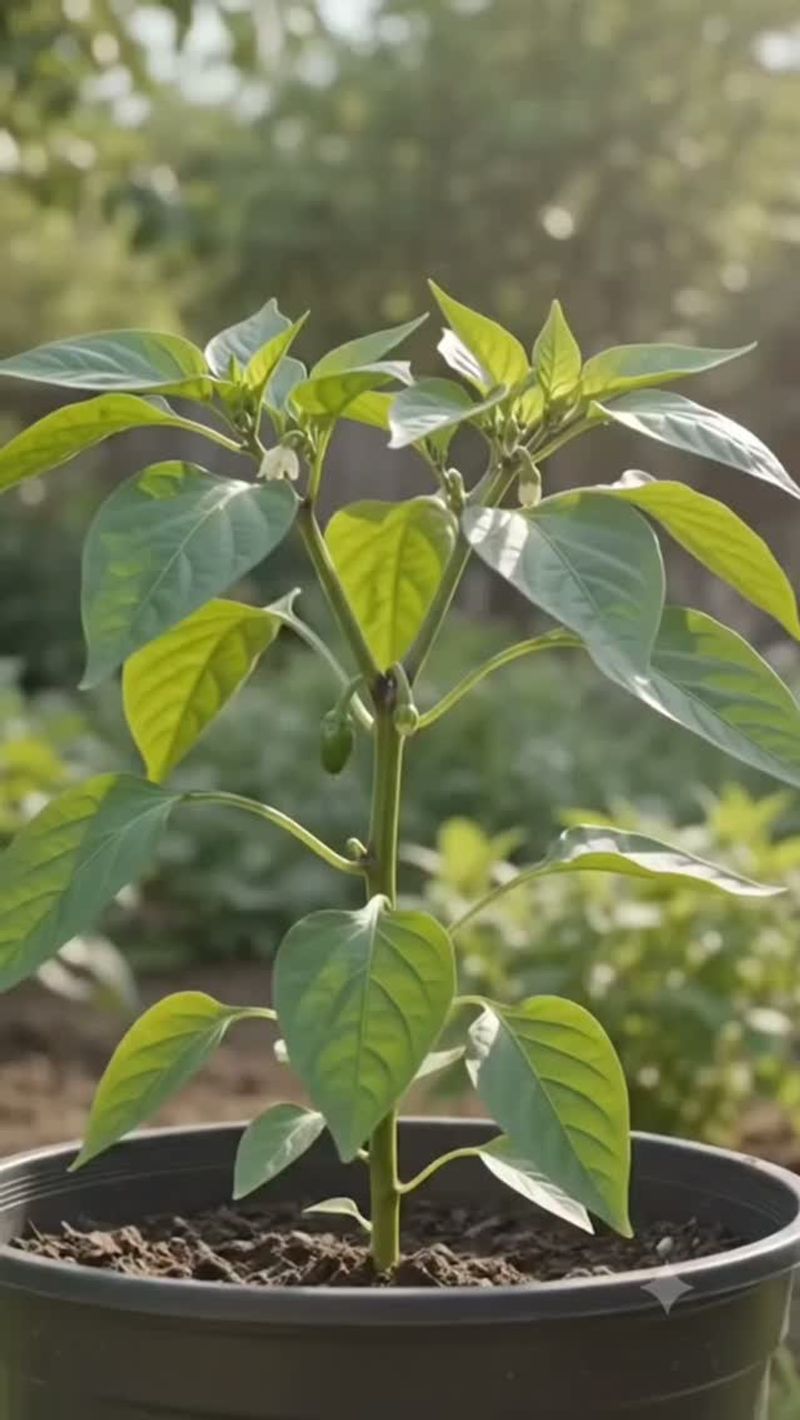
A pepper plant that stopped flowering in August is not automatically a lost cause, particularly in Texas and Florida where the warm-weather window extends well past what gardeners in northern states can expect. When daytime temperatures drop back into the mid-80s and nighttime temperatures fall below 75 degrees Fahrenheit, many pepper plants resume budding and flowering on their own, provided the plant is otherwise healthy and the root zone is stable.
Timing and cultivar matter enormously here. Texas AgriLife Extension’s fall vegetable gardening guide outlines region-specific planting windows that vary across the state, and UF/IFAS Florida Fresh pepper planting information lists summer-to-fall windows that differ by region within Florida as well.
A heat-stressed plant that still has healthy roots and stems may recover and produce a useful fall crop, but recovery is not guaranteed, and the decision to keep or replace a struggling plant depends on how much of the warm season remains, the condition of the roots, and whether the cultivar is suited to finishing in cooler fall weather. UF/IFAS production guidance notes that Florida conditions vary significantly by region and soil type, so no single Southern schedule applies to every garden.
The practical path forward is straightforward: steady the water supply, apply temporary shade if extreme heat continues, check for pests and drainage issues, and hold off on unsupported fertilizer applications while you watch for new bud formation. A pepper plant that survived a brutal August and starts throwing buds in September can still deliver a rewarding harvest.
The ones that never get that second look are the ones that definitely will not.