
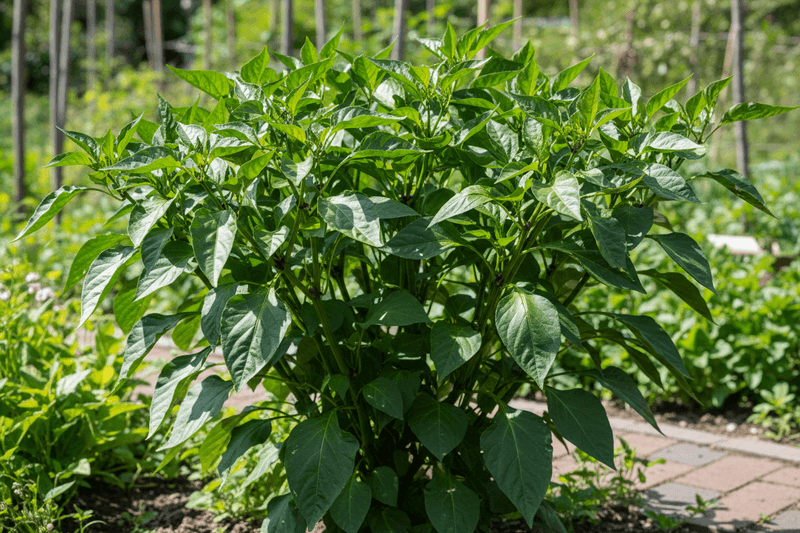
A pepper plant covered in glossy leaves and dotted with open flowers looks like it should be loaded with peppers by now, yet the fruit never comes. For Southern gardeners pushing through August and September in Florida or Texas, this frustrating gap between a thriving plant and an empty harvest is more common than most seed catalogs let on.
Heat is usually the leading suspect, but it is not always the only one. Understanding what is actually happening inside those flowers can help you make smarter moves before the season slips away.
The leafy plant may be healthy while its flowers are failing
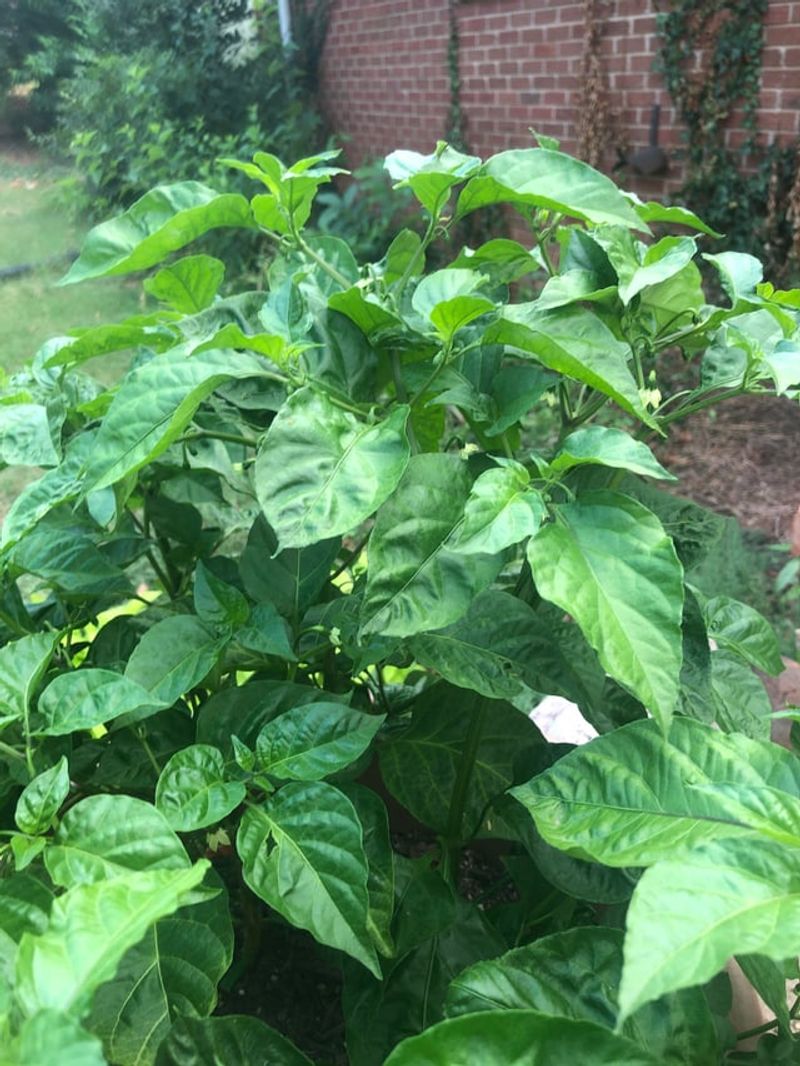
Seeing a pepper plant packed with dark green leaves and scattered with open blooms can feel like success is just around the corner. The trouble is that fruit production can stall even after a plant has invested heavily in foliage and flowers, and the missing peppers are not always a sign that the plant itself is sick or weak.
The pattern worth recognizing is specific: vigorous growth, visible flowers, and very few or no enlarging peppers. University of Maryland Extension guidance on poor blossom and fruit set identifies heat as a primary late-summer cause for this symptom in pepper crops, while also listing inconsistent soil moisture, inadequate light, excess nitrogen, wind, and humidity as factors that can produce similar results or pile onto heat-related losses.
A lush plant during a heat wave is not proof of overfertilization. Illinois Extension’s 2025 pepper production overview specifically cautions against treating leafy growth as automatic evidence of nitrogen excess, noting that healthy peppers can stay green and full-canopied after fruit set has already failed for environmental reasons.
Pests in the flower zone and enclosed growing conditions round out the list of look-alikes that deserve a closer check before landing on a single diagnosis.
What heat does inside a pepper flower
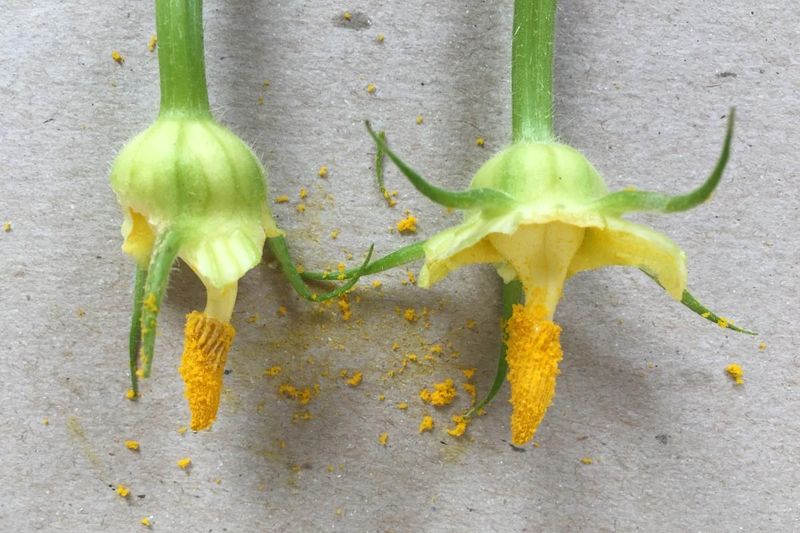
A pepper flower can look perfectly normal and still be incapable of producing fruit. High temperatures interfere with reproduction at several points along the way, which explains why a plant can keep pushing out blooms week after week while the fruit count stays near zero.
Research published in the Journal of the American Society for Horticultural Science found that exposure to 33 degrees Celsius (about 91 degrees Fahrenheit) reduced fruit set in bell peppers even when those plants continued producing flowers at a normal rate. Heat can damage pollen while the bud is still closed, reduce pollen viability when the flower opens, and disrupt fertilization or early fruit development in the days after pollination.
A companion study on bell pepper flower developmental stages showed that different parts of the reproductive process carry different levels of sensitivity to elevated temperatures, meaning heat can strike at the bud stage, at anthesis, or shortly after the flower closes. An open, healthy-looking bloom does not rule out the possibility that its pollen was compromised days earlier or that fertilization quietly failed before a tiny fruit ever had a chance to form.
This is the core reason a lush, well-watered plant can flower continuously while producing almost nothing. The vegetative side of the plant keeps running, but the reproductive machinery has been disrupted at a stage that is invisible from the outside.
Check the heat pattern, not just the afternoon high
Most gardeners glance at the forecast high and move on, but the afternoon peak is only part of the story for peppers. Nighttime temperatures matter just as much, and the heat your plant actually experiences near its canopy can differ meaningfully from the reading at a distant weather station.
Bell peppers generally set fruit best when temperatures stay near 70 to 80 degrees Fahrenheit. University of Maryland Extension associates daytime temperatures above roughly 85 to 95 degrees Fahrenheit and nighttime temperatures above 70 to 75 degrees Fahrenheit with blossom drop and reduced fruit set.
Warm nights are a particular problem because the plant gets no relief from heat stress during the hours when it would otherwise recover.
Placing an inexpensive thermometer near the foliage – rather than relying on a weather app – gives a more honest picture of what the plant is experiencing. Reflected heat from walls, pavement, or raised beds can push canopy temperatures several degrees above the ambient reading, and that difference can matter for fruit set even on a day that looks manageable on paper.
Hot peppers and bell peppers should not be treated as the same crop when reading temperature thresholds. Iowa State University Extension notes that hot pepper varieties often tolerate warmer conditions better than bell types, though cultivar differences within each category are also substantial.
If your jalapeños or cayennes are setting fruit while your bells are not, that contrast is a useful diagnostic clue rather than a mystery.
Before blaming heat, rule out the look-alike problems
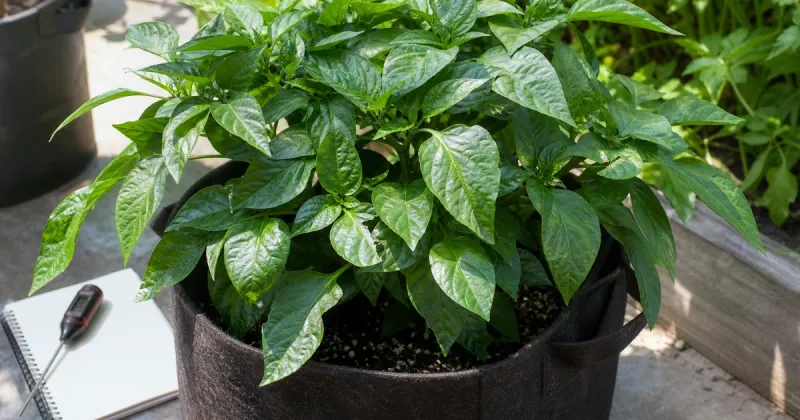
Heat gets most of the blame in late summer, and often deserves it, but a few other problems produce nearly identical symptoms. Running through a short checklist before settling on a heat diagnosis can save a lot of wasted effort.
Soil moisture is the first place to check. Dry spells followed by heavy watering create the kind of stress that causes flowers and small fruits to drop, and Maryland Extension guidance lists inconsistent moisture alongside heat as a documented cause of poor fruit set.
Overwatering or poorly drained soil can be just as damaging, reducing oxygen at the root zone and opening the door to root disease. Neither extreme produces a healthy fruiting plant.
Light and air movement are worth a look as well. Peppers need full sun, and a plant that has been shaded out by taller neighbors or a fence may look lush but underperform on fruit.
Excessive wind can increase water stress and flower drop, while stagnant, humid air in an enclosed space creates its own set of challenges for pollen movement.
On the nutrition side, resist the urge to add fertilizer simply because the plant is leafy. Illinois Extension specifically cautions that lush foliage alone does not diagnose excess nitrogen, and that a healthy pepper can stay full and green after fruit set fails for environmental reasons.
A soil test or label-directed feeding is a safer approach than guessing. Also keep in mind that blossom-end rot, which appears as a darkened, sunken spot on the base of a developing pepper, affects fruit that has already begun forming and does not explain flowers that never set in the first place – the two problems are separate and need separate responses.
Lower the plant’s heat load without starving it of light
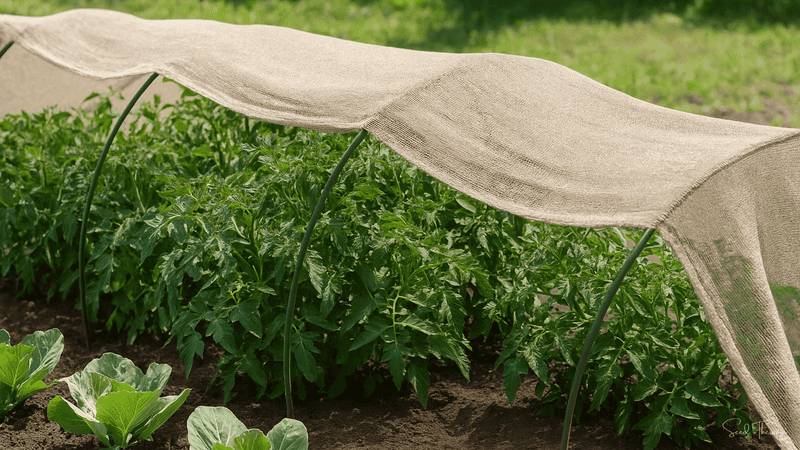
When late-summer temperatures are routinely running past the point where bell peppers can set fruit, the most direct response is reducing the heat the plant absorbs rather than waiting it out and hoping. A few targeted changes to the growing environment can shift conditions meaningfully without turning a sun-loving crop into a shade plant.
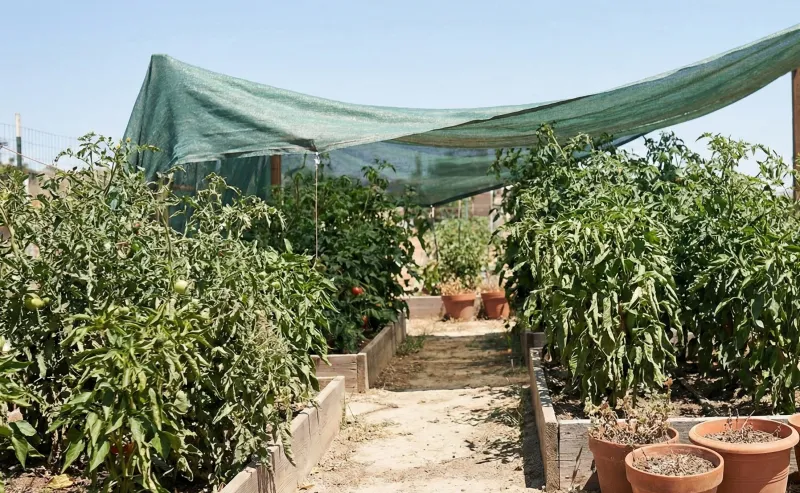
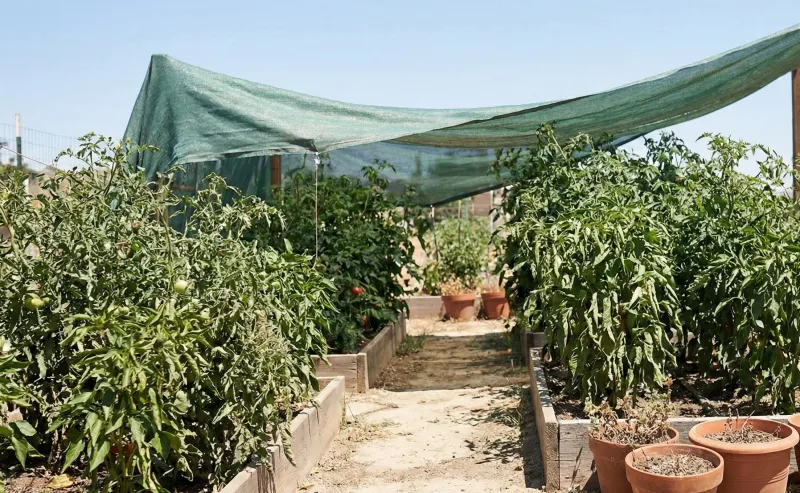
Temporary afternoon shade is the most evidence-backed option for extreme Southern heat. University of Delaware Extension recommends approximately 30 percent shade cloth as a starting point for peppers, and Delaware bell pepper trials found that shade improved marketable yield and reduced heat-related fruit-quality problems, though results varied by year and cultivar.
Heavier shade – 50 to 70 percent – is generally excessive for peppers and can reduce the usable light and airflow the plant needs. The goal is to blunt the hottest part of the afternoon, not to move the plant into semi-shade conditions full time.
Pairing shade with a thick layer of mulch at the base of the plant helps hold soil temperature down and reduces the rate at which the root zone dries out between waterings. Consistent soil moisture is the companion goal here, not a constantly wet root zone.
Iowa State Extension guidance on growing peppers uses roughly one inch of water per week as a starting reference, but actual needs shift with soil type, plant size, current rainfall, and how hot conditions are running – treat that number as a starting point, not a fixed rule.
Overhead misting and daily watering on a rigid schedule both carry risks. Excess moisture that lingers on foliage, especially in low-airflow conditions, can increase disease pressure.
The aim is steady, even moisture at the root zone, not surface wetness.
Pollination helps only when pollination is the problem
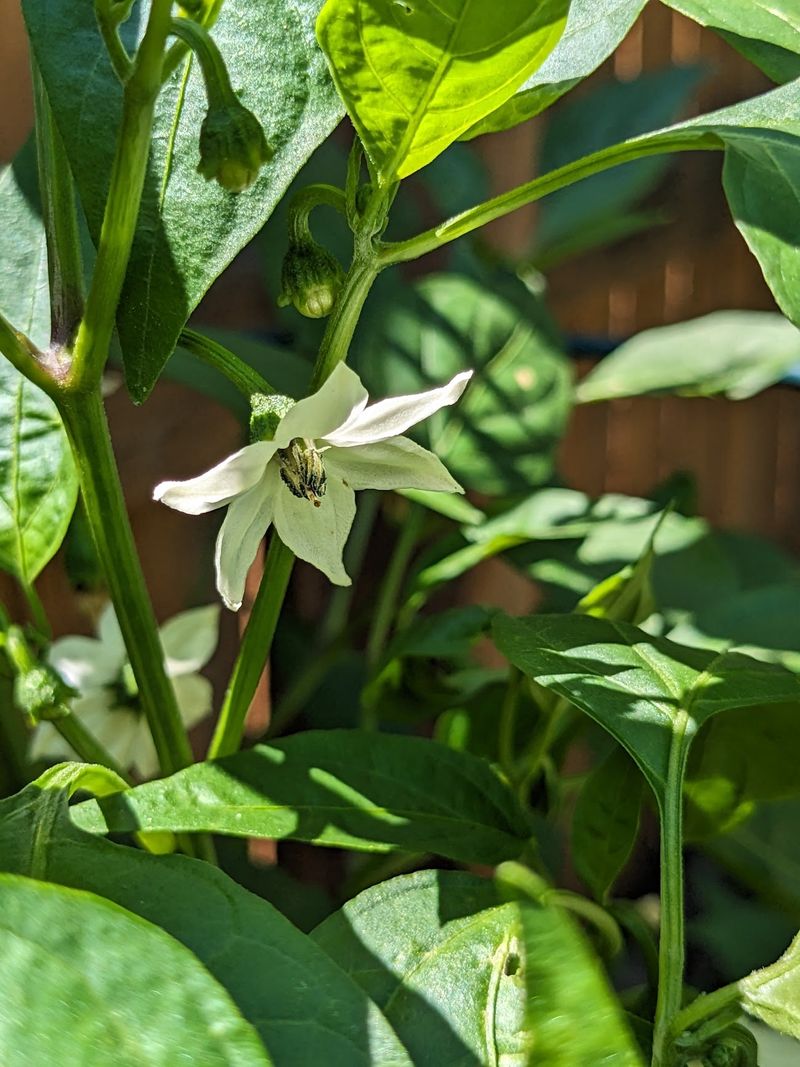
Pepper plants do not need a hive of bees the way squash does. Pepper flowers carry both male and female parts, making them largely self-fertile, and Iowa State Extension confirms that wind and plant movement are usually enough to move pollen in ordinary outdoor beds.
Insect activity, especially the vibration that bees create while foraging, may improve fruit set or fruit size in some conditions, but the absence of a pollinator is rarely the explanation for a bare outdoor pepper plant.
The situation changes in an enclosed space. A screened porch, a greenhouse, or a covered patio can limit both wind movement and insect access enough to reduce natural pollen transfer.
NDSU Extension notes that enclosed or sheltered growing environments are where manual assistance is most likely to make a practical difference. Gently shaking the plant every day or two during flowering is a reasonable step in those conditions.
What shaking cannot do is rescue pollen that heat has already damaged. The bell pepper developmental research makes clear that pollen viability and post-pollination development can both be compromised by elevated temperatures before any manual intervention is possible.
If the growing environment is outdoors and open, and temperatures have been running high, the far more likely culprit is heat-related reproductive failure rather than a shortage of pollinators.
Inspect the flowers when the symptoms do not fit heat alone
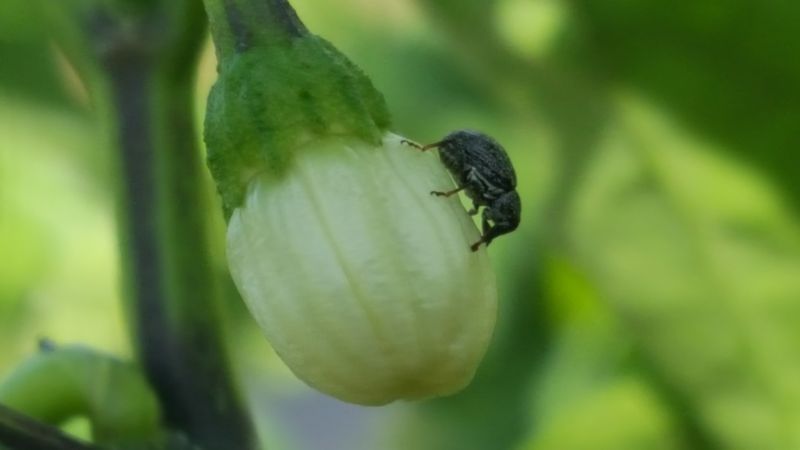
Florida and Texas pepper growers face a regional pest pressure that gardeners in cooler states rarely deal with at the same intensity. When flower drop or absent fruit set does not line up neatly with a heat event, a close look at the flowers and young fruit can reveal a different explanation entirely.
UF/IFAS guidance on managing thrips in pepper and eggplant identifies thrips and pepper weevil as important pests in Florida pepper production, with pepper weevil also present across Texas and other pepper-growing areas. Pepper weevil adults lay eggs in buds and young fruit; the resulting larval feeding causes premature drop of buds, flowers, and small peppers that can look almost identical to heat-related losses.
Thrips can scar flower tissue, damage small fruit surfaces, and in some cases transmit viruses that distort new growth.
The inspection itself does not require special equipment. Pull a dropped bud apart and look for a small larva or feeding tunnel inside – that points toward weevil.
Silvery flecking on flower petals or young fruit surfaces, distorted new leaves, or a bronze sheen on tissue suggest thrips activity. Virus-like symptoms such as mosaic patterns or curling on new growth call for a different response than either heat or direct feeding damage.
Scouting before treating is the correct sequence. Not every thrips species found in a pepper flower is a damaging one, and broad-spectrum insecticides can kill beneficial insects that compete with or prey on the more harmful species.
Any pesticide used must be labeled for peppers and applied according to the label directions – automatic spraying at the first sign of flower drop is not an appropriate substitute for identifying what is actually causing the problem.
Recovery starts with the next workable stretch of weather
Recovery from heat-related fruit-set failure is real, but it follows the weather rather than the calendar. Flowers that were forming or opening during the hottest stretch may already be lost, regardless of what happens next.
The bell pepper developmental research documents sensitivity across multiple flower stages, which means a cooler week does not instantly redeem blooms that were heat-stressed days earlier.
Newly formed flowers are a different story. When temperatures drop back into a more favorable range, the next wave of blooms has a genuine chance to set.
University of Georgia Extension guidance on commercial pepper notes that an existing fruit load can affect how many additional flowers a plant retains, so harvesting any peppers that have already reached a usable size can free up resources for the incoming flush of blooms.
The monitoring plan during recovery is straightforward: maintain even soil moisture, keep any shade cloth in place during the hottest afternoon hours, and watch the new flowers rather than judging the plant by what it failed to produce during the worst of the heat. Maryland Extension’s fruit-set guidance reinforces that environmental relief comes first for a lush, flowering plant in a heat wave.
A plant that still shows no fruit set after conditions improve, or one with distorted flowers and damaged young fruit, deserves a closer look at pests and growing conditions rather than another round of waiting.