
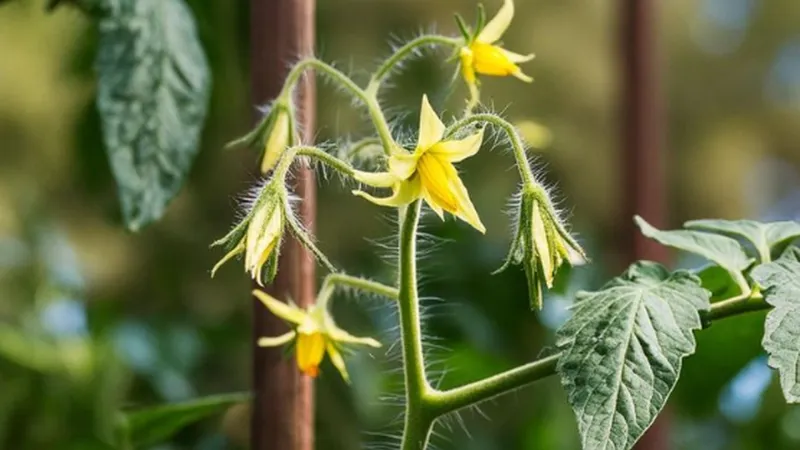
Your tomato plants look fantastic from a distance, green and full and climbing toward the sun, yet the fruit tray stays empty week after week. That gap between lush growth and zero harvest is one of the most frustrating puzzles Southern gardeners face in summer.
Understanding what is actually happening inside those flowers is the first step toward fixing it, or at least riding it out the right way.
Start with the flowers, not the foliage
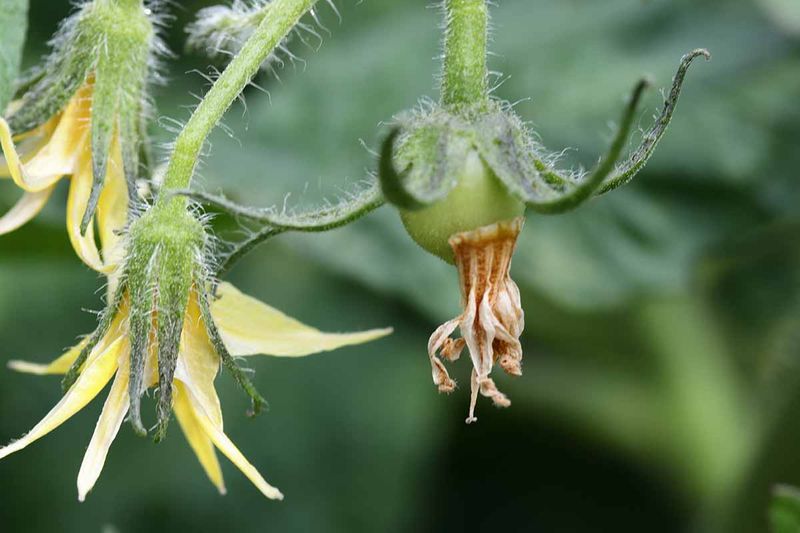
A tomato plant covered in deep green leaves can still have a serious problem at the flower level, and that is exactly where your inspection needs to begin. Pull a stem aside and look closely at the blossoms.
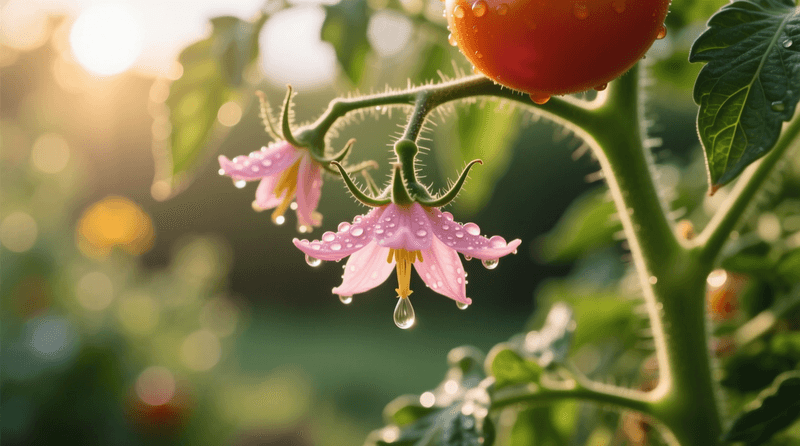
If the flowers are turning yellow or brown, drying out, and dropping cleanly from the stem, that pattern fits what extension resources describe as blossom drop, a condition where the flower aborts before any fruit can form.
A different situation exists when a flower stays attached to the plant but never develops into a small green tomato. University of Maryland Extension guidance on poor fruit set notes that flowers remaining on the plant without forming fruit may point toward inadequate pollination or reduced pollen viability, though those are possibilities to consider rather than an automatic diagnosis.
Give an attached flower a reasonable observation window before drawing conclusions.
Vigorous, leafy growth does not rule out a flowering problem. A plant can photosynthesize and push new shoots energetically while its reproductive system is stalled.
If the flower pattern or timing does not match a prolonged hot spell, other explanations deserve attention: disease, insect feeding, excessive shade, an unsuitable cultivar, plant immaturity, or uneven watering can all interfere with fruit set in ways that look similar from a distance. Start at the flower and work outward from there.
Heat can leave the plant leafy but stop fruit set
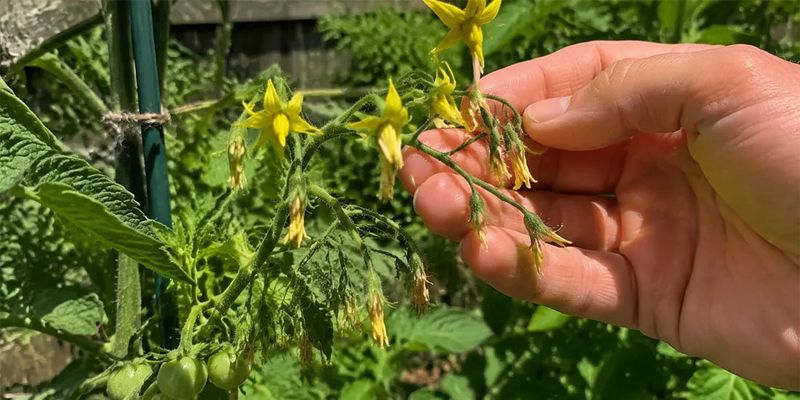
Tomato plants are built to grow leaves and stems under a wide range of conditions, but fruit set is far more sensitive to temperature. When a hot spell drags on, the plant’s vegetative machinery keeps running while its reproductive system can quietly shut down.
That disconnect is why a tomato can look perfectly healthy while producing almost nothing.
Sustained heat affects the flower and its pollen in several ways at once. University of Minnesota Extension’s guide on heat effects in the vegetable garden explains that high temperatures can make pollen sticky and difficult to shed, reduce pollen viability, and cause flowers to abort outright.
University of Delaware’s weekly crop update adds that even when pollen is released, fertilization may fail under high-temperature conditions. The result is a flower that looks normal until it shrivels and falls.
High humidity can compound the problem by preventing pollen from shedding freely, though humidity alone is not the whole story. What makes heat-stressed flowering and pollination the most likely explanation is the combination: flowers drying up and dropping during a prolonged hot stretch, with an otherwise healthy-looking plant.
That pattern fits. A plant with no flowers at all, or one that has never flowered, points in a different direction entirely and should be investigated separately.
Hot nights keep Southern tomatoes from setting fruit
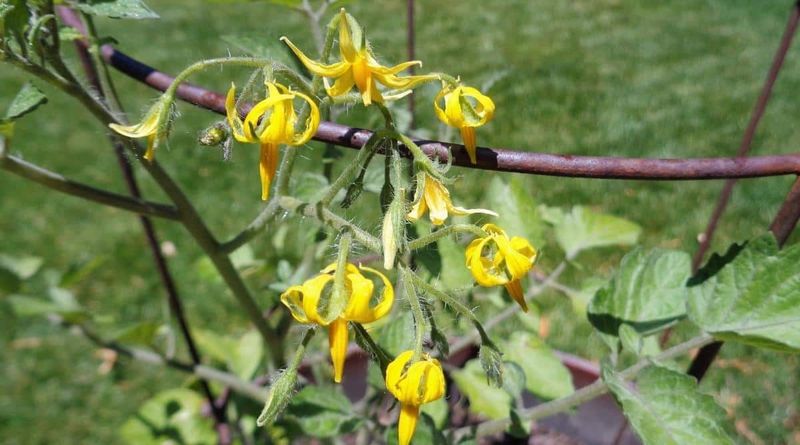
Gardeners in Florida, Texas, and across the Gulf South often notice that even a few cooler afternoons do not bring their tomatoes back into production. The reason is frequently the night, not the day.
Nighttime temperatures that stay elevated prevent the plant from recovering between heat cycles, and that sustained stress is what tips flowers into abortion.
Alabama Cooperative Extension’s blossom drop guide and University of Georgia Extension’s tomato production bulletin both identify nighttime temperatures above roughly 70-72 degrees Fahrenheit as a common condition associated with blossom drop, while daytime temperatures above approximately 85-90 degrees Fahrenheit are frequently cited as a related concern. These figures are approximate guidelines, not a universal switch that affects every plant at the same moment.
Duration, cultivar genetics, soil moisture, and local humidity all shape how quickly a plant responds. A single hot night rarely causes total failure, but week after week of warm nights with no real cool-down creates a compounding effect that most standard tomato varieties cannot overcome.
UF/IFAS guidance on fall tomato production acknowledges that this pattern is a defining challenge for Florida growers planting in late summer. Prolonged high humidity can also interfere with pollen shedding during this period, adding another layer of stress on top of the temperature problem.
Support the roots while you wait for cooler weather
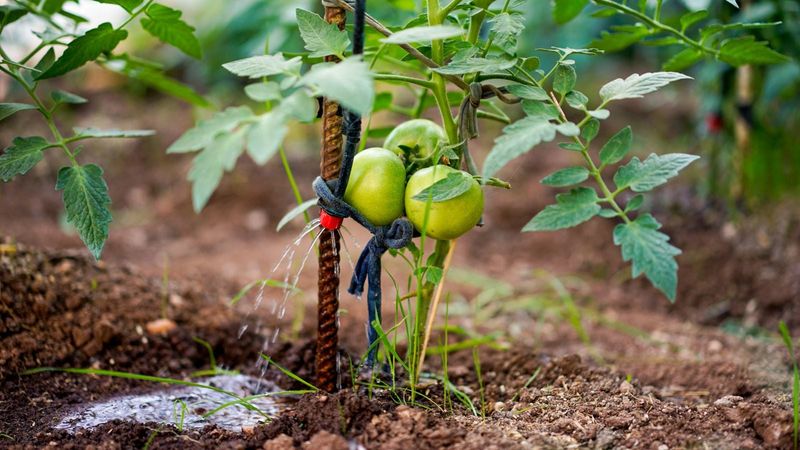
Once heat has damaged pollen or triggered flower abortion, no watering trick or quick fix will reverse what already happened. What consistent care can do is keep the plant strong enough to produce a new flush of flowers when temperatures eventually ease.
That is a realistic and worthwhile goal, even if it requires patience through the hottest weeks.
Water deeply at the root zone rather than giving the soil a light daily sprinkle. University of Minnesota Extension’s heat gardening guidance and Oregon State Extension’s heat-wave garden guide both emphasize avoiding the cycle of letting soil dry severely and then saturating it, because those swings stress roots and make nutrient uptake inconsistent.
A layer of mulch over the root zone helps hold moisture and can moderate soil temperature during the worst of the heat.
Temporary shade is sometimes mentioned as a way to reduce heat load, and UF/IFAS fall tomato production guidance does discuss shade-house use during the hottest months in Florida. That context involves commercial shade structures with specific coverage rates, not a universal prescription for home gardens.
Blocking too much light for too long can slow growth and reduce flowering rather than help it. If you try any temporary shading, keep it modest and remove it as soon as temperatures moderate.
University of Maryland Extension notes that new flowers can set normally once temperatures, especially nighttime temperatures, come back down. The plant is not permanently broken.
Steady root-zone care gives it the best chance to take advantage of that window.
Avoid amendments that target the wrong problem
Watching a tomato plant fail to set fruit is stressful, and the instinct to do something is completely understandable. The problem is that the most common reactive treatments address different problems entirely, and applying them during heat-related blossom drop can make things worse or simply waste money.
An already leafy, vigorous plant almost certainly does not need more nitrogen. Alabama Cooperative Extension’s blossom drop resource notes that excess nitrogen encourages lush vegetative growth and can delay or reduce flowering.
UF/IFAS tomato production guidance supports basing fertilizer decisions on the product label, growth stage, and soil conditions rather than applying nutrients as a panic response.
Calcium supplements are a different misapplication. Blossom-end rot, which involves calcium delivery failure in developing fruit, is a separate condition from flowers that abort before any fruit forms.
UGA Extension’s blossom-end rot explanation and Purdue Extension’s tomato disorder guide both clarify that calcium supplements will not correct heat-induced pollen problems or rescue flowers that have already dropped.
Phosphorus or bone meal without evidence of a deficiency is equally unhelpful. UF/IFAS tomato fertilization guidance does not support adding phosphorus as a general response to poor fruit set.
Blossom-setting sprays are similarly unreliable: University of Delaware crop update reporting states that no growth regulator can induce normal fruit development under high-temperature conditions. Heavy emergency pruning carries its own risk, as removing foliage during heat stress can expose developing fruit to sunscald and strip the plant of leaves it needs for recovery.
Help viable flowers without blaming the bees
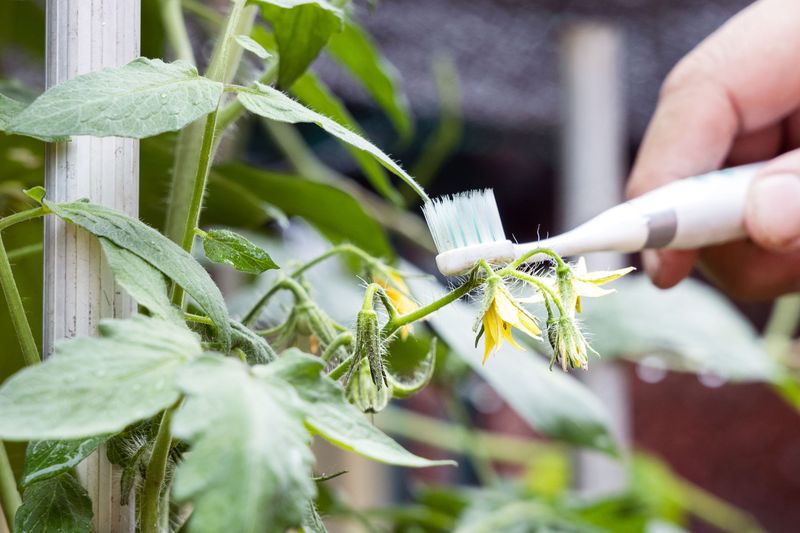
Many gardeners assume that a lack of bees caused their tomatoes to fail, but tomatoes are self-fertile plants that typically do not require a bee to move pollen from one flower to another. The flower structure allows pollen to fall onto the stigma through wind, natural movement, or even the vibration of a passing person brushing the plant.
University of Minnesota Extension’s pollination requirements resource confirms that tomatoes generally receive adequate pollination without bee assistance in outdoor conditions. University of Georgia Extension’s tomato bulletin supports gentle vibration of flower clusters as a way to assist pollination in situations where air movement is minimal.
Gently shaking a cluster of flowers that are still open and viable may help pollen reach the stigma. That is a reasonable low-effort step.
What it cannot do is restore pollen that heat has already damaged, or stop a flower from aborting when temperatures remain too high for normal fertilization to occur. The flower has to be in viable condition for vibration to matter at all.
Alabama Cooperative Extension’s greenhouse tomato production guide describes mechanical vibration aids in the controlled greenhouse context. Outdoor home gardens already have wind and plant movement working in their favor, so the priority in a heat situation is addressing temperature stress rather than spending energy on manual pollination of flowers that may be heat-compromised regardless.
Investigate other causes when the pattern does not fit
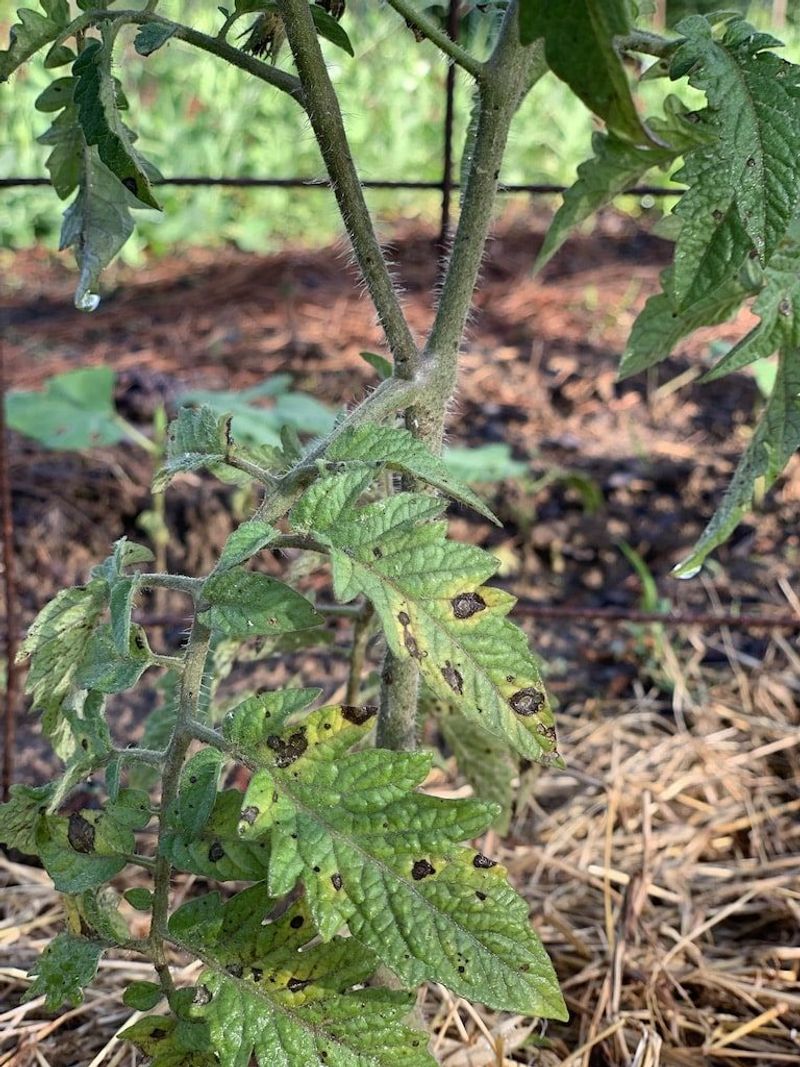
Heat-related blossom drop fits a specific pattern: flowers drying up and falling during a prolonged hot spell on a plant that otherwise looks healthy. When that pattern is missing, other explanations need to move up the list.
A plant with no flowers at all is a different situation. Alabama Cooperative Extension notes that excessive nitrogen is a common reason for lush, non-flowering plants, because the plant directs energy into vegetative growth instead of reproduction.
Insufficient light is another frequent culprit: tomatoes need full sun, and a plant growing in partial shade or one that has been crowded out by taller neighbors may fail to flower reliably regardless of temperature.
Uneven watering, particularly repeated dry-wet cycles, can cause flowers to drop in ways that mimic heat stress. UF/IFAS tomato guidance identifies moisture consistency as a factor in overall plant health and fruit development.
An unsuitable cultivar for your region or planting window, or a plant that is simply not old enough to flower productively, can produce a similar symptom without any heat involvement.
Disease and insect damage deserve inspection when the timing or flower symptoms do not fit the heat explanation, or when the plant continues failing after conditions moderate. UF/IFAS fall tomato production guidance flags disease and pest pressure as real concerns for Southern late-season crops, not afterthoughts.
A healthy plant losing flowers during documented prolonged heat fits the heat diagnosis well. A plant with unusual spotting, distorted growth, or insect activity warrants a closer look before heat gets the blame.
Choose regionally suitable varieties for the next crop
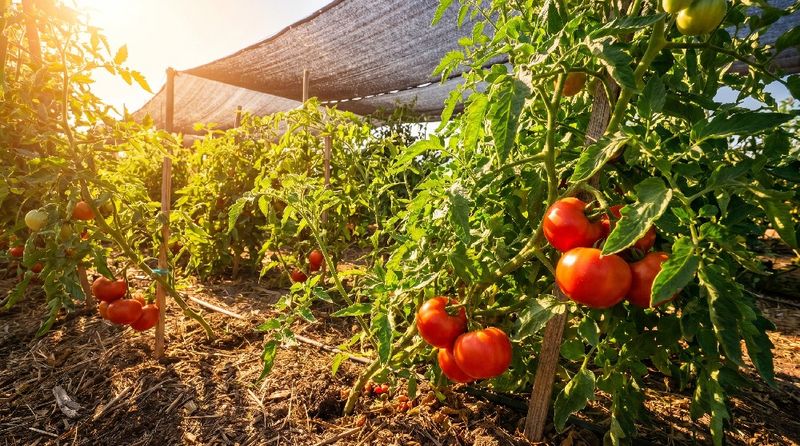
One of the most practical steps a Southern gardener can take after a difficult heat season is choosing varieties that were specifically developed or selected for hot, humid conditions. Standard slicing tomatoes bred for cooler climates can struggle badly through a Florida or Texas summer, setting almost nothing during the hottest weeks even with attentive care.
UF/IFAS fall tomato production guidance and the UF/IFAS tomato variety recommendations discuss hot-set cultivars bred for Florida’s conditions, with examples including ‘Florida 91,’ ‘Solar Fire,’ and ‘Phoenix.’ Texas A&M AgriLife Extension’s recommended tomato variety list includes ‘Picus F1’ among cultivars selected for heat performance in Texas growing conditions.
These varieties are more tolerant of heat stress, not immune to it. Even a hot-set cultivar can fail under a prolonged extreme heat event, serious drought, disease pressure, or compromised root conditions.
Regional performance also varies: a variety that excels in North Florida may not behave identically in the Texas Hill Country or along the Gulf Coast, so local extension recommendations are worth consulting before settling on a single choice.
Planting timing matters just as much as variety selection. Getting transplants in the ground early enough that they can establish and begin flowering before the most brutal heat arrives gives any cultivar a better starting position.
Inspect the flowers, protect the root zone, skip the unnecessary amendments, and give heat-adapted varieties a fair trial when the calendar lines up right.