
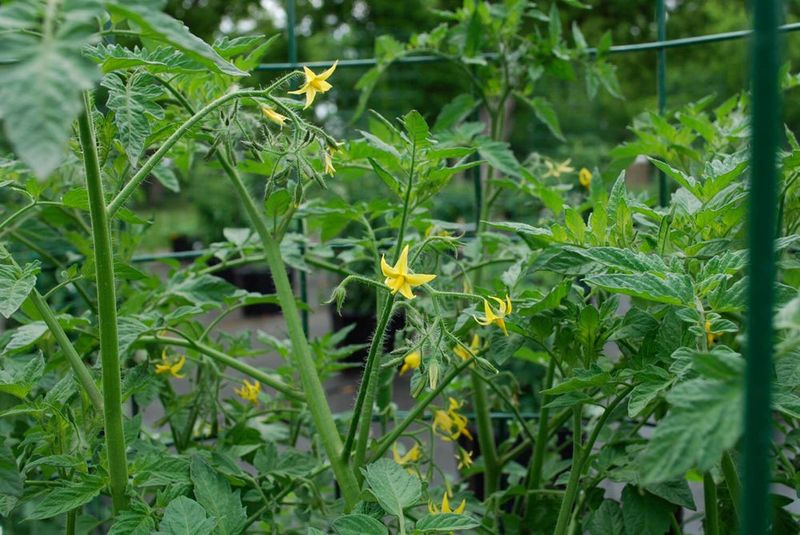
Your tomato plant looks like a winner – deep green, bushy, and growing fast – but the fruit just isn’t coming. Before you reach for another bag of fertilizer, it helps to understand what’s really going on. Two separate problems can produce this exact picture: too much nitrogen feeding and August heat stress. Knowing which one you’re dealing with, or whether both are at play, changes everything about how you respond.
Lush foliage makes nitrogen worth checking—but not blaming
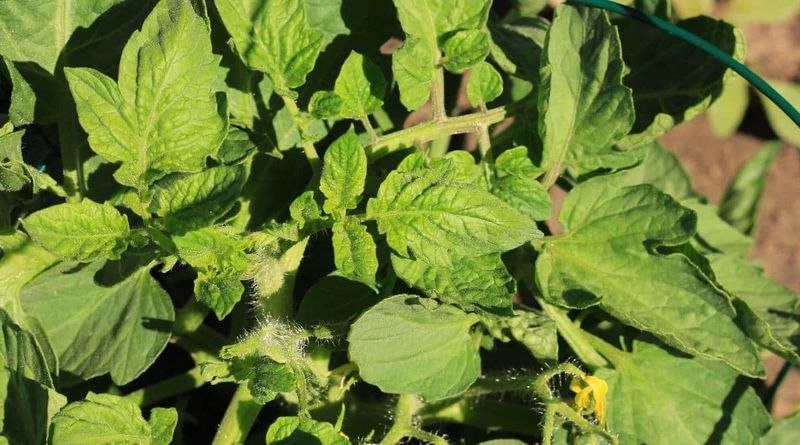
A tomato plant that keeps pushing out soft, dark-green leaves while flowering or fruiting poorly is giving you a clue worth following up on – but it isn’t handing you a diagnosis. One fertilizing habit that sometimes tips the balance toward excessive leaf growth is continuing to apply nitrogen after the plant already looks vigorous and full. When nitrogen is abundant and the plant is already growing strongly, the energy that should shift toward flowers and fruit can stay locked in producing more foliage instead.
Penn State Extension’s tomato growing guide notes that too much nitrogen can delay fruiting and push plants toward vegetative growth. Missouri Extension identifies excessive nitrogen as a cause of poor fruit set in tomatoes, and Arizona Extension flags very vigorous, leafy growth as a sign that nitrogen may be out of balance. The key word across all of these sources is “excessive” – tomatoes genuinely need nitrogen, especially early in the season and in soils with low organic matter.
The suspicious habit isn’t using nitrogen at all. It’s adding more when the plant is already dark green and growing fast, essentially feeding a system that doesn’t need another push. Before drawing any conclusions, look at your fertilizer history: how often have you been feeding, and what product have you been using? Then check the flowers.
If blooms are forming but drying up and dropping during hot days, University of Minnesota Extension’s tomato guidance points to heat as a major independent cause – one that has nothing to do with what’s in your fertilizer bag.
August heat can block fruit even on a healthy-looking plant
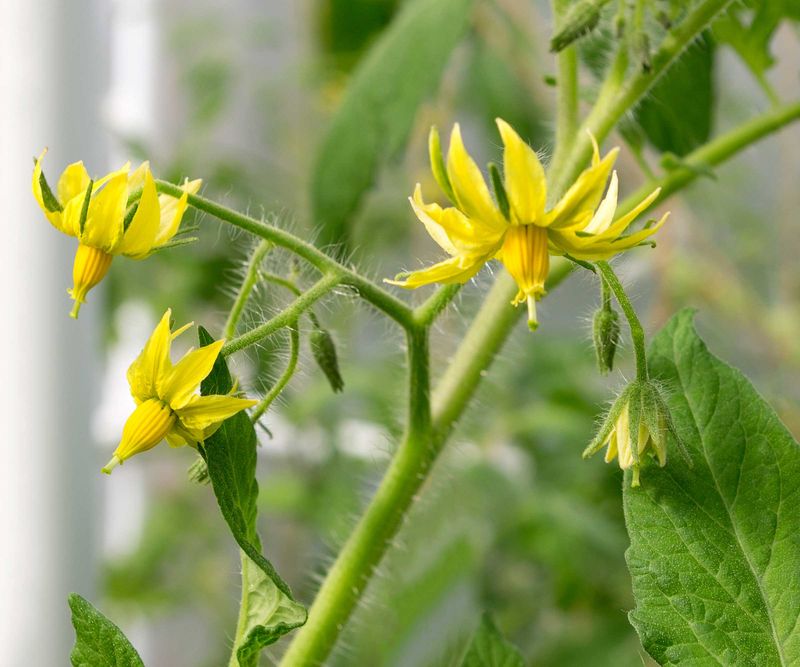
Flowers that dry up and fall off without ever becoming fruit are one of the clearest signs that heat is interfering with the process. High temperatures can disrupt pollen development inside the flower before it ever has a chance to do its job. Even when a plant looks completely healthy from the outside, sustained heat can quietly damage pollen viability and interfere with fertilization, leaving foliage untouched while shutting down reproduction almost entirely.
University of Minnesota Extension’s guide on heat and vegetable gardens explains that flowers exposed to sustained hot days and warm nights may drop during roughly a 50-hour window, and that new flowers can set once conditions improve. The approximate risk ranges that appear across Extension sources are daytime temperatures in the upper 80s to mid-90s Fahrenheit combined with nights that stay near 70 degrees or warmer. Those figures aren’t exact cutoffs – cultivar, humidity, duration, and the pattern of day and night temperatures all affect outcomes. Penn State’s heat-stress overview describes heat stress beginning somewhere in the range of 88 to 102 degrees Fahrenheit, reinforcing that there’s no single universal threshold.
Missouri Extension notes that tomatoes struggle noticeably in summer heat, and their reporting on summer heat stress confirms that warm nights are especially damaging because the plant never fully recovers between hot days. If your plant has been blooming but flowers keep dropping during a stretch of hot weather, heat is the more immediate explanation to investigate – regardless of what you’ve been feeding it.
Pause routine fertilizer and test before adding anything else
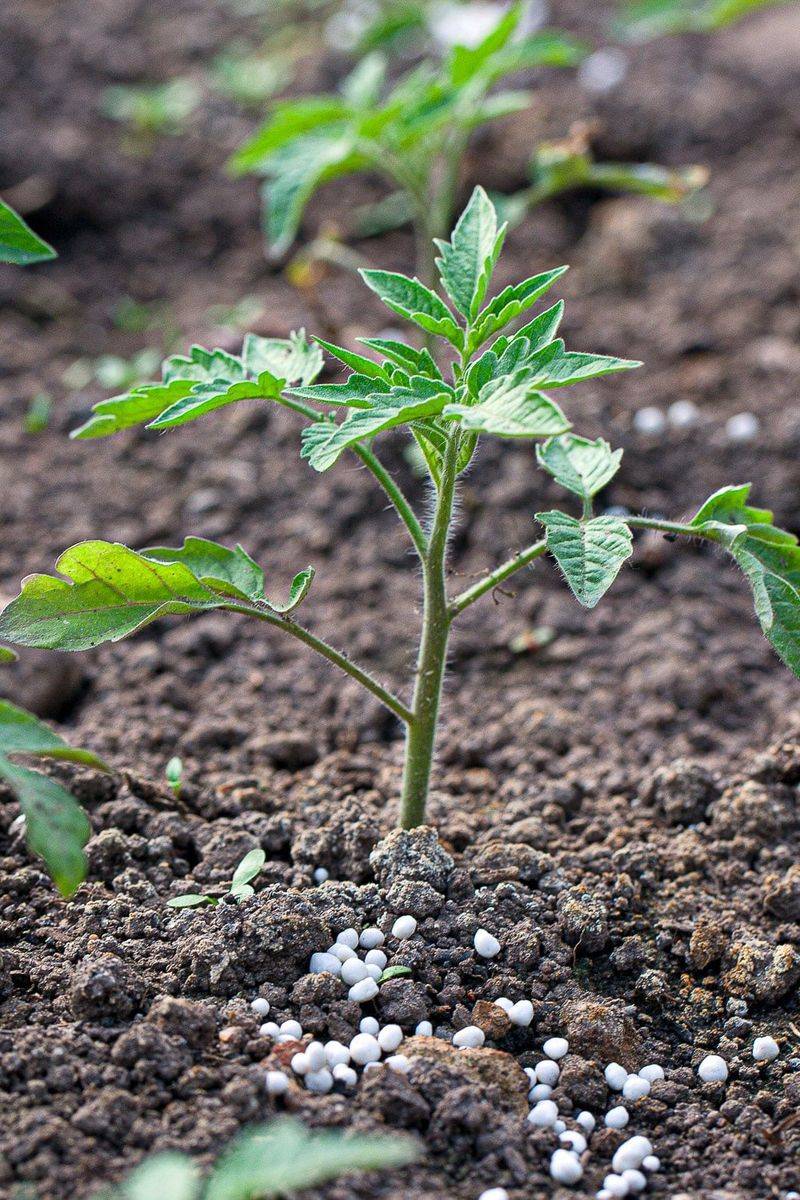
The most conservative and defensible first move when your tomato looks lush but isn’t fruiting is to stop routine fertilizer applications, especially during a stretch of extreme heat. Adding more nitrogen to a plant that is already dark green and vigorously vegetative is unlikely to trigger fruit set and may simply prolong the imbalance. Oregon State Extension advises against fertilizing plants during extreme heat events, and that guidance applies with extra force when the plant is already drought-stressed. Granular fertilizer applied to dry or heat-stressed roots can cause additional injury rather than recovery.
Reaching for a high-phosphorus “bloom booster” is a common impulse, but it isn’t supported as a universal fix. University of Minnesota Extension’s fertilizing guide recommends applying phosphorus according to soil-test results and using a low- or no-phosphorus product unless a deficiency is actually documented. Excess phosphorus doesn’t reliably trigger fruit set, and as the EPA’s nutrient pollution resource points out, surplus phosphorus in home gardens can run off into nearby waterways and contribute to broader environmental problems.
A soil test gives you something fertilizer guessing never can: actual data about what your soil contains and what it needs. Extension recommendations consistently treat soil testing as the safer starting point before any corrective feeding. If a test does indicate that nitrogen is appropriate later in the season, the timing, quantity, and product should reflect the test results, the crop stage, the product label directions, and guidance from your local Extension service – not a general calendar schedule.
Stabilize the root zone and shield flowers from the worst heat
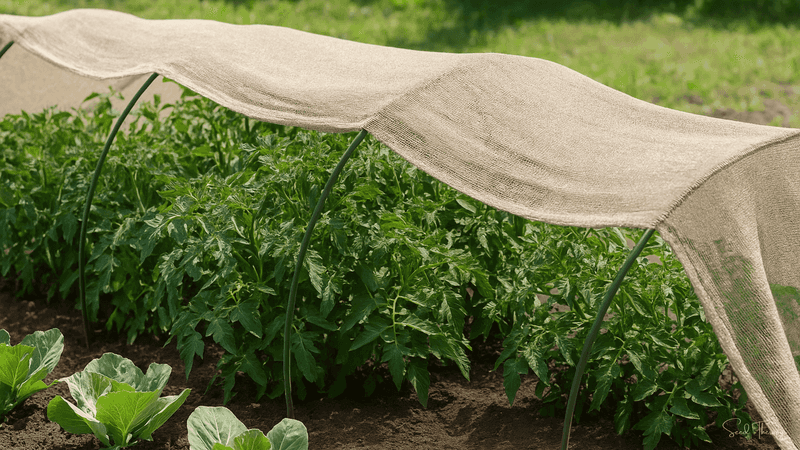
Once you’ve paused unnecessary fertilizer, the most useful thing you can do for a heat-stressed tomato is protect what the plant still has: healthy roots and new buds that haven’t yet been damaged. Consistent soil moisture is foundational here. When the root zone dries out and then gets flooded, or stays parched for days, the plant faces compounding stress that makes heat damage worse and slows any recovery. University of Minnesota Extension’s vegetable irrigation guidance recommends monitoring soil moisture and watering deeply enough to wet the full root zone rather than applying shallow, frequent sips that never reach the roots where they matter.
Watering frequency isn’t one-size-fits-all. A tomato growing in a container on a sunny patio dries out much faster than one in a deep garden bed with good organic matter. The goal is a sufficiently moist root zone, not a rigid daily schedule. Applying two to three inches of organic mulch around the base of the plant slows evaporation, moderates soil temperature, and helps maintain the even moisture that roots need during a heat wave.
Penn State’s heat-stress resource recommends keeping plants well watered and using shade cloth during the hottest part of the day. Temporary shade – a piece of floating row cover, shade cloth rated at 30 to 40 percent reduction, or even a strategically placed patio umbrella – can take the edge off peak afternoon heat without blocking enough light to slow growth. None of these steps will repair flowers that have already dropped, but they preserve the conditions that allow new flowers to form and succeed once temperatures ease.
Use pollination help only when conditions allow it
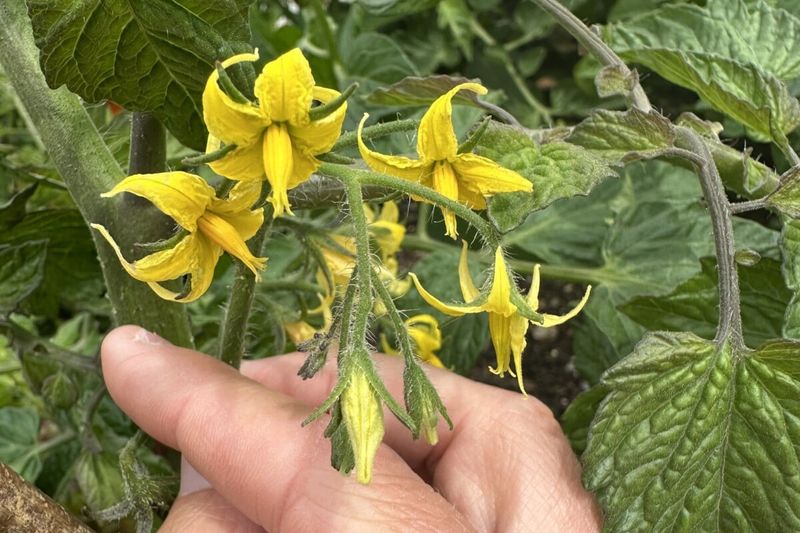
Tomatoes are self-pollinating, meaning each flower carries both male and female parts and can fertilize itself. But pollen still needs to move within the flower, and in still air or enclosed growing spaces that movement doesn’t always happen reliably on its own. Gently shaking a flower cluster or tapping the stem behind a truss of open blooms can encourage pollen transfer in those conditions. University of Georgia Extension’s tomato production guide and Oregon State Extension’s tomato growing publication both acknowledge the role of movement in pollen transfer for self-pollinating crops.
The important limit to understand is that gentle agitation cannot fix pollen that heat has already damaged. When temperatures climb into the upper 80s and stay there, pollen viability drops well before any flower visibly drops. Research published in peer-reviewed literature identifies pollen viability and fruit set as central measures of tomato heat tolerance, with studies on heat-tolerant tomato breeding confirming that viable pollen is a prerequisite that no amount of physical agitation can substitute for. Shaking an aborted or heat-damaged flower accomplishes nothing.
Cultivar differences are real and worth noting. Some tomato varieties tolerate heat better than others, and so-called hot-set varieties are specifically bred to set fruit under warmer conditions. If repeated August heat waves are a regular feature of your growing season, choosing a more heat-tolerant variety for next year is a practical long-term adjustment. For now, the best strategy is to protect open flowers from peak afternoon heat and wait for overnight temperatures to ease before expecting new fruit to hold.
Check for symptoms that point to another problem
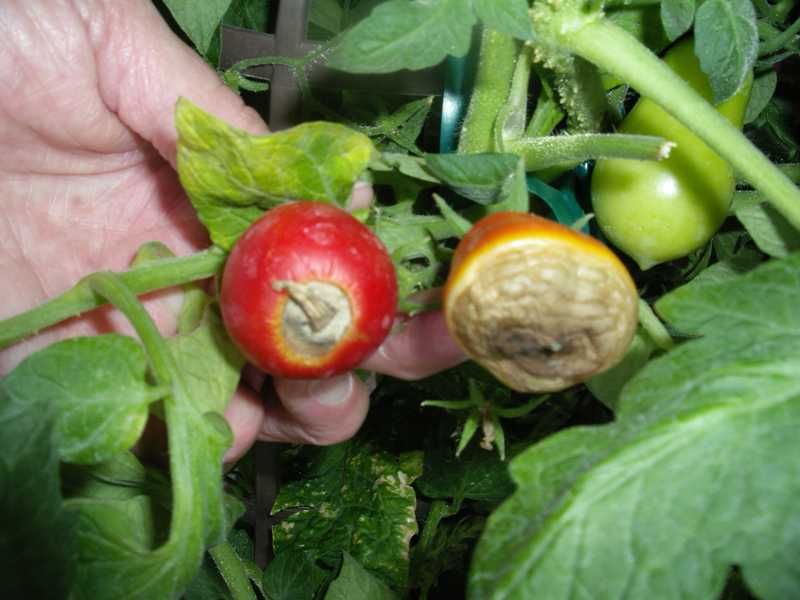
Not every fruitless tomato traces back to nitrogen or heat. Before settling on either explanation, check the plant carefully for symptoms that tell a different story. One disorder that often gets confused with fruit-set failure is blossom-end rot, but the two are entirely different problems. Blossom-end rot produces a dark, leathery, sunken lesion on the bottom of a developing fruit – it shows up on fruit that has already started to form, not on flowers that drop before setting.
University of Minnesota Extension’s guide to tomato disorders and Oregon State Extension’s blossom-end rot factsheet both explain that it reflects localized calcium transport problems caused by fluctuating moisture, root stress, or heat – not a simple lack of calcium fertilizer. Adding calcium products won’t address the underlying moisture problem and may not correct the disorder at all.
Twisted, cupped, or unusually narrow leaves and stems deserve their own attention. Those symptoms can indicate herbicide injury, which sometimes reaches tomatoes through contaminated compost, nearby lawn applications, or drift. Illinois Extension’s vegetable garden problems resource lists herbicide injury alongside disease, nutrient imbalance, and pest damage as causes of abnormal tomato growth that require a different response than fertilizer adjustment.
Other possibilities include inadequate sunlight, excessive pruning that removed too many flowering stems, drought stress, poor natural pollen transfer in low-insect areas, cultivar sensitivity to heat, and several fungal or bacterial diseases. Penn State’s heat-stress resource notes that multiple stressors can overlap in August. If the symptoms don’t clearly fit the nitrogen-excess or heat-drop pattern, stop guessing and contact your local Cooperative Extension office or a certified master gardener program for a proper diagnosis.
Let evidence—not the calendar—decide the next feeding
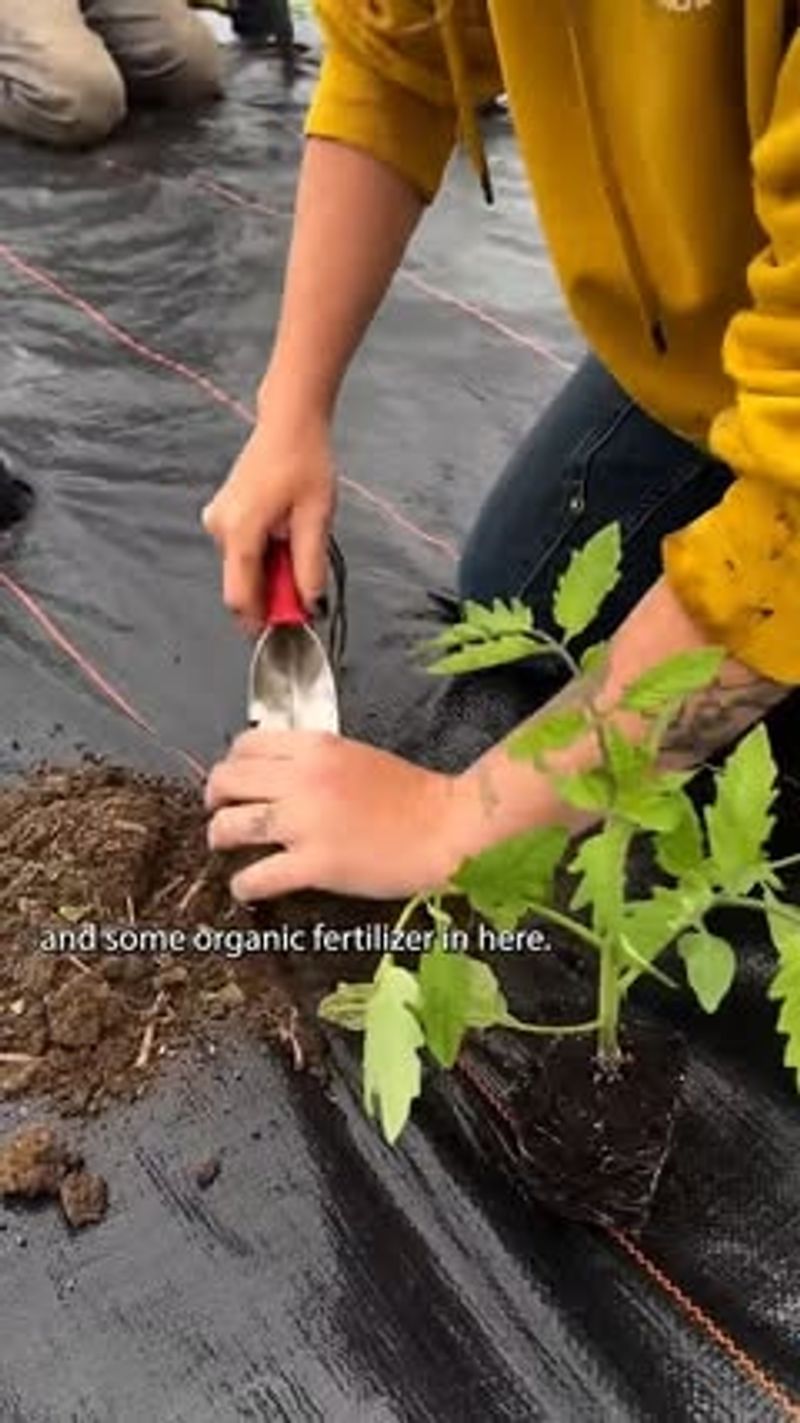
The clearest path forward starts with observation, not another trip to the garden center. Look at the foliage color and texture, review how often you’ve been fertilizing and with what product, check whether flowers are forming and then dropping during hot spells, and note whether nights have been staying warm. That information tells you far more than the date on the calendar.
If the plant is dark green, growing vigorously, and has received frequent nitrogen applications, pause routine feeding. Stabilize soil moisture, add mulch if you haven’t already, and consider temporary shade during peak afternoon heat. Then get a soil test before adding anything else. University of Minnesota Extension’s fertilizing guide and their tomato-specific growing resource both treat soil testing as the foundation of responsible fertilizer decisions rather than an optional extra step.
Tomatoes do need nutrients – stopping unnecessary nitrogen corrects a possible imbalance, but it isn’t a substitute for good heat and moisture management. Minnesota Extension notes that new flowers can set once conditions improve, which means patience through the hottest weeks is sometimes the most productive move you can make. The calendar says August; the plant says wait for a cooler night.