
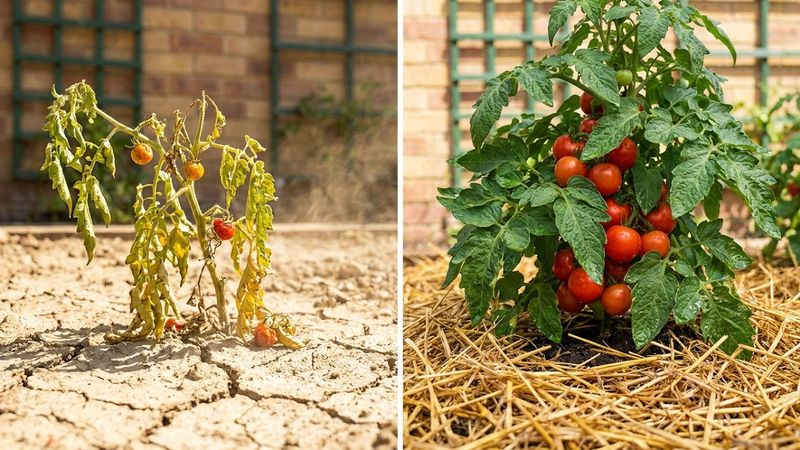
August heat can bring a tomato garden to a standstill almost overnight, and it is easy to assume the plants need more fertilizer when they stop flowering or ripening. The real story is more complicated, and reaching for a bag of plant food before understanding the cause can actually make things worse. Heat, high nighttime temperatures, moisture swings, disease, and even too much nitrogen can all produce the same frustrated look on a tomato plant, so the first job is figuring out which problem you are actually dealing with.
Start by separating heat stress from feeding problems
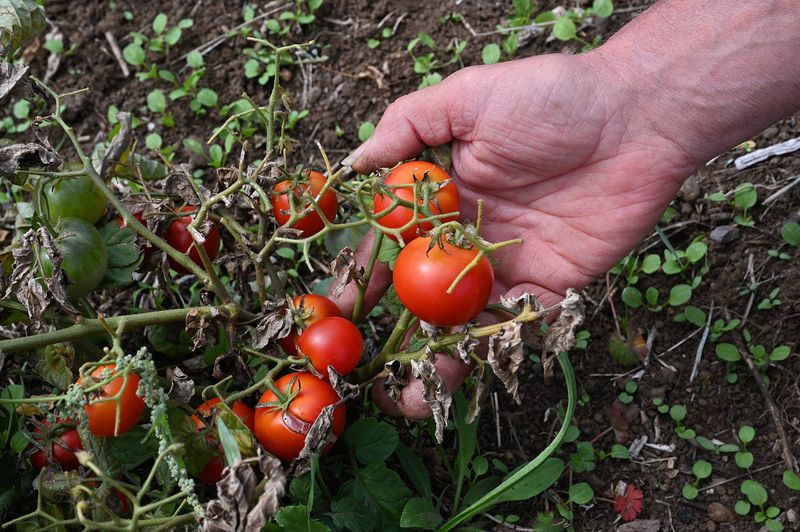
August heat does real, measurable damage to tomatoes, and most of it happens at the flower level before you ever notice anything is wrong. According to University of Minnesota Extension guidance on heat and vegetable gardens, sustained daytime temperatures around 85 to 90 degrees Fahrenheit combined with nights that stay above 70 degrees can cause pollen to become nonviable, flowers to abort, and fruit coloring to slow or stop entirely. These are temperature and water-stress problems, not proof that your feeding routine is the culprit.
The symptoms can look deceptively similar from a distance. Dropped flowers suggest heat-related pollen failure or very high nighttime temperatures. A complete absence of new flower buds may signal that the plant has shifted into a stress-conservation mode. Green fruit that refuses to color is often a ripening slowdown tied to sustained heat rather than a nutrient gap.
Leaf curl during hot afternoons is frequently a water-management response, not a sign of drought, and temporary wilting in peak afternoon sun can reverse by evening without any intervention.
Cultivar tolerance matters more than many gardeners realize. Research on heat-tolerant tomato mutants shows substantial genetic differences in pollen viability and fruit-setting ability under prolonged high temperatures, meaning one variety may push through a heat event while a neighbor plant of a different type fails completely. Humidity, soil moisture, wind exposure, plant age, and how many consecutive hot days have passed all affect the outcome, so no single temperature threshold applies universally.
Recognize when excess nitrogen may be part of the problem
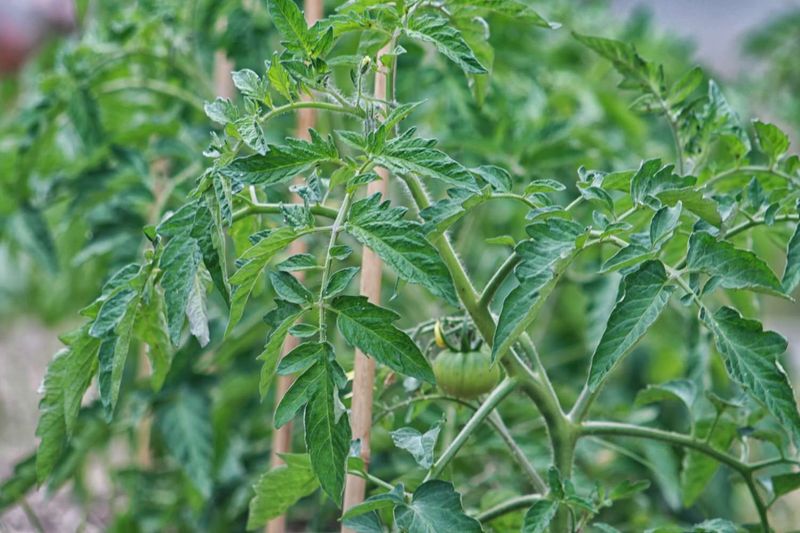
A feeding reset makes sense only under a specific set of conditions, and the most recognizable one is a plant that looks almost too healthy. When tomatoes receive more nitrogen than they can use productively, they put their energy into stems and foliage instead of flowers and fruit. The result is a plant that is deeply green, leafy, and almost aggressively vegetative while producing very little to show for all that growth.
If that description fits your plants, the right move is to pause routine nitrogen applications rather than add more fertilizer on top of a heat-related stall. University of Minnesota Extension’s tomato growing guide notes that excess nitrogen can delay or reduce fruiting and can worsen blossom-end rot when combined with heat or irregular moisture. Stopping the nitrogen does not hurt a plant that has plenty; it simply removes a factor that may be working against you.
Yellow leaves complicate the picture because they do not automatically point to nitrogen deficiency. Overwatering, root injury from compacted or waterlogged soil, fungal disease, normal age-related decline on the lower canopy, and other nutrient imbalances can all cause yellowing. Before concluding that a plant needs more nitrogen, check the soil moisture, look at the overall pattern of yellowing (bottom leaves first versus scattered throughout the plant), consider your recent watering habits, and review your fertilizer history. A soil test, where practical, gives you the clearest answer about what the root zone actually contains.
Wait for cooler conditions before making a feeding decision
During an active heat wave, the most productive thing you can do for a stalled tomato plant is address the conditions creating the stress, not stimulate new growth with fertilizer. Oregon State University Extension’s heat-wave garden guide advises postponing fertilization during intense heat because pushing new vegetative growth adds strain to a plant whose roots and foliage are already working hard to maintain water balance. Concentrated fertilizer applied to dry or heat-stressed soil can also increase salt stress around the roots.
The practical sequence looks like this: inspect the root zone first, correct any genuine dryness, take steps to reduce heat exposure where possible, and hold off on any fertilizer application until temperatures moderate and the plant shows signs of stabilizing. Once cooler conditions return, reassess the plant carefully before deciding whether feeding is warranted at all.
Resist the pull of automatic bloom-booster products that promise to restart fruiting. Phosphorus applied without a soil-test reason is not a reliable fix for heat-related flower drop, and blanket claims that August tomatoes need a high-phosphorus feed are not supported by extension recommendations. Fertilizer decisions should be tied to actual plant condition, your prior feeding schedule, soil fertility, and the product label directions, not a calendar date. Flowers that already aborted from heat stress will not return regardless of what you apply; the goal is to support the plant so it can form new flowers once conditions improve.
Stabilize moisture in the root zone
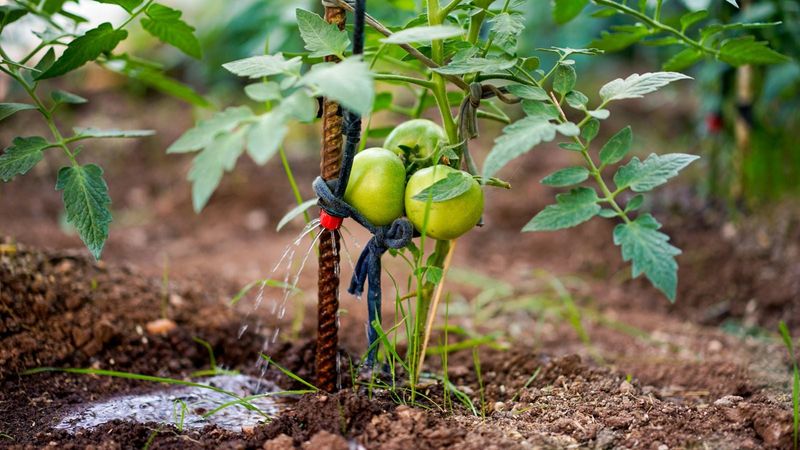
Moisture swings do compounding damage during a heat event. When tomato roots cycle repeatedly from dry to saturated and back again, the plant cannot reliably move calcium into developing fruit, which sets up the conditions for blossom-end rot even when the soil contains adequate calcium overall. Utah State University Extension’s blossom-end rot guide explains that inconsistent moisture delivery is a primary driver of this disorder, making steady root-zone moisture one of the most protective things you can do during hot, dry periods.
Leaf curl is an unreliable guide to whether watering is needed. Tomato plants commonly roll their leaves inward during hot afternoons as a water-conservation reflex, even when the root zone has adequate moisture. Before turning on the hose, push a finger or a soil probe three to four inches down near the base of the plant. OSU Extension notes that a plant showing genuine wilt should be watered as soon as reasonably possible rather than waiting for a scheduled morning window, but routine watering should be based on actual soil conditions rather than leaf appearance alone.
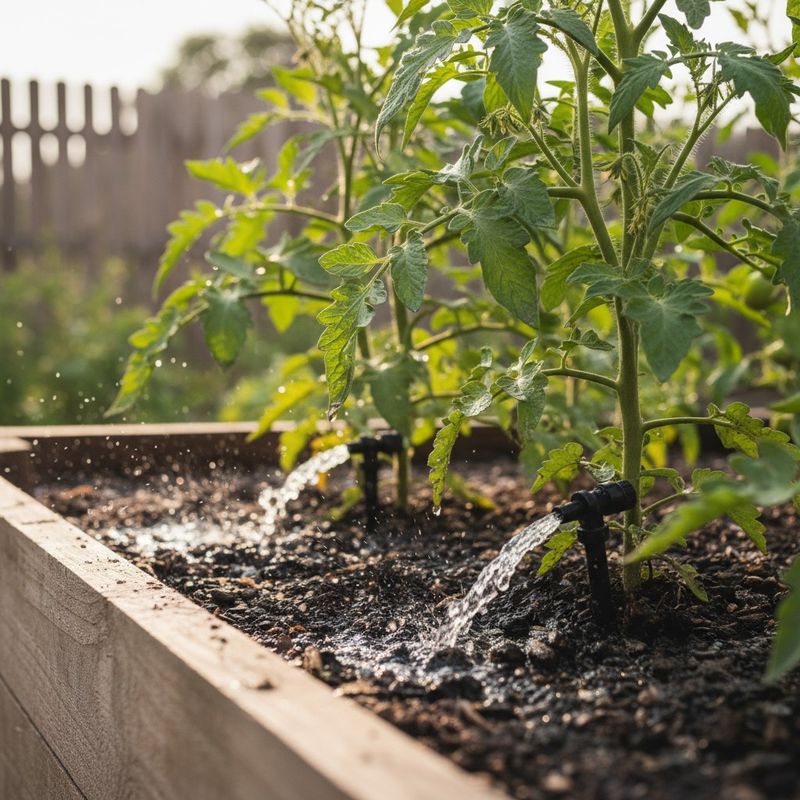
Oklahoma State University Extension recommends deep root-zone watering, drip or soaker irrigation, and mulch to reduce evaporation and temperature fluctuations. A two-to-three-inch layer of organic mulch moderates both soil temperature and moisture loss, helping the root zone stay more consistent through the hottest part of the day. Keep mulch pulled back an inch or two from the main stem to avoid creating conditions that encourage rot at the crown.
Reduce heat without promising a pollination cure
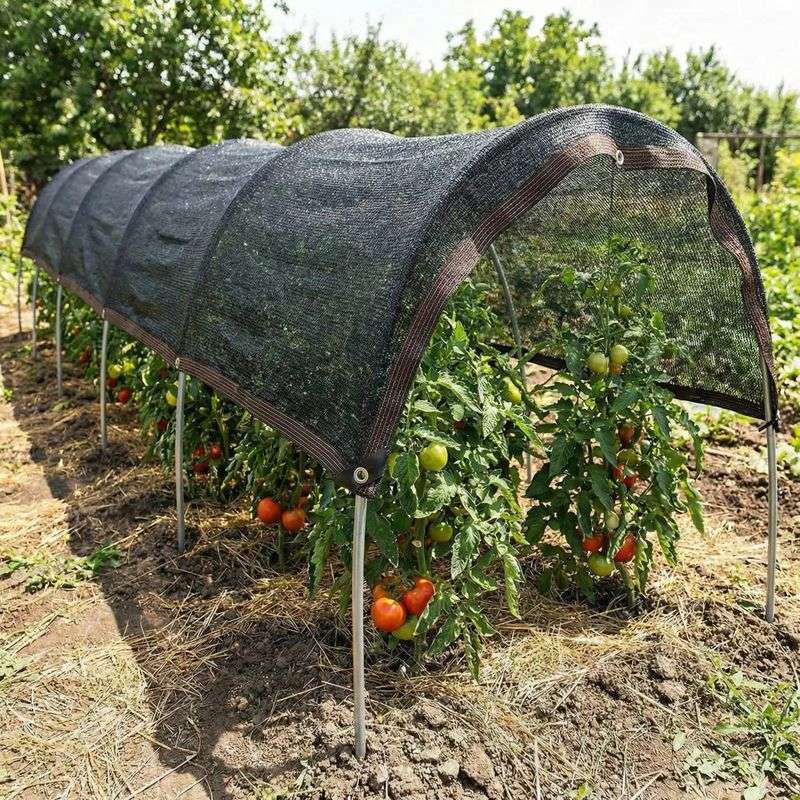
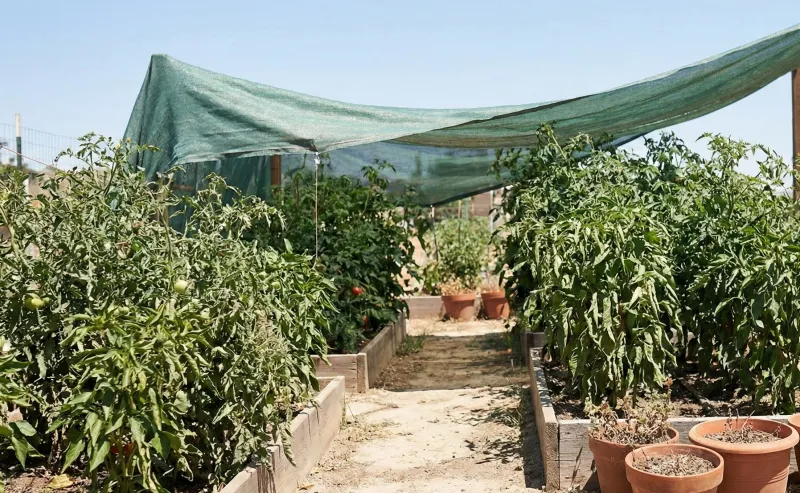
Practical nonfertilizer measures can meaningfully reduce the stress load on a tomato plant during a heat wave, even if none of them can guarantee that pollination will resume. Temporary shade cloth positioned above the plant canopy with a gap for airflow can lower leaf and fruit surface temperatures and reduce the risk of sunscald on exposed green fruit. University of Arizona Cooperative Extension recommends avoiding the removal of excessive foliage during hot weather because the leaves themselves shade the developing fruit. Stripping off leaves to improve airflow may feel productive, but it can expose fruit to direct sun at the worst possible time.
Shade cloth is a stress-management tool, not a pollination fix. It cannot compensate for poor soil fertility, active disease pressure, inadequate light, or a cultivar that simply lacks heat tolerance. Its value is in keeping existing fruit from cooking on the vine and giving the plant a slightly cooler microclimate to work within while you wait for nighttime temperatures to drop.
Harvesting fruit at the breaker stage, the point where color just begins to show at the blossom end, and finishing the ripening process indoors is another practical option when hot conditions are stalling color development on the vine. Illinois Extension notes that tomatoes ripen adequately off the vine once they reach the breaker stage, and this approach can preserve fruit quality while also lightening the load the plant is carrying. Neither shade nor early harvest will force new flowers to set; they simply protect what is already there.
Judge the recovery window realistically
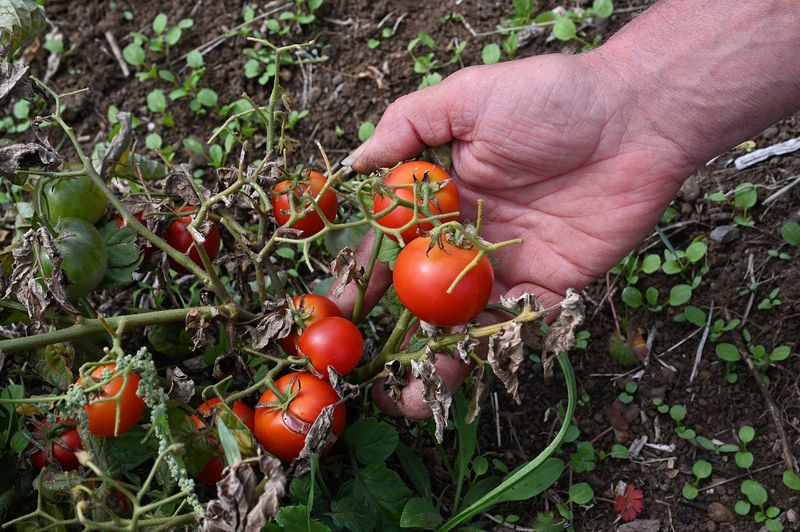
Cooler nights returning in late August or early September can genuinely improve the situation for a tomato plant that survived the heat in reasonable condition. Once nighttime temperatures drop below about 70 degrees, pollen viability tends to recover, new flowers have a better chance of setting fruit, and the ripening process in existing green tomatoes can accelerate noticeably. According to University of Minnesota Extension, fruit color development generally improves as temperatures moderate, which is genuinely encouraging news for gardeners who have been watching green clusters sit unchanged for weeks.
Whether a substantial second flush of fruit actually follows depends on several factors that vary by garden. Indeterminate tomatoes, the kind that keep growing and flowering until frost kills them, have more potential for late-season production than determinate varieties, which are bred to ripen most of their fruit within a concentrated window and may have already completed most of their productive cycle. A plant that has lost significant foliage to early blight, septoria leaf spot, or spider mite damage may not have the photosynthetic capacity to push a meaningful new crop even if temperatures cooperate.
Illinois Extension points out that late tomato plantings can require up to 100 days to reach maximum yield, which underscores how much the local frost date shapes realistic expectations. Check your average first frost date, count backward from today, and be honest about whether your specific plant, in its current condition, has the time and vigor to complete another productive cycle before the season ends.
Avoid quick fixes that do not address the diagnosis
Heavy fertilizer application during a heat wave is one of the more common mistakes worried gardeners make, and it tends to backfire. Concentrated fertilizer reaching dry or heat-stressed root zones can increase salt stress and cause further root damage at exactly the moment the plant needs support, not stimulation. The extension recommendation is consistent: wait for conditions to moderate before reconsidering any feeding change.
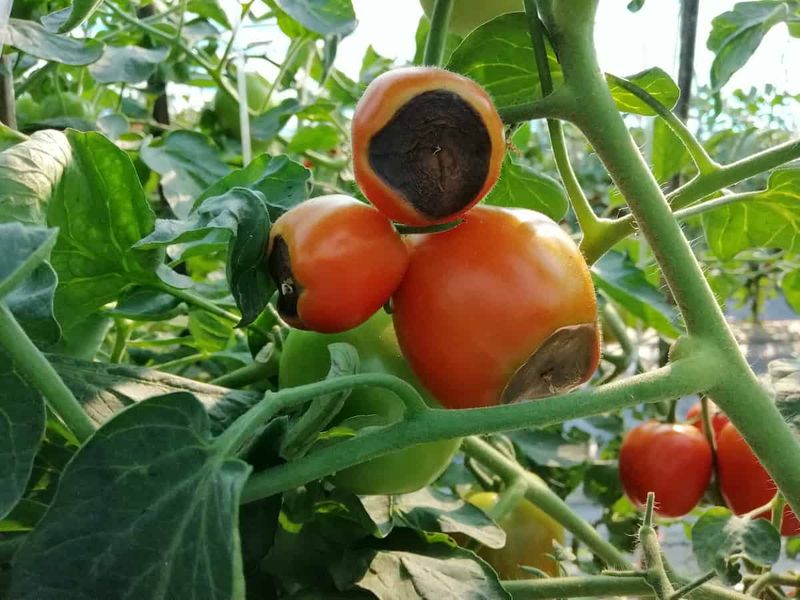
Blossom-end rot deserves a specific correction because it is frequently misread as a fertilizer problem. University of Minnesota Extension’s tomato disorders guide explains that blossom-end rot reflects inadequate calcium movement into developing fruit, which is most often driven by moisture fluctuations, root injury, rapid growth spurts, heat, or excess fertilizer salts rather than a simple calcium shortage in the soil. Fruit that already shows the dark sunken lesion at the blossom end will not recover regardless of what you apply. The focus should be on preventing new fruit from developing the same damage by stabilizing moisture delivery.
University of Minnesota Extension’s review of common soil remedies notes that Epsom salt supplies magnesium, not calcium, and that excess magnesium can actually compete with calcium uptake. Eggshells decompose too slowly to provide an immediate correction. On foliar feeding, University of Missouri Extension notes that major nutrients are generally more reliably delivered through the root zone, and that foliar sprays, particularly concentrated ones applied during hot weather, risk burning foliage. Foliar feeding is not an absolute prohibition, but follow the product label and any regional guidance carefully rather than treating it as a convenient shortcut.
Use a measured recovery checklist
Working through a short checklist gives you a clearer picture than any single intervention. Start by naming the specific symptom you are seeing: dropped flowers, no new buds, green fruit not coloring, leaf curl, wilting, or signs of disease. Each one points in a different direction. Then check root-zone moisture before doing anything else, and correct genuine dryness with thorough, even watering.
Apply mulch if you have not already, reduce heat exposure where practical, and stop any routine nitrogen applications if the plant looks dark green and leafy with few flowers.
Once temperatures moderate, reassess the plant with fresh eyes. Look at disease pressure, defoliation, overall vigor, the type of tomato you are growing, and how much time remains before your local frost date. Feed only if plant condition, soil evidence, or your prior schedule points to a real need, and follow the product label for rate and timing. University of Minnesota Extension and its tomato growing guide both support this sequence: stabilize conditions first, then make decisions based on what the plant actually shows you.
A healthy plant may surprise you once the heat breaks, but the best outcome comes from solving the right problem rather than the most convenient one.