
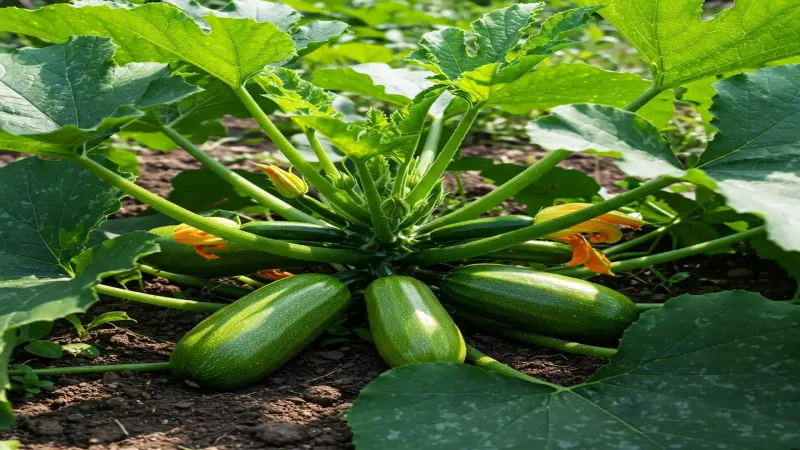
You step outside expecting a zucchini harvest and instead find a jungle of dark green leaves with almost nothing to pick. That kind of lush, leafy growth with little fruit is frustrating, and it does have a few possible explanations worth sorting through. One of them is a sudden or heavy nitrogen application that pushed the plant into overdrive on vines and leaves. But before grabbing any fertilizer or amendment, it helps to know exactly what is going on out there.
When lush growth becomes a nitrogen clue
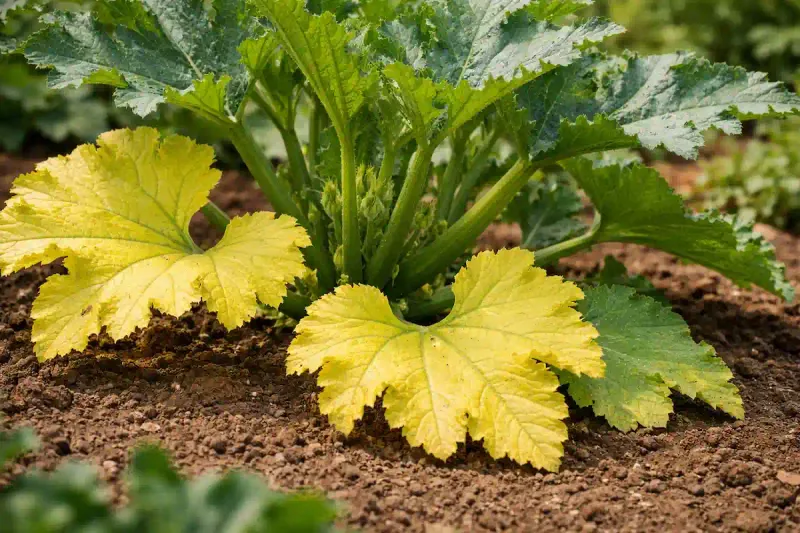
A zucchini plant that is unusually dark green, almost blue-green, and throwing out wide leaves and thick runners while producing little fruit can be giving you a real clue about its recent feeding history. According to University of Minnesota Extension guidance on fertilizing plants, too much nitrogen can push vegetables into excessive leafy growth while delaying or reducing flowering and fruiting. University of Missouri Extension makes a similar observation, noting that heavy early nitrogen applications can result in lush vine growth paired with poor flower and fruit development.
The key word here is “can.” That visual pattern only becomes a nitrogen clue when it follows a recent heavy or repeated nitrogen application. Foliage alone is not enough to confirm fertilizer excess, because excessive heat, the plant’s own growth stage, and other stressors can produce a similar look. A young plant in its first weeks naturally puts energy into leaves before shifting to reproduction, and a plant under heat stress may also produce more vegetative growth than fruit.
So if your plant is deep green and vine-heavy and you recently gave it a large dose of a high-nitrogen fertilizer, that combination is worth taking seriously. If you have not applied extra nitrogen lately, the feeding history does not fit the pattern, and other causes deserve a closer look first. Pause unnecessary supplemental nitrogen when both the visual signs and the feeding history line up, not just because the plant looks leafy.
Identify the failure before choosing a fix
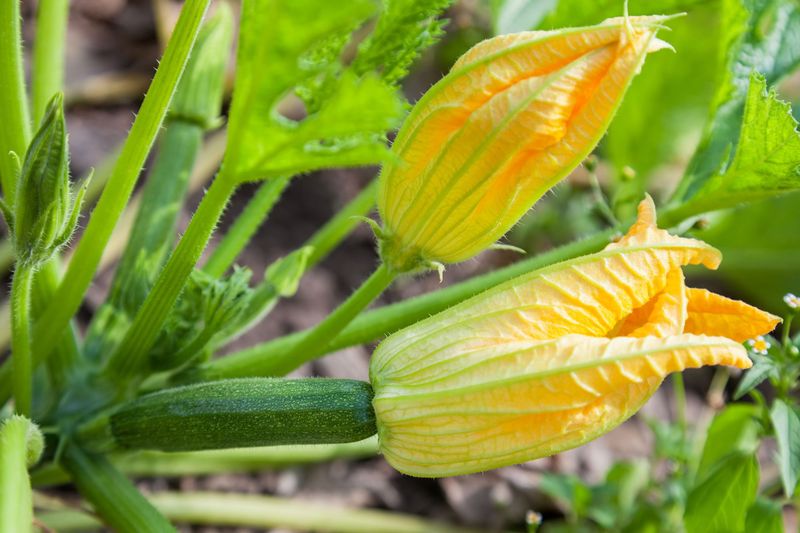
“No zucchini” can mean several completely different things, and the fix depends on which one you are actually dealing with. University of Minnesota Extension’s guide to growing summer squash and zucchini explains that zucchini produces separate male and female flowers on the same plant. Male flowers have a plain, slender stem with nothing behind them. Female flowers have a small swollen base that looks like a miniature zucchini sitting right behind the petals.
Only the female flower can develop into fruit.
Plants commonly open male flowers first, sometimes for a week or two, before any female flowers appear. Those early male blossoms drop off on their own, and that is completely normal. Seeing fallen flowers on the ground does not mean the plant is failing. The more useful question is whether female flowers with that swollen base are actually opening yet.
Once female flowers are present, the failure mode shifts. A female flower that opens, gets pollinated, and then produces a tiny fruit that shrivels, yellows, rots, or grows misshapen points toward pollination trouble, heat stress, drought, uneven moisture, or disease rather than fertilizer excess. A plant that has only male flowers or very few female flowers is dealing with a different timing or stress issue entirely. Sorting out which situation you have prevents you from blaming fertilizer for a problem it did not cause, and from skipping a fix that would actually help.
Check pollination while female flowers are open
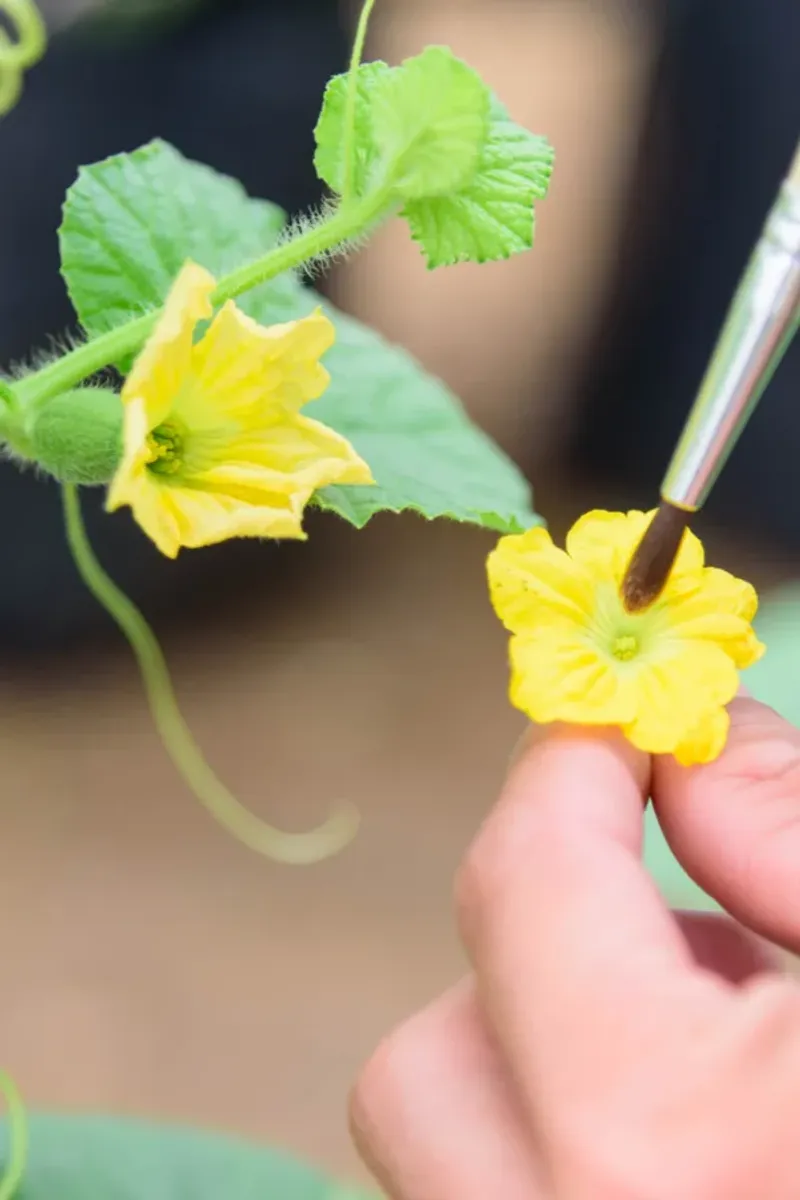
Bees and other pollinators have to physically carry pollen from a male zucchini flower to the stigma inside a female flower before any fruit can develop. Without that transfer, a female flower may drop off or produce a tiny fruit that shrivels before it gets anywhere close to harvest size. Low pollinator activity, stretches of cool or rainy weather, and intense heat can all reduce the number of successful pollinations on a given day.
Hand-pollination is a practical step when female flowers are opening but bee visits seem rare. Wait until a male flower and a female flower are both freshly opened, ideally in the morning. Peel back the petals of the male flower to expose the anther, which is the pollen-covered center, then gently rub it against the stigma inside the female flower. A small, clean paintbrush works just as well for moving pollen if you prefer not to use the whole flower.
Colorado State University Extension’s vegetable garden hints describe this method as a useful option when pollinator activity is limited.
Hand-pollination may improve fruit set when inadequate pollination is genuinely limiting development, but it cannot override drought, heat stress, disease pressure, or other stressors. If conditions outside are rough and the plant is struggling on multiple fronts, better pollination is one piece of a larger puzzle rather than a complete solution on its own.
Steady the root zone and account for August heat
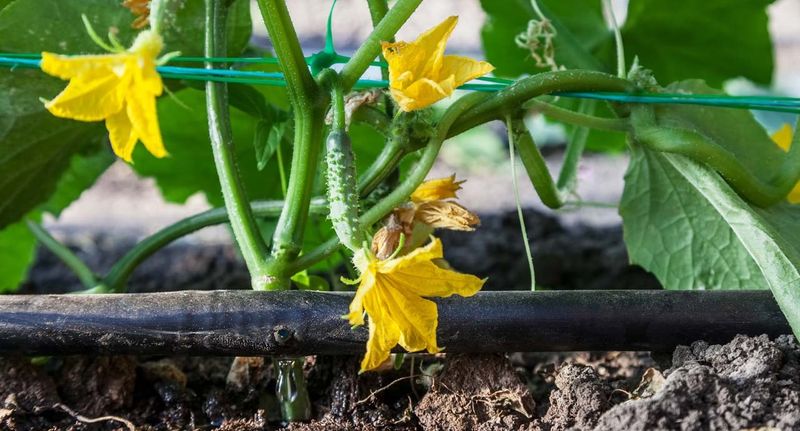
Moisture swings can quietly undermine a zucchini plant even when the leaves look fine from a distance. Drought causes flowers to abort before they open, and inconsistent watering can interfere with how the plant moves nutrients from the roots upward. Waterlogging is the other extreme, and it can damage roots just as badly, reducing the plant’s ability to function even if the soil looks wet. Stabilizing the root zone is worth doing before reaching for any fertilizer or amendment.
University of Minnesota Extension’s summer squash growing guide recommends about 1 inch of water per week from rainfall or irrigation, applied as a thorough soaking rather than a light daily sprinkle. That figure is a regional guideline, not a universal rule, and your soil type, local temperatures, and recent rainfall all affect how much your plants actually need. Drip or soaker hoses deliver water directly to the root zone, keep foliage dry, and reduce the risk of fungal disease taking hold on wet leaves.
August heat adds another layer of difficulty. University of Minnesota Extension’s overview of heat stress in vegetable gardens notes that temperatures exceeding roughly 90 degrees Fahrenheit during the day and 70 degrees at night can cause flower abortion and push the plant toward producing more male flowers than female. Those thresholds vary by variety, local humidity, and planting date, so treat them as a general pattern rather than a precise cutoff. Steadier moisture and a period of cooler nights may help, but they cannot guarantee new fruit will mature before the first frost in shorter-season regions.
Pause unnecessary nitrogen, not all fertility
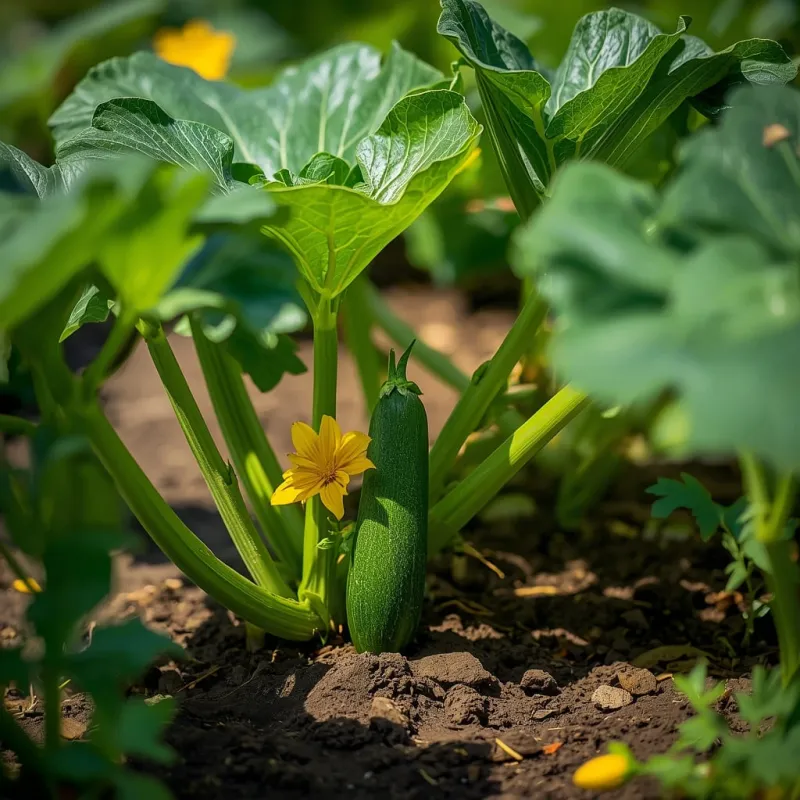
For plants showing excessive leafy, dark-green growth after a recent heavy nitrogen application, the most sensible immediate step is to stop adding supplemental nitrogen rather than applying another dose. Piling on more nitrogen when the plant is already responding with lush foliage is unlikely to help fruiting and could make the imbalance worse. The goal is to let the plant shift its energy toward reproduction once the nitrogen surge settles.
Zucchini still needs nutrients to grow and fruit well over a full season, so the pause is not a permanent change. University of Georgia Cooperative Extension’s commercial squash production guide describes how nitrogen is used across the crop’s growth stages, supporting the idea that split or timed applications make more sense than a single large dose. Resume feeding only when a soil test, a visible nutrient deficiency, or a crop-specific local recommendation gives you a clear reason to do so.
Reaching for phosphorus, potassium, calcium, Epsom salt, or a bloom booster to force fruiting is not supported by the available extension guidance unless a soil test shows a specific shortage. Adding nutrients without evidence can be ineffective and contributes to runoff that affects local waterways. Penn State Extension’s gardening facts and fiction resource cautions that excess fertilizer can injure roots and that fertilizer washed from gardens adds nitrogen and phosphorus to waterways. When you do return to feeding, follow the product label precisely and do not exceed the stated rate, because more is not better when the plant is already stressed.
Inspect fruit, foliage, pests, and harvest load
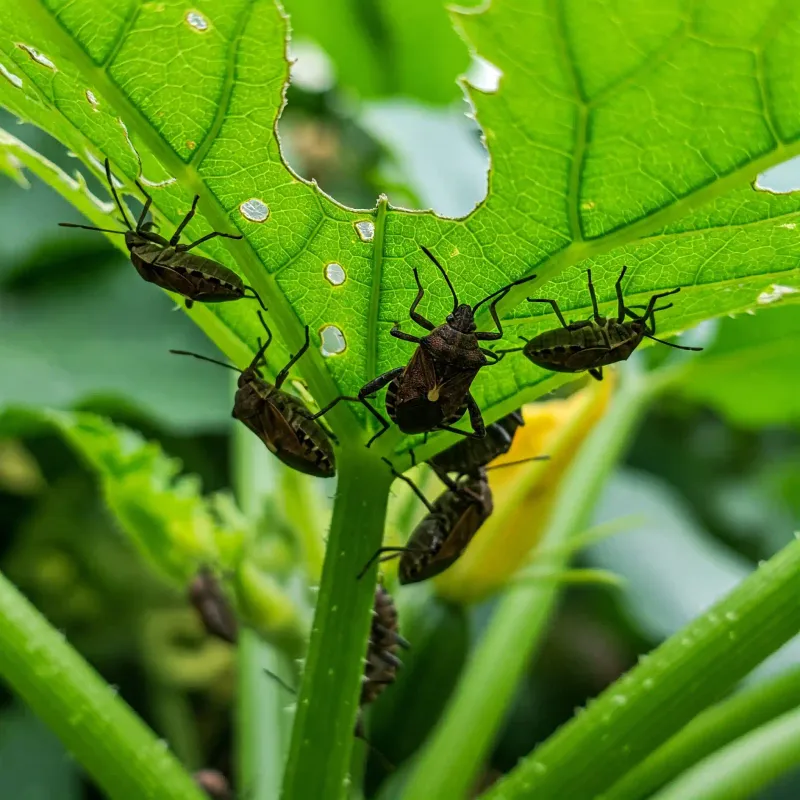
A nitrogen pause is a reasonable first step when the visual pattern and feeding history match, but the diagnosis should stay open while you look for other problems. Squash bugs, vine-borer damage, powdery mildew, virus symptoms, blossom rot, and waterlogging can all reduce fruit set or cause developing fruit to fail, and some of those problems need a completely different response than adjusting fertilizer.
Walk the plant carefully and check the undersides of leaves for squash bug eggs, which look like small, bronze-colored clusters, and for adult bugs hiding near the base of the plant. Look at the main stem near soil level for vine-borer entry holes and frass, which is the sawdust-like material the larva pushes out. White powdery patches on leaf surfaces usually indicate powdery mildew, and yellow mosaic patterns or puckered leaves can point to a viral infection. University of Minnesota Extension’s summer squash fruit-deformity diagnostic tool is a useful reference for matching what you see to likely causes.
Blossom-end softness or rot on developing zucchini does not automatically call for calcium fertilizer. UMN’s fertilizing guide notes that calcium-related symptoms in zucchini are often tied to inconsistent moisture, excess moisture, or root injury rather than a simple shortage in the soil. Finally, check your harvest load. Oversized fruit left on the plant signals the plant to slow down new production, so harvesting frequently once fruit begins developing helps keep the plant productive.
That habit supports continued yield but cannot fix fertilizer excess, poor pollination, disease, or pest damage on its own.
Use a conditional August recovery checklist
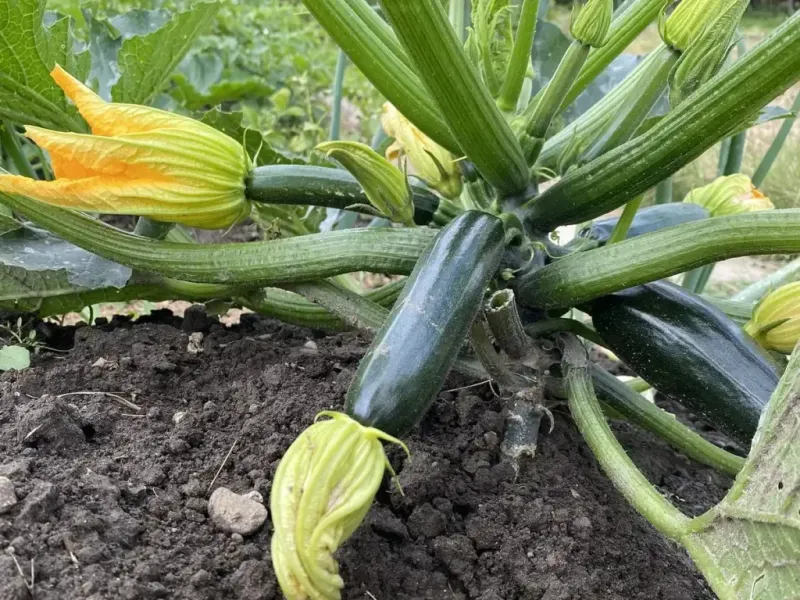
Pulling together a practical plan for the coming week helps move from diagnosis to action without overreacting. Start by pausing supplemental nitrogen if the plant is unusually dark green and vine-heavy and recently received a heavy application. Then confirm that female flowers with the small swollen base are actually present and opening. If bee activity looks low, hand-pollinate newly opened female flowers in the morning using a fresh male flower or a small brush.
Keep the soil evenly moist but well drained, and check for visible pest damage, mildew, or virus symptoms while you are out there. Harvest any developing fruit regularly so the plant does not divert energy into maturing oversized zucchini. Hold off on any new fertilizer until you have a soil test result, a visible deficiency, or a specific local recommendation to guide you. University of Georgia Extension’s August vegetable garden guidance is a useful reminder that late-season timing varies significantly by region, variety, and planting date.
Excess nitrogen is one real and common trigger for the leafy, low-fruit pattern, but it sits alongside pollination gaps, heat, moisture swings, and pest or disease pressure as competing explanations. How much time your plant has before frost, and whether new flowers can mature into usable fruit, depends on your local climate and the season you have had. A steady, careful approach this week gives the plant its best realistic chance.