
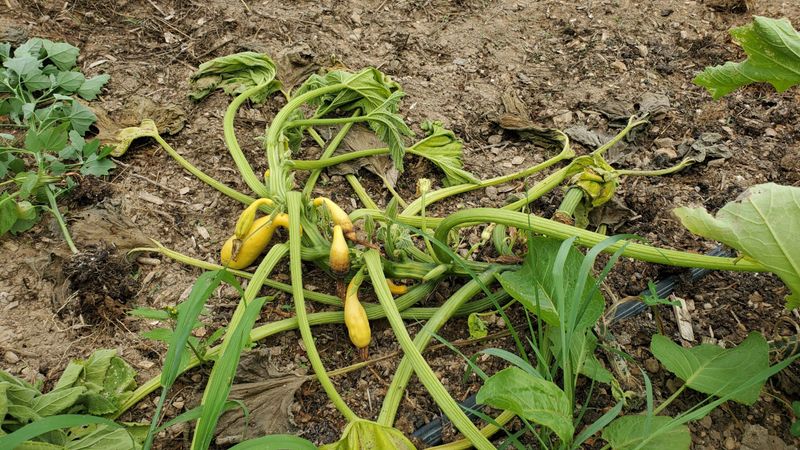
Few things are more discouraging than walking out to a thriving zucchini plant in the morning and finding it flopped over by afternoon. The good news is that knowing what to look for can help you figure out what actually happened and whether the plant can still be saved. Squash vine borers are a common culprit when collapse is sudden and the crown shows specific clues, but heat, drought, and other problems can look nearly identical. Working through a quick diagnostic sequence will tell you far more than the calendar or the thermometer ever could.
Start with water and the wilt pattern
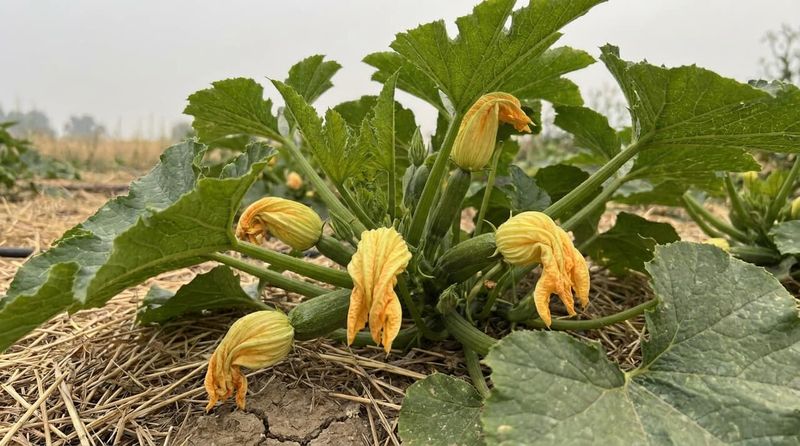
Before blaming any insect, rule out the simplest explanation first. Push your finger or a trowel blade about 2 inches into the soil near the plant’s root zone. If the soil feels dry at that depth, water the plant promptly and do not wait until morning to do it. University of Minnesota Extension guidance on watering vegetable gardens notes that most vegetable plots need roughly 1 inch of water per week, adjusted for weather, soil type, and recent rainfall.
Once you have addressed moisture, pay close attention to the wilt pattern over the next several hours. A plant that droops during the hottest part of the afternoon but stands back up by early morning is showing a stress response that heat and dry soil can cause on their own. A plant that remains collapsed when you check it the next morning, or one that wilted suddenly without any obvious dry spell, deserves a closer look at the stem and crown.
Neither pattern by itself confirms squash vine borer. UMN’s summer squash wilt diagnosis tool lists multiple possible causes, which means the wilt symptom alone cannot identify the problem. A thorough check should cover soil moisture, the plant’s crown, the undersides of leaves, the foliage for disease signs, and the surrounding soil for insects before you settle on a cause.
Inspect the crown for the strongest borer clues
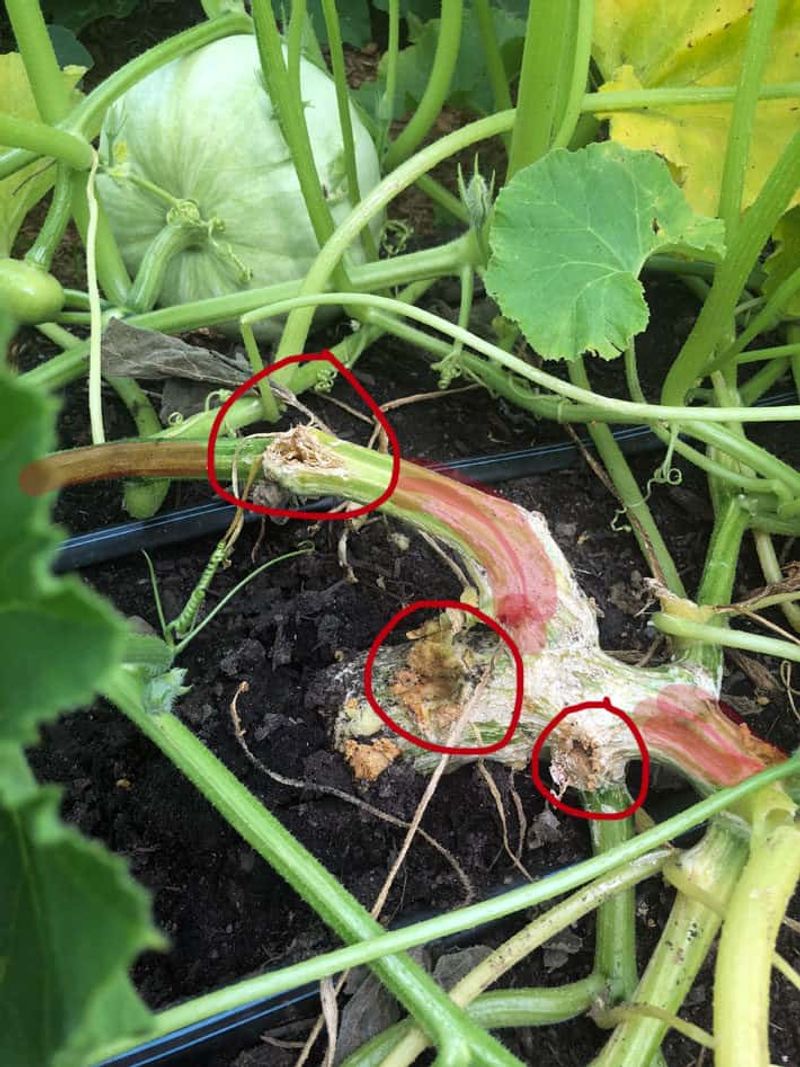
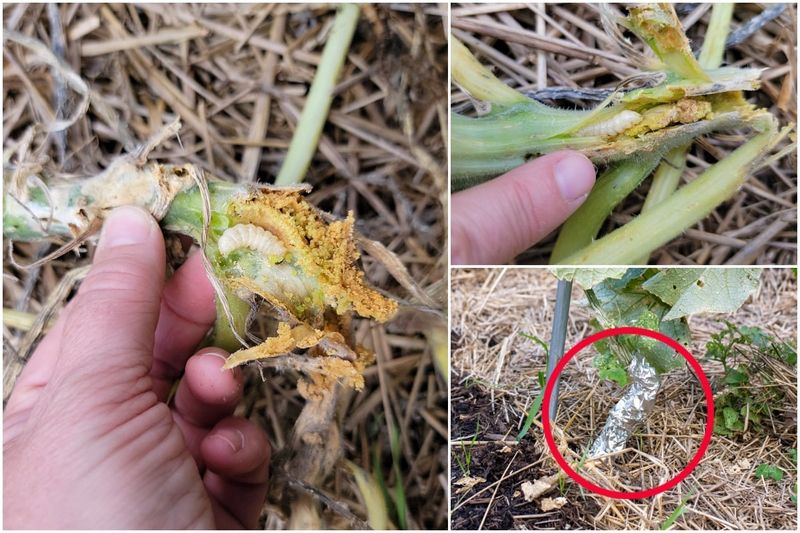
Crouch down and examine the stem right where it emerges from the soil. That junction, often called the crown, is where a squash vine borer moth typically lays a single flat, reddish-brown egg on the stem surface. Once the egg hatches, the tiny larva bores straight into the stem and begins feeding from the inside.
The clues to look for are a small round or irregular entry hole, wet greenish-to-orange material that resembles coarse sawdust or wet crumbs piled at the base of the stem, mushy or discolored tissue around the hole, or a stem that looks split or partially rotted near the crown. UMN Extension’s squash vine borer guide describes this frass as one of the most recognizable field signs. When a larva tunnels through the stem, it disrupts the plant’s ability to move water and nutrients upward, which explains why a plant can look perfectly healthy one day and collapse the next.
Hot, sunny afternoons can make this internal damage more visible because the plant is under greater evaporative demand, but the heat did not create the infestation. University of Missouri Extension’s cucurbit pest guide confirms that larval feeding inside the stem is what cuts off water transport. Keep in mind that an early or hidden infestation may not yet show a visible hole or obvious frass, so the absence of those signs does not conclusively rule out a borer.
Compare borers with other causes of wilt
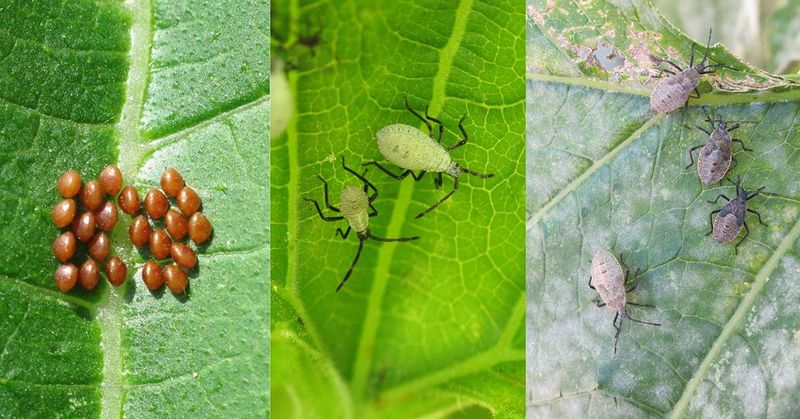
Squash vine borers are not the only pest or disease that can bring a zucchini to its knees. Before settling on a diagnosis, flip a few leaves over and scan the undersides, especially near the main veins and around the base of the plant. UMN Extension’s squash bug resource explains that squash bug adults, bronze-colored nymphs, and their neat rows of copper-colored eggs are typically found on leaf undersides and around the plant base. When squash bug populations are high, their feeding can damage the water-conducting tissue enough to cause wilting that looks very similar to borer damage.
Bacterial wilt is another look-alike problem worth considering, particularly when the plant wilted during the day but seemed to partially recover overnight before declining further over several days. UMN Extension’s bacterial wilt page notes that the disease is spread by cucumber beetles and that infected plants cannot be treated or cured with any pesticide. Squash is generally less severely affected than cucumber or muskmelon, but it is not immune, and the wilt pattern can still be pronounced.
Crown rot, other fungal diseases, and physical root damage can also produce sudden or progressive wilt. The UMN summer squash wilt diagnostic tool walks through several of these possibilities side by side. When the evidence conflicts or no single characteristic clue appears, keep the cause uncertain rather than defaulting to a borer diagnosis.
Try a cautious rescue while growth remains viable
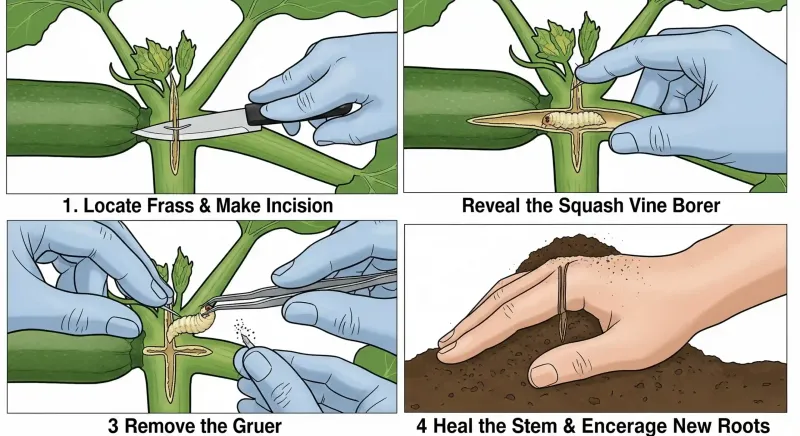
Finding frass and a fresh entry hole while the plant still has firm, green stems and upright leaves is the best window for a rescue attempt. Act the same day if possible. Gather a clean, sharp knife or razor blade, a toothpick or tweezers, and a bucket of moist garden soil or compost.
Carefully slit the stem lengthwise at the entry hole, cutting just deep enough to expose the larva’s tunnel. Work slowly because the goal is to remove the larva without splitting the stem any further than necessary. Once you locate the pale, wrinkled caterpillar, lift it out with tweezers or a toothpick and destroy it. UMN Extension’s borer guidance describes this sequence and notes that mounding moist soil over the wounded stem section can encourage the vine to produce new roots above the damage, which may help it continue taking up water.
Be honest about the odds. Cutting the stem adds its own injury, the larva may have already traveled deeper than the visible hole suggests, and more than one larva can be present. Extension sources are clear that the plant may not survive even a careful rescue attempt. Whether to try comes down to the plant’s current condition: if it still has living, turgid growth and the damage appears localized, the attempt is reasonable.
A plant that is already mostly collapsed is not a good candidate.
Remove a failing plant instead of spraying it
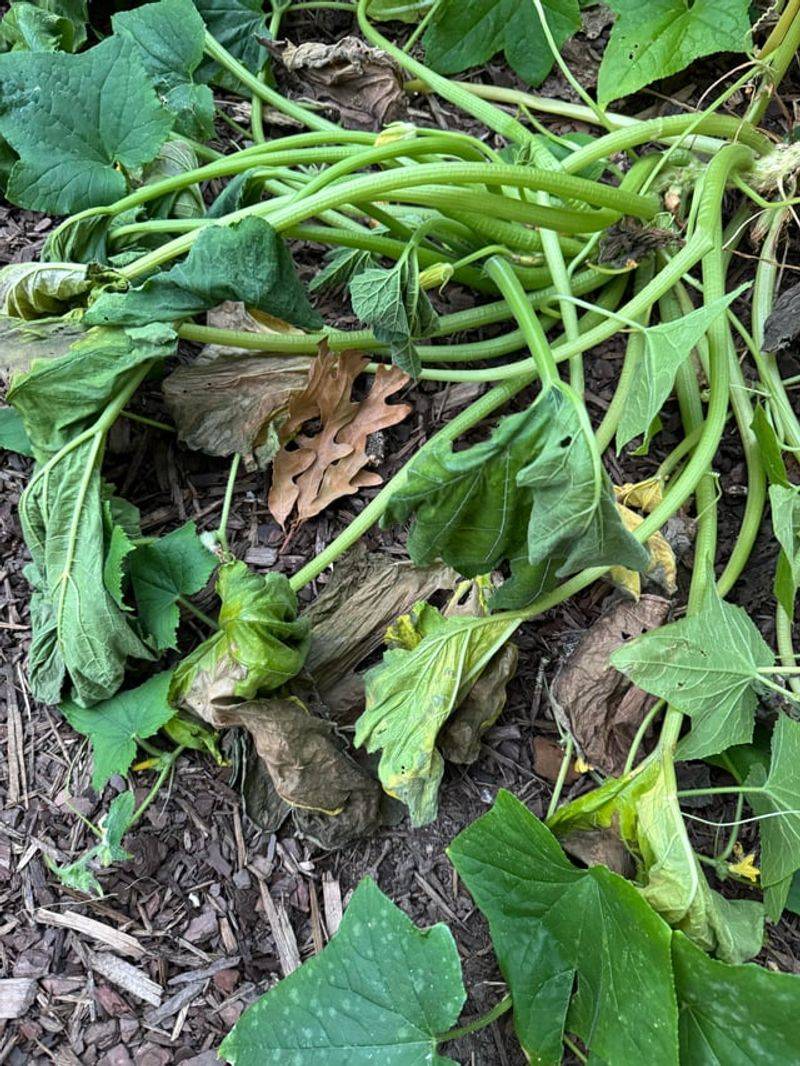
Once a zucchini plant has collapsed beyond the point of practical rescue or has died outright, the right move is removal, not treatment. Pull the entire plant, including as much of the root system as you can manage, and place it in a sealed bag for disposal in the trash. Do not compost infested material.
Squash vine borer larvae overwinter in the soil near host plants, so UMN Extension recommends removing infested cucurbit plants and cleaning up plant debris in that area to reduce the amount of nearby overwintering habitat. Reducing the pest population in the immediate vicinity gives next season’s planting a better starting point.
Reaching for an insecticide spray at this stage will not help. Foliar treatments generally cannot penetrate the stem wall to reach a larva that is already feeding inside, and no spray will reverse tissue that has already died. Save the effort and focus on sanitation and planning for the next crop instead.
Reduce exposure in the next planting
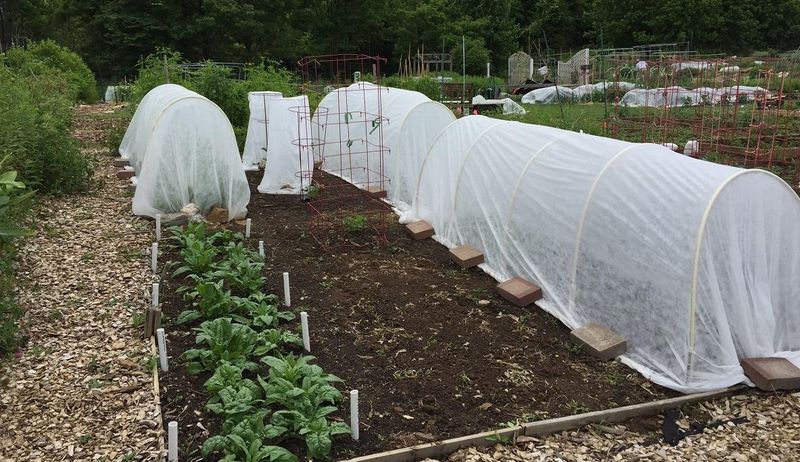
No single tactic will guarantee a borer-free season, but combining several practical measures can lower the risk meaningfully. Start with crop rotation: moving your cucurbits to a different part of the garden each year reduces the chance that overwintering larvae in the soil will emerge right next to a new planting. UMN Extension’s squash vine borer page lists rotation as one of the foundational preventive steps.
Floating row covers secured at the edges can physically block adult moths from reaching the stems to lay eggs. The critical trade-off is pollination: squash flowers require bee visits to set fruit, so covers must come off once flowering begins unless you are willing to hand-pollinate each morning. Timing matters as well. In some regions, a later first planting or a second succession planting of summer squash may sidestep the main egg-laying window, but moth activity timing shifts from one part of the country to another, so treat this as a risk-reduction strategy rather than a reliable schedule.
Variety selection offers another layer of protection. UMN Extension’s vegetable insect guide notes that some Cucurbita moschata types, including certain butternut varieties, are relatively less susceptible to squash vine borer than standard summer squash, though susceptibility still varies by cultivar. Yellow water traps and pheromone traps can help you detect when adult moths are active in your garden, giving you a heads-up to tighten other protections, but neither trap type controls the population on its own.
Use labeled pesticides before larvae enter
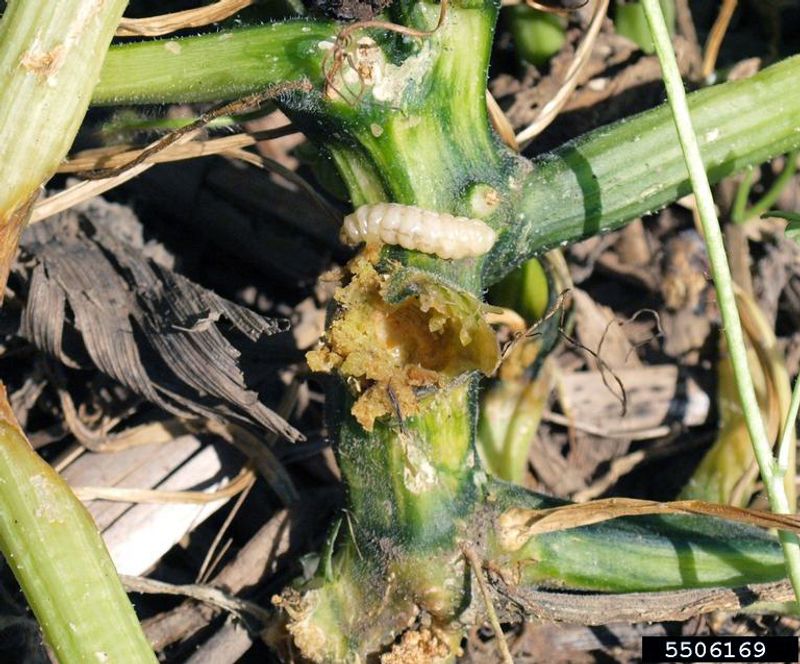
Insecticides have a narrow and specific role against squash vine borer: they can target adult moths laying eggs or newly hatched larvae before those larvae tunnel into the stem. Once a larva is inside, a foliar spray applied to the outside of the plant generally cannot reach it. Spraying a plant that is already wilted from an active infestation will not save it.
Preventive timing means applying a legally labeled product while adults are active in your area and before larvae enter the stem. That window is regional and varies by year, which is why monitoring with yellow water traps or pheromone traps is useful. UMN Extension’s borer guidance also notes that Bacillus thuringiensis, commonly sold as Bt, is not effective against squash vine borer because the larvae are protected inside the stem and must ingest the treatment for it to work.
Do not choose a product based on a general recommendation or a neighbor’s suggestion. The EPA explains that pesticide labels are legally enforceable documents, and using a product in a way that conflicts with its label is illegal. Check that the label specifically lists squash vine borer and your crop, then follow the stated rate, application interval, re-entry interval, and harvest restriction exactly.
Squash flowers attract bees, and that creates a real pollinator risk during any spray program. EPA pollinator protection guidance and the product label’s bloom and pollinator directions take priority. Night application is sometimes suggested as a workaround, but it is not a universal substitute for reading and following the label’s specific bloom restrictions.
Use the evidence to choose your next step
Work through the evidence in order before deciding what to do. Check soil moisture first, water if the soil is dry, then observe whether the plant recovers. If it stays wilted or collapsed, move to the crown inspection described earlier: look for an entry hole, frass, or damaged tissue. Scan the foliage for squash bugs and check for disease symptoms at the same time.
Squash vine borers are a well-supported explanation for the healthy-then-collapsed pattern, particularly when crown holes or sawdust-like frass are present. August heat and sudden wilting alone cannot establish that diagnosis. When characteristic crown evidence is absent, keep the cause open rather than assuming borers.
From there, the path forward follows the evidence: correct drought stress, attempt an early rescue if the plant is still viable and borer signs are present, remove and dispose of a plant that is beyond saving, and start planning rotation and row covers for next season. The gardener who investigates before acting almost always makes a better call than one who reaches for a spray at the first sign of a droop.