
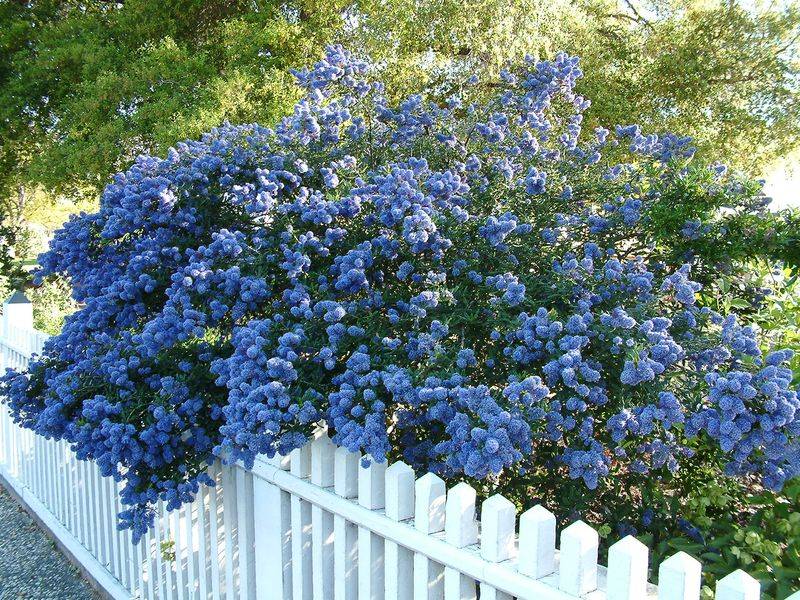
Lantana is a front-yard favorite, but California gardeners keep asking what else could fill that sunny spot. One shrub that often comes up is California lilac, also called ceanothus.
It offers spring flowers and food for pollinators, yet it is not right for every yard. Here is how to tell if it fits yours.
Meet California lilac, the shrub behind the question
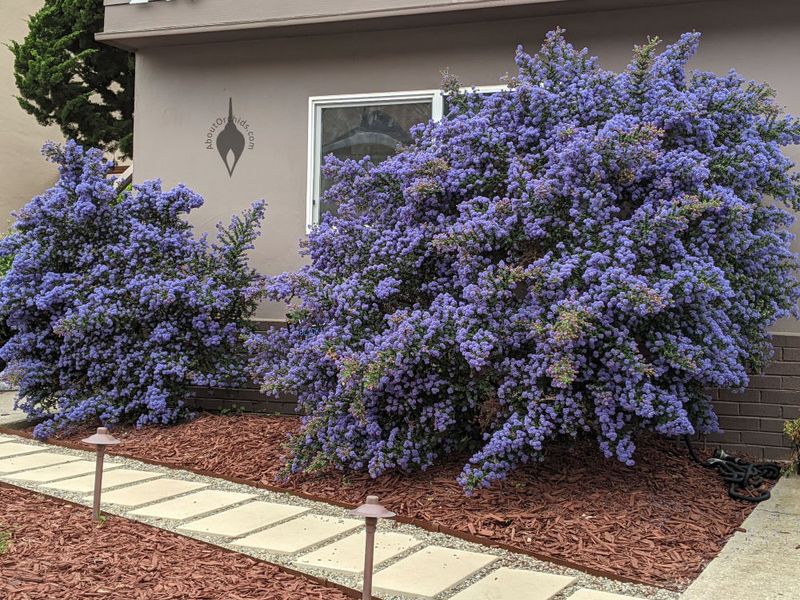
The shrub most likely behind the headline is ceanothus, also called California lilac or wild lilac. It is a California native group of plants known for clusters of blue, purple, or white flowers in spring.
There is no solid evidence that homeowners across the state are swapping out lantana for it, so think of it as an option worth considering, not a trend you have to follow.
What makes ceanothus tricky is that it is not one plant. According to UC Master Gardeners of Sonoma County, the group includes low groundcovers, mid-sized garden shrubs, and a few species that grow into small trees.
Many garden forms stay roughly 1 to 6 feet tall, while some species can reach 18 to 20 feet.
That range means the name on the plant tag matters. UC IPM describes ceanothus as a water-wise, often evergreen choice, but how it performs depends on the species or cultivar and on your site.
A plant that thrives on a coastal slope may struggle in a hot inland yard with irrigated beds.
The rest of this guide helps you decide whether a particular ceanothus belongs in your front yard, and how to keep it healthy if it does.
What the pollinator evidence actually says

Plenty of people assume bees must prefer one of these shrubs, but nobody has run that exact contest. The UC ANR Pollinator Project published a list of ornamentals that attract pollinators in Southern California.
It places the tested Ceanothus ‘Concha’ in a category for native bees and other pollinators, and the tested Lantana camara ‘New Gold’ in a butterfly category.
Those labels describe who shows up, not who shows up in greater numbers. The list does not rank the two plants by bee abundance.
Also, the native category covers more than bees. It includes insects such as wasps and beetles.
A separate peer-reviewed study in Southern California, published in Environmental Entomology, compared tested California-native ornamentals with tested nonnative ones. Native pollinators made more visits overall to the native group.
Honey bees, however, showed no significant preference between the two groups.
Individual plant species varied a lot within each group, so native status alone does not guarantee a better pollinator plant. Cultivars can also differ in nectar, pollen, and flower shape.
The practical takeaway: ceanothus is a solid native option for pollinators, and lantana still draws butterflies. If you want variety, plan a mix of plants that bloom at different times.
Benefits that can extend beyond the bloom
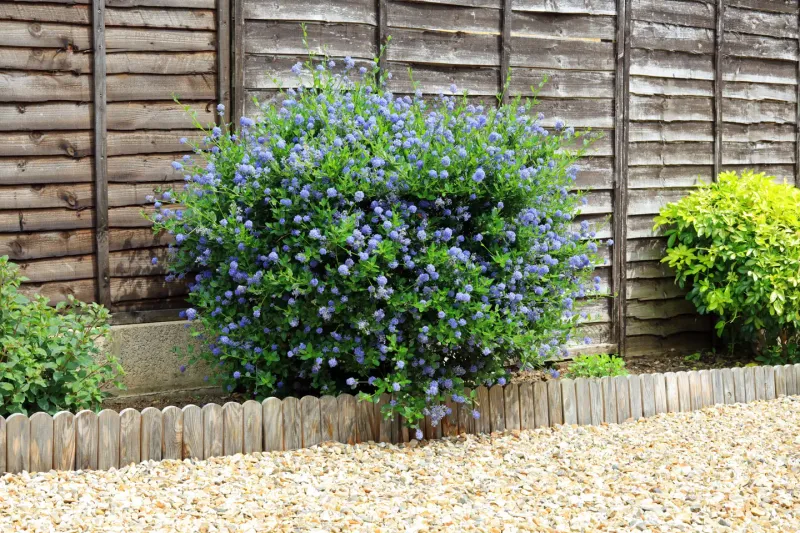
A flower display lasts a few weeks, but a shrub works in the yard all year. UC Master Gardeners note that ceanothus blossoms feed bees and other beneficial insects, and that the plants are valued as habitat.
A well-placed shrub can give small wildlife cover along with a spring nectar source.
Foliage matters too. UC IPM points out that many ceanothus are evergreen, which keeps a front bed from looking bare in winter.
Not all are, though, so check whether your chosen cultivar holds its leaves.
Water use is the other big draw for dry-summer areas. Once established, ceanothus typically needs little water, a real advantage where summers run months without rain.
That does not mean every cultivar behaves the same.
Some do better in coastal fog than inland heat, and some resent the extra irrigation that neighboring plants receive. A good test before buying: ask the nursery how that exact plant handles summer water and heat in your area, then compare the answer with local gardeners or your county Master Gardeners.
Choose a ceanothus that fits the front yard
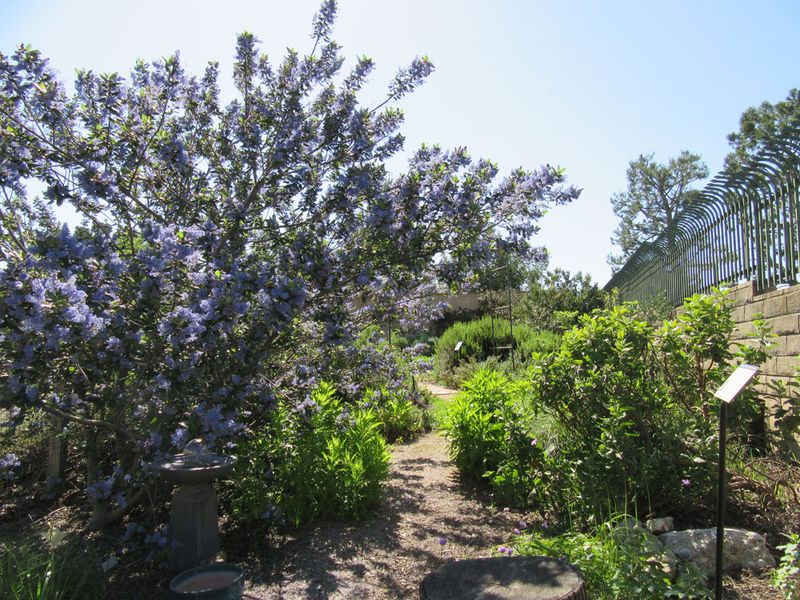
Start with size, because it is where most regrets begin. Ceanothus ranges from groundcovers a foot or so tall to shrubs and small trees.
UC Master Gardeners note that many garden forms are roughly 1 to 6 feet tall, while some species can reach 18 to 20 feet.
Look up the mature height and spread of the exact species or cultivar on the tag. Then measure the space near walkways, windows, and the driveway.
A shrub that outgrows its spot tempts people to prune hard, which causes its own trouble, as covered below.
Next, check the growing conditions. UC IPM recommends well-drained soil and generally full sun.
A slope, a raised bed, or a sandy spot often drains better than a flat patch of heavy clay.
A simple drainage check: dig a hole, fill it with water, and see how long it takes to empty. If water lingers a day later, choose another spot or build a mound.
Finally, match the plant to your region. Some ceanothus suit coastal conditions, others do better inland, and some handle summer irrigation more easily than others.
If your front yard shares a sprinkler zone with lawn or thirsty perennials, pick a cultivar known to tolerate it, or move the shrub to a drier zone.
Water during establishment and avoid excess
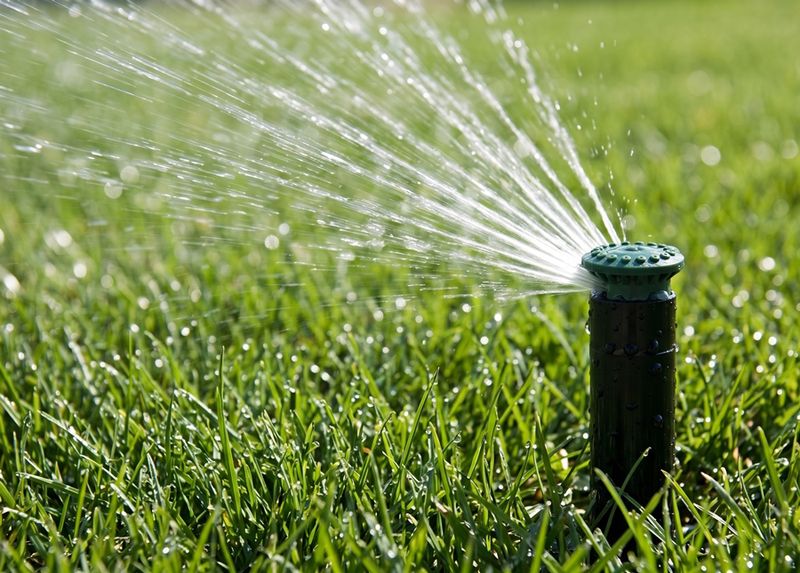
New ceanothus needs your help for a while. UC IPM advises watering while the plant establishes, then cutting back once it is settled in.
Roots need time to reach deeper soil before the first dry season arrives.
No single schedule fits every yard, since soil, weather, and cultivar all change the answer. Instead of following the calendar, check the soil a few inches down.
If it is still damp, hold off.
The bigger danger later is too much water. According to UC Master Gardeners, some cultivars tolerate summer irrigation better than others, and excess summer water or poor drainage can shorten a plant’s life.
Warning signs include yellowing leaves, drooping shoots, and a shrub that declines even though the soil seems wet. If you see them, look at nearby sprinklers first.
A spray head that hits the shrub’s base on a lawn schedule is a common culprit.
If your ceanothus shares an irrigation zone with other plants, consider moving it to its own drip line or capping emitters once it is established.
Prune carefully around old wood
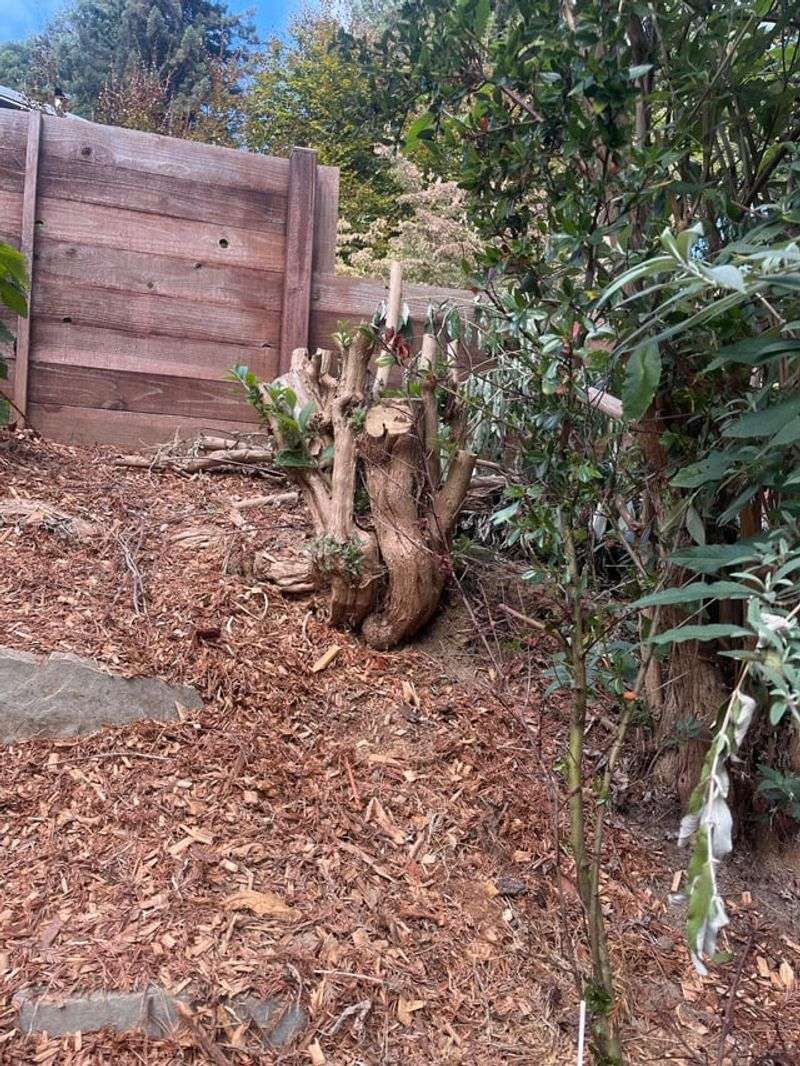
Hard cutbacks that work on many shrubs can backfire here. UC Master Gardeners caution against heavy pruning, especially cuts into old wood, because ceanothus may not regrow from bare old stems.
In practice, that means a stem cut back to leafless wood may stay bare or die. The result is a shrub with permanent gaps, not a fresh flush of growth.
Look for leaves or buds before you cut. Stay within the leafy growth, and remove only dead or damaged stems, or a few tips that cross a path.
Pruning right after flowering keeps you from trimming off next year’s display.
Skipping hard cuts reduces the risk of poor regrowth. It is not a promise that a lightly pruned plant will live longer, so do not count on pruning to extend its lifespan.
The best pruning decision happens at the nursery. If you pick a cultivar whose mature size fits the space, you will rarely need to cut it back hard.
Plan fire-wise placement

Where a plant sits can matter more than what it is. No shrub should be called fireproof, and ceanothus is no exception, so a species name alone does not make a spot safe near your house.
CAL FIRE’s defensible space guidance emphasizes removing dead vegetation, creating space between plants, and following local requirements. It notes that local standards may be stricter than the general rules.
Start with dead material. Pull out dead branches, leaves, and dry litter from under and around shrubs.
Then look at spacing. Group plants in islands with gaps between them, instead of one continuous mass that connects to the house, fence, or wooden deck.
Think about size here too. A ceanothus that grows large next to a wall or eave puts more vegetation close to the building than you may intend.
If you live in a fire-prone community, call your local fire department or county office before planting. Ask what zones apply to your lot and what plant spacing they expect.
Rules differ by city and county, so check yours.
Decide based on the site, not the headline
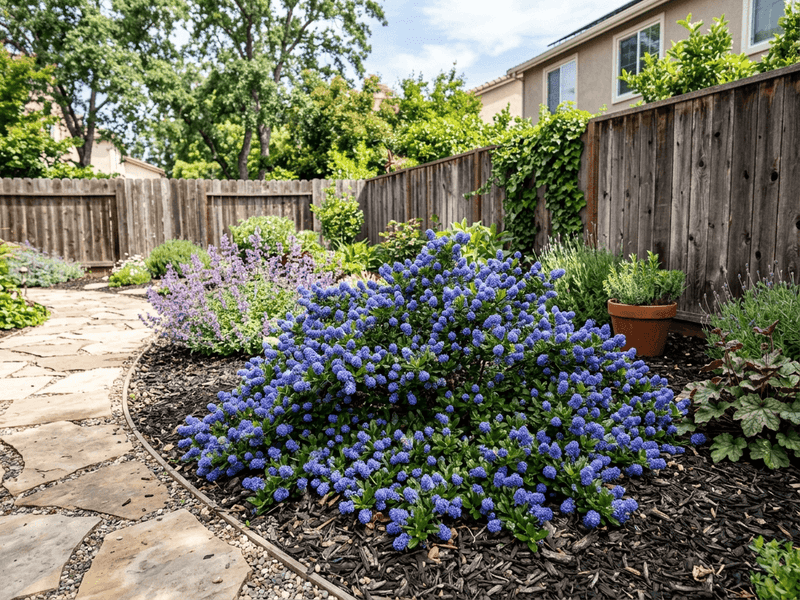
Ceanothus earns a spot when the cultivar matches your yard’s size, soil, sun, irrigation, and fire-safety needs. If it does, it can be a water-wise shrub that supports wildlife.
The UC pollinator list shows ceanothus has pollinator value, but it does not prove it beats lantana for bees, and there is no proof homeowners are broadly switching. Check cultivar details and your local defensible-space rules before you buy.
The best shrub is the one that fits your dirt, not the one in the headline.