
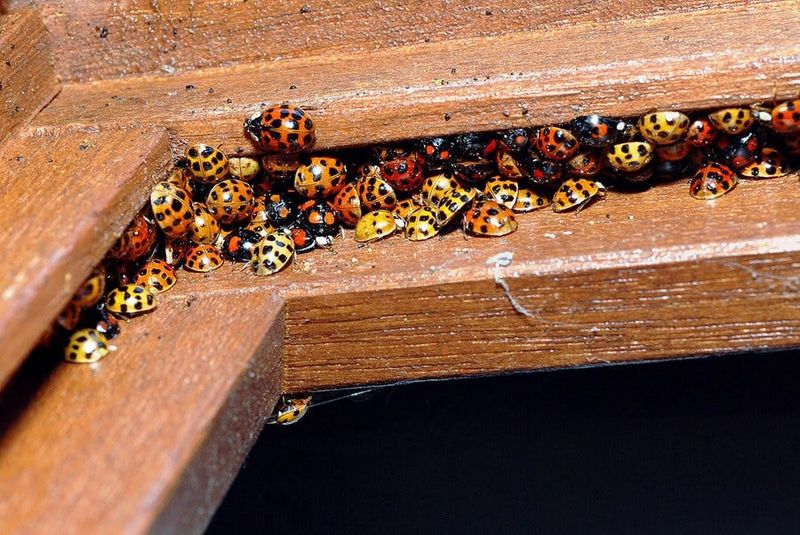
Those orange beetles piling up around your window frames can make a quiet afternoon feel a little creepy. Many of them are likely multicolored Asian lady beetles, which hunt aphids outdoors but look for cozy shelter when the weather cools.
Whether you should leave them or move them depends mostly on where they are in your house. Here is how to tell, what to do, and how to keep next fall calmer.
An indoor cluster does not promise spring aphid control
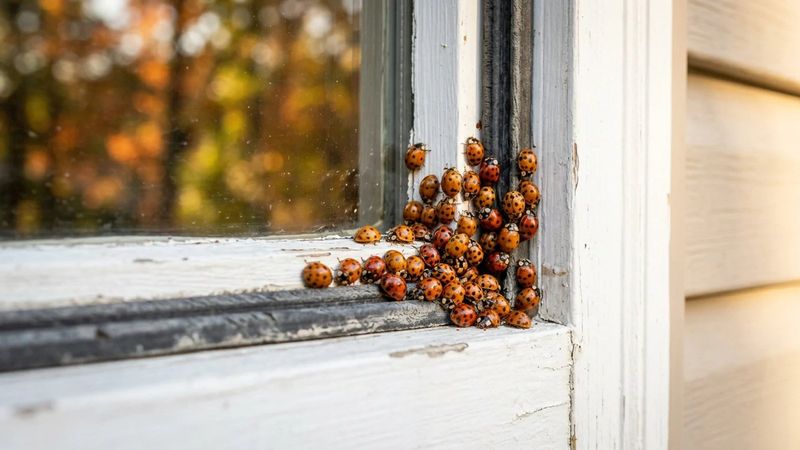
Come fall, multicolored Asian lady beetles go looking for protected places to wait out the cold. Sunny sides of buildings attract them, and they may gather around windows, in attics, or inside wall spaces, as described by University of Minnesota Extension.
A warm winter spell can wake some of them, and a few wander into living areas. Others emerge indoors and end up trapped.
They do not reproduce inside your home, so a cluster will not grow into a bigger colony.
It is tempting to think that every beetle you spare will head to your tomatoes in April. Nothing shows that.
Beetles that overwinter in a building may stay in the walls until spring, and USDA Agricultural Research Service notes that many end up stuck inside instead. Whether any of them reach your garden, or eat enough aphids to matter, is simply unknown.
Treat the cluster as a housing question first and a garden question second.
Use the M-shaped mark as a clue, not a verdict
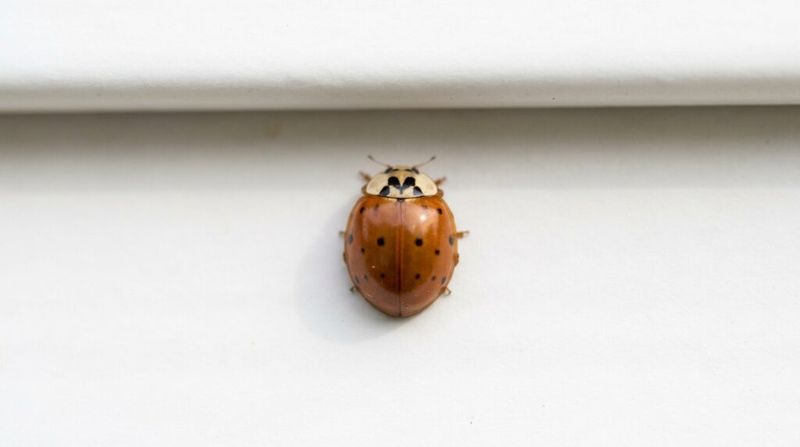
Take a close look at the pale patch right behind a beetle’s head. A black mark shaped like an M or a W is a handy hint that you may be looking at a multicolored Asian lady beetle, according to University of Minnesota Extension.
That mark is only one piece of the puzzle. The beetles range from tan to deep red-orange, and they can have no spots at all or quite a few.
On some, the mark is faint or missing, so a hand lens and a little patience help.
A crowd on your siding does not settle the question either. Large fall gatherings around houses are commonly this species, but that is a pattern, not proof, and other lady beetles gather in groups too.
University of Illinois Extension offers more on spotting them. If several clues agree, you can reasonably guess.
If they do not, stay curious and keep the guess loose.
Aphid predators can still be a household nuisance
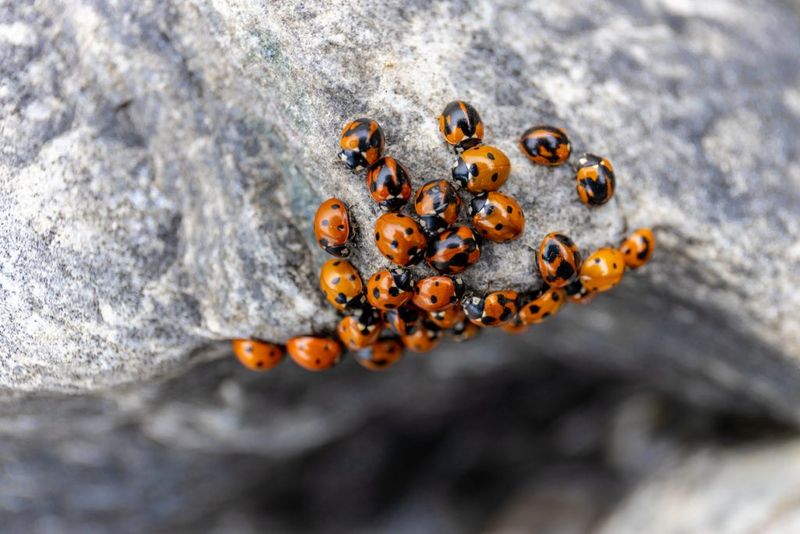
Outdoors, these beetles earn their reputation. Adults and larvae both eat aphids and other soft-bodied pests, as University of Minnesota Extension explains.
Indoors, the story changes. Beetles may crawl across walls, drop into light fixtures, and gather by the dozens near sunny windows.
When bothered, they can pinch or bite and release a foul-smelling yellow fluid that stains fabric and walls, a habit the USDA Agricultural Research Service also describes.
Keep the worry in proportion. Bites are generally minor, and they do not spread disease.
A few people do react with allergies, especially after heavy exposure, so anyone with itchy eyes or a runny nose around a big group may want to clear them out sooner. Being useful in the yard and annoying in the living room can both be true.
Choose between leaving a void alone and removing beetles from living areas
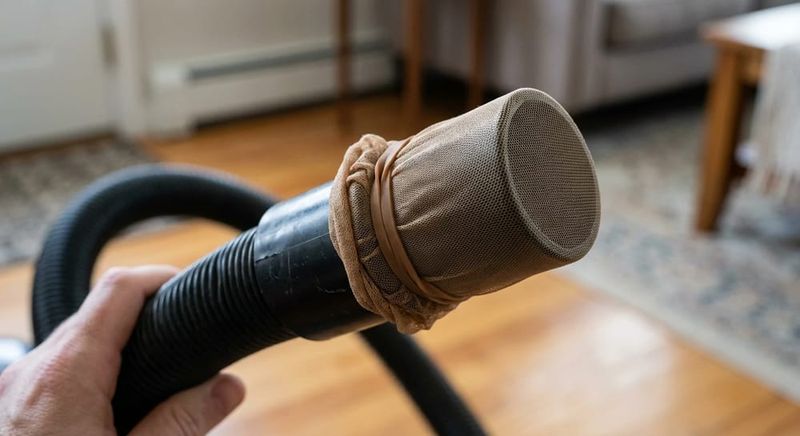
Location is the deciding factor. If the beetles are tucked in a wall void, attic gap, or other space you cannot reach, leaving them alone is reasonable.
They will likely stay put until spring.
Beetles crawling around bedrooms, kitchens, or living rooms are another matter. Vacuuming works well.
Slip a nylon stocking over the hose end, secure it with a rubber band, and the beetles collect inside the stocking instead of the machine. With a bagged vacuum, Penn State Extension suggests removing and sealing the bag, or freezing it, so nothing crawls back out.
Then release the beetles outdoors in a sheltered spot, if you like. Skip the crushing, because squashed beetles leave stains and a lingering smell.
Resist the urge to spray or set off foggers. According to the USDA Agricultural Research Service, indoor insecticides generally will not stop more beetles from emerging out of protected spaces later, so you pay for the product and still see beetles.
Seal likely entry points before beetles seek winter shelter
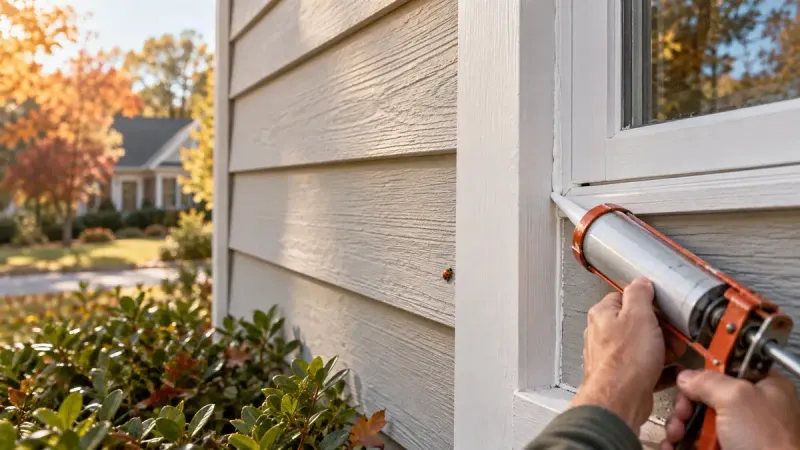
Next fall will go more smoothly if you act before the beetles arrive. Early autumn, ahead of the first cool snaps, is the sweet spot for a lap around the house.
Start with screens, since a small tear is an open door for a beetle. Then caulk cracks around window frames, and check door trim, vents, siding joints, and the places where cables, pipes, and utility lines enter.
The USDA Agricultural Research Service points to exterior gaps like these as the main routes inside.
Sunny, south- and west-facing walls deserve the closest look, because that is where beetles tend to land first. University of Illinois Extension also stresses sealing before the beetles show up.
Think of this work as reducing the odds, not building a perfect wall. A few beetles may still sneak through tiny gaps, but you should see fewer of them.
Support beneficial beetles outdoors without counting on one cluster

If you like having lady beetles around, put your effort outdoors. University of Minnesota Extension points to a few simple habits: leave some natural habitat, plant flowers that provide food, and go easy on broad-spectrum insecticides that harm helpful insects along with pests.
Examples include leaving a patch of plant stems and leaf litter through winter, mixing small-flowered plants into vegetable beds, and spot-treating problems instead of spraying whole yards.
These steps help lady beetles and other beneficial insects settle in, but they do not guarantee fewer aphids. Lady beetles fly, so they come and go.
UC Statewide IPM Program shows how results depend on the species present, how much prey is available, and the conditions that season.
So the beetles behind your window trim are not a spring forecast. A welcoming yard is a better bet than a lucky cluster.