
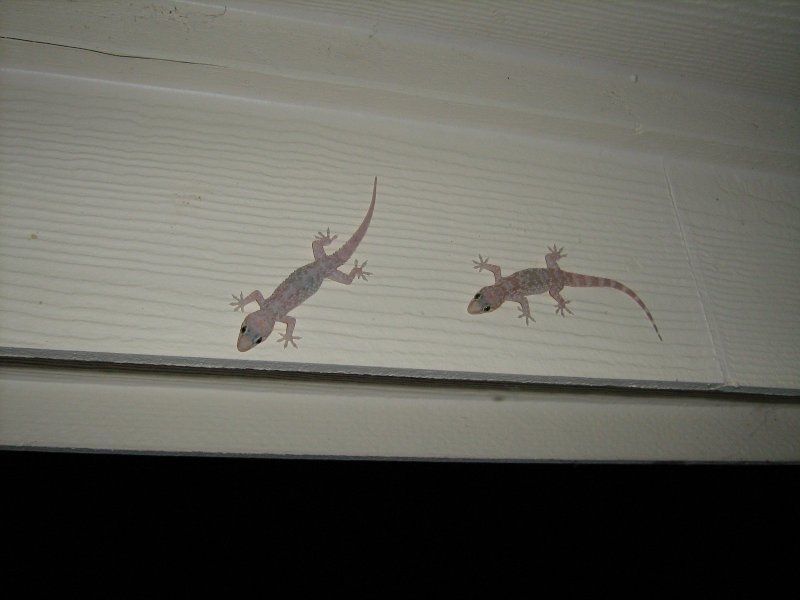
Spotting a small lizard clinging to your porch wall on a warm Texas evening is one of those backyard surprises that feels genuinely useful. The idea that this little hunter is quietly eating your roaches is appealing, and plenty of homeowners run with it.
The truth is more interesting and more honest than that simple story. This article sorts out what a porch gecko actually does, what it cannot do, and what really keeps roaches from taking over your home.
A porch gecko may help outside—but it will not solve a roach problem
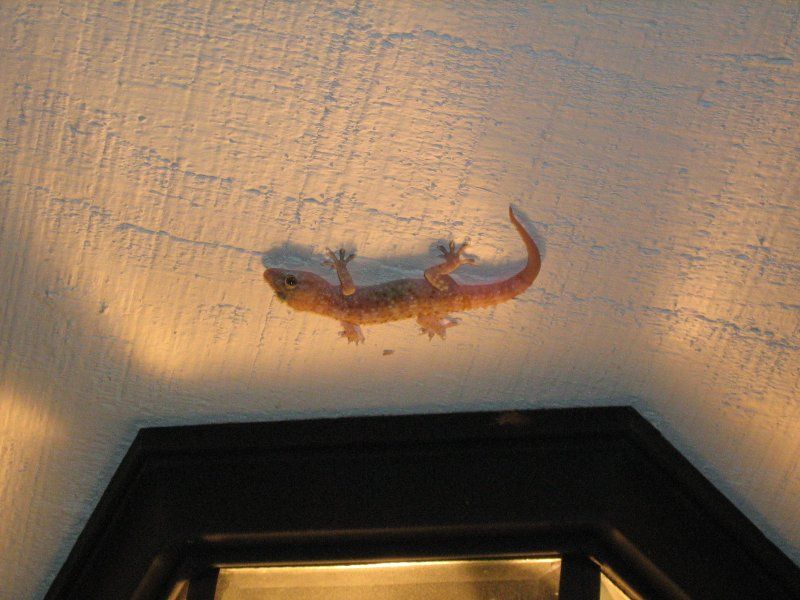
Most Texas homeowners who spot a gecko on their porch wall at night are seeing something genuinely useful, just not in the way the popular story goes. That lizard may pick off moths, crickets, and other insects drawn to an exterior light, and that is worth appreciating.
What the available evidence does not show is that having a gecko around meaningfully reduces cockroach numbers, keeps roaches from entering the house, or prevents an infestation from developing.
The distinction matters because acting on an unsupported belief can lead to skipped steps that actually work. Texas A&M AgriLife Extension describes house geckos as nocturnal insectivores that frequently hunt on walls near porch and exterior lights, which tells us where they feed and roughly what they target.
A stomach-content study published through the U.S. Forest Service and referenced in that same Extension resource found that the documented prey of Mediterranean house geckos included grasshoppers and crickets, moths and other Lepidoptera, and isopods.
Cockroach suppression was not demonstrated, and no measured reduction in household pest pressure appeared in the findings.
Eating insects and controlling a specific pest species are two different things. A gecko foraging near a light is responding to whatever prey concentrates there, not running a targeted extermination program.
This article will show readers how to tolerate and support an existing outdoor gecko without overstating what it contributes, and then walk through the steps that actually protect a Texas home from roaches.
The small lizard on the wall is often a Mediterranean house gecko
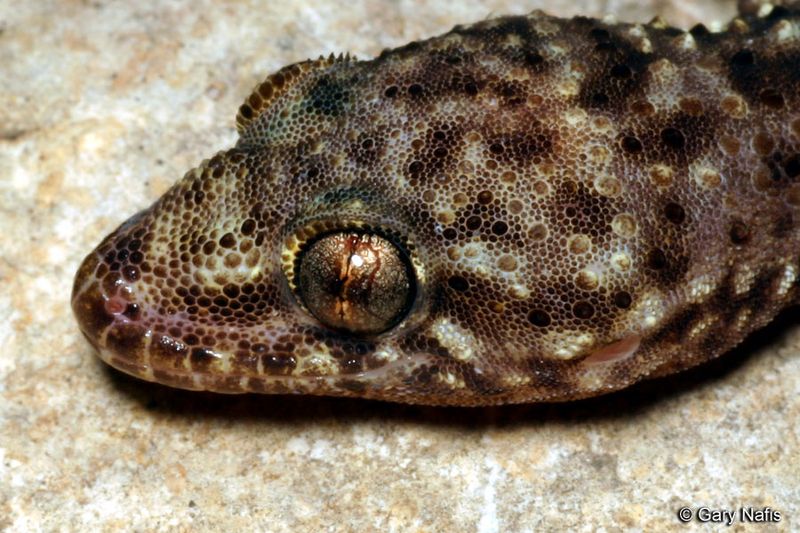
Pale, translucent-looking skin, large lidless eyes, and a body small enough to fit in a closed fist are the first things most Texans notice about their porch gecko. That description fits the Mediterranean house gecko (Hemidactylus turcicus), an introduced Old World species that has spread across much of the southern two-thirds of Texas.
The University of Texas Biodiversity Center notes that this gecko is strongly associated with buildings and exterior lights, which explains why so many Texas homeowners encounter one near a porch rather than in a natural habitat.
Mediterranean house geckos arrived in North America from the Mediterranean region and have established themselves in warm, urban, and suburban environments throughout the South. The Texas Invasive Species Institute classifies them as invasive while also acknowledging that their long-term ecological effects on native species and ecosystems are not yet well established.
That uncertainty is worth keeping in mind before treating any porch gecko as simply harmless or as a proven natural helper.
Texas is also home to native gecko species that deserve separate consideration. The Texas banded gecko and the threatened reticulated gecko both occur in the state, and Texas Parks and Wildlife lists several reptiles with protected status.
A small lizard found far from urban infrastructure, especially in rocky or desert terrain in West Texas, may not be a Mediterranean house gecko at all. Assuming every small gecko is the same species can lead to misidentification and, in the case of protected native species, to inadvertent legal problems.
Observe the animal without collecting, relocating, or releasing it, and let identification guide any decision about how to respond.
Why a porch light can create a hunting spot
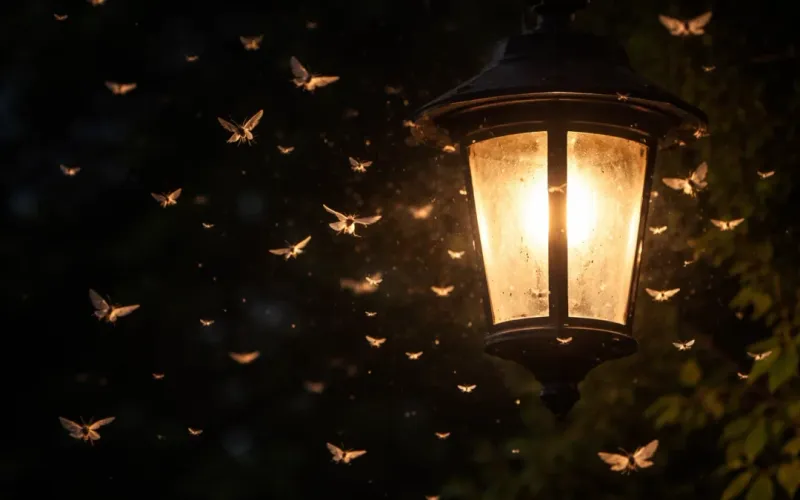
Outdoor lights do not attract geckos the way a magnet pulls metal. The relationship is more layered than that, and understanding it helps set realistic expectations.
Flying insects, especially moths, beetles, and gnats, are drawn to artificial light sources at night. A porch bulb or wall-mounted fixture concentrates those insects in one spot, and a gecko that has learned where prey reliably appears will return to that same wall night after night.
The hunting spot is really an insect congregation point, and the gecko is exploiting it.
Texas A&M Extension confirms that house geckos commonly frequent lighted windows and porch lights, and the diet research shows that moths and Lepidoptera rank among their documented prey. A behavioral study of a related house gecko species found no simple innate preference for illuminated areas, even though geckos regularly appear near lights in the field.
The more likely explanation is that geckos learn to associate certain locations with reliable feeding opportunities rather than being instinctively pulled toward the light itself.
That distinction carries a practical tradeoff. Leaving an exterior light on through the night can pull more flying insects toward your home than would otherwise gather there, which is the opposite of reducing insect activity around the house.
University of Guam Cooperative Extension notes that switching to “bug lights” or reducing overnight illumination is actually the recommended step for homeowners who want fewer geckos and fewer insects congregating near a structure. A gecko feeding on your porch wall is also a gecko leaving droppings on that wall, on windows, and on porch furniture.
Both sides of the equation belong in any honest assessment of what a porch light arrangement produces.
Support an existing gecko without trying to import one
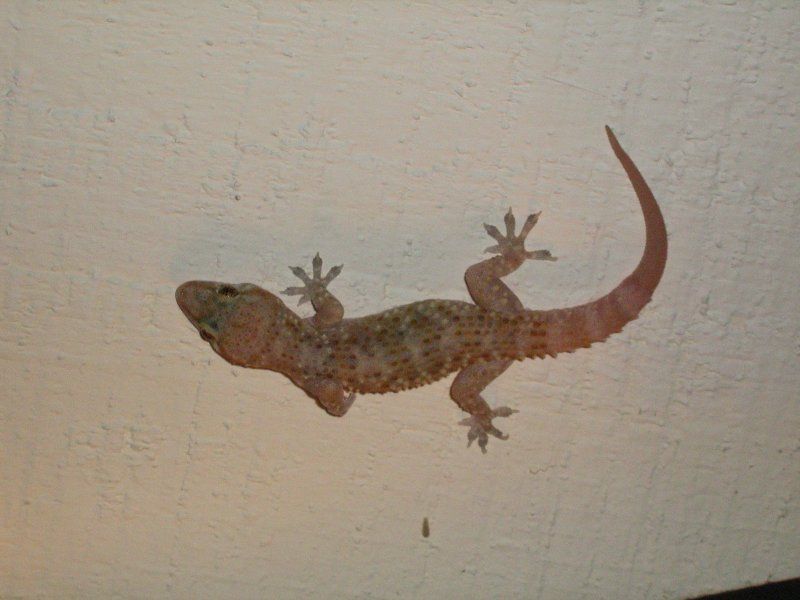
Watching a gecko work the wall near an exterior light on a summer evening requires nothing more from a homeowner than staying out of the way. That low-intervention approach is also the only one backed by reasonable evidence.
Leaving the area around an existing gecko’s feeding wall undisturbed, and avoiding unnecessary broad-spectrum insecticide applications in that immediate zone, gives the animal a better chance of continuing to forage there. Texas A&M AgriLife Extension notes that broad insecticide use can reduce a gecko’s food supply and, as a result, reduce gecko activity in the area.
There is no plant, rock pile arrangement, or landscaping technique that has been established as a reliable gecko-attraction method for Texas porches. Sources that suggest planting specific species to draw geckos and reduce roaches are getting ahead of the evidence.
The honest position is that a gecko already present on a porch can be supported by limiting pesticide disruption of its feeding area, and that is the extent of what the research supports.
Buying geckos from a pet store, capturing wild geckos from another location, or releasing reptiles around the house as a pest-control measure are steps that should be skipped entirely. The Texas Invasive Species Institute’s documentation of the Mediterranean house gecko underscores that this is a nonnative species with uncertain ecological effects.
Deliberately spreading nonnative reptiles compounds an existing introduction problem and does not rest on any evidence of pest-control benefit. A gecko that shows up on its own is one thing; engineering a release program is a different matter with different consequences.
The roach species matters more than the lizard on the porch
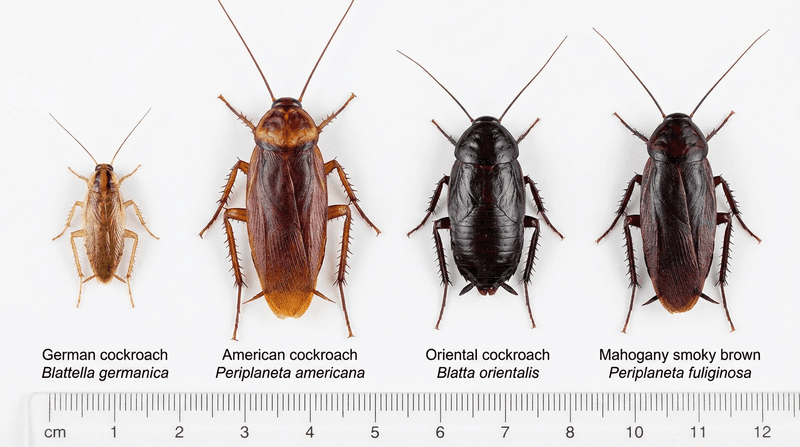
Not every roach that turns up in or around a Texas home is the same animal, and the species determines what a useful response actually looks like. American cockroaches, sometimes called waterbugs, are large outdoor roaches that live in mulch, leaf litter, tree hollows, and sewer systems.
Oriental and Turkestan cockroaches follow similar outdoor patterns. All three can wander inside temporarily, especially when temperatures spike or after heavy rain, but they are not reproducing in the kitchen or bathroom.
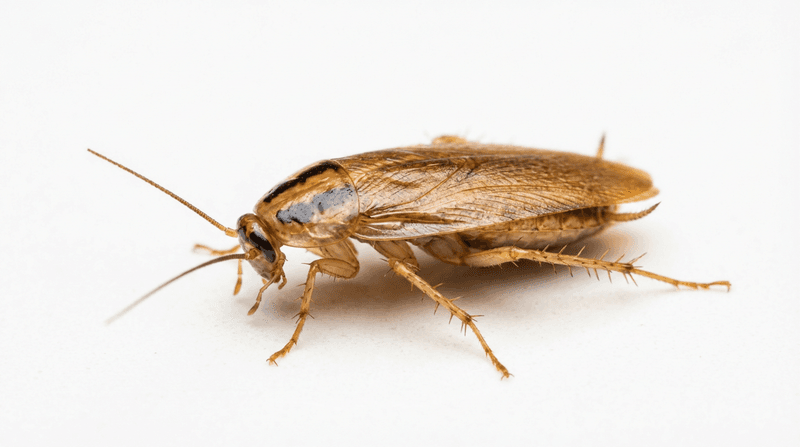
German and brownbanded cockroaches are a different category. These smaller species can live and reproduce entirely indoors, cycling through generations inside walls, cabinets, and appliances.
UC Statewide Integrated Pest Management makes clear that German cockroaches in particular are strongly associated with indoor infestations and require a focused indoor response. A porch gecko foraging near an exterior light is hunting in a completely different location from where a German cockroach population lives and reproduces.
Recurring sightings inside a kitchen, bathroom, or pantry, especially of small roaches that scatter quickly when a light turns on, point to an indoor population that needs indoor management. Relying on a lizard outside while an infestation develops inside is a recipe for a bigger problem by fall.
Identifying the roach species seen most often is the starting point for any effective response, because the control steps for an outdoor wanderer differ substantially from what is needed to address an established indoor colony.
Build the real roach defense around exclusion and sanitation
A gecko on the porch is a supplement at best. The steps that actually protect a Texas home from roaches are physical and behavioral, and they work regardless of whether any lizard ever shows up.
Sealing cracks around pipes, utility lines, and the foundation keeps outdoor roaches from finding their way in during hot spells or after rain. Door sweeps and weather stripping at every exterior door close the most common entry points that larger roaches use when they wander toward air-conditioned spaces.
UC IPM’s cockroach guidance states plainly that sanitation and exclusion are essential and that pesticides alone will not solve a cockroach problem. Removing food and water sources is part of sanitation: fix dripping faucets under sinks, store dry food in sealed containers, clean up grease around the stove, and take garbage out regularly.
Outdoor harborage reduction matters too. Stacked firewood, dense mulch against the foundation, and clutter near exterior walls all give roaches shelter within steps of your doors.
Monitoring tells you whether a problem is getting better or worse. UC IPM’s pest prevention framework recommends sticky monitoring traps placed along walls and under appliances to track activity levels without broadcasting chemicals through the living space.
When monitoring confirms roach activity that sanitation and exclusion have not resolved, targeted gel baits or bait stations placed where roaches travel are the next step. Integrated pest management favors the least disruptive effective treatment, which for cockroaches usually means baits placed precisely in harborage areas rather than broad sprays applied across surfaces.
Following product labels, keeping treatments away from children and pets, and avoiding foggers or bombs are baseline precautions for any chemical step.
Avoid fixes that harm geckos or expose your household
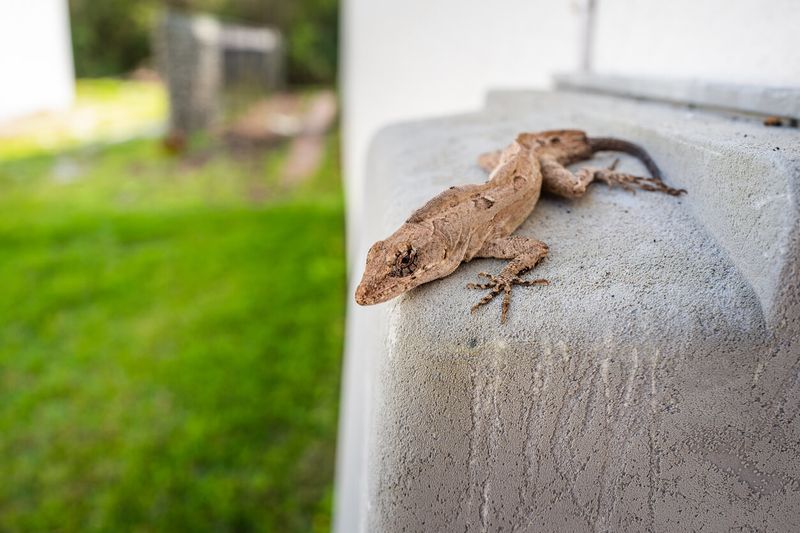
Frustration with roaches around a porch can push homeowners toward quick chemical fixes that end up causing more problems than they solve. Spraying insecticide directly on the wall or light fixture where a gecko feeds eliminates the gecko’s food supply and can expose the animal to toxins.
UC IPM warns that foggers and total-release aerosol bombs are often ineffective against cockroaches, can scatter roaches deeper into wall voids, and create unnecessary pesticide exposure for people and pets. Homemade pesticide mixtures, essential oils applied as sprays, mothballs placed near entry points, and unlabelled chemicals carry similar or greater risks without established effectiveness.
Glue traps used carelessly around a porch can catch geckos as easily as roaches. Any insecticide applied outdoors should follow its label instructions precisely, including restrictions on use near water, plants, and animals.
Keeping children and pets away from treated surfaces until they are fully dry is a minimum precaution, not an optional one.
The gecko itself deserves a hands-off approach. Reptiles, including geckos that appear completely healthy, can carry Salmonella bacteria without showing any signs of illness.
CDC guidance on Salmonella linked to geckos advises washing hands thoroughly with soap and water after any contact with a reptile or its environment. A CDC resource on reducing Salmonella risk from reptiles identifies children younger than five, older adults, and people with compromised immune systems as facing a higher risk of serious illness from reptile-associated Salmonella.
That risk applies most directly to handling or bringing reptiles indoors. Watching a gecko hunt from a few feet away on a summer evening carries a very different risk profile from picking one up or letting a child hold it.
Treat the gecko as a porch bonus, not the plan
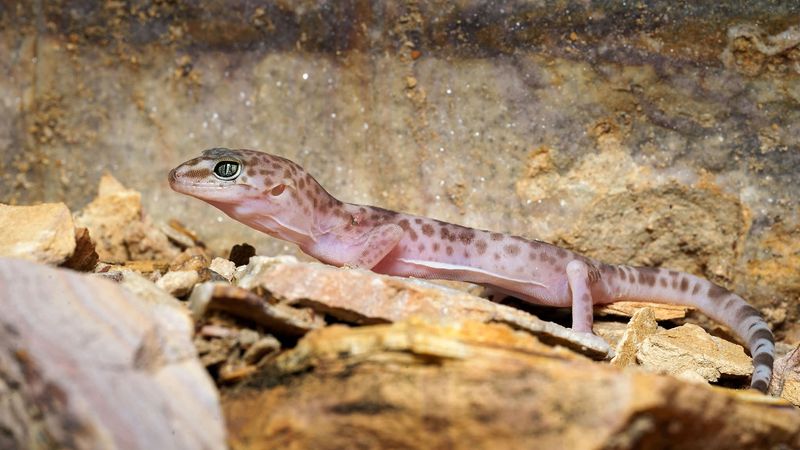
A gecko that has found your porch on its own is welcome to stay. Leave it to hunt moths and crickets near the exterior light, avoid spraying the feeding wall with broad-spectrum insecticides, and enjoy the novelty of a free-range insect predator working the perimeter.
Texas A&M Extension frames house geckos as harmless to the structure and occasionally useful around lights, which is a reasonable baseline for coexistence.
The roach defense, though, belongs inside the house and around its foundation. Sealed gaps, tight door sweeps, dry cabinets, clean drains, reduced outdoor clutter, monitoring traps, and targeted baits when activity confirms it is needed are the measures that keep cockroaches from establishing themselves indoors.
The gecko contributes to outdoor insect activity in a small and unpredictable way; the homeowner controls what actually happens at the threshold and inside the walls. One small lizard hunting near a light is a good thing to have.
A well-sealed, sanitation-focused home is the thing that keeps roaches out.