
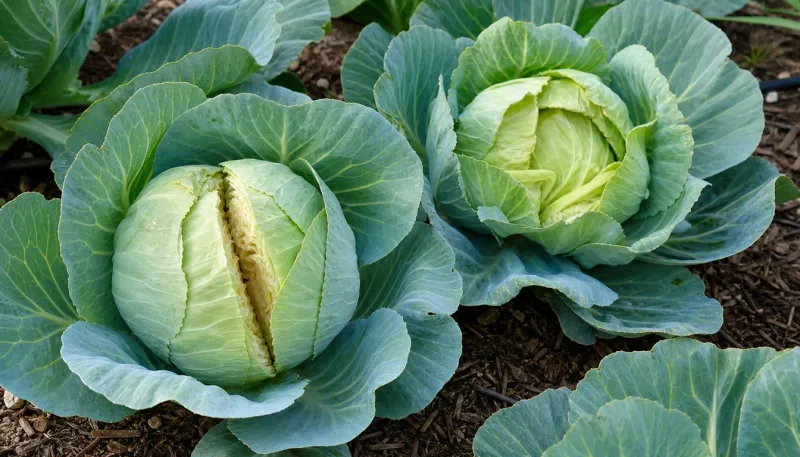
A cabbage head that looked perfect on Monday can be cracked open by Friday. It often happens when a dry stretch is followed by a soaking rain, and the plant drinks up water faster than the head can handle.
The timing matters more than the calendar, and a few simple moves can lower your risk. Here is how to read the warning signs and what to do before the clouds roll in.
Why a firm cabbage can crack after rain
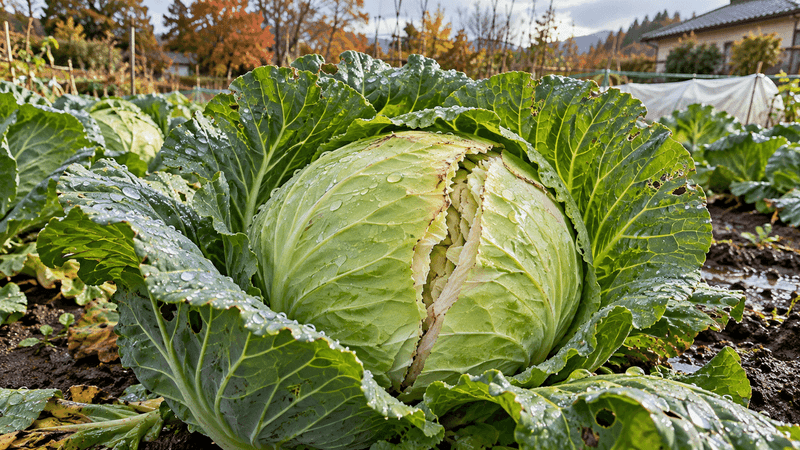
Picture a balloon that keeps getting air after it is already full. A mature cabbage head works a bit like that.
When roots suddenly take in a lot of water after a dry spell, the head keeps growing from the inside, and the pressure can crack it open, as Utah State Extension explains.
Rain by itself is not the culprit. Two things need to line up: the head is mature and firm, and water arrives quickly, often after the soil has been dry for a while.
A young, loose head has room to expand, so it is much less likely to split.
Splitting is a risk, not a sure thing. Some heads hold together through a downpour, and others crack after a heavy irrigation.
Because you cannot predict which will happen, the best habit is to treat any firm head as one that needs a plan. Check the forecast, check your heads, and act before the water shows up rather than after the damage is done.
November is a timing clue, not the cause
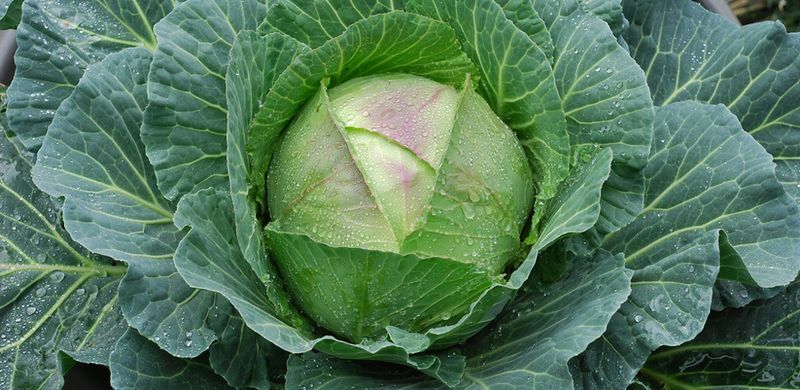
A dry November week followed by a storm is a handy example, but the month itself does nothing to your cabbage. What counts is whether the heads are mature and how fast water reaches the roots.
Gardeners in other months can run into the same problem.
Cabbage calendars differ across the South. Texas A&M AgriLife’s fall planting guide lists cabbage planting dates that range from July through November depending on the region.
A planting in the Panhandle and one near the Gulf Coast will not mature at the same time.
Florida runs on its own schedule too. UF/IFAS describes Florida cabbage production stretching into the cooler months, and its Miami-Dade production guide shows timing shifting by location.
So skip the calendar and look at your plants. Firm head plus a dry spell plus a big rain forecast is the combination to watch for.
Before heavy rain, a slight root twist may buy time
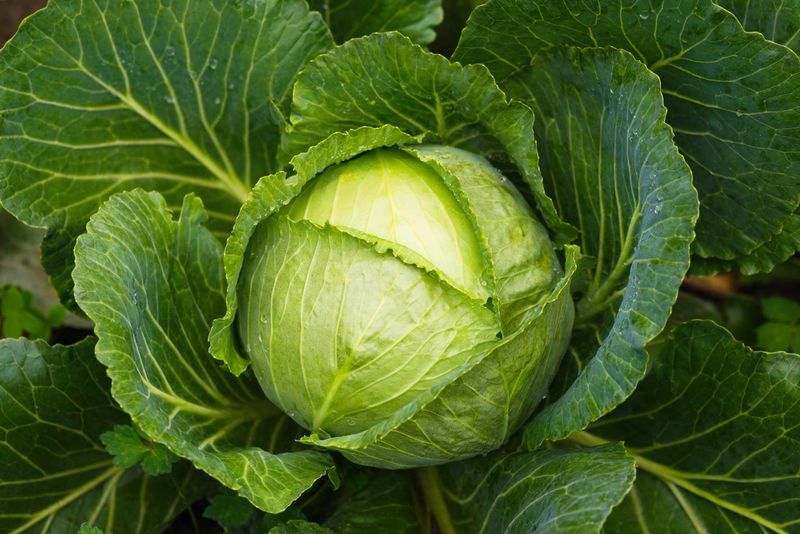
Sometimes a head is mature, but you cannot pick it yet, and a big rain is on the way. In that case, a slight twist may help.
Breaking some of the roots can reduce how much water the plant takes up, which may delay splitting.
Instructions vary a little. Texas A&M describes twisting the whole plant slightly, while University of Minnesota Extension suggests a quarter turn as one option.
The shared idea is to snap a few roots, not to pull the plant out.
Keep it gentle. You are aiming for a small give underground, not a wrecked plant.
Treat this as a short delay only. The plant is now damaged, and the head may still split.
UF/IFAS advises being ready to pick within about a week. Check the head after the rain, and harvest soon.
How to tell when a head is ready to pick
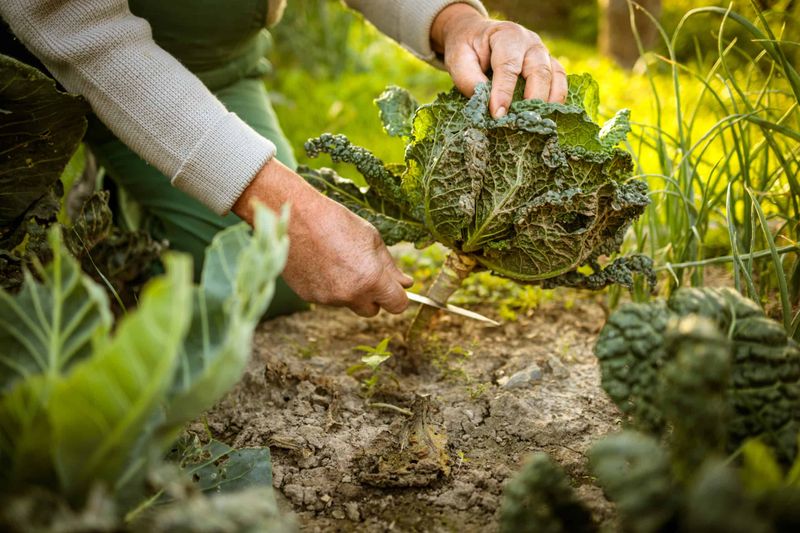
Your hand is the best tool here. Press down on the top of the head.
If it feels firm and solid, with no squishy give, it is ready, and it is time to cut it.
Do not wait for the head to look huge. Illinois Extension notes that sudden heavy rain can split mature heads, so picking at firmness, before a crack appears, is the safer move.
Iowa State Extension gives similar advice about harvesting once heads are solid.
Cut the head with a sharp knife at the base of the stem, leaving the outer leaves behind.
Think of the root twist as a backup plan for a head you truly cannot pick yet. Harvesting a ready head is the more dependable way to keep it from sitting exposed to splitting risk.
If you spot firm heads and rain is coming, cut them first, and save any twisting for the stragglers.
Steadier moisture helps heads grow without sharp swings
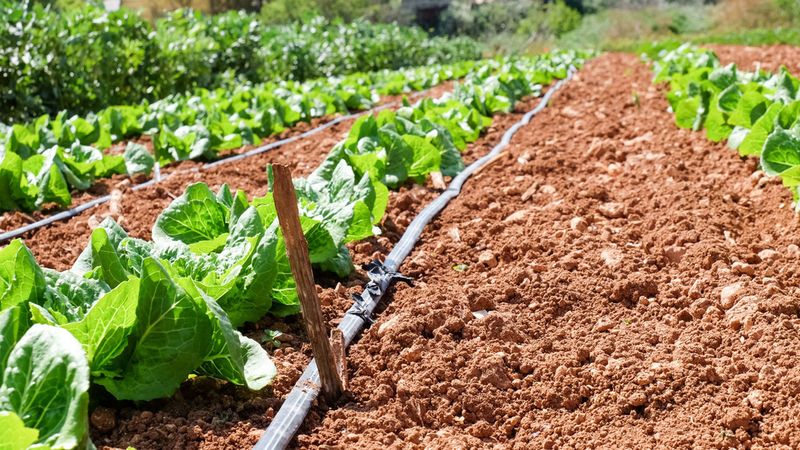
Big swings in soil moisture set the stage for trouble. Long dry stretches followed by a soaking leave roots ready to gulp.
Even, regular watering during growth smooths out that pattern.
UF/IFAS recommends regular, small amounts of water through drip irrigation, which suits many home beds. Its Florida production profile also says an even water supply helps prevent cracking.
A layer of mulch may help slow drying between waterings, especially in sandy Southern soils.
None of this means you should cut off water in dry weather. Plants still need enough to grow steadily.
The narrower caution comes from Oklahoma State Extension, which advises against watering once heads reach marketable size. Keep moisture even while the head is filling out, then shift your focus to picking.
A split head needs prompt picking
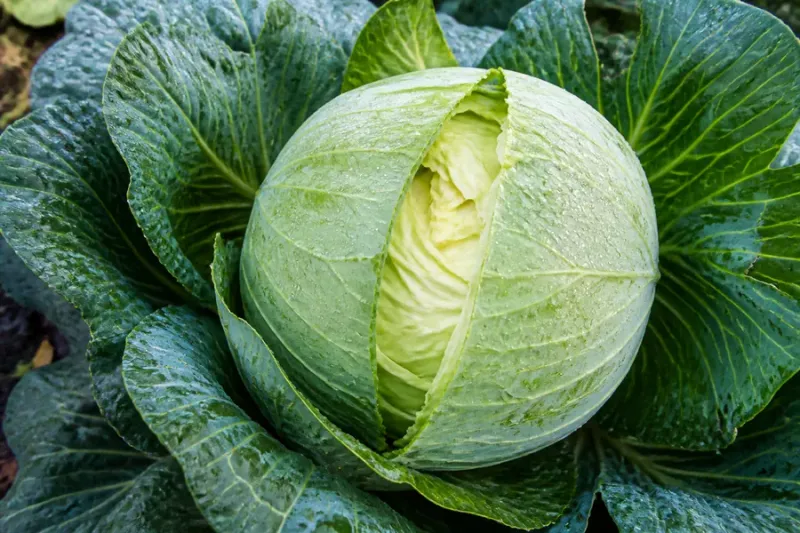
If a head has already cracked, pick it soon. Once the inside is exposed, the tissue can break down fast.
Illinois Extension says split heads can quickly become unusable.
Cut it, bring it inside, and trim away any brown, slimy, or damaged leaves. Whatever is clean and crisp underneath is usually fine for slaw, soup, or cooking that day.
Use or refrigerate it quickly.
Do not try twisting a split head to hold it longer. The crack is already there, and the exposed part will only get worse the longer it stays out.
The action order is simple. Pick firm heads on time.
Use a slight twist only as a short fallback when rain is coming and picking has to wait. Never leave a cracked head in the garden.
A cabbage cut a day early beats one rescued a day late.