
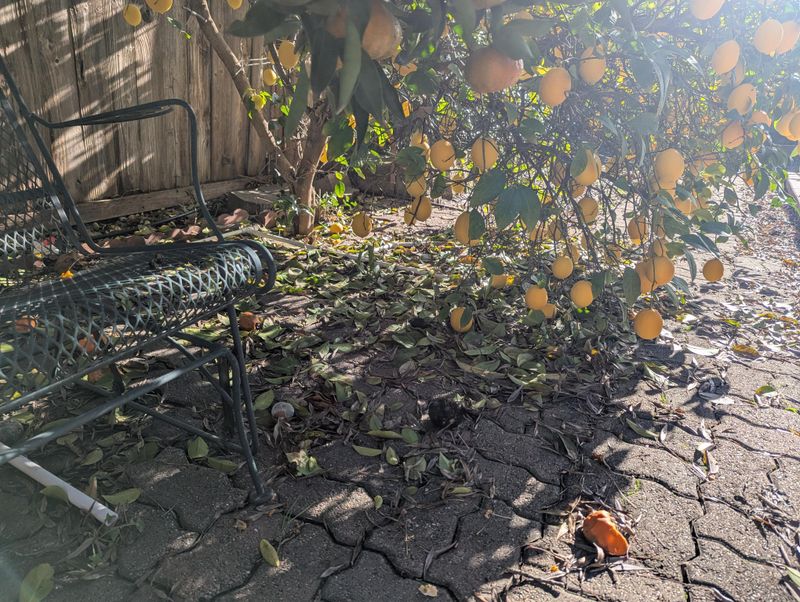
Finding a scatter of pea-sized lemons under your Meyer tree is discouraging, especially after you waited months for them to form. Some fruit loss is normal for citrus, but a winter drop can also point to a change in the tree’s setting or care.
Before you reach for fertilizer, a few quick checks can show you what is really going on. Here is how to sort normal shedding from stress, whether your tree lives on a Southern patio, in a warm yard, or by a sunny indoor window.
Some immature fruit drop is part of a citrus tree’s crop adjustment
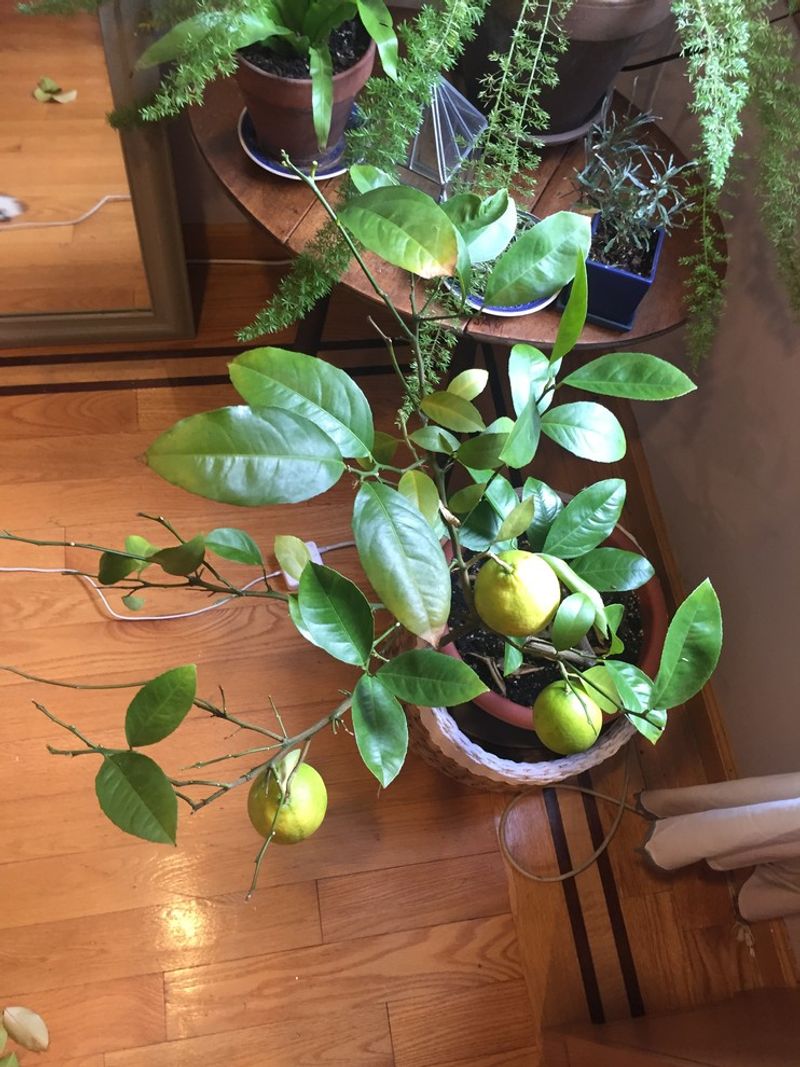
Few things sting like spotting tiny green lemons on the ground. You babied that tree, and now the fruit is gone before it ever looked like a lemon.
Here is some calming news. Citrus commonly sheds some of its immature fruit, because the tree adjusts its crop to what its leaves and roots can support.
UC IPM guidance on citrus fruit drop describes this kind of small-fruit shedding as a regular part of the cycle, and University of Maryland Extension notes that potted citrus can drop a substantial share of its extra fruit.
Still, normal shedding is not a free pass. Knowing that trees thin their own crops does not prove that every drop is harmless, and it does not explain a drop that happens in winter all by itself.
That is why timing and growing conditions matter. Ask when the fruit fell, how big it was, and whether anything about the tree’s care or location changed.
Those clues point you toward the real cause far better than a bag of fertilizer will.
Winter timing calls for context, not a seasonal assumption
Gardeners often hear about June drop, the natural shedding of small fruit that follows flowering. UC IPM ties that kind of drop to the weeks after bloom, often in spring or early summer, until fruit reaches about half an inch.
A tree losing pea-sized fruit in January is not automatically having the same event. Meyer lemons can ripen from fall through winter, but that fact does not explain why young fruit is falling.
Treat it as background, not an answer.
Instead, gather a few clues. How big was the fruit?
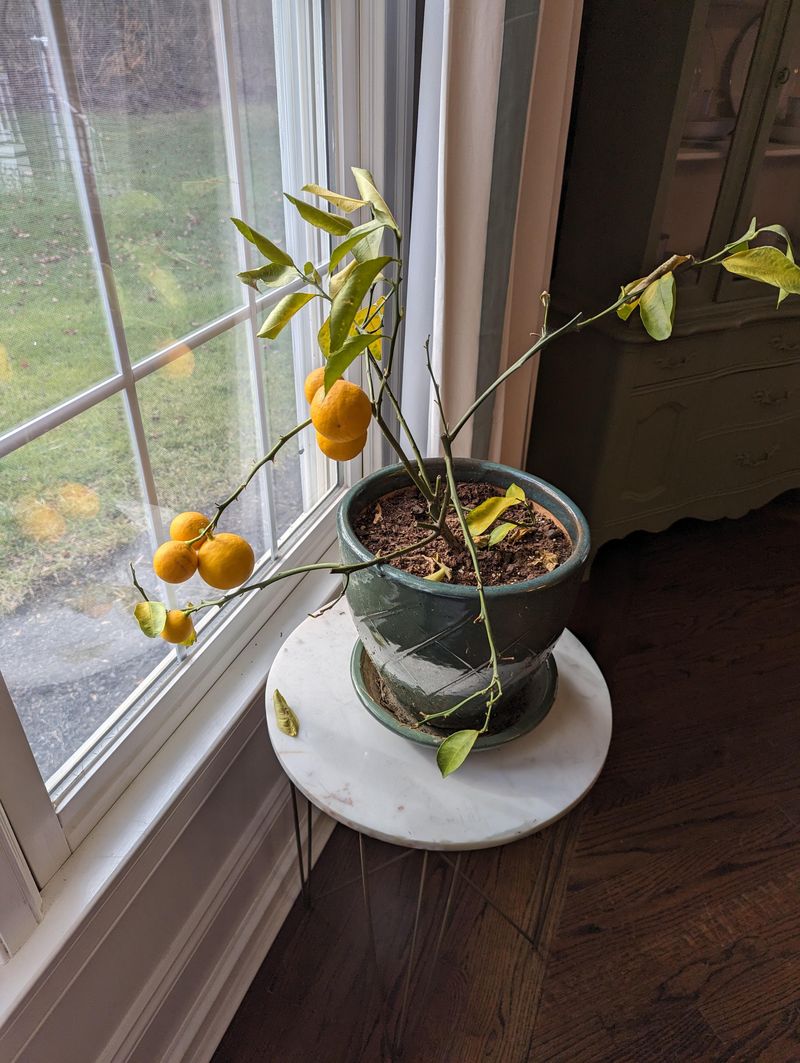
Does the tree grow in the ground outdoors in a warm climate, or in a pot that you carry inside when cold arrives? A tree in a Texas or Florida yard faces very different winter conditions than a container tree in a living room.
Also think about recent changes. Oregon State University Extension covers Meyer lemons grown in containers and moved indoors.
A move, a new spot, or a change in watering that lines up with the drop is worth noting.
Check watering and drainage on a container tree
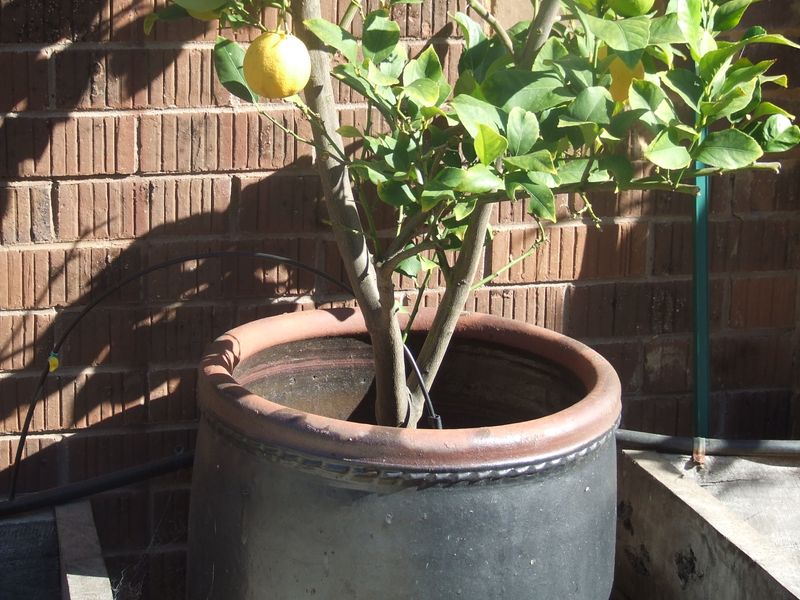
If your Meyer lemon lives in a pot, start with the potting mix. Soil that stays soggy or dries out completely can stress a tree, and fruit may be among the first things it lets go.
Texas A&M AgriLife’s container citrus guidance suggests letting the upper inch of mix dry before you water again. It also stresses good drainage so extra water can leave the pot, and it advises watering less often in cool weather, when the tree uses less.
Try the finger test. Push a finger about an inch into the mix.
If it feels damp, wait. If it is dry, water until some runs out the bottom, then empty any saucer so the roots are not sitting in a puddle.
Lift the pot, too. A very heavy pot after several days can mean the mix is staying wet.
Check the drainage holes for clogs.
This advice is for container trees. It is a practical habit, not a watering schedule for citrus planted in the ground, where soil, rainfall, and root space work differently.
Indoor light and abrupt temperature changes can matter
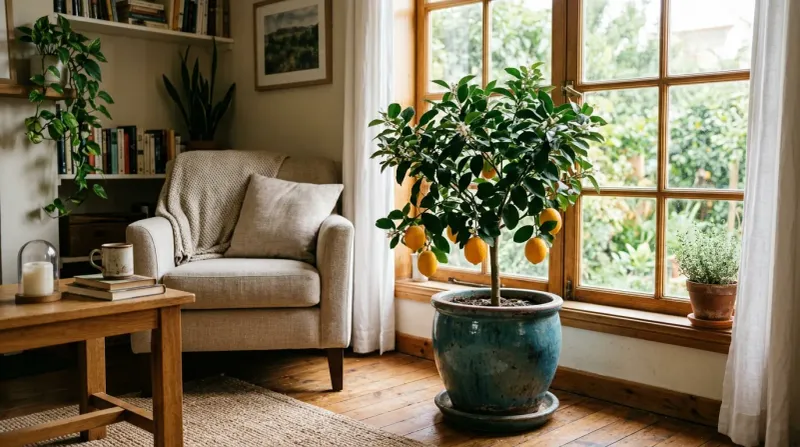
Bringing a citrus tree indoors is a big change for it. The light gets dimmer, the air gets drier, and the temperature may jump overnight.
University of Wisconsin Extension notes that abrupt environmental changes can cause leaves, flowers, and young fruit to drop. If your tree lost fruit soon after a move, the shift itself may be a contributing stress.
Light is the next check. Iowa State Extension says citrus generally needs 6 to 8 hours of direct light indoors for flowering and fruiting, with supplemental light if a window falls short.
A south-facing window is a common starting point, and a grow light can fill the gap.
Make transitions gradual. Before the first cold snap, shift the tree to a more sheltered spot for a few days, then bring it inside, and keep it away from heater vents and drafty doors.
These tips fit indoor and overwintered container trees. A lemon growing outdoors in a warm Southern yard has a different set of winter concerns.
Feed only when the tree’s broader condition supports it
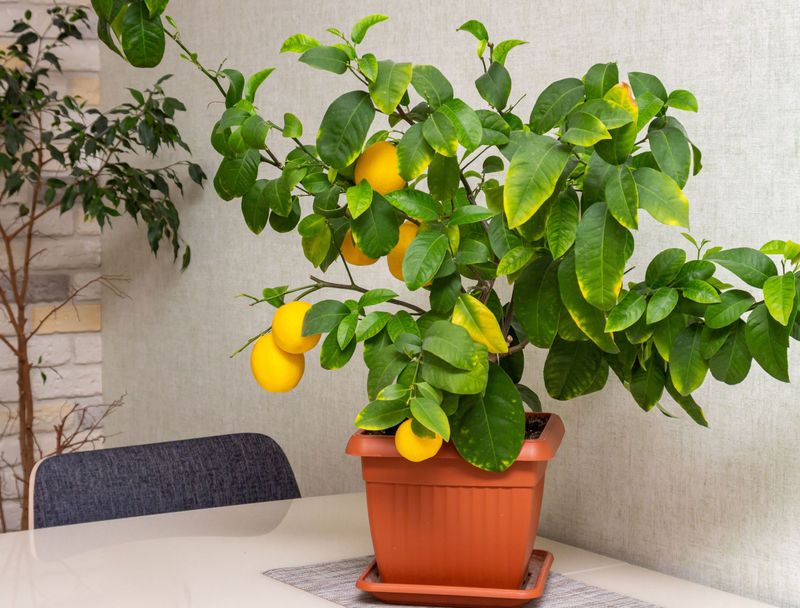
It is tempting to think a good meal will keep fruit on the branches. Fruit drop alone does not show that a tree is hungry, and extra feeding is not a dependable rescue.
UF/IFAS guidance specifically advises against applying fertilizer to prevent natural small-fruit drop in spring and early summer.
Look at the whole tree instead. UF/IFAS describes nitrogen deficiency as general pale or yellowing foliage, often starting on older leaves.
It also cautions that these symptoms can be confused with other problems, such as overwatering or root trouble, so do not diagnose from the leaves alone.
If your tree does seem undernourished, follow the label on a citrus fertilizer and the guidance for your growing conditions. For pots, Texas A&M points to water-soluble fertilizer used according to label directions, while Oregon State advises reducing or stopping feeding in winter.
No single rate fits every Meyer lemon, and a sudden surge of fertilizer is not a quick fix.
Use a steady-care check before changing the routine
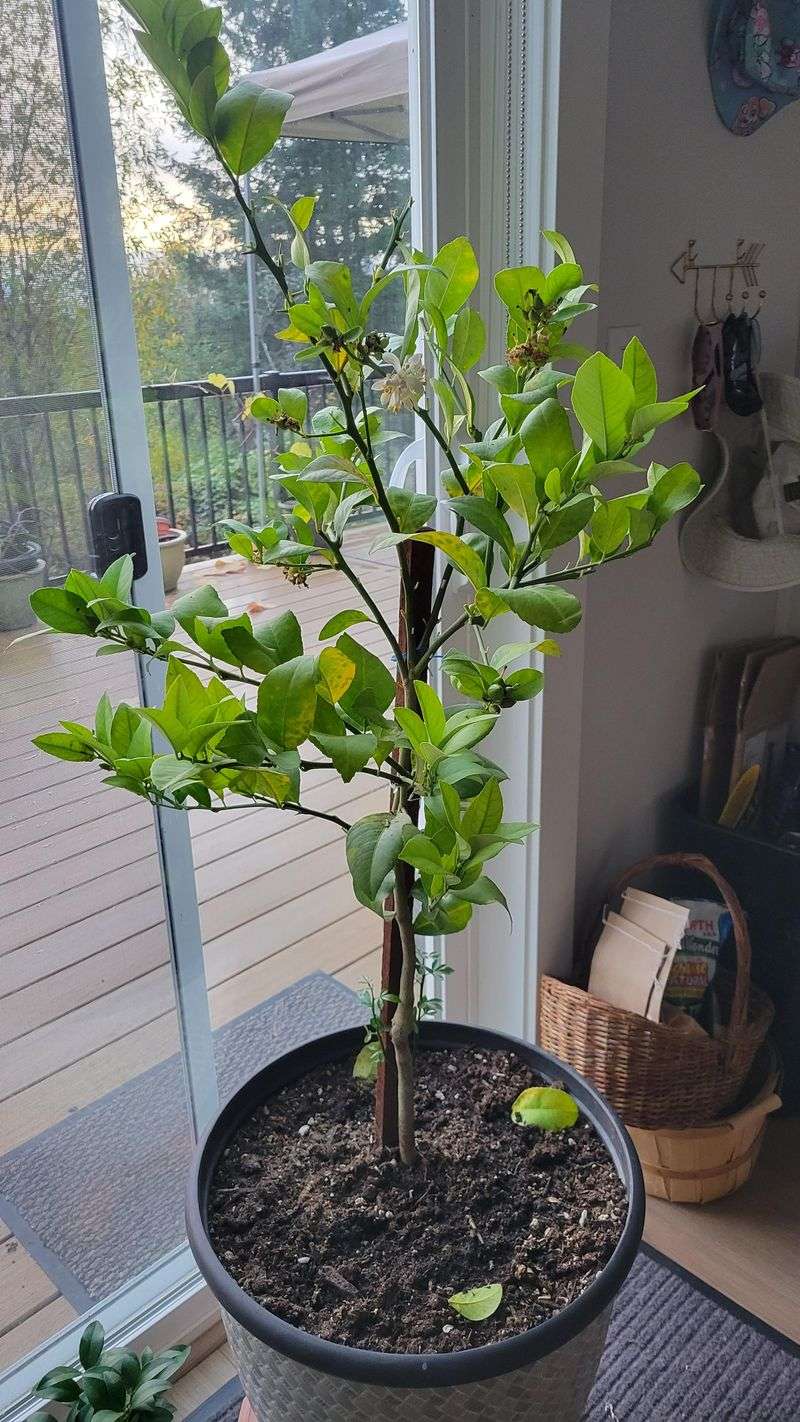
When tiny lemons start falling, work through the likely causes in order. Start by noting whether the tree is indoors or outdoors and when the drop began.
If it is in a container, check the potting mix and drainage using the upper-inch dryness test from Texas A&M. Next, review any recent move or temperature swing.
For an indoor tree, think about whether it gets the 6 to 8 hours of direct light that Iowa State Extension describes.
Only then consider fertilizer, and only if broader signs, like widespread pale foliage, point to a nutrition concern. Outdoor trees in warm Southern yards and potted trees overwintered inside should be judged separately, not on one shared calendar.
Even careful checks may only identify contributing stresses. UC IPM says excessive drop cannot always be prevented, so no adjustment can promise every fruit will stay.
For broader troubleshooting of landscape trees, UF/IFAS also covers common citrus problems in the home landscape.
A calm, steady tree usually holds its crop better than a fussed-over one.