
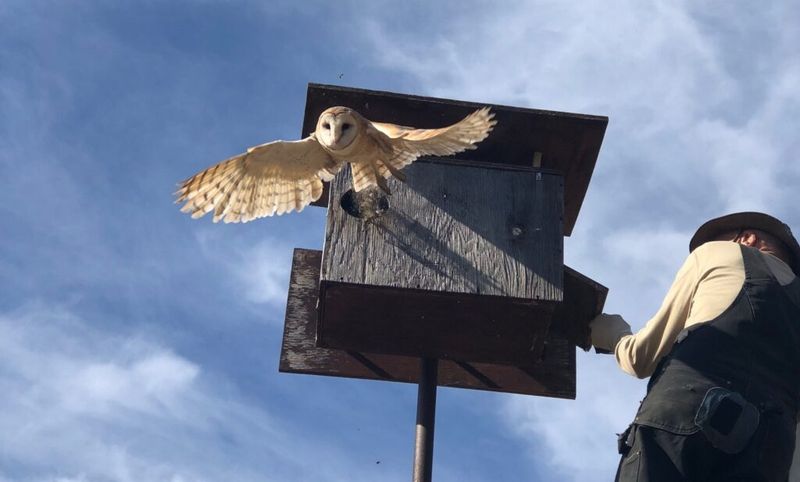
Barn owls are one of nature’s most efficient nighttime hunters, and plenty of Texas homeowners wonder whether attracting one could quietly take care of a rat problem. The idea is appealing, but the real picture is more complicated than a simple cause-and-effect. Understanding what barn owls actually eat in Texas, where they prefer to hunt, and what a nest box can and cannot promise will help you make smarter decisions about both wildlife support and rodent management.
What barn owls might—and might not—do for a Texas yard
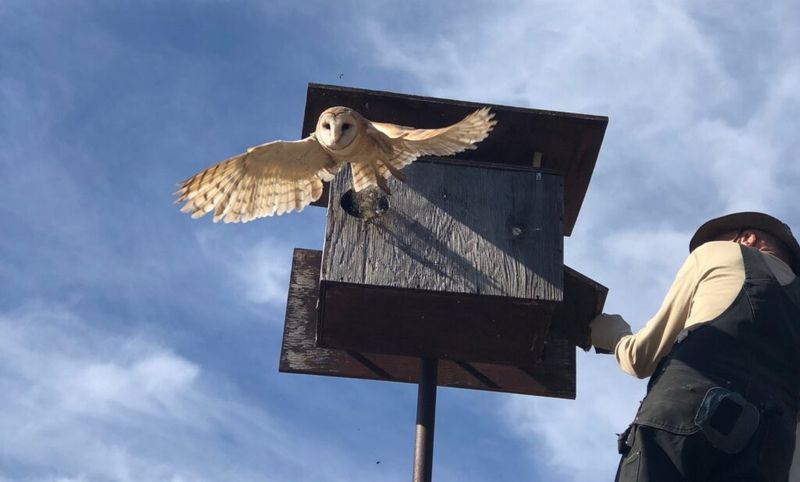
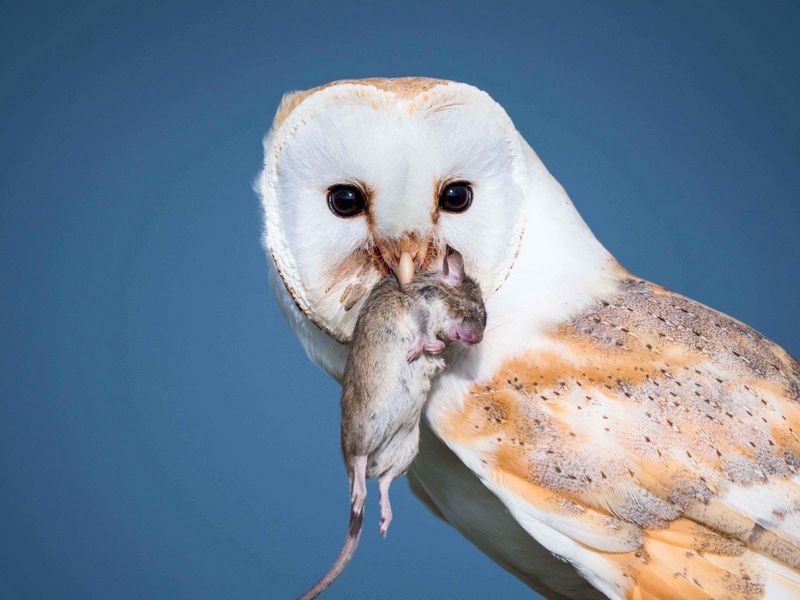
Barn owls are genuine small-mammal predators. They hunt at night using extraordinary hearing, and their diet includes rats, mice, voles, shrews and gophers, depending on what is available locally. That hunting ability has made them attractive to farmers and pest managers for generations, and the scientific interest in using them as biological control agents is real.
The most rigorous recent evidence comes from a 2026 field study across six California vineyards, where researchers found that greater barn-owl hunting pressure was associated with a 38 to 52 percent reduction in aboveground rodent abundance. That is a meaningful result, but it comes from an agricultural setting, not a suburban backyard, and it describes aboveground rodents generally rather than roof rats or Norway rats in particular.
For a Texas homeowner, the honest framing is this: a barn owl may add useful nighttime predation to your property, and that can make some difference to rodent activity when the right conditions align. What it will not do is reliably eliminate rats from a small yard on its own. Cornell Lab describes barn owls as opportunistic hunters whose prey varies considerably by location, which means outcomes in your yard depend heavily on local conditions rather than owl presence alone.
Pest management researchers have noted that predators, including barn owls, often cannot keep rodent populations below damaging levels by themselves. UC Integrated Pest Management guidance makes clear that barn-owl boxes work best as one component within a broader approach, not as a stand-alone solution. The same logic applies in Texas: a barn owl is a potential supplement to good sanitation and exclusion practices, not a replacement for them.
The Texas prey question: not every rodent is a household rat
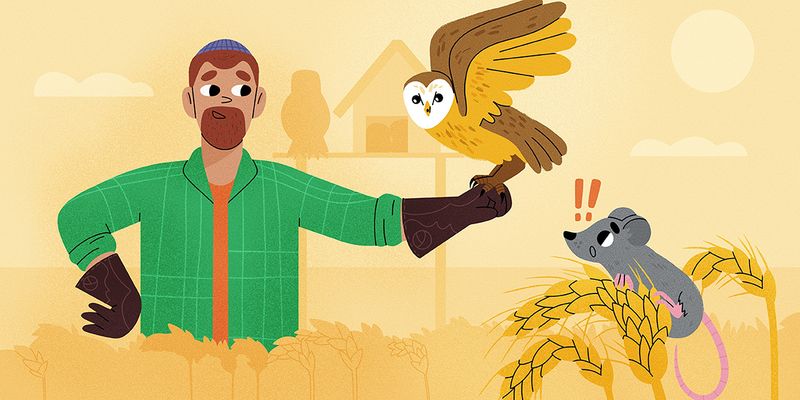
When people hear that barn owls eat rats, they picture the roof rats raiding their attic or the Norway rats living under a shed. Those are the animals homeowners actually want gone. Before assuming a barn owl will target them, though, the Texas research deserves a closer look.
Barn owls are opportunistic hunters that take whatever small mammals are abundant and accessible in their hunting territory. In Texas, that often means native species rather than invasive commensal rats. A diet study from north-central Texas found that hispid cotton rats were the most common prey item identified, with other native small mammals also well represented.
Along the Texas coast, the picture is similar. Research on a barn-owl pair in a Texas coastal habitat found that cotton rats and rice rats dominated the diet. Neither hispid cotton rats nor rice rats are the same animals as the roof rats or Norway rats that typically invade Texas homes and outbuildings.
This distinction matters practically. The Texas diet evidence shows that barn owls do hunt and consume rodents in the state, which is genuinely useful context. What it does not show is that barn owls suppress infestations of the specific invasive rats most likely to be living in your walls or garage. Prey selection is driven by availability and habitat, not by a preference for whichever rodent is most inconvenient to you.
Treating “rodents” as a single interchangeable category leads to overconfidence in what a barn owl can realistically deliver in a residential setting.
Start with habitat, not a box
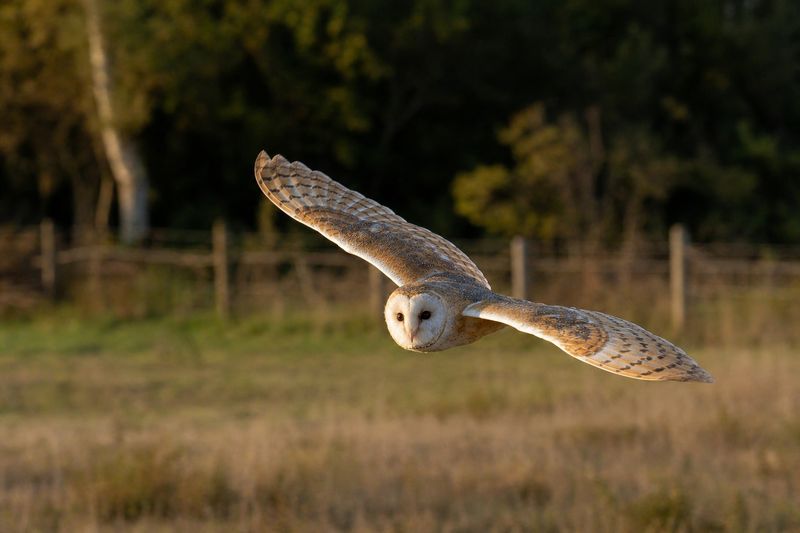
A nest box is the part of barn-owl attraction that feels most actionable, so many people jump straight to building one. Habitat, though, is the more fundamental requirement, and getting it wrong means even a perfectly built box will sit empty for years.
Texas Parks and Wildlife describes barn owls as uncommon statewide and increasingly scarce across much of their range, which is the first reality check. Even if your property is otherwise suitable, a local barn-owl population has to exist nearby before any individual bird is likely to investigate a new box. Barn owls prefer relatively open areas where they can hunt low over vegetation, using their hearing to locate prey in grass or ground cover. Dense, closed-canopy neighborhoods present a real obstacle to that hunting style.
Properties that connect to pasture, prairie remnants, agricultural fields, park edges or large open drainage corridors offer the kind of terrain where barn owls actually forage. California extension research on barn-owl box programs consistently reports stronger occupancy rates near grassland, riparian or mixed open habitats than in heavily developed areas. That pattern likely holds in Texas as well.
Local prey availability is equally decisive. If the surrounding landscape does not support a steady population of small mammals, a hunting owl has little reason to establish a territory there. Cornell Lab notes that barn owls are non-migratory but do shift territories in response to food availability. A yard at the edge of a suburban subdivision surrounded by concrete and manicured turf is a harder sell than one backing up to rough pasture or a weedy drainage channel.
Honest habitat assessment before box installation saves effort and sets realistic expectations.
Use a nest box as an option, not an occupancy promise
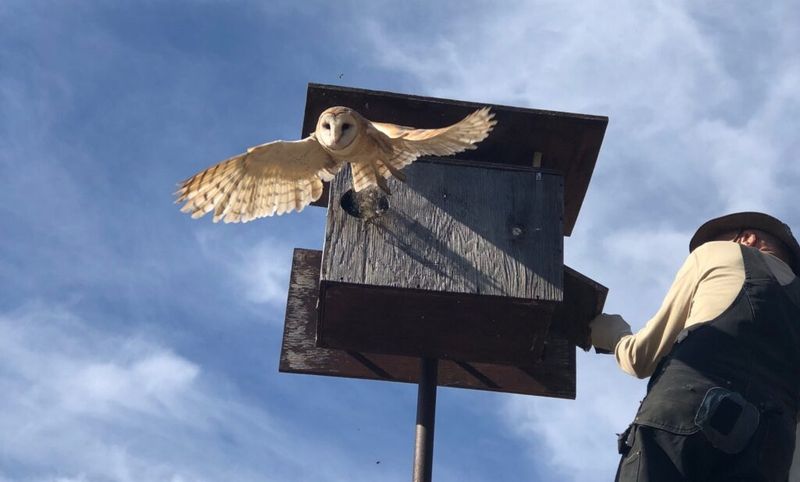
Barn owls cannot excavate their own nesting cavities, so they depend on what is already available: old barns, hollow trees, building ledges and, sometimes, artificial boxes. A well-built box placed in the right spot can substitute for a natural cavity that no longer exists in a tidy modern landscape. The key word is substitute, not guarantee.
TPWD’s nest-box guidance suggests approximate dimensions of a 6-inch entrance, a 10-by-18-inch floor and sides measuring 15 to 18 inches. Recommended placement is roughly 12 to 18 feet above ground. TPWD also notes that barn-owl boxes tend to see better use when installed on their side rather than upright, which is different from the conventional birdhouse orientation most people picture.
TPWD’s wildlife shelter guidance reinforces that the box should face toward open hunting space rather than into a wall of dense vegetation. Owls need a clear, unobstructed flight path to and from the entrance. Mounting a box on a building or pole at the edge of an open area generally works better than tucking it into a tree line.
Texas heat adds a placement consideration that matters more here than in cooler climates. Cornell’s barn-owl nest documentation identifies shade, shelter and adequate airflow as relevant factors, since a box baking in direct afternoon sun can overheat eggs and nestlings. Position the box where it receives morning light but is shielded from the harshest afternoon exposure, and make sure the design allows some ventilation without creating drafts. Cornell Lab also emphasizes that barn-owl boxes are not universal owl-attraction devices: screech-owls and other Texas owl species use different designs and different habitats, so a barn-owl box should not be presented as a one-size-fits-all solution.
Even when dimensions, placement and orientation are correct, the box may stay empty if local owl availability or prey is insufficient.
Reduce rodent incentives without poisoning owls
Attracting a barn owl and creating a rodent-friendly yard at the same time works against itself. Before a box goes up, it is worth walking the property and removing the conditions that draw rodents in the first place. Securing garbage cans with tight-fitting lids, storing pet food in sealed containers and cleaning up spilled birdseed are straightforward steps that reduce food availability for rats and mice. Fallen fruit from citrus, pecan or fig trees is another consistent attractant that is easy to overlook.
Structural access matters as much as food. Rats can squeeze through surprisingly small gaps around pipes, vents and rooflines. Blocking those entry points with hardware cloth or steel wool, and cutting back vegetation that bridges the gap between the ground and your roofline, makes a property genuinely less hospitable rather than just less appealing at the surface. Dense debris piles near buildings, including stacked lumber, overgrown brush and cluttered storage areas, provide shelter that rats actively seek out.
Rodenticide use is incompatible with owl support, and this point carries real weight. TPWD specifically recommends traps rather than poisons when supporting owls, because an owl that eats a poisoned rodent can absorb a lethal or sublethal dose of the same compound. Cornell Lab identifies rodenticides as a documented hazard to barn owls precisely because rodents are so central to their diet. A USGS study evaluating anticoagulant rodenticide hazard to barn owls confirmed that contaminated prey poses a genuine exposure risk to the species.
Snap traps and other mechanical options are the TPWD-supported alternative. They remove individual rodents without leaving toxic residue in the food chain. UC IPM guidance frames trapping as one part of an integrated approach alongside exclusion and habitat modification, which is the same layered logic that applies here. No single method, including owl support, guarantees control on its own.
Measure owl activity without mistaking it for rat control
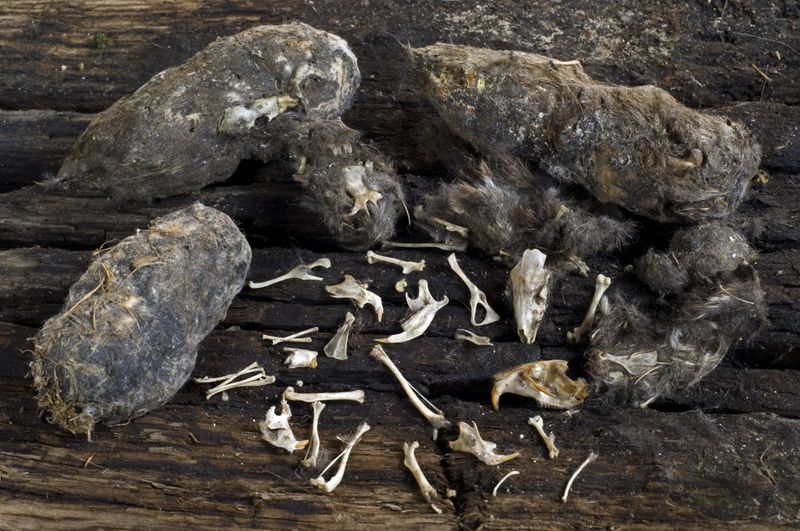
Finding pellets beneath a box or spotting an owl perched near it at dusk is genuinely exciting, and those signs do confirm that a barn owl is using the area. What they do not confirm is that the rat population on your property has dropped. Pellets are evidence of prey consumption, not evidence of population suppression, and that distinction is worth holding onto.
UC ANR research on rodent management in organic agriculture notes that owls may hunt across a wide territory that extends well beyond the property where they nest. An owl using your box might be taking most of its prey from a neighbor’s field or a nearby drainage corridor. Meanwhile, UC IPM guidance on burrowing rodents points out that prey populations can recover quickly through reproduction, so consumption does not automatically translate into a lasting decline.
Claims that a nesting barn-owl family eats thousands of rodents per year are sometimes cited as proof of pest-management value. Those estimates generally reflect total consumption under particular agricultural conditions, not a guaranteed reduction in the rodent population on any specific property. Pellet counts measure what went in, not what changed outside.
TPWD encourages observation rather than intervention when supporting owls. That means watching from a respectful distance, recording what you see and appreciating the owl’s presence on its own terms. Feeding owls, placing live rodents in or near the box, broadcasting recorded owl calls to attract birds or attempting to relocate an owl are all practices to avoid. The goal is to provide habitat and let the bird decide how to use it, not to manage a wild raptor’s behavior like a service provider.
Monitor boxes legally and leave active nests alone
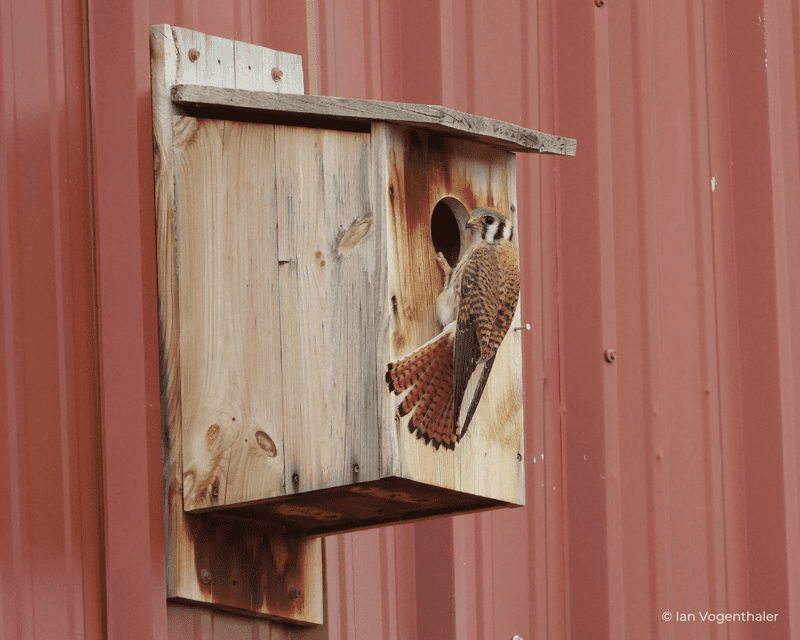
Checking on a nest box periodically is reasonable and encouraged during the off-season, when it is clearly empty. Once a box shows signs of activity, including feathers, pellets, or sounds of nestlings, the situation changes. Opening or inspecting an active nest casually is not just inadvisable; it can be unlawful.
The U.S. Fish and Wildlife Service confirms that active nests containing eggs or dependent young are protected under the Migratory Bird Treaty Act. Disturbing an active nest without proper authorization can carry legal consequences, and the disruption itself can cause nest failure or cause adults to abandon eggs or young chicks. If a box needs assessment or intervention during an active nesting period, contact a licensed wildlife rehabilitator or a TPWD-permitted professional rather than handling it yourself.
TPWD’s owl guidance frames barn owls as wild raptors deserving of respectful observation rather than hands-on management. That framing is worth keeping in mind as a general orientation. A barn owl nesting on your property will produce noise, especially from hungry nestlings calling at night. It will leave droppings and pellets beneath the box, and some nestlings may not survive food shortages during a poor prey year.
These are normal features of wild raptor behavior, not problems to solve.
Cornell Lab’s life-history account notes that barn owls can begin nesting at various times of year in warmer climates, including Texas, which means the window when a box might be occupied is longer than in northern states. Annual cleaning and maintenance is best done in late winter or early fall when occupancy is least likely, and even then a quick external check before opening the box is a sensible precaution.
Decide whether a barn-owl box fits your property
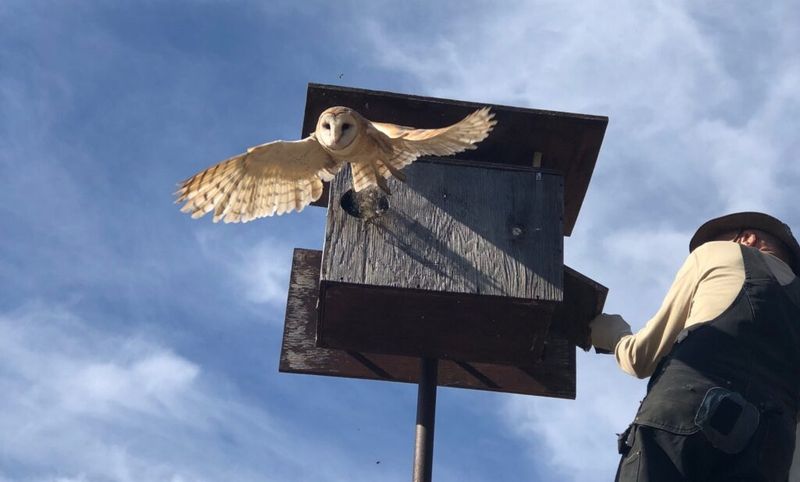
A barn-owl box is a reasonable project for some Texas properties and a low-probability investment for others. The clearest case for installing one is a property that already connects to open hunting habitat, such as pasture, rough field edges or large park corridors, sits within a county where TPWD confirms barn owls are present, and can offer a shaded, well-ventilated cavity without any rodenticide use on or near the property. Those three conditions together make occupancy at least plausible.
A compact suburban subdivision surrounded by manicured lawns, heavy tree canopy and neighboring properties that use rodent poison is a harder case. The California vineyard research that produced the strongest numbers for barn-owl pest-management benefit involved large agricultural landscapes, not quarter-acre lots. Expecting the same outcome at a smaller, more fragmented scale is not well supported by current evidence.
In either setting, a barn owl supplements rather than replaces the basics: securing food sources, blocking structural entry points and using snap traps where rodent pressure is active. UC IPM’s integrated approach treats biological predators as one layer among several, and that layered thinking translates directly to a Texas yard. The box, if it works, adds a wild nighttime hunter to your property. What it offers is support for a native Texas raptor with possible pest-management benefits on the side – not a guaranteed rat-removal service, and not a substitute for the less glamorous work of exclusion and sanitation.
That honest framing is also, for many Texas homeowners, reason enough to try.