
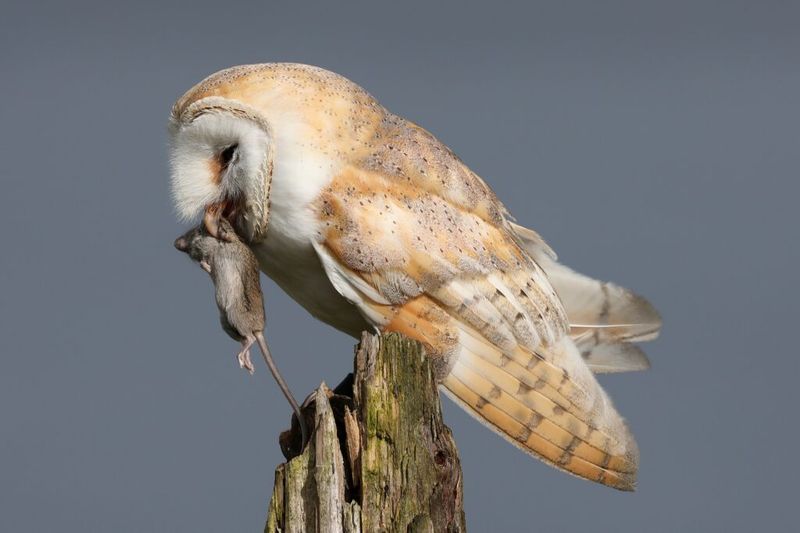
Barn Owls are one of the most recognizable raptors in Texas, with their ghostly white faces and silent wingbeats cutting through the night air. Plenty of Central Texas homeowners have spotted one drifting over a pasture or perched on a fence post and wondered whether that bird could help keep rats at bay. The idea is appealing, and there is real science behind Barn Owls as rodent predators, but the full picture is more complicated than a simple cause-and-effect. Understanding what owls can and cannot do, and pairing that knowledge with smart habitat choices and practical rat control, gives you a strategy that actually holds up.
Barn Owls may help, but they do not promise fewer rats
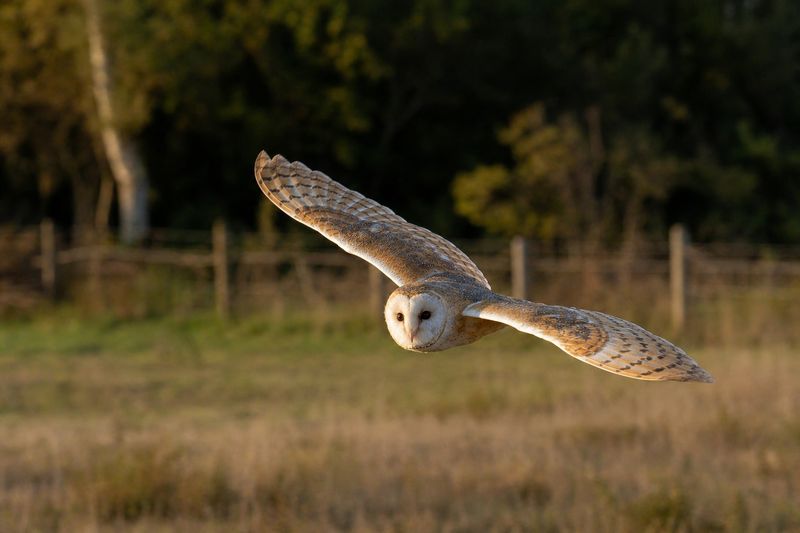
Barn Owls earn their reputation as rodent hunters honestly. Cornell Lab of Ornithology’s Barn Owl life-history account confirms that small mammals, including mice, voles, shrews, and rats, make up the bulk of their diet, and their silent flight and precise low-light hearing make them effective night hunters across open landscapes. That predatory skill is real, and it has drawn serious scientific attention.
A recent field study in California’s Napa Valley added weight to the idea of owls as ecological pest managers. That vineyard research found that greater Barn Owl hunting pressure was associated with a 38 to 52 percent reduction in aboveground rodents across six sites monitored from February through July 2023. The rodents recorded were predominantly deer mice, not the large commensal rats that show up in Texas garages or around trash cans, and the setting was agricultural open country, not a suburban yard.
Translating that finding to a Central Texas neighborhood requires care. Seeing an owl over your property does not prove it is hunting rats in your yard, and a nest box cannot summon owls to a location that does not already suit them. What a well-built box can do is offer a potential nesting site to an owl population that is already present and searching for cavities, which is a genuine conservation contribution worth making.
Think of a nest box as a welcome mat, not a pest-control contract. If local conditions support Barn Owls, the box may eventually be used, and that owl may hunt rodents nearby. If conditions do not support them, the box will sit empty. Either way, an active rat problem at your home needs direct attention that does not hinge on whether a wild bird decides to show up.
The kind of rodent matters more than the word rat
When people say they want owls to control their rats, they usually picture the large, bold Norway rat or the agile roof rat that colonizes attics, crawl spaces, and sewer lines. Barn Owls do prey on commensal rats under the right circumstances, but the prey evidence from Texas points in a different direction. Cornell’s species account describes Barn Owls as nocturnal, open-country hunters that take whatever small mammals are most available in their territory, with prey composition shifting by region and season.
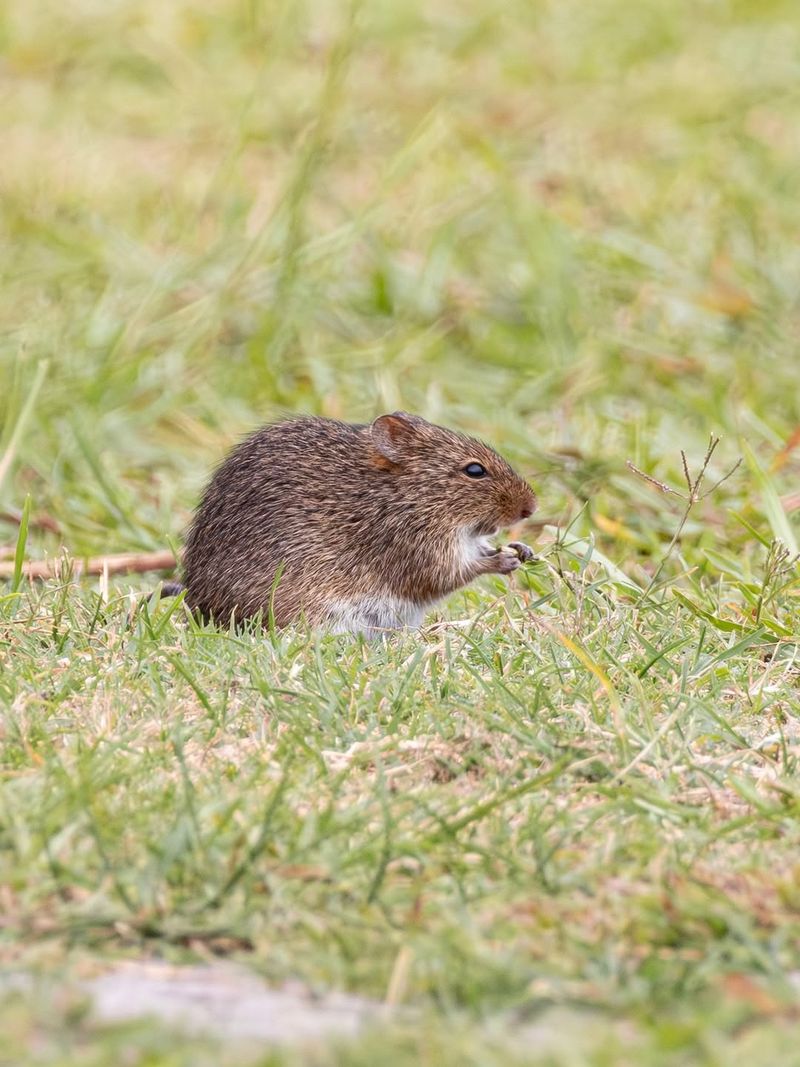
A diet study conducted at a rural habitat island near Lewisville in north-central Texas found that hispid cotton rats made up 68.2 percent of identified Barn Owl prey at that site. Cotton rats are native grassland rodents that live in dense ground cover, not the same animals raiding your pantry or nesting in your walls. That distinction matters enormously when evaluating whether an owl in your neighborhood is likely to reduce the specific rodents causing problems around your home.
Large Norway rats and roof rats are resourceful, often living close to human food sources, shelter, and sewage infrastructure. Texas Parks and Wildlife Department’s owl resources acknowledge owls as predators of rodents broadly, but no Texas study has demonstrated that nest boxes or owl presence measurably reduced populations of commensal rats in residential settings. Owls may take an opportunistic rat here and there, but a bird hunting open fields is not positioned to clean out a colony living inside a structure.
Knowing which rodents you are actually dealing with helps you set realistic expectations. A cotton rat in the garden is a different problem than a roof rat in the attic, and each calls for a different response.
Assess whether your property connects to owl habitat
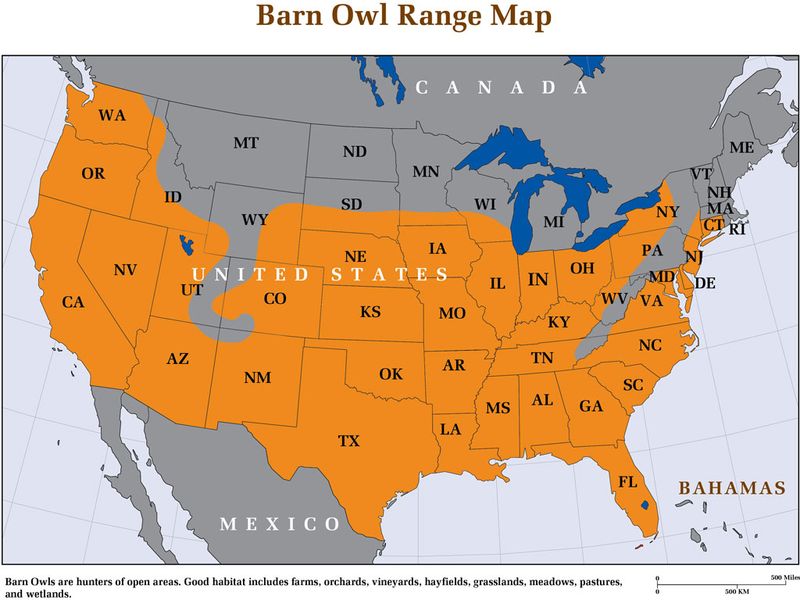
Before spending time and money on a nest box, spend an evening or two actually looking and listening around your property. Barn Owls are creatures of open country, and the landscape surrounding your yard matters far more than anything you install in it. Radio-tracking studies show that U.S. Barn Owls routinely use home ranges of roughly 740 to 1,800 acres, which works out to one to two and a half square miles.
An owl you see drifting over your fence may be covering dozens of properties in a single night, with no special attachment to yours.
Research consistently links Barn Owl box use to open agricultural and grassland habitat. A recent occupancy study found that surrounding land use strongly predicted whether boxes were used, with more urbanized landscapes showing lower occupancy. Complementing that, occupancy and productivity research in managed nest-box programs confirmed that prey availability and open hunting space drive whether owls settle in an area. Separately, road-density studies documented lower breeding occupancy and productivity in areas with heavier traffic, and box-survival analyses tied long-term box use to stable surrounding habitat rather than box design alone.
A realistic self-assessment for a Central Texas homeowner starts with these questions. Are there open fields, pastures, rough meadow edges, or brushy grasslands within a half mile of your property? Have you actually heard or seen a Barn Owl in your neighborhood within the past year or two? Is your lot surrounded mostly by pavement, dense development, and busy roads, or does it sit at the edge of something more open?
A small suburban lot in the middle of a dense subdivision is unlikely to host a nesting pair regardless of box quality. A property that backs up to a creek corridor, a ranch boundary, or a managed open space has a much better chance. Honest answers to those questions will tell you whether a box is a reasonable conservation investment or simply an optimistic gesture.
Build a nest box that follows Texas guidance
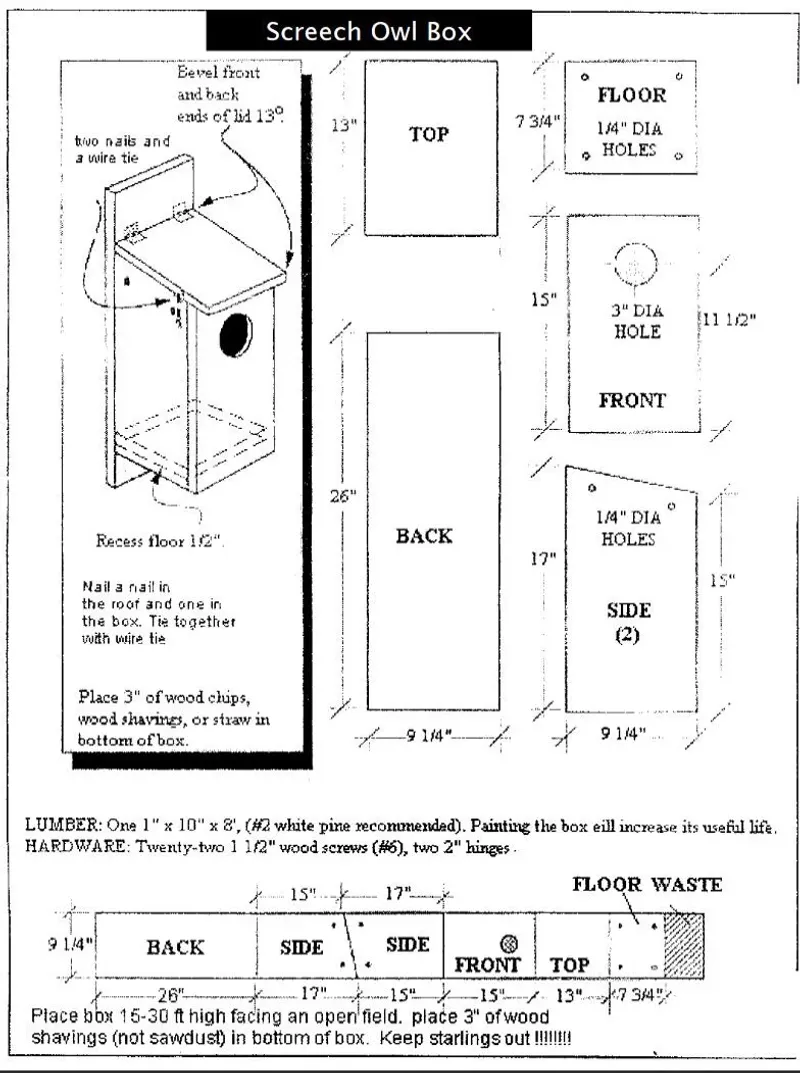
If your property assessment suggests Barn Owls might reasonably use your area, building a proper box is a worthwhile conservation project. The key word is proper. Barn Owl boxes look nothing like the small bluebird or chickadee boxes sold at garden centers, and putting up the wrong structure accomplishes nothing for the owl and potentially creates a habitat for other, less welcome tenants.
Texas Parks and Wildlife Department’s nest-box specifications call for a floor approximately 10 by 18 inches, a depth of 15 to 18 inches, and a 6-inch entrance hole. Placement should be 12 to 18 feet above ground. Those dimensions reflect the species’ need for a spacious horizontal cavity that can accommodate a breeding pair and a growing clutch of owlets. A standard small-cavity box is simply too cramped.
TPWD’s detailed box guidance notes that Barn Owls are more likely to use a box laid on its side than one oriented like a conventional upright birdhouse, which is another reason species-specific plans matter. Use untreated, weatherproof lumber such as cedar or exterior-grade plywood, add ventilation holes near the top to manage Texas heat, and include a few drainage holes in the floor. A hinged panel on one side makes annual cleaning much easier.
Even a perfectly built box cannot overcome unsuitable habitat or the absence of a local owl population. Nest-box research has found repeatedly that boxes in areas without existing owl activity may go unused for years or indefinitely. Build to TPWD specifications, place it correctly, and then be patient, while keeping your rat-control efforts entirely separate from your owl-box hopes.
Place the box for access, shade, and predator safety
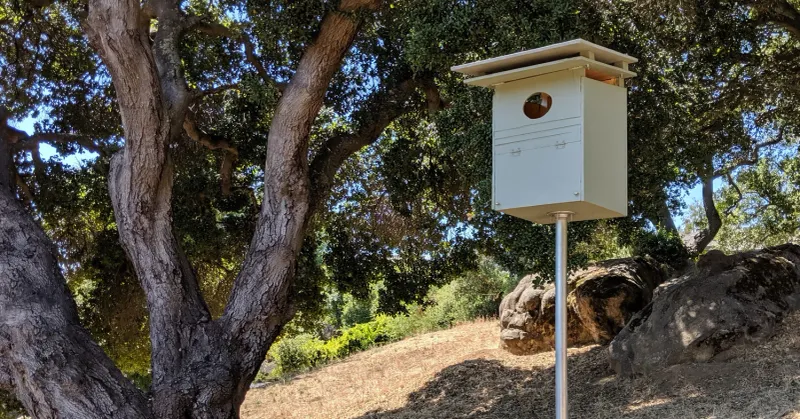
Where you mount the box shapes whether any owl will ever consider it. Clear flight access to the entrance is the single most critical placement factor. Barn Owls approach and depart on long glide paths, and a box tucked into a tree canopy or surrounded by dense branches on all sides will be ignored even if the interior dimensions are perfect. The entrance should face open space with an unobstructed approach from at least one direction.
TPWD’s birdhouse placement guidance recommends positioning the box 12 to 18 feet above ground, which suits most posts, barn eaves, or large mature trees at the edge of open habitat. Utah State University Extension’s farmland wildlife guidance suggests a broader range of 15 to 30 feet for sites where additional height improves flight access or reduces ground-predator risk. The right height for your property depends on what is available, what provides clearance, and what keeps the box safe from climbing predators like raccoons and rat snakes.
A predator guard on the mounting pole is worth the effort anywhere in Central Texas. Smooth metal baffles or cone guards below the box significantly reduce the chance of a predator reaching the nest. Avoid mounting the box directly on a tree trunk without a guard, since tree bark gives predators an easy grip.
Central Texas summer heat is a genuine threat to eggs and young owlets. Orient the entrance toward the north or east where possible to limit direct afternoon sun exposure on the box interior. Ventilation holes near the top of the box help, but shade from the mounting structure or a nearby tree edge, without blocking the flight path, adds another layer of protection.
Occupancy research also links box success to distance from busy roads. Placing the box away from high-traffic streets reduces collision risk for adults and fledglings learning to fly. Good placement improves the odds, but it does not guarantee an owl will move in.
Use native habitat without creating rodent cover
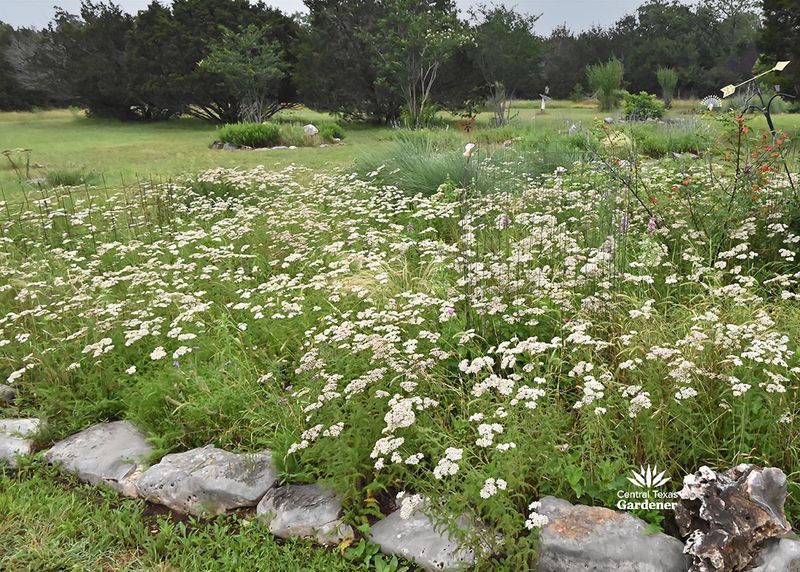
Native vegetation supports the broader ecosystem that Barn Owls depend on, and thoughtful habitat stewardship is genuinely valuable. Patches of native grasses, rough meadow edges, and unmowed field margins create the kind of open, prey-rich landscape that owls prefer for hunting. Cornell’s life-history account consistently describes Barn Owls as birds of open country, grasslands, and agricultural edges, not dense woodland or heavily landscaped gardens.
TPWD’s Wildscapes habitat tips encourage homeowners to plant native species, reduce lawn area, and create structural diversity in the yard. Bird City Texas habitat resources similarly promote native cover as part of a broader commitment to supporting wildlife. Both are sound guidance for general habitat stewardship, and both are worth following for their ecological value regardless of whether an owl ever shows up.
The important caveat is that dense plantings immediately against your house foundation, garage walls, or storage areas can work against you. Thick shrub cover, deep mulch piles, and tangled brush close to structures give rodents concealment and nesting sites. Research on Barn Owl habitat use ties occupancy to open hunting ground, not to ornamental plantings, and no study in the supplied research base shows that any specific named native plant attracts Barn Owls or reduces household rat numbers.
The practical balance for a Central Texas yard is to keep open, mowed, or lightly managed areas where owls could theoretically hunt, while reserving native plantings for fence lines, back corners, and areas well away from the house perimeter. Open habitat at the yard’s edge serves owls. Dense cover pressed against your foundation serves rats.
Pair owl habitat with direct rat control
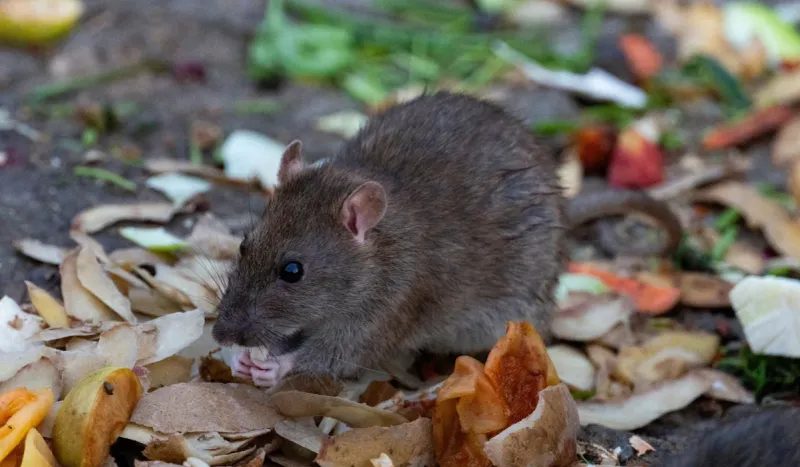
A nest box and native habitat are conservation investments, not emergency rodent management. If rats are already getting into your home, garage, or outbuildings, waiting for an owl to solve the problem is not a strategy. Direct action needs to happen now, on the ground, at the points where rats are actually living and entering.
Start with food and shelter removal. Secure garbage cans with tight-fitting lids, store pet food and birdseed in metal containers, and bring in any uneaten food left outside overnight. Compost bins should be rodent-resistant, not open-sided wire frames. Rats stay where food is easy to find, and making your property less rewarding is the fastest way to reduce pressure without any other intervention.
Exclusion is the next layer. Walk the exterior of your home and seal any gap larger than a quarter-inch with hardware cloth, steel wool, or appropriate caulk and flashing. Roof rats in particular are excellent climbers and can enter through gaps around rooflines, pipe penetrations, and vents. TPWD specifically advises using traps rather than poisons when controlling rodents in areas where owls are present.
Snap traps placed along walls and in enclosed spaces where rats travel are effective, humane when set correctly, and carry no risk of harming a hunting owl.
Rodenticides are a serious concern around owl habitat. Barn Owls and other raptors that consume poisoned rodents are exposed to the same toxins, sometimes fatally. EPA restrictions on rodenticide products exist precisely because secondary poisoning of nontarget predators is well-documented, and EPA’s rodenticide safety review identifies second-generation anticoagulants as especially hazardous to owls, hawks, foxes, and other predators that eat rodents whole. If you are attracting Barn Owls to your property on one hand and putting out poison bait stations on the other, those two goals directly conflict.
For a serious infestation, a licensed pest-management professional can assess entry points and population size in ways that a homeowner walking around with a flashlight cannot. Professional help is not a last resort; for roof rats in the attic or Norway rats under a slab, it is often the most efficient first step.
Treat an occupied box as a wildlife responsibility
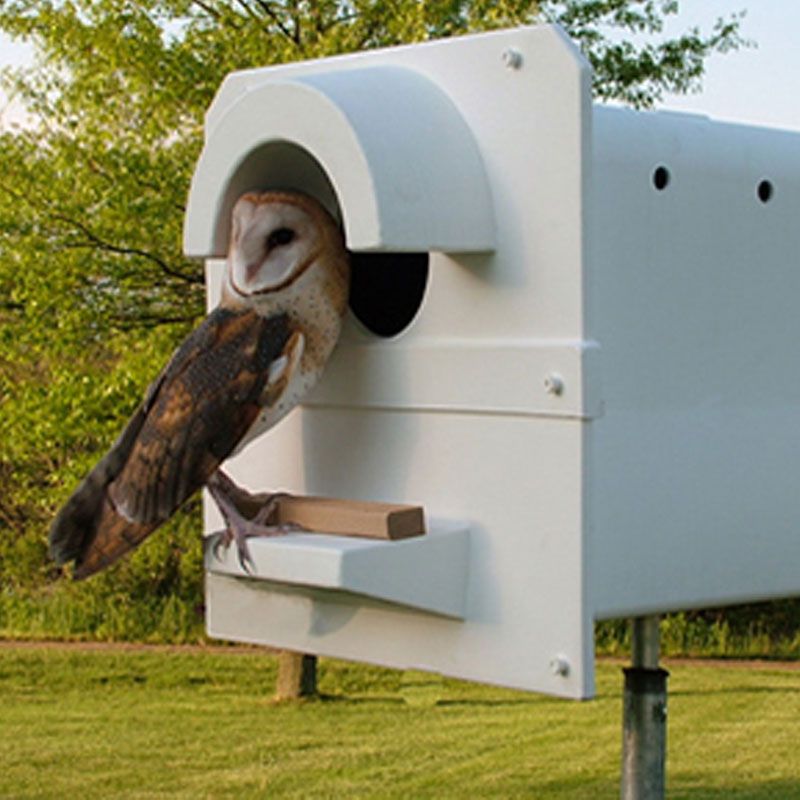
Patience is the defining requirement of any nest-box program. Nest-box research has found that boxes in areas with suitable habitat may still sit empty for a full year or more before an owl investigates, and some boxes in marginal locations are never used at all. Checking the box every few weeks during the first couple of seasons is fine; cleaning it out in late winter before the breeding season each year is good practice. Beyond that, the best thing you can do is leave it alone.
An owl flying over your yard at night is exciting, but it does not confirm that the bird is hunting your property specifically. Cornell’s Barn Owl nest-cam FAQ explains that a single owl may cover well over a thousand acres in a night, moving across many properties and hunting wherever prey is most accessible at that moment.
If a pair does take up residence, the rules change completely. Barn Owls are protected under the Migratory Bird Treaty Act, which prohibits taking, disturbing, or relocating the birds or their active nest without federal authorization. Do not handle eggs or owlets, do not block the entrance, and do not attempt to move the box while it is occupied. If the nest location creates a genuine conflict, contact Texas Parks and Wildlife Department or a licensed wildlife rehabilitator for guidance before taking any action.
A Barn Owl nest box done right is a contribution to a species that belongs in the Texas landscape. It may support a predator that helps keep local rodent populations in check under the right conditions, and it will do none of that work unless you keep your own rat-control measures firmly in place alongside it. The owl you might host is a neighbor worth protecting, not a service to be managed.