
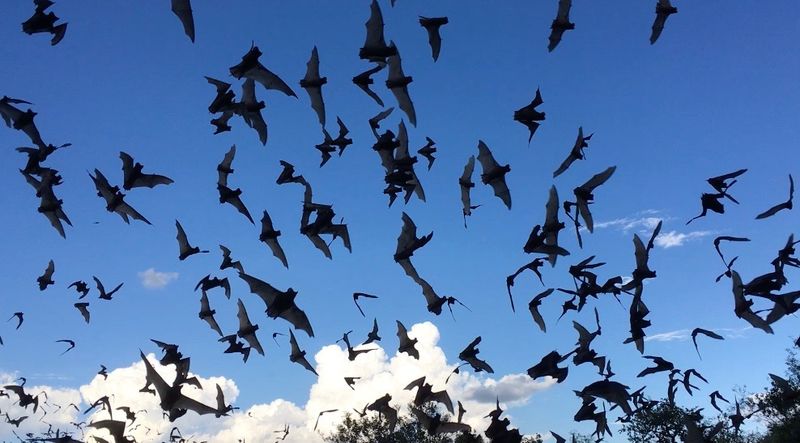
Summer evenings in Central Texas can feel like a battle against mosquitoes, and bats are often pitched as the secret weapon that will end it. The truth is more interesting and more useful than that simple promise.
Bats are remarkable native wildlife that do eat insects at night, but supporting them works best as part of a broader yard strategy rather than a stand-alone fix. This guide covers what Central Texas bats actually eat, what a bat house can and cannot do, and which habits will genuinely cut down on mosquito bites this season.
Central Texas bats offer seasonal wildlife value—not a mosquito guarantee
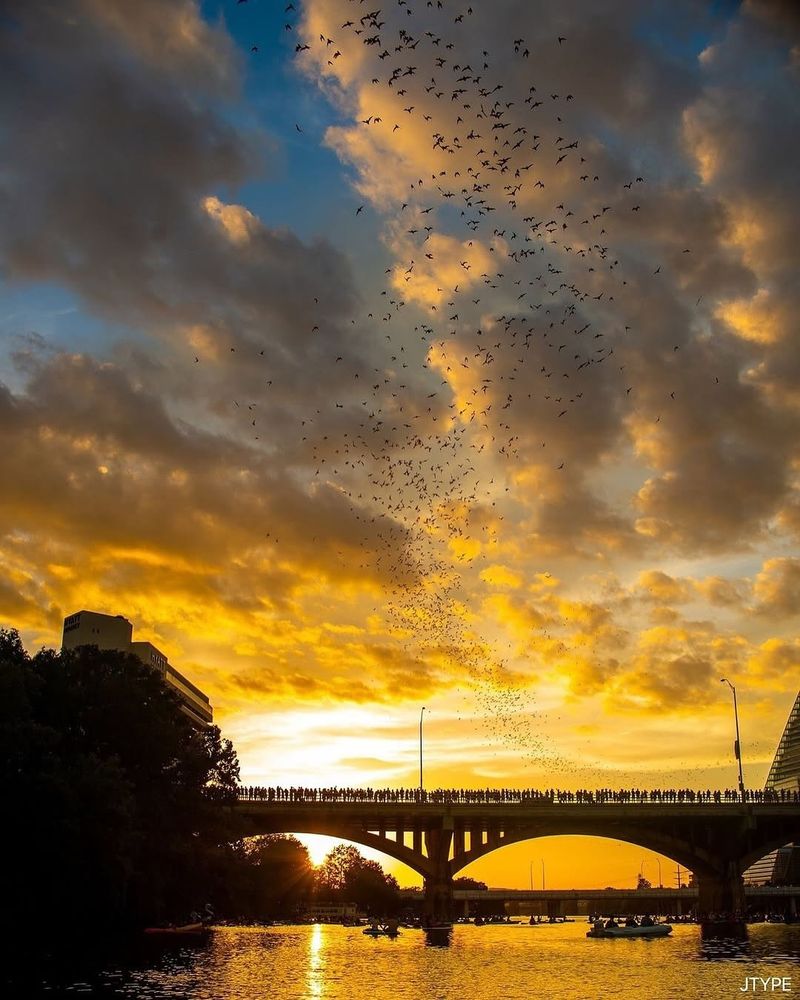
Every spring, one of Texas’s most spectacular wildlife events plays out quietly overhead. Mexican free-tailed bats return to Central Texas after wintering farther south, form enormous maternity colonies, give birth around June, and by early August young bats join the nightly emergences that have made places like the Congress Avenue Bridge in Austin famous.
Come fall, most of them migrate again, making bat activity in Central Texas strongly tied to the warm months rather than a year-round constant.
Texas is genuinely exceptional bat country. Texas Parks and Wildlife reports that the state hosts 32 of the 47 bat species recorded in the United States, with Mexican free-tailed bats being the most widespread.
Watching hundreds of thousands of bats spiral out of a roost at dusk is a legitimate Texas experience, and supporting these animals as native wildlife is a worthy goal on its own terms.
Where the story gets complicated is in the leap from “bats are flying overhead” to “my yard now has fewer mosquitoes.” Visible bat activity during a late-summer evening tells you that bats are foraging somewhere in the area; it does not confirm that the mosquitoes near your patio chair are the ones being eaten. The factors that determine whether bats reduce mosquito numbers at a specific property, including bat species, local insect diversity, flight altitude, and habitat, are complex enough that researchers caution against treating bat presence as a reliable mosquito-control outcome.
The goal of this article is to help you support these native bats as the ecologically valuable animals they are, while keeping your mosquito-management expectations honest and practical.
What bats eat tells a narrower story than the mosquito slogan
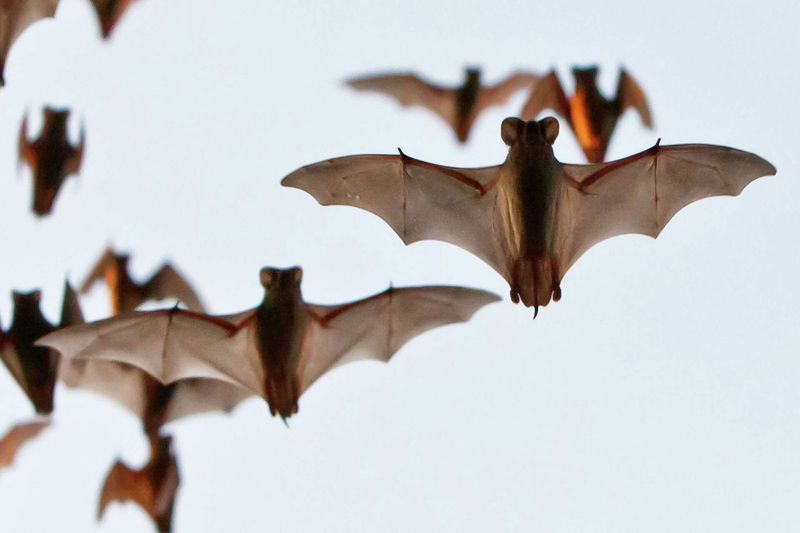
Insect-eating bats are impressive feeders. USGS notes that a little brown bat may consume roughly 4 to 8 grams of insects per night, which adds up across a colony.
That is a real ecological contribution, but those grams represent a wide mix of whatever night-flying insects happen to be available, not a targeted mosquito harvest.
Mexican free-tailed bats, the star species of Central Texas, are fast, high-altitude fliers. Texas Parks and Wildlife describes their diet as including moths, beetles, flying ants, and June bugs, with no suggestion that mosquitoes are a favored or primary prey item.
Calling them mosquito specialists would be like calling a roadrunner a snake specialist because it occasionally eats one.
Mosquitoes do show up in bat diets. A U.S.
Forest Service study found mosquito DNA in 71.9% of little brown bat fecal samples and 33.3% of big brown bat samples in Wisconsin, confirming that bats eat mosquitoes when they encounter them. Separately, a controlled enclosure study observed a 32% reduction in Culex mosquito egg-laying activity in areas with northern long-eared bats present, which is a meaningful result under those specific conditions.
The honest translation for a Central Texas homeowner is this: bats consume mosquitoes sometimes, and under controlled conditions they can affect mosquito behavior. But a southeastern U.S. study examining bat consumption of mosquito vector species concluded that the factors influencing mosquito consumption were complex and that giving specific guidance for promoting bats as a mosquito-control strategy was difficult.
Bat species differ in flight height, habitat preference, roosting behavior, and prey selection, so a bat house in your yard may attract a species that forages 50 feet above your head rather than at ankle level where your mosquitoes are worst.
A bat house provides potential roosting space, not instant mosquito control
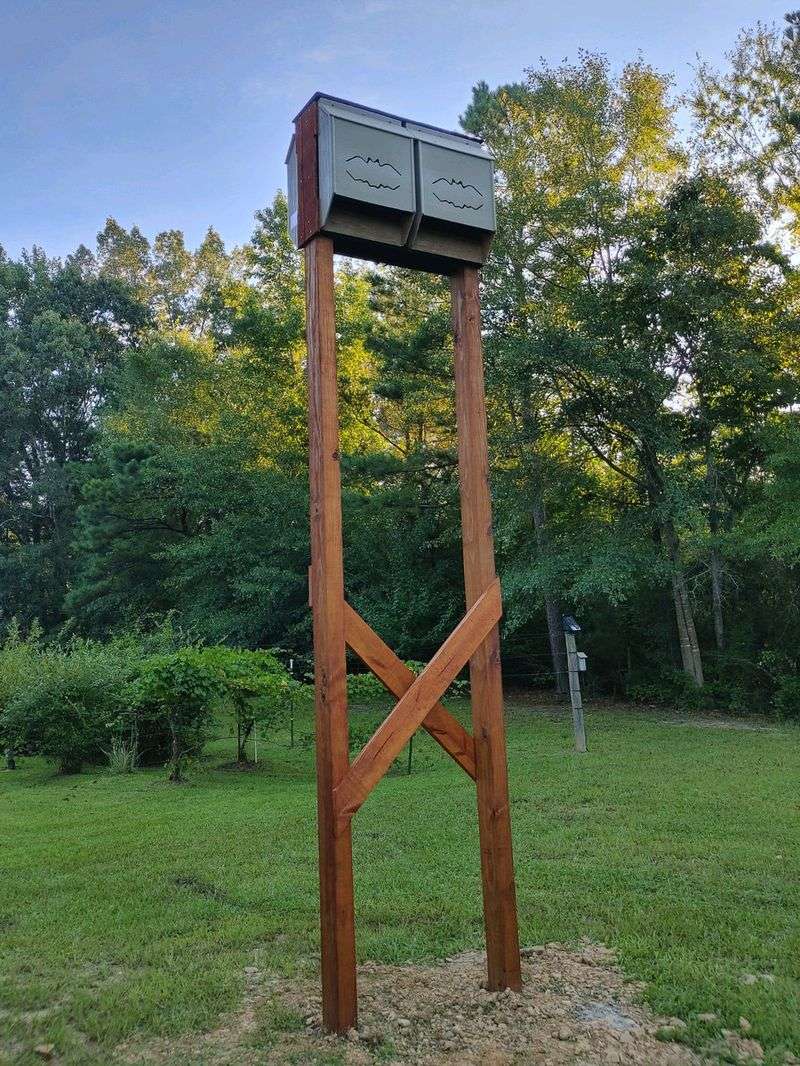
Putting up a bat house is one of the most tangible things a Central Texas homeowner can do to support local bat populations, and doing it well requires a few specific choices. Bat Conservation International recommends mounting a bat house with at least 12 feet of clear, open space below it so bats can drop into flight when they exit.
Houses placed near the edge of a wooded area or close to water may be discovered more quickly than those in fully open or heavily shaded locations.
Heat management is especially important in Central Texas summers, where afternoon temperatures regularly push past 100 degrees. BCI cautions that dark exterior colors can cause a bat house to overheat in hot climates, making lighter colors a safer choice here than in cooler northern states.
Installing two houses relatively close together, within roughly 100 meters of each other when space allows, gives bats the option to shift between warmer and cooler roosts as temperatures change through the season.
A bat house is daytime roosting habitat, full stop. It gives bats a place to rest, raise young, and regulate their body temperature during the day.
It does not emit any signal that draws bats from a distance, does not direct foraging bats toward your patio, and cannot guarantee that any bat will ever use it. BCI’s installation guidance is clear that bat houses cannot replace intact natural habitat and that occupancy depends on local bat populations, roost temperature, nearby foraging opportunities, and insect availability.
Putting up a well-designed house in a good location increases the opportunity for bats to use your property; what happens next is up to the bats.
Build a living yard that supports bats without breeding mosquitoes

Beyond the bat house itself, the surrounding yard conditions matter. Bats need foraging habitat as much as roosting space, and a yard with diverse native plantings supports the broader insect community that feeds them.
Texas Wildscapes guidance recommends layered native vegetation, natural cavities where structurally safe, and shallow water sources with gently sloping sides as core elements of wildlife-friendly yards. These features provide cover, movement corridors, and foraging resources for bats and many other native animals.
Retaining some night-flying insects in the landscape matters here, too. Broad pesticide applications that knock down all insect activity reduce the prey base that makes your yard worth visiting in the first place.
Keeping native flowering plants that support insect diversity is a more bat-friendly approach than trying to eliminate every bug and then wondering why the bats have moved on.
Water features deserve a careful note. A shallow pond or birdbath with gently sloping edges can attract wildlife and give bats a place to drink on the wing, which they do by skimming the surface in flight.
However, any standing water that sits undisturbed becomes a mosquito nursery within days. Every water feature in a wildlife-friendly yard needs regular maintenance: scrubbing birdbaths weekly, keeping ponds moving with a small pump or aerator, or using appropriate larval control products.
BCI reinforces that habitat quality around a bat house affects whether bats will use it, and habitat quality means a yard that does not inadvertently raise the very mosquitoes you are hoping to reduce.
Make mosquito source reduction your primary yard strategy
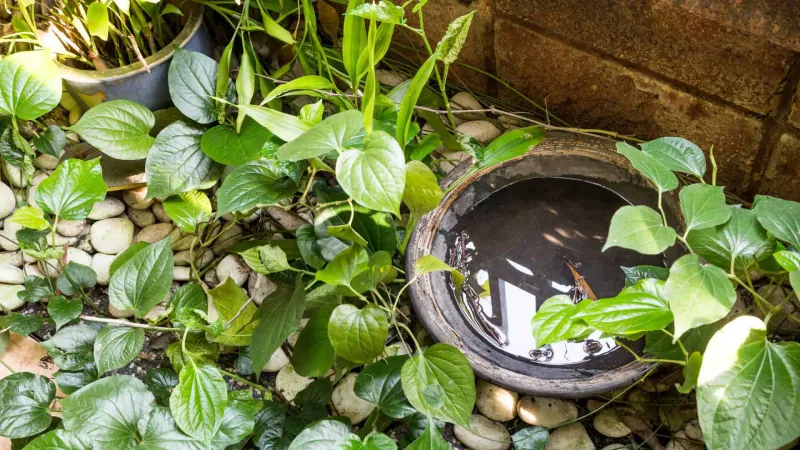
No amount of bat habitat improvement substitutes for the single most effective thing a homeowner can do about mosquitoes: eliminate the water where they breed. Female mosquitoes lay eggs in standing water, and a container as small as a bottle cap holds enough to produce dozens of adults.
The fix is straightforward but requires consistency. CDC recommends emptying and scrubbing, turning over, covering, or discarding any water-holding container at least once a week, including buckets, planters, children’s toys, pools, birdbaths, flowerpot saucers, and trash containers.
The scrubbing step matters because mosquito eggs can stick to container walls and survive even after the water is dumped.
Walk your yard with this in mind every seven days during warm months. In Central Texas, that means roughly March through November at minimum.
Check spots that collect rainwater but are easy to overlook: the lip of a tarp, a clogged gutter, a low spot in a garden bed, or the dish under a potted plant on the porch. Each one you fix removes a potential mosquito source before a single egg hatches.
For water you cannot remove or cover, such as a rain barrel, a decorative pond, or a slow-draining area, EPA-approved Bti products such as mosquito dunks or bits provide a biological larval control option. Bti (Bacillus thuringiensis israelensis) is a naturally occurring bacterium that kills mosquito larvae without harming most other wildlife.
Use these products only in the water bodies and situations described on the product label. Bat habitat and weekly source reduction are fully compatible goals; running both together gives you the best chance at a more comfortable yard while genuinely supporting local wildlife.
Protect people, pets, and bats around the home

Sharing your yard with bats means knowing a few safety basics, starting with the most important one: do not touch bats. A bat on the ground, inside your home, or behaving strangely during daylight hours should not be picked up, moved with bare hands, or relocated by a resident.
Keep children and pets away from it immediately. CDC guidance on bat contact is direct: if a bat has been in a room with a sleeping person, an unattended child, or anyone who cannot confirm there was no contact, contact animal control or public health authorities right away.
Bat bites can be small enough to go unnoticed, which is why any potential exposure warrants a medical assessment.
Bats are the most frequently reported rabies-positive wildlife group in the United States, though the vast majority of wild bats do not carry the disease. The risk is real enough that it should be taken seriously, not dismissed because you enjoy watching bats fly at dusk.
Bats flying over your yard at night do not reduce your personal risk of mosquito bites or mosquito-borne illness. CDC recommends using EPA-registered insect repellents, wearing long sleeves and pants during peak mosquito hours, and keeping screens on windows and doors in good repair as the dependable personal protections.
These measures work regardless of bat activity.
One more distinction worth making: a bat house installed on a pole is a different project from dealing with bats already living in an attic, wall cavity, or chimney. Home exclusion requires identifying all entry points and sealing them after bats have left for the night.
Texas Parks and Wildlife notes that bats in Texas are generally protected, and CDC specifically warns against sealing entry points between May and August, when flightless young bats could be trapped inside. If you have bats in your structure, contact a licensed wildlife professional rather than attempting the exclusion yourself.
Support bats while keeping mosquito expectations grounded
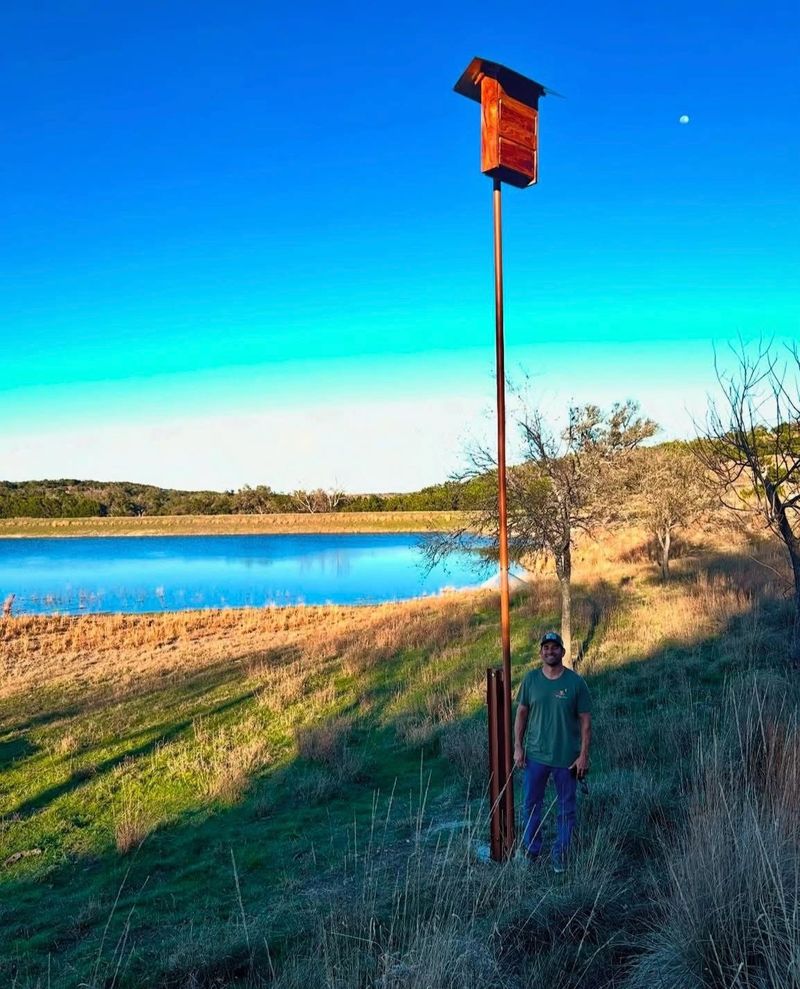
Putting all of this together comes down to three compatible habits. First, install a properly sited bat house with at least 12 feet of clearance below it, in a lighter color suited to Texas heat, ideally near a woodland edge or water, and consider pairing it with a second house nearby to give bats temperature options.
Bat Conservation International’s bat house guidance is the most reliable starting point for getting the design and placement right.
Second, improve the surrounding habitat with layered native plants that support insect diversity, maintain any water features so they do not become mosquito nurseries, and avoid broad pesticide applications that strip away the insect prey bats need. Third, make weekly source reduction a non-negotiable habit from spring through fall, and keep using EPA-registered repellents, screens, and protective clothing as your primary personal defenses against bites and disease.
Homeowners who follow this approach may create genuinely better conditions for Central Texas bats and possibly add some nighttime insect predation to their yard’s ecology. What they should not expect is a guaranteed end to mosquitoes, bites, or disease risk.
Measure success by the quality of the habitat you have built and the consistency of your protective habits, not by counting bats in the sky and assuming the math works out in your favor. A yard that supports native wildlife and keeps standing water in check is already a better place to spend a Texas summer evening.