
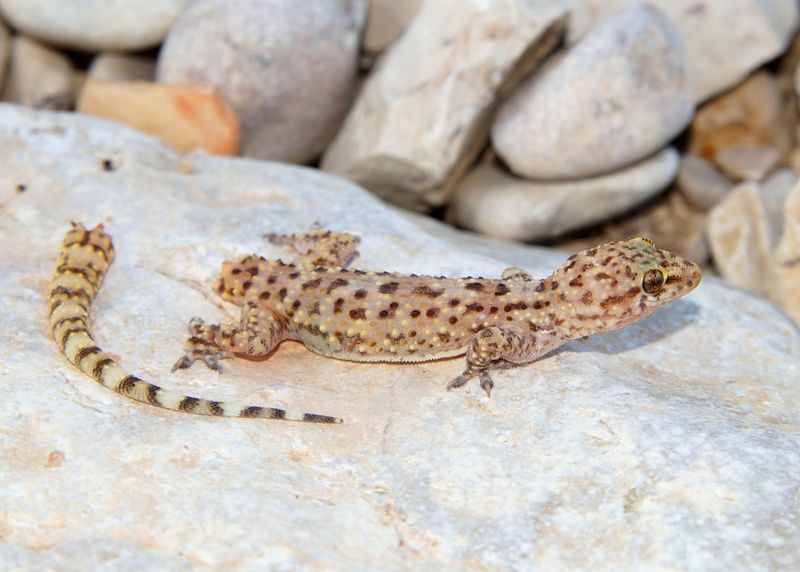
Step onto a Central Texas porch after dark and you might spot a small, wide-eyed lizard frozen near the light, watching for its next meal. That little creature is almost certainly a Mediterranean house gecko, and plenty of homeowners assume its presence means the roaches around the door are getting eaten down to nothing.
The truth is more interesting and more complicated than that simple trade. Understanding what this porch visitor actually does, and what it cannot do, helps you make smarter choices about the insects sharing your outdoor space.
Identify the Central Texas Porch Gecko Before Judging Its Role
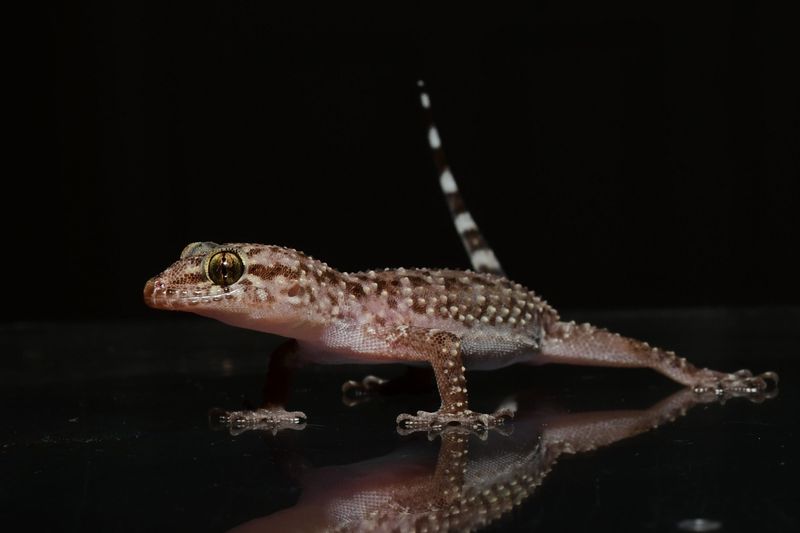
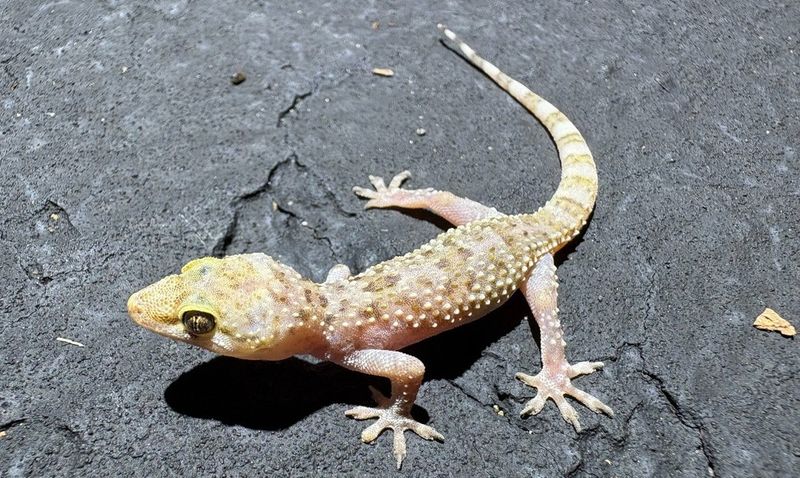
Around Central Texas porches, carports, and exterior walls, the small nocturnal lizard most homeowners encounter is very likely the Mediterranean house gecko, Hemidactylus turcicus. County records compiled by herpetologists across Central Texas confirm the species is well established here, spreading steadily through urban and suburban areas where buildings, outdoor lighting, and warm concrete provide exactly the habitat it prefers.
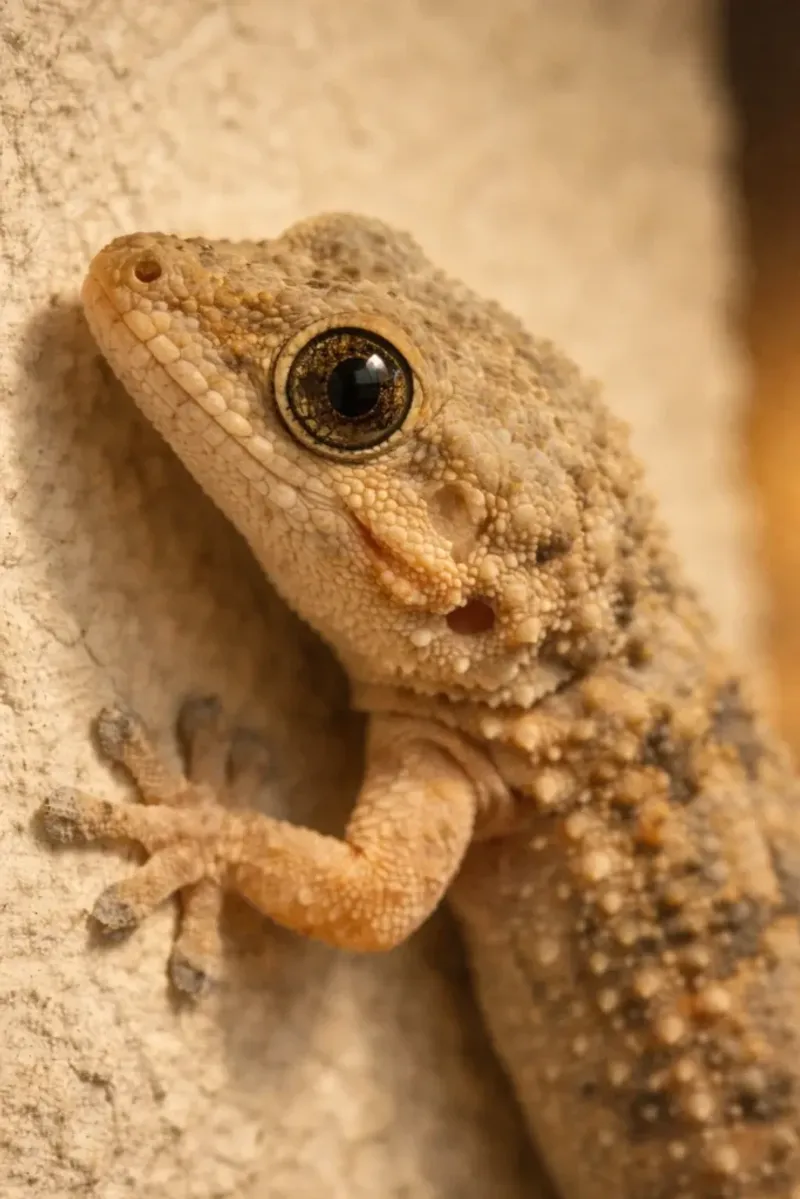
Physically, the Mediterranean house gecko runs about four to five inches from snout to tail tip. Its skin is distinctly bumpy or warty rather than smooth, and its coloring ranges from pale tan to pinkish-gray, sometimes with darker mottled patches.
Those large, lidless eyes are built for low-light hunting, and the toe pads allow it to grip glass, brick, and wood with ease.
One important caution: a quick sighting from a few feet away may not give you enough detail to confirm the species with certainty. The Texas Invasive Species Institute notes that several introduced house gecko species share similar builds and behaviors, so a brief porch glimpse should be treated as a probable identification rather than a guaranteed one.
For the purposes of this article, the Central Texas porch gecko is treated as H. turcicus, the species most commonly documented in the region.
Knowing what you are actually looking at matters because this article is about a specific introduced animal and its realistic household role. Mediterranean house geckos are not native Texas wildlife.
They arrived and spread through human commerce and construction, and their presence near your door reflects an opportunistic species that has found a reliable food source, not a sign that your local ecosystem has restored itself to some natural balance.
Porch Lights Create a Hunting Station After Dark
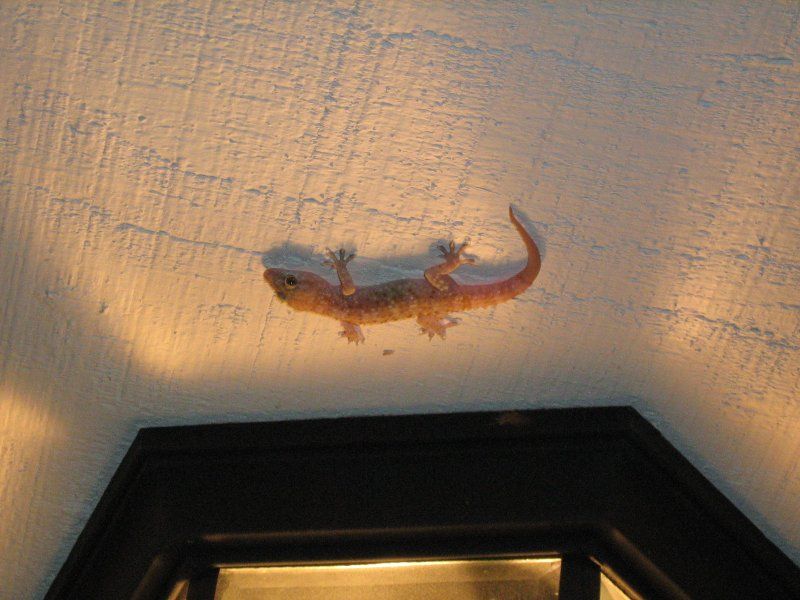
Outdoor lighting does something predictable every warm evening: it pulls flying insects in from the surrounding darkness. Moths, small beetles, flies, and yes, cockroaches that wander near the foundation all become concentrated in a relatively small, well-lit zone.
For a gecko that needs to eat but cannot chase prey across a wide yard, a porch light is essentially a dinner table that sets itself.
UF/IFAS Extension guidance on managing house geckos describes exactly this behavior: Mediterranean house geckos station themselves near exterior lights and wait for insects to arrive, rather than actively patrolling large areas. The strategy is energy-efficient and effective for the gecko, which is why you consistently find them pressed against the wall just beside or above a lit fixture rather than roaming the yard.
Here is where the association between geckos and roach reduction gets complicated. If you see several geckos clustered near a porch light on a given night, that grouping may say more about the number of insects drawn to the light than about the geckos successfully reducing the roach population.
A well-lit porch can attract both prey and predators simultaneously, so gecko visibility can actually be a signal of high insect activity rather than evidence that insects are being eliminated.
Extending your porch lighting hours or switching to brighter bulbs to attract more geckos is not a strategy supported by the available evidence. The light concentrates insects at your door, and the gecko takes some of them, but the net effect on your home’s roach pressure has not been established by any controlled study.
Appreciating the gecko’s light-side hunting is worthwhile; treating the light itself as a roach-control tool is a step beyond what the evidence supports.
A House Gecko Can Eat a Roach Without Controlling the Population
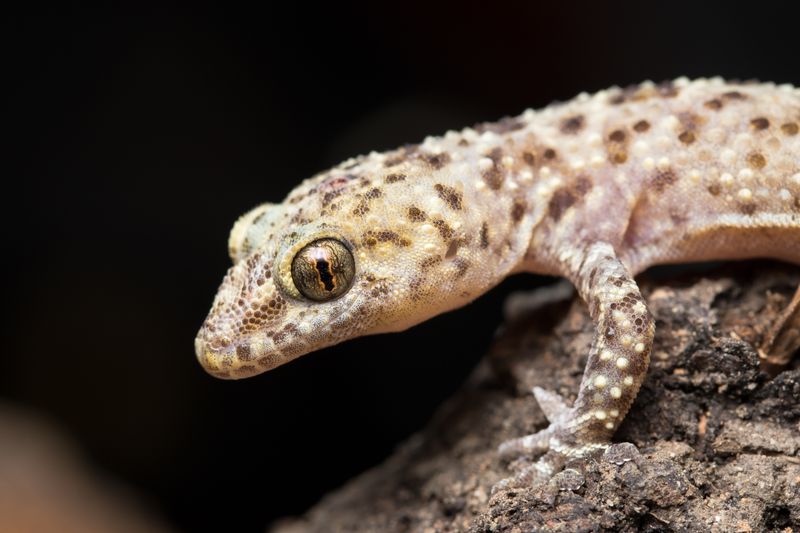
Diet descriptions for Mediterranean house geckos paint a picture of a broad and opportunistic hunter. UF/IFAS Extension notes that these geckos eat a wide range of insects and other invertebrates, including moths, flies, crickets, spiders, beetles, ants, and cockroaches.
The menu is diverse, which means a gecko near your door might grab a roach one night and a moth or spider the next, depending entirely on what shows up first.
There is a published feeding observation that often gets cited as proof that house geckos handle roach problems. That report documents a Common House Gecko, Hemidactylus frenatus, consuming a large American cockroach.
The observation is real and meaningful: it confirms that a gecko in the Hemidactylus genus can physically subdue and swallow a cockroach considerably larger than its typical prey. That is genuinely interesting natural history.
The species involved matters, though. Hemidactylus frenatusH. turcicus is the Common House Gecko, a different species from the Mediterranean house gecko, , that most Central Texas homeowners are watching.
The observation provides evidence of possible predation by a related house gecko, not direct feeding documentation for H. turcicus specifically. Treating it as proof that your porch gecko is quietly working through the roach population requires a leap the data does not support.
Even if future research confirms that H. turcicus eats roaches with similar frequency, occasional predation on individual insects is not the same as population-level suppression. A gecko might remove a handful of exposed roaches near a porch light over the course of a warm season.
Dozens or hundreds of roaches harboring in mulch, wall voids, or nearby storm drains remain completely out of reach. The evidence, read carefully, supports treating the porch gecko as an occasional predator of exposed insects, not as a reliable roach-reduction program.
Match the Gecko’s Reach to the Type of Roach
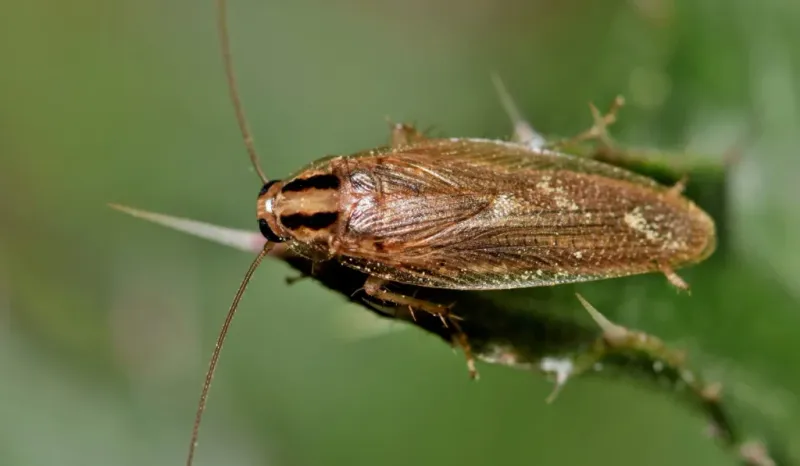
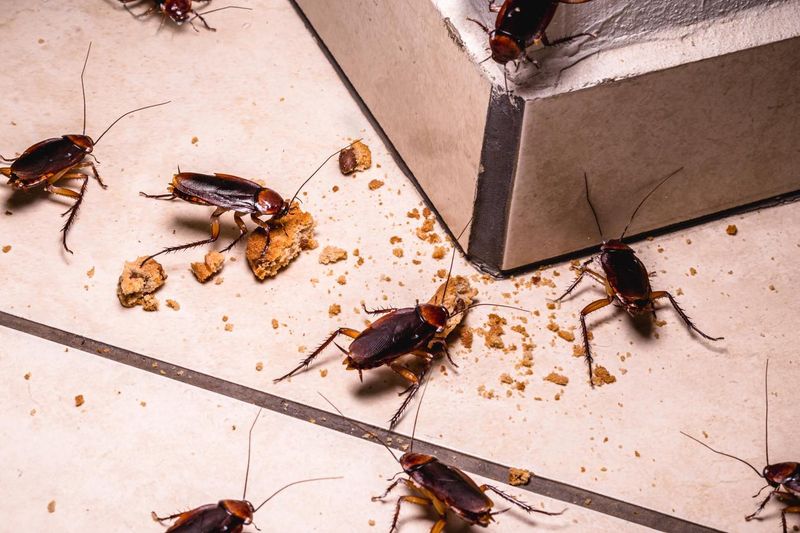
Not all cockroaches in Central Texas behave the same way, and that difference matters a great deal when evaluating what a porch gecko can realistically intercept. The large roaches that homeowners find near exterior doors, in garages, or occasionally wandering across the kitchen floor at night are typically American cockroaches, smokybrown cockroaches, wood cockroaches, or related outdoor species.
UF/IFAS cockroach management guidance explains that these species generally live outdoors, in leaf litter, mulch, tree holes, storm drains, and under debris, and they enter structures opportunistically through gaps around doors, utility penetrations, and foundation cracks.
A porch gecko stationed near a light and door threshold is positioned exactly where one of these outdoor wanderers might pass. An American cockroach moving along a foundation wall toward a door gap could plausibly cross a gecko’s hunting zone.
That scenario is where the gecko’s role is most plausible and where the diet descriptions are most relevant to actual household experience.
German cockroaches are an entirely different situation. Assessment-based pest management guidance for German cockroaches makes clear that this species lives almost exclusively indoors, occupying cracks and crevices near food, water, and warmth, typically in kitchens and bathrooms.
German cockroaches do not generally wander in from outside. They reproduce quickly inside structures, and an established infestation requires building-focused management, not a predator stationed on the exterior wall.
A gecko on the porch simply cannot reach an infestation living behind a refrigerator motor or inside a cabinet hinge. Matching your expectations to the gecko’s actual physical range means recognizing that it might occasionally intercept an outdoor wanderer near the door while doing nothing at all about indoor species.
That is a useful distinction to carry into any pest-management decision you make for your home.
Leave Existing Outdoor Geckos Alone—But Do Not Manufacture a Population
For most Central Texas homeowners, the right response to a gecko on the porch is simply to leave it there. UF/IFAS Extension describes house geckos as potentially beneficial insect predators and notes that no pesticide is currently registered specifically for managing geckos inside structures, which means removal efforts are both difficult and generally unnecessary for an outdoor animal.
If a gecko ends up inside your home by accident, gently guiding it back outside is perfectly reasonable and far simpler than any chemical approach.
Tolerating an existing outdoor gecko is different from deliberately trying to build a larger population. Buying geckos from a pet store or online seller and releasing them near your porch is not a pest-control strategy supported by any extension or wildlife agency guidance.
Beyond the lack of evidence that it would work, adding animals to a local population of an already introduced species raises concerns that go beyond household pest management.
Practical low-intervention steps for homeowners who want to keep their existing porch geckos comfortable are straightforward: avoid spraying pesticides directly on surfaces where geckos rest, do not disturb sheltering spots under loose siding or bark mulch near the wall, and let the animals move through their normal nighttime routine undisturbed. Adding food stations, water features aimed at geckos, or brighter lighting specifically to attract more of them falls outside what the evidence recommends and may simply draw more insects to your door rather than reducing them.
The best posture is quiet observation, not active recruitment.
Use Integrated Pest Management for the Roaches You Actually Have
Sealing the routes roaches use to enter your home is the single highest-impact step most Central Texas homeowners can take. Door sweeps, threshold seals, and caulk around utility penetrations, pipe chases, and foundation cracks eliminate the gaps that outdoor species like American and smokybrown cockroaches use to wander inside.
UF/IFAS cockroach management guidance reports that a complete integrated outdoor program can achieve substantial reductions in roach pressure, but that result comes from the full program working together, not from any single element.
Moisture and harborage reduction around the foundation matter just as much as sealing entry points. Correcting leaky hose bibs, downspout splash zones, and irrigation overspray near the house removes the water sources that draw outdoor cockroaches close to the structure.
Pulling thick mulch back at least six inches from the foundation eliminates the warm, sheltered layer where smokybrown and American cockroaches prefer to harbor during the day before becoming active at night.
For German cockroaches already established indoors, the management approach is completely different and more intensive. Assessment-based IPM for German cockroaches starts with thorough inspection and sticky-trap monitoring to locate harborage sites, followed by removing food debris, fixing moisture sources, reducing clutter, and applying targeted gel baits or insect growth regulators directly into cracks and crevices where the insects live.
HEPA vacuuming can remove live insects and egg cases from accessible areas before baiting begins.
When chemical treatments are part of the plan, EPA pest control guidance requires reading and following the product label completely, keeping children and pets away from treated surfaces until dry, and never using outdoor-labeled products inside the home. Targeted, label-compliant bait applications generally outperform broadcast sprays for cockroach control while minimizing exposure to nontarget animals, including any gecko that happens to be hunting nearby.
Treat an Introduced Gecko With Ecological Caution
Mediterranean house geckos are not native to Texas. They arrived through the pet trade and accidental transport, and they have spread steadily through the southern United States by exploiting the buildings, lights, and warmth that human settlement provides.
The Texas Invasive Species Institute lists the Mediterranean house gecko among nonnative reptiles of concern, noting that their ecological effects on native wildlife remain uncertain and their spread has not been contained.
Calling these geckos harmless requires some precision about what that word covers. They are nonaggressive toward people, not venomous, and present no direct health threat from a brief encounter.
That description applies to human interaction only. The University of Georgia’s Savannah River Ecology Laboratory states plainly that the impacts of introduced geckos on native wildlife are unknown, which means ecological harmlessness has not been established and should not be assumed.
The practical implication is straightforward: tolerating an existing porch gecko that has already established itself in your yard is a reasonable, low-intervention choice. Deliberately increasing the local population by purchasing and releasing additional animals, or by setting up feeding stations and shelter structures to attract more, is a different matter entirely.
Releasing more individuals of an introduced species with uncertain ecological effects is not a responsible pest-management strategy, regardless of how appealing the idea sounds on a warm evening with roaches near the door.
Gecko presence on your porch does not indicate a healthier or better-managed yard. A gecko-heavy porch may simply be a porch with abundant insects near a bright light.
The animal is interesting, its hunting behavior is worth watching, and leaving it alone outdoors is fine, but its presence is not a yard health metric or a substitute for the exclusion and sanitation work that actually moves the needle on roach pressure.
The Porch Gecko Is a Bonus, Not the Roach Plan
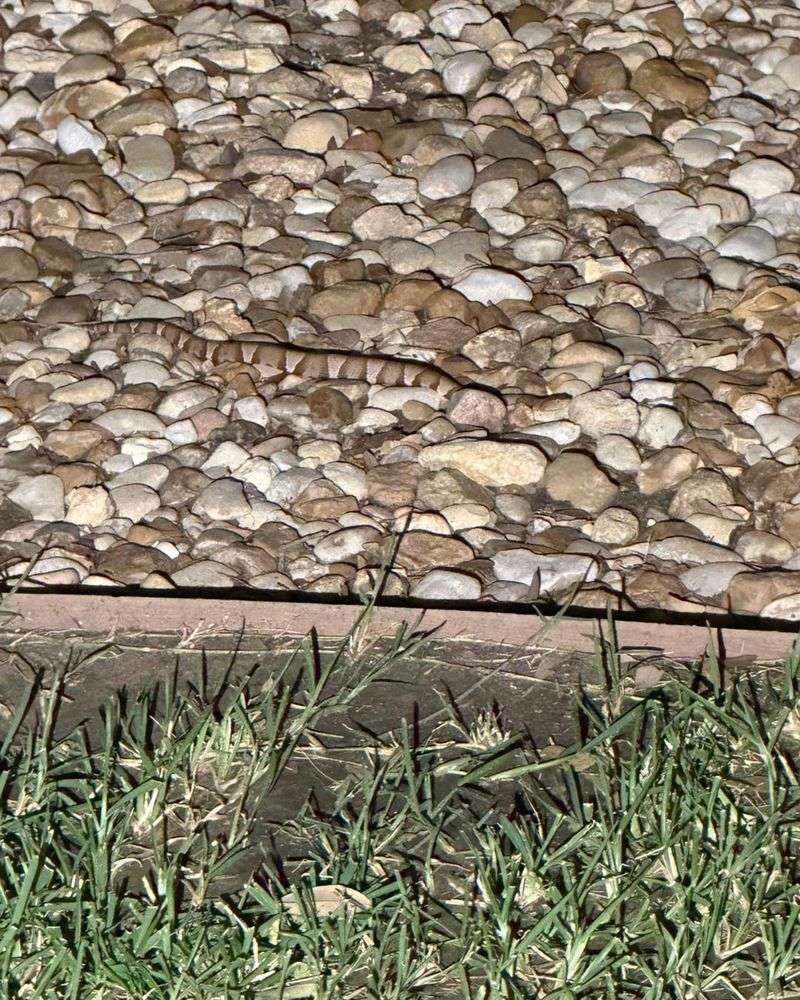
A gecko under a porch light is a genuine pleasure to watch, and it may well snap up an exposed insect or two over the course of a warm night. That is a real, if modest, benefit.
What it is not is a measurable, dependable reduction in your home’s cockroach pressure. Extension guidance on house geckos treats them as potentially beneficial insect predators worth tolerating, not as a pest-control method worth engineering.
The order of operations for a roach-aware Central Texas homeowner stays the same whether a gecko is present or not. Identify the roach type first: outdoor wanderers call for exclusion and harborage reduction, while an indoor German cockroach population requires targeted inspection, baiting, and moisture control inside the structure.
When a chemical treatment is warranted, EPA guidance calls for label-compliant, targeted application that protects nontarget animals, including the gecko on your wall.
Leave the outdoor gecko alone, seal the gaps, pull the mulch back from the foundation, and address any roach issue with the tools that have actually been shown to work. The gecko gets to keep hunting.
You get a more defensible home. Those two outcomes coexist just fine without the lizard needing to be anything more than what it already is: a small, sharp-eyed opportunist making the most of your porch light.