
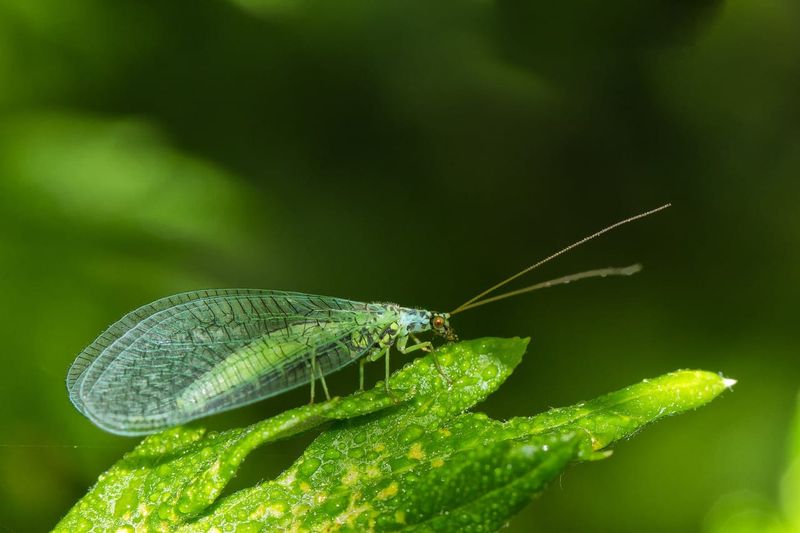
Aphids can show up fast on fall vegetable crops in Central Texas, and green lacewings are one of the beneficial insects that may help keep their numbers in check. The relationship is not quite as simple as “plant flowers, get lacewings, lose aphids” – but understanding how lacewings actually work gives gardeners a smarter plan than spraying alone. Supporting these insects is one piece of a larger strategy that combines habitat, scouting, and proportionate action when plants need help.
Reframe the promise for Central Texas fall gardens
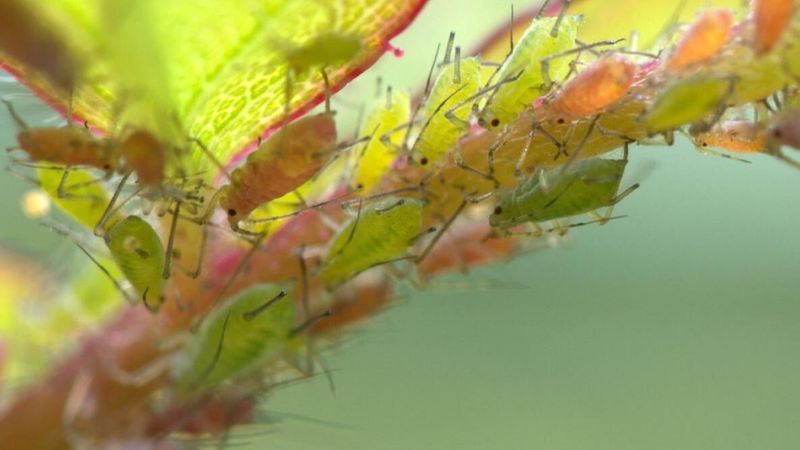
Aphids have a knack for finding fall vegetables at exactly the wrong moment. Broccoli, kale, collards, and peppers planted for Central Texas’s second growing season can attract heavy aphid pressure just as plants are getting established, and the Texas A&M AgriLife fall vegetable gardening guide lists aphids among the common insect problems gardeners need to scout for. A few aphids on a healthy, established plant may not call for immediate action, but left unchecked, populations can balloon quickly and create real trouble.
Aphids feed by piercing plant tissue and drawing out sap, which weakens growth and can cause leaves to curl or yellow. As they feed, they excrete a sticky substance called honeydew that encourages sooty mold to form on leaf surfaces, reducing the plant’s ability to photosynthesize. Some aphid species also transmit plant viruses, meaning a modest infestation can carry consequences beyond the visible feeding damage.
Green lacewings are often mentioned as a natural solution to aphid pressure, and there is real logic behind that recommendation. The catch is that “more lacewings” does not automatically translate to “fewer aphids,” particularly when it comes to the winged adults most gardeners recognize. University of Minnesota Extension notes that lacewing populations fluctuate naturally and that aphids can reproduce faster than predators respond. Supporting lacewings is worth doing, but it works best as part of a broader plan that includes regular scouting and a willingness to intervene when plants are genuinely stressed.
The useful question is not “how do I get more lacewings?” but rather “how do I improve conditions for lacewings while staying alert enough to act when they need backup?” That reframe shapes everything that follows in this article.
Learn which lacewing stage actually eats aphids
Most gardeners recognize the adult green lacewing on sight: a delicate, pale green insect roughly half an inch long, with large net-veined wings that fold tent-like over its body and distinctive golden or coppery eyes. They look like something out of a fairy tale, and spotting one near your vegetable bed feels like a good sign. Knowing what that sighting actually tells you, though, requires understanding the full life cycle.
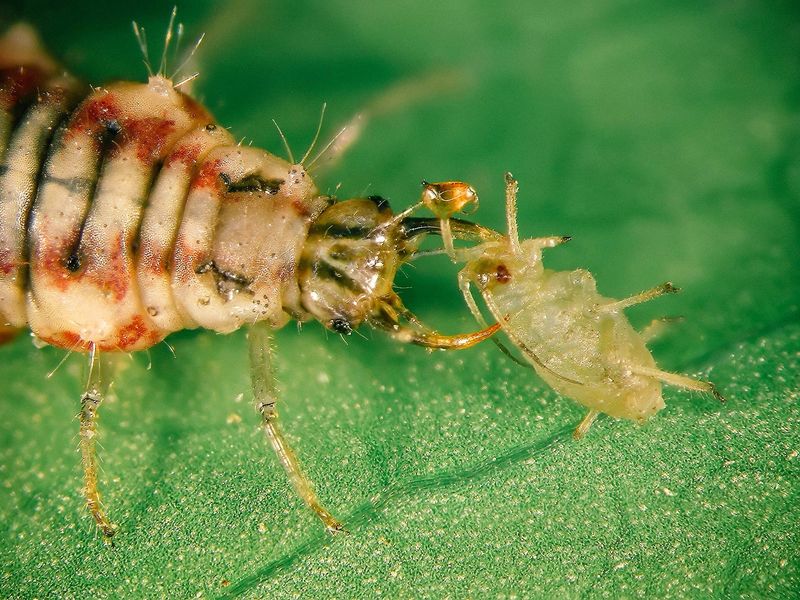
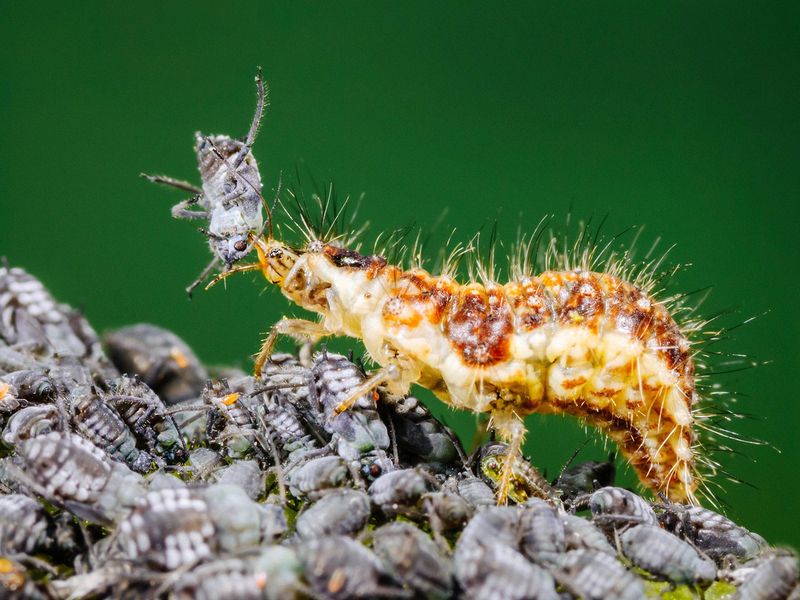
Lacewing eggs are even easier to overlook. The female lays each egg at the tip of a slender silken stalk, often on the underside of a leaf near a prey source. These stalked eggs are a clever adaptation – spacing them out reduces the chance that a newly hatched larva will immediately eat its siblings. According to University of Minnesota Extension, the larval stage that hatches from those eggs is the one doing the heavy predatory work: a small, alligator-shaped insect with prominent sickle-shaped jaws built for grabbing soft-bodied prey.
Larvae actively hunt aphids, thrips, small caterpillars, insect eggs, and other soft-bodied pests they encounter. Under favorable conditions, a single larva can potentially consume around 200 aphids per week, according to University of Minnesota Extension, though that figure reflects a potential feeding rate under particular conditions rather than a guaranteed outcome in any specific garden. The two-to-three-week larval period is when lacewings contribute most directly to aphid suppression.
Adults tell a different story. UC IPM’s green lacewing profile explains that many common adult species feed primarily on nectar, pollen, and aphid honeydew rather than on aphids themselves, though adult diets vary by species. Seeing adults near your garden shows that lacewings are present and potentially reproducing, but it does not confirm that predatory larvae are active in meaningful numbers. Larvae are smaller, harder to spot, and far more consequential to your aphid count.
Build diverse flowering habitat for resident lacewings
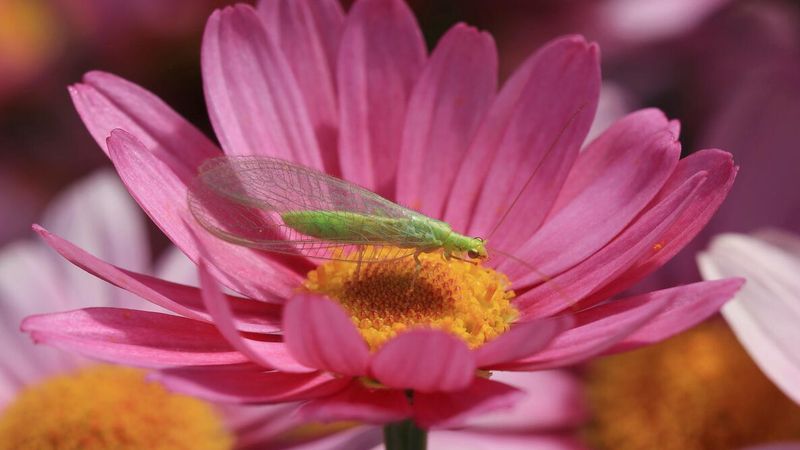
Adult lacewings need reliable food sources between egg-laying cycles, and gardens that offer nectar and pollen across multiple bloom periods give them more reason to stay and reproduce nearby. The goal is not to attract lacewings with one magic plant but to create overlapping floral resources that sustain beneficial insects through the growing season. UC IPM recommends a variety of flowering plants with overlapping bloom periods as a way to support adult lacewing feeding and habitat.
In Central Texas, plant selection matters more than in many other regions because conditions vary significantly across the Hill Country, Blackland Prairie, Edwards Plateau, and surrounding areas. A plant that thrives in the rocky alkaline soils west of Austin may struggle in the heavier clay of the Blackland Prairie, and water availability shifts the picture further. The Native Plant Society of Texas recommends filtering plant choices by local ecoregion and site conditions rather than following a single statewide list.
Texas-native plants are a sound starting point for habitat plantings because they are adapted to local soils, rainfall patterns, and heat. Regional examples worth considering include Texas lantana, Gregg’s mistflower, Indian blanket, and kidneywood, which appear on Texas A&M’s Central Texas bee-friendly plant resources as regionally relevant options for supporting beneficial insects. These plants can provide floral resources that adults may use, but no single species has been established as a proven lacewing magnet, and including them does not guarantee lacewing colonization.
Utah State University Extension notes that habitat management can improve conditions for beneficial insects in some settings, but results vary and should not be assumed to translate directly into backyard aphid control. Planting diverse flowering habitat is a genuine improvement to your garden ecosystem. Think of it as making your yard a more hospitable place for lacewings to find food, reproduce, and lay eggs near your vegetables, not as a transaction that delivers a set aphid-reduction outcome.
Retain selected shelter without abandoning garden sanitation
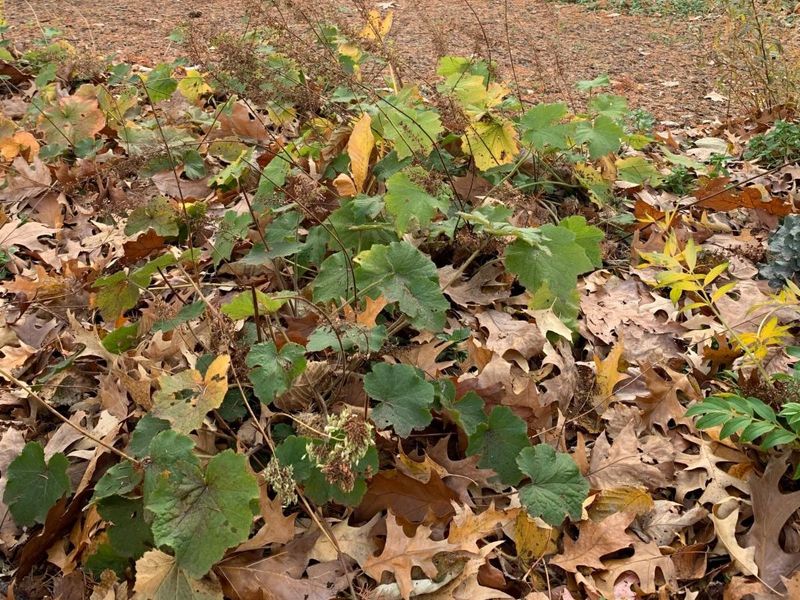
Lacewings do not disappear when the growing season winds down. Depending on species and conditions, they may overwinter as adults tucked into plant debris or as pupae sheltered in leaf litter and dense stems. Leaving some of that material in place gives resident populations a better chance of surviving between seasons and returning when aphid pressure picks back up. University of Minnesota Extension identifies overwintering habitat as one of the practical ways gardeners can support lacewing life cycles.
The practical approach is to designate a spot, such as a garden border, a hedgerow edge, or a corner away from actively managed beds, where non-diseased leaves and stems can accumulate through fall and winter. That does not mean leaving diseased plant material in place or ignoring sanitation around your vegetable crops. Diseased debris should still be removed and disposed of properly to reduce pathogen carryover into the next season.
A reasonable balance looks like this: keep your vegetable beds reasonably tidy, remove obviously diseased material, and allow some undisturbed leaf litter or stems to remain in low-traffic areas nearby. This kind of partial shelter supports the lacewing life cycle without creating conditions that invite plant disease or other pest problems. Think of it as maintaining a small reserve rather than transforming your entire yard into a wildlife refuge. Shelter helps lacewings persist between outbreaks, but it does not promise they will be present in the numbers needed to suppress every aphid flush that arrives on your fall crops.
Scout aphids and predators before choosing a response
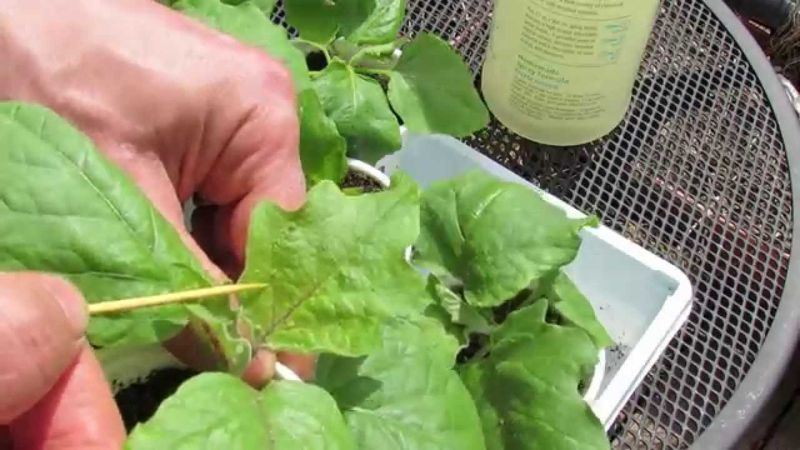
Regular scouting is the skill that separates reactive gardeners from effective ones. Before reaching for any treatment, spend a few minutes each week checking the parts of your plants where aphids and their predators are most likely to appear. Texas A&M AgriLife Extension emphasizes correct identification before applying any insecticide, and that principle starts with knowing what you are looking at during your weekly walk-through.
Focus on the undersides of leaves and the tender new growth at stem tips, where aphids congregate and where lacewing eggs and larvae are most likely to appear. Look for clusters of small, soft-bodied insects (aphids come in green, black, gray, and other colors depending on species), the stalked eggs of lacewings, the small alligator-shaped larvae with curved jaws, ants moving up and down plant stems, and the sticky sheen of honeydew. Sooty mold, a gray-black coating that grows on honeydew deposits, signals that aphid feeding has been sustained long enough to produce significant excretion.
A plant-safe stream of water from a hose can dislodge light aphid infestations on established plants without harming predators already present. University of Minnesota Extension recommends water sprays as a low-impact first response for manageable aphid populations, and established plants often tolerate modest feeding without lasting damage.
Knowing when to escalate matters just as much as knowing when to wait. Stressed seedlings, leaves that are curling or severely yellowing, rapidly climbing aphid counts across multiple plants, visible sooty mold spreading, or any sign that aphids may be transmitting disease to susceptible crops are all signals that a more active response is warranted. Texas A&M’s fall vegetable guide notes that aphids can contribute to disease spread, which means tolerating a population on a plant already under stress carries more risk than on a healthy, established one. Predators may be present and working, but aphids can reproduce faster than natural enemies respond, so scouting keeps you from waiting too long.
Manage ants and pesticides without harming natural enemies
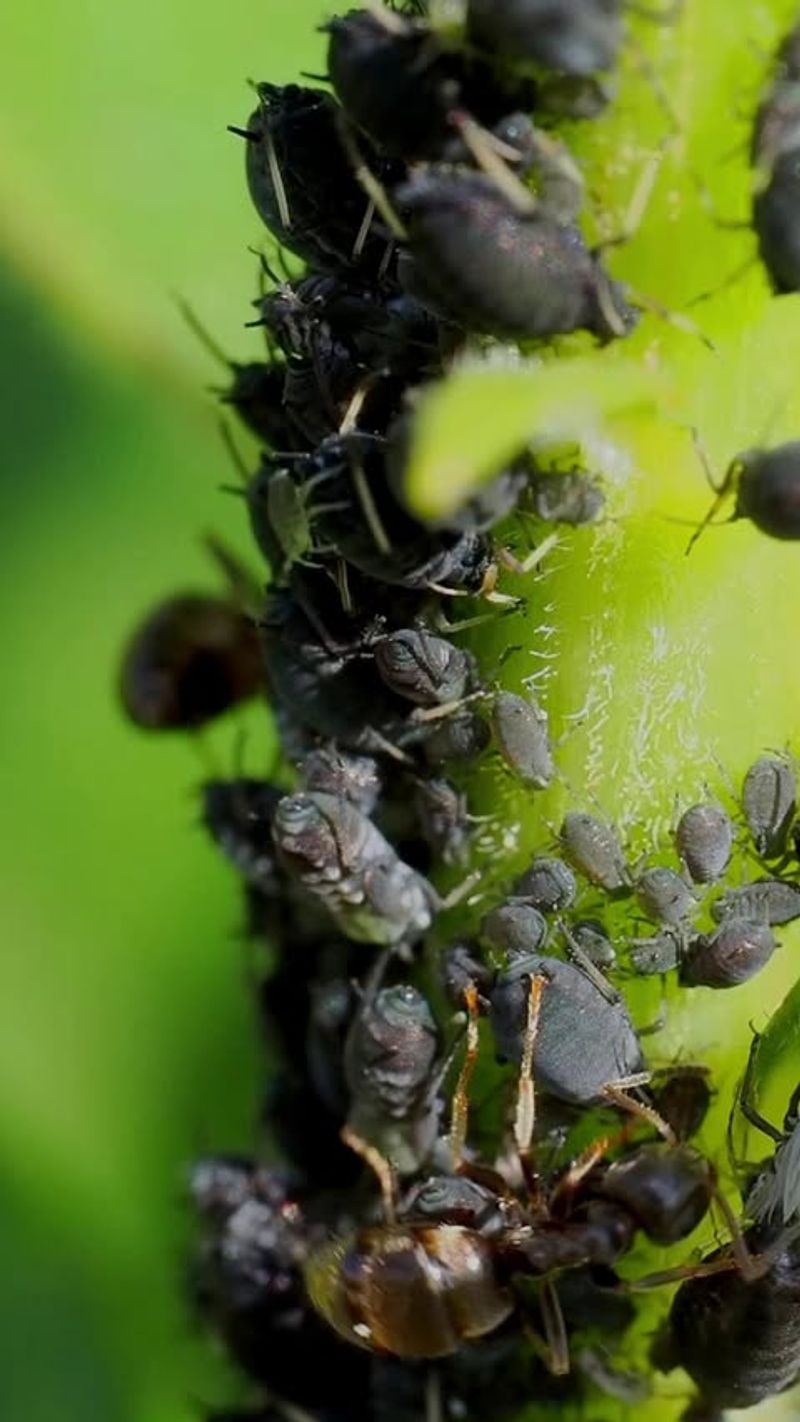
Ants are often an overlooked reason why aphid populations persist even when lacewings and other predators are present. Many ant species actively tend aphids, harvesting the honeydew they excrete and, in exchange, chasing away or killing predators that approach the colony. UC IPM’s aphid management guidance identifies ant activity as a factor that can undermine biological control and recommends reducing ant access to aphid colonies as part of an integrated approach.
Targeted ant management works better than blanket sprays. Carefully placed ground baits near ant trails can reduce the population protecting aphids without broadcasting pesticide across your garden or onto flowering plants where beneficial insects are feeding. Wrapping plant stems with a sticky barrier or using a physical exclusion method can also interrupt ant access on individual plants. Avoid indiscriminate dusting or spraying around the vegetable bed, which can harm the lacewing larvae and other predators you are trying to conserve.
Pesticide choices deserve the same careful approach. Broad-spectrum or persistent insecticides can kill lacewings and other natural enemies, and residues may remain active long after application. Products that are sometimes described as lower-risk, including neem, pyrethrins, insecticidal soaps, and horticultural oils, can still harm exposed beneficial insects under some conditions. UC IPM’s insecticide selectivity guidance makes clear that safety to natural enemies depends on the active ingredient, formulation, rate, timing, crop, and exposure, not on a product’s general reputation.
When treatment is necessary, choose the least disruptive legal option for your specific crop, apply it only to the affected plant or area, avoid blooms where adult lacewings and other beneficial insects are feeding, and follow the current product label. University of Minnesota Extension also cautions that even products considered relatively low-impact should be timed and targeted carefully to protect the natural enemies already working in your garden.
Consider purchased lacewings only with realistic expectations
After putting habitat, scouting, and pest management practices in place, some gardeners consider purchasing lacewings to supplement whatever resident population is already present. That can be a reasonable step in certain situations, but the details of what you buy and how you release them matter considerably. University of Kentucky Entomology notes that lacewing larvae are wingless and tend to remain near the release area, making them the more relevant option when immediate aphid predation is the goal.
Eggs are a different story. They do not eat aphids; they have to hatch first, and then the larvae must survive long enough to begin feeding. Purchased eggs may provide delayed suppression if conditions cooperate, but they are not a substitute for larvae when you need predation to begin promptly. Adults, meanwhile, can fly and may disperse away from your garden shortly after release, reducing the practical value of releasing them for aphid control.
Oklahoma State University Extension explains that commercial biological control releases work best when conditions support the released insects, including adequate prey density, suitable weather, low pesticide residues, and minimal ant interference. Release outcomes vary based on species, timing, release rate, crop type, and local conditions, and results in home gardens are less predictable than in managed greenhouse or field settings.
Research has shown that suppression is possible under specific circumstances. A field study published in the Egyptian Journal of Biological Pest Control reported successful aphid and whitefly suppression after repeated releases of Chrysoperla carnea larvae in sweet pepper and squash, but those trials were conducted in Saudi Arabia under controlled experimental conditions. Translating that result to a Central Texas backyard garden requires caution. Released larvae can also occasionally bite people, causing minor skin irritation, so avoid unnecessary handling without treating them as a significant hazard.
Use purchased lacewings as a supplement to good habitat and scouting, not as a replacement for them.
Measure progress by aphid trends and plant health
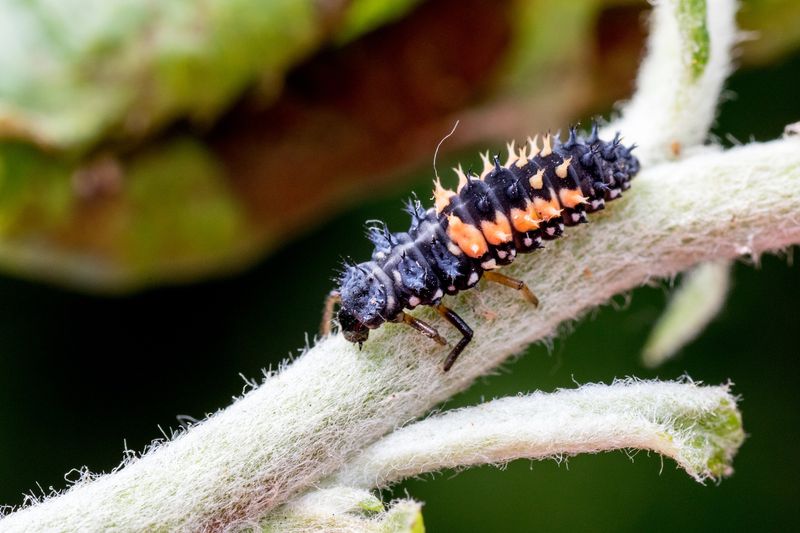
Spotting a lacewing larva on your kale is encouraging, but it is not the finish line. Real progress shows up in the numbers you collect over time: aphid counts that stay stable or decline across several weekly checks, plants that continue growing without curled leaves or stunted tips, less honeydew and sooty mold, and fewer situations where you feel pressed to treat. University of Minnesota Extension and its aphid guidance both point toward ongoing observation rather than single-event conclusions.
Weather, rainfall, plant growth stage, and other predators all influence aphid populations alongside lacewings. A sudden drop in aphids after a heavy rain may have more to do with the rain than with predation. A temporary spike in aphids does not prove the lacewings failed. Texas A&M’s fall vegetable guide reinforces the value of continued scouting and correct identification throughout the season rather than assuming any single factor is controlling the outcome.
Keep scouting on a weekly schedule regardless of what you see. Record what you find: aphid counts by plant, lacewing life stages observed, ant activity, and any treatment you applied. That log gives you a real picture of whether conditions are improving over multiple weeks, which is far more useful than any single observation. The repeatable plan is straightforward: build suitable habitat, learn to identify larvae, protect the natural enemies already present, manage ants carefully, and act proportionally when plants genuinely need help.
A garden that supports lacewings is healthier for many reasons beyond aphid control – and that broader resilience is the real payoff.