
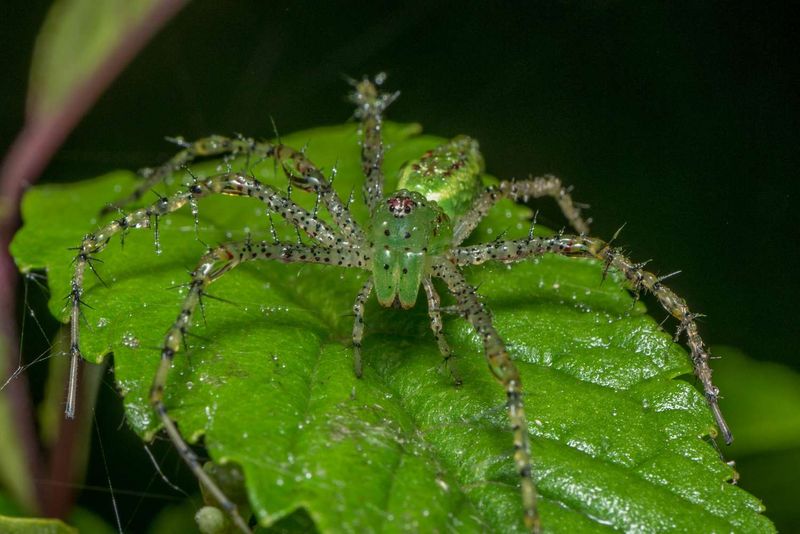
Spot a bright-green spider perched on your porch shrubs on a warm Central Texas evening and you might be watching one of the yard’s most capable insect hunters at work. The green lynx spider is a native, foliage-dwelling predator that quietly picks off moths, flies, and other insects visiting your plants.
Keeping a few around through smart planting and a lighter hand with pesticides is a genuinely worthwhile wildlife-gardening goal. Just know upfront that while these spiders are useful generalists, the evidence does not show they reliably cut cockroach numbers around your home.
What a green lynx spider contributes to a porch garden
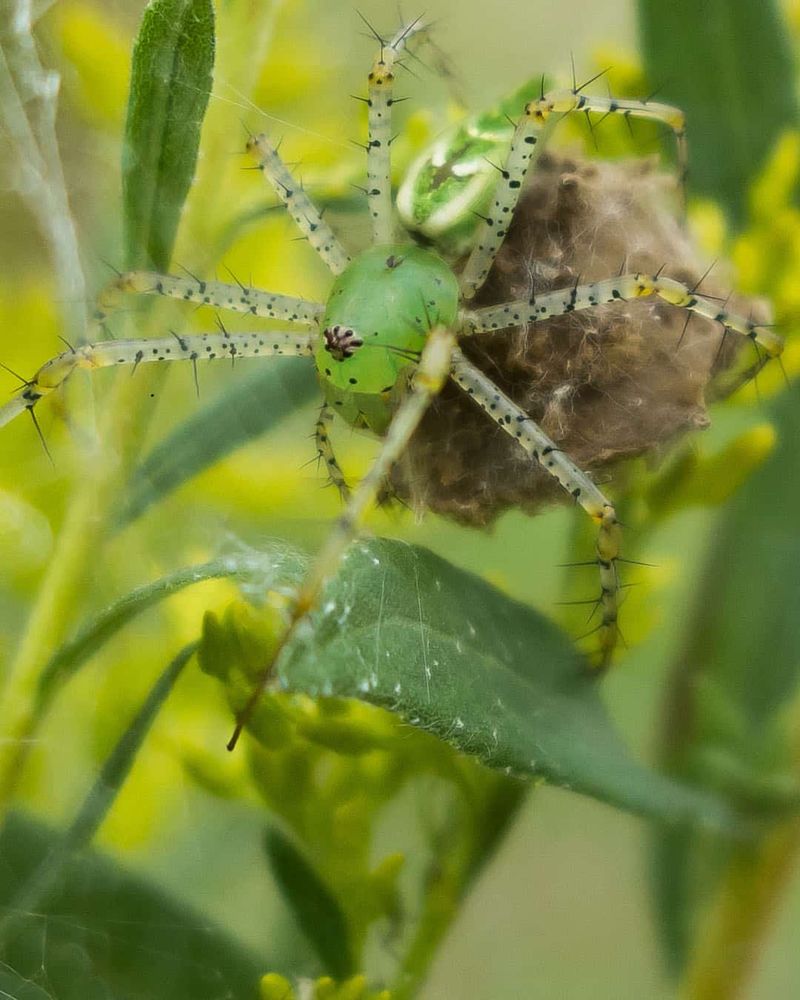
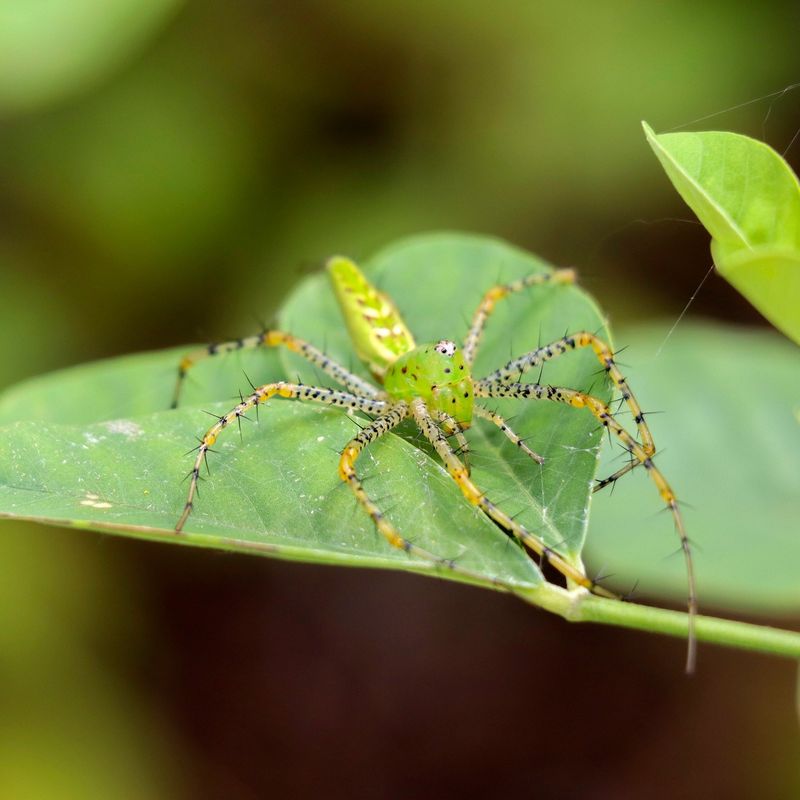
Peucetia viridans, the green lynx spider, is a native of the southern United States and turns up reliably in Texas landscapes wherever there is leafy, flowering vegetation. UF/IFAS extension guidance on the green lynx spider describes it as a conspicuous bright-green spider with long legs covered in black spines, making it one of the easier beneficial spiders to identify once you know what to look for.
Adults are large enough to spot without magnification, and females guarding egg sacs are especially visible when resting on sun-facing stems and flower heads.
Unlike orb weavers or funnel weavers, the green lynx spider does not spin a prey-catching web. It is a cursorial hunter, meaning it moves through vegetation, waits in ambush, and rushes or jumps to catch prey directly.
That hunting style keeps it active across both daylight and nighttime hours, and it tends to stay within the foliage and flowering structures of shrubs and herbaceous plants rather than wandering onto bare surfaces like concrete or walls.
Texas A&M AgriLife Extension’s beneficial arthropods page lists the green lynx among spiders considered helpful in shrub and herbaceous vegetation. Calling it beneficial means it eats insects that may include pests, not that it will control any specific pest at a predictable rate.
Think of it as a generalist predator that adds one more layer of insect activity to a planted porch, not a replacement for other pest-management steps. UF/IFAS Gardening in the Panhandle notes that these spiders generally remain in nearby vegetation rather than patrolling bare structures, which is worth keeping in mind when thinking about where they actually hunt.
The insects green lynx spiders are documented to catch
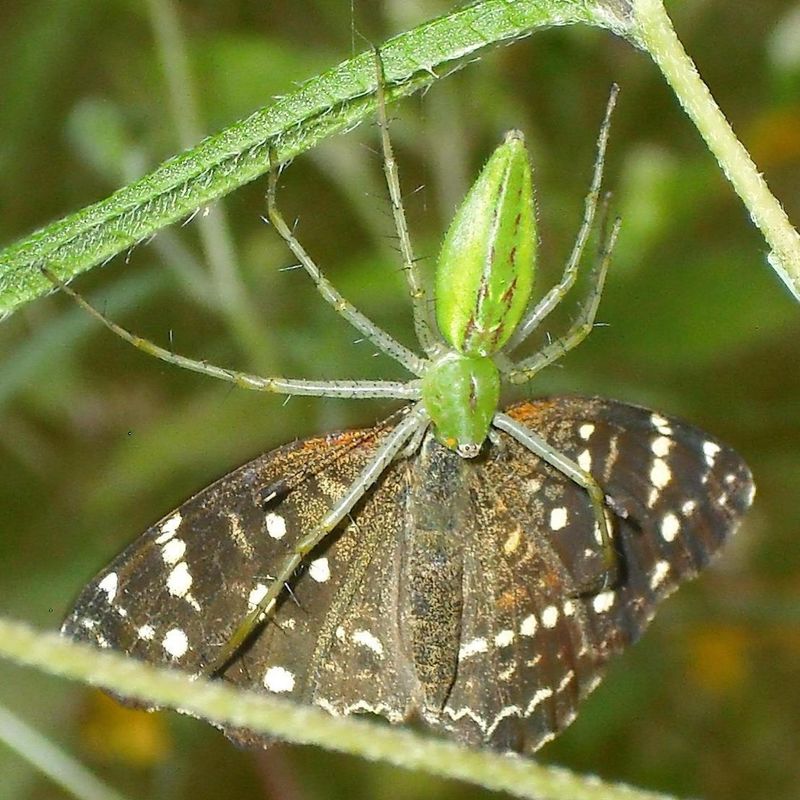
Green lynx spiders hunt by ambush and pursuit, pressing flat against a stem or flower head until an insect lands nearby, then striking fast. An East Texas field study on green lynx spider predation documented prey including moths, caterpillars, flies, true bugs, beetles, wasps, and other insects, with moths ranking among the most frequently recorded captures.
The same study found that more than half of all recorded prey items were themselves predatory arthropods, meaning the spider’s diet spans a broad range rather than focusing narrowly on one pest group.
The East Texas study also found that individual spiders averaged fewer than one prey capture per day. That low average rate matters when thinking about what a few porch spiders can realistically accomplish.
A spider hunting in your lantana or salvia is contributing to the yard’s food web, but it is not operating at a scale that would measurably reduce a pest population on its own.
Cockroaches do not appear as confirmed prey in the authoritative sources reviewed for this article. Moths are well-documented captures; cockroaches are not.
The title framing that more green lynx spiders equals fewer roaches is not something the available research supports, and readers should not expect these spiders to function as roach control. UF/IFAS describes the green lynx as an opportunistic generalist, which means it takes what it can catch in its vegetation habitat rather than targeting any particular household pest.
That is still a useful ecological role, just a more limited and less predictable one than the roach-control framing implies.
Plant structure may provide useful hunting habitat

Research published in Environmental Entomology examined how green lynx spiders distributed themselves across a host plant in western Mexico, and the findings pointed to plant height, foliage density, and the presence of flowering or inflorescence-bearing stems as the features most associated with spider presence. That distribution study on Peucetia viridans found spiders concentrated where plants offered more vertical structure and denser cover, suggesting that a fuller, taller plant provides more usable hunting real estate than a small, sparse pot.
Two important limits apply before translating that finding to a Central Texas porch. First, the study used a single shrub species in western Mexico, not a range of Texas garden plants.
Second, no controlled experiment has confirmed that adding specific plants to a Central Texas porch will reliably increase green lynx spider numbers. What the research offers is a reasonable inference: if these spiders prefer taller, leafier, flower-bearing vegetation in the field, then providing similar structure in your porch garden creates conditions that may suit them.
UF/IFAS Gardening in the Panhandle confirms that green lynx spiders generally stay in vegetation rather than bare surfaces, reinforcing the idea that a planted porch is a more suitable environment than an unplanted one. Oklahoma State Extension’s guidance on landscaping for butterflies and moths recommends maintaining blooms across the growing season and limiting disturbance to support beneficial insects broadly.
Think of a layered, flowering porch planting as good wildlife-gardening practice that may also suit a passing green lynx spider, not as a proven spider-summoning technique.
Build a resilient Texas planting without chasing a magic species
Choosing plants for a Central Texas porch starts with surviving the climate, not with attracting a specific spider. Triple-digit summer temperatures, periodic drought, and alkaline soils rule out many popular garden plants before they ever become useful habitat.
Texas A&M’s Earth-Kind Plant Selector is a practical starting point for finding heat- and region-adapted shrubs, herbaceous perennials, and flowering plants suited to your county and soil type.
When building the planting, aim for variety in height and foliage density rather than a monoculture of one species. A taller, woody shrub at the back, mid-height herbaceous perennials in the middle, and lower flowering plants at the front edge creates the kind of layered structure that field observations associate with green lynx spider presence.
The distribution research highlighted flowering stems and foliage cover as relevant features, so keeping at least some plants in bloom through as much of the warm season as possible adds value for insects generally, which in turn may support hunting spiders.
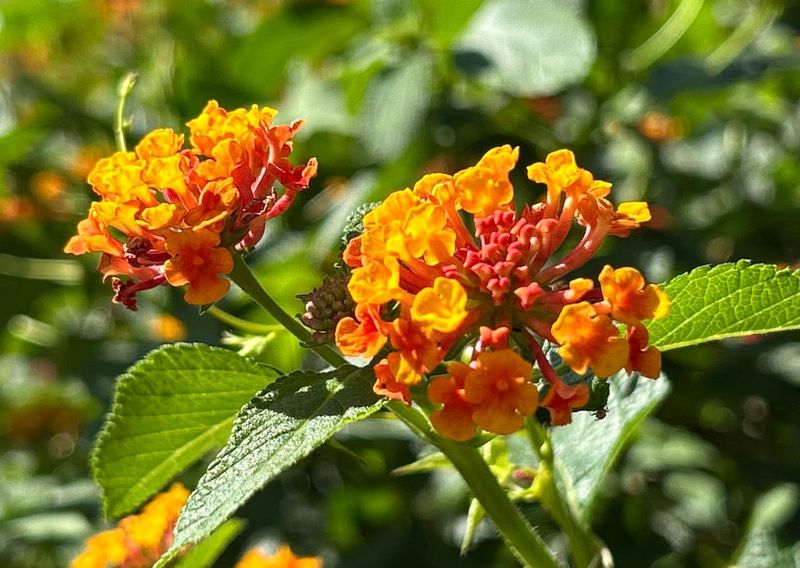
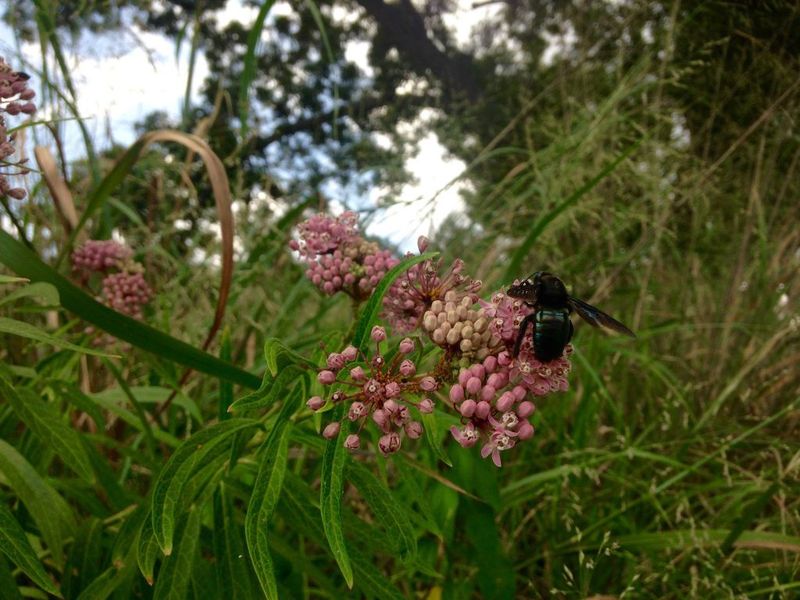
Lantana, salvia, and native milkweed are frequently mentioned in Texas wildlife-gardening circles because they tolerate heat, attract pollinators and other insects, and provide useful foliage structure. Name them here as strong general insect-habitat plants, not as proven green lynx attractants.
Extension guidance on attracting moths and butterflies recommends maintaining continuous bloom and reducing soil disturbance to support the insect visitors that predators depend on. A porch planting built for heat tolerance and seasonal bloom diversity will serve the yard’s food web whether or not a green lynx spider ever shows up.
Porch lights change insect activity, not proven spider numbers
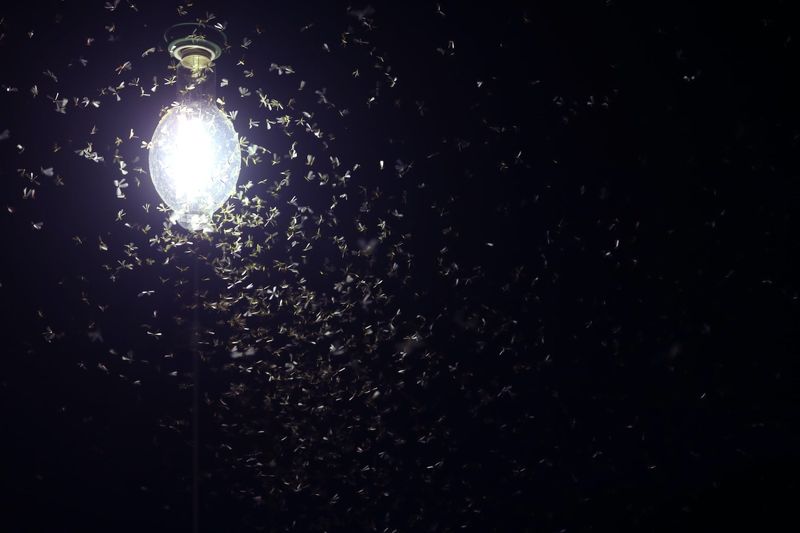
Outdoor lights reliably do one thing: they pull in moths and many other nocturnal flying insects that navigate by natural light sources. UF/IFAS guidance on moths and light attraction confirms that artificial light sources concentrate flying insects that would otherwise be dispersed across a larger area.
On a porch bordered by flowering plants, that concentration means more potential prey items within a smaller space during evening hours.
Whether that insect concentration actually draws green lynx spiders closer to a porch light is a separate and unverified question. The spiders are more likely to remain in nearby shrubs and flower heads where they already have cover and hunting position than to move toward a bare light fixture.
UC Cooperative Extension’s Bug Squad notes on porch light insects describe the variety of insects that accumulate around fixtures, but that variety does not translate into a predictable increase in spider activity at the light itself.
Porch lights also attract cockroaches, which are drawn to the warmth and activity near an occupied porch. Leaving a light on specifically to improve pest control is not a strategy the evidence supports.
UF/IFAS Gardening in the Panhandle places green lynx spiders in vegetation, not on structural surfaces, so any benefit from increased insect activity near a light remains indirect and speculative. Use your porch light as needed for comfort and safety, and let the planted vegetation nearby do the heavier lifting for wildlife habitat.
Leave observed spiders and egg sacs undisturbed
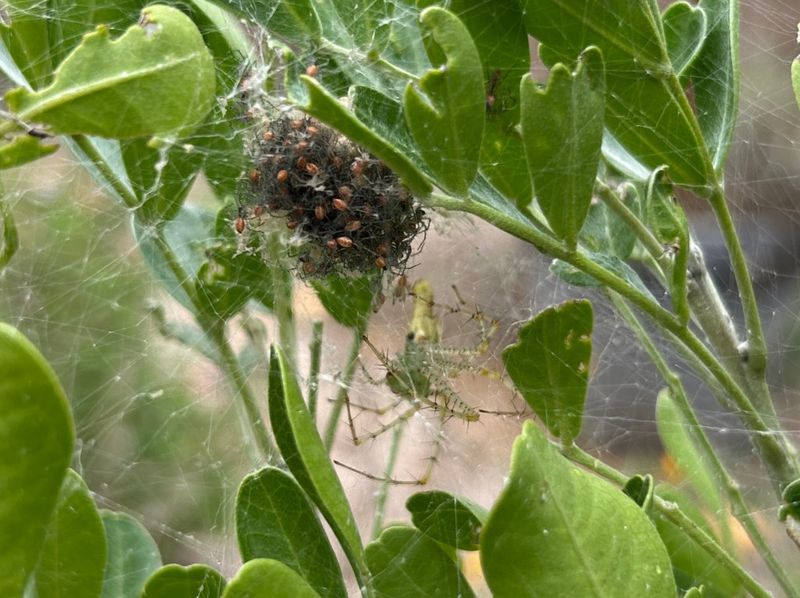
Finding a green lynx spider in your porch plants is a sign the habitat is working. The most useful thing you can do is leave it alone.
Females are especially worth protecting during the weeks they guard their egg sacs, which Texas A&M’s Cotton Insect Management Guide on beneficial arthropods describes as straw-colored and secured to plant stems, with spiderlings typically emerging about four weeks after the sac is constructed. Disturbing a guarding female can cause her to abandon the sac or respond defensively.
Human safety with green lynx spiders is straightforward. UF/IFAS reports that green lynx spiders very seldom bite people and that the bite is generally of little concern medically.
That low risk does not mean handling them is a good idea. A female guarding an egg sac is in a defensive posture and more likely to respond than a spider encountered in open vegetation.
The practical rule is simple: admire from a few inches away, avoid reaching into dense plant material without looking first, and do not cup or grab the spider.
Children and curious visitors to the porch can be told the same thing without alarm. Pointing out a green lynx spider as a garden resident rather than a threat helps build the kind of tolerance that keeps beneficial arthropods in place.
Sweeping webs, removing egg sacs, or reflexively killing any spider you spot removes the very predators that justify the wildlife-gardening approach in the first place. Let the vegetation stay a little wilder around the egg sac, and trim or deadhead nearby stems only after spiderlings have dispersed.
Protect the habitat while recognizing ecological tradeoffs
Routine broad-spectrum insecticide applications around porch vegetation do not discriminate. They remove spiders, ground beetles, parasitic wasps, and other natural enemies alongside any pest you were targeting, and they can persist on flowering surfaces long enough to harm pollinators that visit the next day.
EPA guidance on pollinator protection specifically identifies broad-spectrum insecticides applied to blooming plants as a significant risk to bees and other beneficial insects. A porch planting maintained for wildlife value loses much of that value when sprayed on a calendar schedule rather than in response to an identified problem.
Green lynx spiders add a layer of complexity here because they are opportunistic hunters. UF/IFAS notes that green lynx spiders may capture bees, wasps, butterflies, and other beneficial insects in addition to pest species.
That is not a reason to remove them, but it is a reason to avoid describing them as universally helpful to every garden organism. They are generalists, and generalists sometimes take the wrong prey from a human perspective.
When a genuine pest problem appears in the porch planting, the decision rule is: identify the actual pest before reaching for a product, choose the least-toxic effective option once you know what you are dealing with, and follow the product label completely. Targeted treatments applied at the right time and in the right location are far less likely to disrupt the broader food web than a preventive broadcast spray.
Patience and correct identification protect the habitat that makes green lynx spiders possible in the first place.
Use proven measures for actual cockroach problems

A few green lynx spiders in the shrubbery cannot substitute for the physical and sanitation measures that actually keep cockroaches out of a Central Texas home. Two very different situations often get lumped together under “roach problem,” and they require different responses.
Large outdoor species like the American cockroach and the smoky brown cockroach enter homes from outside, moving through gaps in the foundation, around utility penetrations, and under poorly fitted doors. German cockroaches, by contrast, typically live and reproduce indoors and spread through infested items brought inside rather than by wandering in from the yard.
Texas A&M Urban and Structural Entomology’s cockroach prevention guidance lays out the core exclusion steps: seal openings roughly one-eighth inch or larger, repair any plumbing leaks, reduce moisture in crawl spaces and under sinks, remove cardboard boxes and paper clutter that provide harborage, and keep firewood and debris stacked away from the house exterior. Door sweeps on exterior doors and weatherstripping on garage doors close the most common entry points for outdoor roaches moving in during hot or dry weather.
Sanitation matters as much as physical exclusion. Removing food residue, emptying pet bowls at night, and keeping trash containers sealed and away from the house reduces the attractants that bring roaches onto the porch in the first place.
Texas A&M School IPM’s action plan for outdoor cockroaches emphasizes habitat reduction, exclusion, and monitoring before any chemical treatment. Texas A&M’s cockroach biology and management publication reinforces that indoor infestations require professional inspection and targeted treatment, not just outdoor predator habitat.
Spiders contribute to the yard’s ecology; they do not replace these fundamentals.
Support a small predator without promising fewer roaches
Maintaining a layered, heat-adapted planting with varied foliage height and seasonal bloom is good wildlife-gardening practice regardless of whether a green lynx spider ever appears. Preserve any spiders and egg sacs you find, and resist the urge to spray the planting on a routine schedule.
Those two habits protect a broader community of natural enemies, not just one spider species.
Standard cockroach-prevention steps still belong on the checklist. Texas A&M’s cockroach prevention guidance and AgriLife Extension’s beneficial arthropods resources both make clear that a beneficial predator and a pest-management plan serve different functions.
Sealing gaps, fixing leaks, and removing harborage are the moves that actually reduce cockroach pressure inside the home.
The plant-structure research suggests that a fuller, flowering porch planting may suit green lynx spiders better than a bare one, and that is reason enough to plant thoughtfully. What these spiders genuinely offer is a place in the yard’s food web as opportunistic hunters of moths and other insects.
A well-planted porch that hosts one is a healthier outdoor space; it just is not a guarantee of fewer roaches.