
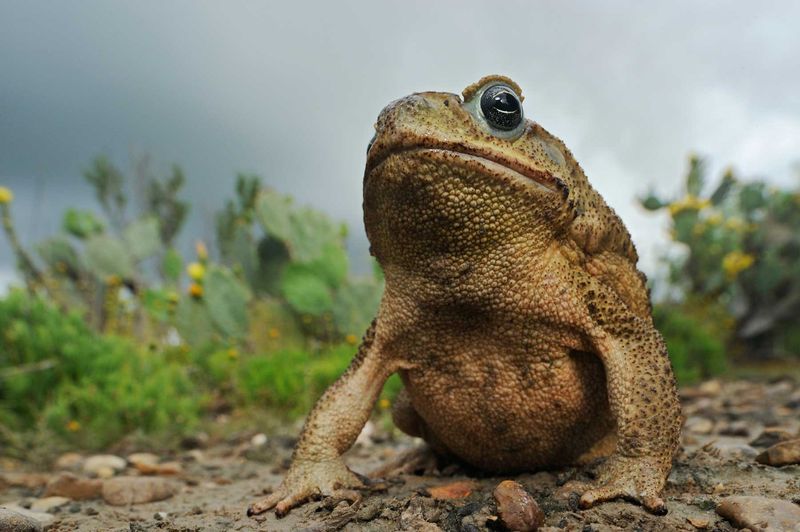
Native toads are one of the most welcome surprises a Central Texas garden can host, showing up on summer evenings to hunt whatever crosses their path. They genuinely contribute to a backyard food web, eating insects and other small invertebrates that share the soil surface with your plants. What they cannot reliably do is reach the white grubs tunneling through your root zone underground, so the relationship between toads and grub damage is more complicated than it first appears. Understanding what toads actually eat, how to make your yard more welcoming to resident ones, and when a real grub problem needs a different response will help you get the most from both worlds.
Toads can help a garden without promising a grub-free root zone
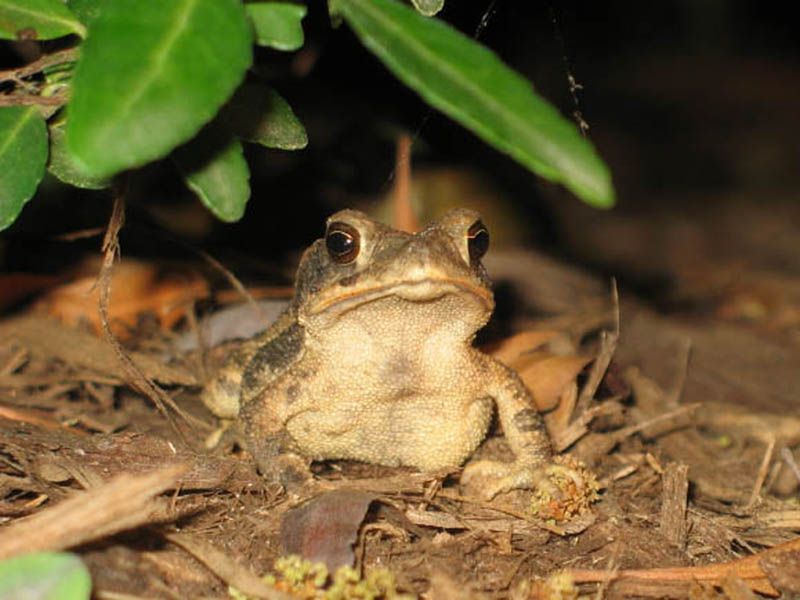
Every experienced Texas gardener has a story about spotting a fat toad parked near the porch light, methodically snapping up moths and beetles drawn to the glow. That image captures something real: native toads do eat insects and other invertebrates, and they can be genuine contributors to a backyard ecosystem. The honest version of the story, though, is that “more toads” does not automatically translate into “fewer grubs eating your roots.”
Central Texas is home to several native toad species, including the Texas toad, Gulf Coast toad, Woodhouse’s toad, and Great Plains toad. Texas Parks and Wildlife’s guide to frogs and toads found in Texas makes clear that “toad” is not a single ecological category – each species occupies a specific niche, eats what it can catch near the surface, and responds to habitat conditions in its own way. Supporting any of them is worth doing, but the support comes with a realistic expectation of what they can and cannot accomplish.
The core limitation is straightforward: root-feeding white grubs spend most of their lives underground, where a foraging toad simply cannot reach them. Toads hunt by sight and movement near the soil surface at night. A grub burrowing three inches below your St. Augustine is effectively invisible and inaccessible to even the most enthusiastic toad.
A 2026 field and laboratory study of American toads confirmed that toads do consume insects and other invertebrates in garden settings, but their effect on any specific pest population – especially underground ones – is highly context-dependent. Toads may eat some exposed pests and add ecological pressure on insects that happen to cross their path. What they cannot do is serve as a dependable stand-alone control for the grubs chewing your roots. The practical value is real; the promise of a grub-free zone is not.
Confirm that grubs—not drought or disease—are causing the damage
Wilting grass and brown patches during a Central Texas summer can mean almost anything. Before you blame grubs or start treating your soil, a quick inspection of the root zone will tell you whether you actually have a grub problem or whether heat, drought, or a fungal disease is the real culprit.
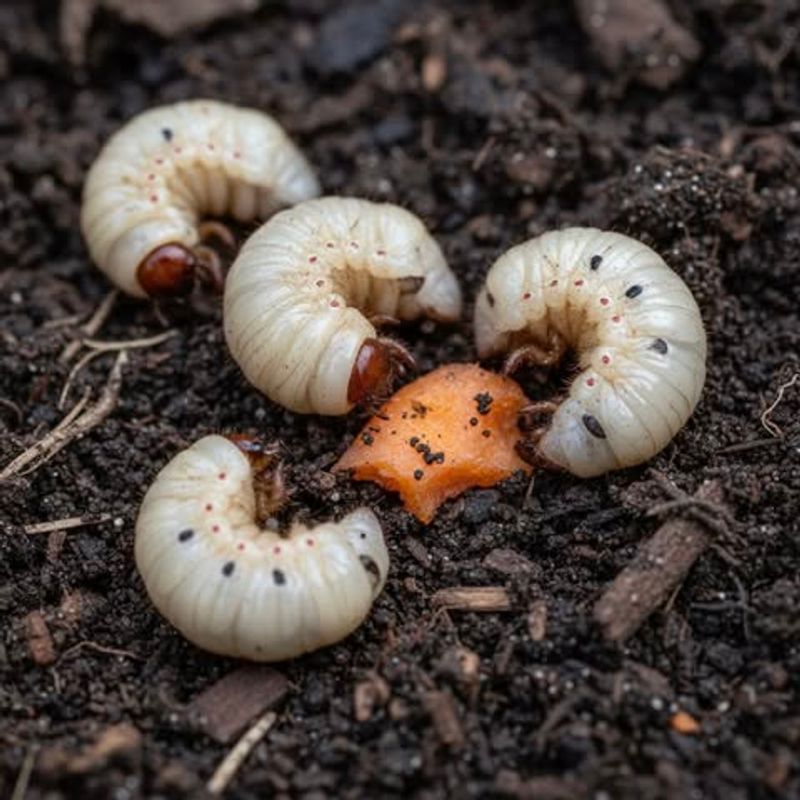
White grubs are the larvae of beetles – June beetles and the southern masked chafer are two of the more damaging turfgrass species in Texas. Texas A&M AgriLife Extension’s guidance on white grubs in Texas turfgrass describes the larvae as creamy white and C-shaped, with a distinct brown head and three pairs of legs near the front of the body. Most grub feeding happens during summer and early fall, when larvae are actively chewing through roots just below the thatch layer.
The scouting method is simple. Cut a one-foot-square section of turf a few inches deep and fold it back like a flap. Count the grubs you find in that section and repeat in several spots around the affected area. Texas A&M uses a threshold of more than five grubs per square foot as a guide for deciding whether turfgrass treatment is warranted – but that number applies specifically to lawn turf, not to vegetable beds, ornamental beds, or every soil type across Central Texas.
Finding a single grub in a garden bed is not automatic cause for alarm. Texas has nearly 100 species of May and June beetles, and most do not cause significant economic damage. Green June beetle larvae, for example, feed primarily on decaying organic matter and usually cause little direct root injury, though their burrowing can disturb soil in compost-rich areas.
Drought stress and take-all patch, a fungal disease common in Central Texas lawns, can produce symptoms nearly identical to grub damage: irregular dead patches, thinning turf, and grass that looks like it is struggling despite adequate watering. The key difference is that grub-damaged turf often pulls up easily because the roots have been severed. If the grass holds firm when you tug it, look hard at moisture levels and disease before reaching for any treatment.
Understand why nighttime toad hunting may miss underground grubs
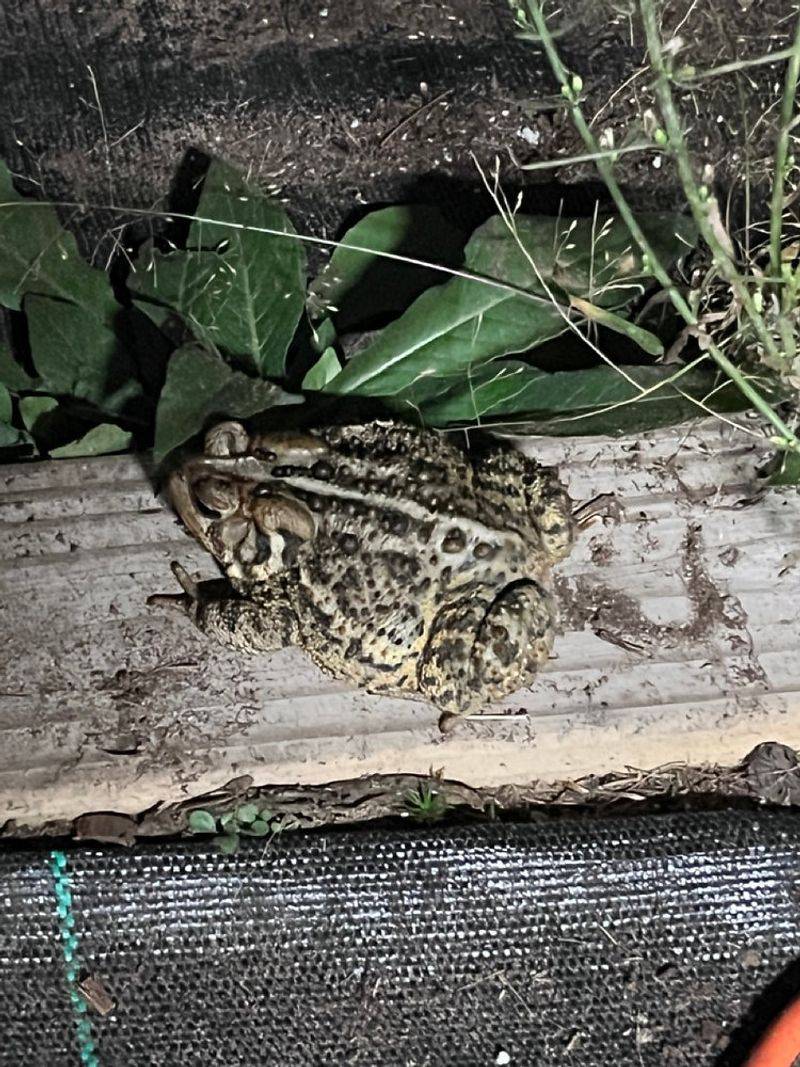
Picture a toad on a warm July evening in Austin: crouched motionless near a porch light, eyes locked on a moth circling just above the soil. The toad lunges, catches it, and settles back into position. That hunting style – patient, surface-level, triggered by visible movement – is exactly why root-feeding grubs so often escape notice entirely.
White grubs spend the overwhelming majority of their lives underground, moving up and down through the soil profile depending on temperature and moisture. When they are actively feeding on roots, they are typically two to four inches below the surface, well out of range for a toad foraging above ground. Texas A&M AgriLife’s turfgrass grub guidance notes that grub activity peaks during summer and early fall, but the larvae remain concealed throughout. A toad has no mechanism to detect or excavate them.
The 2026 study of American toads in a vegetable agroecosystem shed light on exactly what toads do catch when they forage. Researchers found that toads mainly consumed rove beetles, ants, ground beetles, and spiders – many of which are themselves beneficial predators of garden pests. Toads were most likely to attack prey larger than four millimeters that was actively moving. The study found no significant increase in plant pest damage and no decrease in crop productivity, but it also did not demonstrate any reduction in root-feeding grubs.
This matters for how you think about toads as garden allies. They are generalist predators, not targeted biological-control agents aimed at any specific pest. Some of the insects they eat are actually working in your favor, suppressing aphids or other surface pests. The takeaway is not that toads are unhelpful – they add genuine ecological texture to a backyard food web – but that expecting them to clear underground grubs sets both you and the toad up for disappointment.
Their value lies in the complexity they bring to the system, not in a measurable reduction of root damage.
Create a cool, shaded refuge for resident toads
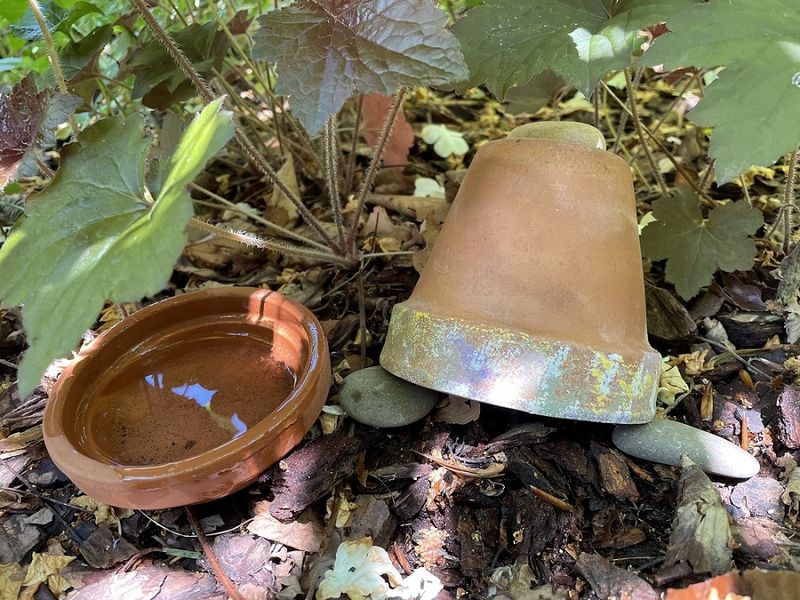
Central Texas summers are brutal by any measure, and toads feel that heat acutely. They are most active at night precisely because daytime temperatures and low humidity would dry them out within hours. Giving a resident toad a cool, shaded place to wait out the heat of the day is the single most practical thing you can do to make your garden more welcoming to them.
Texas Parks and Wildlife specifically recommends overturned terracotta pots as toad shelters, along with rock piles, brush piles, and dense low plantings. The pot works best when it has a notch or opening large enough for a toad to enter and exit, sits directly on the soil rather than on a hard surface, and is placed in a spot that stays shaded through the hottest part of the afternoon. A north-facing bed against a fence or a spot under a large shrub tends to hold moisture and stay several degrees cooler than open areas.
Water access matters as much as shelter, especially during a dry Texas summer. A shallow container – a ceramic saucer or a wide, low-sided dish – filled with clean water and set in shade gives toads a place to hydrate through their skin without risk of drowning. The dish should have a rough interior surface or a small stone ramp so a toad can climb out easily. Refresh the water every day or two; standing water in full sun can heat up fast and become a mosquito breeding site rather than a useful resource.
National Wildlife Federation guidance on creating toad-friendly habitat emphasizes allowing animals to colonize suitable habitat naturally rather than trying to import or relocate them. Leaf litter left in appropriate areas, native groundcover recommended through Texas Wildscapes, and a layer of organic mulch in planting beds all help retain soil moisture and support the invertebrates toads eat. These features improve habitat suitability in a meaningful way, but no single element – not a clay pot, not a water dish, not a native plant – can guarantee that a toad will arrive, take up residence, or stay through the season.
Support the wider food web and reduce amphibian risks
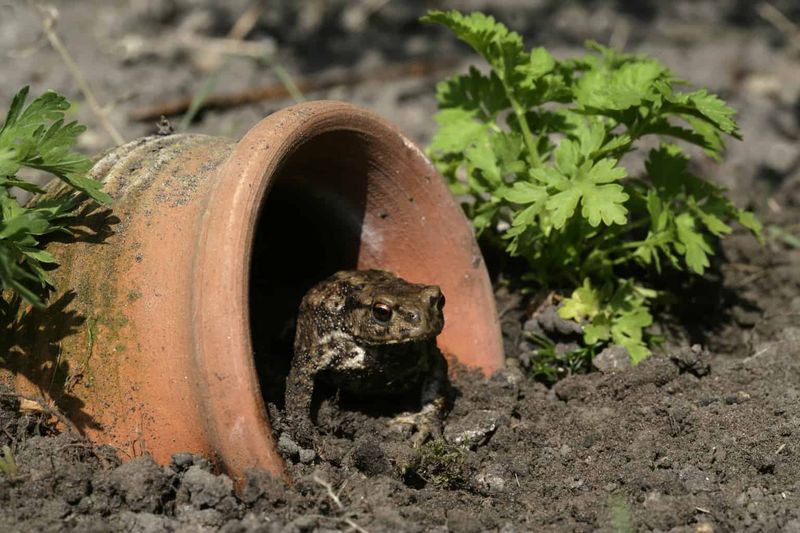
Native plants do more than look good. When you choose species adapted to Central Texas conditions – plants that evolved alongside local insects, birds, and amphibians – you are building a layered habitat that supports far more life than a conventional ornamental bed. Texas Wildscapes and Texas Parks and Wildlife’s wildlife habitat guidance both point to native groundcover, leaf litter, and appropriate mulch as ways to shelter small invertebrates – the beetles, pillbugs, and other creatures that form the base of a toad’s diet.
Pesticides are where this ecosystem approach can break down quickly. Toads absorb substances through their skin, which means a chemical applied to soil or foliage does not have to be ingested to cause harm. EPA research on pesticide uptake in frogs and other amphibians identifies direct skin contact, water contaminated by runoff, and prey that has been exposed to pesticides as three distinct pathways for chemical harm. A broad-spectrum insecticide applied to control one pest can move through all three of those routes before a toad ever encounters it directly.
Routine preventive pesticide applications are especially problematic in a yard where you are trying to support amphibians. Beyond the direct toxicity risk, broad-spectrum products also reduce the invertebrate populations that toads depend on for food, removing the very reason a toad might choose your yard over a neighbor’s. Targeted, evidence-based treatment – applied only when a specific pest has been confirmed at a level that is actually causing damage – is far less disruptive to the food web you are trying to build.
Habitat improvement and pest management are not opposing strategies; they work best as layers within the same plan. A shaded shelter, clean water, native plants, and restrained pesticide use together create conditions where resident toads can forage, where beneficial insects have a chance to persist, and where you retain the option of targeted treatment when a real problem is confirmed. No single layer does the whole job, but each one makes the others more effective.
Respect Texas species, protected wildlife, and pet safety
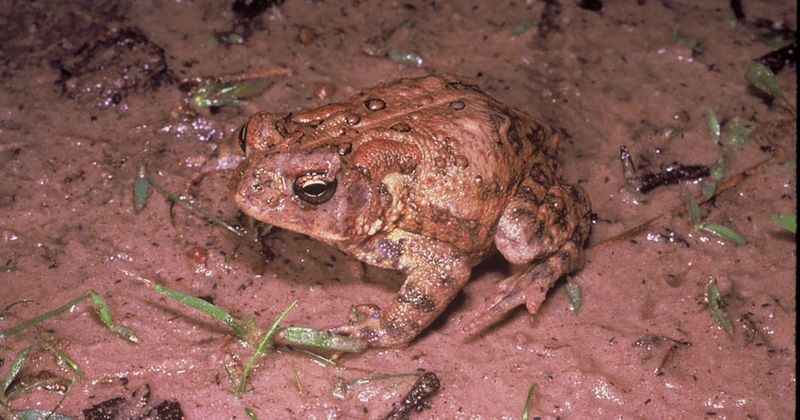
Not every toad in your yard is the same animal, and that distinction carries real consequences for how you interact with them. Texas Parks and Wildlife’s guide to frogs and toads found in Texas lists several native species – the Texas toad, Gulf Coast toad, Woodhouse’s toad, Great Plains toad, and others – each with its own habitat needs, range, and ecological role. “Toad” is a convenience label, not a uniform ecological category, and the legal status of different species varies considerably.
The Houston toad is an endangered species that occurs only in portions of nine Central Texas counties: Austin, Bastrop, Burleson, Colorado, Lee, Leon, Lavaca, Milam, and Robertson. It requires very specific conditions – deep sandy soils, woodland or savanna cover, native bunchgrasses, and shallow water that persists long enough for breeding. If you garden in those counties, you may live near Houston toad habitat. You should not collect, handle, move, or attempt to establish Houston toads under any circumstances.
Doing so without proper authorization is illegal and can harm animals that are already under serious population pressure from drought, habitat loss, and fire ants.
Collecting or relocating any wild toad carries risks beyond the endangered-species question. Texas Parks and Wildlife’s frogging regulations note that collecting certain amphibians may require licensing. Disease transmission between wild populations is another concern that wildlife biologists take seriously. The right approach is to improve your habitat and let resident toads find it on their own schedule.
Pet owners need a Texas-specific heads-up about toad toxicity. The cane or giant toad, whose range in Texas is primarily far South Texas, is not the toad you are likely to encounter in a Central Texas backyard. Most native Central Texas toads produce mild skin secretions that are irritating but not acutely dangerous to dogs. That said, any toad can cause drooling, pawing at the mouth, or vomiting if a dog mouths it.
Texas A&M Veterinary Medicine advises seeking immediate veterinary care if a pet shows signs of toad toxicity, including excessive drooling, disorientation, muscle tremors, or seizures. When in doubt, call your vet rather than waiting to see whether symptoms resolve.
Use toad habitat as one layer of an evidence-based grub plan
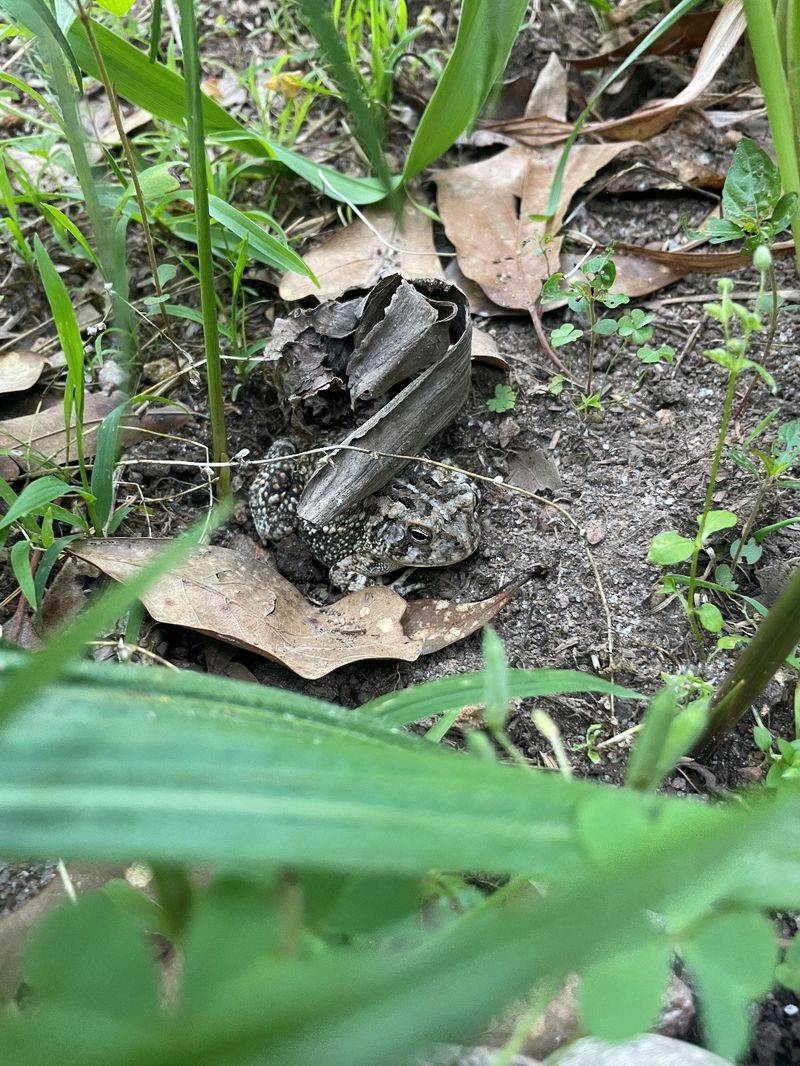
A workable plan for Central Texas root-zone health starts with looking before acting. When you notice patches of struggling turf or plants that seem to be losing ground despite adequate water, cut back a section of the root zone and count what you find. Identify any larvae you discover – creamy white and C-shaped with a brown head means a white grub, while a larva feeding on decaying mulch is probably not your root problem. Texas A&M AgriLife’s turfgrass grub guidance recommends confirming both the pest identity and the damage level before committing to any treatment.
Once you have that baseline, layer in the habitat improvements that support resident toads and a broader food web: shaded shelter, a clean shallow water source refreshed frequently, native plants and groundcover, and a restrained approach to pesticides. Texas Parks and Wildlife’s wildlife habitat guidance frames these steps as ways to make a yard more hospitable to native wildlife over time, not as a guaranteed outcome in any single season.
Toads may add ecological value and put some pressure on exposed surface insects, but the 2026 American toad study makes it clear that their effect on underground grub populations is not dependable. Reserve targeted grub treatment – whether a biological option like beneficial nematodes or a product recommended by your county extension office – for situations where you have confirmed a damaging grub species at a level that warrants action. Measure your success by the health and diversity of your landscape as a whole. A yard that shelters toads, supports native insects, and responds to pest problems with evidence rather than habit is already doing most of the work right.