
Fall can still feel alive in a Florida butterfly garden, but nectar flowers are only half the story. Butterflies visit more often when they also find the right plants for laying eggs and feeding caterpillars.
Those plants are called host plants, and they keep the life cycle going in your yard. Add the right mix, and your garden can stay active long after many summer blooms have slowed down.
1. Milkweed
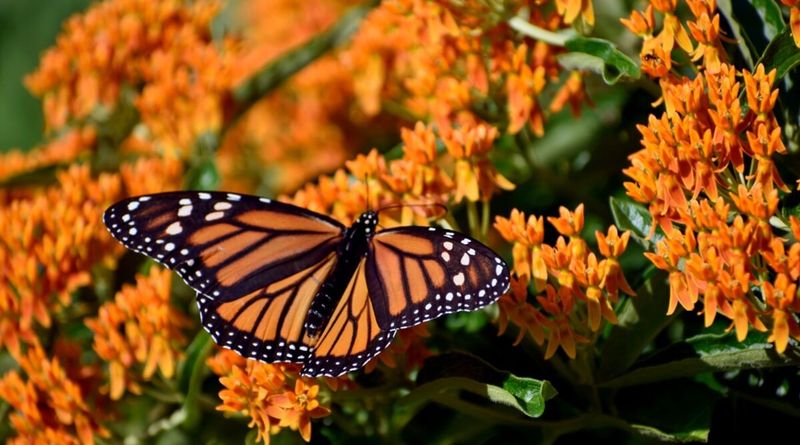
Monarchs have a way of turning a quiet yard into a small neighborhood event, especially when a caterpillar shows up on a milkweed leaf. For Florida gardeners, milkweed is the host plant most people recognize first because monarch caterpillars depend on it and cannot switch to just any leafy plant.
Native milkweeds such as butterfly milkweed, swamp milkweed, and aquatic milkweed are better choices than tropical milkweed in many Florida yards. UF-IFAS has warned that tropical milkweed can stay green too long in frost-free areas, which may affect monarch movement and disease patterns if it is not managed carefully.
Plant milkweed in full sun, with good air movement and soil that matches the species. Butterfly milkweed handles drier, sandy spots once established, while swamp and aquatic milkweed appreciate more moisture.
In fall, fresh tender growth can still draw egg-laying monarchs, so avoid spraying pesticides anywhere nearby.
Do not panic when the leaves get chewed down. That ragged look means the plant is doing its job, and a healthy patch usually rebounds with new growth.
2. Passionflower Vine
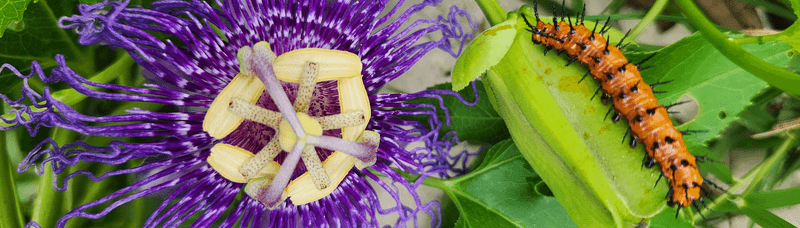
A fence covered in passionflower can look a little wild, and that is exactly why many Florida butterflies love it. Gulf fritillaries, zebra longwings, and julias use passionflower vines as host plants, making them one of the busiest caterpillar nurseries you can grow.
Native maypop passionflower and corkystem passionflower are especially useful in Florida gardens. Corkystem passionflower has smaller flowers, but it is a powerhouse for zebra longwings, Florida’s state butterfly.
Maypop brings showier blooms and can ramble with real enthusiasm, so give it a trellis, fence, arbor, or a back corner where it can move without swallowing a walkway.
Passionflower stands apart because it feeds several eye-catching species instead of just one. The orange flash of gulf fritillaries, the striped grace of zebra longwings, and the warm color of julias can all trace back to this vine when it is growing well.
In sandy soil, water young vines until roots settle in, then let them toughen up. A light trim keeps growth tidy, but leave enough leaves for caterpillars, even when the plant starts looking nibbled.
3. Wild Lime
At first glance, a giant swallowtail caterpillar can look like something a bird left behind. That odd disguise is part of the charm, and wild lime gives those strange little caterpillars the food they need before they become Florida’s largest swallowtail butterflies.
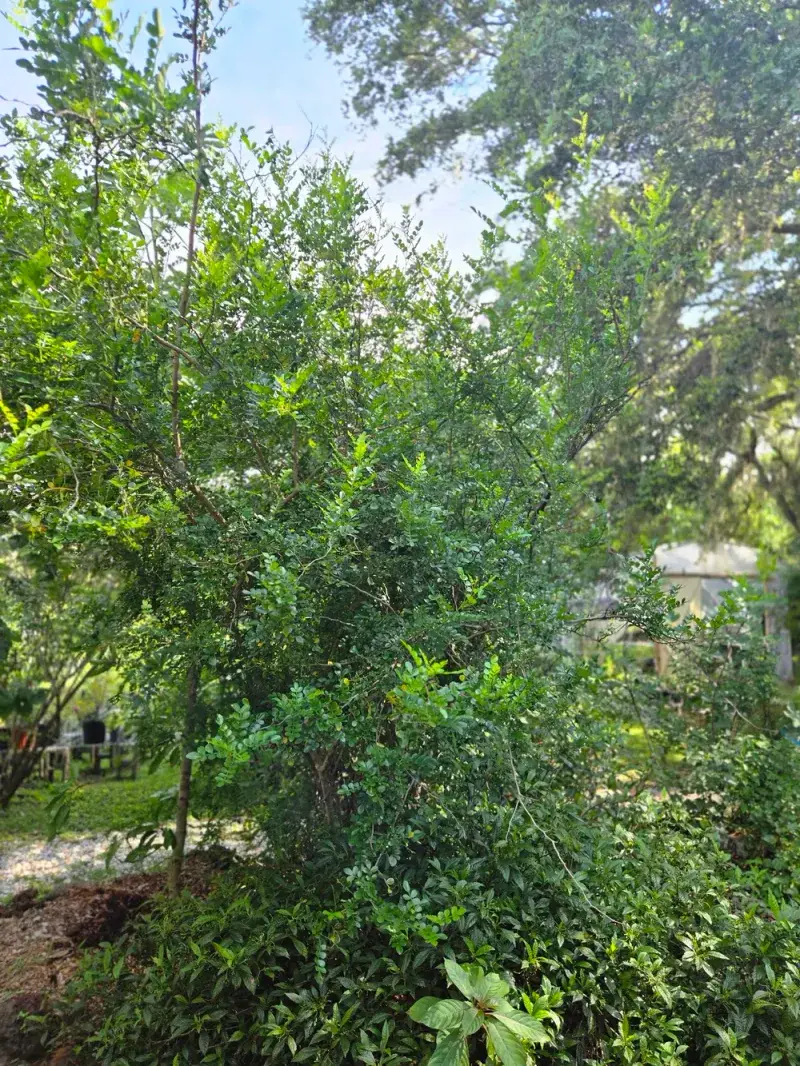
Wild lime is a native citrus relative, not the same as the grocery-store lime tree. It has glossy leaves, thorny stems, and a dense shape that works well in a wildlife hedge or mixed native border.
Because it is adapted to Florida conditions, it can fit better into a low-care yard than tender edible citrus, especially where the goal is habitat rather than fruit.
Giant swallowtails also use citrus trees, but wild lime earns its spot because it brings that same butterfly value without asking you to manage it like a backyard orchard. The thorns can even help make a useful barrier near property edges, though it is best kept away from narrow paths and places where children run.
Give wild lime sun to part sun and decent drainage. In very sandy soil, mulch lightly around the root zone, keeping mulch off the trunk, and water during establishment.
4. Cassia
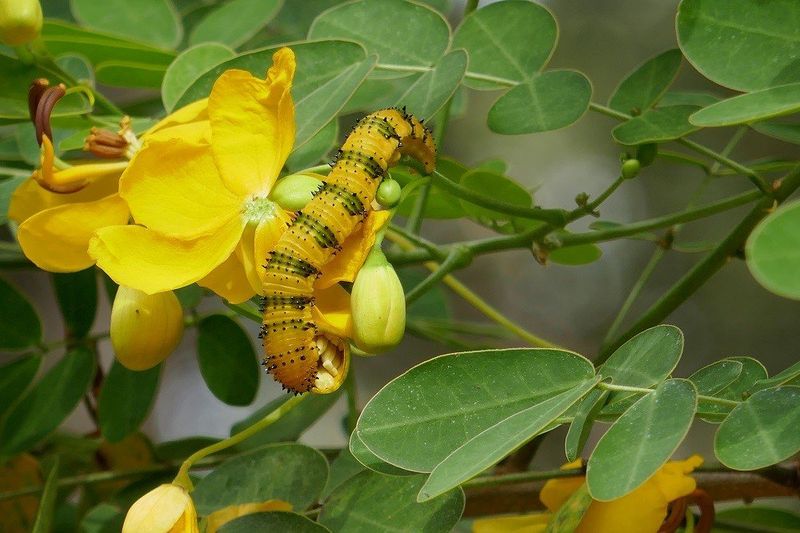
Bright yellow sulphur butterflies often seem to appear out of nowhere, fluttering low over sunny beds like little scraps of sunlight. Cassia and related native legumes are a big reason they stick around, since cloudless sulphur, sleepy orange, and other sulphur caterpillars feed on plants in this group.
For Florida yards, look for native or well-adapted choices such as partridge pea, privet senna, or Bahama cassia where appropriate for your area. They bring yellow blooms, fine-textured foliage, and strong wildlife value without needing the pampering that fussier ornamentals demand.
Partridge pea can be especially useful in more natural areas, while shrub-form sennas can anchor a sunny bed.
Cassia earns a place on the list because it supports butterflies that keep gardens moving even when larger showpiece species are not present. Sulphurs are active, noticeable, and frequent visitors in warm Florida weather, so their host plants help maintain daily butterfly traffic.
Site these plants in sun and avoid rich, soggy soil. Many legumes handle lean conditions well, which is welcome news for gardeners dealing with Florida’s fast-draining sand.
Expect some leaf chewing, and count it as a sign that the plant is feeding the next generation.
5. Frogfruit
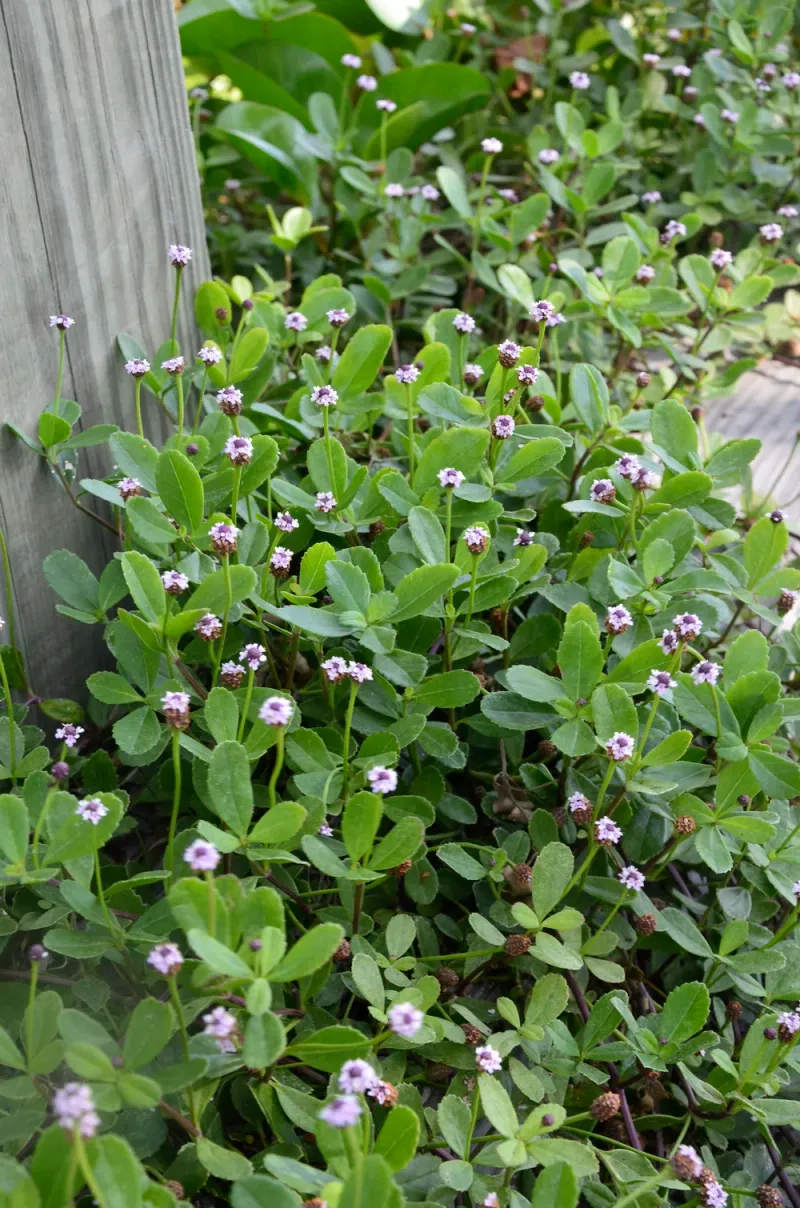
Some of the best butterfly action happens close to the ground, right where most people forget to look. Frogfruit is a low native groundcover that hosts phaon crescent, white peacock, and common buckeye butterflies while also offering tiny nectar flowers for small pollinators.
Frogfruit is especially useful for Florida gardeners who want less bare sand and fewer high-maintenance turf edges. It can spread into a living mat, tolerate foot traffic better than many delicate flowers, and handle heat once established.
In a sunny strip near a path, along a driveway, or at the front of a wildlife bed, it softens hard lines without growing tall and floppy.
What makes frogfruit different is its double duty. It works like a practical groundcover and a host plant at the same time, so even a small yard can support butterfly life without adding another big shrub or vine.
Water it regularly while it fills in, then reduce watering as roots settle. Frogfruit may look modest compared with bold tropical blooms, but watch it on a warm afternoon and you will see how much traffic those tiny flowers and leaves can invite.
6. False Nettle
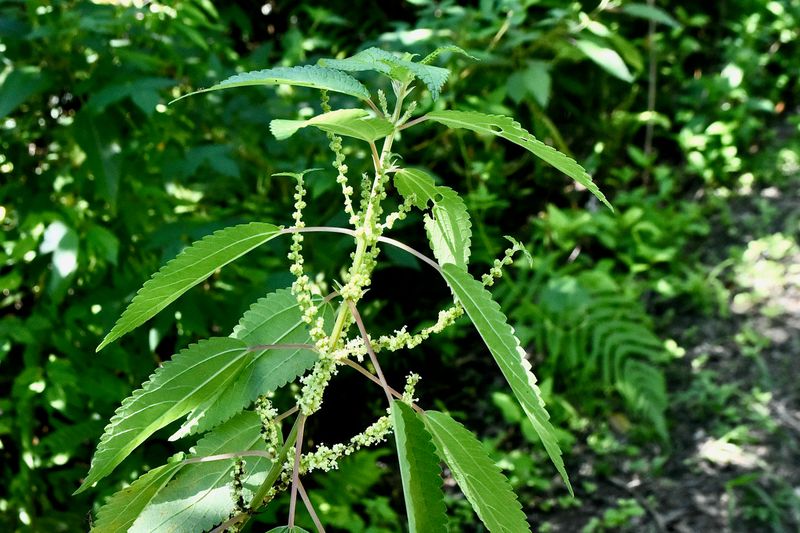
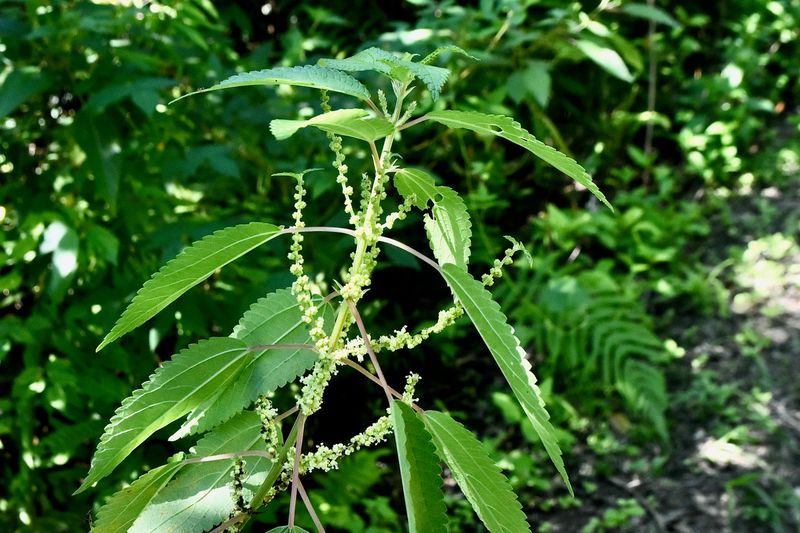
A damp corner that never seems right for showy flowers may be perfect for false nettle. Unlike stinging nettle, false nettle does not have the painful sting, and it quietly feeds caterpillars of red admirals, question marks, and eastern commas.
False nettle shines in part shade and moist soil, which makes it valuable in Florida gardens with low spots, rain-garden edges, or shaded areas near downspouts. Not every host plant wants full sun and dry sand, so this one helps fill a different habitat layer.
That variety matters because a busier butterfly garden usually has more than one kind of planting zone.
Its biggest strength is serving brush-footed butterflies that many gardeners enjoy but do not always plan for. Red admirals are quick, bold visitors, and question mark butterflies have a leaflike beauty that feels perfectly matched to a natural garden edge.
Place false nettle where it can blend into a relaxed bed rather than a formal front border. It is not a flashy centerpiece, but it earns its keep by turning a tricky moist patch into useful caterpillar habitat.
Skip insecticides, since folded or chewed leaves may be sheltering larvae.
7. Pipevine
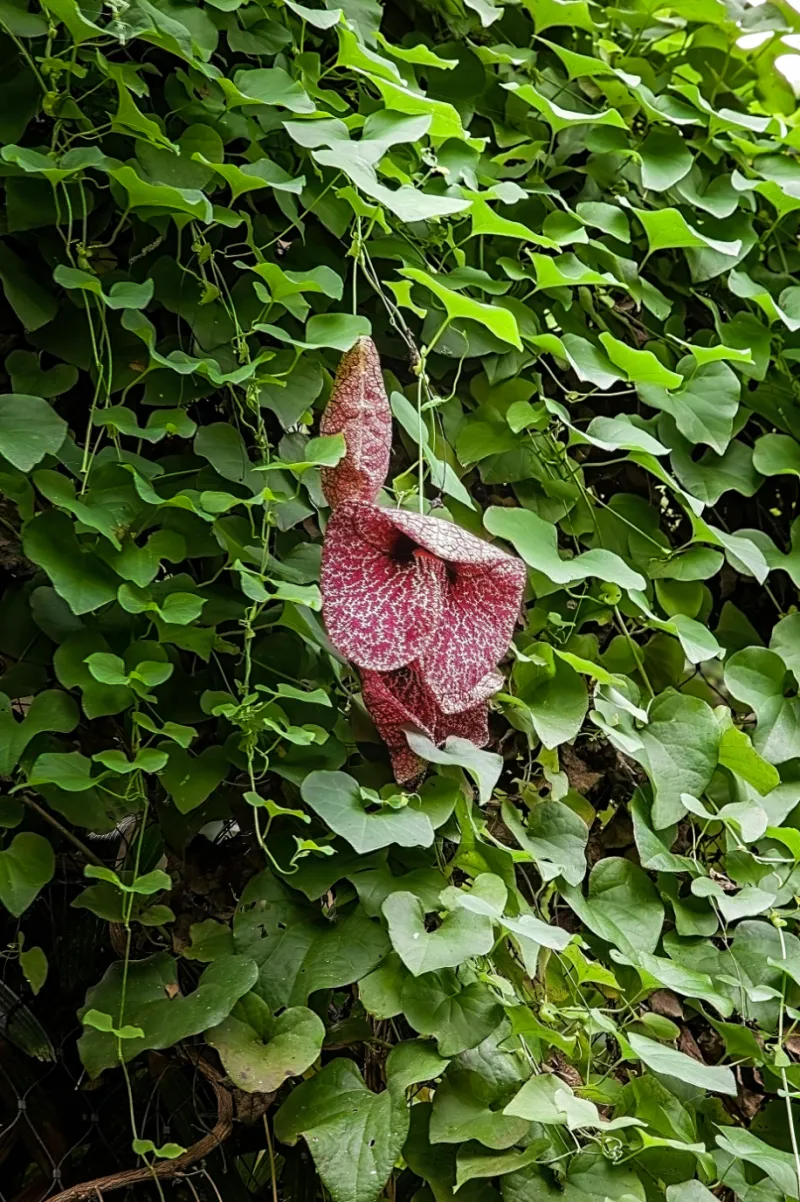
Pipevine brings a touch of mystery to a butterfly garden, with unusual flowers and caterpillars that look almost too dramatic to be real. It is best known as a host plant for pipevine swallowtails, those dark butterflies with shimmering blue on the hindwings.
Florida gardeners should choose pipevine carefully because not all species are equally safe or useful for local butterflies. Native pipevines, where available and appropriate, are the better route for habitat planting.
Some ornamental tropical pipevines have been reported as poor choices for pipevine swallowtail larvae, so buying from a knowledgeable native plant nursery is a smart move.
Pipevine belongs here because it can add a vertical host plant without looking like the same old garden shrub. Trained on an arbor, fence, or trellis, it creates leafy cover and keeps caterpillar feeding off the main flower bed.
That is handy in smaller Florida yards where every square foot has to work hard.
Give it a sturdy support, steady moisture during establishment, and room for seasonal growth. If leaves get chewed, resist the urge to tidy too quickly.
Those missing bites may be the reason a swallowtail glides through your yard a few weeks later.